Sudden Testicle Pain: Is It Torsion or an Infection?
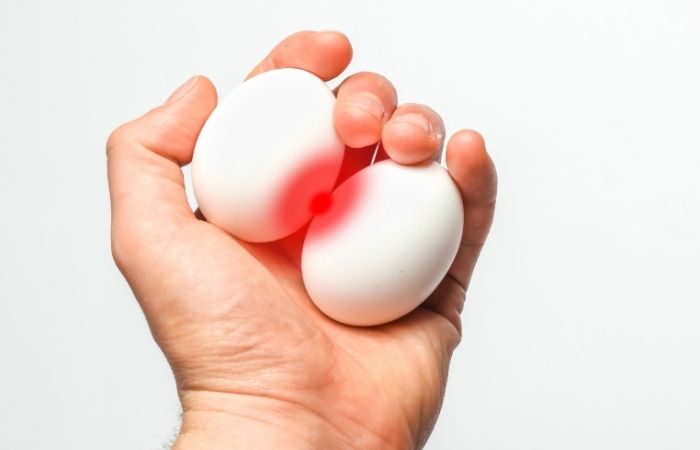
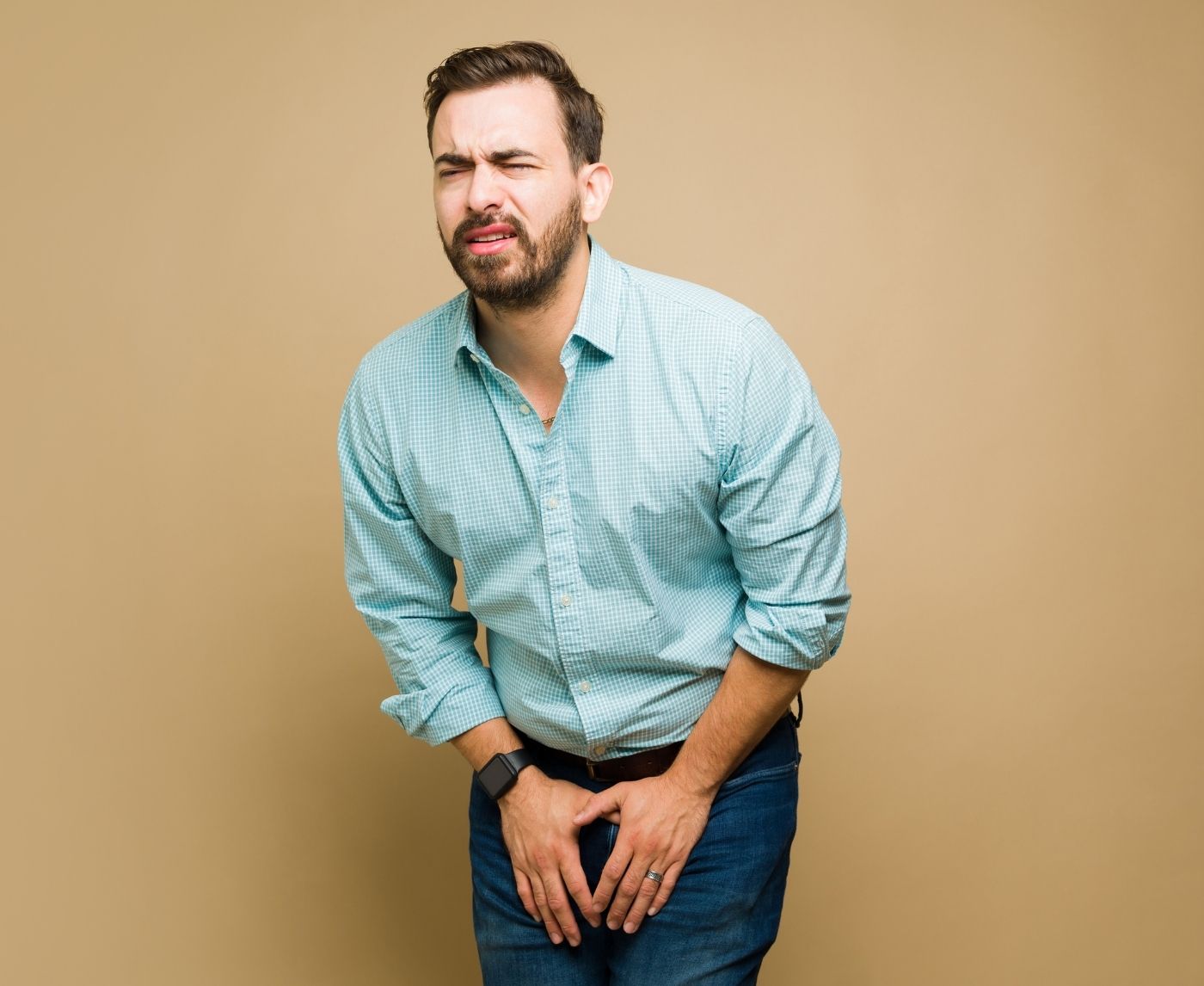
It usually starts out of nowhere. You’re sitting, walking, maybe even sleeping, and then there it is. A sharp, uncomfortable, or downright alarming pain in one testicle. Your brain scrambles for answers. Did I sit weird? Is this an STD? Do I wait this out… or is this something serious?
This is one of those moments where guessing wrong matters. Because while some causes of testicle pain are treatable infections, others, like testicular torsion, are medical emergencies where time can literally decide whether a testicle is saved or lost.
20 March 2026
16 min read
548
Quick Answer: Sudden, severe testicle pain with nausea or swelling is more likely testicular torsion and requires immediate ER care, while gradual pain with urinary symptoms or discharge is more often an infection like epididymitis.
This Is the Kind of Pain You Don’t “Wait and See”
Here’s the hard truth: not all testicle pain is equal. Some causes give you time. Others don’t. And the problem is, in the moment, they can feel confusingly similar.
Testicular torsion happens when the spermatic cord twists, cutting off blood flow. No blood flow means tissue damage begins fast, sometimes within hours. That’s why doctors treat it like a race against time.
Infections, on the other hand, usually come from bacteria, often sexually transmitted infections like chlamydia or gonorrhea, or sometimes urinary tract bacteria. These cause inflammation in structures like the epididymis, leading to swelling and pain that builds more gradually.
“I thought I just pulled something at the gym,” one 24-year-old patient said. “It hurt, but I figured I’d sleep it off. By morning, I was in surgery.”
The difference between those two stories isn’t just discomfort, it’s urgency.
How the Pain Actually Feels (And Why That Matters)
Most people don’t walk around with a mental chart of testicle pain types. You just know something feels off. But the way pain shows up, how fast, how intense, and what comes with it, can tell you a lot.
Key Differences in Symptoms and Onset
Symptom
Testicular Torsion
Infection (Epididymitis)
Pain onset
Sudden, severe
Gradual, worsening
Pain type
Sharp, intense
Dull ache or throbbing
Nausea/vomiting
Common
Rare
Swelling
Rapid swelling
Gradual swelling
Urinary symptoms
Usually none
Burning, frequency
Discharge
None
Possible (STD-related)
One of the biggest clues is speed. Torsion doesn’t usually “build.” It hits. People often remember the exact moment it started.
Infections tend to creep in. Maybe it starts as a mild ache. Maybe you notice discomfort after sex, or a strange heaviness that doesn’t go away. Then over hours or days, it gets worse.
But here’s where it gets tricky: not every case reads the textbook. And that’s where people get into trouble.
When Infection Is the Real Cause (And Why STDs Are Often Involved)
If the pain isn’t explosive and immediate, infection becomes much more likely. The most common culprit is epididymitis, an التهاب (inflammation) of the epididymis, the coiled tube behind the testicle.
In younger, sexually active men, this is often linked to chlamydia or gonorrhea. These infections don’t always cause obvious symptoms at first. Sometimes testicle pain is the first sign something’s off.
“I didn’t have discharge or anything,” a 29-year-old said. “Just this weird ache in my left testicle. I almost ignored it.”
Other times, you might notice:
Burning when you pee
A feeling of heaviness or pulling
Swelling that worsens over time
Pain after ejaculation
This is where testing matters. Because guessing wrong can mean letting an infection spread, or missing something more serious.
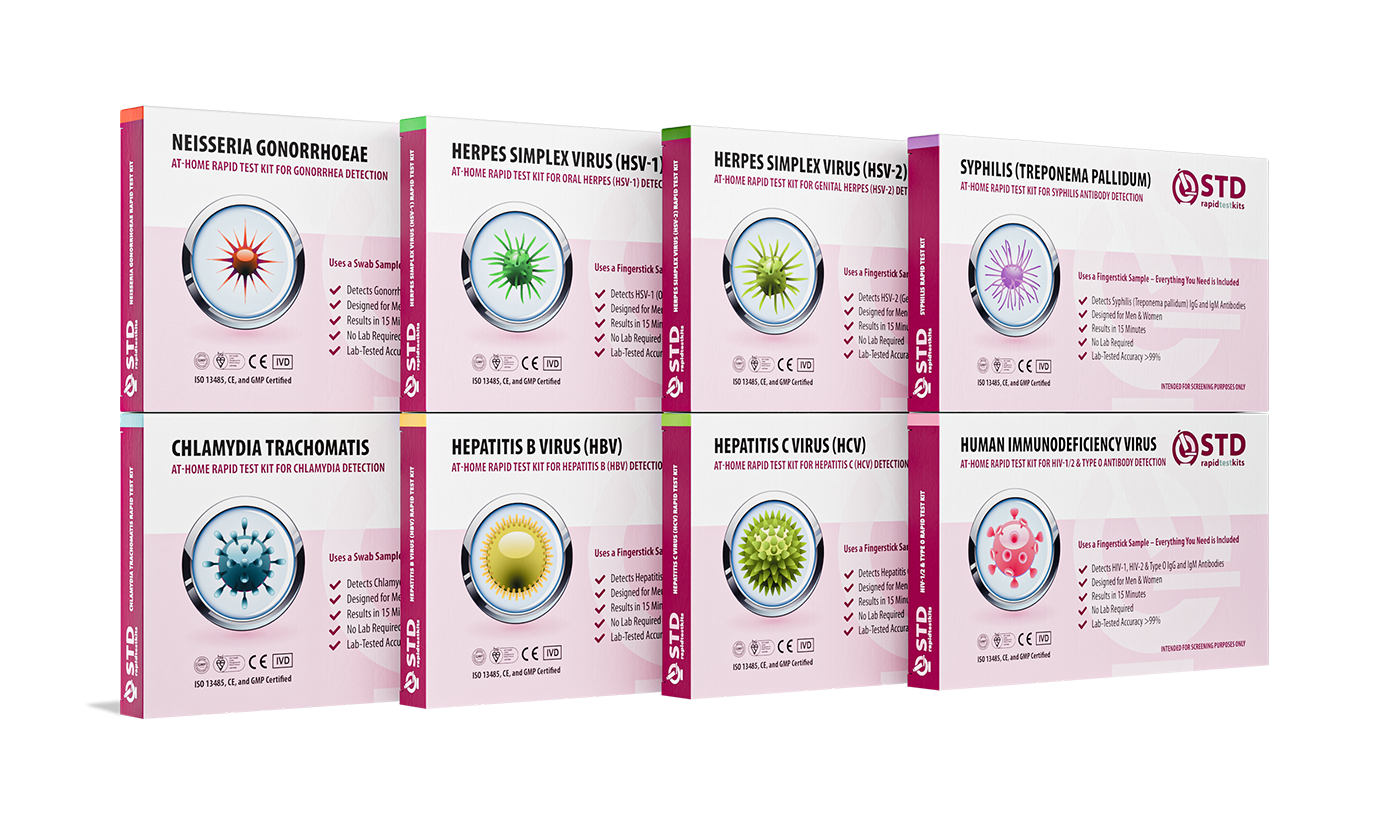
If there’s even a chance your symptoms are linked to sexual exposure, getting clarity fast matters. You can start with a discreet option like an at-home STD test that screens for common infections without the stress of a clinic visit.
And if you want broader coverage, a complete STD test kit can check for multiple infections at once, because symptoms don’t always tell the full story.
Why Testicular Torsion Is a Different Level of Emergency
There’s a reason doctors don’t “monitor” torsion, they act fast.
When the spermatic cord twists, it cuts off oxygen. Without oxygen, tissue starts to die. The window to save the testicle can be as short as 6 hours. After that, the risk of permanent damage or loss rises sharply.
This isn’t about pain tolerance. It’s about biology.
Torsion Timeline and Risk
Time Since Pain Started
Chance of Saving Testicle
0–6 hours
Very high
6–12 hours
Moderate
12–24 hours
Low
24+ hours
Very low
That’s why hesitation is the real danger here. Not knowing is one thing. Waiting is another.
If the pain is sudden, severe, and doesn’t let up, even if you’re not 100% sure, it’s safer to treat it like torsion until proven otherwise.
What No One Tells You in the Moment of Panic
When testicle pain hits, your brain doesn’t calmly sort through medical possibilities. It spirals. You Google. You compare. You second-guess yourself. And the most dangerous thought that creeps in is: “Maybe it’s nothing.”
This is exactly where people lose time with torsion. Because not every case looks dramatic. Some start as discomfort, then spike. Some ease for a moment, then come back worse. That inconsistency tricks people into waiting.
“It hurt really bad for like 20 minutes, then it kind of faded,” one patient recalled. “I thought maybe it fixed itself. It didn’t.”
Torsion can occasionally twist and partially untwist. That doesn’t mean it’s gone. It means it’s unstable, and the next twist could cut off blood flow completely.
How Doctors Actually Tell the Difference
At the hospital or clinic, doctors don’t rely on guesswork, they look for patterns and confirm them fast.
The first step is always your story. When did the pain start? How fast did it escalate? Are there urinary symptoms? Any recent sexual exposure? These details help narrow things down quickly.
Then comes the physical exam. In torsion, the testicle may sit higher than normal or at an unusual angle. It’s often extremely tender to touch. In infections, the pain is usually less severe and more localized at first.
But the real confirmation usually comes from imaging, specifically an ultrasound that checks blood flow. If blood flow is reduced or absent, torsion becomes the top concern.
Here’s the catch: doctors don’t always wait for imaging if torsion is strongly suspected. They may go straight to surgery. Because every minute counts.
This is where things get messy, and why so many people hesitate.
Some infections can cause pretty intense pain. Some torsion cases aren’t instantly unbearable. And both can involve swelling, redness, and discomfort that feels “off” rather than clearly one thing or another.
That overlap creates a dangerous middle ground where people try to self-diagnose.
Here’s how to think about it in real life terms:
Real-World Symptom Patterns
What You Feel
More Likely Cause
What to Do
Sudden, intense pain + nausea
Torsion
Go to ER immediately
Gradual ache + burning when peeing
Infection (possible STD)
Get tested + medical care
Swelling after sex + mild pain
Infection or irritation
Monitor + test if needed
Pain wakes you from sleep suddenly
Torsion (classic sign)
Emergency care now
If you’re stuck in that gray zone, the safest rule is simple: treat sudden or severe pain like torsion until proven otherwise.
The STD Link Most People Miss
A lot of people don’t connect testicle pain with sexually transmitted infections. They expect discharge, sores, or obvious signs. But that’s not always how it shows up.
Infections like chlamydia and gonorrhea can travel up the reproductive tract and inflame the epididymis. That’s what causes epididymitis, and sometimes, testicle pain is the only noticeable symptom.
“I kept waiting for other symptoms,” one patient said. “But it was just this ache that wouldn’t go away.”
This is why testing matters even if things feel mild or confusing. Because untreated infections can lead to complications like fertility issues or chronic pain.
If there's even a small chance that your symptoms are related to a recent partner, you should get tested. A discreet at-home STD test can help you understand what's going on right away, especially if going to the clinic seems scary or inconvenient.
What Happens If You Guess Wrong
This is the part most articles gloss over, but it matters.
If you assume it’s an infection and it’s actually torsion, the consequence can be permanent damage or loss of the testicle. That’s not dramatic, it’s documented reality.
If you assume it’s torsion and go to the ER, worst-case scenario? You get evaluated and sent home with antibiotics or reassurance.
One path risks inconvenience. The other risks irreversible damage.
That’s why medical advice consistently leans one direction: don’t gamble with sudden testicle pain.
This is the question most people are really asking when they search this. Not the medical terminology. Not the anatomy. Just: “Do I need to go right now?”
Here’s the honest answer, if you’re even considering torsion, you don’t wait. You go.
That doesn’t mean every case of testicle pain is an emergency. But certain patterns should flip a switch in your brain from “monitoring” to “action.”
Think of it less like diagnosing yourself and more like triaging risk. You’re not trying to be right, you’re trying to avoid being dangerously wrong.
Red Flags You Should Never Ignore
Some symptoms are your body’s way of saying this isn’t a “wait and see” situation. They don’t guarantee torsion, but they make it serious enough that delaying care isn’t worth it.
Emergency Warning Signs
Symptom
Why It Matters
Sudden severe pain
Classic sign of torsion and loss of blood flow
Nausea or vomiting
Often triggered by acute torsion
Testicle sitting higher than usual
Possible twisting of spermatic cord
Pain that wakes you from sleep
Common torsion pattern
Rapid swelling
Indicates acute inflammation or blocked blood flow
If even one of these is happening, it’s not the moment to crowdsource answers or wait for symptoms to “settle.” It’s the moment to get evaluated.
When It’s More Likely an Infection (But Still Needs Attention)
Not every case needs an ER visit, but that doesn’t mean it should be ignored.
If your pain is building slowly, feels more like a dull ache, and comes with other signs like burning during urination or discomfort after sex, infection becomes more likely. That doesn’t make it harmless, it just changes the timeline.
Infections like epididymitis can worsen if untreated. And if they’re caused by an STD, there’s also the risk of spreading it to partners without realizing it.
This is where taking action early actually works in your favor. Testing, diagnosis, and treatment can usually resolve the issue before it escalates.
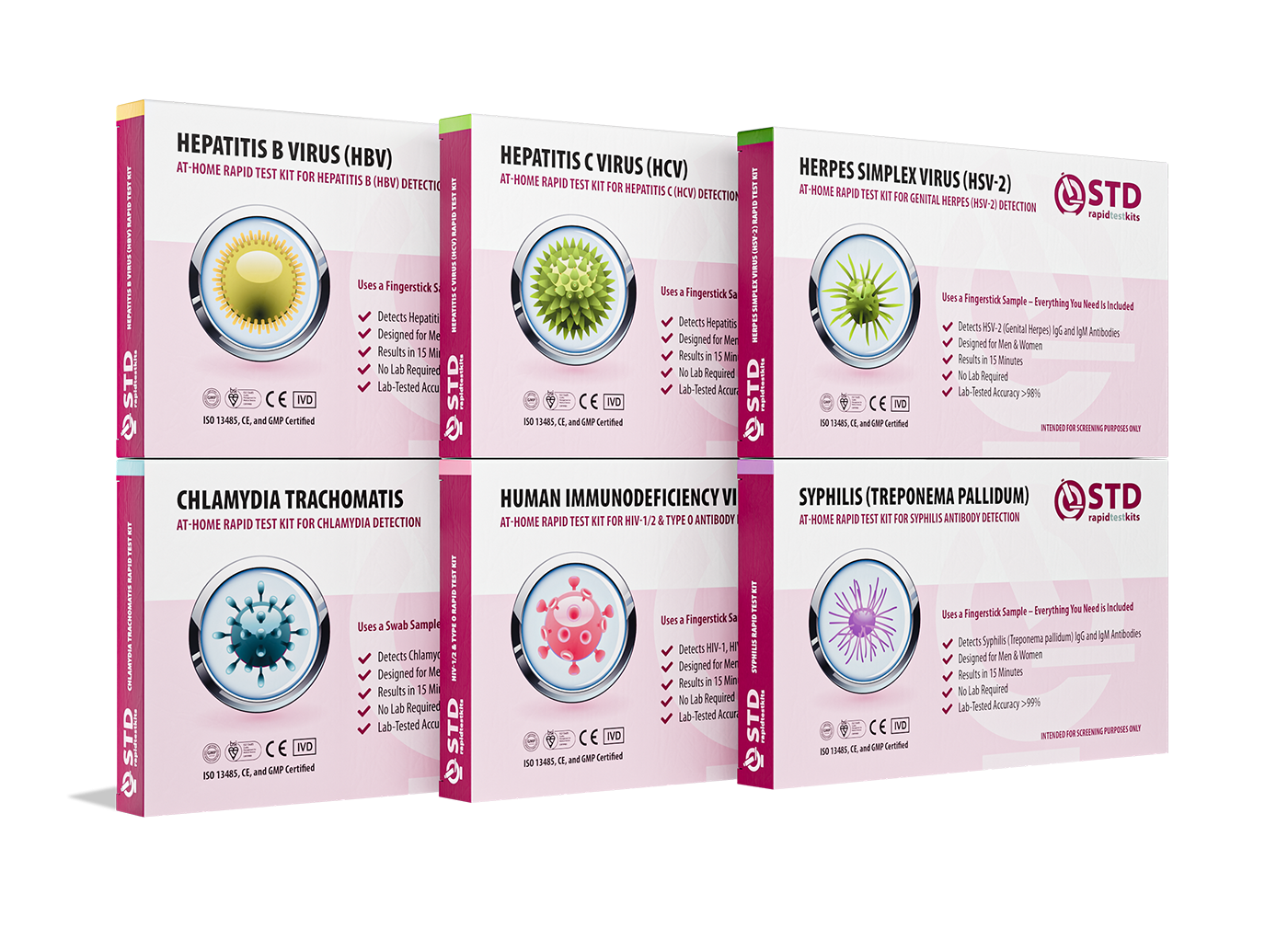
If getting to a clinic feels like a barrier, starting with a discreet at-home testing option can help you get answers faster and privately. For broader peace of mind, a multi-panel STD test kit covers the most common infections linked to testicle pain.
The Dangerous Myths That Delay People
A lot of delays don’t come from ignorance, they come from assumptions that feel reasonable in the moment.
Things like:
“If it was serious, the pain would be unbearable.”
“It went away for a bit, so I’m probably fine.”
“I’m too young/healthy for something like torsion.”
“It’s probably just from sex or working out.”
These thoughts are common, and they’re exactly what slow people down.
The reality is, torsion doesn’t always follow a script. And infections don’t always announce themselves clearly. That uncertainty is why medical guidance leans toward action, not assumption.
“I kept telling myself I was overreacting,” one patient said. “I wish I had overreacted sooner.”
If you’re reading this while feeling symptoms, don’t overcomplicate the next step.
If the pain is sudden, severe, or paired with nausea or swelling, go to the ER. Not urgent care. Not tomorrow. Now.
If the pain is mild, gradual, or tied to possible infection, your next move is testing and evaluation. That means either seeing a provider or starting with a reliable at-home test to rule out common causes.
The goal isn’t to self-diagnose perfectly. It’s to move forward instead of staying stuck in uncertainty.
FAQs
1. How do I actually tell if it’s torsion or just an infection?
The biggest clue is how it starts. If the pain hits you out of nowhere, like a switch flipped, and it’s intense enough to make you stop what you’re doing, that leans toward torsion. If it creeps in slowly and feels more like a deep ache that builds over time, infection is more likely. But honestly? If you’re unsure, you don’t play detective, you get checked.
2. What does testicular torsion feel like in real life?
People don’t describe it as “uncomfortable”, they describe it as alarming. It’s sharp, sudden, and often comes with a wave of nausea that makes your stomach drop. A lot of guys say they remember the exact second it started, which is very different from the slow burn of an infection.
3. Can an STD really cause testicle pain without other symptoms?
Yeah, and this is where people get caught off guard. Infections like chlamydia or gonorrhea don’t always show up with discharge or obvious signs. Sometimes it’s just this lingering ache or heaviness that feels easy to ignore, until it isn’t.
4. If the pain goes away, does that mean I’m in the clear?
Not necessarily. Pain that fades can be misleading, especially with torsion that twists and untwists. It can come back harder and more dangerous the next time, so disappearing pain isn’t the same thing as solved pain.
5. Do I really need to go to the ER, or can I wait a few hours?
If the pain is sudden and intense, this is not a “wait and see” situation. The window for saving a testicle can be just a few hours, and that clock starts ticking whether you act or not. Waiting might feel easier in the moment, but it’s the riskier move.
6. What if it just feels like a dull ache, still serious?
You don't need to call an ambulance if you have a dull ache, but you shouldn't ignore it either. If the pain doesn't go away or gets worse, it's more likely that you have an infection or inflammation. Stop ignoring it and get answers now.
7. Can testicle pain after sex mean something is wrong?
It can, but the situation matters. Sometimes it's just a little pressure or irritation that goes away after a while, like after a lot of activity. But if the pain lingers, gets worse, or shows up alongside swelling or burning when you pee, that’s when you start thinking infection, not just “a weird night.”
8. Is torsion always extreme pain, or can it be mild?
Most of the time it’s intense, but not always instantly unbearable. Some cases start moderate and ramp up quickly, which is why waiting to see if it gets “bad enough” can backfire. You don’t need maximum pain to take it seriously.
9. What’s the smartest first step if I’m unsure what this is?
If there’s any chance it’s torsion, you go to the ER, no hesitation. If it feels more like a possible infection, your next move is testing and medical guidance. Either way, doing something beats sitting in uncertainty and hoping it sorts itself out.
10. Can I figure this out at home, or do I need a doctor?
You can notice patterns, but you can’t confirm the cause on your own. Torsion needs imaging or surgical evaluation, and infections need proper testing to identify what’s actually going on. Home testing can help with STD-related causes, but it’s part of the process, not the final answer.
You Deserve Answers, Not Second-Guessing
Testicle pain isn’t just physical, it gets in your head fast. It turns a normal day into a spiral of “what ifs,” and suddenly you’re trying to decode your own body in real time. The goal isn’t to panic. The goal is to recognize when your body is asking for attention, and respond before uncertainty turns into risk.
If the pain was sudden and intense, you don’t wait, you get it checked immediately. If it’s slower, duller, or tied to possible infection, you move toward testing and answers instead of guessing. Each step you take replaces anxiety with clarity, and that shift matters more than people realize.
Don’t sit in the gray area longer than you have to. If infection is even a possibility, start with something simple and private like a complete at-home STD test kit. You get real answers, on your terms, and that alone can take a huge weight off your mind.
How We Sourced This Article: This guide brings together clinical advice from urology and infectious disease experts with research that has been reviewed by other experts on testicular torsion, epididymitis, and acute scrotal pain. We looked at medical literature on the timing of symptoms, diagnostic protocols, and complications related to STDs to make sure everything was correct. We also used real-life patient experiences to show how symptoms really show up in real life, not just in textbooks.
Dr. F. David, MD is a board-certified infectious disease specialist focused on STI prevention, diagnosis, and treatment. He combines clinical precision with a direct, sex-positive approach that prioritizes clarity, privacy, and patient empowerment.
Reviewed by: Daniel K. Reeves, MD, Urology | Last medically reviewed: March 2026
This article is just for information and shouldn't be used in place of medical advice.








 For Men & Women
 Results in Minutes
 No Lab Needed
 Private & Discreet