






Quick Answer: Yes, you can have chlamydia with no symptoms, and you can still pass it on. If you've tested positive, get treated right away, inform recent partners, and retest in three months. Untreated chlamydia can lead to serious long-term complications like pelvic inflammatory disease (PID) and infertility, even if you feel totally fine.
When a Silent Infection Sends a Loud Message
Kayla, 26, had only gotten tested because her friend group did a “self-care challenge” that included at-home STI kits. She wasn’t worried. She’d been in a situationship that fizzled months ago. But when her results came back, her screen lit up with the one word she never expected: positive.
“I stared at it for five minutes,” she said. “I had no symptoms. I felt...betrayed by my own body.”
But her story isn’t rare. In fact, up to 70% of people with chlamydia experience no noticeable symptoms, especially people with vaginas. That doesn’t make it less real. It just makes it sneakier.
This article is your roadmap for what to do next, without panic, without shame, and without getting stuck in a cycle of silence. You’re about to take your power back.

People are also reading: Can You Treat a Yeast Infection at Home? What Helps vs Hurts
Why Doesn’t Chlamydia Show Symptoms?
Chlamydia is caused by a bacterium called Chlamydia trachomatis. When it enters your body, it targets the mucous membranes, typically in the cervix, urethra, rectum, throat, or eyes. But here's the twist: your immune system doesn’t always react in a dramatic way. Some bodies mount a defense without creating noticeable inflammation. Others react quietly, building damage without setting off any warning bells.
And in people with vaginas, the infection often lives in the cervix, an area without pain receptors. That means no itching, no soreness, no discharge. Just... nothing. Until it moves deeper and causes bigger problems.
| Group | Symptomatic Rate | Common Symptoms (If Any) |
|---|---|---|
| People with vaginas | ~30% report symptoms | Discharge, pelvic pain, spotting, pain during sex |
| People with penises | ~50% report symptoms | Burning during urination, white/cloudy discharge, swollen testicles |
| Rectal infections (any gender) | Usually asymptomatic | Pain, discharge, bleeding (rare) |
Table 1. Symptom rates and typical presentations of chlamydia by infection site and gender.
Don’t see yourself in that list? That’s the point. Chlamydia doesn’t care if you’re healthy, careful, or monogamous. It doesn’t announce itself. That’s why testing, even when you feel totally fine, is critical.
But If I Didn’t Have Symptoms, Who Gave It to Me?
This is the question that torpedoes relationships and eats away at self-esteem. But let’s be brutally honest here: the chlamydia you tested positive for could’ve been sitting quietly in your body for months. Even a year or more.
If you’re in a monogamous relationship, this doesn’t automatically mean cheating. You or your partner may have had it from a past relationship and never knew. And if you’re not in a relationship, it may have come from a single encounter, protected or not. Even with a condom, certain areas (like the base of the penis or vulva) may still transmit bacteria during skin-to-skin contact.
The key is to stay calm and focus on moving forward. Blame doesn’t cure infections. Action does.
What to Do Right Now (Even If You’re Freaking Out)
First: take a breath. You have an extremely treatable bacterial infection. This is not the end of your sex life, your dating life, or your health. It’s just the beginning of your recovery.
Here’s your next steps checklist:
- Start treatment as soon as possible.
- Avoid any sexual contact until you finish treatment and wait 7 days post-dose.
- Notify recent sexual partners (we’ll talk about how to do that without panic).
- Retest in 3 months to make sure it’s fully cleared.
- Watch for lingering symptoms or signs of complications.
Still feeling alone in this? You’re not. Millions of people treat chlamydia every year. Many never had symptoms. And most go on to live their full, brilliant, sex-positive lives, just with a little more knowledge and a lot more clarity.
Treating Chlamydia: Even If You Feel Totally Fine
Here’s the good news: chlamydia is curable. Like, completely gone from your body if you take the right meds. No lifelong management, no chronic suppressive therapy, just proper antibiotics and a bit of follow-through.
Your doctor or test provider will likely prescribe one of two common regimens:
| Medication | Dosage | Important Notes |
|---|---|---|
| Doxycycline | 100mg twice daily for 7 days | Take with food, finish the full course |
| Azithromycin | Single 1g dose (sometimes two doses) | Not preferred anymore due to reinfection rates |
Table 2. Common antibiotic treatments for chlamydia. Doxycycline is now considered first-line treatment in most cases.
Even if you don’t feel sick, the bacteria are real, and they’re busy. Left untreated, chlamydia can climb deeper into your reproductive tract and cause serious complications like pelvic inflammatory disease (PID) or epididymitis. So yes, the treatment matters. Even for asymptomatic folks. Especially for asymptomatic folks.
“When Can I Have Sex Again?” (Real Talk)
This is the million-dollar question. Here’s the short version: wait until you finish your meds and wait at least 7 days after the last dose. That applies even if you feel fine halfway through. Chlamydia is still present in your system while your body clears it.
And if your partner was also treated? Make sure they wait too. Nothing’s worse than treating yourself, then jumping back into sex with someone who hasn’t started or completed treatment yet. That’s how reinfection happens, and it happens a lot.
Sex is amazing. You’ll get back to it. But give your body the full 7–10 day window to recover and reset. You’ll feel better knowing you're not passing anything on, even if you didn’t feel it in the first place.
Check Your STD Status in Minutes
Test at Home with Remedium7-in-1 STD Test Kit
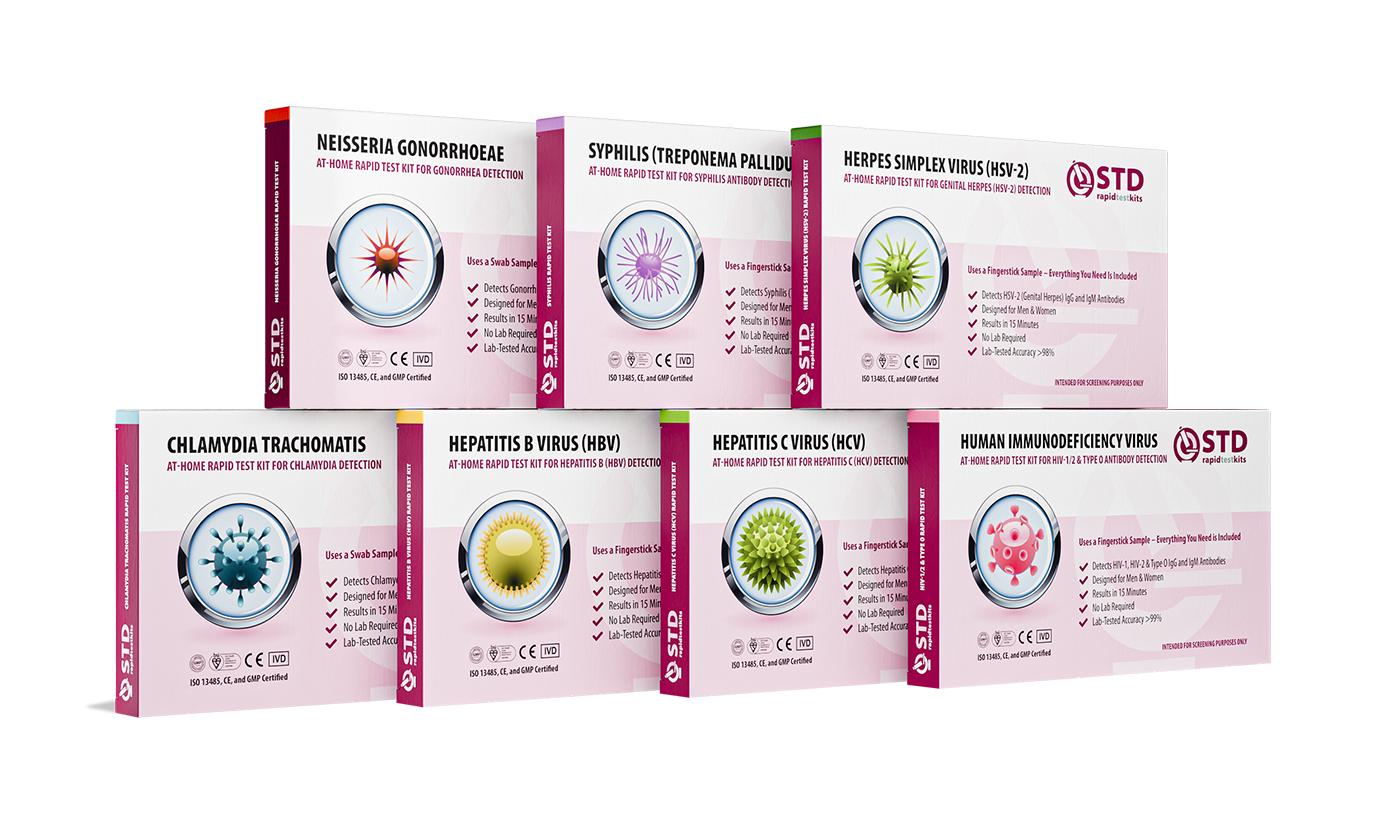
 For Men & Women
 Results in Minutes
 No Lab Needed
 Private & Discreet
Order Now $129.00 $343.00
For all 7 tests
The “Partner Talk” That Didn’t Go How She Expected
Imani, 33, had been seeing her partner for a few months when she got a surprise positive test. No symptoms. No clue. But when she told him, his response floored her:
“I tested positive too. I thought I got it from you.”
Turns out, they were both asymptomatic, and both carrying it. They treated it together. She said the experience actually made their bond stronger. “It was like we unlocked a new level of honesty. Now we get tested together. It’s our thing.”
That’s the upside. But we know not all conversations go that way. If you need help telling a partner, especially an ex or casual one, there are services that can do it for you. You don’t have to make it dramatic. Just make it honest. A simple “Hey, I tested positive and you should get tested too” is enough. You’re not just protecting them. You’re protecting everyone they may connect with after you.
Reinfection: The Part No One Talks About
Here’s a sobering stat: up to 20% of people who are treated for chlamydia will test positive again within a few months, not because the antibiotics didn’t work, but because they were re-exposed.
Reinfection happens when:
- You have sex before treatment is fully complete
- Your partner never got tested or treated
- You return to an untreated partner
- You don’t use protection during follow-up sex
Don’t let this scare you, let it prepare you. Reinfection isn’t a moral failure. It’s a signal that the circle wasn’t fully closed. And now that you know, you get to close it right.
Get treated. Get your partner(s) treated. Wait until both of you are cleared. Then move forward, with clarity, not confusion.
What Happens If You Don’t Treat It?
We get it, if you feel fine, it’s easy to put treatment off. Maybe you’re waiting for payday. Maybe you're just scared to take that first pill. But here's the thing: chlamydia doesn’t wait. And untreated, it can cause real damage, quietly, slowly, and permanently.
In people with vaginas, untreated chlamydia can travel from the cervix up to the uterus and fallopian tubes, triggering Pelvic Inflammatory Disease (PID). PID doesn’t always cause pain in the early stages, but it can lead to infertility, chronic pelvic pain, or even life-threatening ectopic pregnancies down the line.
In people with penises, the infection can spread to the epididymis (a coiled tube near the testicles), causing swelling, pain, and in rare cases, fertility problems too.
None of this is meant to scare you into shame. It’s meant to remind you that chlamydia doesn’t need to feel like a crisis to be a crisis. Acting early gives you the best shot at full recovery, no surprises later.
Check Your STD Status in Minutes
Test at Home with Remedium3-in-1 STD Test Kit
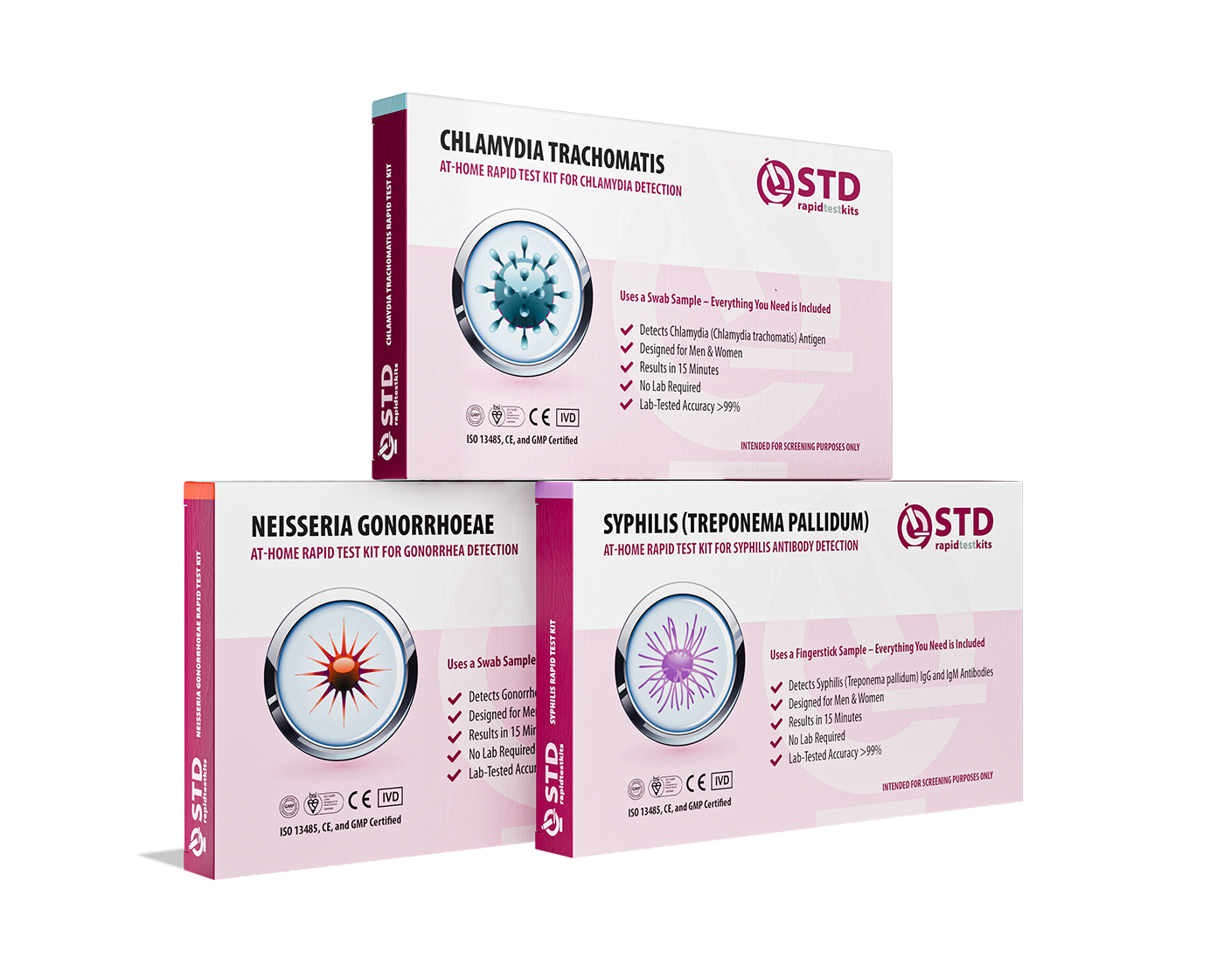 For Men & WomenResults in MinutesNo Lab NeededPrivate & Discreet
Order Now $69.00 $147.00
For all 3 tests
The Symptom That Came Too Late
Erika, 29, thought she was in the clear. No pain. No unusual discharge. She’d had a few partners over the past year but always used protection “most of the time.” She didn’t think she needed regular testing. That changed when a sharp, deep pain hit her right side and didn’t go away.
“They told me it was PID caused by untreated chlamydia,” she said. “I had no clue. I felt completely healthy, until I wasn’t.”
She spent a weekend in the hospital and now lives with chronic pelvic tension. “If I had tested six months earlier, this wouldn’t have happened.”
It’s not about fear. It’s about foresight. Your body deserves care before it’s in crisis.
Making Testing a Habit, Not a Panic Button
If your first STD test came after a scare, a symptom, or a surprise diagnosis, you’re not alone. That’s how most people start. But here’s your chance to change that story. Testing doesn’t have to be reactive. It can be proactive, even empowering.
Think of it like brushing your teeth, getting your oil changed, or checking your credit. Testing is maintenance for your sex life. You don’t have to wait until something’s wrong to check in on your health.
And if the idea of clinic visits stresses you out (understandable), at-home test kits make it easy. No appointments. No judgment. No raised eyebrows at the front desk. Just clarity, shipped to your door.
| Testing Option | Privacy | Ideal For |
|---|---|---|
| Clinic-based testing | Low to moderate | People with insurance, complex symptoms, or needing physical exams |
| At-home test kits | High (discreet shipping, private results) | First-time testers, routine checks, those avoiding clinics |
Table 3. Choosing between clinic testing and at-home STD kits for routine screening.
Moving Forward With Your Body (Not Against It)
Your body isn’t broken. Your sex life isn’t over. You’re not dirty, damaged, or doomed. You’re someone who had the courage to test, and that already puts you ahead of the curve.
Whether you’re single, partnered, poly, exploring, or figuring it out, this moment can be a turning point. Not just a lesson learned, but a shift toward being your own health advocate. The kind of person who knows their status, takes action early, and treats testing like self-respect, not shame.
And if you're wondering where to start? Our 6-in-1 STD At-Home Rapid Test Kit covers chlamydia and the most commonly missed infections, especially the silent ones. Order it for peace of mind, not because something feels wrong.
Because the best health decisions are the ones you make before something hurts.
Retesting: Why One Negative Isn’t Enough
Even if you’ve completed treatment and feel great, the journey isn’t over just yet. The CDC recommends retesting for chlamydia three months after your initial treatment, especially if you’re under 25 or have multiple partners.
This isn’t because your antibiotics failed. It’s because reinfection is common, and symptoms won’t always give you a heads-up. A follow-up test ensures the cycle is broken, for real this time.
If your test was part of an at-home kit, you can usually order a follow-up kit online without visiting a clinic. And if you’re comfortable with a provider, book it in advance. Make retesting part of your routine, not a one-time emergency.
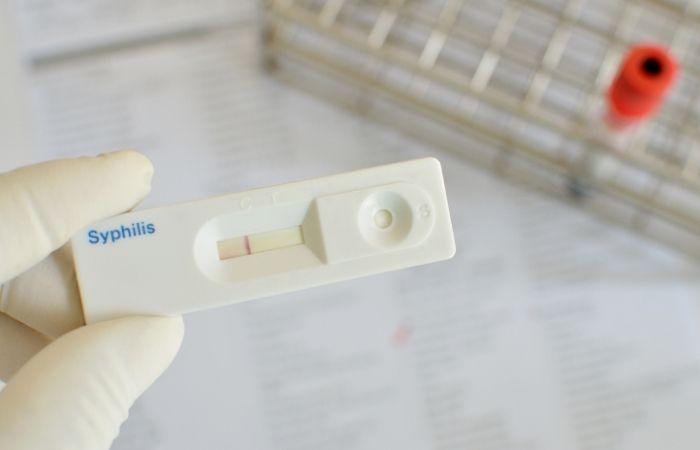
People are also reading: What Happens After a Positive Syphilis Test, And What You Shouldn’t Do
FAQs
1. Wait, so I can have chlamydia and literally feel nothing?
Yes. Like, literally nothing. No itch, no burn, no weird smells , just vibes. That’s what makes chlamydia so sneaky. It can quietly hang out in your body, doing damage behind the scenes, while you’re out here living your best life, totally unaware. That’s why routine testing isn’t just for “when something feels off.” It’s for when you’re human and sexually active.
2. If I feel fine, do I really need to treat it?
No symptoms doesn’t mean no harm. Chlamydia can be low-key at first, but it’s playing the long game. Untreated, it can lead to fertility issues, chronic pain, and even mess with future pregnancies. A quick round of antibiotics shuts the whole thing down. So yes , treat it like the uninvited guest it is, even if it’s quiet.
3. How long has it been in my body?
Honestly? Could be weeks. Could be months. There’s no perfect timestamp. If you haven’t tested in a while (or ever), it may have come from a previous partner , even one you trusted. That’s why this diagnosis isn’t about blame. It’s about breaking the cycle now that you know.
4. But if I didn’t have symptoms, how did I give it to someone?
Because chlamydia doesn’t need to be loud to be contagious. It can spread during oral, vaginal, or anal sex , even if you’re symptom-free. It’s not personal. It’s just biology. That’s why disclosure and treatment matter just as much when you feel fine.
5. Can I have sex while I’m on antibiotics?
Tempting, but hard no. You need to wait 7 full days after your last dose before having sex again. That’s how long it takes to make sure the bacteria are fully cleared. Having sex too soon can undo the whole thing , and put both you and your partner back at square one.
6. What if I already had sex before I finished treatment?
It happens. Don’t beat yourself up , just get retested in about a month to make sure it didn’t bounce back. And definitely let your partner(s) know so they can test and treat too. This isn’t about guilt. It’s about responsibility , the sexy kind.
7. Does this mean someone cheated on me?
Not necessarily. Chlamydia is patient. It can lie dormant for ages. Maybe neither of you were ever tested before. Maybe it came from a partner neither of you talk to anymore. Don’t jump to conclusions , focus on getting clear and having honest convos. Facts first, drama later (if at all).
8. Is chlamydia going to mess with my fertility?
Only if you ignore it. When treated early, chlamydia rarely leaves lasting damage. But left alone? It can cause things like blocked fallopian tubes or inflamed epididymis. So don’t let it hang out. Get the meds. Clear it out. Protect your future self.
9. How often should I be getting tested?
If you’re under 25 or have new or multiple partners, shoot for every 3–6 months. If you're monogamous but haven’t tested in a while? Still check in once a year. Testing isn't just for emergencies , it's part of normal, awesome sexual wellness.
10. What’s the easiest way to test from now on?
At-home kits. Seriously. Pee in a cup or swab what needs swabbing, drop it in the mail, and get your results online. No awkward waiting rooms, no eye contact with Dr. Judgy.
You Didn’t Miss the Signs, There Just Weren’t Any
Chlamydia doesn’t make you irresponsible. It doesn’t mean you were reckless or dirty. It means you’re human. And human bodies don’t always come with warning lights.
What matters now is what you do next. You already took the first brave step, testing. That puts you ahead of millions of others. Now follow through: treat, inform, heal, and move forward with more knowledge and less shame.
And if you’re still unsure about your status, or want a clean start, the 7-in-1 STD At-Home Rapid Test Kit can help you rule out other silent infections too. No awkward phone calls. No labs. Just truth, privacy, and control, delivered discreetly.
Your body doesn’t need to scream to deserve care. It just needs you to listen early, act quickly, and stay on your side.
Sources
1. CDC — Chlamydial Infections Treatment Guidelines
2. CDC — About Chlamydia (Asymptomatic Infections & Risks)
3. Chlamydia — StatPearls / NCBI Bookshelf
4. A Practical Approach to the Diagnosis & Management of STIs — PMC
5. ECDC — Chlamydia Facts & Asymptomatic Infections
About the Author
Dr. F. David, MD is a board-certified infectious disease specialist focused on STI prevention, diagnosis, and treatment. He blends clinical precision with a no-nonsense, sex-positive approach and is committed to expanding access for readers in both urban and off-grid settings.
Reviewed by: Amanda Lin, MPH | Last medically reviewed: October 2025
This article is for informational purposes and does not replace medical advice.


