
Published: November 2025 | Last updated: May 2026 | Editorial review and quality control: Martina N.
Which yeast infection home remedies actually work, and which ones cause harm?
An OTC clotrimazole or miconazole cream, or an oral fluconazole dose, clears most mild yeast infections within a few days. Probiotics, external coconut oil, and pre-made boric acid 600 mg suppositories help as adjuncts or for recurrent cases. Garlic inserted vaginally and vinegar douches cause burns. No improvement within 72 hours means it may not be yeast, so test first.
The figure you will see most often is that 3 in 4 women have at least one yeast infection in their lifetime, and many have several (Mayo Clinic). That part is well established. Here is the part most articles skip: when researchers cultured women who had bought an over-the-counter antifungal for self-diagnosed yeast, only about a third actually had it (Ferris et al., Obstetrics and Gynecology, 2002). The rest had something else, often bacterial vaginosis, trichomoniasis, contact dermatitis, or a starting STI. Knowing what is behind the itch is the difference between a remedy that helps and weeks of treating the wrong thing.
This guide separates the home remedies with real research behind them (probiotics, virgin coconut oil, boric acid suppositories) from the ones that send people to urgent care (raw garlic, vinegar douching, undiluted essential oils). It also covers how to tell yeast from its look-alikes, when an at-home STI test kit answers the question faster than another cream, and what to do when infections keep coming back.
Key Takeaways
- Over-the-counter azole creams (clotrimazole, miconazole) or a single oral fluconazole dose clear most uncomplicated yeast infections within a week. Probiotics with Lactobacillus rhamnosus and L. reuteri, virgin coconut oil applied externally, and pre-made boric acid 600 mg suppositories have evidence as adjuncts or for recurrent cases. Raw garlic, vinegar douching, and undiluted tea tree oil produce burns, not relief.
- Roughly two out of three women who self-diagnose yeast actually have something else, most often bacterial vaginosis, trichomoniasis, or contact dermatitis. Treating the wrong condition prolongs symptoms and contributes to antifungal resistance.
What happens when Candida overgrows
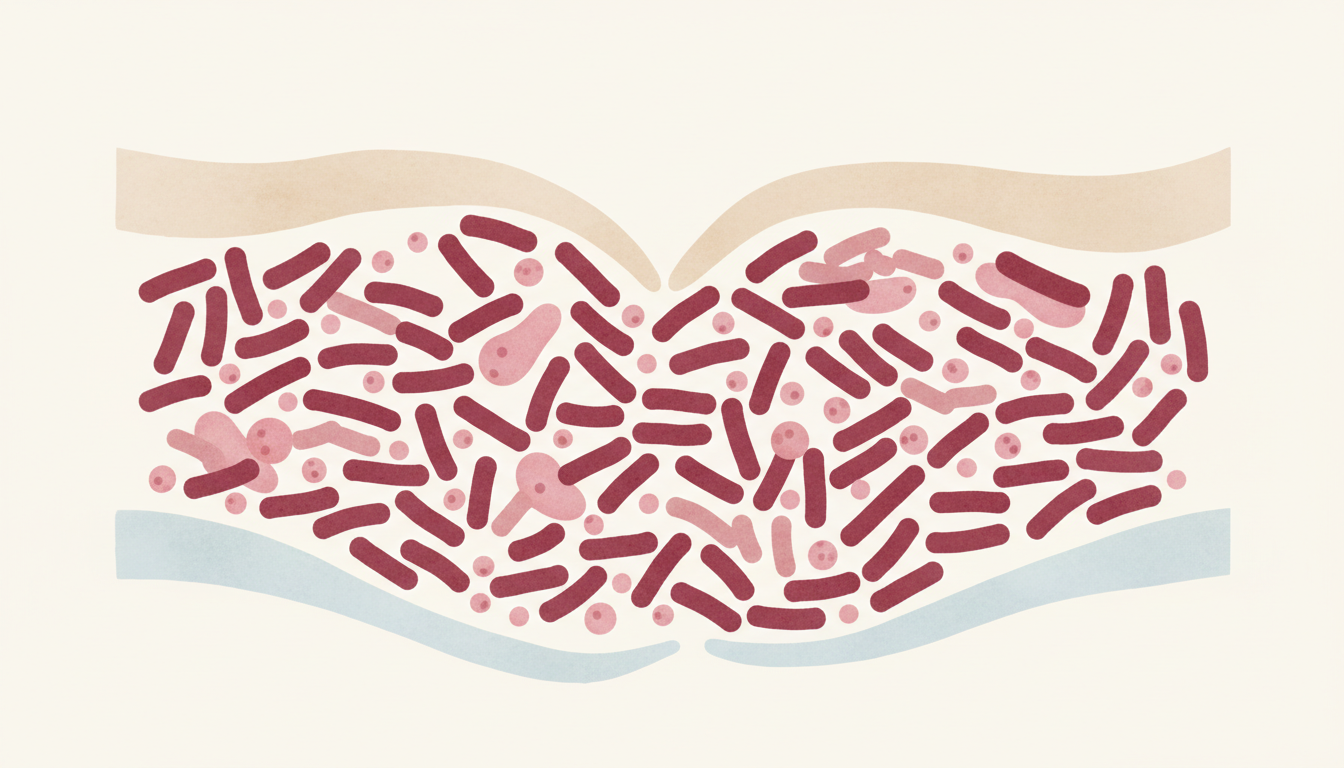
Yeast infections come from overgrowth of Candida albicans, a fungus that already lives in your mouth, gut, and vagina. Most of the time it stays in the background while Lactobacillus bacteria keep the vaginal environment mildly acidic (a healthy pH sits around 3.8 to 4.5) and crowd it out. When that balance tips, Candida multiplies quickly and symptoms start (MedlinePlus, yeast infections).
Antibiotics top the list of triggers. They clear the bacteria you took them for and the protective Lactobacillus along with them. Hormonal shifts come next, including pregnancy, the second half of the menstrual cycle, and some birth control pills. Uncontrolled blood sugar or diabetes raises the glucose in vaginal secretions that Candida feeds on (Mayo Clinic). Steroid medicines, a weakened immune system, and ongoing stress all show up too.
Then there are the smaller daily contributors. Tight synthetic underwear traps moisture. Damp gym clothes and wet swimwear left on for hours, scented soaps and bubble baths, and douching all shift the pH or the local moisture in ways that favor yeast.
The symptoms cluster around three things: itching that runs deeper than ordinary irritation, a thick white discharge often described as cottage-cheese-like (usually without a strong odor), and burning during urination or sex. Redness and swelling of the vulva are common.
Yeast infections are usually not classified as sexually transmitted infections. Candida overgrowth happens in people who have never had sex and in long monogamous partnerships alike. Even so, an active infection is not always harmless. During pregnancy it can pass to a newborn at delivery as oral thrush, so a suspected infection late in pregnancy is worth a clinician visit rather than months of self-treatment.
Why your "yeast infection" might not be yeast
If you have been treating yeast on and off for months and nothing sticks, the likeliest explanation is that you have been treating the wrong thing. When researchers cultured women who had bought OTC antifungals for self-diagnosed yeast, only about a third actually had it (Ferris et al., Obstetrics and Gynecology, 2002); the rest had bacterial vaginosis, a mixed infection, or no infection at all. Mayo Clinic's diagnosis guidance lists several conditions that produce yeast-like symptoms: bacterial vaginosis, trichomoniasis, contact dermatitis, genital herpes, lichen sclerosus, and even a urinary tract infection.
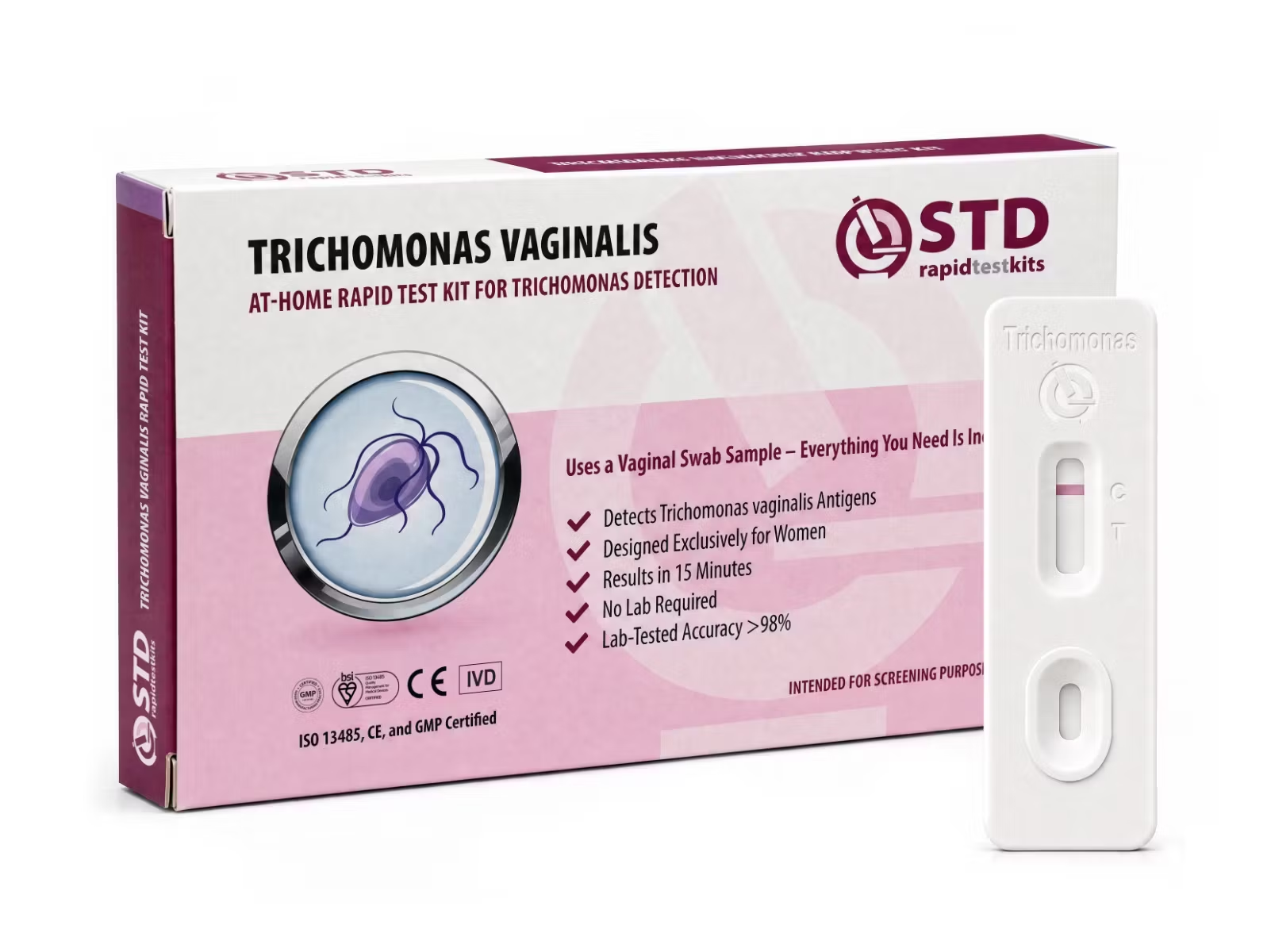
The clinical rule of thumb is simple: a mild yeast infection should show clear improvement within 72 hours of starting an over-the-counter antifungal. If it has not, the cause may not be yeast, or it may be a resistant strain. Repeated antifungal courses aimed at something that is not yeast delay the right care and contribute to drug-resistant Candida. The table below shows how the most common look-alikes typically differ. Treat it as a starting framework, not a substitute for a test when symptoms persist or do not fit the classic pattern. Testing settles it fastest: a clinician can do a swab and microscopy in minutes, and an at-home trichomoniasis test can rule out one of the most common imposters from home.
| Condition | Discharge and main symptoms | Odor | Needs STI testing? |
|---|---|---|---|
| Yeast infection (candidiasis) | Thick, white, cottage-cheese-like; intense itch, redness | None or mild yeasty | Only if the cause is unclear |
| Bacterial vaginosis (BV) | Thin, grayish-white; sometimes mild itch | Fishy, stronger after sex | Often, to rule out STIs |
| Trichomoniasis (STI) | Yellow or green, frothy; itch, pain with urination | Foul or musty | Yes |
| Chlamydia or gonorrhea | Often no discharge; sometimes yellow; possible pelvic pain | Usually none | Yes |
| Genital herpes (first outbreak) | Tingling and itch before blisters or ulcers appear | None | Yes |
| Contact or allergic dermatitis | Redness, swelling, itch; no abnormal discharge | None | No, identify the trigger |
Home remedies with real research behind them
Some natural options have actual studies behind them. Others have only anecdotes. The difference matters when you are putting something on or in sensitive tissue.
Standard over-the-counter and prescription antifungals
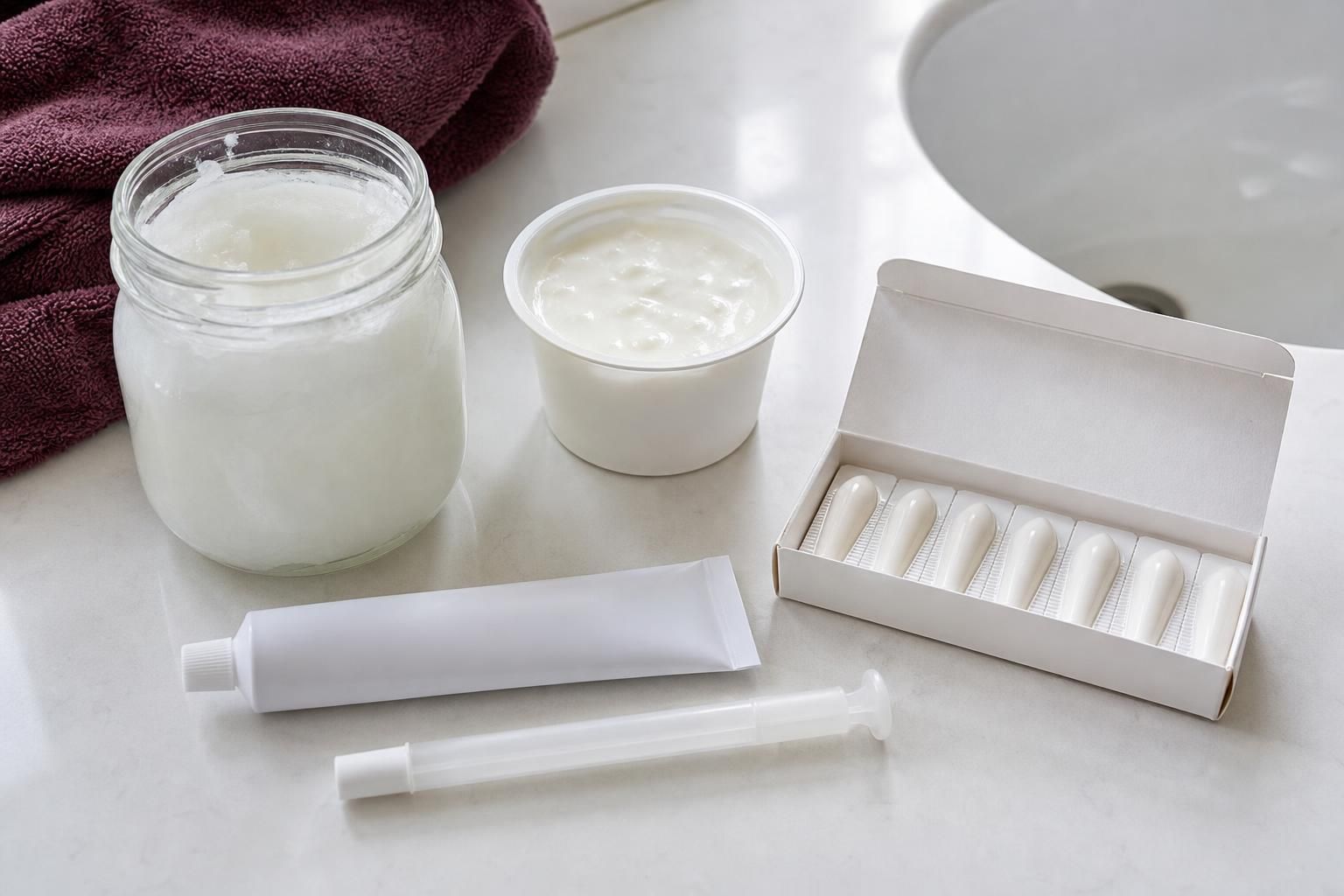
Before the natural options, the most reliable starting point for confirmed mild yeast is an over-the-counter azole cream or suppository (clotrimazole, miconazole) or a single-dose oral fluconazole prescription from a clinician or telehealth visit. These clear the large majority of uncomplicated Candida albicans infections within a few days. Home remedy and over-the-counter often get blurred together; the over-the-counter antifungal is the dependable first move when yeast is genuinely confirmed.
Probiotics, oral and vaginal
Specific Lactobacillus strains, particularly L. rhamnosus GR-1 and L. reuteri RC-14, have been studied for restoring the vaginal microbiome after antibiotics or recurrent infection. Several randomized trials show lower recurrence when probiotics are used alongside or after antifungal treatment. They work over weeks rather than days, so they help with prevention more than acute relief. A daily oral probiotic with documented vaginal-health strains, or a vaginal suppository after a course of antibiotics, is the practical approach.
Plain unsweetened yogurt (external use)
Yogurt with live cultures contains Lactobacillus and is genuinely cooling on irritated skin. A small amount on the vulva for symptom relief is low risk. Inserting it vaginally is not well supported, and sterile commercial yogurt is not the same as a clinical-grade probiotic. Never use flavored or sweetened yogurt anywhere near the area, since sugar feeds Candida.
Virgin coconut oil
Coconut oil's medium-chain fatty acids, especially lauric acid, show antifungal activity against Candida in laboratory studies. Human evidence is limited but suggestive. As an external topical, a thin layer eases itch for most people. Patch test first if your skin is sensitive, and skip oil-based products with latex condoms or diaphragms, which coconut oil can degrade.
Boric acid suppositories (pre-made only)
Boric acid is the unconventional remedy with the most mainstream backing. The CDC STI Treatment Guidelines list boric acid 600 mg intravaginal capsules once daily for 3 weeks as an alternative for non-albicans yeast and fluconazole-resistant cases, citing eradication rates around 70 percent for those strains. Use pre-formulated medical-grade suppositories under clinician guidance, never loose powder or homemade capsules, never by mouth (it is toxic if swallowed), and never during pregnancy.
| Remedy | Evidence | How to use | Caution |
|---|---|---|---|
| OTC azole cream (clotrimazole, miconazole) | Highly effective for confirmed mild yeast | Per package, 1, 3, or 7 day courses | Confirm yeast before repeat use |
| Oral fluconazole (prescription) | Single dose clears most uncomplicated cases | 150 mg once, repeat at 72 hours if needed | Avoid in pregnancy; needs prescription |
| Oral probiotics (L. rhamnosus, L. reuteri) | Multiple trials show reduced recurrence | Daily, especially during and after antibiotics | Slow, weeks not days |
| Plain unsweetened yogurt (external) | Anecdotal, cooling effect plausible | Small amount on vulva for itch relief | Never sweetened or flavored |
| Virgin coconut oil (external) | Lab studies show antifungal activity | Thin layer externally, patch test first | Degrades latex condoms |
| Boric acid 600 mg suppositories | CDC-listed alternative for non-albicans and resistant strains | Once daily for 3 weeks (CDC alternative regimen) | Toxic if ingested, never in pregnancy |
| Apple cider vinegar bath | Mixed; lab activity but douching is harmful | Diluted sitz bath, never internally | Do not douche |
| Raw garlic vaginally | Lab activity but real harm in practice | Eat or take capsules, do not insert | Reports of burns and dermatitis |
| Undiluted tea tree oil | Antifungal but caustic on tissue | Heavily diluted, external skin only | Causes burns undiluted |
Remedies that cause more harm than help
The internet is full of yeast cures that range from useless to genuinely dangerous. A few are worth naming.
Garlic cloves inserted vaginally. Allicin, the active compound in garlic, is antifungal in a petri dish. In the vagina the story changes, because concentration and exposure cannot be controlled, and clinicians regularly see urgent-care visits for chemical burns and contact reactions. Eating garlic or taking enteric-coated capsules is fine; inserting a raw clove is not.
Vinegar douching. Douching with apple cider vinegar, plain vinegar, or hydrogen peroxide strips the same Lactobacillus you are trying to protect. The vagina cleans itself, and adding acid or oxidizers tips the ecosystem further out of balance. The NHS bacterial vaginosis page advises against vaginal douching, scented soaps, and bubble baths because they raise the risk of bacterial vaginosis, the most common yeast-mimicking condition.
Undiluted tea tree oil. Applied directly to vulvar or vaginal tissue, tea tree oil causes burns and severe contact dermatitis with reliable frequency. If you use it at all, dilute it heavily in a carrier oil and keep it to small external areas.
DIY essential oil suppositories. Homemade suppositories from essential oils or butter are not standardized in concentration and can irritate badly. Stick with commercial preparations or skip them.
Sugary preparations. Sweetened yogurts, honey-based suppositories, and similar products feed Candida directly. Anything with added sugar is counterproductive.
Repeated antifungals without a diagnosis. Reaching for clotrimazole every few months without resolution usually means it is not yeast, it is a resistant strain, or it is a non-albicans species. None of those respond to more of the same cream. They need testing.
Severe burning that worsens after applying a remedy, blistering, broken skin, fever, foul-smelling discharge, or pelvic pain are all reasons to stop home treatment and contact a clinician the same day. Vaginal tissue is sensitive, and the wrong remedy can cause chemical burns that take weeks to heal.
When testing matters more than treating
This guide is published by stdrapidtestkits.com, which sells at-home STI rapid kits. We point readers to testing first when the symptoms could be something other than yeast, because the wrong treatment delays the right one. We recommend products by fit for the reader's concern, not commercial benefit, and we do not sell a yeast diagnostic; for confirmed yeast you will work with antifungals, probiotics, and the strategies above.
If a clinician has confirmed yeast for you before and the pattern matches, treating mild symptoms at home is reasonable. If it is your first episode, if symptoms are severe or stubborn, if you have had several infections in a year, or if the discharge or pain feels different from past episodes, the answer is testing rather than guessing.
The two conditions most often mistaken for yeast are bacterial vaginosis and trichomoniasis. BV is diagnosed by a clinician swab plus pH testing and responds to metronidazole or clindamycin, not antifungals; untreated in pregnancy it raises the risk of preterm birth. Trichomoniasis can be picked up by a lab NAAT or an at-home rapid swab, and it is worth ruling out early: it is a parasitic STI, it spreads to partners, untreated infection raises HIV acquisition risk, and it clears with a single course of metronidazole once it is actually diagnosed (NHS, trichomoniasis). Self-treating trich as yeast wastes weeks.
When yeast infections keep coming back
Recurrent vulvovaginal candidiasis means four or more confirmed infections in 12 months. It affects roughly 5 to 8 percent of people with vaginas, and it almost always has a trigger worth investigating before another short antifungal course is layered on top. The most common drivers:
- Uncontrolled or undiagnosed diabetes. Elevated blood glucose feeds Candida.
- Hormonal shifts. Pregnancy, high-estrogen contraception, hormonal IUDs, and hormone therapy all change the vaginal environment.
- Frequent antibiotic use. Antibiotics suppress the protective Lactobacillus that keeps yeast in check.
- A weakened immune system. HIV, long-term corticosteroids, or chemotherapy all raise risk.
- Non-albicans Candida species. Strains like C. glabrata and C. krusei often shrug off standard fluconazole and need species-specific treatment.
For recurrent disease, the CDC STI Treatment Guidelines recommend a longer initial course (7 to 14 days of topical therapy, or three oral fluconazole doses 72 hours apart) followed by a 6-month maintenance regimen of weekly oral fluconazole. Boric acid 600 mg vaginally for 3 weeks is the listed alternative when resistance or a non-albicans species is suspected. The same guidance notes that complicated or severe candidiasis needs longer therapy than the standard short course.
If self-treatment keeps failing, the next step is a clinician visit for a vaginal swab and culture, not another store purchase. The culture identifies the species and tests antifungal sensitivity, which is what guides the longer plan. Symptoms that stubbornly resist antifungals point to something other than yeast more often than to resistant yeast.
Blood sugar control. Even mildly elevated glucose feeds Candida. An A1c test through your primary clinician is the single highest-yield check when recurrence has no other obvious cause.
Non-albicans Candida species. C. glabrata and C. krusei shrug off standard fluconazole. A vaginal culture (not just a swab) identifies the species and rules this in or out.
Antibiotic patterns. Frequent or back-to-back antibiotic courses suppress protective Lactobacillus. Discuss probiotic timing with the prescriber and ask whether a preemptive fluconazole dose suits your situation.
Can men get yeast infections?
Yes, though less often. Candidal balanitis, a yeast infection of the head of the penis, shows up more in uncircumcised men, men with diabetes, those on a course of antibiotics, and those who are immunocompromised. Signs include redness, itching, a moist white coating, and sometimes small white spots on the glans. The NHS guidance on thrush in men and women covers the typical presentation and self-care steps.
Topical antifungals such as clotrimazole or miconazole for 7 to 14 days usually clear it. Persistent symptoms with painful urination, sores, urethral discharge, or genital lesions fit an STI (chlamydia, gonorrhea, herpes, syphilis) better than balanitis and should be tested rather than treated as yeast.
Yeast can occasionally pass between partners during unprotected genital or oral contact. If one partner has an active infection and the other develops symptoms, both may need treatment. An asymptomatic partner generally does not need preventive treatment.
Symptoms that look like yeast but include urethral discharge, painful urination, single or grouped sores or blisters, swollen groin lymph nodes, or pain beyond the glans warrant STI testing first. Chlamydia, gonorrhea, herpes, and syphilis can all start with mild penile irritation that mimics balanitis. An antifungal cream does nothing for any of them and delays the right treatment.
Daily habits that keep Candida in check
Prevention beats chasing flare-ups, and the habits that move the needle are unglamorous and cumulative.
Clothing and moisture
- Cotton underwear during the day; synthetic blends trap the heat and moisture Candida loves.
- Change out of damp gym clothes and wet swimsuits promptly.
- Sleep without underwear when you can, to let the area air out.
- Skip thongs during an active flare-up.
Wash routine
- Warm water and unscented gentle soap on the external vulva only, never inside the vagina.
- Drop the fragranced products: scented pads, panty liners, intimate washes, deodorant sprays, and douches. The vagina cleans itself (NHS, thrush prevention).
- Pat dry rather than rub, and wipe front to back.
Diet and routine
- Cut refined sugar and ultraprocessed carbohydrates if you get recurrent infections, and manage blood sugar if you are diabetic.
- Add fermented foods (plain yogurt, kefir, sauerkraut, kimchi) for routine probiotic exposure.
- If you are prescribed antibiotics, take an oral probiotic alongside them and for about two weeks after, and ask your clinician whether keeping antifungals or boric acid on hand makes sense for you.
Five habits that prevent recurrent yeast
- Cotton underwear by day; sleep underwear-free when you can
- Unscented soap on the vulva only, never inside the vagina, and never douche
- Oral probiotic during and for two weeks after any antibiotic course
- Cut refined sugar and ultraprocessed carbs if recurrent; manage blood sugar if diabetic
- Skip fragranced pads, panty liners, intimate washes, and feminine deodorant sprays
When to stop self-treating and call a clinician
Time-box your home treatment. Mild symptoms that clearly improve within 72 hours and resolve within a week are reasonable to manage yourself. Anything on this list is a reason to stop and get evaluated:
- No noticeable improvement within 72 hours of starting an antifungal, or no resolution within a week.
- Symptoms that get worse rather than better.
- Discharge that is greenish, gray, frothy, or strongly fishy.
- Severe pain, fever, or pelvic pain beyond external irritation.
- A first episode you have never had clinician-confirmed before.
- Four or more infections in a single year.
- Pregnancy, or trying to conceive, since an active infection at delivery can pass to a newborn as oral thrush and pregnancy changes which medicines are safe.
- Diabetes, a weakened immune system, or another condition that complicates infection.
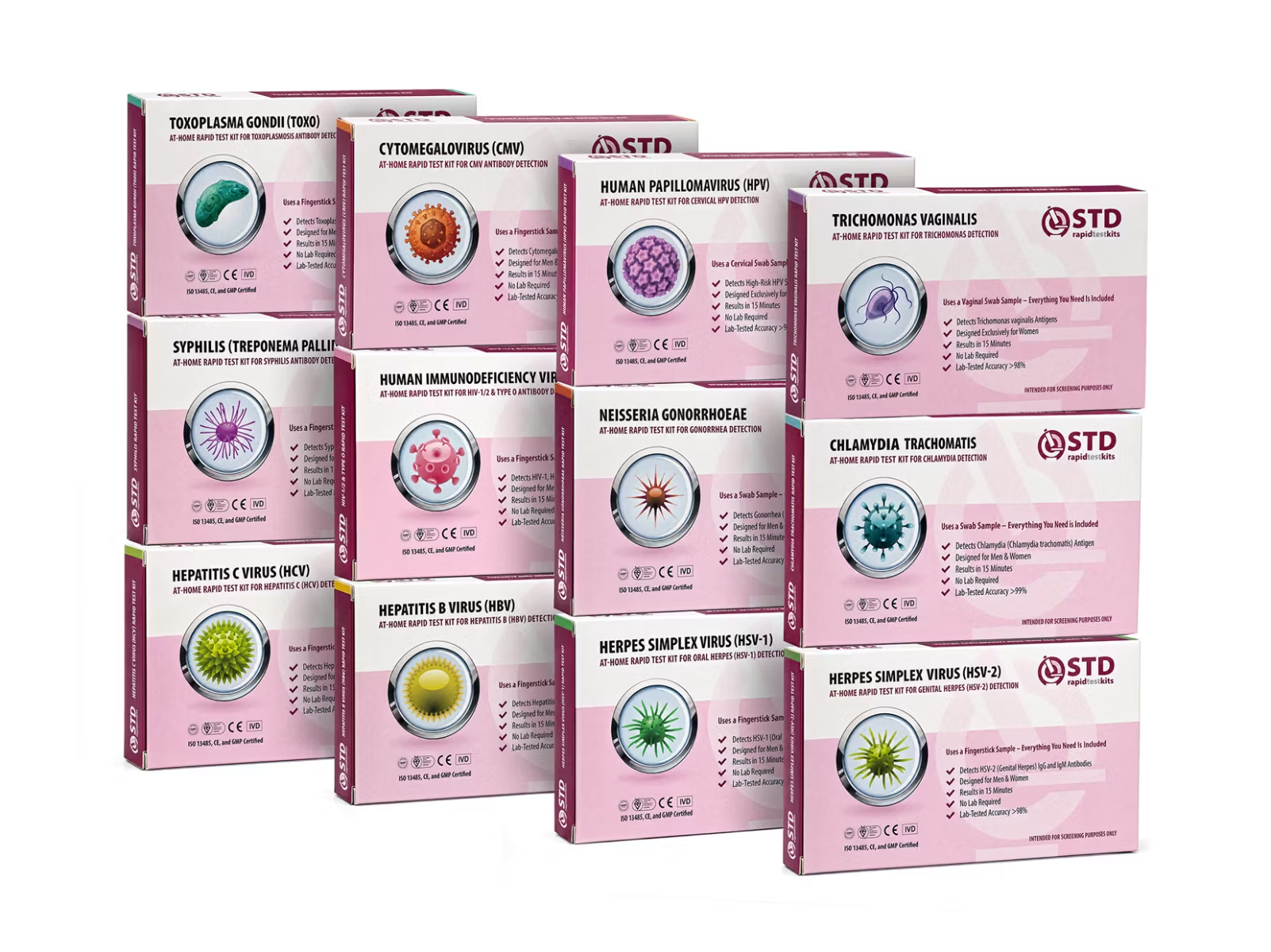
A standard vaginitis workup is quick: a vaginal swab, a wet mount under the microscope, a pH strip, and a short conversation about symptoms and exposures, often with same-day results. If you have also had new sexual contact in the past few months, a broader screen is worth considering, since chlamydia, gonorrhea, syphilis, HIV, and hepatitis can all cause vaginal symptoms or none at all.
Treat at home, or test first?
Do your symptoms fit the classic pattern (thick white discharge, intense itch, no odor) and have you had a clinician-confirmed yeast infection before?
Yes: Treating at home is reasonable. Start an OTC clotrimazole or miconazole cream, or a single oral fluconazole dose, and expect clear improvement within 72 hours.
Are symptoms atypical, is this your first-ever episode, or have they failed to improve within 72 hours of an antifungal?
Yes: Test before treating again. The most common reason treatment fails is the wrong diagnosis, not the wrong antifungal, so a clinician swab or an at-home rapid test comes first.
Have you had four or more infections this year, or any new sexual contact?
Yes: See a clinician for a vaginal swab and culture, or use an at-home rapid panel to rule out trichomoniasis and other STIs first.
No: If a confirmed-pattern infection clears within a week, no further testing is needed; keep up the daily prevention habits above.
Guidance only; a clinician can advise based on your specific situation.
Several conditions can cause vaginal symptoms similar to a yeast infection, including bacterial vaginosis and trichomoniasis. Using over-the-counter products for the wrong condition can delay diagnosis and treatment.
Frequently asked questions
- Can yogurt really cure a yeast infection?
- Short answer: no, but it can ease the itch. Live-culture yogurt applied externally soothes irritated vulvar skin, and the Lactobacillus it contains is the same genus that protects the vagina. Commercial yogurt, though, does not carry the specific strains (L. rhamnosus GR-1, L. reuteri RC-14) studied for vaginal health. For an active infection, an OTC azole cream or oral fluconazole clears it faster than any food-based remedy.
- How long should I try home remedies before seeing a doctor?
- Look for clear improvement within 72 hours of starting an OTC antifungal. If nothing has changed by then, or if symptoms are worse, stop and get evaluated. A full week of treatment without resolution is a hard stop. Repeated antifungal use on something that is not yeast both delays the correct diagnosis and contributes to drug-resistant strains.
- Is boric acid safe to use without a prescription?
- Pre-formulated boric acid 600 mg vaginal suppositories are sold over the counter in most places and appear in CDC treatment guidance for recurrent or non-albicans yeast as an alternative regimen (once daily for 3 weeks). They should never be ingested, used during pregnancy, or made at home from loose powder. If you are using them more than occasionally, talk with a clinician about why infections keep coming back.
- Why do my yeast infections keep coming back?
- The first step is checking whether what keeps coming back is yeast at all. Non-albicans Candida strains and outright misdiagnosis are more common causes of treatment failure than true azole resistance, and an OTC cream will not fix either. A clinician swab and culture identifies the species and tests sensitivity. For confirmed recurrent yeast (four or more episodes in a year, roughly 5 to 8 percent of people with vaginas), the standard plan is a longer initial course followed by weekly maintenance dosing, not another short OTC course.
- What does it mean if my discharge changes color or smells different?
- Yeast discharge is thick, white, and largely odorless. Discharge that is yellow, green, gray, or frothy, or that has a fishy or foul odor, points to bacterial vaginosis, trichomoniasis, or a mixed infection rather than yeast. None of these respond to antifungals, so testing is the right next step.
- Can I have sex with a yeast infection?
- Sex during an active infection is generally not harmful but can be uncomfortable, can prolong symptoms, and can introduce friction or chemical irritation that worsens the area. Yeast can occasionally pass between sexual partners, though it is not classified as an STI. Most clinicians recommend waiting until symptoms resolve.
- Are yeast infections sexually transmitted?
- Yeast infections are not classified as STIs. Candida already lives on most people's bodies, and overgrowth is usually triggered by antibiotics, hormonal shifts, or other internal changes rather than sexual contact. Partners can occasionally pass Candida back and forth, and some people notice flare-ups around oral sex, but transmission is not the typical cause.
- Can men get yeast infections from a partner?
- Yes, though it usually needs a trigger like antibiotics, diabetes, or a weakened immune system to take hold after exposure. Topical clotrimazole or miconazole for 7 to 14 days clears most cases of candidal balanitis. Persistent symptoms with sores, urethral discharge, or burning urination point toward an STI instead and warrant testing rather than another round of antifungal cream.
- What is the difference between a yeast infection and bacterial vaginosis?
- Yeast infections produce thick white discharge described as cottage-cheese-textured, with intense itching and usually no strong odor. BV produces thinner gray or white discharge with a fishy odor that is more noticeable after sex. The treatments differ completely: antifungal for yeast, antibiotics for BV. Antifungals will not touch BV.
- Mayo Clinic. Yeast infection (vaginal): symptoms and causes. Lifetime frequency (about 3 in 4 women), triggers, and risk factors including antibiotic use, hormonal changes, and uncontrolled blood sugar.
- U.S. Centers for Disease Control and Prevention. STI Treatment Guidelines: vulvovaginal candidiasis. Notes that even previously diagnosed women cannot reliably self-diagnose and that OTC misuse delays treatment of other causes; first-line regimens, the 6-month weekly fluconazole maintenance regimen, longer therapy for complicated cases, and the boric acid 600 mg intravaginal capsule alternative for non-albicans and resistant strains (about 70% eradication).
- Ferris DG, et al. Over-the-counter antifungal drug misuse associated with patient-diagnosed vulvovaginal candidiasis. Obstetrics and Gynecology, 2002. Found only about one-third (33.7%) of women self-treating presumed yeast actually had it; the rest had bacterial vaginosis, mixed vaginitis, trichomoniasis, or no infection.
- U.K. National Health Service (NHS). Bacterial vaginosis. Guidance against vaginal douching, scented soaps, and bubble baths because they raise the risk of BV, the most common yeast-mimicking condition.
- U.K. National Health Service (NHS). Thrush in men and women. Symptoms, treatment, prevention, and candidal balanitis in men.
- MedlinePlus (U.S. National Library of Medicine, NIH). Yeast infections and vaginal candidiasis. How Candida overgrows when the immune system or local balance shifts, and that antifungal medicines clear it in most people.
