Published: June 2025 | Last updated: May 2026 | Editorial review and quality control: Martina N.
Most sexual-health advice focuses on condoms and partner status. Those matter, but they are only part of the picture. The condition of your own skin and mucosa, plus small habits around lube, shaving, and hand hygiene, sets the baseline for how readily a pathogen can establish itself if exposure happens.
This article walks through what current public-health guidance from the CDC, WHO, and dermatology bodies says about micro-tears, lubricant chemistry, razor sharing, and grooming hygiene. The goal is a short list of practical changes you can make this week, without overhauling your sex life or buying anything exotic.
Key Takeaways
- Friction without enough lube, razor nicks, and torn cuticles all create the tiny skin breaks that bacterial and viral STIs use to establish infection.
- The biggest practical wins are switching to a condom-compatible low-osmolality lube, keeping razors and trimmers strictly personal, and smoothing fingernails before any manual contact.
Why Skin Breaks Matter More Than You Think
The lining of the vagina, anus, and inner penis is thinner and more permeable than the skin on your forearm. Friction during sex can cause microscopic tears in that tissue, even when neither partner notices anything unusual. Mucosal micro-abrasion is a recognized transmission mechanism for chlamydia, gonorrhea, and HIV, alongside the better-known fluid-exchange routes summarised in the CDC's sexually transmitted infections overview and the NHS STI guide.
Two things make this matter more than it sounds. First, you usually cannot feel a micro-tear, so the warning sign most people expect (pain, bleeding) is absent. Second, the rectal lining in particular is a single layer of columnar cells, far more fragile than vaginal mucosa, which is itself more fragile than external skin. Receptive anal sex without adequate lubrication is the highest-friction common sexual activity, which is part of why it carries the highest per-act HIV transmission risk in published guidance.
The practical implication is straightforward. You cannot eliminate friction during sex, but you can lower the average amount your tissue absorbs. Generous lubrication, slow buildup, and pausing if you feel any rawness rather than pushing through it all reduce the rate at which the mucosa develops these invisible entry points.
- What you might notice: often nothing, no pain, no bleeding, no visible mark.
- Hidden trap: a condom can still let infection through its base or edge if the surrounding tissue is dry and torn.
- Best defense: add lube before friction starts, not after you feel it.
Lube Osmolality: The Hidden Variable
Osmolality measures how much dissolved material is in a liquid relative to the cells around it. When a lubricant is much more concentrated than your tissue (called hyper-osmolar), it pulls water out of mucosal cells. The cells shrink, the top layer of the lining sheds faster, and the underlying tissue becomes more permeable to pathogens. This is one of the better-studied chemical contributions to tissue vulnerability.
The World Health Organization's 2012 advisory on personal lubricants set 1,200 mOsm/kg as the upper safety threshold and recommended formulations closer to the natural osmolality of body fluids (around 280 mOsm/kg) where available. Many drugstore water-based products marketed as warming, tingling, or flavored sit well above 2,000 mOsm/kg, which is why those formulations were singled out as a risk factor in early studies of receptive anal intercourse.
What to look for and what to avoid:
- Lower osmolality choices: aloe-based water lubes, medical-grade hydroxyethylcellulose gels, and most pure silicone formulas.
- Ingredient list red flags: glycerin, propylene glycol, or sorbitol in the top three ingredients usually means higher osmolality.
- Material compatibility: oil breaks latex; silicone is condom-safe but can degrade silicone toys. Read the toy and barrier labels.
Brands rarely print osmolality on the bottle. Independent lab charts published by sexual-health researchers are a reasonable workaround when you are choosing between unfamiliar products. As a default, plain water-based lubricants with glycerin low on the ingredient list are a safer starting point than the heavily fragranced novelty products.
Condom and Lube Compatibility
The factory-applied lubricant on a condom is meant to make it easier to roll on, not to last the entire encounter. Once that thin layer wears off, latex starts to drag against tissue and is more prone to slipping or developing weak spots from shear. Adding extra lube is one of the simplest changes that reduces both breakage and mucosal damage.
Formula compatibility matters here. The wrong combination can degrade the barrier faster than no lube at all:
- Water-based: safe with latex, polyurethane, polyisoprene, and silicone toys. Dries faster than silicone, so you may need to reapply during longer sessions.
- Silicone-based: safe with latex condoms and longer-lasting than water-based, but it can degrade the surface of silicone toys over time.
- Oil-based (coconut, mineral oil, petroleum): breaks down latex within minutes. Reserve oil for nitrile or polyisoprene barriers, or solo play with no barrier at all.
If a lubricant causes irritation that lasts into the next day, check the back-of-bottle ingredient list for menthol, benzocaine, capsaicin, or strong fragrance compounds. These are skin-stripping or sensation-numbing additives that tend to accelerate the kind of tissue damage you are trying to avoid in the first place.

Shaving, Waxing, and Pubic Grooming
Pubic hair is not a hygiene problem. It traps moisture, reduces direct skin-on-skin friction, and acts as a physical buffer against some bacterial transfer. Removing it is a reasonable personal preference, but the methods used to remove it each carry their own risk of breaking the skin barrier.
Reviews summarized by the American Academy of Dermatology link frequent shaving and waxing of the pubic area to higher rates of folliculitis, ingrown hairs, and skin abrasions. Observational studies in public-health literature have also reported higher self-reported rates of skin-contact STIs (especially HSV and HPV) among people who groom frequently. The direction of causation is still debated, since groomers also tend to report more partners. Guarded trimmers and fresh blades keep cumulative skin damage close to zero.
- Choose the gentlest tool: electric trimmers with a guard avoid direct blade-on-skin contact and produce far fewer nicks than wet shaving.
- Sharp single-user blades: if you wet-shave, change cartridges before they get dull, and never share a razor with a partner.
- Calm the skin afterward: fragrance-free aloe or a thin layer of 1% hydrocortisone reduces post-shave inflammation and the small red bumps that itch open.
- Waxing salons: verify single-use sticks and disposable bed paper to limit cross-contamination of skin infections like Molluscum contagiosum.
Shared Razors and Blood-Borne Viruses
CDC hepatitis B resources note that razors, toothbrushes, and any other item that could carry trace blood are personal items that should not be shared between household members. The reasoning is concrete: hepatitis B virus can remain infectious on surfaces for an extended period after exposure, and hepatitis C and HIV are both blood-borne. A razor that has nicked one person and is used soon after by another is a plausible exposure route, even if the per-shave risk is low.
For couples, this comes up most often around the bathroom counter, where blades borrowed in the moment feel harmless. Treat them the way you treat a toothbrush.
- One person per razor: color-code the handles or store them in separate cups if you live together.
- Safe disposal: a small covered sharps container prevents accidental handling and stops a used blade from being grabbed off a shelf by a roommate.
- Barbershop and salon hygiene: verify that straight-razor blades are single-use disposable inserts, not just cleaned between clients. Wax-spatula reuse and shared clipper combs are also worth asking about.
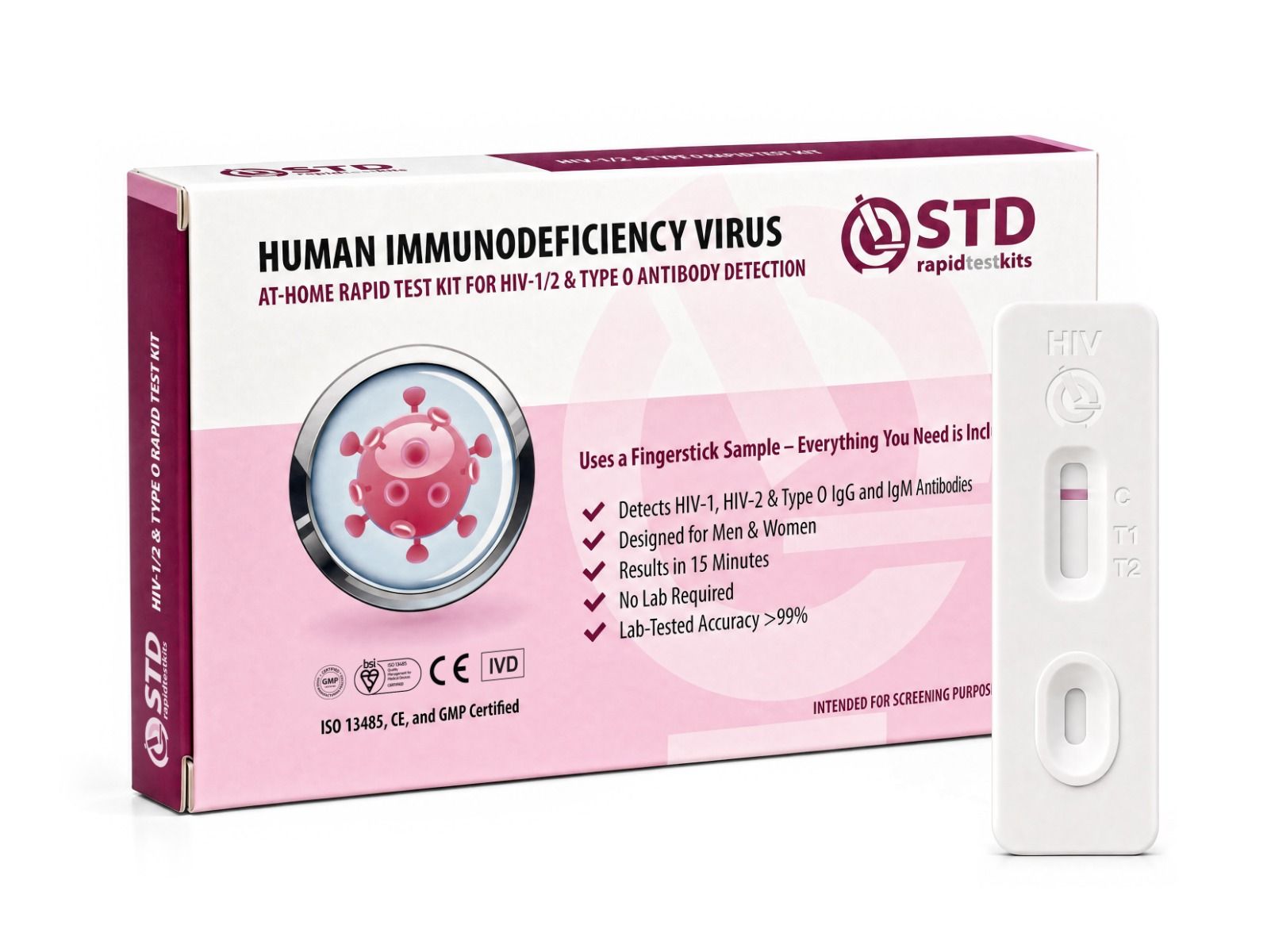
If you are unsure whether a past exposure may have happened, the rapid HIV, hepatitis B, and hepatitis C blood tests cover the three viruses most relevant to this category of exposure.
Fingernails, Hangnails, and Cuticles
Hands are involved in most sexual encounters, but they get a fraction of the attention paid to genital hygiene. A jagged fingernail or torn hangnail can scrape partner tissue the same way a razor blade does, and any pathogen on the finger or under the nail can be delivered into that micro-tear.
Herpes simplex virus has a well-documented pattern of doing the reverse. Herpetic whitlow is the clinical name for an HSV infection of the finger, often caught from oral or genital contact. HPV can also be transmitted by hand contact between genital and digital skin in either direction. Neither infection requires deep penetration to spread; surface contact with broken skin is enough.
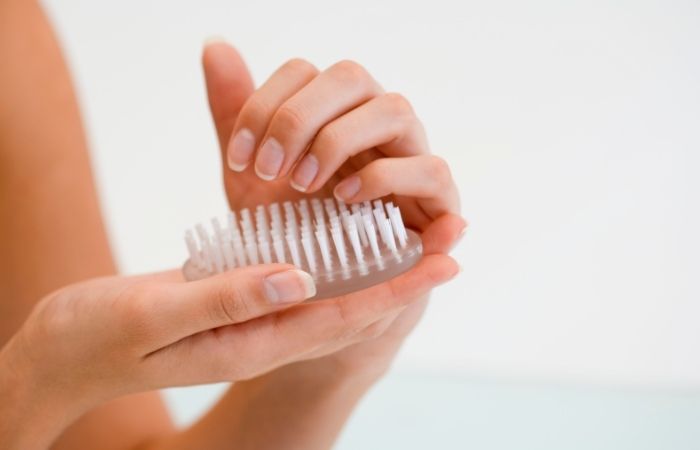
- Smooth before contact: run the pads of your fingers across denim or a paper towel. Any snag is a snag on tissue too. File the edge before you start.
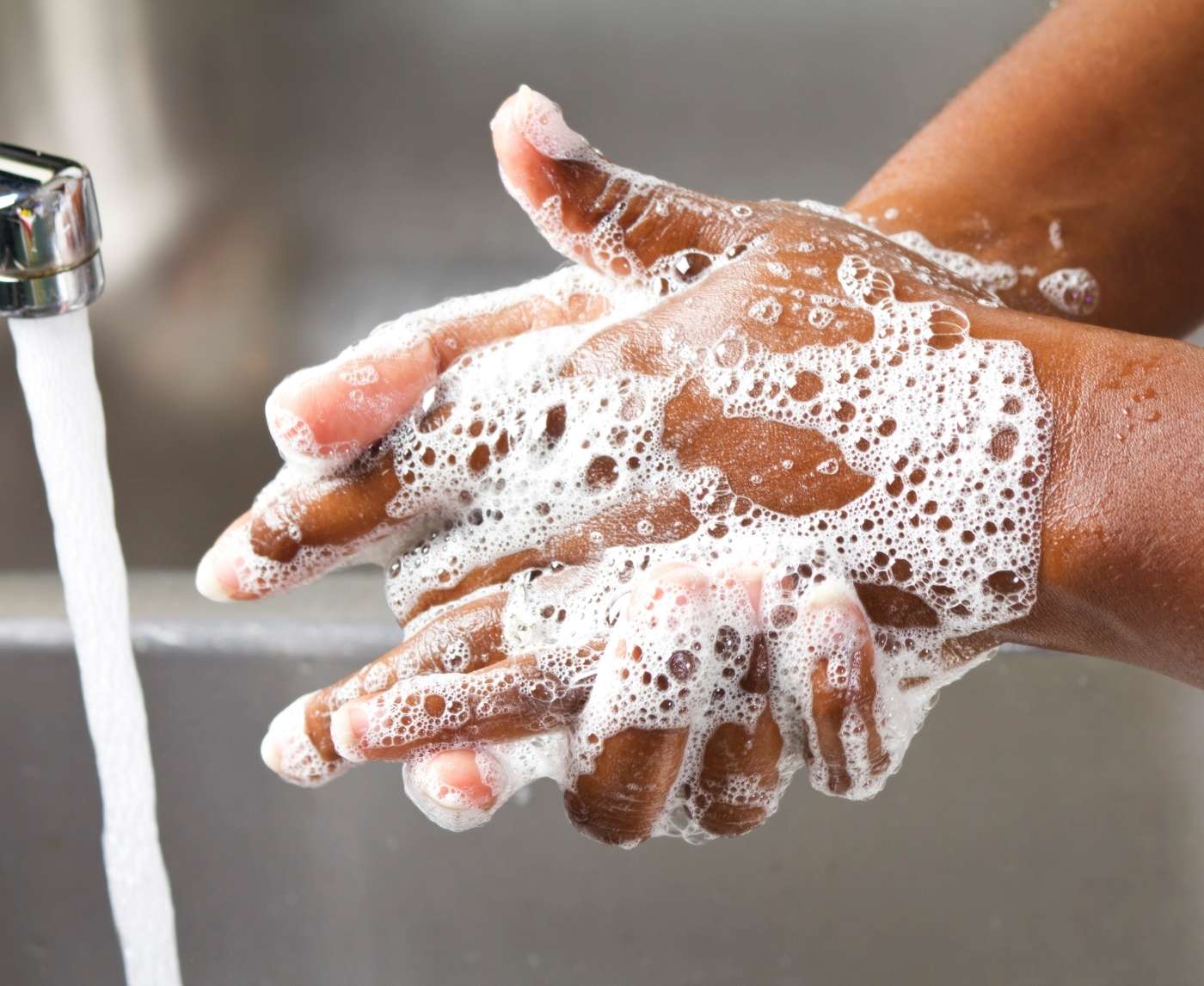
- Wash thoroughly: the AAD recommends 20 seconds of soap-and-water scrubbing, including under the nails, for situations where bacterial load matters.
- Moisturize cuticles: dry cuticles tear faster. A nightly dab of fragrance-free balm makes a measurable difference within a week.
- Use barriers when relevant: nitrile gloves with lube on the outside reduce friction and remove the nail-scrape pathway entirely.
Barriers for Manual Sex
Hand-to-genital contact is one of the lower-risk sexual activities, but it is not zero-risk. Bodily fluids carrying syphilis, gonorrhea, or HSV can enter through a cut on the giving partner's hand, and friction can move skin-contact infections like HPV between genitals and fingers in either direction. Manual contact also frequently transitions into oral or genital contact afterward, which compounds the risk if hands have not been washed in between.
- Nitrile gloves: cheap, hypoallergenic, and textured varieties add grip. Lube the outside generously for sensation.
- DIY dental dam: cut the tip and one side of a condom to make a flat sheet for vulva-to-mouth or anus-to-mouth contact.
- Wash between activities: rinse hands before touching your own face or your partner's face, and definitely before handling contact lenses.
Nitrile gloves with water-based lube on the outside eliminate both the fluid-exchange route and the nail-scrape pathway in a single step. A box of 100 costs less than a bottle of premium lube.
Lube Ingredients Worth Avoiding
Marketing copy on the front of the bottle is usually less useful than the ingredient list on the back. A few common additives appear in the published literature as either disruptive to the genital microbiome or accelerative to mucosal damage:
- Chlorhexidine: an antiseptic that depletes the lactobacilli that keep vaginal pH balanced, raising the chance of bacterial vaginosis recurrence.
- Nonoxynol-9: originally marketed as a contraceptive surfactant, but causes epithelial sloughing that the WHO advises against for populations at higher HIV risk.
- Parabens: preservatives with estrogen-mimicking activity in laboratory models. Real-world clinical effect is debated, but several major brands have moved away from them.
- Strong fragrances and "natural" essential oils: limonene, linalool, and citrus extracts are common contact sensitizers. Dermatitis means itching, scratching, and more micro-tears.
- Numbing agents: benzocaine and lidocaine reduce sensation in a way that disguises tissue damage rather than preventing it.
Matching Lube to the Scenario
Different activities benefit from different lube chemistry. The table below maps the most common situations to the formulation that tends to work best:
| Scenario | Best lube type | Why |
|---|---|---|
| Vaginal intercourse, short | Water-based, low-glycerin | Easy clean-up; preserves the vaginal microbiome |
| Anal intercourse, extended | Medical-grade silicone | Long-lasting; minimizes friction on fragile rectal mucosa |
| Shower or bathtub sex | Silicone | Not water-soluble; stays slick under spray |
| With silicone toys | Water-based or hybrid HEC gel | Will not degrade the toy's surface |
| Trying to conceive | Iso-osmolar, fertility-friendly formulation | Sperm-compatible pH and osmolality |
Aftercare and Healing
The minutes and hours after sex are when mucosal tissue is most permeable. Inflammatory cytokines that help the body respond to friction also relax cell junctions temporarily, which is part of why post-coital infection risk does not end at orgasm.
- Gentle rinse only: warm water on the vulva or perineum. Avoid scented soap inside the vagina or rectum; standard surfactants strip the protective lipid layer.
- Soothing topicals: a pea-size dab of fragrance-free aloe, panthenol, or 1% allantoin cream supports healing of small fissures.
- Hydrate: mucosa repairs faster when you are not dehydrated. Plain water is enough.
- Breathable underwear: cotton dries faster than synthetic blends and reduces the warm-moist environment in which bacteria thrive.
- Test at the right interval: for chlamydia and gonorrhea, the earliest reliable testing window is roughly 14 days post-exposure. For HIV, syphilis, and hepatitis, check each test product's window period.
Grooming Tool Hygiene
Razors, trimmers, and cuticle clippers accumulate skin cells, hair, and trace blood. Stored in a humid bathroom they become incubators for bacteria and, in some cases, viable virus on dried blood. A simple weekly routine drops that load close to zero.
- Rinse blades immediately: hot water clears hair and skin debris before they dry on.
- Disinfect once a week: ten minutes in 70% isopropyl alcohol kills most bacterial pathogens and inactivates many envelope viruses.
- Dry storage: keep blades in a vented case, not in the shower. Rust and biofilm both grow faster in standing humidity.
- Replace on schedule: disposable razor cartridges every five to seven shaves; tweezers and nail clippers indefinitely if they stay smooth and rust-free.
- If you cut yourself: clean with mild soap, dab povidone-iodine, and cover until the scab forms. Skip penetrative sex until the skin closes.

Travel and On-the-Go Hygiene
Hotel rooms and short stays are where careful habits drop fastest. Borrowing a partner's razor for a quick touch-up, using whatever lotion is in the room as lube, or skipping handwashing in an unfamiliar bathroom all undermine the basics that work fine at home. The fix is a small pre-packed kit that lives in your luggage.
- A travel-size silicone lubricant (50 ml passes carry-on rules in most countries).
- Nitrile gloves and a few sealed condoms in a range of sizes.
- A disposable razor with a guard for any grooming you cannot postpone.
- Alcohol wipes for hands, toys, and surfaces.
- A rapid home test kit if scheduling a clinic visit on return will be difficult.
A 60-Second Pre-Sex Check
Think of this as a short personal scan rather than a clinical inspection. The point is to catch anything that turns a typical encounter into a higher-risk one before friction starts.
- Scan your skin: look at the genital area, hands, and lips for any fresh cut, razor bump, or hangnail. Cover or postpone contact if present.
- Lube within reach: low-osmolality bottle on the bedside table, not in another room.
- Check barriers: condoms unexpired, package intact, sized correctly. Gloves and dams nearby if you anticipate using them.
- Run a nail check: drag the inside of your wrist across the pads of your fingers. Anything that scratches gets filed first.
- Quick conversation: protection plan, boundaries, and what aftercare looks like for both of you.
Bottom Line
You do not need a microbiology degree to lower your STI risk. Three habits cover most of what is in this article: keep the skin barrier intact, keep things slick with the right kind of lube, and treat razors and other grooming tools as strictly personal.
- Switch to a low-osmolality lube: water-based with glycerin low on the ingredient list, or medical-grade silicone for longer sessions.
- Keep razors strictly personal: one user per blade, replaced on schedule, disinfected weekly.
- File nails before manual contact: sixty seconds with an emery board removes the snag that scrapes partner tissue.
Switch from hyper-osmolar drugstore lube to a low-osmolality water-based or silicone product. Stop sharing blades. File rough nails before manual contact. These small adjustments close the micro-channels that pathogens depend on. Most of the cost is one shopping trip and a few minutes of habit change.
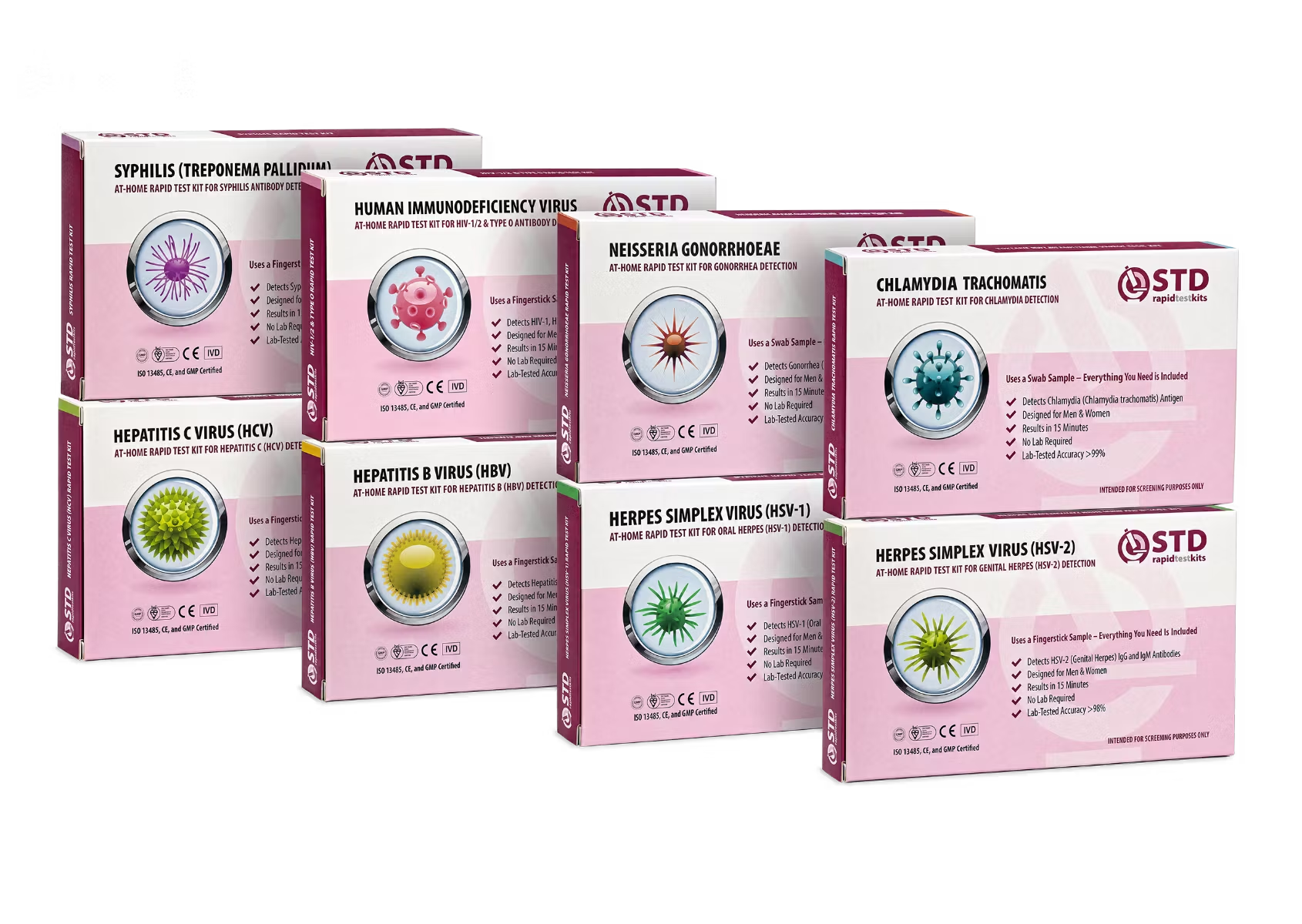
If you are between partners or want a quiet check after an exposure you are uncertain about, an at-home rapid kit gives you a fifteen-minute answer for the most common infections. Treat testing as a regular health check rather than an emergency response. The combo kit options bundle the tests most people want into a single discreet shipment.
Frequently Asked Questions
- Does water from the shower increase STI risk?
- Yes. Hot water rinses away natural lubrication and the protective oil layer on the skin, leaving more friction and faster micro-tearing. A silicone-based lube, which is not water-soluble, is the most practical workaround for sex in the shower or bathtub.
- Does pubic shaving really increase the chance of an STI?
- Frequent close shaving creates many small entry points and is associated in observational studies with higher rates of skin-contact infections like HSV and HPV. The strongest direct evidence is for irritation and folliculitis. Switching to a guarded electric trimmer or longer trim intervals reduces the cumulative surface damage.
- Are sugar-based and warming lubes safe?
- Glycerin- and sugar-heavy lubes raise osmolality (drawing water out of mucosal cells) and can feed yeast overgrowth. They are not your best choice for receptive anal sex or for partners prone to recurrent yeast infections. Low-glycerin or iso-osmolar formulations are safer for routine use.
- How soon after a razor cut is it safe to have sex?
- Wait until the cut has fully closed and the scab has come off on its own, usually three to five days for a shallow nick. The skin is most permeable during the scabbing phase, which is exactly the window you want to avoid.
- Can my partner and I share an electric trimmer if we swap heads?
- Only if the trimmer body itself is fully waterproof and you can disinfect it between users. Blood and skin cells migrate into the seams of non-waterproof units. Two separate trimmers is the simpler answer for most couples.
- Are acrylic nails an STI risk?
- More of a bacterial-load risk than a viral one. Acrylics harbor more bacteria than natural nails because of the gap between the polish and the nail bed. Nitrile gloves are a practical solution for manual sex if you wear acrylics or long natural nails.
- Can skin-to-skin contact without penetration transmit STIs?
- Yes, for the infections that spread by direct skin contact rather than fluid exchange. HSV (both types) and HPV can pass during genital rubbing or grinding even with no penetration and no ejaculation. Barriers reduce but do not eliminate this risk because they do not cover all of the contact area.
- What is the earliest I can test reliably after possible exposure?
- Depends on the infection. Chlamydia and gonorrhea become detectable on a properly collected swab around the 14-day mark. Blood-based tests for HIV, syphilis, and hepatitis B and C each have their own antibody window; most run longer than the 14-day swab window, and some extend out to 12 weeks or more depending on the assay generation. Check the window period listed on each product page before treating a negative result as conclusive.
- U.S. Centers for Disease Control and Prevention. Sexually transmitted infections overview, covering transmission routes and screening guidance.
- World Health Organization. Sexual and reproductive health resources, including the 2012 advisory on personal lubricants and osmolality thresholds for safer use.
- U.S. Centers for Disease Control and Prevention. Hepatitis B resources, including guidance on personal items that should not be shared between household members.
- American Academy of Dermatology. Skin and nail care guidance, including grooming practices that reduce skin-break complications.
- National Health Service. Sexually transmitted infections overview, condom use, and reducing risk during sex.
