10 Safer Sex Practices That Lower Your STI Risk
A practical 2026 prevention map. Ten evidence-based habits, ordered from highest-impact to most situational, drawn from current CDC, WHO, and NHS guidance. Pick three that fit your life and stay consistent.




- Adolescents and young adults carry a disproportionate share of new STIs in the United States each year. The CDC recommends an annual chlamydia and gonorrhea screen for sexually active women under 25 and for men with risk factors.
- No single practice covers everything. Stacking condoms, vaccines, and regular testing covers more ground than any one approach alone, and missing one layer occasionally is normal, not catastrophic.
Published: August 2025 | Last updated: May 2026 | Editorial review and quality control: Martina N.
The most important fact about sexually transmitted infections is that prevention math is layered, not binary. No single practice protects against everything. Condoms reduce, but do not eliminate, transmission of every common STI. Vaccines cover HPV and hepatitis B, but no other STIs. Testing finds infections, it does not prevent them. PrEP blocks HIV from sex highly effectively, but is silent on chlamydia, gonorrhea, and syphilis. The realistic strategy is to combine three or four of these practices in a way that fits your life, not to attempt all ten at once.
The CDC reports that millions of new STIs are acquired in the United States every year, with a heavy burden among adolescents and young adults (CDC STI overview). Worldwide, the WHO estimates more than 1 million new curable STIs are acquired every day (WHO STI fact sheet). Most of these infections are asymptomatic when first contracted, which is why scheduled testing matters more than symptom-watching.
This article is published by stdrapidtestkits.com, which sells at-home STI testing kits. We recommend products based on fit-for-purpose for the reader's concern, not commercial benefit. This 2026 refresh updates the original ten-practice checklist with the public-health changes that have happened since 2023: the expansion of routine HPV vaccination through age 45 under shared clinical decision-making, the wider rollout of injectable PrEP (cabotegravir), and the emergence of doxy-PEP as a tool for preventing bacterial STIs after exposure.
Key Takeaways
- Adolescents and young adults carry a disproportionate share of new STIs in the United States each year. The CDC recommends an annual chlamydia and gonorrhea screen for sexually active women under 25 and for men with risk factors.
- No single practice covers everything. Stacking condoms, vaccines, and regular testing covers more ground than any one approach alone, and missing one layer occasionally is normal, not catastrophic.
1. Use Condoms Correctly Every Single Time
Condoms are the single highest-impact behavioral tool against STIs during partnered sex. Used correctly and consistently, latex external condoms (worn over a penis) are highly effective at preventing the spread of HIV and substantially lower the risk of gonorrhea, chlamydia, hepatitis B, and trichomoniasis (CDC condom effectiveness). For infections transmitted through skin-to-skin contact in areas a condom does not cover, like herpes, syphilis, and HPV, condoms still help, but less. They shield the highest-density viral or bacterial shedding sites, even if they cannot cover every potentially infectious surface.
If latex causes a reaction, polyurethane and polyisoprene non-latex condoms are FDA-approved alternatives. They feel thinner and conduct heat well, but break roughly two to three times more often than latex in real-world use. Lambskin condoms prevent pregnancy but not STIs; viruses pass through the porous membrane.
Lubricant matters. Oil-based lubricants (Vaseline, baby oil, mineral oil, lotion) degrade latex within minutes. Use water-based or silicone-based lubricant with latex condoms only.
A condom that bunches at the base, or that rolls off, is one that fails. Most national retailers carry three to four width and length options. Try a multi-pack until you find what fits.
Open by hand, not by teeth. Teeth and fingernails cause more micro-punctures than any other failure mode. Use the tear tab.
Put it on before any genital contact. Not just before ejaculation. Pre-ejaculate carries STI pathogens.
Keep them below 38°C. A glove compartment in a hot car degrades latex within weeks; a wallet pocket against body heat degrades it within a few months.
2. Get the HPV and Hepatitis B Vaccines
Two STIs are vaccine-preventable: HPV (human papillomavirus) and hepatitis B. Both vaccines are highly effective. Neither requires a prescription if you go to a community health clinic, and many private insurers and Medicaid cover them fully.
The HPV vaccine prevents the high-risk virus strains that cause more than 90% of cervical, anal, and oropharyngeal cancers attributable to HPV. The Advisory Committee on Immunization Practices recommends routine vaccination through age 26 for everyone who was not vaccinated as an adolescent, and shared clinical decision-making through age 45 for adults who may benefit (CDC HPV vaccination). If you are older than 26 and unvaccinated, ask your clinician whether catch-up makes sense for your situation. The answer is often yes, particularly if you are starting a new relationship or have a history of multiple partners.
The hepatitis B vaccine has been part of routine US infant immunization since 1991. Adults born before then who were not caught up are eligible for a three-dose series, or the newer two-dose Heplisav-B series. The CDC now recommends hepatitis B vaccination for all adults under 60, and for adults 60 and older with risk factors. Hepatitis B can cause chronic liver disease and liver cancer, and unlike hepatitis C it has no curative treatment, only suppression.
There is also the mpox vaccine (Jynneos), which is recommended for adults with specific exposure risk profiles, including some men who have sex with men and people with multiple partners. Ask your clinician whether it applies.
Vaccines for herpes, syphilis, gonorrhea, and chlamydia are in clinical trials. None are clinically available in 2026. Until they are, the rest of the practices on this list cover those infections.
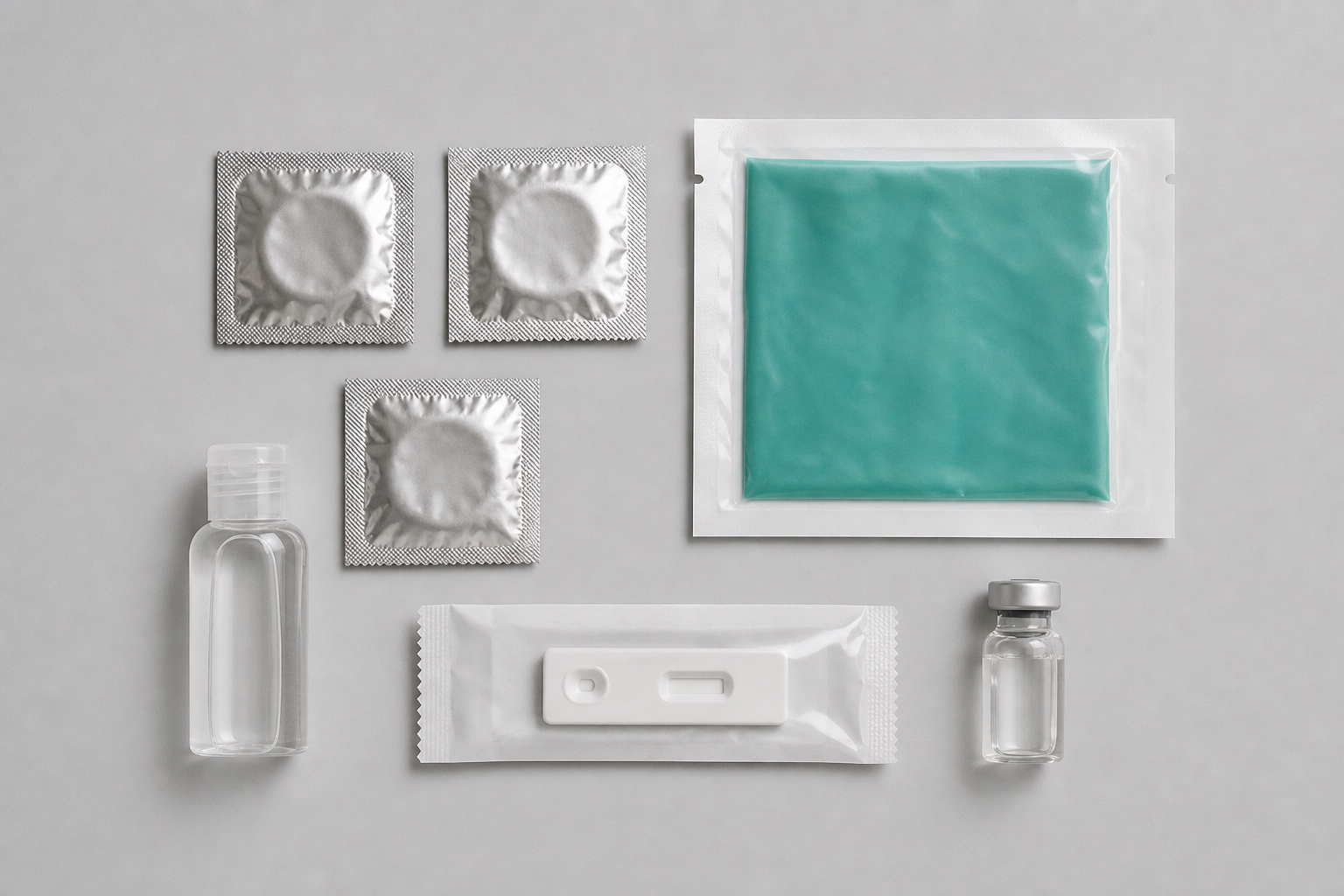
3. Consider PrEP if HIV Exposure Risk Is Meaningful
Pre-exposure prophylaxis (PrEP) is a daily oral medication or an every-two-months injection that greatly reduces the risk of acquiring HIV from sex when taken as prescribed (CDC PrEP overview). It is the single biggest behavioral-medicine advance against HIV in the last two decades. PrEP suits far more people than currently take it, even if it does not apply universally.
PrEP is worth a conversation with your clinician if any of the following apply: you have a partner living with HIV who does not have a sustained undetectable viral load; you are a man who has sex with men and has had condomless sex with new partners in the last six months; you have been diagnosed with a bacterial STI in the last six months; or you inject drugs and share equipment. The medication is well-tolerated for most people, with mild gastrointestinal effects in the first week or two for some users.
Two oral formulations are FDA-approved: emtricitabine/tenofovir disoproxil fumarate (Truvada, generic) and emtricitabine/tenofovir alafenamide (Descovy). Injectable cabotegravir (Apretude), given every two months by a clinician, is approved for adults and adolescents who weigh at least 35 kg. Choice between them depends on adherence patterns, kidney function, and cost.
A separate prophylactic strategy that has emerged since 2023 is doxy-PEP: a single 200 mg dose of doxycycline taken within 72 hours after condomless sex to prevent bacterial STIs (chlamydia, gonorrhea, syphilis). The CDC issued formal doxy-PEP guidance in 2024 for specific groups (gay and bisexual men and transgender women with a bacterial STI history in the prior 12 months). Ask your clinician whether either tool fits your risk profile.
What it is: a single 200 mg dose of doxycycline taken within 72 hours after condomless sex, used to prevent chlamydia, gonorrhea, and syphilis.
Who the 2024 CDC guidance covers: gay and bisexual men, and transgender women, who have had a bacterial STI in the prior 12 months. Outside those groups, the standard test-and-treat pathway still applies.
What it does not do: doxy-PEP does not prevent HIV. PrEP covers that. The two tools complement each other; they are not interchangeable.
4. Have the STI Status Conversation Before Sex
The hardest practice on this list, for most people, is the conversation. Asking a new partner about their last test, their last positive result, and what they currently take to manage anything chronic feels invasive in a way that condoms and vaccines do not. It is also the practice that turns every other practice into a real plan.
A workable script: "Before we go further, I want to share something and ask you something. I tested for the standard panel about three months ago and everything was negative. Have you tested recently, and is there anything you take regularly that I should know about?" That single exchange covers your status, invites theirs, and prompts disclosure of treatment for HSV, HIV, or anything else without making it the headline.
Partners disclosing a chronic STI like HSV-2 or HIV are typically already on treatment. Antiviral suppression for HSV-2 reduces transmission risk significantly, and an undetectable HIV viral load on antiretroviral therapy means HIV is not transmitted through sex (U=U, undetectable equals untransmittable). What you are listening for is whether there has been a recent acute infection (last 90 days), what was treated, and whether the partner is currently in a testing routine.
If the conversation feels too charged in person, text it. The point is the information exchange, not the format. A partner unwilling to share even general information is a partner you should not have condomless sex with, regardless of what they look like or how the night feels.
You do not have to ask "are you clean?" The word clean framing implies that infected people are dirty, and it puts the partner on the defensive. Try "when did you last test, and what for?" instead. It is specific, neutral, and answerable. If the answer is "I have never been tested", that is useful information, not a deal-breaker; it just means barrier protection stays in until you both test.
5. Choose Mutual Monogamy After Both Partners Test
Mutual monogamy is the closest practical thing to a zero-transmission relationship structure. It only works under two conditions: both partners actually test before going condomless, and both partners actually stay monogamous afterward. Either condition failing makes the practice less effective than consistent condom use with new partners.
The test-first step matters because most STIs are asymptomatic at early stages, so neither partner can verify their own status without a lab or rapid test. A full screen typically includes HIV, syphilis, chlamydia, gonorrhea, hepatitis B, hepatitis C, and for some readers HSV-2 antibody. The CDC's screening recommendations vary by age and behavioral profile (CDC screening recommendations). Test, wait the appropriate window period, retest if you were in a recent risk window, and only then transition to condomless sex.
The monogamy step is the harder one. Studies of self-reported sexual behavior consistently find that a meaningful fraction of people in self-described monogamous relationships had at least one outside partner in the prior year. This is a planning consideration rather than a moral judgment. If you would rather keep condoms in the relationship because monogamy is aspirational rather than enforced, that is a perfectly reasonable choice that lowers risk more than the assumption of monogamy alone does.
Both partners test first. A full panel typically covers HIV, syphilis, chlamydia, gonorrhea, hepatitis B, hepatitis C, and HSV-2 antibody for some readers. One partner's negative result alone is not enough.
Wait out the window period before going condomless. HIV reliably detects on fourth-generation lab tests by about 45 days, chlamydia and gonorrhea NAATs by 14 days, syphilis IgG/IgM by three to six weeks. A negative result inside that window does not rule out a recent exposure; retest at the end of it.
6. Reduce Concurrent Partners, Not Just Lifetime Total
Concurrent partnership overlap drives STI transmission risk more than lifetime partner count does. Two simultaneous partnerships create a transmission bridge that two sequential partnerships do not, because an STI acquired in one relationship can circulate back through the other before symptoms appear or testing happens.
What this means in practice: if you have multiple sexual partners, you can substantially lower your STI risk without changing your total number of partners, simply by avoiding overlapping relationships, or by being more rigorous with barriers when overlap occurs. A two-week gap between partners, combined with testing during the gap, is a meaningful intervention.
For people with one regular partner and occasional outside partners, the highest-risk pattern is condomless sex with the regular partner combined with condomless sex with the occasional one. Pick one of those two to keep condom-protected (typically the lower-trust, lower-known-status partner), and the math improves substantially.
If reduce concurrent partners reads as moralistic, here is the value-neutral version: stack rapid tests around new exposures. Test at the appropriate window after each new partner. Doxy-PEP, if you qualify, is another option here. What matters is whether each new exposure is paired with a way to detect and respond to a possible infection.
Stack a two-week gap with a test. Avoiding overlap between partnerships gives bacterial STIs time to be detected before they bridge between people. Test at the end of the gap, before the next partner.
If overlap is part of your pattern, keep the lower-trust partner condom-protected. When one partner is well-known and tested and another is newer or unverified, the newer relationship is where the barrier matters most. The math improves substantially without changing total partner count.
7. Use Dental Dams and Internal Condoms for Oral and Anal Sex
Vaginal sex with an external condom is the scenario most safer-sex education focuses on. Oral and anal sex, both common and both routes for STI transmission, get less attention and fewer barrier options at most pharmacies. That gap is worth closing.
For oral sex on a vulva or anus, a dental dam is the barrier. A dental dam is a thin square of latex (or polyurethane for latex-sensitive partners) placed between the mouth and the genital or anal surface. They are sold in some pharmacies and online, and you can also cut an unrolled external condom along its length to create an equivalent square. Used correctly, dental dams reduce transmission of herpes, gonorrhea, chlamydia, syphilis, and (more rarely) HIV during oral sex.
For receptive anal sex, the internal condom (a polyurethane pouch with a soft inner ring) is an option many people do not know exists. It is the only non-prescription barrier method controlled by the receptive partner. It can be inserted up to eight hours before sex, which removes the we have to stop the moment problem. Internal condoms also work for vaginal sex.
Pharyngeal gonorrhea (throat gonorrhea acquired from oral sex on a penis) is often asymptomatic and is increasingly the reservoir for treatment-resistant gonorrhea strains. It is not detected by genital-only test kits. If your sexual activity includes giving oral sex on a penis, ask a clinic about throat swab testing as part of your screening rotation. Our at-home rapid kits use genital or fingerstick samples, not pharyngeal swabs; for a throat-swab test, see a clinic.
| Barrier type | Best used for | Transmission routes meaningfully reduced |
|---|---|---|
| External latex condom | Penile-vaginal sex, penile-anal sex, oral sex on a penis | HIV, gonorrhea, chlamydia, hepatitis B, trichomoniasis; partial coverage for herpes, syphilis, HPV |
| Internal (polyurethane) condom | Receptive vaginal or anal sex; controlled by the receptive partner | Same range as external latex condoms; can be inserted up to 8 hours ahead |
| Dental dam (latex or polyurethane) | Oral sex on a vulva or anus | Herpes (HSV-1 and HSV-2), gonorrhea, chlamydia, syphilis; rare HIV reduction |
| Non-latex external condom (polyurethane, polyisoprene) | Same as latex external; for latex-allergic partners | Same range as latex; 2-3x higher real-world breakage rate |
| Lambskin condom | Pregnancy prevention only | None for STIs; viruses pass through the porous membrane |
8. Test on a CDC-Aligned Schedule
Testing does not prevent infection, but it converts an unknown infection into a known and treatable one. Most STIs are asymptomatic in the first weeks; many remain asymptomatic for months or years. Without testing, an infected person typically only discovers their status after a partner is also infected, or after a complication (pelvic inflammatory disease, infertility, long-term liver damage) emerges.
The CDC's screening recommendations vary by age, behavioral profile, and pregnancy status (CDC STI screening recommendations). The broad outline:
- Everyone aged 13 to 64: HIV test at least once in their lifetime, more often if risk factors apply.
- Sexually active women under 25: annual chlamydia and gonorrhea screen.
- Pregnant women: HIV, syphilis, hepatitis B at the first prenatal visit; hepatitis C and chlamydia depending on risk.
- Men who have sex with men: HIV, syphilis, chlamydia, and gonorrhea at least annually; every three to six months for those with multiple partners.
- Anyone starting a new sexual relationship: full panel before going condomless.
Window periods (the time between exposure and a reliable positive test) vary by infection. HIV fourth-generation antigen-antibody lab tests reliably detect infection by about 45 days post-exposure for most people, with a small fraction needing up to 90 days. Syphilis IgG/IgM testing is generally reliable by three to six weeks. Chlamydia and gonorrhea genital nucleic acid amplification tests (NAATs) are reliable by 14 days. Hepatitis B and C antibody testing window is roughly 8 to 11 weeks.
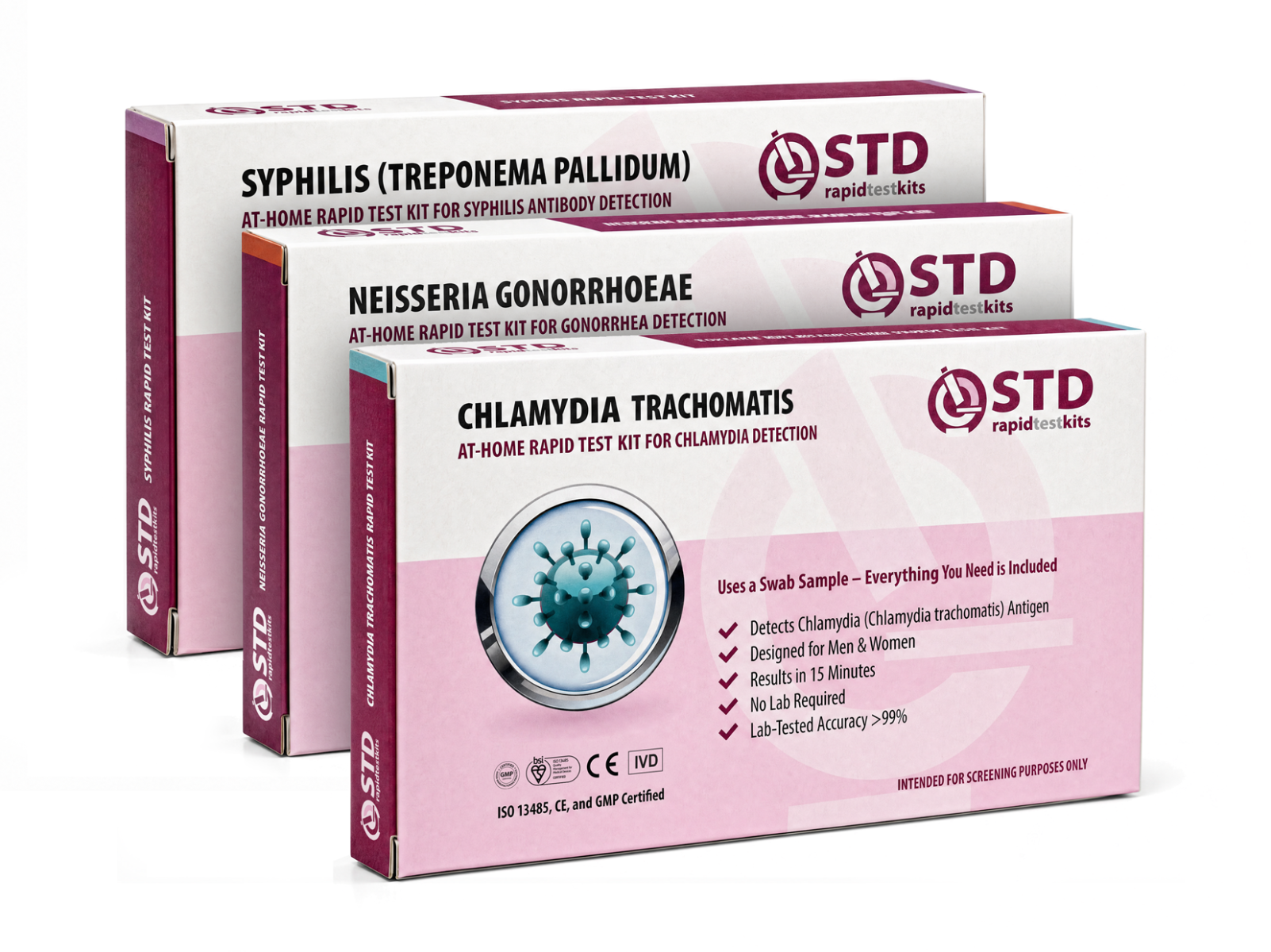
At-home rapid kits are lateral-flow immunoassays, not laboratory NAATs. They are useful for screening, periodic check-ins between clinic visits, and for the privacy of testing without an office visit. A positive result from an at-home kit should be confirmed at a clinic, where the standard-of-care laboratory test (NAAT for bacterial STIs, fourth-generation antigen-antibody for HIV) is performed.

9. Recognize Symptoms Early and Test Promptly
Most STIs are asymptomatic at first. But when symptoms do appear, recognizing them early shortens the time to treatment, reduces complications, and stops onward transmission. The symptoms below warrant a test or a clinic visit within a week, even if they resolve on their own.
- Genital, anal, or oral lesions. Any new sore, blister, ulcer, or wart, painless or painful. Painless single ulcers in particular can indicate primary syphilis, which is treatable but often missed because the ulcer heals on its own within three to six weeks.
- Unusual discharge. Any change in color, volume, smell, or consistency. Cloudy, yellow, or green discharge from the penis or vagina, or a foul-smelling vaginal discharge, can indicate gonorrhea, chlamydia, or trichomoniasis.
- Burning with urination, pelvic pain, or postcoital bleeding. In women these can indicate chlamydia or gonorrhea that has progressed toward pelvic inflammatory disease.
- Painful or swollen testicles. Can indicate epididymitis from untreated chlamydia or gonorrhea.
- A rash on the palms or soles. Painless, copper-colored, often accompanied by mild fever and lymph node swelling, can indicate secondary syphilis. Test within days, not weeks.
- Flu-like illness 2 to 4 weeks after a high-risk exposure. Can indicate acute HIV infection. Acute HIV is detectable on antigen testing earlier than on antibody-only testing.
Most of these symptoms have non-STI causes too: yeast infections, urinary tract infections, allergic contact reactions, simple viral illness. Recognizing them is a prompt to test and rule out the serious causes, rather than a route to self-diagnosing.
A painless rash on the palms or soles, with or without mild fever. Secondary syphilis presents this way, often a few weeks to months after an undetected primary chancre. Treatable with a single injection of benzathine penicillin G, but untreated syphilis progresses.
Flu-like illness in the two-to-four-week window after a known high-risk exposure. Fever, sore throat, swollen lymph nodes, body aches. Acute HIV looks like a bad flu; antigen testing detects it earlier than antibody-only testing.
A painless single ulcer anywhere in the genital, anal, or oral area. Primary syphilis chancre. Heals on its own within three to six weeks, which is exactly why it gets missed. Test before it heals.
10. Plan Around Alcohol and Substance Use
Sex under heavy alcohol or substance influence is associated with substantially lower rates of consistent condom use, higher rates of partner-status conversations being skipped, and higher acquisition of STIs in observational studies. The practical interventions differ when sex regularly involves heavy substance use. If your sex life regularly includes substance-influenced encounters, plan for those nights specifically rather than relying on sober-state habits to carry over.
Start with these adjustments:
- Carry your own condoms and lubricant. The presence-of-condoms effect is real; people use them more often when the friction of finding one is removed.
- Take PrEP if HIV exposure risk is part of your pattern. PrEP works regardless of whether the user is sober at the time of exposure, as long as the medication is at therapeutic levels.
- Treat possible exposures with a same-week test, even if the night is fuzzy. Doxy-PEP, if you qualify, can be self-administered within 72 hours of condomless sex.
Substance use also impairs judgment about partner selection in ways that consent education emphasizes more than STI education does. If you or your partner cannot meaningfully consent, sex is not the right call, regardless of the STI math. Plan transportation, plan a sober check-in friend, and accept that some nights are not for new partners.
The most reliable ways to avoid transmission of sexually transmitted diseases are to abstain from sexual activity or to be in a long-term mutually monogamous relationship with a partner who has been tested and is known to be uninfected. For persons whose sexual behaviors place them at risk for STDs, correct and consistent use of the male latex condom is recommended.
When Prevention Fails: PEP and the 72-Hour Window
No prevention strategy is 100% effective. When something goes wrong (a condom break, a partner who was not honest about their status, sex you regret while under the influence) the next 72 hours are the most consequential window.
For HIV exposure: post-exposure prophylaxis (PEP) is a 28-day course of antiretroviral medication started within 72 hours of exposure. It is most effective when started within hours and less so as the 72-hour window closes. PEP is dispensed at urgent care, emergency departments, sexual-health clinics, and some pharmacies. Do not wait for a test result; start PEP first and test afterwards.
For bacterial STIs: doxy-PEP (200 mg doxycycline within 72 hours) is recommended by the CDC for specific groups (see practice 3). Outside those groups, the test-and-treat pathway is the standard: test at the appropriate window after exposure, treat if positive.
For symptom emergence: any acute STI symptom that develops within two weeks of a known exposure should prompt a same-week clinic visit, not a wait-and-see approach. Acute syphilis ulcers and acute HIV symptoms are both treatable and both serious if missed.
Frequently Asked Questions
- How effective are condoms at preventing STIs?
- Used correctly and consistently, latex external condoms are highly effective at preventing HIV transmission and substantially reduce transmission of gonorrhea, chlamydia, trichomoniasis, and hepatitis B. For infections that transmit through skin-to-skin contact in areas a condom does not cover (herpes, syphilis, HPV), condoms still help, but the protection is partial. They are not a substitute for testing or vaccination.
- Do I really need the HPV vaccine if I am over 26?
- The ACIP recommends routine HPV vaccination through age 26 and shared clinical decision-making for adults aged 27 through 45. If you are over 26 and unvaccinated, talk to your clinician. Catch-up is often appropriate, especially if you are starting a new relationship or have a history of multiple partners. The vaccine is most effective before HPV exposure, but still provides benefit afterward against strains you have not yet encountered.
- How often should sexually active adults get tested for STIs?
- A reasonable baseline is one lifetime HIV test for every adult, plus a full panel before going condomless with any new partner. Layer on top of that whatever your specific situation calls for: an annual chlamydia-and-gonorrhea screen for women under 25, every-three-to-six-month testing for men with multiple male partners, and risk-window-based testing during pregnancy. If you are not sure what cadence fits you, ask your clinician for a written schedule rather than guessing.
- Can I get an STI from oral sex?
- Yes. Oral sex can transmit gonorrhea, chlamydia, syphilis, herpes (both HSV-1 and HSV-2), and (rarely) HIV. Pharyngeal gonorrhea is particularly underdiagnosed because it is usually asymptomatic and is not detected by genital-only test kits. If oral sex is part of your activity, dental dams or condoms reduce risk, and periodic clinic-administered throat swab testing is the gold standard for pharyngeal infections.
- Is PrEP only for gay men?
- No. PrEP is recommended for anyone with meaningful ongoing HIV exposure risk: people with an HIV-positive partner who does not have a sustained undetectable viral load, people who inject drugs and share equipment, people recently diagnosed with a bacterial STI, sex workers, and yes, men who have sex with men who have condomless sex with new partners. Many heterosexual women in serodiscordant relationships also benefit. Ask your clinician.
- What is the HIV window period for testing?
- Modern fourth-generation antigen-antibody lab tests reliably detect HIV infection by about 45 days post-exposure for most people, with a small fraction needing up to 90 days for seroconversion. Rapid antibody-only tests are reliable somewhat later, typically by 90 days. If you had a high-risk exposure, start PEP within 72 hours and follow up with confirmatory testing at the recommended window.
- Are at-home rapid STI tests as accurate as lab tests?
- At-home rapid kits use lateral-flow immunoassay chemistry; laboratory testing uses NAAT or PCR for bacterial STIs and fourth-generation antigen-antibody for HIV. The two technologies are complementary, not equivalent. Rapid kits are useful for privacy, speed, and screening; a positive rapid result should be confirmed at a clinic with a lab test. A negative rapid result in someone with a recent high-risk exposure should be repeated at the appropriate window period.
- What should I do if I think I was exposed to HIV?
- Start PEP within 72 hours. PEP is a 28-day course of antiretroviral medication, most effective when started within hours of exposure. It is available at urgent care, emergency departments, sexual-health clinics, and some pharmacies. Do not wait for a test result. After completing PEP, follow up with HIV testing at 6 weeks and 3 months. If your exposure pattern is recurring, ask your clinician about transitioning from PEP to PrEP.
- U.S. Centers for Disease Control and Prevention. About STIs: overview, transmission, and screening rationale.
- U.S. Centers for Disease Control and Prevention. Condom effectiveness in preventing HIV and other STIs.
- U.S. Centers for Disease Control and Prevention. HPV vaccination recommendations and ACIP age guidance.
- U.S. Centers for Disease Control and Prevention. Pre-exposure prophylaxis (PrEP) for HIV: candidate selection, oral and injectable formulations.
- U.S. Centers for Disease Control and Prevention. STI screening recommendations by population and risk profile.
- World Health Organization. Sexually transmitted infections fact sheet: global incidence and prevention overview.
- U.S. Centers for Disease Control and Prevention. Sexually Transmitted Infections Treatment Guidelines, 2021 edition.