
Published: October 2025 | Last updated: May 2026 | Editorial review and quality control: Martina N.
The lab work says one thing. The body says another. For many people on antiretroviral therapy, viral load tests come back undetectable, immune markers look strong, and the clinic visit ends with “everything looks great.” Yet the daily experience tells a different story: persistent fatigue, tingling feet, gut trouble, joints that ache for no obvious reason. This gap between what the bloodwork shows and what a person actually feels is one of the least-discussed realities of living with HIV in 2026, and the U.S. HIV resource hub at HIV.gov now lists chronic inflammation, cardiovascular disease, mental health symptoms, and medication side effects as recognized long-term concerns alongside viral suppression itself.
Key Takeaways
- Undetectable viral load means HIV is controlled in the blood, not that every physical symptom disappears; residual inflammation, pre-treatment damage, and medication effects all play roles.
- Persistent fatigue, neuropathy, gut issues, and body composition changes have documented causes and manageable responses; they are signals to investigate, not evidence of treatment failure.
Undetectable, but still not feeling well
A pattern shows up often in people who have been on antiretroviral therapy for years. Lab results come back perfect: viral load undetectable, CD4 count stable. Then the afternoon hits, and so does a wave of exhaustion that sleep, caffeine, and willpower cannot quite outrun.
This is the under-discussed side of living with HIV today. The medical numbers say “fine.” The body says otherwise. It is not rare, and it is not imagined. Researchers and HIV clinicians describe these symptoms as the lived experience of long-term viral suppression, not as a treatment failure. The American resource hub HIV.gov explicitly groups these complaints with cardiovascular disease, chronic inflammation, and medication side effects as ongoing care concerns.
That framing matters. It means the person reporting symptoms is not asking for special accommodation. They are flagging part of standard long-term HIV care.
Undetectable viral load means HIV is controlled in the blood. It does not mean every physical symptom disappears. Tissue reservoirs, residual inflammation, and medication effects can keep producing daily symptoms even when the bloodwork looks perfect.
Why HIV affects the body even on treatment
Antiretroviral therapy works. It suppresses the virus, protects the immune system, and lets people live close to a standard life expectancy when treatment is started early and maintained. What ART does not do is erase every trace of what the virus has already set in motion.
Even when a viral load test reads “undetectable,” small amounts of HIV genetic material can persist in reservoirs across the body: the gut lining, the lymph nodes, the central nervous system. These reservoirs can drive a low-grade inflammatory state that the clinical literature now associates with cardiovascular risk, accelerated cellular aging, and chronic fatigue. The StatPearls clinical reference summarizes the long-term inflammation pattern in its HIV and AIDS chapter.
There is also the question of damage that happened before treatment began. If someone started ART years after infection, parts of the immune system, the gut wall, and the nervous system may have absorbed lasting wear. Treatment stops further harm. It does not always reverse the existing scars.
On top of that, the medications themselves are not weightless. Some regimens, especially older ones, carry side effects that shape how a person feels day to day.

The physical symptoms people most often describe
Patient surveys, clinic data, and patient-reported outcome research consistently flag a similar cluster of complaints in people doing well on treatment. These symptoms tend to show up in some combination, not all at once, and they can shift over time.
- Persistent fatigue. The most common complaint by a wide margin. Not regular tiredness; a heavy, full-body depletion that does not fully lift with rest. Often worst in the late afternoon.
- Peripheral neuropathy. Tingling, burning, or numbness in the hands and feet. Sometimes linked to older antiretroviral classes (stavudine, didanosine), sometimes to chronic HIV-related nerve inflammation.
- Gastrointestinal symptoms. Bloating, loose stools, cramping, food sensitivities. Long-term HIV alters the gut lining and microbiome, and several ART drugs add their own digestive load.
- Weight and body composition changes. Some people gain weight after starting modern integrase inhibitor regimens. Others lose lean muscle. A smaller subset develop lipodystrophy, where body fat redistributes (thinner face, larger abdomen, fat pads behind the neck).
- Skin and hair changes. Rashes, dryness, slow healing, hair thinning. May reflect immune activation, drug reactions, or nutrient absorption issues.
None of these symptoms means treatment has failed.
When the mirror does not match the lab report
One frequently under-discussed concern, especially among people who have switched ART regimens in recent years, is rapid body composition change. Modern integrase inhibitor regimens, including those built on dolutegravir, have been linked in observational studies to weight gain that arrives faster than diet or activity changes would explain. HIV.gov notes weight change and metabolic side effects among the medication-related concerns it flags for long-term care.
This can feel jarring. Body changes that show up without an obvious cause may register as loss of control. The clinical answer (“your meds are working, your numbers are stable”) does not always address what the person is experiencing: hollowed cheeks, a new shape, clothes that no longer fit.
Those changes are real, they are reported by enough people to be a recognized treatment-era pattern, and they are worth raising with a care provider. They do not require silent acceptance, and many regimen adjustments are possible inside modern HIV care.
If body composition shifted noticeably within months of starting or switching to a dolutegravir-based or other integrase inhibitor regimen, the timing is worth flagging at the next visit. Several alternative combinations preserve viral suppression with a different metabolic profile.
How HIV touches multiple body systems
HIV is rarely confined to a single organ system. Even with viral suppression, low-grade inflammation reaches across multiple tissues at once. The combined effect is what makes the daily symptom load feel diffuse rather than localized to one area, and it is why a typical day might include foot tingling, brain fog, and a digestive flare-up at the same time without any of those being separately “the cause.”
| Body system | What HIV and ART can affect | Day-to-day experience |
|---|---|---|
| Nervous system | Peripheral nerve fibers, brain inflammation, sleep regulation | Numb or burning feet, brain fog, broken sleep, slower word recall |
| Digestive system | Gut lining integrity, microbiome balance | Bloating, loose stools, new food sensitivities, irregular appetite |
| Muscles and joints | Inflammation, muscle protein turnover | Stiffness on waking, slower recovery from activity, joint aches without injury |
| Skin and connective tissue | Immune activation, wound healing speed | Itchy patches, slow-healing cuts, dry or fragile skin |
| Metabolism and fat distribution | Insulin signaling, fat depot regulation | Weight gain in the trunk, thinner limbs, cheek hollowing |
Is feeling physically off normal when HIV is undetectable?
Yes. Studies on people living with HIV consistently report symptoms like fatigue, peripheral neuropathy, gut issues, and body composition changes even when viral load is suppressed. These often stem from residual inflammation, damage that happened before treatment, or medication side effects rather than treatment failure. Bring specific, frequency-anchored notes to an HIV-experienced clinician; regimen adjustments and targeted screening can usually identify and reduce the cause.
When the medication is part of the picture
Not every symptom traces back to the virus itself. The list of antiretroviral drugs has grown, and each class carries a different profile.
The older nucleoside reverse transcriptase inhibitors (NRTIs) from the late 1990s and early 2000s, particularly stavudine and didanosine, became associated with mitochondrial toxicity (damage to the cell structures that produce energy), peripheral neuropathy, and lipoatrophy (fat loss from the face, arms, and legs). Most patients on modern regimens are no longer taking these drugs. People who took them years ago may still carry residual effects.
| Drug or class | Reported physical effects | When to ask about adjustments |
|---|---|---|
| Dolutegravir (integrase inhibitor) | Weight gain, insomnia, vivid dreams | If body composition shifts noticeably or sleep deteriorates |
| Efavirenz (NNRTI) | Vivid dreams, mood symptoms, dizziness | If sleep, mood, or daytime alertness is affected |
| Tenofovir disoproxil (TDF) | Reduced bone mineral density, kidney function changes | If bone scans drop or kidney labs shift |
| Older NRTIs (stavudine, didanosine, no longer first-line) | Peripheral neuropathy, lipoatrophy (fat loss from face, arms, legs), GI upset | If symptoms persist long after switching off these drugs |
Bringing symptoms into the clinic visit
One of the most useful things a person on long-term ART can do is keep a running list of physical symptoms between visits. Memory tends to flatten the day-to-day struggle by the time a person sits in an exam room, especially when the visit is short and lab-focused.
A few framing strategies that consistently work in clinic settings:
- Lead with the symptom and its frequency. “I have had numb toes most evenings for the last six weeks” lands more concretely than “I think I have neuropathy.”
- Connect symptoms to function. “Fatigue is keeping me from finishing a workday twice a week” is harder to dismiss than “I feel tired.”
- Ask the open question. “Could this be related to my ART or to inflammation?” invites the clinician to consider both, rather than picking one.
If a provider repeatedly responds with “your labs look great” while dismissing daily symptoms, asking for a referral or seeking a second opinion is reasonable.
Antiretroviral therapy has dramatically improved life expectancy for people with HIV, but long-term concerns such as chronic inflammation, cardiovascular disease, and medication side effects remain part of ongoing care.
What can happen if symptoms are dismissed for too long
Persistent physical symptoms in HIV are more than inconvenient. Several of them, if left unaddressed, can progress into chronic conditions that are harder to reverse.
Joint pain that gets ignored can develop into early-onset osteoarthritis. Mild neuropathy that is not investigated can move from intermittent tingling to constant burning or numbness, and longstanding nerve damage is much harder to treat than early nerve irritation. Subtle weight changes can mask developing metabolic syndrome, which raises cardiovascular risk in a population that already runs a higher cardiovascular risk than the general population, as the CDC’s HIV hub notes when discussing comorbidities.
Cancer risk is part of this same long-horizon picture. People living with HIV have elevated risk for several cancers, particularly HPV-related cancers like cervical and anal cancer, plus hepatitis-associated liver cancer and certain lymphomas. The National Cancer Institute describes regular cancer screening as a core component of long-term HIV care, and early detection is what keeps treatment options open.
The pattern most clinicians who treat HIV will describe is people delaying months or years before raising a concern, often because they have internalized the idea that being alive and undetectable should be enough. It is reasonable to want more than survival. It is reasonable to want function, comfort, and a body that works.
- Mild neuropathy left unmanaged can become persistent or permanent nerve damage.
- Subtle weight changes can mask metabolic syndrome and rising cardiovascular risk.
- Joint pain dismissed as ordinary aging can develop into early-onset osteoarthritis.
- Skipped cancer screening (cervical, anal, liver) lets HIV-associated malignancies advance past easier-to-treat stages.
Who gets listened to, and who often does not
The healthcare system has documented disparities in how symptoms are received. Studies on pain management, fatigue evaluation, and chronic illness consistently show that women, Black and Hispanic patients, transgender patients, and older adults are more likely to have their reported symptoms minimized or attributed to mood, weight, or aging rather than to a clinical cause.
For people living with HIV, this pattern compounds with the stigma that still surrounds the diagnosis. The phrase “you should be grateful to be alive” gets internalized; symptoms get downgraded in the patient’s own mind before they even reach the clinic. Mental health effects of this are recognized too; the National Institute of Mental Health describes the higher rates of depression and anxiety that accompany long-term HIV care.
The structural fixes are slow: HIV-experienced clinicians, longer visit slots for complex chronic care, patient navigators, and clinics that take patient-reported outcomes seriously. Where structural change is slow, bringing a trusted person to appointments and keeping written symptom logs can help shift the balance in a single visit.

Practical strategies that support the body alongside treatment
There is no smoothie that cures HIV-related fatigue, and no single supplement that erases neuropathy. There are, however, evidence-supported strategies that consistently improve how people on long-term ART feel.
- Gut support. A diet with adequate fiber, fermented foods (yogurt, kefir, kimchi), and steady hydration softens the gut symptoms many people on ART describe. If symptoms persist, ask about targeted gut testing or food sensitivity work-ups.
- Resistance training. Short bouts of resistance work (bodyweight or bands) help preserve lean muscle and have measurable effects on fatigue and metabolic markers. Ten to fifteen minutes most days is enough to start.
- Sleep structure. HIV-related fatigue gets worse with poor sleep. Consistent sleep and wake times, low blue-light exposure in the evening, and a cool, dark room are inexpensive levers with reliable returns.
- Anti-inflammatory food and supplement choices. Omega-3 fatty acids, modest magnesium intake, and a Mediterranean-style eating pattern have observational support for reducing inflammation. Always confirm new supplements with the clinician managing the ART regimen, since several supplements interact with antiretrovirals.
- Symptom logging. A simple weekly note of energy levels, sleep quality, neuropathy intensity, gut symptoms, and weight gives the next clinic visit a much sharper data set to work from.
These are supports, not cures.
Frequently Asked Questions
- Can I feel physically unwell even if my HIV is fully suppressed?
- Yes. Even at undetectable viral load, low-grade inflammation persists in tissue reservoirs (gut, lymph nodes, central nervous system) and drives symptoms independently of the bloodwork. Medication side effects and damage that happened before treatment add to this. Bring specific symptom notes to a provider; regimen adjustments can often reduce the cause.
- Is the kind of fatigue people describe with HIV different from regular tiredness?
- Typically, yes. HIV-related fatigue is usually described as a heavy, full-body depletion that does not fully lift with sleep, often hits worst in the late afternoon, and persists across multiple weeks. If fatigue is interfering with daily function and lasts more than a few weeks, it is worth raising with an HIV-experienced clinician rather than absorbing it.
- Could my ART medication be causing my symptoms?
- It can be. Some antiretrovirals are associated with specific side effects: integrase inhibitors with weight gain and sleep changes, efavirenz with vivid dreams and mood symptoms, tenofovir disoproxil with bone density effects. If symptoms started or worsened around a regimen change, that is a useful timing clue to bring to a provider.
- Is it safe to change ART regimens if my viral load is undetectable?
- Switching regimens is a routine part of modern HIV care and is generally safe when done with a knowledgeable clinician. Suppression is the goal, and many regimens can maintain suppression while reducing side effects. The point is not to stop treatment; it is to find a regimen that protects the immune system and supports daily function.
- Why does it feel like providers do not take my symptoms seriously?
- Several documented dynamics contribute: short visit times that emphasize labs, clinician training that historically focused on viral suppression first, and the documented tendency to minimize symptoms reported by women, patients of color, transgender patients, and older adults. Specific, written symptom logs and concrete functional impact statements help shift the conversation.
- Why am I having so many gut symptoms?
- HIV affects the gut lining and the microbiome, and several ART drugs add additional digestive load. Persistent bloating, loose stools, or new food sensitivities are worth investigating rather than tolerating. Possible steps include reviewing the current regimen for GI-prone drugs, screening for co-occurring infections, or referral for microbiome and food sensitivity testing.
- Are tingling feet a serious symptom?
- Tingling, burning, or numbness in the feet can be early peripheral neuropathy, and it is worth flagging. Causes range from older ART drugs to chronic HIV-related nerve inflammation to vitamin deficiencies. Early identification gives more treatment options; long-standing neuropathy is harder to reverse, so do not minimize even mild symptoms.
When the body still says “something is off”
Frustration is a fair response. Doing everything right, taking ART on schedule, keeping appointments, staying undetectable, and still feeling unwell does not mean failure. It means the body is communicating a need that bloodwork alone cannot capture.
That message deserves a response. A different conversation with the HIV provider, a regimen review, a referral to a specialist who handles long-term HIV care, or a baseline screening for co-infections. Many of the physical patterns described in this article have actionable next steps, even when the path forward is “switch one drug” or “add a single specialist visit.”
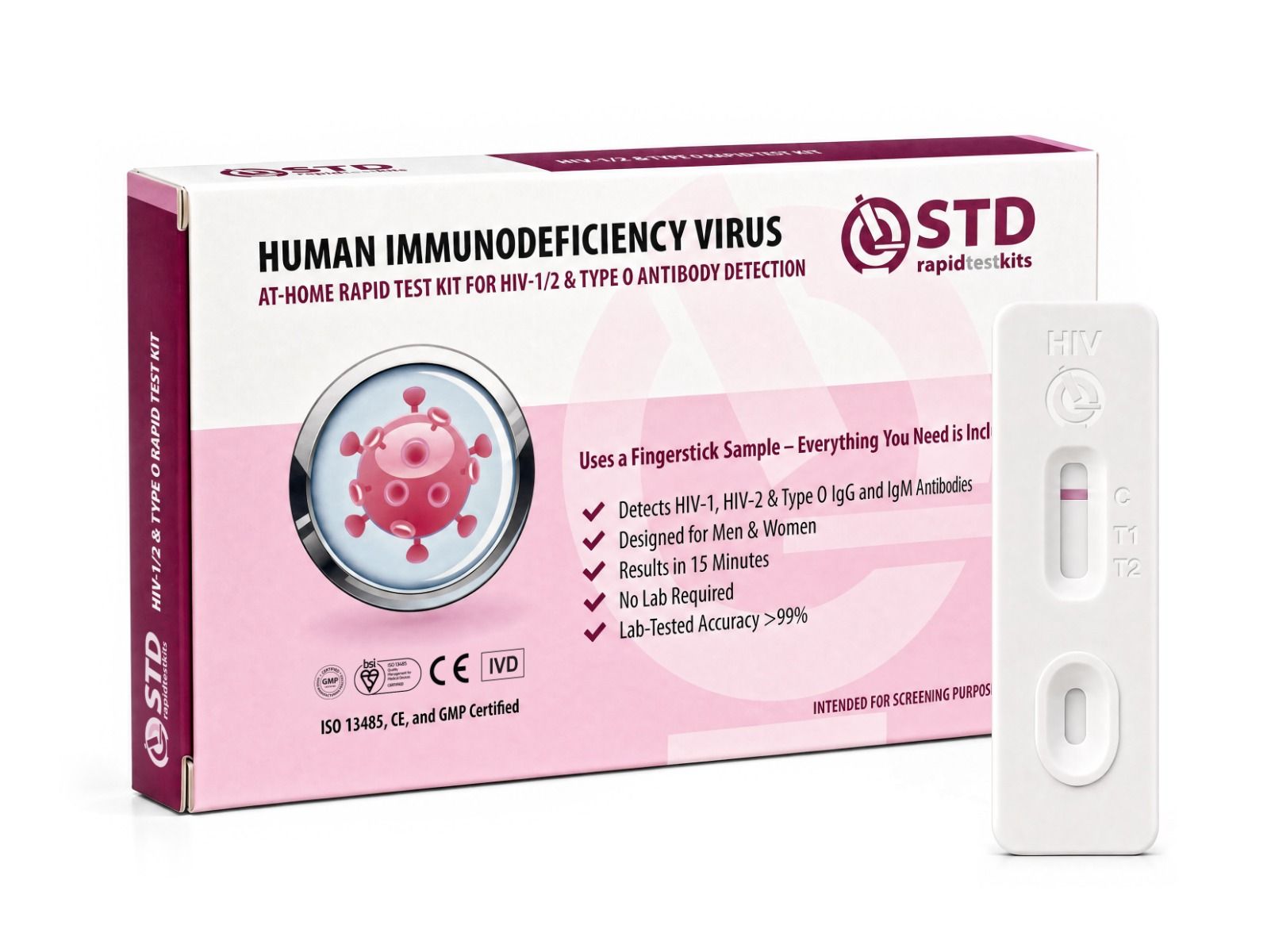
For people who want to start with a clean baseline, especially if there has been any recent sexual exposure or partner uncertainty, ruling out co-infections is a reasonable first step. For people on long-term ART, co-infections worth screening include hepatitis B and C, syphilis, and herpes simplex; each can amplify inflammatory load and is addressable when caught early. Reliable at-home rapid testing can confirm HIV status and other common STI status without requiring a clinic visit.
Disclosure: stdrapidtestkits.com sells at-home rapid HIV tests; the product link below goes to our own product page.
Our article was constructed based on current advice from the most prominent public health and medical organizations, and then molded into simple language based on the situations that people actually experience. We drew on the U.S. CDC HIV resource hub, HIV.gov’s long-term care pages, the National Institute of Mental Health’s HIV topic page, the National Cancer Institute’s HIV cancer-risk fact sheet, and the StatPearls clinical reference. Where available, we used root-level guidance pages rather than single studies, so the references stay accurate as the underlying research updates.
- U.S. Department of Health and Human Services. Other health issues of special concern for people living with HIV (chronic inflammation, cardiovascular disease, mental health, medication side effects).
- U.S. Centers for Disease Control and Prevention. HIV resource hub covering transmission, prevention, testing, treatment, and living with HIV.
- National Center for Biotechnology Information. StatPearls clinical reference chapter: HIV and AIDS (including discussion of chronic inflammation and long-term complications).
- National Institute of Mental Health. HIV and mental health overview, including depression and anxiety prevalence in long-term HIV care.
- National Cancer Institute. HIV infection and cancer risk fact sheet covering long-term oncologic concerns in people living with HIV.
- World Health Organization. HIV fact sheet with global epidemiology, treatment guidance, and long-term care framing.
