







Quick Answer: Breastfeeding with an STD is often safe, depending on the infection. Most STDs like chlamydia, gonorrhea, and HPV do not pass through breast milk, but HIV and active herpes sores on the breast can pose risks.
The Fear No One Prepares You For
“I froze. I didn’t even want to touch her until I knew.”
That’s how one parent described finding out they had an STD two weeks postpartum. Not because they were irresponsible, but because life is messy, relationships overlap, symptoms show up late, and sometimes infections were already there long before pregnancy.
There’s a specific kind of fear that hits when your health suddenly feels tied to your baby’s safety. It’s not just about you anymore. It’s about every feeding, every moment of skin-to-skin contact, every tiny decision.
But here’s what often gets lost in that panic: most STDs are not transmitted through breast milk at all. The real risks are much more specific, and much more manageable, than people think.
Let’s Get Specific: What Actually Passes Through Breast Milk?
Not all infections behave the same way. Some live in blood, some stay localized to genitals or skin, and others require direct contact with sores. That’s why blanket advice like “stop breastfeeding if you have an STD” is not just wrong, it’s harmful.
Here’s a grounded breakdown of what we know medically.
| STD | Can It Pass Through Breast Milk? | What Actually Matters |
|---|---|---|
| HIV | Yes | Virus can be present in breast milk |
| Herpes (HSV) | No (milk itself) | Risk comes from sores on breast or nipple |
| Chlamydia | No | Not transmitted via breast milk |
| Gonorrhea | No | Transmission occurs during birth, not feeding |
| Syphilis | Rare | Only if sores are on the breast |
| Hepatitis B | No (if baby vaccinated) | Vaccination protects newborn |
| Hepatitis C | No (generally) | Avoid feeding if nipples are bleeding |
The pattern here is important. Most infections don’t travel through milk, they require direct blood exposure or contact with active lesions.
That means the conversation isn’t “Do I have an STD?” It’s: Where is the infection, and is there direct exposure?

People are also reading: Hepatitis C Window Period: When a Test Will Actually Work
HIV Changes the Conversation Entirely
HIV is the exception that reshapes everything. Unlike most STDs, it can be present in breast milk and can be transmitted during feeding.
In countries like the United States, the recommendation is usually to avoid breastfeeding if HIV is present, because safe formula alternatives are accessible. But globally, the guidance can look different, especially where clean water or formula isn’t guaranteed.
Here’s where nuance matters. With proper antiretroviral therapy (ART), viral loads can become undetectable. Some emerging discussions explore breastfeeding under strict medical supervision in these cases, but this is never a DIY decision.
This is a doctor-guided situation, not a guess.
If HIV is even a possibility, testing becomes urgent, not later, not “when things calm down.” Right now.
And if you’re unsure of your status after pregnancy or a recent exposure, you can start with a discreet at-home STD test to get clarity quickly before making feeding decisions.
Herpes Isn’t in the Milk, But It Can Still Reach Your Baby
This is where people get tripped up. Herpes doesn’t pass through breast milk, but that doesn’t mean it’s irrelevant during breastfeeding.
If there are active sores on the breast, nipple, or surrounding skin, the virus can spread through direct contact. Babies, especially newborns, have immature immune systems, and neonatal herpes can be serious.
“I thought it was just a cracked nipple,” one parent shared. “Then it blistered. That’s when I panicked.”
That confusion is common. Breastfeeding can cause irritation, dryness, and even bleeding. But herpes lesions tend to cluster, blister, and feel distinctly painful or burning.
The rule here is simple but strict:
If there is an active herpes sore on the breast, do not breastfeed from that side.
You can still pump and discard milk from that breast to maintain supply, and continue feeding from the unaffected side if no lesions are present.
What About “Common” STDs Like Chlamydia or Gonorrhea?
This is where a lot of unnecessary guilt shows up. People assume that any STD automatically contaminates breast milk. That’s just not how these infections work.
Chlamydia and gonorrhea do not pass through breast milk.
These infections are localized to mucous membranes, genitals, throat, or rectum. They don’t circulate in a way that affects milk production or content.
The real concern with these infections is during delivery, not breastfeeding. Babies can be exposed while passing through the birth canal, which is why newborns often receive preventive eye treatment.
Once the baby is born, breastfeeding is generally safe while treatment is underway.
And treatment matters. If you’re navigating symptoms like unusual discharge, pelvic pain, or lingering uncertainty after birth, this is where testing becomes practical, not theoretical.
You don’t have to sit in a clinic waiting room with a newborn to get answers. Options like a combo STD home test kit allow you to check multiple infections discreetly and quickly.
Hepatitis, Skin Contact, and the “What If I Miss Something?” Fear
There’s a quieter kind of anxiety that shows up after the obvious questions are answered. It sounds like this: “Okay, but what if I’m the exception? What if I miss something small that matters?”
This is especially common with infections like hepatitis B and hepatitis C, where the word “bloodborne” triggers a lot of fear.
Let’s ground this in what actually matters during breastfeeding.
| Condition | Breastfeeding Safety | Key Precaution |
|---|---|---|
| Hepatitis B | Safe | Ensure baby receives HBV vaccine at birth |
| Hepatitis C | Generally safe | Pause if nipples are cracked or bleeding |
The pattern repeats: it’s not the milk itself, it’s blood exposure that changes the equation.
If nipples are intact, breastfeeding is typically safe. If there’s visible bleeding, temporary caution is recommended until healing happens. That doesn’t mean everything stops forever. It means you adjust, protect, and continue when it’s safe again.
This is where real-life parenting meets real-life medicine. It’s rarely all-or-nothing.
Check Your STD Status in Minutes
Test at Home with Remedium7-in-1 STD Test Kit
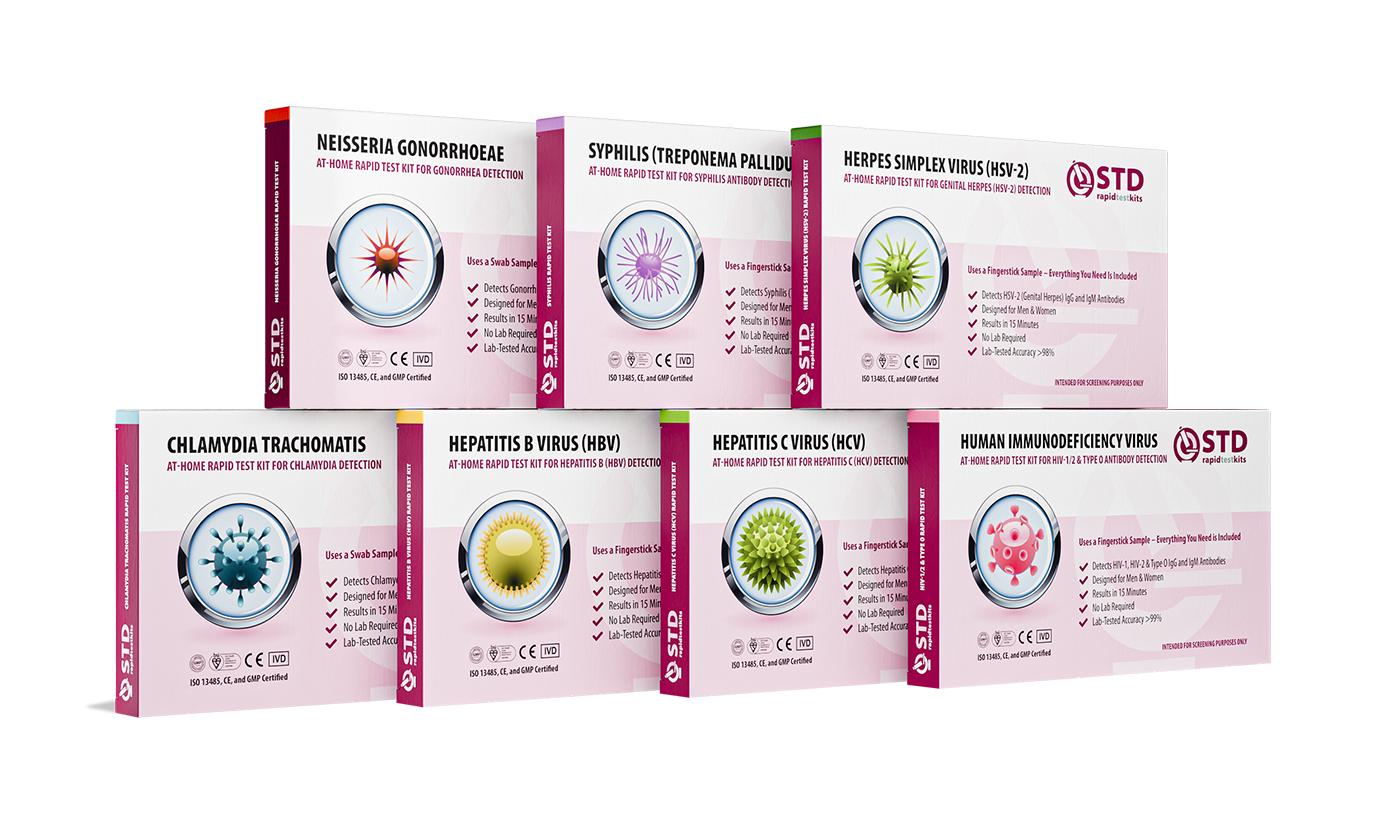
 For Men & Women
 Results in Minutes
 No Lab Needed
 Private & Discreet
Order Now $129.00 $343.00
For all 7 tests
When the Risk Isn’t the Milk, It’s the Skin
Some of the most searched questions don’t actually mention breast milk at all. They sound more like: “Can my baby get an STD from skin contact?”
That question matters, because breastfeeding isn’t just about milk. It’s about closeness, warmth, and constant contact.
Here’s the honest breakdown:
- Herpes: Can spread through direct contact with active sores (mouth, breast, or hands)
- Syphilis: Can spread through contact with open lesions
- HPV: Skin-to-skin transmission is possible, but risk to infants during breastfeeding is extremely low
Notice what’s missing here: chlamydia, gonorrhea, and most other bacterial STDs. They don’t spread through casual contact or skin-to-skin bonding.
The real-world takeaway is this: visible sores change the rules. No sores, no open lesions, no bleeding, risk drops dramatically.
This is why doctors don’t just ask “Do you have an STD?” They ask: Where is it? What does it look like right now?
The Medication Question No One Wants to Ask Out Loud
There’s another layer of worry that creeps in after diagnosis: “If I take treatment, am I exposing my baby through my milk?”
It’s a fair question, and one that people often hesitate to ask because they’re already feeling overwhelmed.
The truth is that a lot of STD treatments are thought to be safe for breastfeeding. When new parents have infections like chlamydia or gonorrhea, doctors usually give them antibiotics. People also often use antiviral drugs to treat herpes.
That said, not every situation is identical. Dosage, timing, and your baby’s age can all play a role.
“I almost skipped treatment because I didn’t want to risk it,” one parent admitted. “Then my doctor explained that untreated infection was actually the bigger problem.”
That’s the part people don’t always hear: avoiding treatment doesn’t protect your baby, it can increase risk.
If you’re unsure, this is where clarity matters more than assumptions. Testing, diagnosis, and proper guidance create safer outcomes than guessing ever will.
What Actually Warrants Pausing Breastfeeding?
Not every STD diagnosis means you need to stop. In fact, most don’t. But there are specific moments where temporary changes are the safest move.
Here’s a clear, grounded reference:
| Situation | What to Do |
|---|---|
| Active herpes sore on breast | Avoid feeding from affected side |
| HIV diagnosis | Follow strict medical guidance (often avoid breastfeeding) |
| Bleeding or cracked nipples (with bloodborne infection) | Pause until healed |
| Unidentified breast sores or lesions | Pause and get evaluated |
Everything else? Usually manageable. Usually safe. Usually far less dramatic than your brain is telling you at 2AM.
The Part No One Says Clearly Enough: Testing Brings Relief Faster Than Guessing
There’s a moment where anxiety turns into a loop. You check symptoms, scroll forums, compare stories, and somehow feel less certain each time.
This is where you shift from wondering to knowing.
If you’ve had a recent exposure, new symptoms, or even just a lingering doubt after pregnancy, testing isn’t about panic, it’s about control. It gives you something solid to work with.
And for many parents, the biggest relief isn’t the result itself, it’s finally having a clear answer.
You don’t have to delay that clarity. A private STD test at home can help you figure out what's really going on without getting in the way of your daily life or adding to the stress of an already busy time.
Because right now, what you need most isn’t more fear. It’s direction.

People are also reading: How Risky Is Oral Sex? The STD Truth About Spitting
When It’s Not an STD at All (But Feels Like One)
Not every sore, crack, or pain during breastfeeding is an STD, and this is where a lot of unnecessary panic starts. Your body is going through something intense: hormonal shifts, constant feeding, sleep deprivation, and physical strain.
That means symptoms can overlap in ways that feel alarming but are actually common.
“I was convinced I had something serious,” one parent shared. “It turned out to be a yeast infection from breastfeeding.”
Here are some of the most common non-STD causes that get mistaken for infections:
- Cracked nipples: Often from latch issues or dryness
- Mastitis: A bacterial breast infection causing pain, redness, and fever
- Thrush (yeast infection): Burning pain, sometimes with shiny or flaky skin
- Blocked milk ducts: Tender lumps and localized swelling
The overlap is real. Pain, redness, irritation, these can show up in both everyday breastfeeding issues and certain infections.
So instead of jumping straight to worst-case scenarios, the better question becomes: What exactly am I seeing, and how is it changing?
If something looks like clustered blisters, open sores, or isn’t healing, that’s when you pause and get it checked.
You’re Not “Putting Your Baby at Risk” the Way You Think
This is the quiet guilt a lot of parents carry: “If I have an STD, am I being reckless by continuing to breastfeed?”
Let’s be very clear here, having an STD does not make you irresponsible, and it does not automatically make breastfeeding unsafe.
Most infections don’t even interact with breast milk. Others only matter in very specific, visible situations. And many are completely manageable with treatment.
The idea that your body suddenly becomes “dangerous” to your baby is not rooted in medical reality, it’s rooted in stigma.
“I felt ashamed even asking my doctor,” someone admitted. “Like I had already failed somehow.”
That shame delays testing. It delays treatment. And ironically, that’s what creates more risk, not the infection itself.
What protects your baby is not perfection. It’s awareness, action, and accurate information.
A Simple Way to Think About Risk (Without Spiraling)
When everything feels overwhelming, you don’t need more complexity, you need a simple filter you can actually use in real life.
Here’s a grounded way to assess your situation:
| Question | Why It Matters |
|---|---|
| Is the infection in my bloodstream (like HIV)? | These can affect breast milk directly |
| Are there sores or lesions on my breast? | Direct contact increases risk |
| Is there bleeding or broken skin? | Blood exposure changes safety |
| Do I actually know what infection I have? | Clarity determines next steps |
If the answer to all of these is “no,” breastfeeding is very likely safe.
If one of them is “yes,” it doesn’t mean panic, it means adjust, test, or get guidance.
This isn’t about guessing perfectly. It’s about making informed decisions in real time.
Where Testing Fits Into All of This
There’s a turning point in this kind of situation. You either stay in uncertainty, or you get answers.
And when a newborn is involved, waiting and wondering tends to feel unbearable.
Testing doesn’t mean something is wrong. It means you’re choosing clarity over fear.
If you’ve had a new partner, symptoms that don’t fully make sense, or just a gut feeling that something is off, this is where taking action actually lowers stress.
You can start privately and quickly with a at-home combo STD test kit that checks multiple infections at once.
Because the moment you know what you’re dealing with, everything else, breastfeeding decisions, treatment, next steps, gets easier to navigate.
Check Your STD Status in Minutes
Test at Home with Remedium8-in-1 STD Test Kit
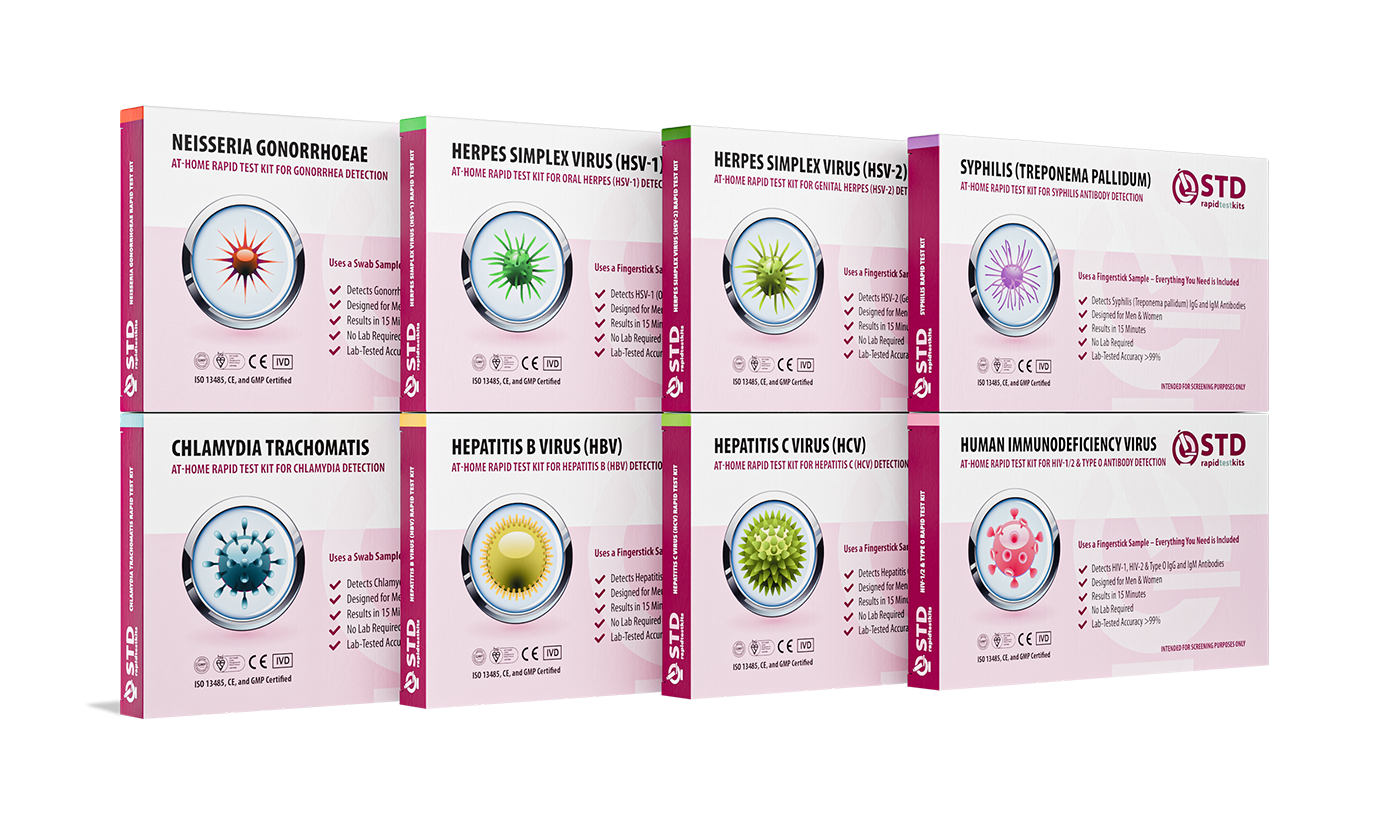 For Men & WomenResults in MinutesNo Lab NeededPrivate & Discreet
Order Now $149.00 $392.00
For all 8 tests
Before You Spiral, Read This Part Twice
You don’t need to stop breastfeeding just because you’re scared.
You don’t need to assume the worst because you saw something online.
And you definitely don’t need to carry this alone or in silence.
Most parents in this situation are not putting their baby in danger, they’re just missing clear, grounded information.
The difference between panic and confidence here isn’t luck. It’s understanding what actually matters, and what doesn’t.
FAQs
1. Can you actually breastfeed if you have an STD, or is that a hard no?
Most of the time, yes, you can keep breastfeeding. The word “STD” sounds scary, but most infections like chlamydia or gonorrhea don’t touch your breast milk at all. The situation only really shifts with things like HIV or if there are sores directly on the breast.
2. Okay, but what about HIV, does that change everything?
Yeah, HIV is the one that plays by different rules. It can pass through breast milk, which is why doctors in places like the U.S. usually recommend not breastfeeding. That said, this isn’t something you figure out alone, this is a tightly guided medical decision.
3. If I have herpes, am I putting my baby at risk every time I feed them?
Not automatically, no. Herpes doesn’t live in breast milk, it spreads through contact with active sores. So if your chest is clear, you’re generally fine; if there’s a sore on one side, you just avoid that breast and keep going on the other.
4. Can my baby get something like chlamydia from my milk?
No, and this is where a lot of people unnecessarily panic. Chlamydia stays in specific parts of the body, it doesn’t sneak into your milk. If anything, the risk window is during birth, not during those 3AM feeds.
5. I have cracked nipples… now I’m spiraling. Is that dangerous?
Take a breath, cracked nipples are incredibly common. They’re usually about latch or dryness, not an STD. The only time they become a bigger deal is if there’s a bloodborne infection involved, because then blood exposure matters.
6. Do I need to stop breastfeeding the second I test positive for anything?
No, and honestly, that’s one of the biggest myths out there. Most diagnoses don’t require stopping at all. It’s more about adjusting if needed, not shutting everything down.
7. Can anything spread just from me touching my baby?
Only in very specific situations. Infections like herpes or syphilis need direct contact with an active sore, they don’t just jump through normal cuddling or holding your baby. No lesions, no real risk.
8. What about the meds, am I passing those to my baby through milk?
Some medication does pass into breast milk, but most STD treatments are considered safe. Doctors prescribe them to breastfeeding parents all the time. The bigger risk is leaving an infection untreated, not the medication itself.
9. I found a weird sore, how do I not jump straight to worst-case scenario?
Context helps. Herpes tends to show up as small, painful blisters that cluster and evolve. A single crack, dry patch, or irritation that improves over time is usually something else entirely. If it’s not healing or looks unusual, that’s your cue to get it checked, not panic immediately.
10. I’m not even sure what I have… should I be testing right now?
If you’re questioning it, that’s already your answer. Testing doesn’t mean something is wrong, it just means you’re choosing clarity over guessing. And once you know what you’re dealing with, everything else gets a lot less overwhelming.
You Deserve Clarity, Not Fear-Based Decisions
By now, the pattern is clear: most STDs don’t interfere with breastfeeding the way people assume. The real risks are specific, visible, and manageable, not hidden in your milk waiting to harm your baby.
What matters most is knowing what you’re dealing with. Once you have that, the decisions become practical instead of overwhelming.
Don’t sit in uncertainty longer than you need to. You can get fast, private answers with an at-home combo STD test kit that checks multiple infections at once.
Because this isn’t about panic, it’s about making informed choices with confidence.
How We Sourced This Article: This guide brings together the latest clinical advice on breastfeeding and STIs with peer-reviewed research on how STIs spread. We made sure the information was correct by looking at advice from global health organizations, CDC protocols, and studies on the safety of breast milk. We also made sure that the information was based on problems that parents really do have.
Sources
1. World Health Organization: Rules for Feeding Babies Who Have HIV
2. Centers for Disease Control and Prevention – Guidelines for Treating STDs
3. Centers for Disease Control and Prevention – Hepatitis B and Perinatal Transmission
4. Centers for Disease Control and Prevention – Hepatitis C FAQs
5. Planned Parenthood – Breastfeeding and Health Conditions
6. American College of Obstetricians and Gynecologists – Breastfeeding Your Baby
About the Author
Dr. F. David, MD is a board-certified infectious disease specialist focused on STI prevention, diagnosis, and treatment. He combines clinical precision with a direct, sex-positive approach that prioritizes clarity, privacy, and patient empowerment.
Reviewed by: Board-Certified Infectious Disease Specialist | Last medically reviewed: March 2026
This article is meant to give you information, not medical advice.


