






Quick Answer: HIV is the STD that kills the most people globally, followed by hepatitis B and HPV-related cancers. While some STDs are easily treatable, others can become life-threatening without early detection and care.
This Isn’t About Fear, It’s About Reality
There’s a strange gap between what people think STDs are and what they actually do. Ask around, and you’ll hear the same things: “Herpes is the worst,” or “Chlamydia is no big deal.” But when you look at global death rates, the story flips.
The infections that cause the most harm are often the quiet ones. The ones that don’t show symptoms right away. The ones people delay testing for because nothing feels urgent, until it is.
“I thought if it was serious, I’d feel something,” says Jordan, 28. “I didn’t feel anything. That was the problem.”
This article isn’t here to scare you. It’s here to rank reality. Which STDs actually lead to death, how often, and why timing, testing, treatment, awareness, changes everything.
The Global Ranking: Which STDs Cause the Most Deaths?
Let’s get straight to it. When researchers look at global mortality data, a clear pattern emerges. A small number of infections account for the vast majority of STD-related deaths worldwide.
| STD | Estimated Annual Deaths | Why It Becomes Dangerous |
|---|---|---|
| HIV | ~630,000 | Immune system collapse without treatment |
| Hepatitis B | ~820,000 | Liver failure and cancer over time |
| HPV | ~340,000 | Cervical and other cancers |
| Syphilis | ~150,000+ | Organ damage, neurological failure |
Notice something surprising? The infections most people panic about, like herpes, aren’t even on this list. Meanwhile, HPV and hepatitis quietly drive hundreds of thousands of deaths every year.
This is where perception breaks down. “Common” doesn’t mean harmless. And “treatable” doesn’t mean safe if ignored.

People are also reading: How Soon After Sex Can You Test for Herpes? (Timing by Type)
Why HIV Still Tops the List (Even in 2026)
HIV has been in the public conversation for decades, but the reality is still sobering. Without treatment, it gradually destroys the immune system, leaving the body vulnerable to infections it would normally fight off easily.
What makes HIV especially dangerous isn’t just the virus itself, it’s timing. Many people live for years without symptoms. By the time they test, the virus has already done significant damage.
“I felt completely fine. I was going to the gym, working, dating,” says Luis, 34. “The diagnosis came out of nowhere.”
The good news? With modern treatment, HIV is no longer a death sentence. People who are diagnosed early and start antiretroviral therapy can live long, healthy lives. But that “if” matters. Early detection is everything.
If you’ve had a recent risk, or even just uncertainty, testing is how you take control. You can start with a discreet option like this at-home STD testing resource, which removes the waiting room and the guesswork.
The Quiet Killer: Hepatitis B Isn’t Talked About Enough
Hepatitis B doesn’t get the same attention as HIV, but globally, it causes even more deaths. And most people don’t associate it with sexual transmission, even though it absolutely can spread that way.
The danger comes from how slowly it works. Hepatitis B attacks the liver over years or decades, often without obvious symptoms. By the time problems appear, the damage can be severe, cirrhosis, liver failure, or cancer.
This is the kind of infection people don’t panic about because nothing feels urgent. But that silence is exactly what allows it to progress.
| Infection | Early Symptoms | Long-Term Risk |
|---|---|---|
| Hepatitis B | Often none | Liver cancer, failure |
| HPV | Often none | Cervical, throat cancers |
| Syphilis | Mild sores, rash | Brain, heart damage |
The pattern is clear: the most dangerous STDs are often the least dramatic at the start.
“But I Don’t Feel Sick”, The Most Dangerous Sentence
This is where most people get tripped up. They assume danger feels obvious. Painful. Urgent. But with STDs, that’s often not how it works.
Chlamydia and gonorrhea, for example, rarely cause death directly, but they can lead to infertility, chronic pain, and increased HIV risk if untreated. HPV can sit silently for years before turning into cancer. Syphilis can disappear, then come back decades later affecting the brain.
“I kept waiting for symptoms that never came,” says Aisha, 26. “By the time I tested, it wasn’t early anymore.”
This is why the question isn’t just “Which STD is the most dangerous?” It’s “Which one are you ignoring because it doesn’t feel urgent?”
And that’s where testing shifts everything. Not panic. Not guessing. Just clarity.
Take back control of your health with a discreet at-home combo STD test kit that checks multiple infections at once, because the ones you don’t feel are often the ones that matter most.
Check Your STD Status in Minutes
Test at Home with Remedium7-in-1 STD Test Kit
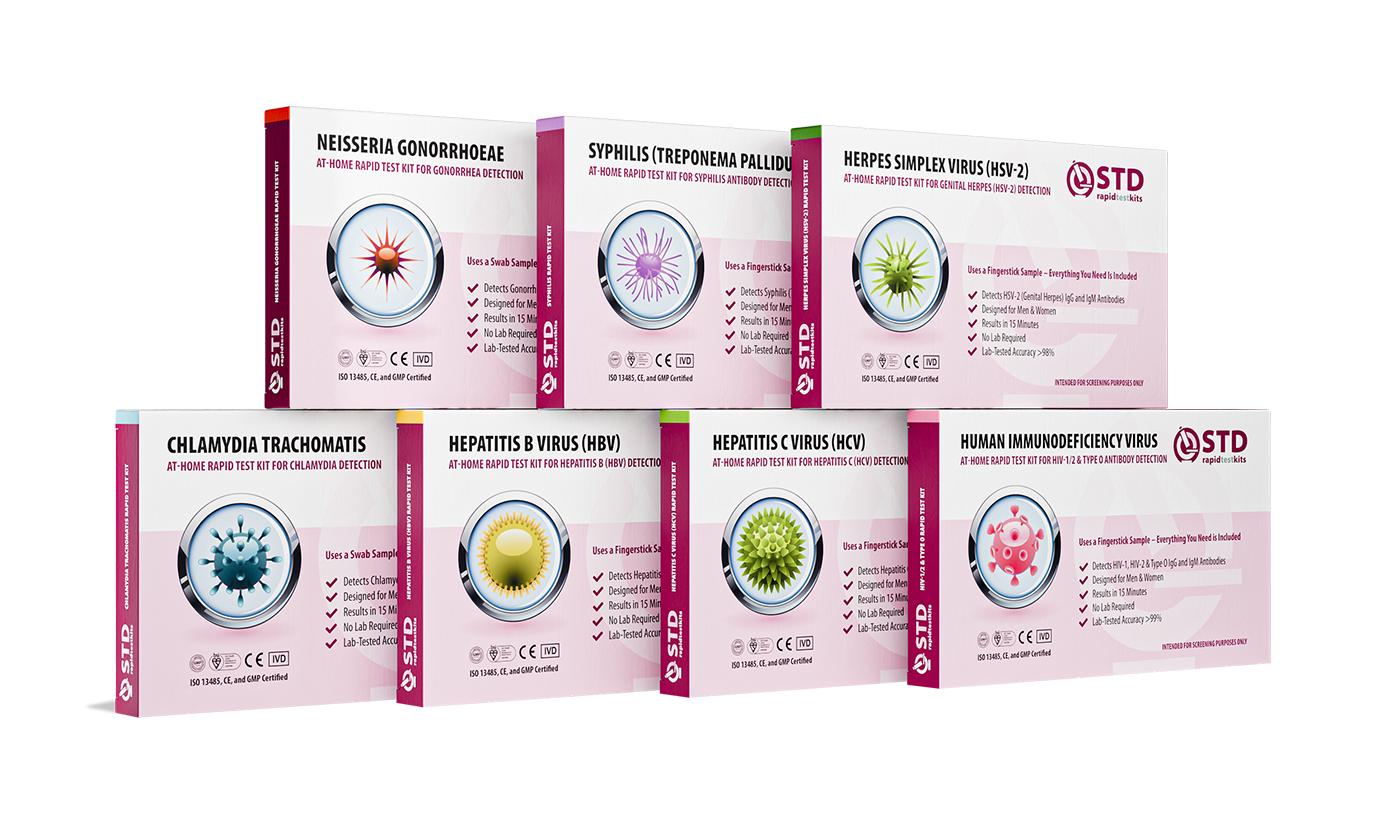
 For Men & Women
 Results in Minutes
 No Lab Needed
 Private & Discreet
Order Now $129.00 $343.00
For all 7 tests
HPV: The STD That Causes Cancer (and Still Gets Downplayed)
If there’s one infection people consistently underestimate, it’s HPV. Maybe because it’s so common. Maybe because most strains don’t cause symptoms. But globally, HPV is responsible for hundreds of thousands of cancer deaths every year, especially cervical cancer.
What makes HPV dangerous isn’t immediate illness. It’s transformation. Certain high-risk strains quietly change cells over time, turning normal tissue into cancer years after the initial infection.
“No pain. No warning. Just a routine screening that changed everything,” says Daniela, 31. “I had no idea it had been there that long.”
This is where the idea of “harmless STDs” breaks down. HPV often clears on its own, but when it doesn’t, the consequences aren’t minor. They’re life-altering.
And here’s the uncomfortable truth: most sexually active people will get HPV at some point. The difference isn’t exposure. It’s awareness, screening, and follow-up.
Syphilis: The Infection That Disappears… Then Comes Back Worse
Syphilis is one of the oldest known STDs, and it still catches people off guard. Not because it’s rare, but because it’s deceptive.
It starts small. A painless sore. Maybe a rash. Then it fades. Many people assume their body “handled it.” In reality, the infection has just moved deeper into the body.
Untreated syphilis can progress through stages, eventually affecting the brain, nerves, and heart. At that point, it’s no longer just an infection, it’s systemic damage.
“I thought it went away,” says Kevin, 42. “Years later, I started having neurological symptoms. That’s when they found it.”
Syphilis doesn’t kill quickly. It erodes. Slowly, quietly, and often without clear warning signs until serious damage has already occurred.
What About Herpes, Chlamydia, and Gonorrhea?
This is where small differences matter. Some STDs are more dangerous than others, but that doesn't mean they're not dangerous.
Herpes, for example, rarely causes death in healthy adults. But it can be severe in newborns or people with weakened immune systems. It also increases susceptibility to HIV, which changes the long-term risk profile.
Chlamydia and gonorrhea are often labeled “easy to treat,” and medically, that’s true. But untreated, they can lead to pelvic inflammatory disease, infertility, chronic pelvic pain, and increased HIV transmission risk.
The key distinction isn’t just “deadly vs not deadly.” It’s direct vs indirect harm.
| STD | Direct Fatal Risk | Indirect Health Impact |
|---|---|---|
| Herpes | Very low | Increases HIV risk, neonatal complications |
| Chlamydia | Rare | Infertility, pelvic damage |
| Gonorrhea | Rare | Systemic infection, antibiotic resistance risk |
So while these infections don’t dominate death statistics, they still shape long-term health in ways people often underestimate.
Why Some STDs Kill, and Others Don’t
The difference between a “harmless” STD and a deadly one usually comes down to three factors: what the infection targets, how long it can hide, and whether it’s treated in time.
Viruses like HIV and hepatitis attack critical systems, the immune system and liver. HPV alters cell behavior, leading to cancer. Syphilis spreads through the bloodstream, eventually reaching vital organs.
Meanwhile, infections like chlamydia tend to stay localized. They can cause serious complications, but they don’t typically shut down entire body systems.
But here’s the part people miss: timing changes everything. Almost every STD on this list becomes far less dangerous when caught early.
“I didn’t think I was at risk,” says Omar, 29. “I just didn’t think testing applied to me.”
That’s the pattern. Not recklessness. Not ignorance. Just delay.

People are also reading: Burning, Bumps, or Nothing at All? What STD Symptoms Really Look Like
Testing Is the Line Between Manageable and Dangerous
This is the turning point in the conversation. Because once you understand which STDs actually cause death, the next question becomes obvious: how do you stay out of that category?
The answer isn’t abstinence, perfection, or fear. It’s information. Specifically, knowing your status before something silent turns serious.
Modern testing has made this easier than ever. You don’t have to wait weeks for appointments or navigate uncomfortable conversations if you’re not ready. You can start privately, on your terms.
You deserve to know what's going on, whether it's a symptom, a recent exposure, or just a gut feeling. Look into options like this private at-home STD testing service and take charge before doubt turns into danger.
The most dangerous STDs aren’t always the ones people fear the most. They’re the ones that go unchecked.
What Actually Puts You at Risk (It’s Not Just “Unprotected Sex”)
When people think about dangerous STDs, they often imagine extreme scenarios, multiple partners, no protection, obvious symptoms. But the reality is a lot more ordinary, and that’s what makes it easy to overlook.
Most transmissions happen in everyday situations: a new partner, a trusted partner, oral sex without thinking twice, or assuming “they would have told me.” Risk doesn’t always feel risky in the moment.
“We had the conversation. We both said we were clean,” says Rafael, 33. “But neither of us had actually tested recently.”
The infections that cause the most harm, HIV, HPV, hepatitis, don’t care about intent. They spread through contact, not assumptions. And because many of them don’t show symptoms right away, people often don’t realize they’ve been exposed.
This is why phrases like “I’d know if something was wrong” can be misleading. With STDs, especially the ones tied to long-term complications or death, you often don’t know, until much later.
The Timeline That Changes Everything
One of the most misunderstood parts of STD risk is timing. You can’t just test immediately after exposure and expect a clear answer. Every infection has what’s called a “window period”, the time between exposure and when a test can reliably detect it.
This is where people get false reassurance. They test too early, get a negative result, and assume they’re in the clear. But biologically, the infection may not have reached detectable levels yet.
This timing is even more important for the most dangerous STDs. Catching HIV early can mean the difference between full health and long-term complications. Finding HPV changes how you check for cancer risk. Finding hepatitis early can stop liver damage that can't be fixed.
Testing isn’t just about whether you test, it’s about when you test.
| STD | Earliest Detection Window | Best Time to Test |
|---|---|---|
| HIV | 10–14 days | 3–6 weeks |
| Hepatitis B | 3–6 weeks | 6+ weeks |
| Syphilis | 2–3 weeks | 4–6 weeks |
Understanding this timeline turns testing from guesswork into strategy. And strategy is what keeps manageable infections from becoming dangerous ones.
Check Your STD Status in Minutes
Test at Home with Remedium6-in-1 STD Test Kit
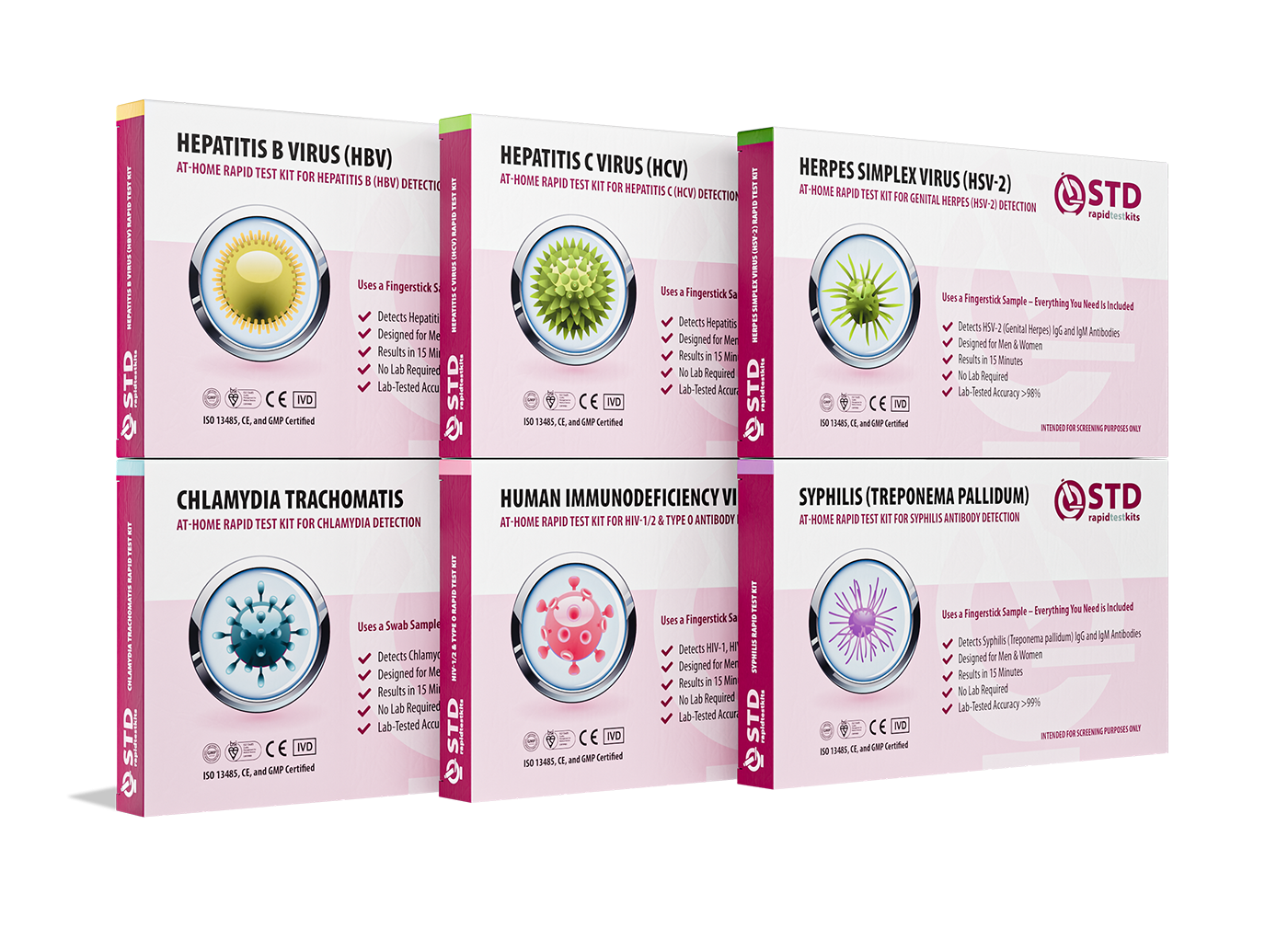 For Men & WomenResults in MinutesNo Lab NeededPrivate & Discreet
Order Now $119.00 $294.00
For all 6 tests
So… Which STD Is “The Worst”?
If you’re looking for a single answer, it’s tempting to say HIV. And statistically, it’s one of the most impactful globally. But the more honest answer is this: the “worst” STD is the one that goes undetected the longest.
HPV can lead to cancer years later. Hepatitis can quietly damage your liver. Syphilis can disappear and return with neurological consequences. Even infections considered “mild” can escalate if ignored.
Danger isn’t just about the infection, it’s about the timeline you give it.
“I kept putting it off because nothing felt urgent,” says Elena, 27. “Looking back, that was the risk.”
This shifts the conversation away from fear and toward control. Because once you know, you can act. And once you act, the vast majority of these outcomes become preventable.
You Don’t Need to Panic, You Need a Plan
Reading about death rates can feel intense. But here’s the part that often gets lost: most STD-related deaths are preventable with early detection, treatment, and follow-up care.
This isn’t about scaring yourself into worst-case scenarios. It’s about understanding that silence, no symptoms, no urgency, no testing, is what allows infections to become dangerous.
You don’t need to overhaul your life overnight. You just need a baseline. A clear answer. A starting point.
Don’t wait and wonder. Get answers from home, quick, discreet, and doctor-trusted. A comprehensive at-home STD test kit can screen for multiple infections at once, giving you clarity without the stress of uncertainty.
Because the real difference between “common” and “dangerous” isn’t the infection, it’s whether you catch it in time.
FAQs
1. Which STD actually kills the most people?
If we’re talking globally, it’s a close race between HIV and hepatitis B, but hepatitis B quietly takes more lives due to liver disease. HIV gets more attention, but both are serious for the same reason: they can live in your body for years before you realize something’s wrong.
2. Can something like HPV really turn into cancer?
Yeah, and that’s the part people don’t expect. Most HPV infections go away on their own, but certain strains stick around and slowly change cells over time. That’s how you end up with cervical or throat cancer years after what felt like a totally normal phase of your life.
3. Is HIV still something people die from today?
It can be, but it doesn’t have to be. With treatment, people live long, full lives. The problem is when someone doesn’t know they have it or delays care, because that’s when the immune system starts taking real hits.
4. Syphilis sounds old-school… is it actually dangerous?
Weirdly, yes. It’s one of those infections that can disappear and trick you into thinking it’s gone. Then years later, it comes back affecting your brain or heart. It’s not dramatic at first, that’s what makes it risky.
5. Why does no one really talk about hepatitis as an STD?
Honestly, because people associate it with blood or needles, not sex. But hepatitis B spreads through sex too, and it’s a big reason liver disease and liver cancer happen worldwide. It’s just not part of the usual “STD conversation,” which is part of the problem.
6. Okay but be real, can herpes kill you?
For most people, no. It’s uncomfortable, frustrating, emotionally heavy, but not life-threatening. The exceptions are newborns or people with very weak immune systems. The bigger issue is how much fear and stigma people carry about it compared to the actual medical risk.
7. If chlamydia is easy to treat, why does it matter?
Because “easy to treat” only applies if you actually treat it. Left alone, it can mess with fertility, cause chronic pain, and create problems that don’t just disappear with antibiotics later. It’s one of those “small now, bigger later” situations.
8. How would I even know if I had something serious without symptoms?
That’s the catch, you probably wouldn’t. The infections that cause the most long-term damage are often the quietest at first. No pain, no obvious signs, just time passing while something’s developing underneath.
9. When do people usually realize something’s wrong?
Honestly? Often later than they wish they had. Sometimes it’s during routine testing, sometimes when symptoms finally show up, and sometimes through a partner. It’s rarely that dramatic movie moment, it’s usually subtle, then suddenly very real.
10. What’s the least stressful way to actually get tested?
The easiest starting point for a lot of people is at-home testing. No waiting rooms, no awkward conversations, you just get your answer and decide what to do next. It turns a big, intimidating question into something manageable.
You Deserve Clarity, Not Guesswork
Reading about death rates can hit harder than expected. Not because you’re suddenly in danger, but because it reframes something most people were taught to downplay. The goal here isn’t to turn every symptom into a crisis. It’s to understand what actually matters, and what doesn’t.
The infections that cause real harm tend to move quietly. No urgency. No obvious warning signs. Just time. And that’s the part you can control, by not giving them that time. Testing isn’t about panic. It’s about shortening the unknown.
Don’t wait and wonder. If there’s even a small question in your mind, start with a discreet option like the Combo STD Home Test Kit. Your results stay private. Your next steps stay yours. And knowing, no matter the outcome, always beats guessing.
How We Sourced This Article: This article combines global mortality data from organizations like the World Health Organization with clinical guidance from the CDC and peer-reviewed infectious disease research. We focused on long-term outcomes, cancer associations, and systemic complications to distinguish which sexually transmitted infections are actually life-threatening. Narrative elements reflect real-world patient experiences to keep the information grounded, accessible, and stigma-free.
Sources
1. World Health Organization – HIV/AIDS Fact Sheet
2. World Health Organization – Hepatitis B
3. WHO – HPV and Cervical Cancer
4. Centers for Disease Control and Prevention – Syphilis Fact Sheet
5. Centers for Disease Control and Prevention – STD Overview
6. National Library of Medicine – STI Mortality Research Database
About the Author
Dr. F. David, MD is a board-certified expert in infectious diseases who works on preventing, diagnosing, and treating STIs. His work combines clinical accuracy with a direct, sex-positive approach that puts clarity, privacy, and patient empowerment first.
Reviewed by: Board-Certified Infectious Disease Specialist | Last medically reviewed: March 2026
This article is just for information and should not be used instead of medical advice, diagnosis, or treatment from a qualified professional.


