





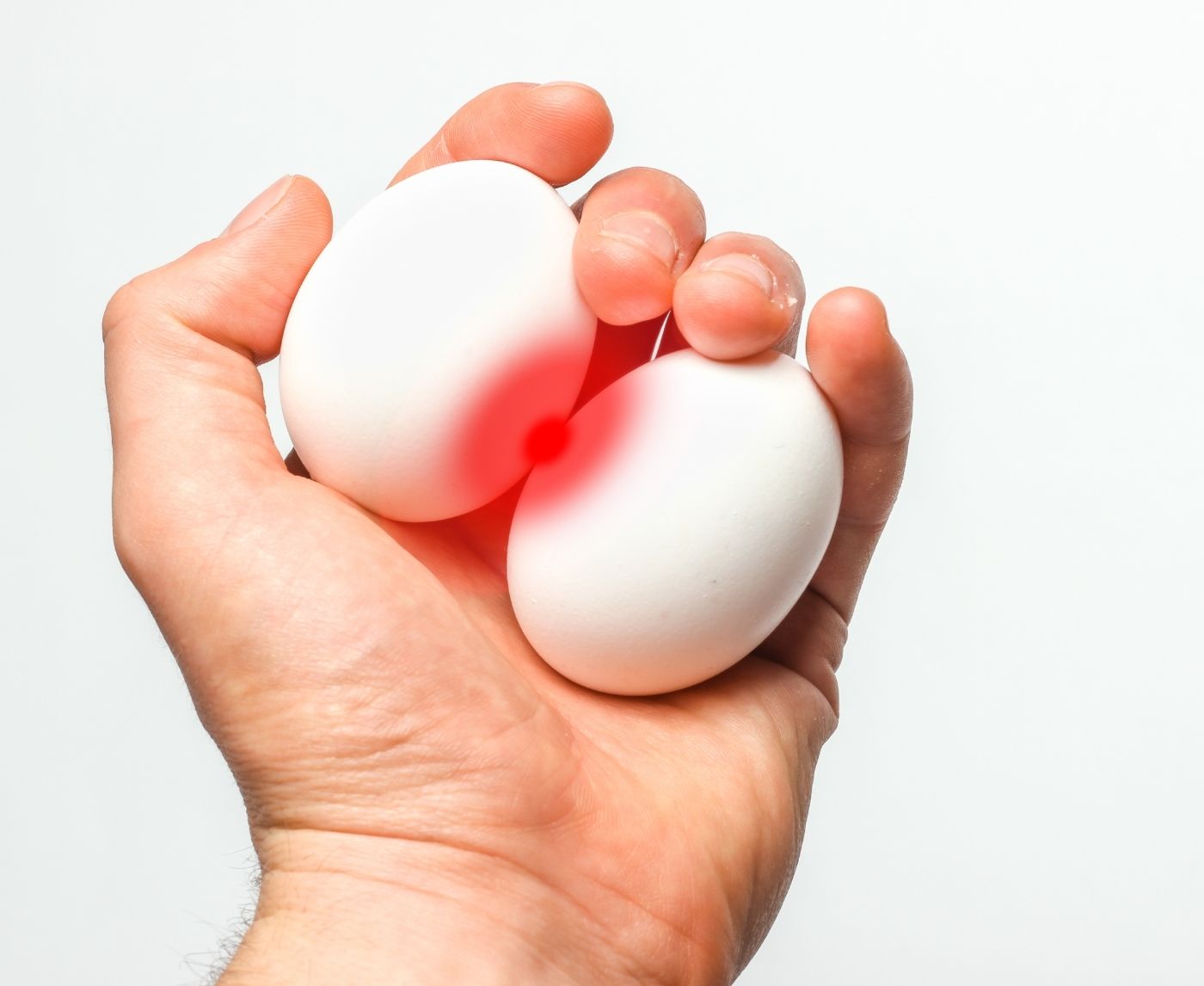

Quick Answer: Testicle swelling and pain is an emergency if it comes on suddenly, is severe, or is paired with nausea, fever, or a high-riding testicle. These can signal conditions like torsion that require treatment within hours to prevent permanent damage.
This Isn’t Just “Soreness”, Why Timing Changes Everything
Not all swelling is created equal. Some causes build slowly over days, like infections. Others hit fast and aggressively. The difference between those two timelines is often what determines whether you’re dealing with something manageable, or something urgent.
The scariest condition doctors worry about is testicular torsion. That’s when the spermatic cord twists, cutting off blood supply. It doesn’t give you much time to think. You’ve got about 6 hours, sometimes less, before permanent damage starts.
One patient once described it like this: “It wasn’t just pain, it was like something was wrong in a way I couldn’t ignore.” That instinct matters. When swelling shows up suddenly, your body is usually trying to get your attention fast.
Fast vs Slow: The Timeline That Tells You Everything
| Onset | What It Might Mean | Urgency |
|---|---|---|
| Sudden (minutes to hours) | Torsion, injury | Emergency |
| Gradual (1–3 days) | Infection (epididymitis), STD-related inflammation | Urgent but not ER (usually) |
| Slow (weeks or longer) | Hydrocele, varicocele, cyst | Non-emergency |
If there’s one takeaway here, it’s this: fast = dangerous until proven otherwise. Slow changes give you time. Sudden ones don’t.
What Emergency Pain Actually Feels Like (And What It Doesn’t)
People often expect emergency pain to be dramatic, and sometimes it is. But not always in the way you think. It’s not just about how intense it is. It’s about how it behaves.
Emergency testicular pain usually has a few specific traits. It shows up quickly, often on one side. It doesn’t ease when you shift position. And it may come with other symptoms your body stacks on top, like nausea or even vomiting.
Compare that to infection-related swelling, like epididymitis. That tends to creep in. It might start as a dull ache. You might notice tenderness when walking or sitting. It’s uncomfortable, but it builds gradually instead of hitting all at once.
| Symptom | More Likely Emergency | More Likely Infection |
|---|---|---|
| Sudden severe pain | Yes | Rare |
| Gradual ache | No | Yes |
| Nausea/vomiting | Common | Uncommon |
| Fever | Rare | Common |
The overlap is what makes this tricky. But when pain is sudden, intense, and paired with nausea, that’s your cue to stop Googling and go.
People are also reading: Can Hepatitis B Harm My Baby? A Calm Guide for Pregnant Parents
After Sex, After the Gym, or Out of Nowhere, Context Matters
Sometimes swelling shows up after a specific moment, and that context gives clues. After sex, for example, swelling can be linked to infections, especially chlamydia or gonorrhea, that cause inflammation in the epididymis.
After intense workouts, you might notice temporary discomfort or mild swelling from strain or friction. That usually settles within a day or two. But if it lingers or worsens, it’s not just “gym soreness.”
And then there’s the most stressful scenario: it shows up for no clear reason. No injury. No sex. No explanation. That’s when people spiral. But even then, the same rule applies, timeline and symptoms matter more than guessing the cause.
If there’s any chance your symptoms are tied to an infection after sex, getting clarity matters. You can check discreetly at home with options like a trusted at-home STD test kit without waiting for a clinic visit.
The “Go Now vs Wait” Decision You Actually Need
This is the part people really want, clear guidance without the fluff. So here it is, stripped down to what actually matters.
- Go to the ER now: sudden severe pain, swelling within hours, nausea, vomiting, or the testicle looks higher than usual
- Call a doctor same day: gradual swelling with pain, fever, or urinary symptoms
- Monitor briefly (but don’t ignore): mild swelling with no pain that improves within 24–48 hours
If you’re stuck between categories, lean toward getting checked. The cost of being wrong in the “wait” direction is much higher than being cautious.
As one ER physician put it: “I’d rather see ten people who didn’t need to be here than miss one torsion.” That’s the mindset you should borrow.
You Don’t Have to Sit in the Unknown
That in-between space, where something feels off but you’re not sure how serious it is, is where most people get stuck. You second-guess yourself. You wait. You hope it goes away.
But your body isn’t vague by accident. Swelling, pain, pressure, those are signals. The goal isn’t to panic. It’s to respond.
If there’s even a chance it’s infection-related, especially after sex, getting tested early can save you from complications later. Options like a combo STD home test kit give you answers privately and quickly.
And if it feels urgent? Trust that instinct. When it comes to testicular health, acting fast is what protects you, not waiting for certainty.
The Condition Everyone Fears (And Why the Clock Is Real)
Let’s talk about the one diagnosis that turns this from “maybe I’ll wait” into “go now”: testicular torsion. This is the situation doctors are trying not to miss, and the reason every guide like this leans a little cautious.
Torsion happens when the spermatic cord twists, cutting off blood flow to the testicle. It doesn’t ease on its own. It doesn’t slowly improve. And it doesn’t give you a comfortable window to think it over. The tissue starts taking damage quickly, and after about 6 hours, the risk of losing the testicle rises sharply.
A patient once described it like this: “I kept thinking maybe I slept on it wrong. By the time I went in, they told me I waited too long.” That’s the part no one tells you clearly enough, the timeline isn’t generous.
What makes torsion tricky is that it doesn’t always follow a script. Yes, it’s often severe pain. But sometimes it starts as discomfort that escalates. Sometimes there’s swelling first, then pain. The common thread is speed. It changes fast.
Check Your STD Status in Minutes
Test at Home with Remedium7-in-1 STD Test Kit
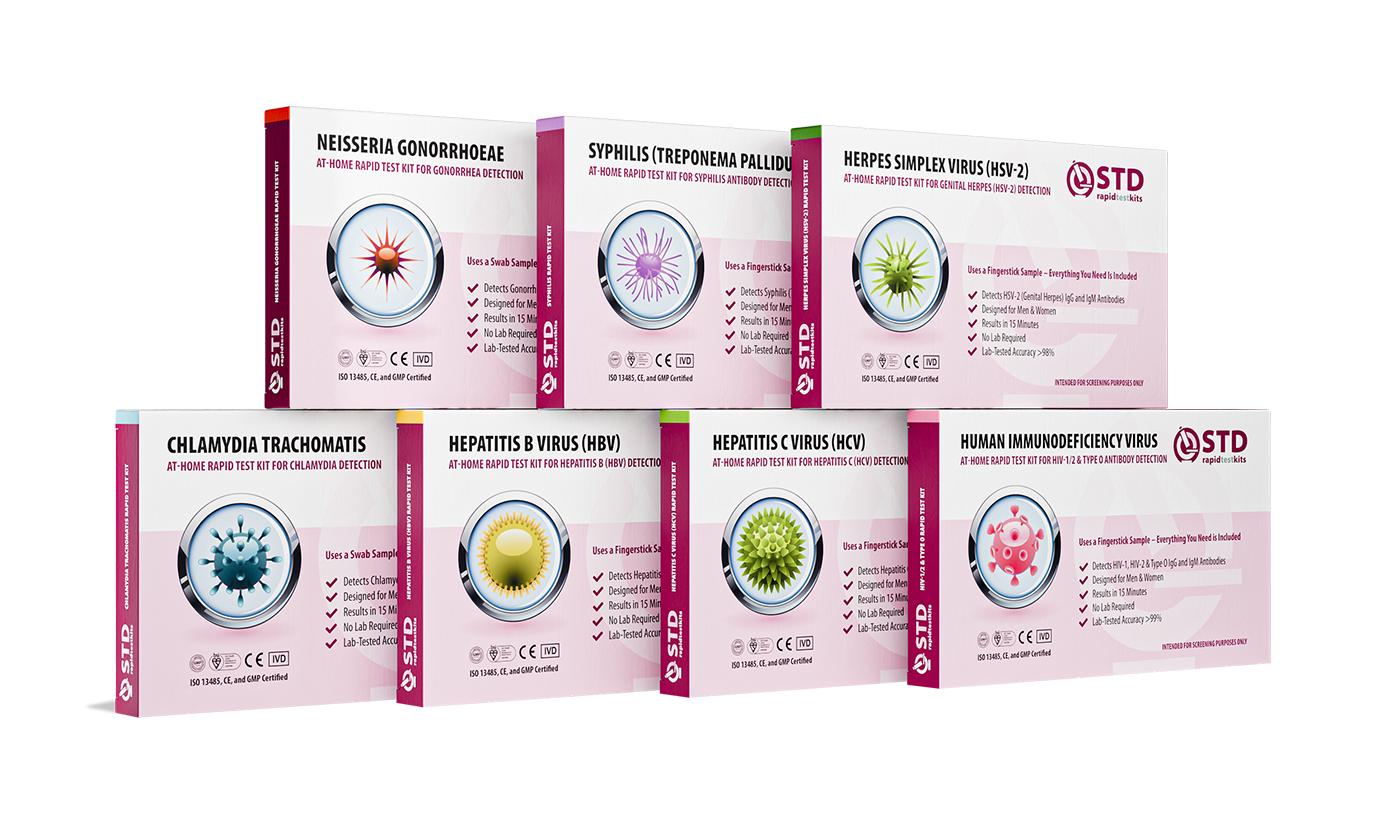
 For Men & Women
 Results in Minutes
 No Lab Needed
 Private & Discreet
Order Now $129.00 $343.00
For all 7 tests
Infections, STDs, and the Slow Burn You Might Ignore
Not every swollen testicle is an emergency, and a lot of cases come down to infection. One of the most common is epididymitis, which is inflammation of the tube behind the testicle. It’s uncomfortable, sometimes painful, but it usually develops over time rather than instantly.
This is where sexually transmitted infections can come into play. Chlamydia and gonorrhea are two of the most common causes in younger, sexually active people. The infection can travel and trigger swelling, tenderness, and sometimes a heavy feeling on one side.
The pattern here is different. You might notice:
- Gradual onset: discomfort that builds over a day or two
- Urinary symptoms: burning when peeing or discharge
- Fever or warmth: your body reacting to infection
One person put it bluntly: “It wasn’t sudden. It just kept getting worse until I couldn’t ignore it.” That’s the key difference. Infection creeps. Torsion hits.
If there’s even a small chance your symptoms connect to sex, recent partner, unprotected encounter, or just uncertainty, it’s worth ruling things out early. You can do that privately with a discreet at-home testing option without waiting days for appointments.
Other Causes That Feel Scary (But Usually Aren’t Emergencies)
There are a handful of conditions that can cause swelling and still feel alarming, but don’t require a sprint to the ER. The problem is, they can feel similar enough that people panic anyway.
A hydrocele, for example, is just fluid buildup around the testicle. It can make one side look larger or feel heavier, but it’s usually painless and develops slowly. A varicocele is another one, basically enlarged veins, that can create a dragging sensation.
Even minor injuries can cause swelling. A hit during sports, friction during sex, or even pressure from tight clothing can trigger temporary inflammation. These tend to improve, not worsen, over time.
But here’s the catch: none of these should be diagnosed by guessing. If something is new, persistent, or confusing, it still deserves a check. “Not an emergency” doesn’t mean “ignore it forever.”
The Red Flags People Miss (Until It’s Too Late)
There are a few warning signs that people consistently overlook, not because they’re rare, but because they don’t always seem dramatic in the moment.
One of the biggest is a testicle sitting higher than usual. It might look slightly elevated or angled differently. That’s not something most people think to check, but it’s a classic sign of torsion.
Another is nausea. It feels unrelated, but when your body experiences sudden severe internal pain, it often reacts that way. So if you’re dealing with testicle pain and feel like you might throw up, that combination matters.
And then there’s the “it woke me up” symptom. Pain that interrupts sleep or appears suddenly overnight is rarely something mild. Your body doesn’t usually escalate like that without a reason.
What Happens If You Wait (And Why People Do)
Most people don’t ignore symptoms because they don’t care. They wait because they’re unsure. Because it’s awkward. Because they hope it’ll go away. Because Googling gives them five different answers and none of them feel certain.
There’s also stigma. Anything involving genitals gets wrapped in hesitation. People wonder if it’s an STD, feel embarrassed, and delay getting help. That delay is where problems grow.
But medically, the risk of waiting depends entirely on the cause. Waiting a day with a mild infection might not change much. Waiting a few hours with torsion absolutely does. That’s why uncertainty should push you toward action, not delay.
As one clinician said: “The cases that go wrong are almost always the ones where someone waited just a little too long.” Not days, sometimes just hours.
If You’re Trying to Self-Diagnose Right Now, Read This
Let’s be honest, if you’re here, you’re probably doing that mental checklist. When did it start? Does it hurt? Is it getting worse? That’s normal. Everyone does it.
But self-diagnosis has limits. Your job isn’t to name the condition perfectly. It’s to decide how fast you need help.
If your situation leans even slightly toward the emergency side, fast onset, strong pain, nausea, don’t wait for it to “prove itself.” Go get checked. You won’t regret going too early, but you might regret going too late.
And if it feels more like a slow-building issue, especially after sex or with other symptoms, testing and a same-day doctor visit are the right move. You don’t have to guess blindly when there are clear ways to get answers.
How Doctors Separate “Scary” From “Serious”
One of the most reassuring things to understand is that doctors aren’t guessing based on vibes. There’s a process, and it’s pretty efficient.
The first step is usually a physical exam. They’ll check positioning, tenderness, and swelling patterns. Then comes imaging, typically an ultrasound, to see blood flow. That’s the key distinction between torsion and most other causes.
If it’s infection, treatment usually involves antibiotics and supportive care. If it’s torsion, it’s surgery, and fast. That contrast is why timing matters so much.
The good news is that once you’re in the system, things move quickly. The hard part is deciding to go.
People are also reading: How to Read a Hep B Rapid Test
When It’s Probably Not an Emergency (But Still Worth Watching)
There are moments when swelling feels noticeable but doesn’t escalate. No sharp pain. No nausea. No rapid changes. Just something that feels… different.
In those cases, it’s reasonable to watch it briefly, think 24 to 48 hours. But “watching” doesn’t mean ignoring. It means actively noticing whether it improves, stays the same, or gets worse.
If it improves, that’s reassuring. If it stays or worsens, that’s your cue to act. The key is not letting “I’ll wait a bit” turn into “I’ve been ignoring this for a week.”
And if there’s any doubt about infection, especially tied to sex, it’s smart to test sooner rather than later. A combo STD home test kit can give you clarity without adding more stress to the situation.
The 60-Second Reality Check You Can Use Right Now
If you’re still unsure where you fall, here’s a quick way to ground yourself. Not a diagnosis, just a decision filter. Something practical you can run through without spiraling.
| Question | If Yes | What to Do |
|---|---|---|
| Did it start suddenly (within hours)? | Yes | Go to ER |
| Is the pain severe or getting worse fast? | Yes | Go to ER |
| Do you feel nauseous or like you might vomit? | Yes | Go to ER |
| Did it build slowly over a day or more? | Yes | Call doctor same day |
| Is there burning when you pee or discharge? | Yes | Likely infection, get tested |
| Is it painless and not changing much? | Yes | Monitor briefly, then check if persistent |
This isn’t about being perfect. It’s about not missing the moments where speed matters. If you check even one of those emergency boxes, that’s enough reason to act.
Case Study: “I Thought I Could Sleep It Off”
Javier, 24, noticed discomfort late at night. It wasn’t unbearable, just strange. One side felt tight, slightly swollen. He assumed it was nothing serious. Maybe he’d twisted weird in his sleep. Maybe it would be gone in the morning.
“It didn’t feel like an emergency. That’s what got me.”
By morning, the pain had intensified. Not unbearable, but sharper. He hesitated again. Showered. Waited. Googled. Finally went in around midday.
The diagnosis: torsion. Surgery was needed immediately. The outcome was okay, but barely. The window had almost closed.
“If I had gone when it first felt off, it would’ve been simple. Waiting made it complicated.”
That’s the pattern that shows up over and over. Not people ignoring extreme pain, but people underestimating early symptoms.
What No One Tells You About STD-Related Swelling
There’s a layer of anxiety here that doesn’t get talked about enough: the moment you wonder if it’s sexually transmitted. That thought alone can make people freeze, delay, or avoid getting checked.
But here’s the reality, STD-related testicle swelling is common, treatable, and far less dramatic than people imagine. Conditions like chlamydia and gonorrhea can cause inflammation, but they rarely show up as sudden, severe emergencies.
They tend to follow a pattern:
- Slow build: discomfort increases over time
- Localized tenderness: especially behind the testicle
- Other signs: burning urination, discharge, or pelvic discomfort
The risk isn’t usually urgency, it’s delay. Untreated infections can lead to complications, including fertility issues. That’s why clarity matters more than fear.
You don’t have to guess or wait for symptoms to escalate. A private at-home test gives you a way to check without the stress of a clinic visit. No judgment, no waiting room, just answers.
The Mental Spiral (And How to Interrupt It)
Let’s be honest about what actually happens in your head. You notice something. You Google. You see the word “torsion” and panic. Then you see “hydrocele” and calm down. Then “cancer” shows up and your stomach drops again.
That loop doesn’t help you decide, it just keeps you stuck.
The way out isn’t more searching. It’s narrowing your focus to what actually matters: speed, pain, and progression. Not every possibility. Just the ones that change what you do next.
If it’s fast and intense, you go. If it’s gradual, you plan. If it’s unclear, you lean toward action. That’s it. You don’t need a perfect label to make a smart decision.
Check Your STD Status in Minutes
Test at Home with Remedium6-in-1 STD Test Kit
 For Men & WomenResults in MinutesNo Lab NeededPrivate & Discreet
Order Now $119.00 $294.00
For all 6 tests
You’re Allowed to Take This Seriously
There’s this quiet pressure to not overreact. To be “chill” about symptoms. Especially with something like this. People downplay it. Joke about it. Wait longer than they should.
But your health doesn’t benefit from playing it cool. It benefits from attention.
Taking swelling seriously doesn’t mean assuming the worst. It means respecting the fact that your body is signaling something changed. And change, especially sudden change, is worth understanding.
You don’t need to justify going to the ER. You don’t need to wait for unbearable pain. You’re allowed to respond early. That’s how you protect yourself.
FAQs
1. How do I actually know if this is “drop everything and go to the ER” serious?
If it came out of nowhere and your body is basically screaming, sharp pain, swelling that showed up fast, maybe even nausea, that’s your cue. That combination is classic for something like torsion, and that’s not a “wait and see” situation. If your gut is telling you this feels different, listen to it.
2. What if it just feels… weird? Not painful, just swollen?
That in-between feeling trips a lot of people up. No pain doesn’t automatically mean no problem, it just means you’ve got a little more time to figure it out. If it sticks around longer than a day or two or keeps changing, get it checked. Think of it less like an emergency and more like something you don’t ignore.
3. Can I sleep on it and see how I feel in the morning?
Sometimes, yes, but only if it’s mild, not getting worse, and not paired with anything intense. The dangerous situations don’t quietly wait overnight; they tend to escalate. If you’re debating it because it feels serious, that’s usually your answer right there.
4. Real talk, what does torsion actually feel like?
People expect a clean, textbook answer, but it’s usually more chaotic than that. It’s sudden, one-sided, and doesn’t ease up when you shift or lie down. Some people feel sick to their stomach on top of it. It’s the kind of pain that makes you stop what you’re doing and pay attention immediately.
5. Could this just be from sex or something physical?
It can be. Friction, minor strain, even a little too much enthusiasm can leave things sore or slightly swollen. The difference is it should improve, not escalate. If it’s tied to sex and slowly getting worse, especially with other symptoms, infection becomes more likely.
6. How often is this actually an STD?
More often than people think, but not in the dramatic, emergency way people fear. STDs like chlamydia or gonorrhea usually cause a slow-building ache or swelling, not a sudden crisis. The bigger risk there is ignoring it too long, not rushing to the ER.
7. What if I'm too embarrassed to go get checked?
You’re not the first person to walk into a clinic or ER with this exact concern, far from it. Doctors see this all the time, and they’re focused on solving the problem, not judging you. Waiting because of embarrassment is one of the most common reasons people end up dealing with bigger issues later.
8. Is it normal for one testicle to be slightly bigger than the other?
Yes, it's normal for there to be a small difference. Bodies aren't perfectly symmetrical. A sudden change is not normal, especially if it feels heavier, tighter, or looks different than it did a few days ago.
9. If it is an infection, what happens next?
Usually, it’s very manageable. You’ll get antibiotics, maybe some anti-inflammatory support, and it improves over days. The key is catching it early so it doesn’t drag on or lead to complications.
10. What’s the fastest way to stop guessing and just know?
Getting checked, either through a doctor or a reliable at-home test if infection is on your radar. The mental back-and-forth is often worse than the actual answer. Clarity tends to bring a lot more relief than waiting ever does.
You Deserve Clarity, Not Guesswork
Testicle swelling hits a nerve, literally and mentally. It’s not just physical discomfort. It’s the uncertainty that comes with it. The “is this nothing or is this serious?” loop that keeps running in the background.
The goal isn’t to panic every time something feels off. It’s to read the signals correctly. If it came on fast and intense, you act immediately. If it’s building slowly, you investigate. If it’s tied to sex, you rule out infection early and move forward with facts instead of assumptions.
Don’t wait and wonder. If infection is even a small possibility, start with a discreet screen like the Combo STD Home Test Kit. Your results are private. Your timeline is yours. And clarity always beats guessing.
How We Sourced This Article: This guide is based on correct medical information about STDs, testicular torsion, and epididymitis, as well as how people with these conditions usually feel. What people say about them in books, how they act in real life, and what doctors look for.
Sources
1. Centers for Disease Control and Prevention – Sexually Transmitted Infections Overview
2. Mayo Clinic – Testicular Torsion Overview
3. NHS – Testicle Pain and Swelling
4. National Institutes of Health – Testicular Torsion Clinical Review
5. World Health Organization – Sexually Transmitted Infections Fact Sheet
6. Urology Care Foundation – Testicular Torsion
About the Author
Dr. F. David, MD is a board-certified specialist in infectious diseases who works to prevent, diagnose, and treat STIs. He combines clinical precision with a direct, sex-positive approach that prioritizes clarity, privacy, and patient empowerment.
Reviewed by: Board-Certified Urologist | Last medically reviewed: March 2026
You shouldn't use this article instead of getting medical advice, a diagnosis, or treatment. It's just for information.


