






Quick Answer: Antifungal medications do not treat sexually transmitted infections. If symptoms like itching, burning, discharge, or irritation continue after antifungal treatment, the cause could be an STD such as chlamydia, trichomoniasis, or herpes, and testing is recommended.
Why Yeast Infections and STDs Feel So Similar
The frustrating truth is that the body only has a handful of ways to react when something irritates the genital area. Inflammation, itching, redness, burning, and unusual discharge are all part of the immune system’s basic response. Whether the trigger is a fungal overgrowth or a sexually transmitted bacteria, the symptoms can look nearly identical at first.
This overlap is one of the biggest reasons people mistake an STD for a yeast infection. In many cases the symptoms people search for, vaginal itching, irritation after sex, burning during urination, appear on both lists.
That doesn’t mean yeast infections and STDs are the same. They simply share symptoms during the early phase, which can make self-diagnosis unreliable.
| Symptom | Common in Yeast Infection | Possible in STDs |
|---|---|---|
| Vaginal itching | Very common | Possible with trichomoniasis, herpes |
| Burning sensation | Common | Possible with chlamydia, gonorrhea |
| Unusual discharge | Common | Common with several STDs |
| Irritation after sex | Possible | Possible with multiple STDs |
One patient described it this way during a sexual health screening: “Everything I read online said yeast infection. The itching, the redness, the discharge. So I treated it twice before getting tested.”
The test later showed trichomoniasis, a common sexually transmitted parasite that can mimic yeast symptoms almost perfectly in the early stages.
What Antifungal Medications Actually Do
Antifungal treatments are designed to target one very specific problem: the overgrowth of yeast organisms such as Candida. These organisms naturally live in the vagina in small amounts, but when they multiply too quickly they can cause irritation and discharge.
Antifungal creams, suppositories, and oral medications work by damaging the fungal cell membrane. Without that membrane, the yeast cells can’t survive. The infection clears, and symptoms improve.
The key point is this: antifungals only work on fungi. They do not affect bacteria, viruses, or parasites.
That means infections like chlamydia, gonorrhea, herpes, or trichomoniasis will not respond to antifungal medication at all. If one of those infections is causing the symptoms, treatment aimed at yeast won’t eliminate the underlying problem.
However, the situation can get confusing because sometimes symptoms change slightly after antifungal treatment. That small change can create the impression that the medication is working.
In reality, the inflammation may simply fluctuate naturally while the infection continues underneath.
If you want a clearer answer without waiting weeks for clinic appointments, many people choose discreet testing options such as the STD Rapid Test Kits homepage, where at-home kits allow screening for multiple infections privately.

People are also reading: Cost, Speed, or Accuracy? The Best At-Home STD Tests for 2025
When Antifungal Treatment Doesn’t Solve the Problem
There’s a moment many people recognize: the treatment is finished, but the symptoms haven’t completely disappeared. Maybe the itching is still there. Maybe discharge still looks unusual. Maybe burning during urination continues.
When that happens, there are several possible explanations.
The first possibility is that the yeast infection was only partially treated. This can happen if treatment is stopped early or if the infection was severe.
The second possibility is that the symptoms were never caused by yeast at all.
Sexual health clinicians often see patients who tried multiple antifungal treatments before discovering another infection entirely.
One sexual health nurse recalled a common scenario:
“People assume yeast because it’s common and easy to treat. But sometimes when symptoms don’t improve after antifungals, testing reveals something like chlamydia or trichomoniasis.”
This doesn’t mean someone did anything wrong. Self-treating suspected yeast infections is extremely common, and pharmacies sell antifungal products over the counter precisely because yeast infections happen so often.
But persistent symptoms should always trigger a second thought: could something else be going on?
If symptoms continue after treatment, screening with a broader test such as the Combo STD Home Test Kit can help rule out the most common infections quickly and discreetly.
The STDs That Most Often Get Mistaken for Yeast Infections
When antifungal treatments don’t fix itching, irritation, or discharge, clinicians usually begin looking at infections that produce similar early symptoms. Several sexually transmitted infections can easily mimic a yeast infection, especially in the first days or weeks.
The overlap isn’t just theoretical. Sexual health clinics frequently see patients who tried antifungal medication first because the symptoms seemed identical to a yeast infection. Only later does testing reveal a different cause.
The infections below are among the most common reasons antifungal treatment doesn’t solve the problem.
| Infection | Why It Can Look Like Yeast | Symptoms That May Overlap |
|---|---|---|
| Trichomoniasis | Causes inflammation of vaginal tissue | Itching, irritation, unusual discharge |
| Chlamydia | Often produces mild irritation early on | Burning, discomfort during urination |
| Gonorrhea | May cause discharge and irritation | Burning, abnormal discharge |
| Herpes | Early stage irritation before sores appear | Itching, tingling, burning sensation |
Trichomoniasis is one of the biggest sources of confusion. The infection is caused by a microscopic parasite and can produce itching and discharge that look almost identical to yeast symptoms. In fact, some clinicians say it’s one of the most common infections mistaken for fungal irritation.
Meanwhile, infections like chlamydia or gonorrhea sometimes cause subtle symptoms early on. Instead of dramatic discharge or severe pain, people may notice only mild irritation or burning. Those sensations can easily be mistaken for the beginning of a yeast infection.
Check Your STD Status in Minutes
Test at Home with Remedium7-in-1 STD Test Kit
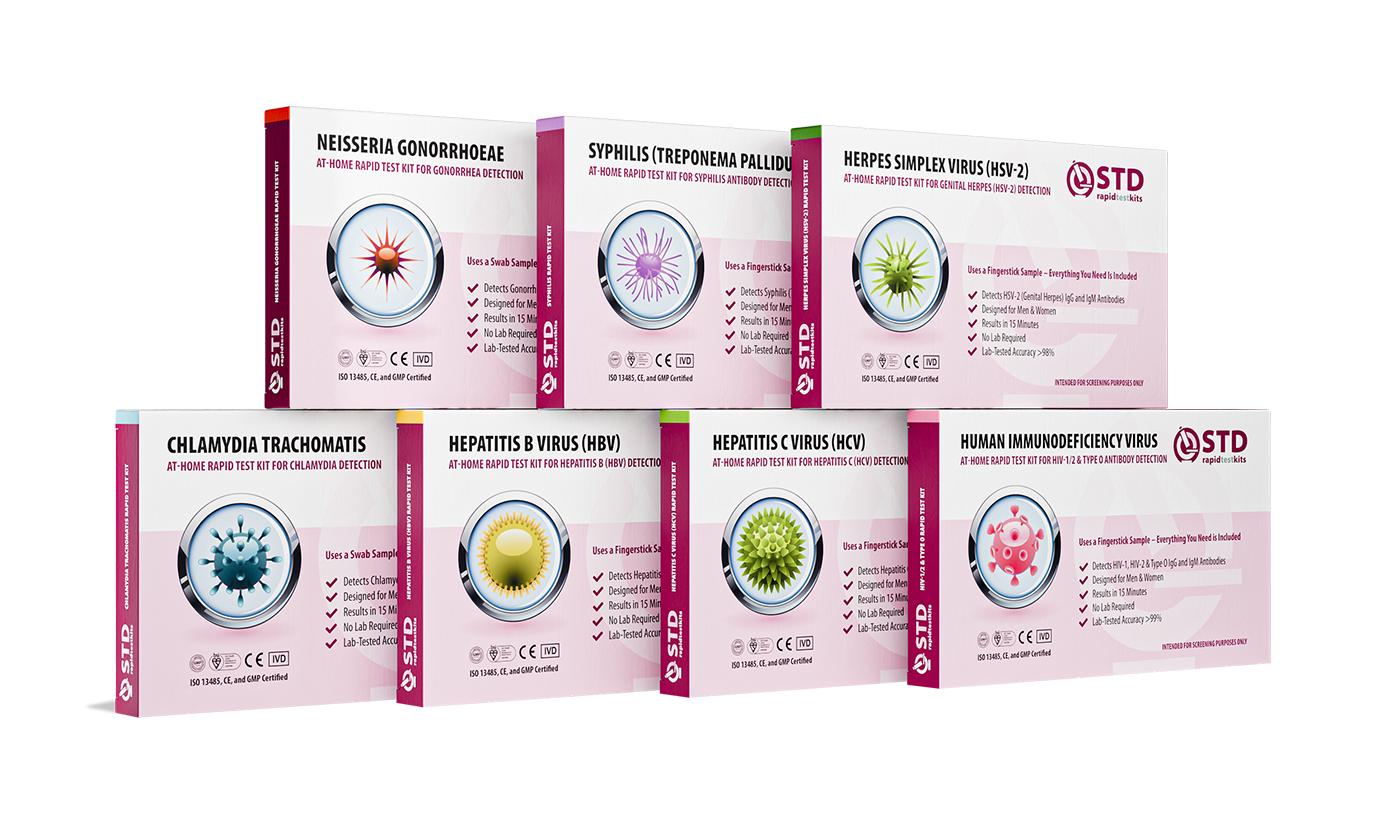
 For Men & Women
 Results in Minutes
 No Lab Needed
 Private & Discreet
Order Now $129.00 $343.00
For all 7 tests
Why Symptoms Sometimes Change After Antifungal Treatment
One reason this situation becomes confusing is that symptoms sometimes shift after using antifungal medication. Someone might notice that their itching is a little less bad or that they feel better for a short time, even if the infection isn't fungal.
This happens because antifungal creams can help ease the pain in tissue that is swollen. A lot of treatments have ingredients that soothe or moisturize sensitive skin. The relief may make it seem like the infection is getting better when it really isn't.
Sexual health physicians sometimes call this “false reassurance.” The symptoms appear to calm down temporarily, but they return days later because the actual infection is still present.
A patient once described the cycle during a clinic consultation:
“The cream helped for two days, so I thought it was definitely yeast. But then the itching came back and started burning when I went to the bathroom.”
Testing eventually showed chlamydia. The antifungal treatment hadn’t harmed anything, but it also hadn’t addressed the real infection.
When Symptoms Persist After Yeast Treatment
If antifungal treatment doesn’t resolve symptoms, healthcare providers usually start thinking about other causes. Persistent irritation, burning during urination, unusual discharge, or discomfort during sex are all signs that testing may be the next step.
Some clinicians suggest a simple rule: if symptoms remain after completing a standard antifungal treatment, it’s worth considering screening for other infections.
That doesn’t automatically mean an STD is present. There are other possibilities, including bacterial vaginosis, allergic reactions to products, or skin irritation.
But testing removes the uncertainty. Instead of guessing between yeast, bacterial imbalance, or sexually transmitted infection, a screening test can identify what’s actually happening.
A lot of people would rather have private options that don't require them to go to the clinic. At-home screening through services like the STD Rapid Test Kits website allows testing for multiple infections privately.
These tests can look for infections that are often linked to long-lasting symptoms, like chlamydia, gonorrhea, and trichomoniasis.
The key takeaway is simple: antifungal medication treats yeast. If symptoms continue after treatment, the body may be responding to something else entirely.
When It’s Time to Stop Guessing and Consider Testing
One of the hardest parts about genital symptoms is the uncertainty. Many people wait several days hoping symptoms will resolve on their own. Others try a second antifungal treatment just in case the first round wasn’t strong enough.
Sometimes that works. Yeast infections can occasionally require longer treatment. But when symptoms keep returning or never fully disappear, sexual health providers usually recommend testing rather than continuing to guess.
Testing matters because several infections that resemble yeast can remain untreated for weeks or months if they’re misidentified. During that time symptoms may fluctuate, making the situation even more confusing.
A sexual health physician explained it this way during a patient education seminar:
“If someone has used antifungal medication and symptoms are still there a week later, testing is usually the smartest next step. It removes the guesswork.”
The goal isn’t to scare anyone. Most of the time persistent irritation ends up being something manageable. The point is simply that symptoms alone can’t always tell the full story.

People are also reading: How Herpes Spreads Through Kissing (Even Without Symptoms)
How Long to Wait Before Getting Tested
Another question people ask once antifungal treatment fails is when they should test. Some infections can be detected fairly soon after exposure, while others take time before tests become accurate.
This timing is often called the “window period.” It refers to the amount of time between exposure to an infection and when a test can reliably detect it.
| Infection | Earliest Testing Window | Typical Symptoms |
|---|---|---|
| Chlamydia | About 5–7 days after exposure | Burning urination, discharge, irritation |
| Gonorrhea | About 5–7 days | Discharge, pelvic discomfort |
| Trichomoniasis | About 7 days | Itching, irritation, unusual discharge |
| Herpes | Several days to weeks | Tingling, itching, sores |
These timelines don’t mean someone must wait if symptoms appear earlier. If irritation, sores, or discharge suddenly develop, testing sooner can still help rule out infections.
For people who want a private way to check multiple possibilities at once, screening options such as the Combo STD Home Test Kit allow testing for several common infections at the same time.
This type of screening helps answer a common question: if antifungal treatment didn’t solve the symptoms, what else could be going on?
Symptoms That Deserve Extra Attention
Most cases of irritation are just minor infections, but some symptoms need more attention. If you have persistent burning, pelvic pain, sores, or discharge that smells or changes color, you may have an infection that needs medical attention.
It’s also important to remember that some STDs cause very mild symptoms. A person might notice only slight irritation or unusual discharge while the infection continues silently.
That’s why sexual health professionals often emphasize testing rather than relying solely on symptoms. Even experienced clinicians cannot always distinguish yeast infections from STDs based on symptoms alone.
Getting tested doesn’t mean someone assumes the worst. It simply means choosing clarity over uncertainty.
Check Your STD Status in Minutes
Test at Home with Remedium8-in-1 STD Test Kit
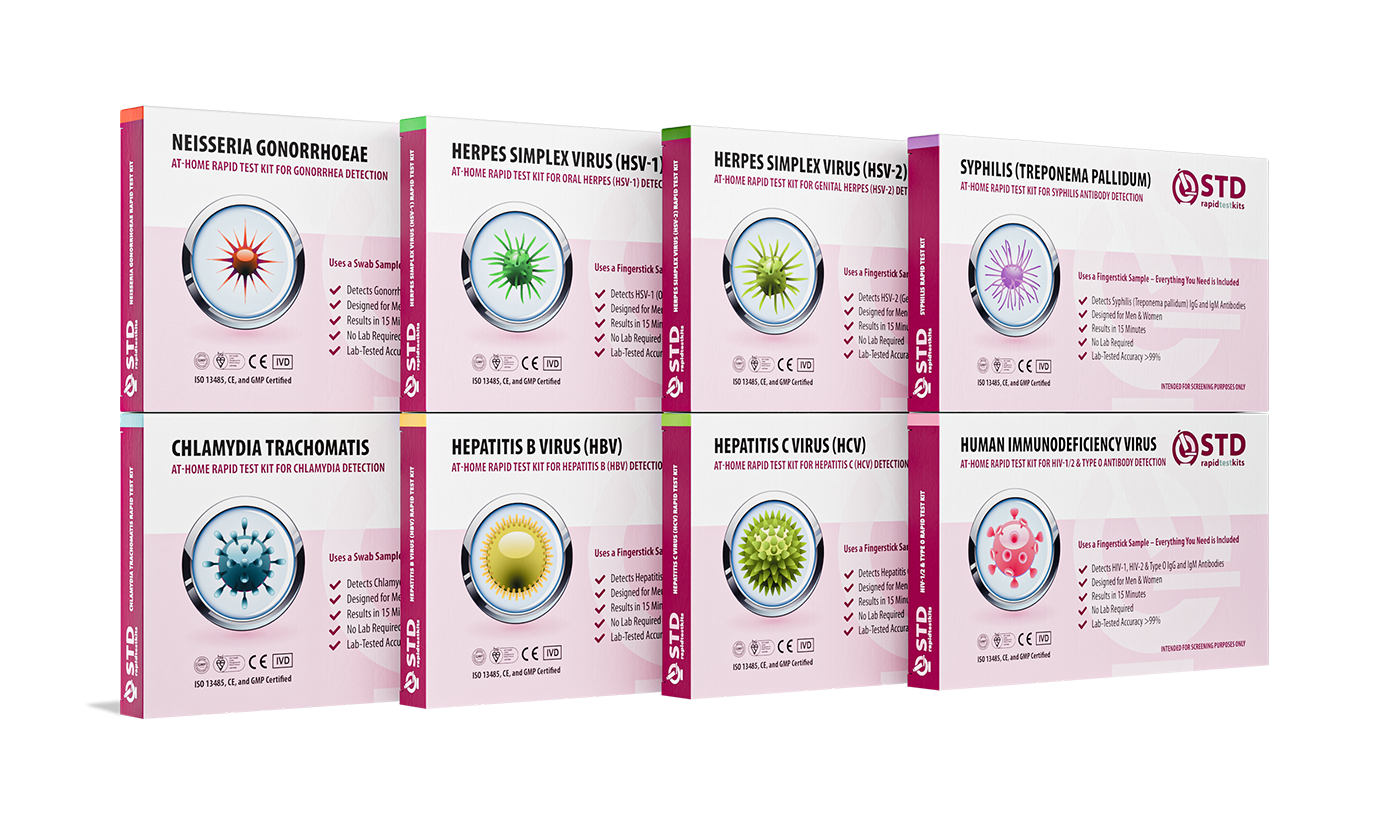 For Men & WomenResults in MinutesNo Lab NeededPrivate & Discreet
Order Now $149.00 $392.00
For all 8 tests
The Quiet Problem With Self-Diagnosing Yeast Infections
Yeast infections are so common that many people feel comfortable diagnosing them on their own. Pharmacies even sell antifungal treatments over the counter for that exact reason. Most of the time, that shortcut works. But it also creates a blind spot.
When a symptom fits the “yeast infection script,” people rarely consider other possibilities. Itching? Yeast. Irritation after sex? Probably yeast. Slightly different discharge? Definitely yeast. The brain fills in the rest of the story before any testing ever happens.
Sexual health clinicians see this pattern constantly. Someone treats a suspected yeast infection once, then again a few weeks later when the symptoms return. By the time they finally get tested, the original infection may have been something completely different.
“I kept thinking the yeast infection was stubborn,” one patient said during a screening appointment. “It never occurred to me that it could be something else.”
The challenge is that the body doesn’t provide neatly labeled symptoms. Irritation, itching, and discharge are simply signals that the tissue is inflamed. The cause might be fungal, bacterial, viral, or even just skin irritation from products or friction.
This doesn’t mean self-treating a yeast infection is wrong. It simply means there’s a point where guessing stops being helpful. If symptoms linger after treatment, come back quickly, or feel different than past yeast infections, it’s worth stepping back and checking what’s really going on.
That shift, from assuming to confirming, is often the moment when people finally get relief. Once the actual cause is identified, treatment usually becomes straightforward, and the cycle of repeated antifungal treatments finally ends.
FAQs
1. I used yeast infection medicine and the itching got a little better… does that mean it wasn’t an STD?
Not always. Antifungal creams can help calm down irritated skin, so things might feel better for a day or two even if yeast wasn't the real problem. Putting lotion on a rash is like putting lotion on a rash; it may feel better, but the cause may still be there. If symptoms come back or never fully disappear, it’s usually a sign that testing is the smarter next move.
2. What STD actually feels the most like a yeast infection?
A lot of clinicians point to trichomoniasis as the biggest look-alike. It can cause itching, irritation, and discharge that seem almost identical to yeast symptoms. People often think that early herpes infections are just irritation or a yeast flare-up because they start with itching or tingling before sores appear.
3. Can chlamydia really cause itching like a yeast infection?
It can happen, but not to everyone. Some people with chlamydia notice mild irritation, burning when they pee, or a change in discharge, symptoms that overlap with yeast infections. Because chlamydia often causes very subtle symptoms, people sometimes treat yeast first and only discover the infection after getting tested.
4. If antifungal treatment didn’t work, how long should I wait before testing?
If you’ve finished the treatment and symptoms are still hanging around after a few days, it’s reasonable to consider testing right away. You don’t have to sit with the uncertainty for weeks. Many infections that mimic yeast, like chlamydia or gonorrhea, can usually be detected within about a week after exposure.
5. Can you have both a yeast infection and an STD at the same time?
Yes, and this surprises a lot of people. It’s entirely possible to treat a yeast infection successfully while another infection is still present underneath. That’s one reason symptoms sometimes improve a little but don’t completely disappear.
6. Why do doctors say symptoms alone aren’t enough to diagnose a yeast infection?
Because the body only has so many ways to react to irritation. Redness, itching, burning, discharge, those are basically the body’s universal “something’s wrong” signals. Whether the cause is yeast, bacteria, or an STI, the early symptoms can look frustratingly similar.
7. What’s a sign that it’s probably not a yeast infection?
Persistent symptoms after treatment are the biggest clue. If itching keeps returning, discharge changes color or smell, or urination suddenly burns, those are signals that something else might be going on. Yeast treatments usually improve symptoms fairly quickly when yeast is truly the cause.
8. Do antifungal medications interfere with STD tests?
Tests for infections like chlamydia, gonorrhea, or trichomoniasis don't change when you take antifungal drugs. Those tests look for the parasite or bacteria directly. So, even if you've already used yeast treatment and then decided to test, the results are still right.
9. What do sexual health doctors usually recommend when someone keeps treating yeast but symptoms don’t go away?
Most clinicians recommend switching from guessing to testing. Repeating antifungal treatments over and over rarely solves the mystery. A simple screening test can usually identify whether the symptoms are caused by yeast, a bacterial infection, or an STD, and once you know the cause, treatment becomes much easier.
10. If my symptoms went away after I took antifungal medicine, should I still be worried about getting an STD?
Usually not, but context matters. If the symptoms disappeared completely and stayed gone, it was likely a yeast infection doing exactly what yeast infections do. But if the irritation fades and then creeps back a week or two later, or if new symptoms appear, that’s when testing becomes a good idea. The body sometimes quiets down temporarily even when an infection hasn’t actually been treated.
You Deserve Clarity, Not Another Guess
Genital symptoms have a way of hijacking your thoughts. A little itching turns into a late-night Google search. A quick antifungal treatment turns into a second round when the symptoms don’t disappear. Before long, you’re stuck in the uncomfortable space between “it’s probably nothing” and “what if it’s something else?”
The truth is simple: antifungal treatments only solve yeast infections. If symptoms continue after treatment, the smartest move isn’t another round of cream, it’s clarity. A quick test can rule out infections that mimic yeast symptoms and give you a real answer instead of another guess.
If you’re still dealing with itching, irritation, or unusual discharge, start with a discreet screen like the Combo STD Home Test Kit. It checks for several common infections privately, quickly, and without the waiting room anxiety. Sometimes peace of mind is the best treatment there is.
How We Sourced This Article: This article combines current clinical guidance on yeast infections and sexually transmitted infections with peer-reviewed research on symptom overlap and diagnostic practices. We reviewed public health guidance from major medical authorities along with research literature on trichomoniasis, chlamydia, and genital irritation patterns. The goal was to explain why antifungal treatment sometimes fails and when testing provides clearer answers.
Sources
1. Centers for Disease Control and Prevention – Sexually Transmitted Infections Overview
2. Centers for Disease Control and Prevention – Trichomoniasis Fact Sheet
3. Fact Sheet from the World Health Organization on Sexually Transmitted Infections
4. The National Library of Medicine's PubMed Research Database
5. Planned Parenthood – Vaginitis (Yeast Infection, BV, and Other Causes of Vaginal Irritation)
6. American College of Obstetricians and Gynecologists – Vaginitis FAQ
7. National Center for Biotechnology Information – Vaginitis Clinical Overview
About the Author
Dr. F. David, MD is a board-certified infectious disease physician specializing in sexually transmitted infections and public health education. His work focuses on helping people understand symptoms, testing timelines, and treatment options without stigma or confusion.
Reviewed by: Clinical Sexual Health Specialist | Last medically reviewed: March 2026
This article is meant to give you information only and should not be used instead of professional medical advice.


