







Quick Answer: There is no completely harmless STD, but some are easier to treat and less likely to cause long-term damage. Infections like Chlamydia and Trichomoniasis are usually curable with antibiotics when detected early, while viral infections such as HPV often clear on their own without causing symptoms.
The Question Behind the Question
When someone asks what the most harmless STD is, they usually aren’t trying to minimize sexual health. They’re trying to calm a very specific fear: the fear that one mistake could permanently change their body or their future relationships.
Clinicians hear versions of this question all the time. One infectious disease specialist once described it like this: “People walk in and whisper, ‘If it turns out to be something… please tell me it’s the easy one.’” The underlying concern isn’t just about symptoms. It’s about stigma, long-term consequences, and the fear of being judged.
The truth is that sexually transmitted infections fall into very different categories. Some are bacterial infections that antibiotics can eliminate completely. Others are viral infections that the body manages rather than cures. And some are technically infections but rarely cause noticeable health problems.
Knowing about these differences helps us understand why the idea of a "harmless STD" is not quite right. When doctors say "some STDs are more manageable, more treatable, or less likely to cause complications when caught early," they usually mean that.
Why Doctors Rarely Use the Word “Harmless”
Medical professionals tend to avoid labeling any infection harmless because the same organism can behave very differently in different people. A mild infection in one person might cause serious complications in another, especially if the infection goes untreated for months or years.
Take Chlamydia, for example. Many people experience no symptoms at all, which might make the infection seem harmless. But if it lingers undetected, it can lead to pelvic inflammatory disease or fertility problems. That doesn’t mean the infection is inherently dangerous, it means the timing of treatment matters.
Another issue is that symptoms don’t always reflect the true impact of an infection. A person may feel perfectly fine while the bacteria are still active in their body. That’s one reason public health experts emphasize testing rather than relying on how someone feels.
Still, when doctors talk privately about infections that are easier to manage, a few common examples tend to come up. These are infections that are typically mild, treatable, or unlikely to cause severe complications when addressed promptly.

People are also reading: STD Risk Without a Warning: How to Protect Yourself Anyway
STDs That Are Usually Easy to Treat
Some sexually transmitted infections are caused by bacteria or parasites rather than viruses. These infections can usually be eliminated with medication once they are identified. Because treatment is straightforward and effective, many clinicians informally consider them among the least severe STDs.
| STD | Type | Typical Treatment | Curable? |
|---|---|---|---|
| Chlamydia | Bacterial | Antibiotics | Yes |
| Gonorrhea | Bacterial | Antibiotic injection | Yes |
| Trichomoniasis | Parasitic | Antiparasitic medication | Yes |
Among these, Trichomoniasis is sometimes described as one of the mildest infections because it often causes minimal symptoms and is easily treated. However, even this infection can increase the risk of other STDs if left untreated.
One patient once joked during a clinic visit, “If I had to pick an STD, I’d pick the one that disappears after a pill.” The clinician laughed but added an important caveat: even curable infections still require treatment and follow-up testing.
The Infection That Often Clears on Its Own
When people search for the least dangerous STD, they often encounter discussions about HPV, or human papillomavirus. This virus is extremely common, so common that many sexually active adults will encounter it at some point in their lives.
In most cases, the immune system clears HPV naturally within one to two years without causing symptoms. That’s why many people never realize they were infected. For certain strains of HPV, the infection simply fades away without treatment.
However, HPV is also a good example of why the word harmless can be misleading. Some strains of the virus can cause genital warts, while others are associated with certain cancers. The majority of infections resolve naturally, but monitoring and vaccination still play an important role in prevention.
In other words, HPV can be mild in many cases, but it still deserves attention and awareness.
The Silent Infections That Feel Harmless
Another reason the concept of a harmless STD exists is that many infections produce very subtle symptoms, or none at all. Someone could have an infection for months without realizing it.
This lack of symptoms can create the impression that the infection isn’t serious. Someone may think, “If it doesn’t hurt and nothing looks wrong, maybe it’s harmless.” But symptoms are not always a reliable indicator of what’s happening inside the body.
Doctors frequently diagnose STDs during routine screenings when patients feel completely healthy. In these situations, the infection might truly be mild and easily treatable, but identifying it early prevents future complications.
That’s why sexual health experts emphasize testing rather than waiting for symptoms to appear.
Check Your STD Status in Minutes
Test at Home with Remedium6-in-1 STD Test Kit
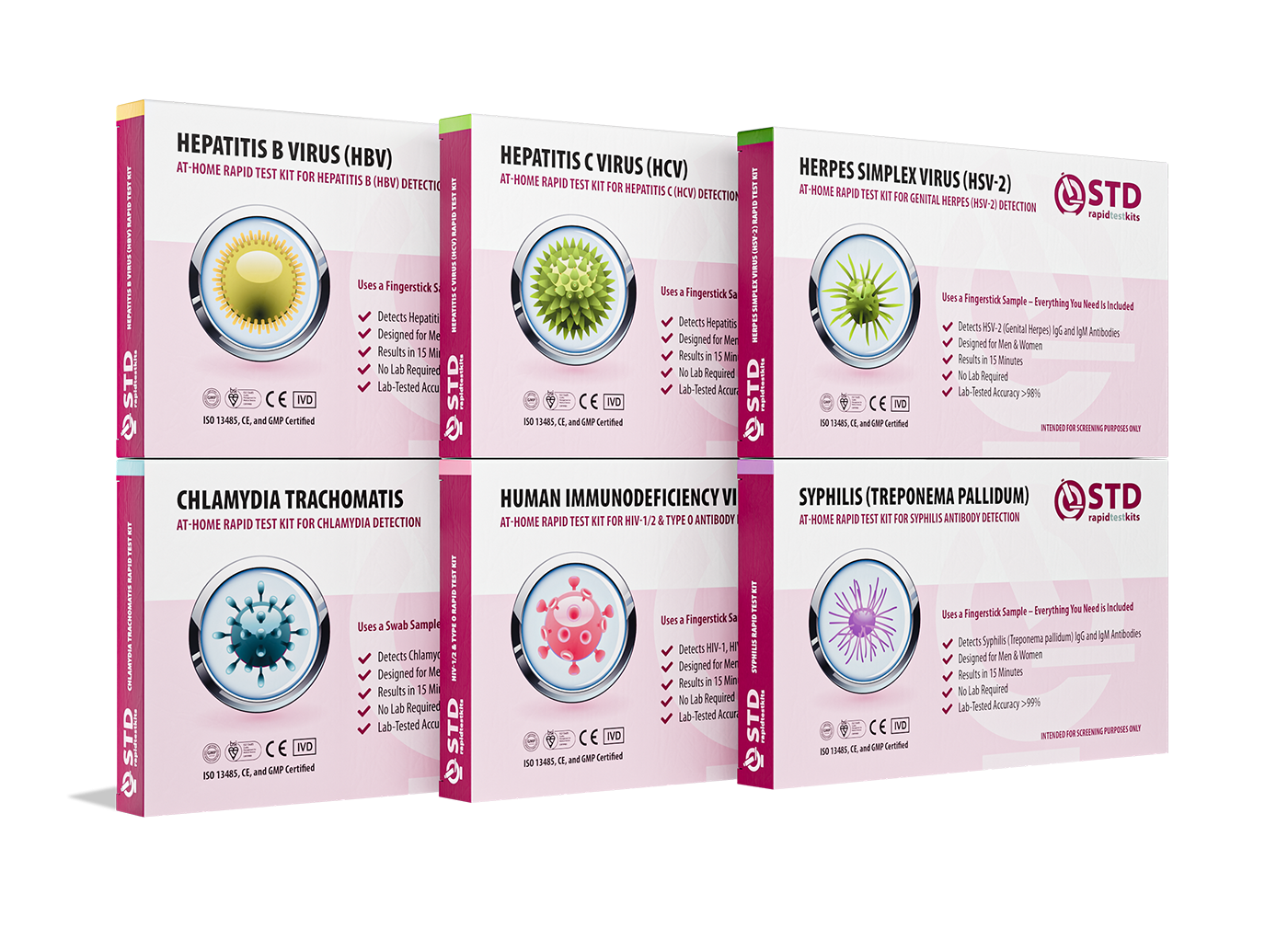
 For Men & Women
 Results in Minutes
 No Lab Needed
 Private & Discreet
Order Now $119.00 $294.00
For all 6 tests
Why Some STDs Are Considered “Milder” Than Others
When doctors talk about infections that are easier to manage, they’re usually thinking about three practical factors: how easily the infection spreads, how difficult it is to treat, and whether it tends to cause long-term damage.
An infection that can be cured with a short course of medication is generally considered less severe than one that stays in the body for life. Likewise, infections that rarely cause complications tend to create fewer long-term health problems.
But severity isn’t a single scale. Some infections are very common but don't usually hurt people. Some are uncommon but could be dangerous if you ignore them. That’s why sexual health specialists often focus less on ranking infections and more on encouraging early testing and treatment.
| Factor | Why It Matters | Example |
|---|---|---|
| Curability | Infections that antibiotics can eliminate are often easier to manage. | Chlamydia, Gonorrhea |
| Symptom severity | Some infections cause only mild discomfort or none at all. | Trichomoniasis |
| Long-term complications | Certain infections rarely cause permanent health issues when treated. | Most cases of HPV |
| Persistence in the body | Some viruses remain lifelong, while others disappear with treatment. | Herpes vs bacterial STDs |
Looking at infections through these lenses helps explain why people sometimes label certain STDs as harmless. They aren't completely safe, but they're easier to treat and less likely to cause serious problems if you deal with them right away.
Curable vs Lifelong Infections
The biggest dividing line between STDs is whether the infection can be completely cured or simply managed. Bacterial and parasitic infections usually fall into the curable category. Most of the time, viral infections stay in the body, but they can often be controlled.
This difference shapes how doctors talk about risk. A bacterial infection treated quickly might resolve in a matter of days. A viral infection might stay in the body for life but cause very little disruption to daily life.
Take Herpes, for example. The virus stays in the body permanently, which sounds frightening at first. But many people experience infrequent outbreaks or none at all. Antiviral medications can reduce symptoms and lower transmission risk significantly.
Also, modern HIV treatments let people live long, healthy lives. The virus can become undetectable in the blood with regular medication, which means it can't be passed on through sex. HIV is not a mild disease, but new treatments show how much better things can get with the right care.
What matters most is early detection. An infection identified early, whether bacterial or viral, is almost always easier to manage.
The STD That Often Gets Called “The Mild One”
If you asked ten clinicians which infection patients worry about the least after treatment, many would mention Chlamydia. The infection is extremely common, often produces mild symptoms, and typically responds well to antibiotics.
People diagnosed with chlamydia frequently express relief once they learn how straightforward treatment can be. One patient once told a nurse, “I spent three days panicking online, and it turned out to be something a prescription could fix.”
That reaction is understandable. Compared with infections that require lifelong management, a curable bacterial infection can feel much less intimidating. Still, doctors stress that untreated chlamydia can cause complications over time, especially in people with reproductive organs.
In other words, chlamydia might be one of the easier STDs to treat, but it isn’t harmless if it’s ignored.
When an Infection Feels Like Nothing at All
Another reason people believe harmless STDs exist is that many infections cause no symptoms. A person might discover an infection only after routine screening or during testing prompted by a partner’s diagnosis.
This situation is surprisingly common. Public health data consistently show that a large percentage of infections like chlamydia and gonorrhea occur without noticeable symptoms.
One clinic counselor described the moment of diagnosis this way: “Patients often say, ‘But I feel completely fine.’ And they’re telling the truth. Many infections don’t cause pain or visible changes.”
Because of this, sexual health guidelines recommend regular testing for sexually active adults, especially when they have new or multiple partners. Early detection keeps mild infections from becoming serious problems.

People are also reading: When the Clinic’s Shut and You’re Scared: What to Do Next
Testing Is the Real Safety Net
In practice, the concept of the least dangerous STD matters less than knowing when to test. Most infections become manageable when they’re identified early. Without testing, even mild infections can linger long enough to create complications.
Modern testing options make that process far easier than it used to be. Many infections can now be detected using simple urine samples, swabs, or blood tests. Some people choose to visit a clinic, while others prefer discreet at-home testing options.
If you’re unsure about symptoms or potential exposure, taking action sooner rather than later is the most reliable way to protect your health. Waiting for symptoms or hoping an infection is harmless is rarely the best strategy.
Reliable information and testing access are what truly turn sexually transmitted infections into manageable health issues rather than life-altering crises.
The Myth of the “Harmless STD”
The internet loves simple rankings: the worst STD, the easiest STD to cure, the least dangerous STD. But sexual health rarely fits neatly into those kinds of lists. An infection that seems mild for one person can cause complications for another, especially if treatment is delayed.
Doctors often say that the real danger isn’t the infection itself but the assumption that it isn’t worth checking. When people believe an infection must be harmless because symptoms are minor, or missing entirely, they may wait months before getting tested.
One sexual health physician put it bluntly during a clinic interview: “The infections that cause the most problems are often the ones people thought were too small to worry about.”
That’s why many clinicians prefer to talk about treatable or manageable infections rather than harmless ones. The distinction may sound subtle, but it encourages people to take action instead of ignoring symptoms.
Symptoms That People Often Dismiss
Another reason the harmless STD myth persists is that early symptoms can look incredibly ordinary. Many infections begin with signs that resemble common skin irritation or mild urinary discomfort.
A small bump might be mistaken for razor burn. Mild burning during urination could be blamed on dehydration. Slight itching may be dismissed as a reaction to soap or laundry detergent.
Because these symptoms overlap with everyday issues, people frequently wait to see if they disappear on their own. Sometimes they do, but sometimes they don’t.
Healthcare providers often see patients weeks or months after their first symptoms appeared. By that point the infection may still be treatable, but it could have been addressed much sooner.
Recognizing potential symptoms early helps remove that uncertainty.
| Possible Symptom | Often Mistaken For | Possible Infection |
|---|---|---|
| Mild itching | Skin irritation | Trichomoniasis, yeast infection, or other conditions |
| Burning while urinating | Dehydration or UTI | Chlamydia or Gonorrhea |
| Small bumps or sores | Ingrown hairs | Herpes or other infections |
| Unusual discharge | Hormonal changes | Several bacterial STDs |
None of these symptoms automatically mean someone has an STD. But they illustrate why testing exists in the first place. When symptoms overlap with everyday health issues, the safest way to rule out infection is simply to check.
How Early Testing Changes the Entire Outcome
One of the most reassuring facts about sexual health is that many infections become straightforward to treat when caught early. The difference between a minor inconvenience and a serious complication often comes down to timing.
For example, bacterial infections such as Chlamydia can usually be treated quickly with antibiotics. If you treat the infection right away, it might go away before it causes any long-term health problems.
Testing also prevents unintentional transmission. A person who doesn’t realize they have an infection may unknowingly pass it to partners. People can stop spreading it once they know their status.
Experts in public health often say that testing is a normal part of safe sex, not something to be afraid of. Getting tested for STDs is just like getting your teeth cleaned or having a physical every year to stay healthy.
Testing Without the Stress
A lot of people used to avoid getting tested because it was too hard or embarrassing. To go to a clinic, you had to make an appointment, wait in crowded rooms, and talk about personal things with people you didn't know.
Today, testing options are much more flexible. Many clinics offer walk-in services, and at-home testing kits allow people to collect samples privately and send them to a lab for analysis.
For people who want discreet answers, options like the STD Rapid Test Kits homepage provide testing solutions that can be used from home. These kits are designed to detect common infections quickly and discreetly, reducing the anxiety that often surrounds sexual health screening.
Some individuals prefer comprehensive testing that checks multiple infections at once. Products like a combo STD home test kit allow users to screen for several common STDs with a single order.
Having access to private testing helps many people move from worry to clarity much faster.
Check Your STD Status in Minutes
Test at Home with Remedium8-in-1 STD Test Kit
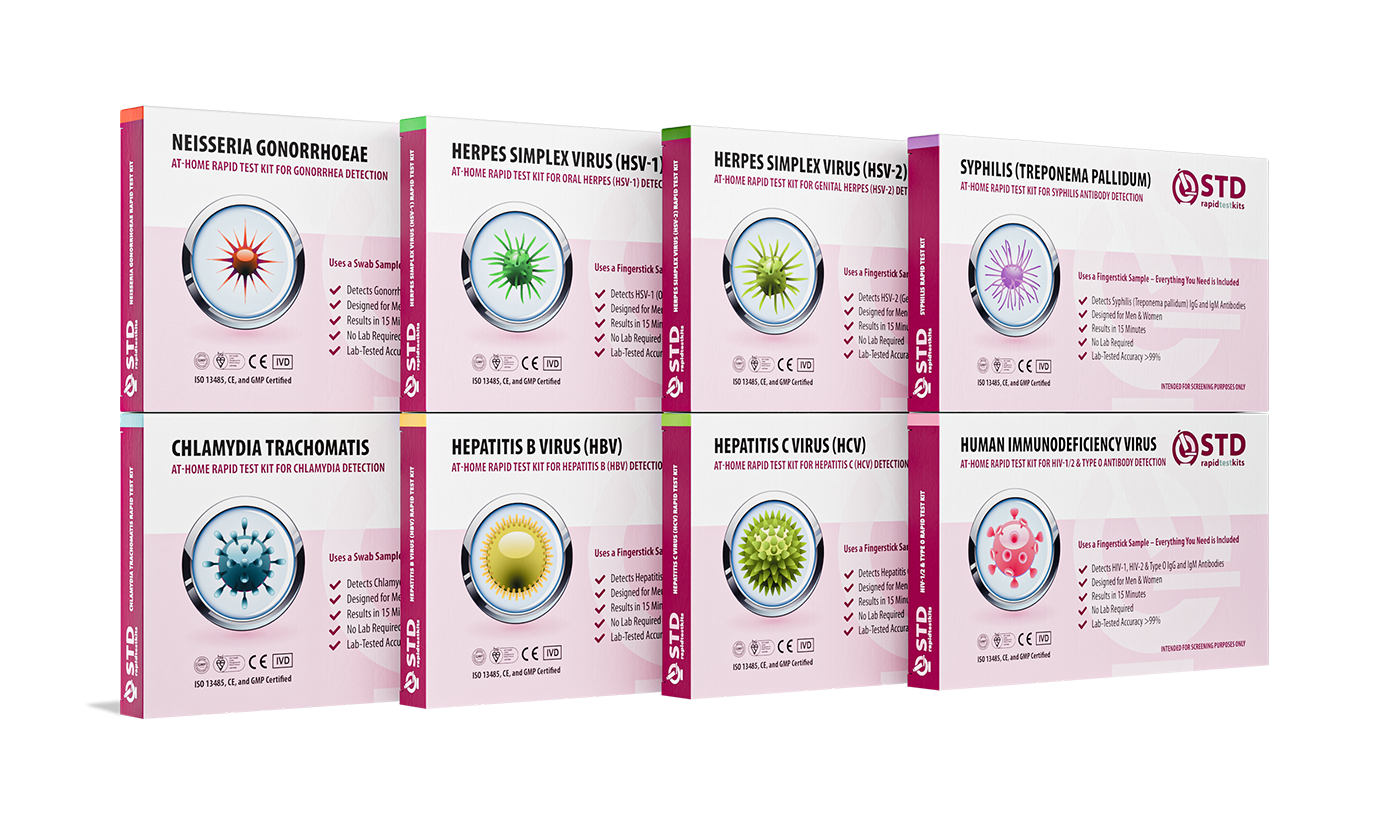 For Men & WomenResults in MinutesNo Lab NeededPrivate & Discreet
Order Now $149.00 $392.00
For all 8 tests
So… What Is the “Most Harmless” STD?
If someone presses a doctor for a direct answer, the response usually sounds something like this: there is no completely harmless STD, but some infections are easier to treat and far less likely to cause long-term health problems.
Most clinicians place bacterial infections like Chlamydia and parasitic infections like Trichomoniasis toward the milder end of the spectrum when they are detected early. These infections typically respond quickly to medication and often resolve without lasting effects once treated.
HPV and other infections are very common and often go away on their own without causing any symptoms. A lot of people actually have HPV at some point in their lives without even knowing it.
But here’s the important part: even the mildest infections still deserve attention. The difference between a small health issue and a serious one usually comes down to whether someone gets tested and treated in time.
What Doctors Actually Want People to Remember
Sexual health specialists spend a lot of time reassuring anxious patients. The majority of STD diagnoses are manageable, treatable, and far less dramatic than people imagine during a late-night spiral through search results.
One clinician summed it up this way during a counseling session: “The scariest part of most STDs is the uncertainty before you get tested.” Once a diagnosis is confirmed, there is usually a clear path forward.
That’s why modern sexual health education focuses less on ranking infections and more on encouraging practical steps: testing, communication with partners, and timely treatment.
When those pieces are in place, most sexually transmitted infections become routine medical issues rather than life-altering events.
FAQs
1. Is there really such a thing as a harmless STD?
Not exactly. Doctors usually wince a little at that word. What they’ll say instead is that some infections are easier to treat and far less likely to cause lasting health problems. Think of infections like Chlamydia or Trichomoniasis, with the right medication, they can usually be cleared quickly. The key detail is timing: the earlier you test, the easier the fix.
2. So which STD do doctors worry about the least?
If you forced most clinicians to pick one, many would mention Chlamydia. It’s common, treatment is straightforward, and people often recover fully after antibiotics. That said, doctors still take it seriously because untreated cases can quietly cause problems over time. Easy to treat doesn’t mean safe to ignore.
3. Can you have an STD and honestly feel completely fine?
Absolutely, and this is where things get tricky. Plenty of people walk around with infections like chlamydia or HPV and feel perfectly normal. No pain, no obvious symptoms, nothing dramatic. That’s why routine testing exists. Your body doesn’t always send an alert when something’s going on.
4. What STD sometimes clears up without treatment?
HPV is the classic example. In many people, the immune system quietly clears the virus within a year or two. A lot of folks never even realize they had it. But because certain strains can cause complications, doctors still recommend monitoring and vaccination when possible.
5. If symptoms are mild, can I just wait and see?
Tempting, but not the best plan. A little itching or burning can come from dozens of things, soap irritation, dehydration, yeast infections, or an STD. The problem is that guessing rarely gives peace of mind. Testing replaces the guesswork with an actual answer, which is almost always less stressful.
6. What’s the easiest STD to treat quickly?
Most bacterial infections respond well to medication. For example, chlamydia is typically treated with antibiotics, and symptoms, if there were any, often improve quickly afterward. Many patients leave the clinic surprised at how simple the treatment process is.
7. Why do people panic so much about STDs?
Stigma, mostly. Movies and gossip have trained people to imagine worst-case scenarios. In reality, sexual health clinics deal with these infections every day. For many patients the scariest part is the waiting period before the test results come back.
8. Do mild STDs still need treatment?
Yes, and this is important. Even infections that feel minor can cause complications if they stick around long enough. Treating them early prevents problems and protects your partners as well.
9. What’s the smartest thing to do if you’re unsure?
Get tested and get clarity. It’s not a dramatic life decision, it’s basic health maintenance. The moment you know what’s going on, you and your doctor can handle it. And most of the time, the solution is much simpler than people fear.
10. Is STD testing something only “high-risk” people need?
Not at all. Plenty of responsible, careful adults get tested regularly simply because they’re sexually active. Think of it the same way you think about routine health screenings. It’s less about suspicion and more about staying informed.
You Deserve Clarity, Not Guesswork
Searching for the “most harmless STD” usually means one thing: something happened, something feels different, and your brain is trying to calculate the risk. That’s normal. Sexual health questions almost always start in that uncomfortable space between curiosity and worry.
The good news is that many infections doctors see every day are manageable and, in some cases, easily treatable. What changes the outcome isn’t luck, it’s information. A quick test turns a spiral of guesses into a simple next step.
Don’t wait and wonder. If infection is even a small possibility, start with a discreet screen like the Combo STD Home Test Kit. Your results are private. Your decisions stay yours. And clarity always feels better than guessing.
How We Sourced This Article: This guide combines the most up-to-date clinical advice on sexually transmitted infections with peer-reviewed research and public health advice. We reviewed medical literature on common STDs, symptom patterns, and treatment outcomes to ensure accuracy while keeping the explanations clear and practical. Only reputable medical authorities and research publications informed the clinical distinctions presented here.
Sources
1. Centers for Disease Control and Prevention – Sexually Transmitted Diseases Overview
2. Chlamydia Fact Sheet from the Centers for Disease Control and Prevention
3. Mayo Clinic: STDs (sexually transmitted diseases)
4. World Health Organization – Sexually Transmitted Infections Fact Sheet
5. Planned Parenthood – STD Basics
6. Centers for Disease Control and Prevention – Trichomoniasis Fact Sheet
7. NHS – Sexually Transmitted Infections (STIs) Overview
8. Johns Hopkins Medicine – Sexually Transmitted Diseases
About the Author
Dr. F. David, MD is a board-certified infectious disease specialist who works to stop, diagnose, and treat STIs. He combines clinical precision with a direct, sex-positive approach that prioritizes clarity, privacy, and patient empowerment.
Reviewed by: Michael R. Levin, MD, Urology | Last medically reviewed: February 2026
This article is meant to give you information, not to give you medical advice.


