







Quick Answer: Chlamydia can be cured completely with antibiotics. Most infections clear within 7 days after proper treatment. However, people can become infected again if partners are untreated or if they have new exposure.
The Short Truth: Yes, Chlamydia Can Be Completely Cured
Chlamydia is caused by a bacterium called Chlamydia trachomatis. Unlike viruses such as herpes or HIV, bacteria can be eliminated from the body with antibiotics. When treatment is taken correctly, doctors consider the infection cured.
This is why public health experts are so aggressive about testing and treatment. Chlamydia is extremely common, especially among younger adults, but it is also one of the most straightforward STDs to treat.
A clinician we interviewed for this article explained it simply:
“If someone takes the full course of antibiotics and avoids sex during treatment, the bacteria are gone. What we see far more often is reinfection, not treatment failure.”
That distinction matters. When someone tests positive again later, many people assume the infection never left their body. In reality, most of the time they were exposed again through a partner who was never treated.
How Chlamydia Treatment Actually Works
Treatment for chlamydia usually involves antibiotics that specifically target the bacteria responsible for the infection. The two most commonly prescribed options are doxycycline or azithromycin.
These medications stop the bacteria from multiplying and allow the immune system to clear the infection completely. For most people, symptoms begin improving within a few days of starting treatment.
| Medication | Typical Course | Effectiveness |
|---|---|---|
| Doxycycline | 7 days | Over 95% |
| Azithromycin | Single dose | High effectiveness |
Doctors stress one important rule: don't have sex until the medicine has finished working. Treatment is easy, though. For doxycycline, this typically means waiting at least seven days.
Skipping this step can accidentally spread the infection back and forth between partners. That cycle is one of the biggest reasons people think chlamydia “doesn’t go away.”

People are also reading: Why “Lower STI Rates” Might Be Hiding a Dangerous Trend
What Happens Inside the Body During Infection
One reason people worry about whether chlamydia can be cured completely is that the infection often causes very few symptoms. In fact, most people with chlamydia don’t notice anything unusual at all.
That silence can make the infection feel mysterious or unpredictable. Once the bacteria get into the body, though, chlamydia follows a pretty set pattern.
| Stage | What Happens | Timing |
|---|---|---|
| Exposure | Bacteria enter the body through sexual contact | Day 0 |
| Incubation | Bacteria multiply silently | 1–3 weeks |
| Symptoms (sometimes) | Discharge, burning urination, pelvic discomfort | Varies |
| Treatment | Antibiotics eliminate the bacteria | About 7 days |
The key takeaway here is that chlamydia doesn’t become a permanent infection when treated correctly. The bacteria don’t hide indefinitely in the body the way certain viruses can.
However, untreated infections can last for months or even years. That’s why testing matters so much.
If Chlamydia Is Curable, Why Do People Think It Comes Back?
This is one of the most common fears people have after treatment. Someone takes antibiotics, symptoms go away, and then months later another test comes back positive. It feels like the infection never truly left the body.
In reality, what usually happened is something much simpler: reinfection. Chlamydia does not build long-term immunity. That means someone can clear the infection completely and then get it again the next time they’re exposed.
Doctors see this pattern constantly. A person gets treated, but their partner never does. They resume sex, and the bacteria simply pass back again. It’s frustrating, but medically speaking, that isn’t the same infection coming back. It’s a new one.
“We explain this to patients all the time,” one sexual health clinician said. “The antibiotics worked. The bacteria were gone. But if a partner wasn't treated, the infection can return within days.”
This is why doctors strongly recommend that all recent partners receive treatment at the same time.
The Reinfection Loop That Confuses So Many People
To understand why this happens so often, it helps to look at a common real-world scenario.
Jordan, 24, tested positive for Chlamydia after noticing burning during urination. He took antibiotics immediately and assumed the situation was resolved.
“I felt fine after a few days, so I figured everything was handled,” he later said.
But a few weeks later he tested positive again. At first he thought the antibiotics had failed. Eventually he learned that his partner had never been treated. The infection had simply passed back again.
This cycle happens far more often than people realize. In fact, public health studies suggest that reinfection within several months is common when partners aren’t treated together.
| Situation | What Actually Happened |
|---|---|
| Partner never treated | The infection passes back after sex |
| Sex too soon after treatment | Bacteria may still be clearing from the body |
| New partner exposure | A completely new infection occurs |
| Testing too early | Dead bacteria can trigger a positive result |
The important takeaway is that antibiotics usually work extremely well. Most people who follow treatment instructions clear the infection fully.
Check Your STD Status in Minutes
Test at Home with Remedium7-in-1 STD Test Kit

 For Men & Women
 Results in Minutes
 No Lab Needed
 Private & Discreet
Order Now $129.00 $343.00
For all 7 tests
How Long It Takes for Chlamydia to Leave the Body
After starting antibiotics, the bacteria begin dying quickly. Many people notice that symptoms like burning or discharge improve within a few days.
But doctors still say to wait a full week before having sex again. The body still needs time to get rid of the infection completely, even though symptoms may go away quickly.
Here’s what the general recovery timeline looks like.
| Time After Starting Antibiotics | What Happens |
|---|---|
| 1–3 days | Symptoms often begin improving |
| 7 days | Most infections cleared if treatment completed |
| 3 months | Recommended retesting window to check for reinfection |
Doctors don't suggest a follow-up test after three months because the infection usually doesn't go away. It’s because reinfection happens so frequently.
Testing again simply helps make sure the infection didn’t return through a partner or a new exposure.
Can Chlamydia Ever Become Permanent?
This is one of the biggest misconceptions surrounding Chlamydia. Because some infections like herpes stay in the body for life, many people assume all sexually transmitted infections behave the same way.
Chlamydia doesn’t. It is a bacterial infection, which means antibiotics can eliminate it completely. Once the bacteria are gone, they do not remain hidden in the body waiting to reactivate.
However, the confusion comes from what happens when the infection goes untreated for long periods of time. The bacteria themselves can still be cleared with antibiotics, but the damage caused by the infection can sometimes remain.
That distinction is important. Chlamydia itself is curable. But complications caused by long-term infection may not always reverse completely.
Why Testing Matters Even When You Feel Fine
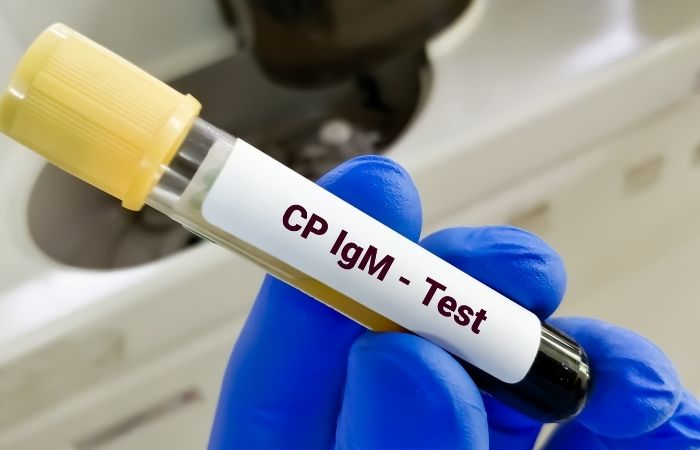
Another reason people wonder if chlamydia ever really goes away is that the infection is often silent. Many people have no symptoms at all, which means they might not realize they were infected in the first place.
In fact, studies estimate that the majority of chlamydia infections are asymptomatic. That means someone can carry the bacteria for months without realizing it.
This is one reason routine testing is recommended for sexually active adults. Catching infections early makes treatment simple and prevents complications.
For people who prefer privacy, at-home testing has become a common option. A discreet option like the Combo STD Home Test Kit can screen for multiple infections from home, which helps many people test sooner instead of delaying care.
The sooner chlamydia is detected, the easier it is to treat, and the less likely it is to cause long-term complications.
People are also reading: At-Home Tests, Shame, and Silence: What the CDC Isn’t Counting
What Happens If Chlamydia Goes Untreated
Many people carry chlamydia for months without knowing it because symptoms are often mild or completely absent. During that time the bacteria can continue spreading within the reproductive system.
If you have female reproductive organs and don't treat your infections, they can cause pelvic inflammatory disease (PID). This happens when germs get into the fallopian tubes or uterus.
For people with male reproductive organs, untreated chlamydia can sometimes cause inflammation of the epididymis, a tube that stores sperm.
| Complication | What It Means |
|---|---|
| Pelvic Inflammatory Disease | Infection spreads to reproductive organs |
| Infertility | Scarring of fallopian tubes can block pregnancy |
| Chronic pelvic pain | Inflammation can cause long-term discomfort |
| Epididymitis | Painful swelling in the testicles |
These complications are the reason doctors stress testing so strongly. Treating the infection early prevents most long-term problems from ever occurring.
“The infection itself is easy to cure,” a reproductive health specialist explained. “What we worry about is when people don’t know they have it for a long time.”
Why Some People Still Have Symptoms After Treatment
Another reason people question whether chlamydia can be cured completely is lingering symptoms. Sometimes, after taking antibiotics, a person still feels mild pain or irritation.
This could happen for a number of reasons.
First, the infection may have caused inflammation that is still healing in the body. Even after the bacteria are gone, it can take a while for irritated tissues to heal.
Second, another infection may be present at the same time. It’s not unusual for chlamydia to occur alongside other infections such as gonorrhea or trichomoniasis.
Sometimes symptoms that seem like chlamydia turn out to be something else, such as a urinary tract infection or a yeast infection.
If symptoms continue for more than a couple of weeks after treatment, doctors usually recommend follow-up testing to make sure everything has cleared properly.
The Myth of “Dormant Chlamydia”
You may have seen people online claim that chlamydia can hide in the body for years and then suddenly come back. This idea circulates frequently in forums and social media discussions.
Current medical evidence does not support that theory. Unlike certain viruses, chlamydia does not establish a dormant state that reactivates later.
When someone tests positive months or years after treatment, it almost always means one of three things:
- Reinfection: exposure to an untreated or new partner
- Incomplete partner treatment: the infection passed back again
- Testing before treatment fully finished: remaining bacterial fragments triggered the test
This distinction can be emotionally important for people navigating relationships. A new positive test does not necessarily mean someone has been secretly carrying the infection for years.
More often, it simply means exposure occurred again somewhere along the line.
When Doctors Recommend Retesting
Even though antibiotics are highly effective, health organizations still recommend a follow-up test after treatment.
This isn’t because the infection usually survives treatment. Instead, it’s because reinfection rates are surprisingly high.
| Situation | Recommended Testing Time |
|---|---|
| Routine retesting | About 3 months after treatment |
| Persistent symptoms | 2–3 weeks after treatment |
| New exposure | 1–2 weeks after contact |
Retesting simply provides reassurance. It confirms that the infection is gone and that no new exposure occurred.
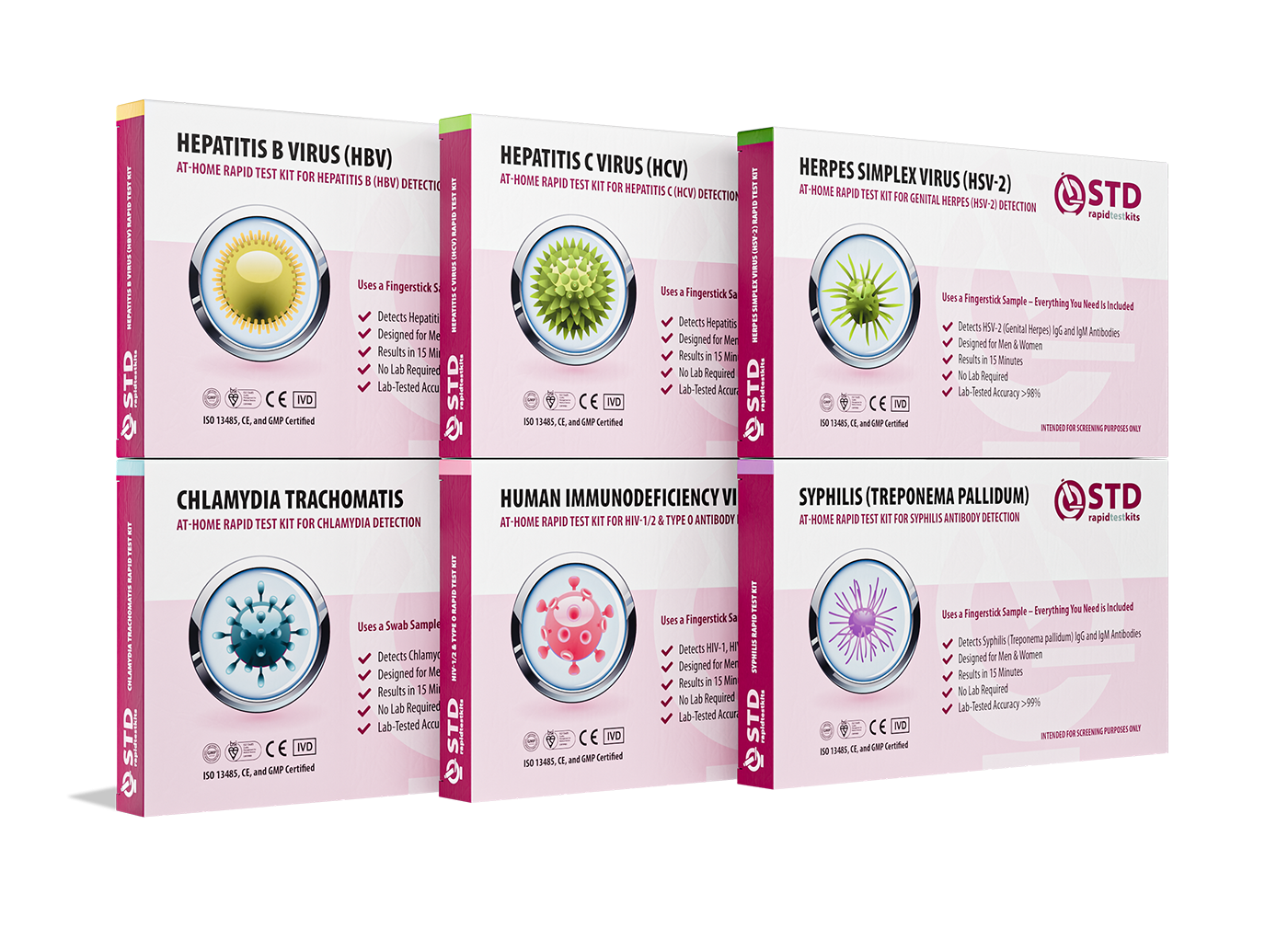
For people who want to check discreetly, many choose private testing options from STD Rapid Test Kits, which allow testing without scheduling a clinic visit.
Having access to easy testing helps people stay on top of their sexual health without unnecessary stress.
Check Your STD Status in Minutes
Test at Home with Remedium6-in-1 STD Test Kit
 For Men & WomenResults in MinutesNo Lab NeededPrivate & Discreet
Order Now $119.00 $294.00
For all 6 tests
What Doctors Wish More People Understood About Chlamydia
One of the hardest parts about Chlamydia isn’t the treatment. It’s the uncertainty people feel before they have clear information. Many patients walk into clinics convinced the infection will stay in their body forever, or that a positive test means something about their character or choices.
Neither of those things is true.
Chlamydia is extremely common, and doctors treat it every day. In fact, it’s one of the infections clinicians are most comfortable managing because antibiotics are so effective. Once the bacteria are eliminated, the infection itself is gone.
“The biggest challenge isn’t curing chlamydia,” one infectious disease specialist explained. “It’s helping people understand that they don’t need to panic. Testing, treatment, and partner communication solve most situations quickly.”
Another thing health professionals emphasize is timing. Because chlamydia often has no symptoms, people can carry the infection without realizing it. That’s why routine screening is recommended for sexually active adults, especially those under 25.
Testing early keeps the situation simple. When infections are detected quickly, treatment is straightforward and complications are extremely unlikely.
And perhaps the most reassuring point: clearing chlamydia doesn’t require complicated medical care. Most people take antibiotics, wait the recommended period before sexual activity, and move forward with their lives.
For many patients, the hardest part isn’t the infection itself. It’s the waiting, the Googling, and the uncertainty before they have a clear answer.
FAQs
1. Can you actually cure chlamydia completely?
Yes, chlamydia can be completely cured. The infection is caused by bacteria, and the right antibiotics eliminate those bacteria from the body. Once treatment is finished and the infection clears, it’s gone, but you can still get it again later if you're exposed through a partner.
2. How long does it take for chlamydia to go away after antibiotics?
Most infections clear within about a week. A lot of people feel better after just a few days, which can make it seem like everything is already fixed. Doctors still say you should wait the full seven days before having sex again. That extra time makes sure the bacteria are completely gone and stops the infection from spreading.
3. People say that chlamydia "comes back" even though it can be treated.
Usually because of reinfection. Imagine someone takes antibiotics but their partner never gets treated, the bacteria can simply pass right back during sex. It feels like the infection returned, but medically it’s actually a brand-new exposure.
4. Do both partners really need treatment?
Yes, and this is one of the biggest reasons doctors emphasize partner treatment. If only one person takes antibiotics, the infection can move from one partner to another like a ping-pong ball. Treating both people at the same time stops that cycle.
5. Can chlamydia stay in your body forever if you don’t treat it?
If chlamydia isn’t treated, it can stay in the body for quite a while, sometimes months, even years. That doesn’t mean the infection becomes permanent, though. Antibiotics can still clear it whenever treatment begins. The real concern is that leaving it untreated for too long can lead to complications like pelvic inflammatory disease.
6. Is it possible for chlamydia to go away on its own?
The infection may still be there even if the symptoms go away. Chlamydia often becomes silent while the bacteria are still present. That’s why medical guidelines always recommend antibiotics rather than waiting it out.
7. Why do some people still have symptoms after getting help?
The body sometimes needs time to heal after the infection is gone. Inflamed tissues can stay irritated for a short period even though the bacteria have already been cleared. If symptoms don't go away or get worse, doctors usually suggest more tests to rule out another infection.
8. When should you test again after chlamydia treatment?
Most doctors suggest retesting about three months later. That timing isn’t because treatment usually fails, it’s simply because reinfection happens surprisingly often. Think of it as a safety check rather than a suspicion.
9. Can untreated chlamydia cause infertility?
It can happen sometimes, especially if the infection spreads to the reproductive organs. The bacteria can make places like the fallopian tubes swell up and leave scars. The good news is that treating it early lowers that risk by a lot.
10. Is it worth doing an at-home chlamydia test?
For many people, yes. Home testing removes the awkwardness of scheduling a clinic visit and makes it easier to check your status quickly. A lot of people end up testing sooner when the process is private and convenient, and catching infections early is what makes treatment simple.
You Deserve Answers, Not Uncertainty
Finding out you might have Chlamydia can trigger a lot of questions all at once. Is it permanent? Did the treatment actually work? Did I pass it to someone else?
The science is reassuring. Chlamydia is one of the most treatable sexually transmitted infections. When antibiotics are taken properly, the bacteria are eliminated from the body. What people often mistake for the infection “coming back” is usually reinfection or an untreated partner.
If there’s any uncertainty about exposure or symptoms, the most productive step is simple: test. The Combo STD Home Test Kit is a private way to check for common infections. Knowing your status replaces worry with clarity, and clarity always beats guessing.
How We Sourced This Article: This article merges clinical recommendations for chlamydia treatment with peer-reviewed studies on sexually transmitted infections and patterns of reinfection. Medical recommendations were based on the most recent guidelines from major public health agencies and research on infectious diseases. Our goal was to turn medical evidence into clear, useful information that was also accurate and free of stigma.
Sources
1. Centers for Disease Control and Prevention – Chlamydia Fact Sheet
2. Mayo Clinic: Signs and Causes of Chlamydia
4. Planned Parenthood – Chlamydia Information
5. PubMed – Research on Chlamydia Treatment and Reinfection
6. World Health Organization – Sexually Transmitted Infections Fact Sheet
About the Author
Dr. F. David, MD is a board-certified infectious disease physician specializing in sexually transmitted infections and public health education. His work focuses on clear, stigma-free communication that helps people make informed decisions about testing, treatment, and prevention.
Reviewed by: Michael R. Levin, MD, Urology | Last medically reviewed: March 2026
You shouldn't use this article instead of professional medical advice; it's only for informational purposes.


