







Quick Answer: A newly authorized at-home HPV screening option for cervical cancer detection shows that regulators are increasingly accepting home-based sexual health testing. While this specific screening targets HPV, at-home STD testing already exists for several infections, allowing people to collect samples privately and receive lab results without visiting a clinic.
Why This FDA Decision Signals a Bigger Shift in STD Testing
For decades, STD testing followed a predictable path. A person noticed symptoms or scheduled a routine screening. They visited a clinic, answered personal questions at a front desk, waited in an exam room, and provided a sample. While effective, that system quietly discouraged many people from testing at all.
Researchers have documented the barriers repeatedly: embarrassment, lack of nearby clinics, limited appointment availability, and fear of stigma. When sexual health care requires navigating those obstacles, many people delay testing even when they know it is important.
The approval of new ways to screen home collections marks a turning point. More and more, public health experts are realizing that making testing available outside of regular clinics can greatly raise the number of people who get tested. Testing is less scary and more normal when people can collect samples in private and send them to a lab.
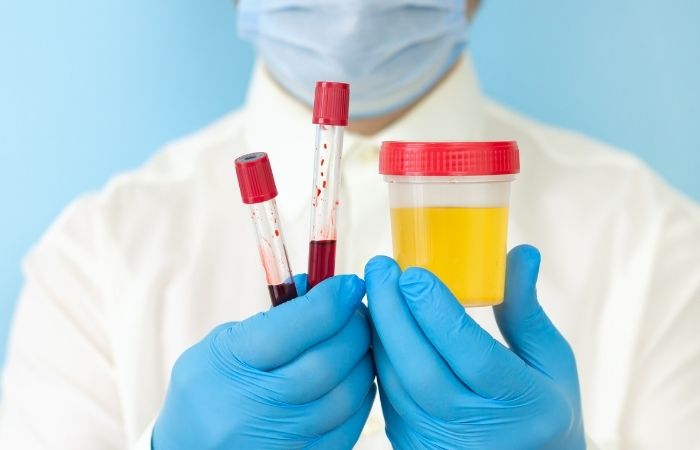
That shift is already underway. At-home STD testing options have existed for years, allowing individuals to collect urine samples, finger-prick blood samples, or swabs and mail them to certified laboratories. Results are then delivered through secure online portals, often within a few days.
Who At-Home STD Testing Is Designed For
At-home STD testing is not just for people who suspect an infection. In fact, many of the people who benefit most from home testing are individuals who simply want regular screening but find traditional clinics inconvenient or uncomfortable.
Sexual health experts often recommend routine testing for sexually active adults, particularly those with new partners or multiple partners. Yet routine testing is surprisingly uncommon. Studies suggest that many people who should test annually or semi-annually never do, often because accessing testing feels complicated or embarrassing.
Some of those problems go away when you test at home. People can get samples when it's easy for them, without having to make an appointment or wait in a crowded waiting room. The process is private and secret, and its goal is to lower the stigma that can come with sexual health problems.
People who frequently use at-home testing often fall into a few common groups:
- Busy professionals: Individuals who struggle to schedule clinic visits during work hours.
- People living in rural areas: Communities where sexual health clinics may be far away.
- Those seeking privacy: Individuals uncomfortable discussing sexual health face-to-face.
- Routine testers: People who incorporate screening into regular health maintenance.
For these groups, the ability to collect a sample privately can make the difference between testing regularly and not testing at all.

People are also reading: Painful Sex With No Other Symptoms: What Doctors Don’t Always Say
What Counts as an STD Test? Types of Samples Used at Home
One misconception about STD testing is that it always requires a doctor or specialized medical equipment. In reality, many sexually transmitted infections can be detected using relatively simple biological samples.
Modern diagnostic techniques allow laboratories to identify bacteria, viruses, or antibodies using samples collected outside clinical settings. Depending on the infection being tested, the sample type may differ.
| Sample Type | How It Is Collected | Infections Commonly Tested |
|---|---|---|
| Urine Sample | Collected in a sterile container and mailed to a lab | Chlamydia, Gonorrhea |
| Finger-Prick Blood | Small lancet used to collect drops of blood | HIV, Syphilis, Hepatitis B, Hepatitis C |
| Swab Sample | Swab used to collect cells from genital or throat area | HPV, Chlamydia, Gonorrhea |
Most modern STD tests use these simple types of samples. Once the sample reaches the laboratory, specialists analyze it using highly sensitive tools that look for genetic traces of an infection, immune responses, or proteins linked to specific viruses and bacteria.
The most important thing to remember is that the tests almost always take place in a lab. Even if you take a sample at home, trained professionals still use certified diagnostic equipment to look at it.
The Window Period: Why Timing Matters for STD Testing
Timing trips up a lot of people when it comes to STD testing. Right after exposure, most infections are still invisible to tests. It takes time for bacteria, viral material, or the antibodies your immune system produces to build up to detectable levels.
The time you have to wait is called the "window period." If you test too soon after being exposed, you might get a false negative result. This means that the infection is there but hasn't reached levels that can be found yet.
To read results correctly, you need to know what window periods are. Different infections have different amounts of time before tests are accurate.
| Infection | Earliest Detection | Best Time to Test |
|---|---|---|
| Chlamydia | 5–7 days | 2 weeks after exposure |
| Gonorrhea | 5–7 days | 2 weeks after exposure |
| HIV | 10–14 days | 4–6 weeks after exposure |
| Syphilis | 3 weeks | 6 weeks after exposure |
| HPV | Weeks to months | Routine screening schedule |
These timelines show why sexual health professionals sometimes suggest retesting. Testing again after the window period closes can give you a more accurate result if you were recently exposed.
Check Your STD Status in Minutes
Test at Home with Remedium7-in-1 STD Test Kit

 For Men & Women
 Results in Minutes
 No Lab Needed
 Private & Discreet
Order Now $129.00 $343.00
For all 7 tests
“I Didn’t Want to Sit in a Waiting Room”: A Real-World Testing Story
Alicia, 27, remembers the moment she realized she needed an STD test. After a recent relationship ended, she started thinking about when she had last been screened. The answer made her uneasy: it had been more than two years.
“I knew I should get tested, but I kept putting it off,” she recalls. “I didn’t want to sit in a waiting room and explain my sex life to someone I didn’t know.”
Eventually, Alicia chose to order an at-home test kit instead. The process took less than fifteen minutes. She collected a urine sample, sealed the package, and dropped it at the post office the same afternoon.
“It felt normal. Not embarrassing. Just another health thing I needed to do.”
Stories like Alicia’s highlight why health experts are increasingly interested in expanding home-based testing options. When testing becomes easier and more private, more people are willing to do it.
Why Privacy Matters in Sexual Health Testing
Sexual health still carries social stigma in many communities. Even though sexually transmitted infections are very common, a lot of people don't want to talk about getting tested.
That discomfort can discourage individuals from seeking care. Studies show that fear of judgment remains one of the leading reasons people delay STD testing.
Home testing directly solves that problem. Kits are usually sent in plain packaging, and results are sent through secure online platforms instead of through the mail.
For many users, the privacy aspect is just as important as the convenience. Removing the social pressure associated with clinic visits can make sexual health screening feel routine instead of stressful.
What Happens If an STD Test Comes Back Positive?
Receiving a positive STD test can be frightening, no doubt about it. However, it's important to keep in mind that the majority of sexually transmitted infections are treatable, and many are actually curable. Testing isn't just about finding out what's wrong; it's also about starting the process of getting better and stopping the spread.
Doctors usually treat bacterial infections like Chlamydia and Gonorrhea with antibiotics. Viral infections like HIV and herpes, on the other hand, can't be cured. However, new medicines can help with the symptoms and lower the chance of spreading the virus.
Anyone who receives a positive result should follow up with a healthcare professional. A provider might suggest confirmatory testing, and they can help you figure out what to do next for treatment and how to tell your partner.
When Should You Test After Possible STD Exposure?
After sex, a lot of people ask a simple but important question: "When should I get tested?" The answer depends on the test, the infection, and how long it's been since you were exposed. Testing right after a possible exposure doesn't usually tell you much because most infections take time to show up.
This is where the idea of the testing window comes into play. The window period is the time between when someone is exposed to an infection and when a test can reliably find it. If the test is done too soon, a person could already be sick and still get a negative result.
People can avoid extra stress and make sure they understand the results correctly if they know these timelines. It also explains why doctors and nurses sometimes tell patients to get tested again even after a negative result.
People are also reading: Chlamydia Symptoms: Burning, Itching, or Nothing at All
A Practical Timeline for Testing After Exposure
Many sexual health experts give general advice on when tests are most accurate, even though the exact times may vary. These timelines can help someone figure out when testing is most helpful if they think they may have been exposed to an STD.
| Time After Exposure | What Testing Can Detect | Recommended Action |
|---|---|---|
| 1–3 Days | Most infections cannot yet be detected | Monitor for symptoms and plan testing |
| 1 Week | Early detection possible for some bacterial STDs | Consider testing if symptoms appear |
| 2 Weeks | Reliable detection for many bacterial infections | Recommended window for Chlamydia and Gonorrhea tests |
| 4–6 Weeks | Many viral infections detectable | HIV and Syphilis testing becomes more reliable |
| 3 Months | Most infections detectable with high accuracy | Follow-up testing if initial results were uncertain |
These timelines are general guidelines rather than strict rules. Different tests are more or less sensitive, and each person's immune system reacts differently. If you're not sure about the result, you can take the test again later.
How STD Tests You Do at Home Work
It might sound high-tech to test for STDs at home, but it's not. Most testing kits work the same way: you take a sample, put it in a safe package, send it to a lab, and get the results online.
Getting the samples right is the most important part of the process. Most of the time, instructions walk users through the process step by step to make sure the sample is usable. After the sample is taken, it is put in a container that has already been labeled and sent to a certified medical lab.
The same tests that doctors do in their offices are done by technicians in the lab. These tests look for DNA, antibodies, or antigens that are linked to infections. In other words, the analysis is the same as what would happen if the sample were taken in a doctor's office.
The primary difference is simply where the sample is collected. Instead of an exam room, it happens in the privacy of the user’s home.
Why More People Are Choosing to Test at Home
The rise in popularity of at-home STD testing is a sign of how technology and people's views on health care are changing. Many people now expect the same level of convenience in medical services that they experience in other aspects of life.
Telemedicine, online prescription services, and home health monitoring have all expanded rapidly in recent years. STD testing is following the same path. Instead of requiring a physical clinic visit, modern testing models allow individuals to manage many aspects of their sexual health independently.
Digital-first health care feels normal, especially for younger adults. Ordering a test online, getting a sample, and getting results through a secure portal is similar to how many people already handle other parts of their lives.
This convenience is important, but it doesn't replace regular medical care. It doesn't replace it; it goes along with it. Home testing can be a way to get people to start getting care. If the result is positive, it can make them want to get treatment sooner.
Check Your STD Status in Minutes
Test at Home with Remedium6-in-1 STD Test Kit
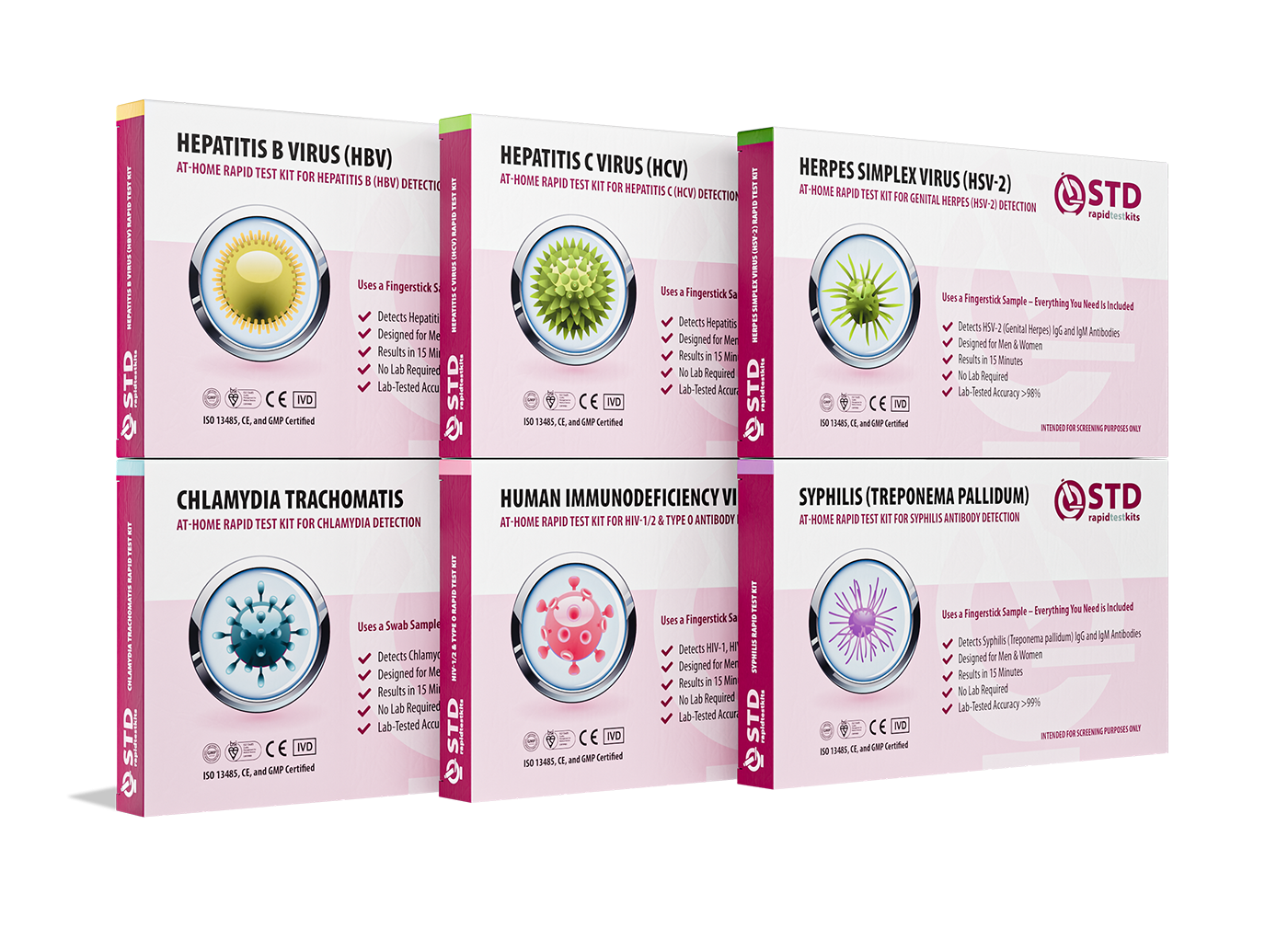 For Men & WomenResults in MinutesNo Lab NeededPrivate & Discreet
Order Now $119.00 $294.00
For all 6 tests
Common Myths About At-Home STD Testing
Despite the growing acceptance of home testing, several misconceptions still circulate online. Understanding the facts can help people make informed decisions about their sexual health.
Many people believe that home tests are not as reliable as those conducted in a clinical setting. Many tests you can do at home use the same lab tests that clinics do, in fact. The place where the sample was taken is less important than how well it was collected and when it was taken.
Another mistake people make is thinking that you only need to get tested when you have symptoms. A lot of sexually transmitted infections don't show any signs or symptoms at first. This means that people can spread infections without even knowing it.
Routine screening is still one of the best ways to stop the spread of STDs. No matter where you do it, the most important thing is to get tested.
Retesting: When and Why It May Be Recommended
Sometimes, sexual health professionals may suggest more tests even after the first one. If someone was tested very soon after being exposed, if symptoms show up later, or if they just finished treatment, it might be a good idea to test them again.
For example, people who have had bacterial infections are often told to get tested again after a few weeks to make sure the infection is gone. Similarly, individuals with ongoing exposure risks may benefit from routine testing schedules.
Regular screenings are very important for keeping long-term health problems from happening. Finding infections early lets them be treated before they do serious damage to reproductive health or other organ systems.
FAQs
1. “I feel totally fine. Do I still need an STD test?”
Yes, and honestly, this surprises a lot of people. Many common infections like Chlamydia or HPV can live in the body quietly for months or even years without obvious symptoms. One patient once told me, “If nothing feels wrong, why test?” The answer is simple: a lot of infections are silent until they cause complications. Testing isn’t about panic, it’s about staying ahead of problems.
2. “Is at-home STD testing actually legit, or is it a gimmick?”
It’s legit when the testing is connected to certified laboratories. The sample you collect at home usually ends up being analyzed using the same diagnostic methods used in hospitals and clinics. Think of it less like a DIY science experiment and more like moving the sample collection step out of the doctor’s office. The science behind the test doesn’t change.
3. “What if I mess up the sample collection?”
That fear is incredibly common, but most kits are designed to be simple. Instructions walk you through each step, usually things like collecting a urine sample or using a small finger-prick lancet. One person I spoke with laughed afterward and said, “I spent more time worrying about doing it wrong than it actually took to do it.” If the sample is unusable, reputable labs will typically notify you.
4. “How soon after sex should I actually test?”
Timing matters more than people realize. Testing the morning after an encounter usually won’t tell you much because infections need time to reach detectable levels. For many bacterial STDs, testing around two weeks after exposure is a reasonable starting point. If you’re unsure, repeating the test later can add reassurance.
5. “Is it weird to test regularly if nothing happened?”
Not weird at all, in fact, it’s one of the healthiest habits sexually active adults can build. Think of STD screening like dental cleanings or routine bloodwork. Plenty of people test once or twice a year simply because they want clarity about their health. It’s proactive, not paranoid.
6. “Will anyone know I ordered an STD test?”
Privacy is one of the biggest reasons people choose home testing. Most services ship kits in plain packaging and deliver results through secure online portals rather than mailed paperwork. In other words, the entire process is designed to keep your personal health information exactly that, personal.
7. “What happens if the result comes back positive?”
First, take a breath. Many sexually transmitted infections are treatable, and several are curable. The next step is usually to talk to a doctor about the results and treatment options. The most important thing is that testing tells you what you need to know early on, which helps you get better.
8. "Is it possible for someone to have an STD for years without knowing?"
Yes, and it happens more often than you might think. Infections like HPV can stay hidden for a long time if there aren't any clear signs. That's one reason why doctors tell you to get checkups on a regular basis instead of waiting for problems to show up.
9. "If my test comes back negative, am I totally safe?"
A negative result is good news, but the situation is important. It may have been taken during the window period, which is when infections are harder to find, if it was taken very soon after a possible exposure. That's why doctors and nurses sometimes suggest doing a test again after a few weeks to be completely sure.
10. “Why is everyone suddenly talking about testing at home?”
Because sexual health is quietly going through the same transformation that other parts of healthcare already experienced. Telemedicine, home health monitoring, and mail-in diagnostics are becoming normal. The recent authorization of new home-collection screening tools shows that regulators and researchers are increasingly confident in this approach, and that means testing will likely become even more accessible in the future.
You Deserve Clarity About Your Sexual Health
The recent authorization of a new at-home HPV screening option reflects a broader trend: sexual health testing is becoming more accessible and more private. As technology evolves, more infections can be screened without requiring a clinic visit.
Taking action is the most important thing, whether someone does a home test or goes to a doctor. One of the best ways to protect your health and stop the spread of sexually transmitted infections is to get tested regularly.
For many people, the future of sexual health care may begin at home, with a simple test that provides the clarity needed to make informed decisions.
How We Sourced This Article: This article was developed using current public health guidance on sexually transmitted infection screening and emerging research on self-collected diagnostic testing. We reviewed reporting on recent regulatory developments related to home-based HPV screening along with clinical resources from organizations such as the CDC, WHO, and National Cancer Institute. Peer-reviewed literature regarding self-collected samples and the accuracy of STD testing was analyzed to confirm that the medical explanations align with contemporary scientific knowledge.
Sources
1. Associated Press – FDA clears new option for at-home cervical cancer screening
2. Centers for Disease Control and Prevention: Advice on STD Testing
3. World Health Organization – HPV and Cervical Cancer Fact Sheet
4. National Cancer Institute – Cervical Cancer Screening
5. Planned Parenthood – STD Testing Guide
6. Centers for Disease Control and Prevention – HIV Testing Information
About the Author
Dr. F. David, MD is a board-certified infectious disease specialist focused on sexually transmitted infection prevention, diagnosis, and treatment. His work combines clinical accuracy with a direct, sex-positive communication style that helps people navigate sensitive health topics with clarity and confidence.
Reviewed by: Michael R. Levin, MD, Infectious Disease | Last medically reviewed: March 2026
This article is only for informational purposes and should not be used instead of professional medical advice, diagnosis, or treatment.


