







Quick Answer: Chlamydia often feels like a mild burning or itching during urination, but many people, especially women, have no symptoms at all. The only way to know for sure is to get tested.
When Symptoms Are Silent, and When They’re Not
Chlamydia is tricky. It's one of the most common STDs in the world, and yet it often hides in plain sight. According to the CDC, as many as 70% of infected women and 50% of infected men experience zero symptoms. That’s part of what makes it so easy to spread and so dangerous to ignore.
But when it does show up, the symptoms can feel deceptively subtle. We're not talking dramatic movie-style agony. More often, it's the kind of discomfort you might dismiss as a yeast infection, a UTI, or just irritation after sex. And for some, like Layla, there’s nothing to feel at all.
The body doesn’t always scream when something’s wrong. Sometimes, it whispers.
How Chlamydia Feels for Women
Women are more likely to experience internal symptoms that can go unnoticed for longer periods. Discharge changes are often mild, and any burning or pelvic pain can be easy to confuse with a bladder infection, especially if you’re used to occasional UTIs. One composite patient, Sarita, 29, said she thought it was “just another period-related thing” when she noticed low cramps and spotting after sex. A month later, she tested positive.
Here’s what some women report when chlamydia isn’t silent:
| Symptom | Possible Experience |
|---|---|
| Burning during urination | Feels like a mild sting or pressure, often mistaken for a UTI |
| Vaginal discharge | Slightly yellow or cloudy; may go unnoticed unless odor is present |
| Spotting after sex | Unexpected light bleeding, not tied to your period |
| Pelvic or lower abdominal pain | A dull, crampy ache that builds slowly, often dismissed as PMS |
| Pain during sex | Deep pressure or discomfort, especially with certain positions |
Table 1. Common symptoms of chlamydia in women. These signs are often mistaken for period pain or non-STD infections, which delays diagnosis.
Because these signs are vague, many women don't connect the dots until a partner tests positive or a routine exam picks it up. That delay can lead to serious complications like pelvic inflammatory disease (PID), which can affect fertility.
If you’re unsure, trust your instinct, but confirm with a test. You can order one discreetly here.

People are also reading: Used a Condom? You’re Still at Risk for These STDs
How Chlamydia Feels for Men
Men are more likely to notice external symptoms, especially early on. But that doesn’t mean it’s always obvious. Rashy skin? Could be friction. Sore tip? Maybe soap irritation. That’s how Josh, 27, rationalized his symptoms. “It wasn’t red or oozing or anything. Just sensitive when I peed.” Three weeks later, the sensitivity was joined by cloudy discharge, and panic.
Here’s how chlamydia can feel in men, broken down in relatable terms:
| Symptom | Real-World Description |
|---|---|
| Urethral discomfort | Not full pain, more like an irritation or warmth during urination |
| Penile discharge | Clear or milky drip, most visible in the morning |
| Itchy or tingling urethra | Subtle crawling sensation inside the penis, mistaken for dehydration or soap |
| Testicular pain or swelling | Aching in one testicle, tender to touch or after exercise |
Table 2. Common male chlamydia symptoms described in everyday language. Often brushed off until discharge or pain escalates.
Unlike women, men with symptoms tend to seek care faster because the discomfort is harder to ignore. But if chlamydia spreads to the epididymis (a tube behind the testicles), it can lead to a painful condition called epididymitis, which needs treatment ASAP.
For peace of mind, early detection matters. A home test kit can offer fast answers in private.
Check Your STD Status in Minutes
Test at Home with RemediumChlamydia Test Kit
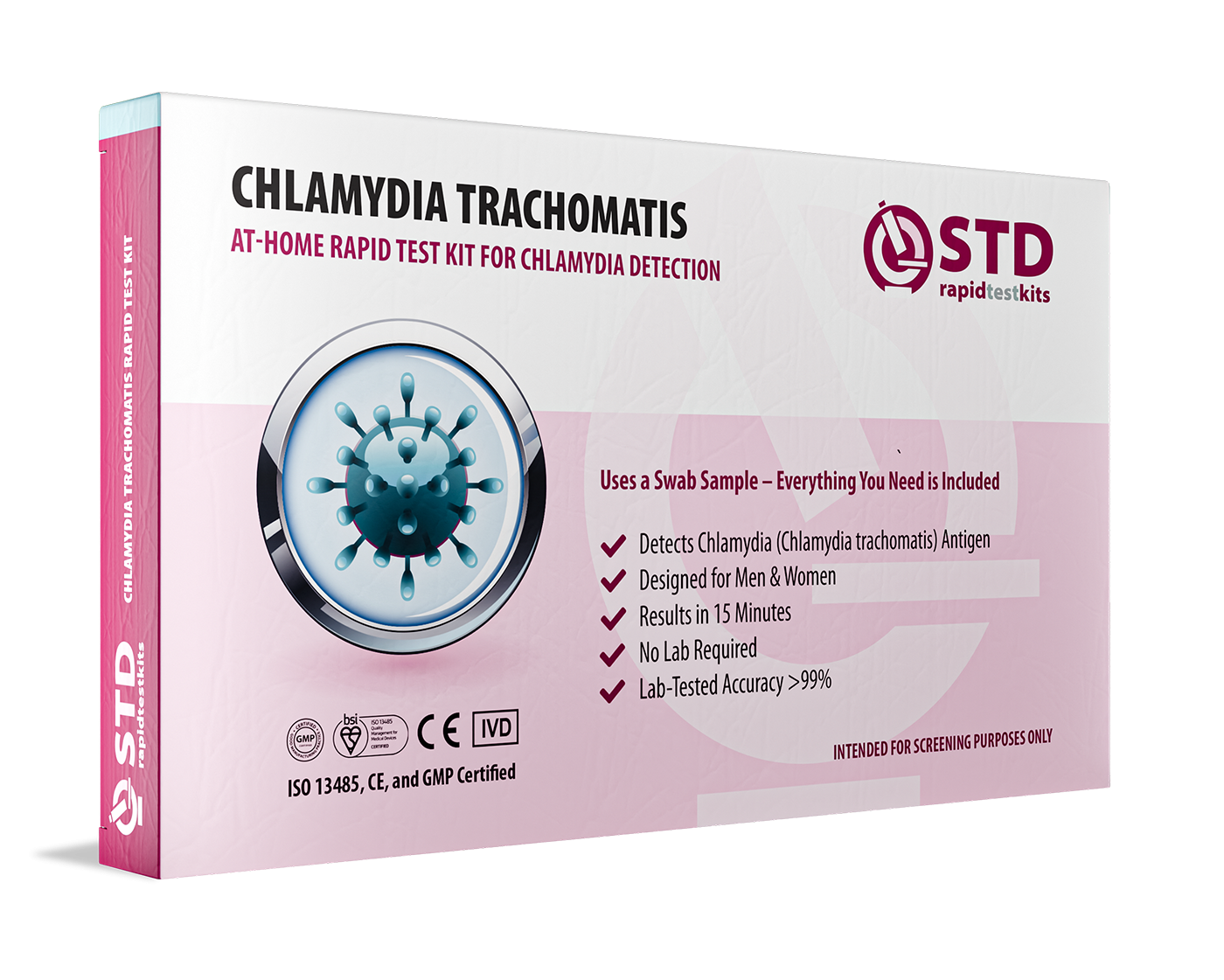
 For Men & Women
 Results in Minutes
 No Lab Needed
 Private & Discreet
Order Now $33.99 $49.00
“But It Doesn’t Burn”, When Chlamydia Defies Expectations
One of the biggest myths? That chlamydia always burns. In reality, burning is just one of several possible symptoms, and it’s not even the most common. Many people with chlamydia describe feeling “off” rather than in pain. Mild irritation. A weird smell. A bit of pressure after sex. That’s it.
This subtlety creates danger. Because if you're expecting a dramatic symptom, you're more likely to delay testing. One Reddit user described waiting until her “fifth yeast infection in six months” before demanding a full STD panel. Turns out, it wasn’t yeast. It was chlamydia the whole time.
If something feels off, especially after unprotected sex or a new partner, trust that signal. You don’t have to feel sick to be at risk.
How Long After Exposure Do Symptoms Show Up?
There’s a frustrating gap between the moment of exposure and when symptoms, or test results, become detectable. This is called the incubation period, and it’s different for everyone. Some people feel burning within 5 to 7 days. Others don’t notice a thing for weeks, or ever. But that doesn’t mean the infection isn’t spreading.
Rosa, 35, felt fine for a month after a new partner. Then she started noticing pelvic pressure and a strange brownish discharge. Her OB thought it was a hormone imbalance, until Rosa insisted on a chlamydia test. The result was positive, and she likely passed it to a new partner without knowing.
This chart outlines what to expect after exposure:
| Time Since Exposure | Likelihood of Symptoms | Test Accuracy |
|---|---|---|
| 0–3 days | Very low | Too early for reliable detection |
| 4–7 days | Low to moderate | Some NAAT tests may detect infection |
| 8–14 days | Moderate to high | Best time to test with high accuracy |
| 15+ days | High (if symptomatic) | Peak detection for most testing types |
Table 3. Chlamydia incubation period vs testing accuracy. Many people won’t feel symptoms even as tests become highly accurate.
Bottom line? If it’s been two weeks since possible exposure, you’re in the best window to get tested. If it’s been less than that, you can still test, but you may need to repeat it after day 14 to confirm the result.
Can Chlamydia Cause No Symptoms At All?
Absolutely, and that’s not rare, it’s normal. Chlamydia is often called a “silent” infection because it doesn't cause noticeable problems until it’s advanced. Some people only find out during routine screening, fertility workups, or when a partner tests positive and alerts them.
Alex, 41, said his diagnosis came out of nowhere. “I felt fine. I went in to get tested because a guy I hooked up with messaged me. I didn’t believe him at first. But there it was, positive. If he hadn’t said something, I would’ve kept going like nothing was wrong.”
Asymptomatic doesn’t mean harmless. Even without symptoms, untreated chlamydia can cause:
- Infertility (due to blocked fallopian tubes or testicular inflammation)
- Chronic pelvic pain
- Increased risk of HIV transmission
- Complications in pregnancy or newborn infections
This is why regular testing is key, especially if you’re sexually active with new or multiple partners. Don’t wait for symptoms to tell you something’s wrong. You may never get that alert.
“It Feels Like a UTI”, The Most Common Misdiagnosis
If you’ve ever thought, “I probably just have a UTI,” you’re not alone. Chlamydia and urinary tract infections often feel nearly identical in their early stages, burning urination, urgency, lower belly pain. In women, especially, the overlap is almost impossible to sort out by sensation alone.
Here’s the key difference: UTIs are bacterial infections in the bladder or urethra that usually clear with antibiotics. But if you take UTI meds for a case of undiagnosed chlamydia, the infection can persist and travel upward, causing more damage.
Marina, 26, said her symptoms kept bouncing back. “I was prescribed antibiotics for a UTI three times in five months. Nobody thought to test me for an STD until I went to Planned Parenthood. Turns out, I’d had chlamydia the whole time.”
It’s not about blame, it’s about knowing what else to look for. If your “UTI” doesn't go away or keeps returning, ask for an STD panel. No shame, just clarity.
Testing: When, Where, and Why It’s Easier Than You Think
Getting tested sounds scary, but it’s the simplest part of this whole journey. For chlamydia, the gold standard is a NAAT (nucleic acid amplification test). You can take it using a urine sample or swab, vaginal, cervical, or urethral depending on your anatomy and testing location.
Options include:
- Clinic-based testing (often free or low-cost through health departments or Planned Parenthood)
- Mail-in lab tests (discreet, accurate, but take 2–3 days)
- At-home rapid tests (faster but slightly lower sensitivity)
If privacy or convenience is a priority, you can order an FDA-approved home test kit and get results in minutes. Just follow instructions carefully and make sure you’re testing after the window period (ideally 10–14 days after possible exposure).
If positive, you’ll need a prescription for antibiotics, typically azithromycin or doxycycline. Many telehealth platforms now offer treatment after a remote consultation, no in-person visit required.
Remember, chlamydia is curable. You just have to know it’s there first.
After the Diagnosis: What Treatment Feels Like
The hardest part is usually the waiting. Once you finally get the result, the path forward becomes clearer. Most people are prescribed a short course of antibiotics, and many notice their symptoms improve within a few days. For others, it takes a bit longer, especially if inflammation has been building for weeks. A lot of people describe a strange mix of relief and embarrassment during this stage. Relief because it’s treatable. Embarrassment because sexually transmitted infections carry heavy social baggage, even when they shouldn’t.
There’s a practical side to treatment too. You’ll be told to avoid sex until both you and your partner finish medication and retest if recommended. That pause can feel awkward, but it’s also an opportunity to reset boundaries, ask questions, and talk honestly about future protection. One reader shared that she and her partner sat in the car after the pharmacy pickup and had their first real conversation about exclusivity. It was uncomfortable. It was also honest. And it changed how they approached sex moving forward.
If symptoms don’t improve within a week, it’s important to follow up. Sometimes, untreated partners reinfect each other without realizing it. Other times, another infection like gonorrhea may be present and needs a different medication. Staying quiet doesn’t protect anyone. Staying curious does.
Talking to Partners Without Shame
Few moments feel more vulnerable than telling someone you’ve had an STD. The mind immediately jumps to blame, suspicion, or guilt. But real conversations about chlamydia sound different when spoken from a place of care rather than accusation. Imagine saying, “My doctor diagnosed chlamydia, and they recommended partners get tested. I wanted you to know because your health matters too.” That sentence holds boundaries. It also holds compassion.
In one composite scenario, a couple sat on their apartment floor after dinner, scrolling through articles together, confused about how one of them tested positive. Eventually, they realized it didn’t matter who had it first. What mattered was that they were dealing with it, together. That shift, from “who brought this” to “how do we handle this”, is often where healing begins.
If you fear retaliation, judgment, or emotional harm, reach out to a clinician. Many clinics offer anonymous partner notification systems that protect your identity while still giving others the information they need. Protecting yourself should never require sacrificing your safety.

People are also reading: HIV Treatments in 2025: The New Discoveries That Are Making a Difference
What Happens If Chlamydia Isn’t Treated?
This is where the “silent” part turns serious. Untreated chlamydia in women can migrate from the cervix into the uterus and fallopian tubes, leading to pelvic inflammatory disease. Over time, scar tissue can form, making future pregnancies more difficult or painful. Men face risks too, including epididymitis and, in rare cases, reduced fertility. There’s also another layer many people don’t realize. Chlamydia inflammation can increase the chances of contracting or transmitting HIV if exposed.
None of this is meant to scare you. It’s meant to explain why doctors emphasize prompt testing and follow-up. A simple infection caught early is straightforward. A simple infection left alone can change the body in ways you may not notice until years later, when pain or fertility questions arise. Knowing sooner isn’t about shame. It’s about giving your future self the best possible odds.
And here’s the reassuring truth: once treated correctly, most people heal completely and never experience long-term consequences. The turning point is not perfection. It’s awareness and action.
Retesting: Why One Negative Isn’t Always Final
Even after successful treatment, retesting is sometimes recommended. Doctors often advise checking again three months later, not because the medication failed, but because reinfection rates are surprisingly high. People return to relationships or sexual routines believing everything is resolved, only to pass the bacteria back and forth unknowingly.
Retesting can feel tedious, especially if you already went through the emotional rollercoaster once. But think of it like changing the oil in a car. The engine will probably run fine for a while. But regular maintenance prevents serious problems down the road. The same goes for sexual health. Small check-ins prevent bigger crises.
If it’s time for your follow-up or if something still feels off, you can quietly arrange a test through the STD Rapid Test Kits homepage and decide your next step privately. Control, after all, is a powerful antidote to anxiety.
Check Your STD Status in Minutes
Test at Home with Remedium8-in-1 STD Test Kit
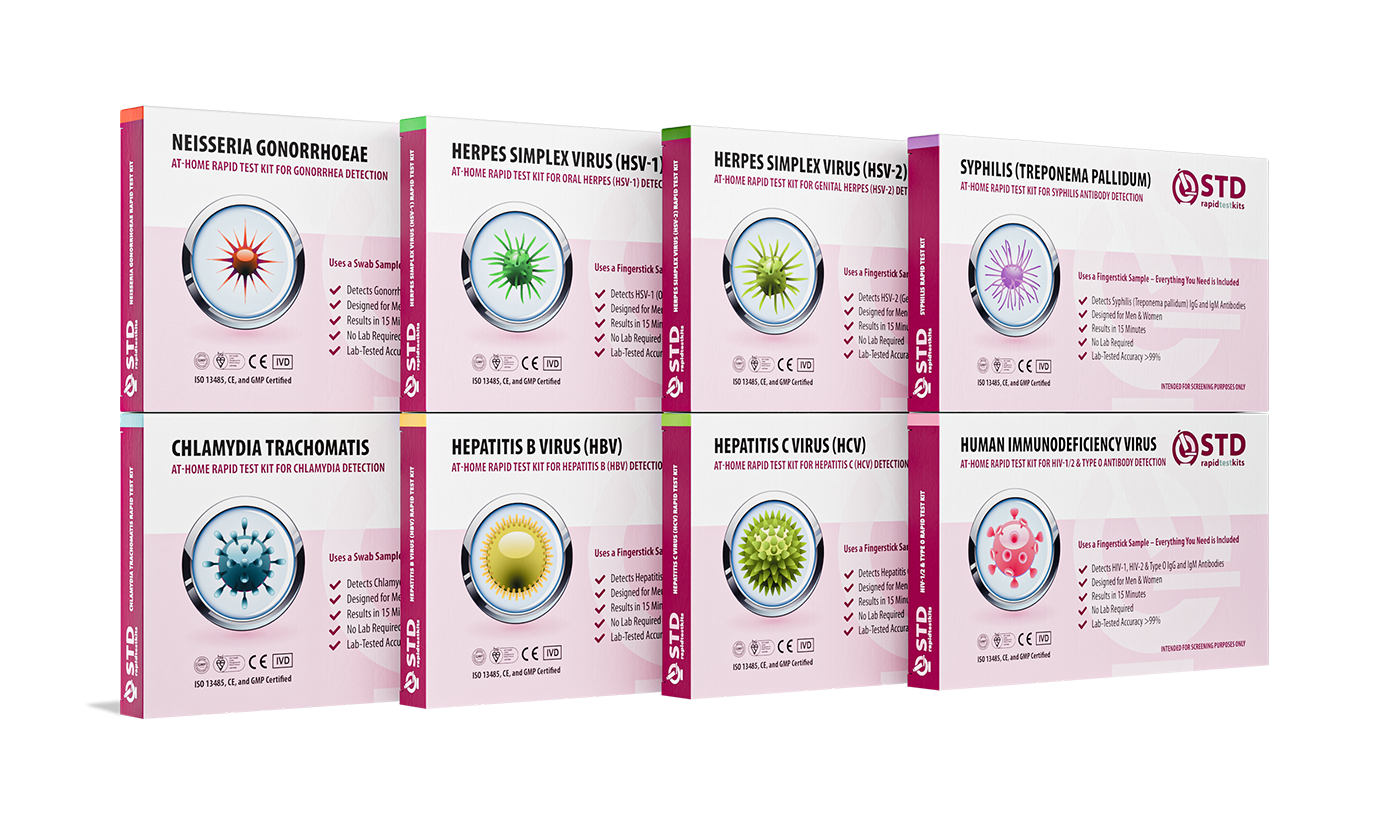 For Men & WomenResults in MinutesNo Lab NeededPrivate & Discreet
Order Now $149.00 $392.00
For all 8 tests
Real Life, Real Timing: A Short Timeline Example
Picture this. A condom breaks on Saturday night. By Monday morning, there’s a slight tenderness, but no real symptoms. Anxiety kicks in, and you consider testing immediately. A test that early might miss the infection. By the following week, a faint burning appears. On day ten, a NAAT test finally shows a positive result. Antibiotics start that afternoon. By day fourteen, the burning fades, along with the constant mental replay of every decision made that night.
That’s a realistic journey for many people. It isn’t reckless. It isn’t shameful. It’s human. And humans deserve accurate information, accessible testing, and treatment without judgment.
If you’re stuck in that waiting phase right now, consider giving yourself structure. Pick a test date. Mark it on the calendar. Make a plan for what you’ll do depending on the result. Action doesn’t erase worry, but it gives the worry a container instead of letting it run the whole show.
FAQs
1. Can chlamydia really not cause any symptoms at all?
Yup. And that’s exactly why it spreads so easily. Think of it like a quiet squatter, you don’t even know it’s there until someone tells you to check. You could feel totally fine, look totally fine, and still be positive. That’s why regular testing is crucial, especially between partners or after a slip.
2. Does chlamydia always burn when you pee?
Not always. That’s just one flavor of it. Some folks feel a light sting, others feel a deeper ache, and many feel nothing at all. We’ve heard people say it felt like “peeing over a paper cut”, but some people don’t get the burning at all, and instead notice discharge or pain during sex instead. Or nothing. That’s the trick0.
3. I had a UTI before. This feels the same. Could it still be chlamydia?
Absolutely. UTIs and chlamydia symptoms are almost twins. Especially for women, both can cause burning, urgency, and pelvic discomfort. The only real way to tell the difference is with a test. If you've treated a “UTI” more than once and it's not going away, ask for an STD screen. You're not overreacting, you're being smart.
4. Can men carry chlamydia and not know it?
100%. Many men don’t feel symptoms at all. And even if they do, it's easy to brush off as friction or dehydration. A little drip in the morning? “Eh, maybe it’s just sweat.” A dull ache in one testicle? “Probably a bike ride.” It’s easy to miss if you’re not looking, but that doesn’t mean it’s not contagious.
5. Will it go away if I just wait it out?
That’s a hard no. Chlamydia won’t just pack its bags and leave. Even if the symptoms chill out, the bacteria can still be in your system, doing slow damage. Waiting it out increases your risk for serious stuff like infertility or pelvic inflammatory disease. Get tested, get treated, move on.
6. Can I get it from oral sex?
You sure can. Chlamydia can infect the throat, especially if the partner is carrying it genitally or orally. The throat version usually has zero symptoms, but it can still pass to others. So yes, oral counts. Barrier protection matters, even for stuff we don’t always think about.
7. What if I took antibiotics for something else, would that cure it?
Maybe. But that’s a gamble. Not all antibiotics kill chlamydia, and the dose or duration might be off. Taking leftover meds or a random Z-pack won’t guarantee a cure and can even make future treatment trickier. Always treat it with the right medication, prescribed for this infection. No DIY scripts.
8. Should I tell my current or past partners?
If you tested positive, yeah, it’s the right move. And it doesn’t have to be dramatic. You can say, “Hey, I tested positive for chlamydia and you might want to get checked too.” Most people appreciate the heads-up, even if it’s awkward. If it doesn’t feel safe to tell someone directly, ask a clinic about anonymous partner notification systems. You’re not alone in this.
9. Will my sex life be over after this?
Not even close. Getting treated and testing regularly actually makes you a better, safer partner. You don’t need to carry shame into future relationships, just knowledge. Once you're cleared and your partner is too, you're good to go. Chlamydia is a detour, not a dead end.
10. Do I need to test again after treatment?
Most of the time, yes. Doctors usually recommend a retest around three months later to make sure you haven’t been reinfected. It's not about paranoia, it’s about confirming that you're clear and staying that way. Think of it like changing your smoke alarm battery: small action, big peace of mind.
You Deserve Answers, Not Guesswork
If you’ve read this far, chances are something doesn’t feel right. Maybe it’s a lingering burn. It could be a message from an ex. It could just be a quiet curiosity mixed with fear. No matter what brought you here, remember that being clear is better than avoiding. Testing doesn’t label you. It informs you.
If you’re ready to get clarity without waiting rooms or side-eye glances, consider using a discreet option like the at‑home combo kit. It’s fast, private, and designed to help you take control without the extra noise. You can explore options and choose what fits your situation here: Combo STD Home Test Kit.
How We Sourced This Article: We combined current guidance from leading medical organizations with peer‑reviewed research and lived‑experience reporting to make this guide practical, compassionate, and accurate.
Sources
2. Mayo Clinic explains what chlamydia feels like and why it matters
3. Planned Parenthood: Understanding Chlamydia
5. WHO: Sexually Transmitted Infections Fact Sheet
6. World Health Organization: Chlamydia Fact Sheet
7. Cleveland Clinic: Chlamydia – Causes, Symptoms, Treatment & Prevention
8. Reproductive Tract Complication Risks Following Chlamydia
About the Author
Dr. F. David, MD is a board‑certified infectious disease specialist dedicated to accessible, judgment‑free sexual health education. His work bridges clinical science with compassionate, real‑world guidance.
Reviewed by: Clinical Editorial Team | Last medically reviewed: December 2025
This article is for informational purposes and does not replace medical advice.


