





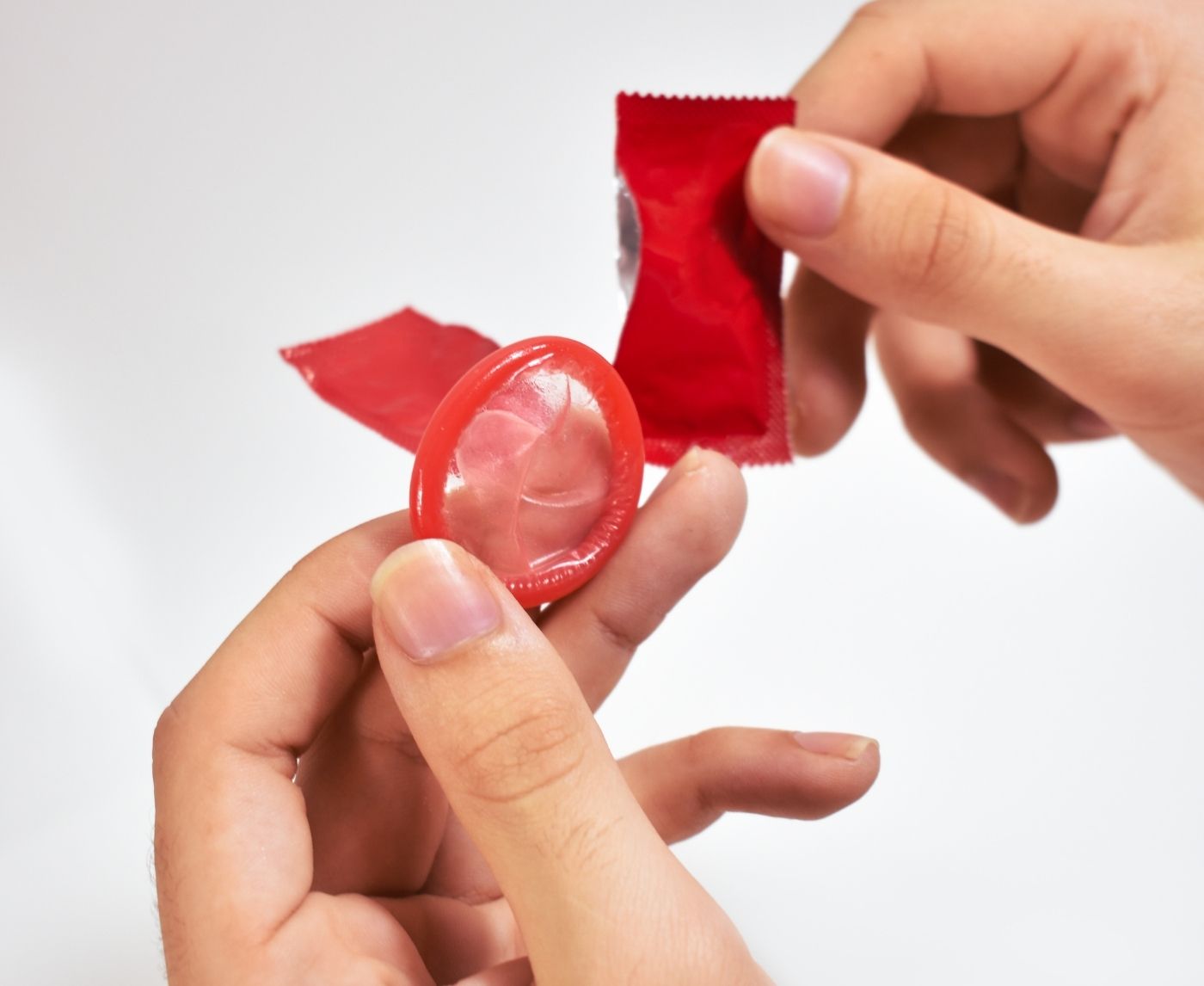

Quick Answer: Condoms reduce, but don’t eliminate, the risk of all STDs. Infections like herpes, HPV, and syphilis can spread through skin-to-skin contact outside the condom’s coverage. Testing is still recommended after new or high-risk encounters.
Why "Protected Sex" Isn’t a Guarantee
It’s tempting to believe that as long as you wrapped it up, you're safe. The condom stayed on. It didn’t break. There was no mess. But “protected” and “risk-free” are not synonyms. Condoms are excellent at preventing pregnancy and blocking infections spread through fluids like chlamydia, gonorrhea, and HIV. What they can’t do is create an invisible forcefield around your pelvis. Skin-to-skin STDs, which include herpes, syphilis, HPV, and even pubic lice, don’t need a broken condom to make their way into your body.
Think about how sex actually happens: mouths on necks, hands roaming, skin pressed against skin. It’s intimate, it’s messy, and unless you’re wearing latex head-to-toe (spoiler: you’re not), exposure is possible. Even if penetration is protected, areas around the base of the penis, vulva, or anus may come in contact. That’s all it takes for some infections.
According to the Centers for Disease Control and Prevention, consistent and correct condom use reduces, but doesn’t eliminate, risk for all STDs. The word “reduces” is doing a lot of work here. For some infections, the reduction is significant. For others, the risk only drops slightly, especially if outbreaks or lesions are present.
Let’s Break It Down: Which STDs Are Blocked (and Which Aren’t)
If you’ve ever Googled “can you still get an STD with a condom?” at 2 a.m., you’re far from alone. Here’s where we stop the guessing and give it to you straight. Some STDs are mostly spread through fluids, condoms work well here. Others can transmit via touch, less blockable.
| STD | Main Transmission | Does a Condom Prevent It? |
|---|---|---|
| Chlamydia | Vaginal, oral, anal fluids | Yes, highly effective |
| Gonorrhea | Fluids (oral, vaginal, anal) | Yes, if used correctly |
| HIV | Blood, semen, vaginal fluid | Very effective |
| Herpes (HSV-1/HSV-2) | Skin-to-skin, mucous membrane contact | Partially, depends on location |
| Syphilis | Skin, contact with sore/lesion | Partially, only if sore is covered |
| HPV (genital warts) | Skin-to-skin, genital contact | Partially, condom doesn’t cover all areas |
| Trichomoniasis | Vaginal and penile fluid | Yes, generally effective |
Figure 1. Condom effectiveness by STD type. Note how protection is strongest against fluid-based infections and weaker for skin-to-skin spreaders like herpes and HPV.
People are also reading: Dating With Herpes: Stories, Stats, and Zero Shame
“But It Didn’t Break…” , When Condoms Fail Without Failing
Here’s a hard truth: the condom doesn’t have to break for an STD to sneak through. A guy we’ll call Danny, 24, had a one-night stand with a friend from a music festival. He used a condom. It didn’t slip, and nothing tore. Three weeks later, he got a flu-like fever and a painful blister near his anus. The diagnosis? Herpes simplex virus. His partner hadn’t mentioned having cold sores. They’d done oral and protected vaginal. That was enough.
Condom failure isn’t always about tearing latex. It's about placement, timing, and what happens before or after penetration. If the condom goes on late (say, after oral or a few minutes of skin-to-skin grinding), transmission can happen. Same if it’s removed before withdrawal. Even touching yourself or your partner after contact can spread virus particles.
Pre-ejaculate can also carry STDs. A study in PubMed found that HIV and other pathogens may be present in pre-cum, even if ejaculation never occurs. Combine that with any skin contact, and you’ve got a cocktail of risk that condoms alone can’t erase.
Check Your STD Status in Minutes
Test at Home with Remedium6-in-1 STD Test Kit
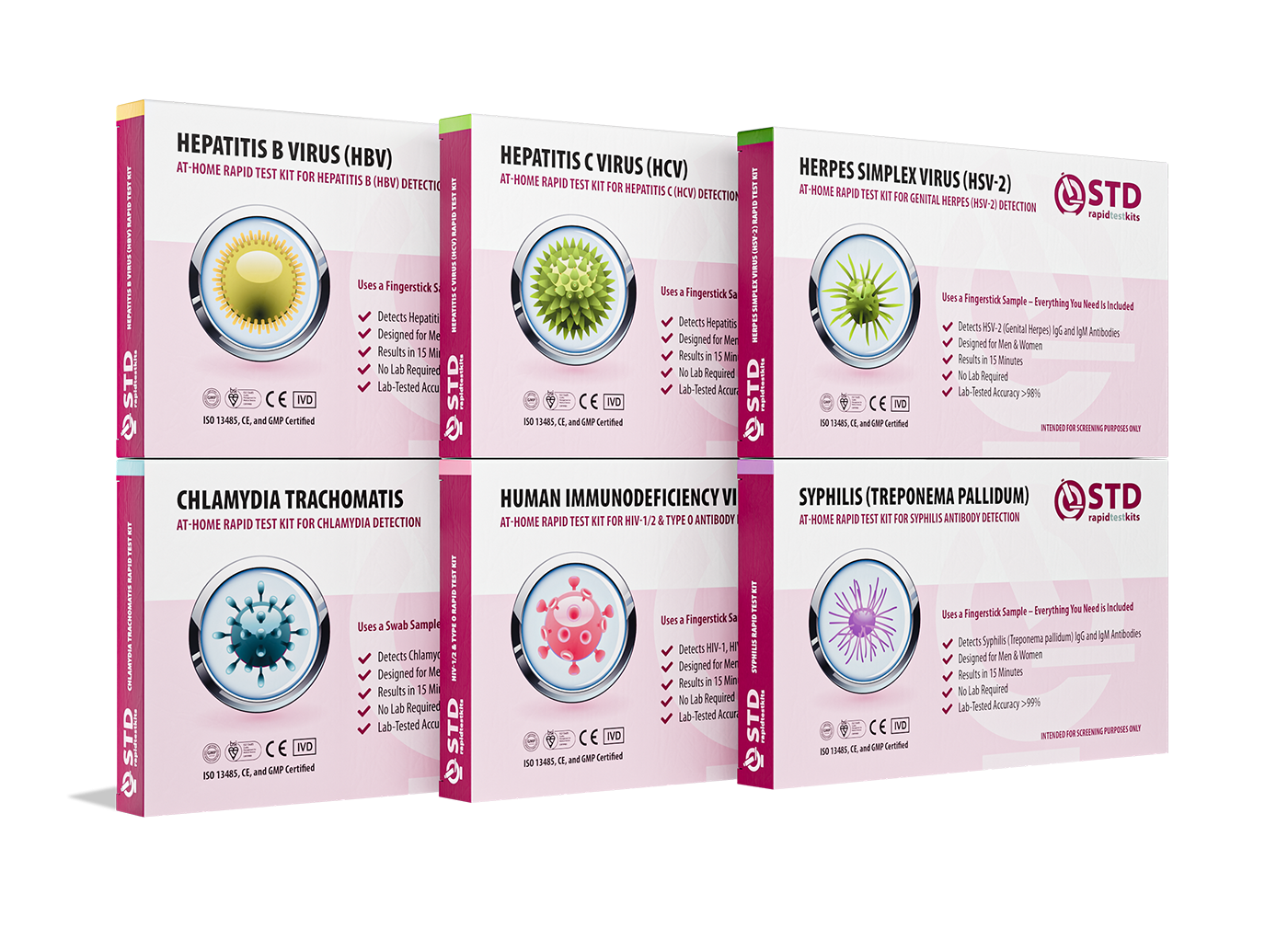
 For Men & Women
 Results in Minutes
 No Lab Needed
 Private & Discreet
Order Now $119.00 $294.00
For all 6 tests
Real People, Real Confusion: “How Did I Still Catch Something?”
Janelle, 29, was in a monogamous relationship. They used condoms at first, then stopped once they both tested negative. Months later, a pap smear came back abnormal. She had high-risk HPV. Her partner swore he’d never cheated. And maybe he hadn’t. HPV can linger quietly in the body for years, showing up long after it’s been passed along. Condoms reduce the chance of transmission, but don’t eliminate it, especially when genitals touch skin beyond the latex line.
These stories are more common than you think. People believe they were “safe” and still end up confused, scared, and sometimes angry. Not just because they caught something, but because no one ever told them condoms weren’t a 100% barrier. It’s not bad behavior that causes most STDs, it’s biology, mixed with misinformation and invisible timing.
And here’s the other reality: Many STDs have no immediate symptoms. You could feel perfectly fine for weeks, or forever, and still carry something you picked up from a partner who didn’t know they had it either. That's why testing matters, even after protected sex.
When Should You Test After Protected Sex?
If you’re reading this and wondering whether to get tested “just in case,” you’re already doing the smart thing. The timing, though, depends on the infection. Testing too early can give false negatives, results that say you’re fine when something is still incubating. But wait too long, and you may spread an infection unknowingly or miss treatment windows. Here’s what we mean by that.
| STD | Earliest Test Time | Ideal Testing Window | Retest Needed? |
|---|---|---|---|
| Chlamydia | 7 days after exposure | 14+ days for best accuracy | If symptoms or new exposure |
| Gonorrhea | 7 days | 14+ days | Yes, if ongoing risk |
| HIV | 10–14 days (NAAT) | 3–6 weeks (Ag/Ab) | At 3 months for confirmation |
| Herpes (HSV) | 4–6 weeks (blood test) | 12–16 weeks for IgG accuracy | Yes, if initial test is negative |
| Syphilis | 3–6 weeks | 6–12 weeks | If symptomatic or ongoing contact |
| HPV | Not typically testable post-exposure | Detected via pap or swab after 6+ months | As part of routine screening |
Figure 2. Recommended testing windows after protected sex. Waiting too little time can give false reassurance, especially for herpes and syphilis, which have longer detection delays.
Case Snapshot: “I Got Tested Too Early, Now What?”
Marco, 31, panicked three days after a hookup with a new partner. They used a condom. Everything seemed fine, until he woke up with a burning sensation while peeing. He ordered an at-home STD combo test and tested on day four. It came back negative. Still anxious, he repeated the test two weeks later. This time, it flagged chlamydia. He hadn’t imagined the symptoms, the first test was simply too soon.
This scenario plays out all the time. You get scared, want answers fast, and test early. But most tests rely on your body’s response, whether that’s immune system antibodies, viral load, or detectable bacteria. If your body hasn’t built enough of a signal, the test might miss it. That’s not a failure. It’s timing.
The best approach? Test once at the earliest reasonable window if you have symptoms. Then test again around 2–3 weeks later if symptoms persist or for peace of mind. If you’re symptom-free but still anxious, consider testing at 14–21 days post-exposure for most infections, and again at 12 weeks for HIV or herpes confirmation.
Whether it’s a bump or a question mark, you deserve to know. Our Combo Test Kit checks for multiple infections in one discreet package, so you’re not guessing in the dark.
Why Some Infections Don’t Show Symptoms at All
Here’s what’s truly unfair: the people who feel the worst often aren’t the ones who are infected. And the people walking around with chlamydia, HPV, or even HIV might feel totally normal for months, or years. Research published in JAMA found that asymptomatic transmission is one of the biggest drivers of STI spread, especially among people under 35.
You might not get a fever. Or a bump. Or any kind of itch. That doesn’t mean you’re clear. Some STDs only show up as subtle discharge changes, pelvic discomfort, or spotting. Others don’t show up at all, until a pap smear, infertility workup, or blood donation flags something unexpected. And let’s be real: that’s not how most people want to find out.
Testing is care. Testing is clarity. And yes, even if you used a condom, it’s still worth it, especially if it’s been a while, if you’re with a new partner, or if your gut says something’s off.
When Protection Backfires Emotionally
For a lot of people, using a condom isn’t just about safety, it’s about peace of mind. So when symptoms show up or a test turns positive anyway, it doesn’t just shake your health. It shakes your trust. In your partner. In your choices. In what you were taught.
Sabrina, 34, had a routine of getting tested every six months. She always used protection with new partners. When she tested positive for HSV-2 last year, her first reaction wasn’t pain, it was betrayal. “I did everything right,” she kept saying. It took months to realize that no one had done anything wrong. Her partner likely didn’t know. They hadn’t had symptoms. And condoms reduce, but don’t erase, herpes risk. That’s just the biology of skin contact.
These moments are where shame creeps in, not because of the infection, but because we link STDs with “failure.” The truth? Most STDs are passed by people with no visible signs, often during encounters that felt safe. You didn’t screw up. You’re not dirty. You’re human. And that’s exactly why more people need to know what condoms can, and can’t, do.
What Condoms Cover (and What They Don’t)
Let’s map this out, visually. Most people imagine condoms as a full-body shield. But depending on the style and how it's used, coverage varies a lot. Here’s how typical condom coverage compares to common infection zones:
| Area of Body | Covered by Condom? | Common STD Risks |
|---|---|---|
| Penile Shaft (mid to tip) | Yes | Blocked from fluid-based STDs like chlamydia, gonorrhea |
| Base of Penis / Pubic Area | Often exposed | Herpes, HPV, syphilis (skin contact) |
| Scrotum | Exposed | HPV, herpes (if lesions present) |
| Vulva / Labia Majora | Exposed (external) | HPV, herpes, syphilis |
| Oral Mucosa (mouth/lips) | Only with dental dam or condom during oral | HSV-1, gonorrhea, syphilis, HPV |
Figure 3. Condom coverage versus areas where diseases are commonly spread. Even with proper condom use, exposed areas are still at risk of getting STDs from contact.
The takeaway? Condoms do a great job at covering what they’re designed to. But most STDs don’t ask for your permission, they just need contact with mucous membranes or microscopic skin breaks. Unless the condom is used from start to finish (including foreplay), risk still lingers.
People are also reading: Fast, Discreet STD Testing Kits for Students, Couples, and More
Gender Differences in “Safe” Exposure
Not all bodies carry the same risk. Vaginas and anuses are more vulnerable to micro-tears during sex, which can increase the chance of STD transmission, even with protection. Additionally, chlamydia and gonorrhea are more difficult to detect without routine testing because women and those with vaginas are less likely to exhibit early, obvious symptoms.
Meanwhile, men who receive oral sex often think they’re safe if they wear a condom during penetration. But oral gonorrhea, HSV-1, and even syphilis can pass through kissing, licking, or shallow oral contact. A study from 2022 that was published in Sexually Transmitted Infections found that 67% of new gonorrhea cases in young adults were spread through oral sex, and many of them didn't show any symptoms.
Bottom line: “safe sex” is a spectrum, not a guarantee. And protection looks different depending on anatomy, acts, and partners. That’s why testing, not just condom use, should be the standard.
Check Your STD Status in Minutes
Test at Home with Remedium10-in-1 STD Test Kit
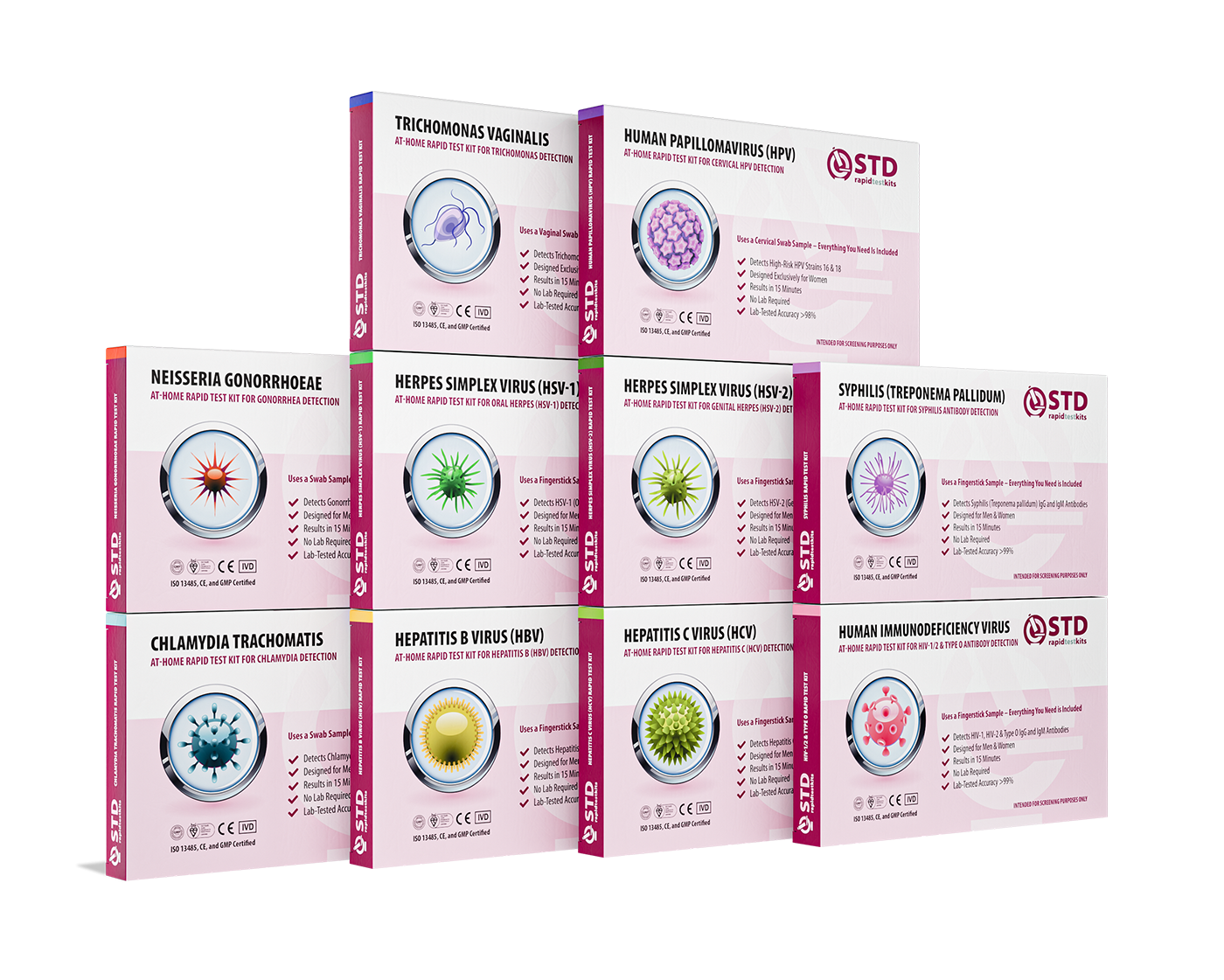
 For WomenResults in MinutesNo Lab NeededPrivate & Discreet
Order Now $189.00 $490.00
For all 10 tests
You Can’t Be Perfect, But You Can Be Prepared
This isn’t about scaring you into paranoia. It’s about upgrading your toolkit. Condoms are still one of the best defenses we have, and using them consistently does make a major difference. But they aren’t magic, and they don’t replace testing, communication, or self-awareness.
Knowing what symptoms to watch for, understanding incubation periods, and checking in with your body after sex should feel as normal as checking your phone after a date. It’s not drama. It’s just care.
If something feels off, burning, spotting, soreness, or even just a weird hunch, listen to it. And if everything feels fine but you haven’t tested in a while, make space for that too. At-home options let you screen discreetly, on your terms.
Your health isn’t about being perfect. It's about knowing what's going on, being honest with yourself, and taking action when it counts. Whether you're dating, healing, or exploring, one thing remains true: you deserve clarity, not confusion.
Take back control. STD Rapid Test Kits lets you test discreetly from home, no appointments, no judgment, just answers.
FAQs
1. Can you still get an STD even if the condom didn’t break?
Absolutely. It's great news that a condom doesn't break, but it's not indestructible. Skin-to-skin contact can spread STDs like herpes, HPV, and syphilis, especially in places where the condom doesn't cover. Think about the base of the penis, the outer vulva, and the mouth. So, yes, it is possible. Bothering? Yes. Can it be stopped? Most of the time. But not all the time.
2. What are the symptoms of an STD after protected sex?
Sometimes you’ll feel a full-blown fire alarm, burning, bumps, weird discharge. Other times? Total silence. No symptoms doesn’t mean no infection. That’s why people often find out way later during a routine check or pap smear. If something feels off, or even if it doesn’t, it’s smart to test.
3. How soon should I get tested after protected sex?
Depends on what you’re checking for. Some STDs like chlamydia and gonorrhea can show up in tests within a week. Others, like HIV or herpes, might take a few weeks (or even months) to pop up accurately. Best bet? Test around the 2-week mark, and again later if you’re still worried or if something changes.
4. Does oral sex with a condom protect you completely?
Not completely. Condoms and dental dams help, no doubt. But oral STDs still happen. You can get gonorrhea in the throat, HSV-1 from a kiss, and even syphilis if someone has a sore in their mouth. So yes, oral can be “safer”, but it’s not off the risk radar.
5. Why did I test positive if my partner tested negative?
Deep breath, this doesn’t automatically mean someone lied. They might’ve tested too early, or their test didn’t catch it. Some STDs hang out silently for weeks or months. Others don’t show up on every type of test. Biology is weird. That’s why confirmatory testing matters, especially if things don’t add up.
6. Is HPV always preventable with condoms?
Not even close. Condoms help, but HPV is sneaky, it lives on skin, not just fluids. So if you’ve got exposed genital skin-to-skin contact (which most people do during sex), there’s still a chance of transmission. The best back-up? The HPV vaccine. Seriously, get it if you’re eligible.
7. Can I get herpes from someone with no visible sores?
Yep. This is the frustrating part. Herpes doesn’t need visible blisters to spread, it can shed silently. That means your partner might not have any signs at all and still pass it on. It’s not about recklessness, it’s biology doing its sneaky thing again.
8. Do I need to tell my partner I tested positive even if we used a condom?
If you shared fluids or skin contact, even with protection, it’s worth a heads-up. Condoms lower risk, not responsibility. Telling your partner helps them decide what to do next, and it shows respect. You don’t need a speech, just honesty.
9. What’s the best at-home test if I had protected sex with someone new?
If you’re testing post-hookup and want the full picture, grab a multi-infection panel. Something like the Combo STD Home Test Kit screens for the big names: chlamydia, gonorrhea, syphilis, HIV, all in one. It’s fast, discreet, and doesn’t involve awkward clinic waits.
10. Can kissing spread STDs even if you use protection during sex?
Kissing doesn’t care about condoms. Oral herpes (HSV-1), mono, and sometimes even syphilis can spread just from mouth-to-mouth contact. So yes, you can “hook up” without having sex and still walk away with something. It’s annoying. It’s also very, very common.
You Deserve Answers, Not Assumptions
If you’ve ever walked away from a night thinking “I was safe,” only to be thrown into doubt weeks later, know this: you’re not alone, and you didn’t do anything wrong. Protection is smart, but it’s not infallible. The human body, and the viruses and bacteria that move between us, don’t follow rules. They follow biology.
Don’t wait and wonder, get the clarity you deserve. This at-home combo test kit checks for the most common STDs discreetly and quickly.
How We Sourced This Article: We used the most up-to-date advice from top medical groups, peer-reviewed research, and reports from people who have lived through the problems to make this guide helpful, kind, and correct.
Sources
1. CDC - Condom Use: An Overview
3. About Genital HPV Infection – CDC
5. 5 STIs and STDs That Condoms Don’t Always Prevent – Verywell Health
6. Do Condoms Prevent STDs? – Medical News Today
7. Condom Use and the Risk of Genital Human Papillomavirus – New England Journal of Medicine
About the Author
Dr. F. David, MD is a board-certified infectious disease specialist focused on STI prevention, diagnosis, and treatment. He blends clinical precision with a no-nonsense, sex-positive approach and is committed to expanding access for readers in both urban and off-grid settings.
Reviewed by: Dr. Lena Torres, MPH | Last medically reviewed: November 2025
This article is for informational purposes and does not replace medical advice.


