





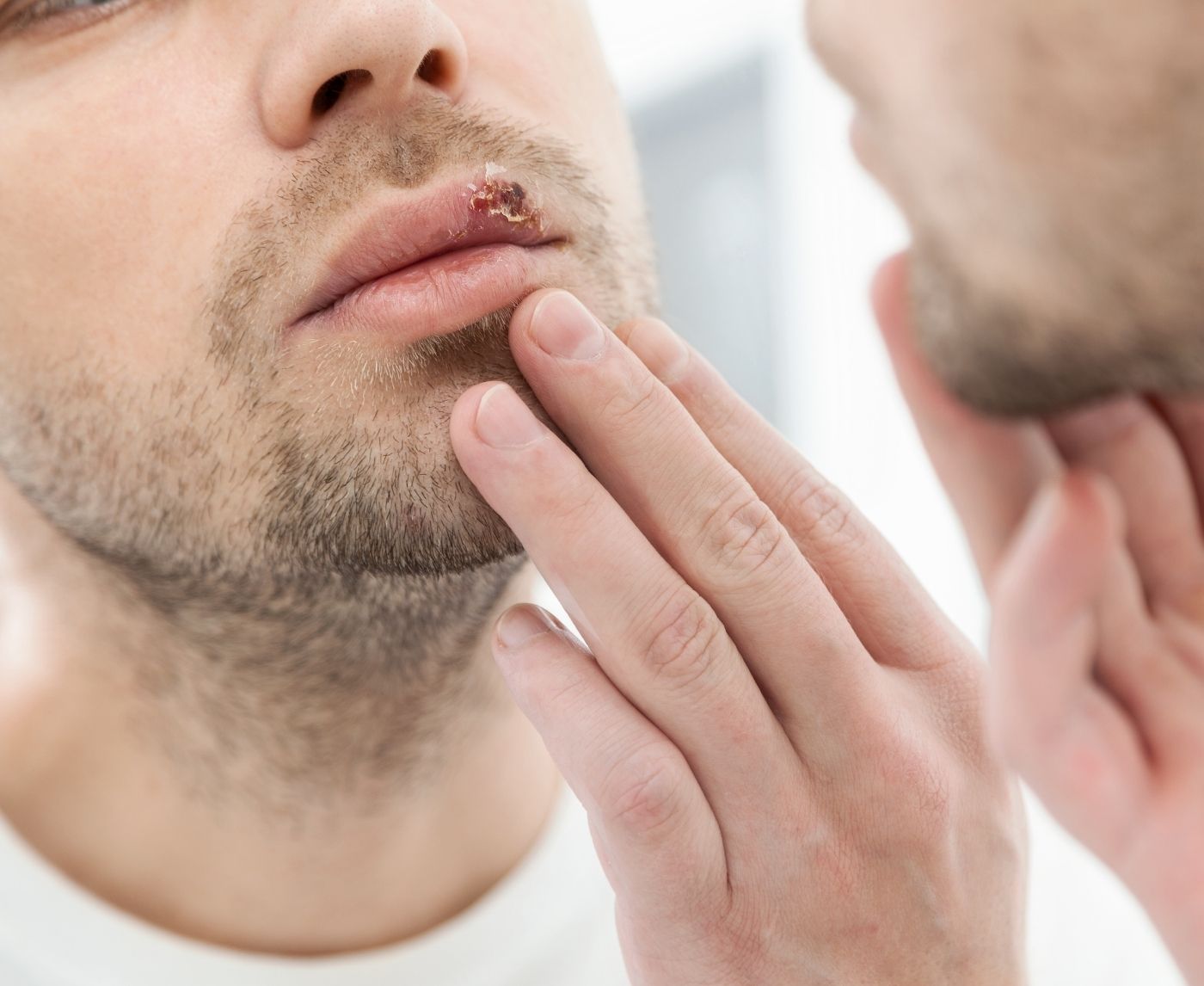

Quick Answer: Herpes symptoms typically appear 2 to 12 days after exposure, though some people notice early warning signs within a few days. Many people never show any signs of the disease, which is why testing is often the only way to be sure.
The Quiet Phase: What Happens Right After Exposure
Herpes transmission usually happens through direct skin-to-skin contact. This can occur during vaginal sex, oral sex, anal sex, or even close skin contact with an active sore. The viruses responsible, HSV-1 and HSV-2, enter through tiny breaks in the skin or mucous membranes.
But the virus doesn’t create symptoms immediately. Instead, it travels along nearby nerve pathways toward nerve clusters where herpes establishes its long-term residence. This process is why herpes has an incubation period at all.
Most people feel completely normal during these early days. There are no visible sores and no clear signs that anything happened. But the virus is already quietly copying itself below the surface.
Research from the Centers for Disease Control and Prevention shows that the typical incubation period for herpes ranges between 2 and 12 days. In rare cases symptoms can take longer to appear, but most first outbreaks fall somewhere inside this window.
One reason herpes spreads so easily is that people often assume they would notice immediately if something were wrong. In reality, the early phase is almost always silent.
A Simple Timeline of the First Herpes Outbreak
While everyone’s experience is slightly different, doctors have observed a fairly consistent pattern in how first outbreaks develop. The timeline below shows how symptoms typically progress after exposure.
| Time After Exposure | What May Happen |
|---|---|
| Day 1–2 | In nerve endings and skin cells, the virus starts to make copies of itself. Most people feel fine. |
| Day 2–5 | Some people notice tingling, itching, or mild irritation in the affected area. |
| Day 4–10 | Some people feel a tingling, itching, or mild irritation in the area that is affected. |
| Day 10–20 | As the immune system takes over, sores start to scab or heal. |
This progression explains why someone might have a sexual encounter and then feel fine for several days before symptoms appear. The delay is normal and expected.
It's also important to know that the first outbreak is usually the most obvious one. Later outbreaks tend to be shorter and milder because the immune system has already encountered the virus.
If someone develops sores within a day or two of a sexual encounter, the infection often came from an earlier exposure rather than the most recent partner. The timeline simply doesn’t allow herpes to appear instantly.

People are also reading: Red Eyes and a Sore Throat? It Could Be Chlamydia
Early Warning Signs Most People Miss
Before visible sores appear, many people experience something called the prodrome stage. Think of it as the nervous system sending quiet warning signals before the outbreak becomes visible.
These sensations can be subtle enough that people ignore them the first time they happen. Someone might think they’re dealing with irritation from shaving, friction from sex, or even a mild yeast infection.
Common early herpes symptoms include:
- Tingling or pins-and-needles sensation in the genital or oral area
- Burning or itching on a small patch of skin
- Sensitivity when touching the area
- Mild nerve pain in the buttocks, thighs, or pelvis
These signals can appear anywhere from a few hours to a couple days before sores develop. The body is responding to viral activity in the nerve endings just beneath the skin.
Not everyone experiences a noticeable prodrome phase, especially during the first outbreak. But when it does happen, it’s often the first clue that something viral is unfolding.
Many people later realize these sensations were the beginning of herpes only after sores appear. At the time, the symptoms are vague enough that they rarely trigger alarm.
When Symptoms Never Show Up (Yes, That Happens a Lot)
One of the most surprising things about herpes is how often people never notice symptoms at all. Many assume herpes always causes obvious sores or painful outbreaks, but that simply isn’t true. In fact, a large percentage of people with herpes have either extremely mild symptoms or none that they recognize.
Doctors call this an asymptomatic infection. The virus is still present in the body and can still occasionally shed from the skin, but the person never experiences the classic blistering outbreak they may have seen in photos online.
This explains why someone might test positive for herpes even though they have never had a visible outbreak. It also explains why herpes spreads so widely without people realizing it. A partner may have the virus and genuinely believe they are negative because they have never noticed symptoms.
According to research summarized by the World Health Organization, billions of people worldwide carry herpes simplex viruses. Most of them live their entire lives without recognizing classic outbreaks.
Even when symptoms do occur, they can be subtle enough to mistake for something else entirely. A tiny cut, an ingrown hair, a patch of irritated skin, or a small pimple-like bump can easily be misinterpreted.
This is why symptom timelines are helpful, but they are not the full story. The absence of symptoms does not automatically mean someone was never exposed.
Check Your STD Status in Minutes
Test at Home with Remedium6-in-1 STD Test Kit
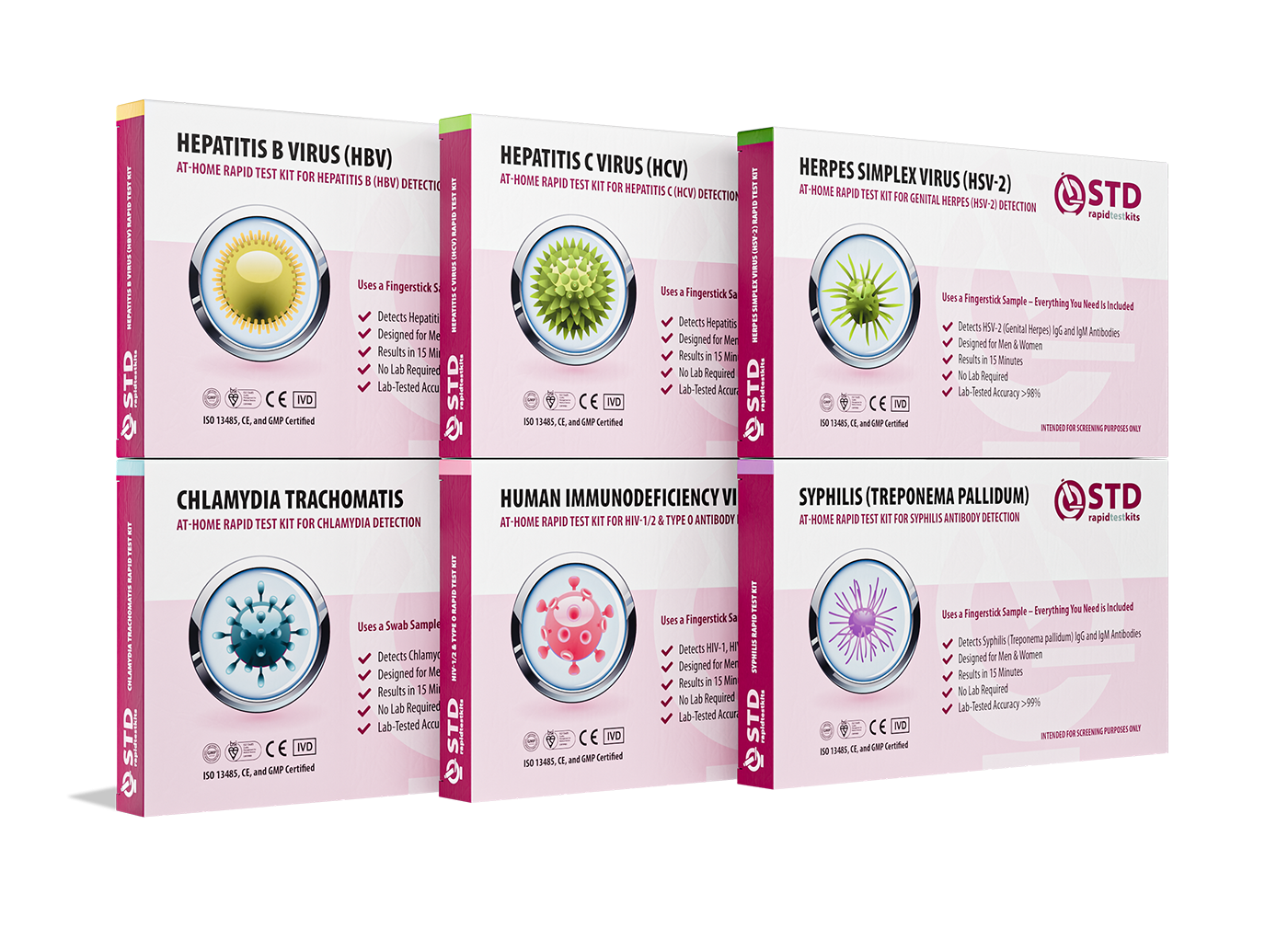
 For Men & Women
 Results in Minutes
 No Lab Needed
 Private & Discreet
Order Now $119.00 $294.00
For all 6 tests
What the First Herpes Outbreak Actually Feels Like
When people do develop a noticeable first outbreak, the experience is often different from what they expected. Online images tend to show severe cases, but real-life outbreaks vary widely.
For some people the first outbreak feels like a mild skin irritation. For others it can resemble a flu combined with a rash. The immune system is encountering the virus for the first time, and that reaction can produce symptoms that go beyond the skin.
Common symptoms reported during the first outbreak include localized discomfort along with general body symptoms.
| Symptom | How It Often Feels |
|---|---|
| Small blisters or sores | Fluid-filled bumps that may break open and form shallow ulcers |
| Tingling or itching | Often appears before sores form and signals viral activity in nerves |
| Painful skin sensitivity | Touching the area may feel raw or irritated |
| Flu-like symptoms | Fatigue, mild fever, body aches, or swollen lymph nodes |
| Burning during urination | Sometimes occurs when sores are present near the genitals |
These symptoms usually last longer during the first outbreak than during later recurrences. While future outbreaks may heal within a week, the first episode can sometimes last two weeks or more.
That said, not every first outbreak is dramatic. Some people develop only one or two small sores that heal quickly and never return. Others experience more noticeable clusters of blisters.
A person named Jordan once described their first outbreak this way:
“I thought it was just irritation from sex. Then I noticed a couple tiny blisters. I almost ignored them because they didn’t look like the scary photos online.”
Stories like this are incredibly common. Real outbreaks often look much less dramatic than the images people see when they panic-search symptoms online.
Why Timing Matters for Herpes Testing
One of the most frustrating parts of herpes anxiety is the testing timeline. Many people want immediate answers after a possible exposure, but herpes tests depend heavily on timing.
Different types of tests detect different things. Some tests look for the virus itself, while others look for antibodies produced by the immune system. Each method has its own window period.
| Test Type | What It Detects | When It Works Best |
|---|---|---|
| Swab test (PCR) | Detects the virus directly from a sore | Best when an active blister or lesion is present |
| Blood antibody test | Detects immune response to HSV | Usually accurate 4–12 weeks after exposure |
| At-home blood test | Same antibody detection method | Useful after the antibody window period |
This delay is why doctors sometimes recommend waiting several weeks before relying on blood tests. The immune system needs time to produce detectable antibodies.
If someone has visible sores, however, testing can happen much sooner. A clinician can swab the lesion and test for the virus directly.
For people who prefer privacy, many choose an at-home testing option. Discreet kits like those available through STD Rapid Test Kits allow individuals to check for several infections without visiting a clinic.
Waiting during the testing window can feel incredibly stressful, but understanding the timeline helps prevent false reassurance from testing too early.
The next question people usually ask is whether herpes can appear faster than expected, sometimes even the next day. In the next section, we’ll tackle that myth and explain why extremely fast symptom onset almost always points to an earlier exposure.
People are also reading: No Symptoms, Still Infected: How Chlamydia Hides in Plain Sight
Can Herpes Symptoms Appear the Next Day?
This is one of the most common panic searches after a sexual encounter. Someone wakes up the next morning feeling irritation and immediately wonders if herpes appeared overnight.
In almost every case, the answer is no. The herpes virus needs time to replicate inside skin cells and travel through nearby nerve pathways before symptoms appear. That biological process simply doesn’t happen in a few hours.
Most medical sources place the herpes incubation period between 2 and 12 days. Some outbreaks begin around day four or five, while others take closer to a week or slightly longer. But symptoms appearing the very next day are extremely unlikely to come from that specific encounter.
If irritation or bumps appear within 24 hours of sex, there are usually other explanations. Skin can react quickly to friction, shaving, latex, new lubricants, or even aggressive sexual activity.
Common causes of next-day irritation include:
- Friction irritation from prolonged sex
- Razor burn or ingrown hairs after shaving
- Contact dermatitis from condoms or lubricants
- Yeast infections or bacterial irritation
That doesn’t mean herpes is impossible, it just means the timing rarely lines up with a same-day exposure. If symptoms truly develop overnight, the infection almost always came from an earlier encounter.
Understanding this timeline can relieve a lot of unnecessary panic. Many people assume their most recent partner must be responsible when symptoms appear, but the virus may have been acquired weeks, months, or even years earlier.
What Happens Inside the Body During the First Outbreak
It helps to know what the virus is doing inside the body to understand the timeline of herpes symptoms.
As soon as herpes gets into the skin, it starts to make copies of itself in nearby cells. After that, it travels along nerve pathways to clusters of nerve cells known as ganglia. Herpes stays here for a long time.
The immune system starts to work when the virus gets to the nerve cluster. The immune response is what causes the symptoms that people notice during the first outbreak.
The process generally unfolds in several stages:
| Stage | What Happens |
|---|---|
| Viral entry | The virus enters through microscopic breaks in skin or mucous membranes. |
| Replication phase | HSV multiplies inside skin cells near the exposure site. |
| Nerve migration | The virus travels along sensory nerves toward nearby nerve clusters. |
| Immune response | The body begins reacting, producing inflammation and symptoms. |
| Visible outbreak | Blisters or sores appear on the skin surface. |
After the immune system suppresses the initial outbreak, the virus remains dormant inside the nerve cells. It can reactivate later, causing future outbreaks, but these are usually milder and shorter.
A lot of people never have frequent recurrences. Some people only have one outbreak that is easy to see in their whole life.
Why the First Outbreak Can Feel So Intense
The first time the body encounters herpes, the immune system has never seen the virus before. Because of that, the response can be stronger than during later outbreaks.
During the first episode, some people experience symptoms that go beyond the skin. Fever, fatigue, and swollen lymph nodes are common signs that the immune system is actively fighting the infection.
People are often surprised by these symptoms because herpes is usually only talked about as a skin disease. In fact, the first outbreak can act more like a virus that affects the whole body.
When the immune system learns to recognize the virus, future outbreaks are usually shorter and less severe. Some people only feel a little tingling or get a small group of sores that go away in a few days.
Others may go years without another outbreak. Herpes behaves very differently from person to person.
Check Your STD Status in Minutes
Test at Home with Remedium8-in-1 STD Test Kit
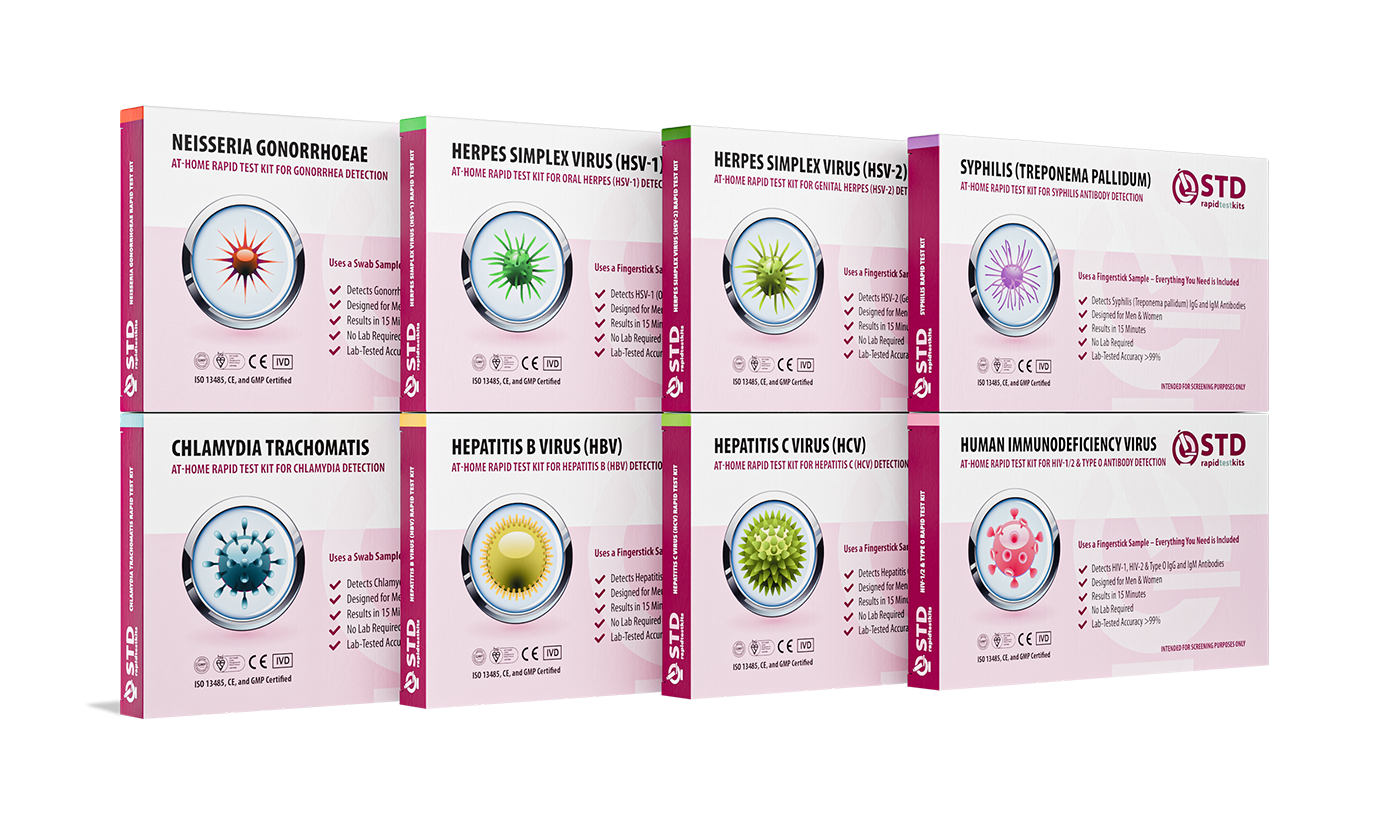 For Men & WomenResults in MinutesNo Lab NeededPrivate & Discreet
Order Now $149.00 $392.00
For all 8 tests
So What Should You Do After Possible Herpes Exposure?
If you think you may have been exposed to herpes, the most important thing to remember is that time matters. Symptoms don’t appear instantly, and testing too early can lead to confusing results. The key is to watch the timeline rather than panic during the first few days.
The first thing to look for is the pattern of symptoms we discussed earlier. Tingling, itching, or localized irritation that appears several days after exposure can sometimes signal the beginning of an outbreak. If blisters or sores appear, that’s the moment when testing can be most accurate.
A clinician can swab an active sore and test directly for the herpes virus. According to the CDC herpes fact sheet, swab testing during an active outbreak is one of the most reliable diagnostic methods.
If there are no visible sores, blood tests can help detect antibodies produced by the immune system. But it takes time for those antibodies to grow. A blood test won't give you a reliable result for most people for a few weeks.
At-home testing is another option for people who want privacy or convenience. Services like STD Rapid Test Kits let you get tested for common sexually transmitted infections without having to go to a clinic. A lot of people think this option is less stressful while they wait for answers.
If symptoms appear, avoid sexual contact until sores heal and testing is completed. Herpes spreads most easily when active lesions are present.
The biggest takeaway is simple: herpes doesn’t reveal itself instantly. Understanding the incubation timeline helps people respond calmly instead of assuming the worst after every sensation or skin change.
FAQs
1. How soon after exposure do herpes symptoms usually start?
Most people who develop symptoms notice them somewhere between 2 and 12 days after exposure. It rarely happens overnight, and it rarely waits months either. Think of it like your immune system slowly realizing something new has shown up and deciding how loudly to react.
2. Can herpes show up the very next day?
Almost never. The virus needs time to replicate and travel through nearby nerve pathways before it can cause visible sores. If you wake up the next morning with irritation, it’s far more likely to be friction, shaving irritation, or skin sensitivity from sex rather than herpes suddenly appearing overnight.
3. What do the very first herpes symptoms actually feel like?
Many people describe the first sign as a strange tingling or “pins and needles” feeling in one small spot. Others notice itching, burning, or skin that suddenly feels overly sensitive to touch. It’s subtle enough that plenty of people ignore it at first and only connect the dots later when a blister appears.
4. Do herpes sores always look like the scary pictures online?
Not even close. A lot of real outbreaks look surprisingly mild. They might only have a few small blisters or a shallow sore that could easily be mistaken for an ingrown hair or irritated skin. Most of the time, the dramatic pictures online show the worst-case scenarios, not the average experience.
5. Can you have herpes and never notice symptoms?
Yes, and it happens all the time. Many people carry HSV-1 or HSV-2 for years without realizing it because their symptoms are extremely mild or completely absent. That’s one reason herpes is so common, people can transmit it without knowing they have it.
6. How long does the first herpes outbreak usually last?
The first outbreak usually lasts the longest, from the first blister to full healing, which can take anywhere from 10 to 20 days. Later outbreaks are usually shorter and less severe because the immune system has already learned how to deal with them.
7. When is the best time to test for herpes after exposure?
If you get a sore, the best way to find out if you have herpes is to swab it right away. Blood tests usually become reliable 4 to 12 weeks after exposure, when the body makes antibodies that can be found.
8. Could a recent partner really be the source if symptoms appear days later?
Sometimes, yes, but not always. Because herpes can stay quiet in the body for long periods, an outbreak after a recent encounter doesn’t automatically mean that partner was the source. The virus may have been acquired earlier and simply decided to make its debut now.
9. What should I actually do if I think I might have herpes?
First, try not to panic. Watch the timeline over the next several days, avoid sexual contact if sores appear, and consider testing if symptoms develop. Getting clear information, and a test if needed, is far more helpful than trying to diagnose yourself from Google images.
10. Is herpes something people can still have normal relationships with?
Absolutely. Millions of people with herpes have healthy sex lives, long-term partners, and families. With honest communication, safer-sex practices, and good information, herpes becomes something to manage, not something that defines your life.
You Deserve Clarity, Not Guesswork
Herpes anxiety rarely starts with a diagnosis. It starts with uncertainty. A strange sensation. A recent encounter. A Google search that leads to the worst images on the internet. The goal isn’t to panic over every itch or bump. The goal is to understand the timeline and separate signal from noise.
If symptoms appear within the typical 2–12 day window, pay attention and consider testing while sores are present. If nothing shows up, give your body time before relying on blood tests. Each step replaces speculation with information. And information is what restores control.
Don’t wait and wonder. If exposure is even a possibility, start with a discreet screen like the Combo STD Home Test Kit. Your results stay private. Your health decisions stay yours. And clarity almost always feels better than guessing.
How We Sourced This Article: This guide combines current clinical guidance on herpes simplex virus with peer-reviewed infectious disease research and real-world patient symptom patterns. We reviewed epidemiology data, HSV incubation studies, and sexual health clinical resources to explain the herpes timeline in practical terms. Authoritative medical organizations and research publications were used to support the medical details presented here.
Sources
1. Centers for Disease Control and Prevention – Genital Herpes Fact Sheet
2. World Health Organization – Herpes Simplex Virus
3. Mayo Clinic – Genital Herpes Overview
4. Planned Parenthood – Herpes Information
6. Johns Hopkins Medicine – Genital Herpes
7. Cleveland Clinic – Genital Herpes: Causes, Symptoms, Treatment & Prevention
8. MedlinePlus – Herpes (HSV) Test
About the Author
Dr. F. David, MD is a board-certified infectious disease specialist focused on sexually transmitted infections, prevention, and patient education. His work blends clinical accuracy with a direct, stigma-free approach that helps people understand sexual health without fear or judgment.
Reviewed by: Michael R. Levin, MD, Infectious Disease | Last medically reviewed: March 2026
This article is for informational purposes and does not replace professional medical advice, diagnosis, or treatment.


