





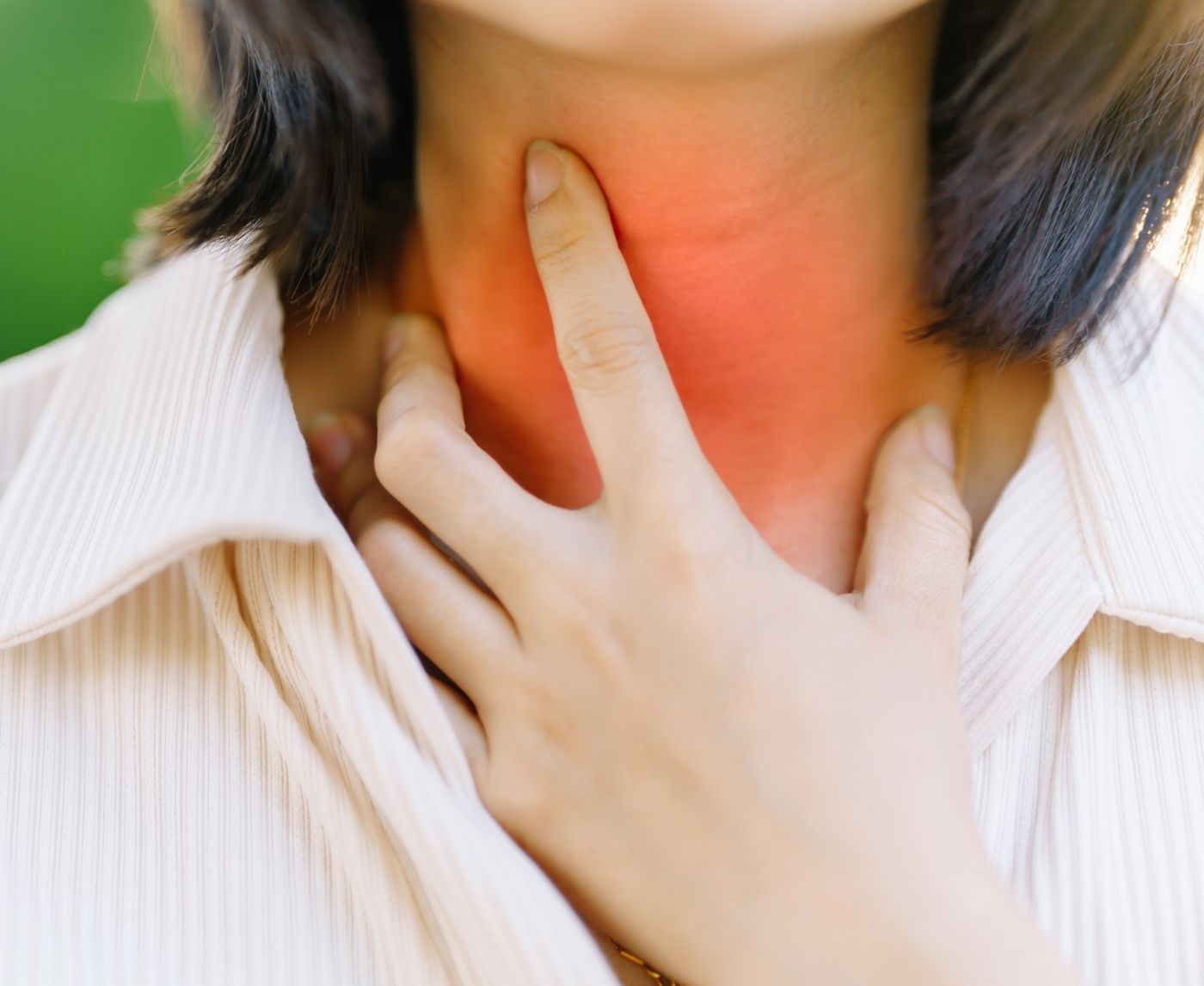

Quick Answer: A sore throat after oral sex can sometimes be caused by an oral STD such as gonorrhea, chlamydia, or herpes. Many throat infections cause mild symptoms, or none at all, so testing with a throat swab is the only reliable way to know.
Why the Throat Is a Quiet Home for Some STDs
The throat isn’t the first place people imagine when they think about sexually transmitted infections. Most people picture genital symptoms, burning urination, unusual discharge, or visible sores. But certain bacteria and viruses can infect the lining of the throat after oral sex.
Doctors sometimes refer to these infections as pharyngeal STDs. The organisms attach to the tissue in the back of the throat, tonsils, or soft palate. From there, they can reproduce quietly without causing the kind of obvious irritation people expect from an infection.
This is why people often don't notice oral STDs. Someone might feel perfectly fine while carrying bacteria in their throat, unknowingly passing the infection during future sexual contact.
The infection that appears most frequently in the throat is gonorrhea, though chlamydia, herpes, and even syphilis can sometimes appear there as well.
What an STD in the Throat Actually Feels Like
People often expect a severe or unusual sensation when they imagine STD symptoms in the throat. In reality, the experience tends to fall somewhere between “barely noticeable” and “similar to a mild cold.”
For some people, the only sign is a persistent sore throat that lasts longer than expected. Some people may see small changes, like tonsils that are a little swollen, a mild burning feeling, or pain when they swallow.
Because these symptoms overlap with common illnesses like viral infections or allergies, the connection to oral sex can easily be overlooked.
| Symptom | What it can feel like | How common |
|---|---|---|
| Persistent sore throat | Dry, scratchy, irritated feeling that doesn't improve | Common |
| Swollen tonsils | Tight or enlarged feeling when swallowing | Occasional |
| White patches or spots | Visible coating on tonsils or throat tissue | Less common |
| Burning sensation | Irritation especially when swallowing food or liquids | Occasional |
| No symptoms at all | The throat feels completely normal | Very common |
The last line in that table surprises many people. A significant number of oral STD infections cause absolutely no symptoms. Someone might only discover the infection during routine screening or after a partner tests positive.
People are also reading: It Wasn’t a Sinus Infection, It Was Syphilis in My Nose
The STD Most Likely to Cause a Sore Throat
If a throat infection does develop after oral sex, the most likely culprit is gonorrhea. This bacterial infection is extremely good at colonizing the throat, particularly the tonsils and surrounding tissues.
Doctors sometimes call this oral gonorrhea or pharyngeal gonorrhea. Unlike genital infections, which often cause obvious symptoms, throat infections from gonorrhea are frequently silent.
When symptoms do appear, they tend to resemble an ordinary sore throat. Some people describe a mild irritation that lasts several days. Others notice swollen tonsils or small white spots that look similar to strep throat.
Occasionally people report a slightly metallic taste in the mouth or mild swelling of lymph nodes in the neck. These signs can still be subtle enough that the infection goes unnoticed.
The tricky part is that a typical STD urine test will not detect gonorrhea in the throat. A specific throat swab test is required to identify it.
Other Infections That Can Affect the Throat
While gonorrhea is the most common throat STD, it isn’t the only one that can appear after oral sex. Several other infections are capable of living in the mouth or throat.
| STD | Typical throat symptoms | Notes |
|---|---|---|
| Gonorrhea | Mild sore throat, swollen tonsils, sometimes none | Most common oral STD |
| Chlamydia | Often no symptoms, occasionally mild irritation | Less common in throat |
| Herpes (HSV-1 or HSV-2) | Painful sores, ulcers, or blisters | Symptoms usually noticeable |
| Syphilis | Painless ulcer or lesion | Rare but possible |
Each of these infections behaves slightly differently. Some cause irritation or visible sores, while others remain completely silent. This variety is one reason people struggle to identify what’s happening based on symptoms alone.
In many cases, the safest approach is simple: if throat symptoms appear after oral sex and don’t improve within a few days, testing can provide clarity.
When a Sore Throat After Oral Sex Is Probably Not an STD
Not every sore throat after oral sex is caused by a sexually transmitted infection. In fact, most of the time the explanation is something far less dramatic. The throat is sensitive tissue, and oral sex can sometimes make it feel bad even if there is no infection.
Friction, dehydration, alcohol consumption, and even minor allergic reactions can leave the throat feeling scratchy the next day. People sometimes forget that the same tissues involved in kissing, oral sex, or deep breathing during sex are the same tissues that react strongly to dryness and minor inflammation.
This overlap is what makes internet searches so confusing. Someone types “burning throat after oral sex” and immediately sees STD warnings, even though many ordinary explanations are possible.
Here are a few common non-STD causes doctors see in clinic settings.
| Possible cause | What it feels like | How long it lasts |
|---|---|---|
| Friction irritation | Scratchy or dry throat the next day | 1–2 days |
| Dehydration or alcohol | Dry, irritated feeling especially in the morning | Usually improves quickly |
| Seasonal virus | Cold symptoms appear alongside sore throat | Several days |
| Allergic reaction | Itchy throat or mild swelling | Short-term |
The challenge is that none of these feel dramatically different from a mild STD infection. A sore throat is simply a sore throat. Without testing, it can be hard to know the cause with certainty.
Check Your STD Status in Minutes
Test at Home with Remedium7-in-1 STD Test Kit
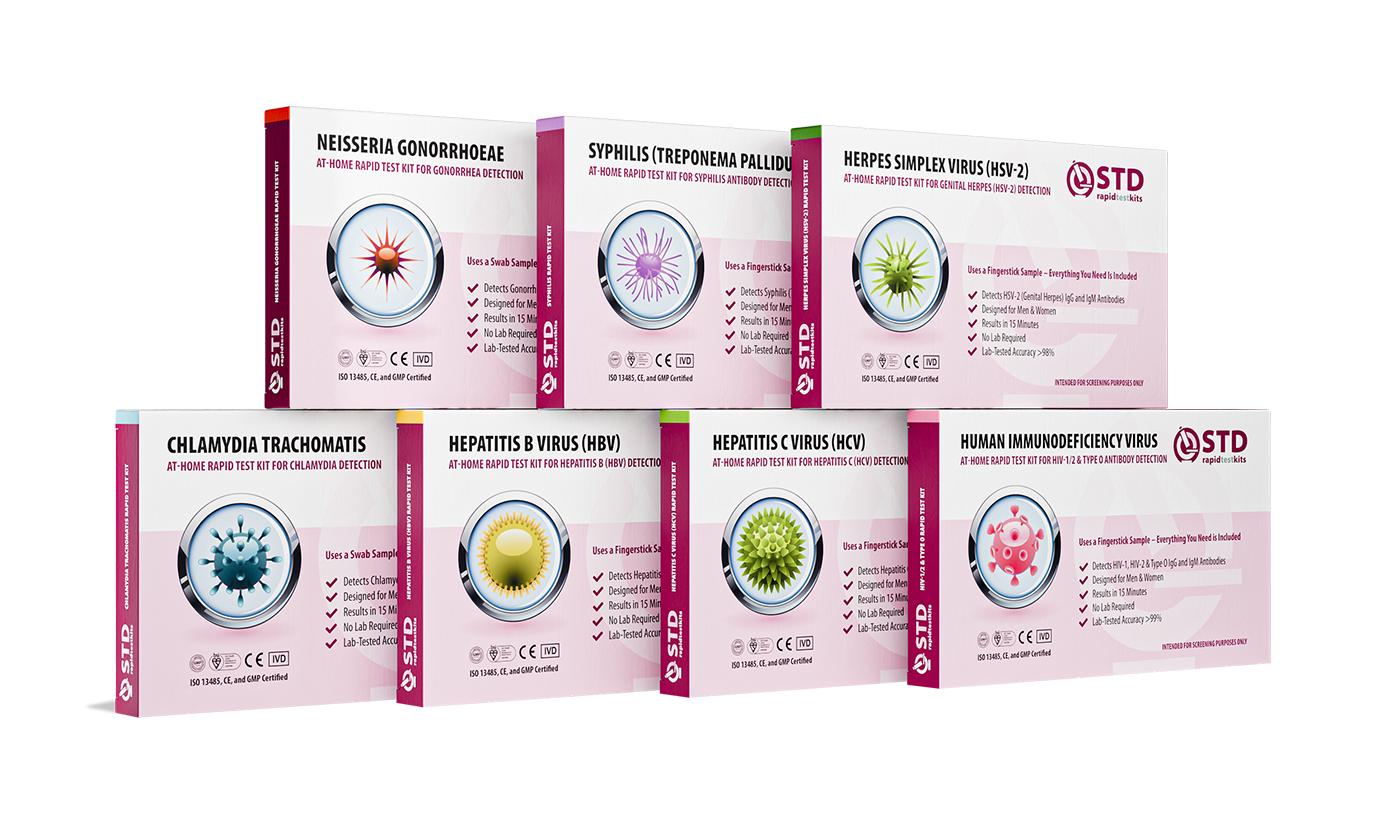
 For Men & Women
 Results in Minutes
 No Lab Needed
 Private & Discreet
Order Now $129.00 $343.00
For all 7 tests
How Long After Oral Sex Do STD Symptoms Show Up?
Another question people search constantly is timing. Someone might notice throat irritation the morning after a sexual encounter and immediately assume it must be related.
In reality, most sexually transmitted infections take time before symptoms appear. The bacteria or virus has to enter the tissue, begin replicating, and trigger an immune response.
This delay period is called the incubation period, and it varies depending on the infection.
| Infection | Earliest symptoms | Notes |
|---|---|---|
| Gonorrhea | 2–7 days | Often no symptoms |
| Chlamydia | 1–3 weeks | Usually asymptomatic in throat |
| Herpes | 2–12 days | Painful blisters are typical |
| Syphilis | 10–90 days | Usually a painless ulcer |
This means a sore throat appearing the very next morning is rarely caused by an STD. The timing simply doesn't match how these infections develop. A viral cold or irritation is far more likely in that situation.
However, if symptoms appear several days later and persist, testing becomes more important.
Why Oral STDs Often Have No Symptoms at All
One of the most frustrating things about throat infections is how often they remain completely silent. A person can carry bacteria in the throat without feeling sick at all.
Public health researchers have found that a large percentage of people with oral gonorrhea or throat chlamydia report zero symptoms. No sore throat. No visible spots. No discomfort swallowing.
This silent pattern is exactly why routine screening exists. Without testing, infections can circulate through sexual networks for long periods without anyone realizing it.
Sometimes the first clue comes when a partner tests positive for a genital infection and doctors recommend throat screening as well.
“I thought it had to be a mistake,” one patient told a clinic nurse during screening. “My throat feels completely normal.”
The throat swab still came back positive for gonorrhea.
Stories like that are more common than people realize. The throat simply doesn't react as strongly to certain infections as genital tissue does.
How Doctors Test for STDs in the Throat
If symptoms raise concern, the test itself is straightforward. Instead of a urine sample or blood draw, clinicians usually perform a throat swab.
The process is very similar to a strep throat test. A sterile swab is gently rubbed across the back of the throat or tonsils, collecting a sample of cells and bacteria.
That sample is then analyzed in a laboratory using molecular testing that can detect organisms like gonorrhea or chlamydia.
Many people are surprised to learn that a routine STD screening panel may not automatically include a throat swab. Doctors often need to know that oral exposure occurred so they can test the correct site.
This is why honest conversations with healthcare providers matter. Sexual health professionals hear these stories every day, and their goal is simply to match the right test with the right exposure.

People are also reading: STD or Just a Cold? What White Patches and Swollen Glands Could Mean
When Testing Makes Sense (Even If Symptoms Are Mild)
A sore throat after oral sex doesn't automatically mean you have a sexually transmitted infection. But when symptoms linger, testing becomes the fastest way to replace anxiety with real information. Many people spend days wondering whether irritation is normal, scrolling through forums and symptom lists that rarely give a clear answer.
Sexual health clinicians usually recommend testing if throat symptoms last more than a few days, if they appear alongside swollen lymph nodes or unusual spots, or if you know a partner recently tested positive for an infection. Testing is also a good idea after a new sexual partner if throat exposure occurred.
The key point is simple: symptoms alone rarely tell the full story. Some people feel bad even though they don't have an infection, while others have an infection but don't feel anything at all.
| Situation | Why testing helps |
|---|---|
| Sore throat lasting longer than a few days | Persistent symptoms deserve confirmation |
| White spots or unusual lesions | Helps rule out infections like gonorrhea or herpes |
| Recent partner diagnosed with an STD | Exposure risk increases significantly |
| Routine sexual health screening | Detects silent infections |
For people who prefer privacy or convenience, at-home testing options have also become more common. Many modern kits include swab instructions or lab submissions that allow screening for infections without a clinic visit.
If you're unsure where to begin, resources like STD Rapid Test Kits explain available options and how different tests work. Some kits, such as a combo STD home test kit, screen for multiple infections at once so people don't have to guess which test they need.
Why Oral Sex Still Carries Some Risk
Many people grow up hearing that oral sex is “safe sex.” Compared with vaginal or anal intercourse, the risk of transmission is often lower for some infections. But lower risk does not mean zero risk.
The mouth and throat contain delicate mucous membranes that can absorb bacteria and viruses. Tiny micro-abrasions in these tissues can allow organisms to enter the body, even when no cuts or injuries are visible.
Because oral sex is frequently viewed as casual or low-risk, protection like condoms or dental dams is used less often. That combination, exposed tissue and limited protection, is what allows certain infections to occasionally spread through oral contact.
This doesn't mean people should panic after every encounter. Sexual health professionals tend to frame risk in a calm, practical way: understand how transmission works, watch for symptoms that persist, and test when appropriate.
That way of talking keeps the conversation based on facts instead of fear.
Check Your STD Status in Minutes
Test at Home with Remedium6-in-1 STD Test Kit
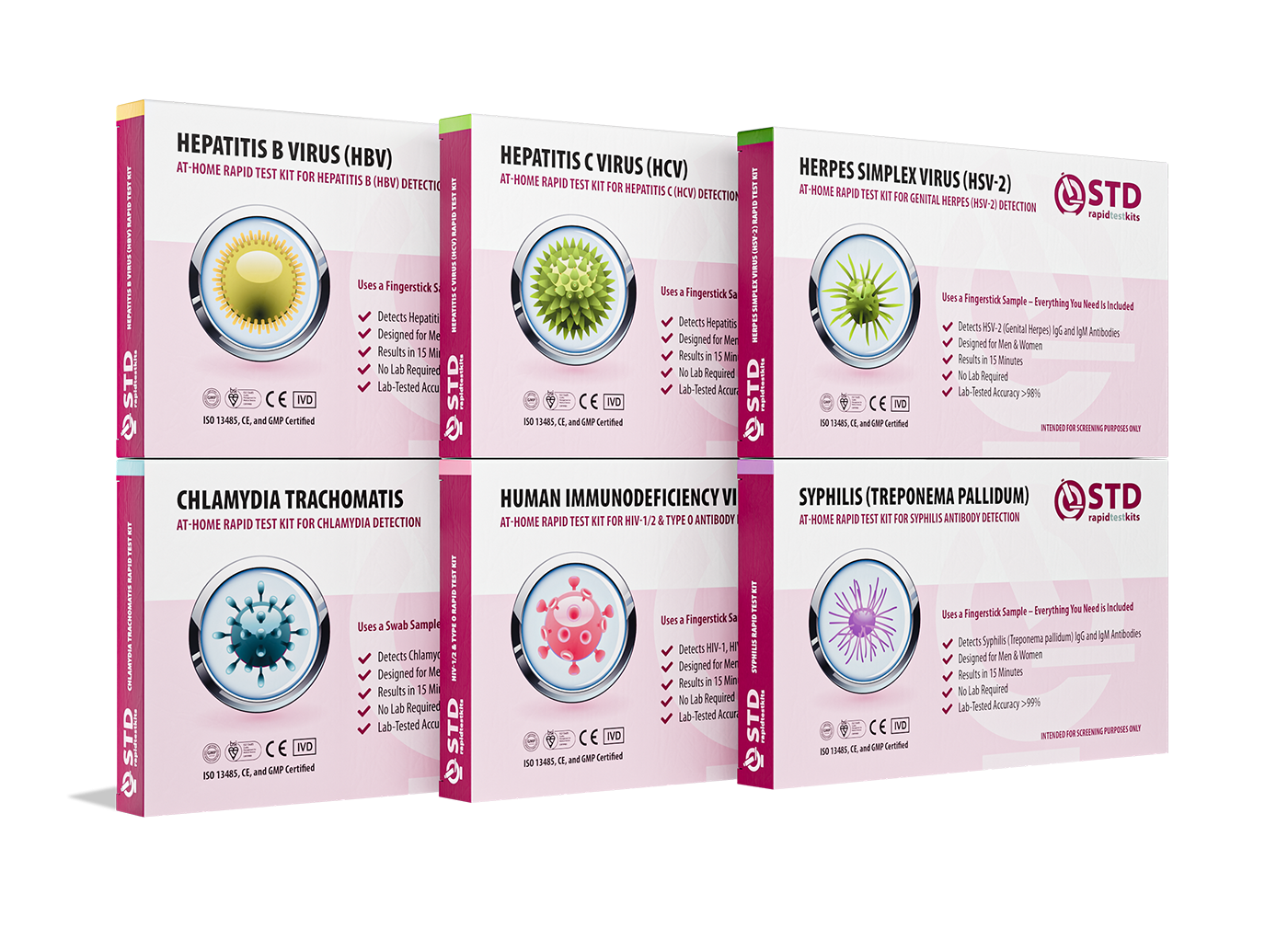 For Men & WomenResults in MinutesNo Lab NeededPrivate & Discreet
Order Now $119.00 $294.00
For all 6 tests
How Most Oral STD Infections Are Treated
If testing does reveal an infection in the throat, the next step is usually straightforward treatment. Bacterial infections like gonorrhea or chlamydia are typically treated with antibiotics prescribed by a healthcare provider.
Modern treatment plans aim to get rid of the infection quickly while lowering the chance of antibiotic resistance. After treatment, doctors may suggest follow-up tests to make sure the infection is gone.
Viral infections such as herpes work differently. Antiviral drugs can help control symptoms and stop outbreaks, but the virus stays in the body. Once people know how herpes works and how to stop it from spreading, they can live normal, healthy lives with it.
The important thing to remember is that discovering an infection is not a personal failure. It simply means your health system caught something early enough to treat or manage appropriately.
FAQs
1. I woke up with a sore throat the morning after oral sex. Is that an STD?
Probably not. Most STDs don’t show symptoms that fast, the bacteria usually need a few days to settle in before anything feels off. A throat that’s scratchy the very next morning is more likely irritation, dehydration, or a plain old virus. If the soreness sticks around for several days or gets worse, that’s when testing starts to make sense.
2. What does oral gonorrhea actually feel like?
Here’s the strange part: many people feel absolutely nothing. When symptoms do show up, it can feel like a mild sore throat, slightly swollen tonsils, or that annoying “something’s stuck back there” sensation when you swallow. It rarely announces itself dramatically. That’s why throat swabs exist, because guessing from symptoms alone is unreliable.
3. Can chlamydia live in your throat too?
Yes, though it’s less common than gonorrhea. Most people with throat chlamydia don’t notice anything unusual at all. Occasionally someone might feel mild irritation, but many cases are discovered only during routine screening or when a partner tests positive.
4. If I had an STD in my throat, would I see white spots or bumps?
Sometimes, but not always. A few infections can cause patches or small lesions around the tonsils, but many look completely normal. White spots can also come from things like strep throat or tonsil stones, so appearance alone isn’t a reliable clue.
5. How long after oral sex would throat STD symptoms start?
Usually several days, sometimes longer. Gonorrhea may cause symptoms within about a week, while other infections can take weeks, or never cause symptoms at all. If something appears the very next morning, the timing usually points toward irritation or a cold rather than an STD.
6. Do regular STD tests check the throat automatically?
Not always. A lot of standard screenings look at urine or blood samples. These tests can find genital infections but might not find throat infections. If oral sex was involved, it’s worth mentioning that to the clinician so they can include a throat swab.
7. Can you pass an STD from your throat to someone else?
Yes, that is possible. If you have bacteria like gonorrhea in your throat, you can still pass it on during oral sex, even if you feel fine. This is one reason why people with new or multiple partners should get screened on a regular basis.
8. Are oral STDs common?
They’re not as common as genital infections, but they happen often enough that doctors look for them regularly. In sexual health clinics, throat gonorrhea is something providers see every week. The good news is that bacterial infections are usually very treatable once identified.
9. Should I get tested right away if I'm worried?
It's not always helpful to test right after being exposed because infections don't show up right away. Waiting about a week or so after exposure usually gives more reliable results for throat infections. If symptoms appear sooner, a clinician can still help decide the best timing.
10. What’s the easiest way to check if my throat symptoms are an STD?
A throat swab test. It’s quick, painless, and similar to a strep test, just a cotton swab across the tonsils and back of the throat. That small sample can answer the question much faster than trying to decode symptoms online.
You Deserve Clarity, Not Guesswork
When you have a sore throat after oral sex, your brain can go into detective mode. Was it annoying? Are you getting a cold? Anything else? The point isn't to freak out over every scratchy swallow. The goal is to be able to tell the difference between sounds that are normal and sounds that need to be checked out.
If the symptoms went away quickly, it was probably just normal irritation. Testing clears things up if they last a long time, show up with strange spots, or happen after a known exposure. One simple throat swab can replace hours of anxious searching with a real answer.
Don’t wait and wonder. If infection is even a small possibility, start with a discreet screen like the Combo STD Home Test Kit. Your results stay private. Your choices stay yours. And knowing the truth is always easier than guessing.
How We Sourced This Article: This guide blends current clinical guidance on sexually transmitted infections with peer-reviewed research on oral transmission and pharyngeal infections. We looked at medical research on throat gonorrhea, oral chlamydia, and HSV symptom patterns, as well as public health advice, to make sure the information was correct and easy to understand without adding to the stigma.
Sources
1. Centers for Disease Control and Prevention – Gonorrhea Fact Sheet
2. Centers for Disease Control and Prevention – Chlamydia Fact Sheet
3. World Health Organization – Sexually Transmitted Infections Fact Sheet
5. Planned Parenthood – STD Education
6. Cleveland Clinic – Gonorrhea: Symptoms, Testing, and Treatment
7. MedlinePlus – Sexually Transmitted Diseases Overview
About the Author
Dr. F. David, MD is a board-certified infectious disease specialist who works to stop, diagnose, and treat STIs. His work blends clinical precision with a sex-positive, judgment-free approach that helps people understand symptoms clearly and make confident health decisions.
Reviewed by: Michael R. Levin, MD, Infectious Disease | Last medically reviewed: February 2026
This article is only meant to give you information and should not be used as a substitute for professional medical advice.


