





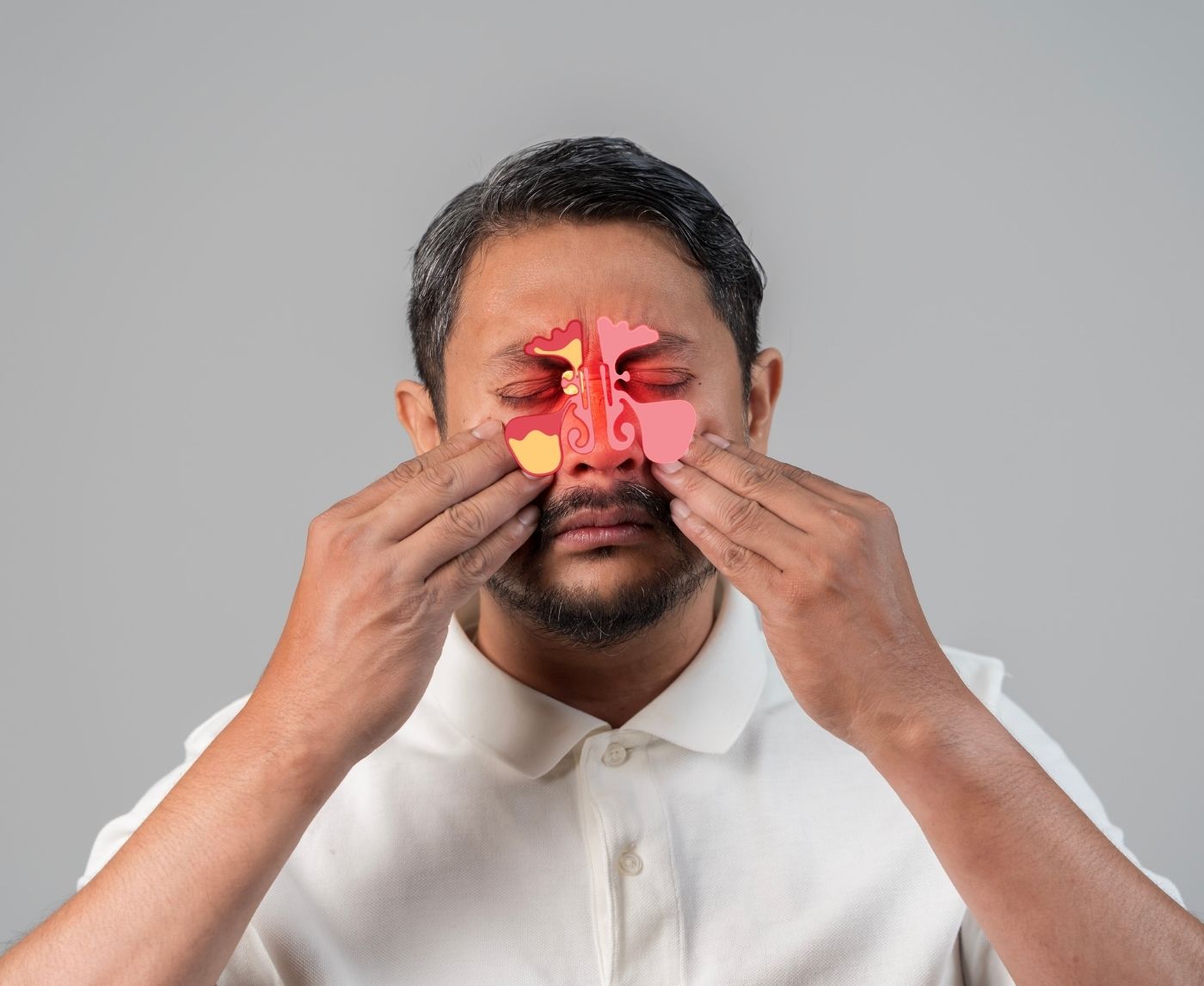

Quick Answer: Yes, syphilis can get into your nose, especially in the second and third stages. Nasal syphilis can look like sores, ulcers, crusting, or swelling of the face, and doctors often mistake it for sinus problems. Testing and treatment are very important to stop damage to tissue that lasts a long time.
Why This Isn’t Just About “Old” STDs
There’s this unspoken assumption that syphilis is either something from the past or something that only affects “certain people.” Neither is true. Cases of syphilis are rising across all age groups, and the U.S. has seen a disturbing increase in congenital and late-stage syphilis since 2020. What’s fueling the trend? Delayed testing, stigma, asymptomatic transmission, and honestly, the simple fact that many people don’t know what syphilis even looks like anymore.
In its early stages, syphilis often shows up as a painless sore on the genitals, mouth, or rectum. But if that stage is missed, it can progress to affect the skin, lymph nodes, organs, and yes, even the nasal passages. In the case of nasal syphilis, a person may not notice anything until they start having what feels like recurring sinus infections that don’t respond to antibiotics.
Syphilis can travel through the bloodstream and settle in soft tissues anywhere in the body. This includes the mucous membranes of the nose, which are especially vulnerable during secondary and tertiary stages of the infection. The bacteria can form lesions, ulcers, or growths that destroy cartilage and soft tissue over time.
What Nasal Syphilis Looks and Feels Like
There isn’t one textbook image of nasal syphilis. That’s what makes it dangerous. It can mimic a host of common conditions: sinus infections, allergic rhinitis, bacterial sores, even cocaine-related septal damage. But the key difference? It doesn’t go away, and over time, it gets worse.
In many reported cases, early signs of nasal syphilis included persistent congestion, unilateral swelling, ulceration inside one nostril, and a foul-smelling nasal discharge. Some people noticed nosebleeds that became more frequent, while others felt pressure in the face and sinuses that didn’t respond to antibiotics or antihistamines.
| Symptom | Typical Infection | When to Suspect Syphilis |
|---|---|---|
| Stuffy or blocked nose | Cold, allergies, sinus infection | Lasts more than 2 weeks, no relief with meds |
| Ulcer or sore inside nostril | Bacterial infection, trauma | Painless, doesn’t heal, possibly crusted or weeping |
| Facial pain or pressure | Sinusitis | Increasing severity, possibly one-sided |
| Nasal deformity or flattening | Rare trauma or granulomatosis | Suggests gumma or cartilage damage from tertiary syphilis |
Table 1: How nasal syphilis symptoms compare to more common nose problems. If symptoms worsen or resist standard treatments, syphilis testing is essential.
In advanced cases, the bacterial damage may cause a noticeable change in nose shape, sometimes referred to as “saddle nose” due to the collapse of the nasal bridge. This is rare but has been documented even in relatively young adults who had no idea they’d ever had syphilis.
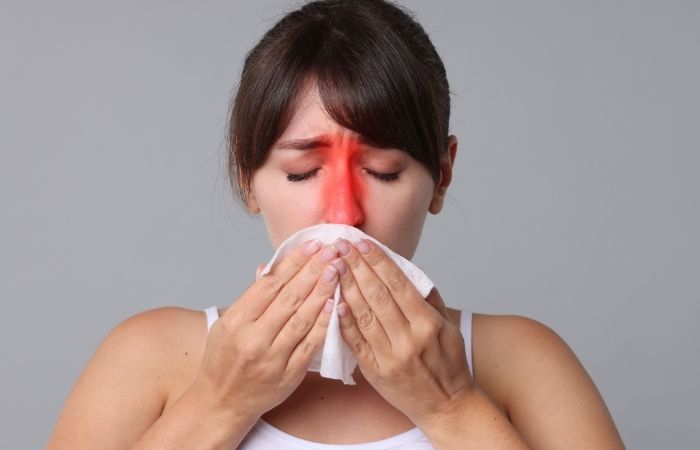
People are also reading: Bumps, Blisters, or Ulcers? Genital Sores and the STDs Behind Them
How Syphilis Ends Up in the Nose in the First Place
To understand nasal syphilis, you need to understand how syphilis works. The bacterium Treponema pallidum causes it to move in stages:
1. Primary stage: A single, painless sore (called a chancre) where the bacteria got into the body, usually in the genitals, anus, or mouth.
2. Secondary stage: The bacteria spreads through the bloodstream. This is when symptoms get weird, rashes, fatigue, mucous patches, and yes, nasal involvement.
3. There are no signs of an infection in the latent stage, but it is still there.
4. Tertiary stage: Years later, the bacteria attacks organs and tissues, forming gummas, soft, tumor-like growths, in places like the brain, liver, and nose.
So how does it get into your nose? Sometimes, the secondary rash includes mucous membranes, meaning syphilis can colonize the nasal cavity. Other times, gummas develop deep inside the nose during tertiary syphilis, leading to chronic swelling, pressure, and tissue erosion.
Transmission isn’t always genital. Oral sex, open-mouth kissing, or contact with mucous membranes can all facilitate syphilis infection. If you had a sore in your mouth, and your partner had syphilis, even if they didn’t know it, that’s one potential route.
Check Your STD Status in Minutes
Test at Home with Remedium7-in-1 STD Test Kit
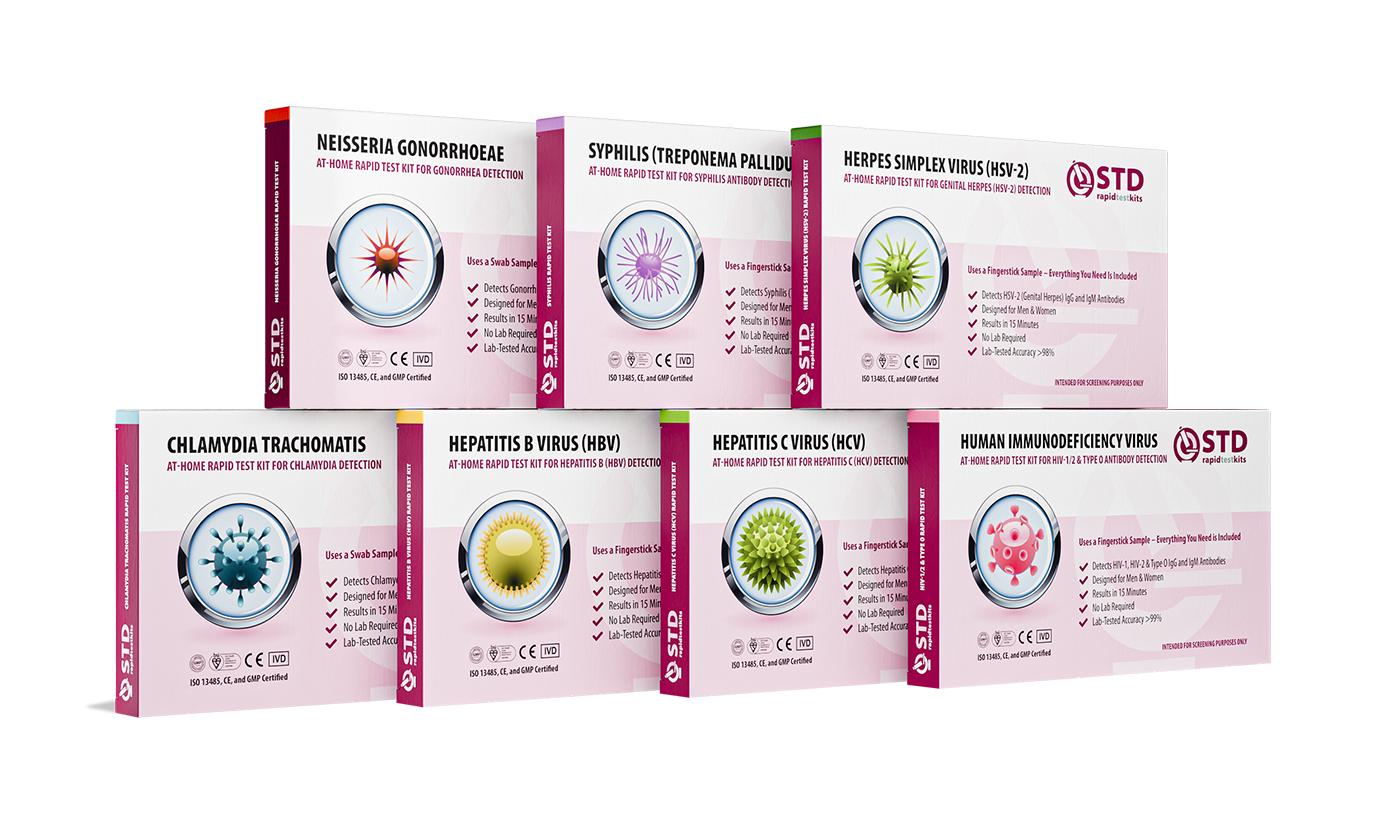
 For Men & Women
 Results in Minutes
 No Lab Needed
 Private & Discreet
Order Now $129.00 $343.00
For all 7 tests
Case Study: “My Nose Kept Bleeding for Weeks”
Danielle, 34, first noticed the nosebleeds after a camping trip. Dry air, she assumed. But over the next two months, she also developed strange scabs in her nostrils and started to smell something metallic when she exhaled. She was prescribed antibiotics twice and even tried a steroid spray, but nothing helped.
“It didn’t even cross my mind that it could be an STD,” she said. “I didn’t have any sores ‘down there,’ so I thought I was safe.”
Her breakthrough came when a clinician at an ENT clinic, who’d seen two similar cases that month, ordered a full STD panel. The result? Positive for syphilis. She was stunned. After treatment with penicillin, her nose healed completely within weeks.
Danielle’s story isn’t rare. Nasal syphilis doesn’t always come with sexual symptoms. Sometimes, it’s facial pain and bleeding that send people down the wrong medical path until someone connects the dots.
When Sinus Treatment Fails, Testing is Essential
Many people go through rounds of allergy meds, decongestants, antibiotics, even minor surgery, before anyone thinks to test for syphilis. This delay can allow the bacteria to continue destroying soft tissues and increase the risk of permanent damage.
If you’ve had a recent sexual partner (even one you trust), and you start experiencing persistent nose problems that defy standard treatment, it’s valid and responsible to test for STDs, including syphilis. Rapid syphilis tests are available at home and require only a finger-prick blood sample. If positive, confirmation at a clinic is recommended before starting treatment.
Testing isn't about blame. It's about information. And when it comes to syphilis, especially in rare forms like nasal involvement, early detection is what prevents long-term harm.
How Syphilis Testing Works (Including for Nasal Symptoms)
Getting tested for syphilis is usually straightforward, but if your symptoms aren’t in the genitals, it can feel confusing. You might wonder, “Can a finger-prick test detect what’s going on in my nose?” The short answer is: yes, it can.
Syphilis tests don’t depend on where your symptoms are located. That’s because they look for antibodies your body makes in response to the infection, not the bacteria itself. So even if the sore is in your nose, your immune system is still producing telltale signals in the blood.
There are two main categories of syphilis testing:
- Treponemal tests – These detect antibodies specific to syphilis (such as FTA-ABS or TP-PA). Once they are positive, they usually stay that way for the rest of their lives, even after treatment.
- Non-treponemal tests – These detect general inflammation caused by syphilis (like RPR or VDRL) and are used to monitor treatment response.
People usually use a fingerstick to do a quick treponemal antibody test at home, like the ones from STD Rapid Test Kits. Results can show within 10–15 minutes and are highly sensitive for mid-to-late stage infections.
| Test Type | What It Detects | When It’s Useful | Available at Home? |
|---|---|---|---|
| Treponemal (Rapid) | Antibodies that target syphilis | Initial diagnosis, even in the absence of genital symptoms | Yes |
| Non-Treponemal (RPR) | Active infection activity | Keeping an eye on how well treatment works | No |
| Combined Panel (Clinic) | Both antibody types | Full testing and staging | No (clinic only) |
Table 2: Common syphilis test types and when they’re useful. If you’re experiencing nasal symptoms with a sexual history, at-home testing is a fast and discreet first step.
Testing positive doesn’t mean you’re doomed, it means you’re now in control. Treatment with penicillin (or doxycycline for allergies) can clear the infection and stop it from progressing further. But the longer you wait, the more aggressive the infection becomes. Nasal tissue doesn’t regenerate easily, and untreated cases can result in permanent deformities or nerve damage.
What a Syphilitic Gumma Actually Is
The term “gumma” sounds like a cartoon villain, but it’s very real. A gumma is a soft, tumor-like mass caused by the body's immune response to chronic syphilis. It’s not cancer, but it does destroy whatever tissue it lives in, often slowly and silently.
In the nose, a gumma might start as a crusted sore or swelling. Over time, it eats away at cartilage, bone, and soft tissue, leading to what doctors call destructive lesions. Gummas are one of the clearest signs of tertiary syphilis, which can take years to develop if earlier stages go untreated.
These aren’t always visible from the outside, especially in the early phase. Some patients only discover the gumma through imaging or endoscopic exams after experiencing strange nasal pain or deformity. If caught early, the tissue damage may be reversible. But once the cartilage of the septum is gone, surgery may be required to reconstruct the nose.
It’s a grim detail, but it serves as a wake-up call. Syphilis isn’t just about “down there.” If it makes it to your face, it’s because it’s been thriving, undetected, for a long time.
Syphilis Doesn’t Always Announce Itself
One of the most dangerous aspects of syphilis is how silent it can be. Some people never develop the classic sore. Others see a rash but mistake it for eczema or heat bumps. A nose sore? Maybe just dry air. Maybe an ingrown hair.
But that quiet is exactly what allows syphilis to move deeper, first to the bloodstream, then to organs and tissue planes far from the original site of infection. That’s why doctors now stress regular testing, especially if you’ve had unprotected sex, multiple partners, or symptoms you can’t explain.
In cases like nasal syphilis, the condition may appear only after the body has mounted a large-scale immune response. At that point, it’s a whole-body issue, not just a local sore. And because the nose is so vascular and delicate, it shows signs earlier than some other tissues, if you know what to look for.
Micro-Moment: The Surprise Diagnosis That Saved a Nose
Marcus, 41, had never been tested for an STD. He didn’t think he needed to, he was monogamous, careful, and frankly, embarrassed by the idea. But when his nose started caving in slightly and his dentist mentioned it during a routine check-up, Marcus got spooked. A biopsy was inconclusive. An ENT suggested autoimmune testing. It wasn’t until a dermatologist, noticing skin lesions on his back, ordered a full STI panel that the cause became clear: tertiary syphilis.
“It was humiliating, but also a relief,” he recalls. “I finally had a name for it. And a path forward.”
Marcus underwent injectable penicillin therapy and scheduled a nasal reconstruction consult. He now urges others not to wait until the symptoms are dramatic.
The takeaway? Don’t assume it’s “just a sinus infection” if it lingers. Your nose could be telling you something your genitals didn’t, and your past partners may not have known they were infected either.
When and How to Retest After Treatment
After treatment, your doctor may recommend retesting to ensure the infection is truly gone. For those with nasal symptoms, this can feel extra confusing, after all, there’s no “visible” chancre to watch heal. But follow-up testing is based on antibody levels, not physical signs.
Generally, retesting happens at 3, 6, and 12 months post-treatment, especially for those with advanced syphilis or high RPR titers. This helps ensure the bacterial load is dropping and that no new exposure has occurred.
If you used an at-home test for the initial diagnosis, you can also use a home kit to monitor your status, but clinic follow-ups offer a more nuanced read, especially for complex cases like nasal gummas.
During recovery, be sure to avoid sexual contact until cleared by a healthcare provider. If your partner hasn't been tested yet, tell them to do so. They could still have and spread syphilis even if they don't have any symptoms.
This combo STD test kit can help retest discreetly at home and check for multiple infections, including syphilis.
Why Privacy and Discretion Matter So Much in Nasal Syphilis Cases
For a lot of people, even saying the word “syphilis” out loud is difficult. Add the fact that your face is involved, and shame can lock people into silence for months. We’ve heard from readers who delayed care out of embarrassment, who went to ENT specialists instead of sexual health clinics just to avoid judgment, and who felt too exposed walking into a free STD testing van parked outside a pharmacy.
That’s why privacy tools matter. At-home STD testing offers a path forward without exposure. The packaging is discreet, there are no awkward clinic waiting rooms, and most results come within minutes. It’s not just about logistics, it’s about dignity.
Nasal syphilis often doesn’t look like what people imagine when they think “STD.” That makes it even more vital to empower people to test when symptoms feel off, even if they don’t check the stereotypical boxes. Whether it’s facial swelling, a sore inside your nose, or bleeding that won’t stop, you have the right to get answers in private.
If you’re not sure where to begin, start with this confidential testing option. It’s the same science used in clinics, delivered to your door.
Emotional Fallout: Dealing With the “Face” of an STD
There’s a unique kind of fear when an STD affects your face. We’re used to hiding things beneath clothes, quietly Googling what “burning after sex” might mean. But when something shows up on your nose, it feels like it tells the world everything, whether true or not.
Many people with nasal syphilis report feeling “dirty,” “marked,” or “exposed.” This is stigma doing its work, and it’s brutal. But here’s the truth: your worth doesn’t change because of an infection. You are not broken. You are not disgusting. You are dealing with a bacterial condition that is 100% treatable, just like strep throat or a UTI. The difference is that we don’t shame people for those.
If you’re feeling isolated, consider connecting with anonymous STD support forums or reaching out to a sexual health counselor. Many online services offer discreet sessions tailored to STD-related mental health, without ever having to leave home.
Your health journey isn’t just about swabs and pills, it’s about reclaiming your peace, your body, and your relationships. And that includes your relationship with your own face.

People are also reading: No Symptoms, Still Infected: The STD Danger No One Talks About
Can Syphilis Come Back? What to Know About Reinfection
One myth that often haunts people after treatment: “Can I get syphilis again if I’ve already had it?” The answer is yes. Syphilis doesn’t create permanent immunity. Once treated, you can become re-infected with a new exposure, especially if a partner was never treated or you engage in unprotected sex again.
This is why partner testing matters. If you’ve been diagnosed with syphilis (nasal or otherwise), it’s crucial to tell current and recent partners so they can get tested too. Many infections are passed back and forth because one partner didn’t know or didn’t follow up.
Anonymous partner notification tools can help if a direct conversation feels too vulnerable. Some clinics and public health services allow you to send a notification anonymously, just with the test result and recommendation to get checked.
When in doubt, test again, especially if new symptoms show up or you suspect re-exposure. You deserve peace of mind.
Prevention, Protection, and What Actually Works
Prevention doesn’t mean living in fear. It means being aware of your body, the risks, and having the right tools on hand. For syphilis, here are some things that help stop the spread:
| Prevention Method | How It Helps | Limits to Be Aware Of |
|---|---|---|
| Condoms and dental dams | Block skin-to-skin contact with sores | Don’t cover all areas; less effective if sores are outside barrier |
| Regular testing | Catches silent infections early, prevents spread | Relies on following correct window periods |
| Monogamy or mutual status knowledge | Limits exposure if both partners are tested | Requires communication and trust; not foolproof |
| At-home STD test kits | Offers privacy, speed, and access for all genders | Some rapid tests may require follow-up confirmation |
Table 3: Practical prevention tools and their strengths. No method is perfect, but layered prevention dramatically reduces risk.
Syphilis is a skin-to-skin disease, not just a “fluid” infection. That means it can spread through kissing, oral sex, or any close contact with an active sore. If you’re sexually active with new partners, or you notice anything off, get tested. And encourage your partners to do the same.
Knowledge isn’t shameful. It’s power. And testing is not an accusation, it’s an act of care.
Check Your STD Status in Minutes
Test at Home with Remedium6-in-1 STD Test Kit
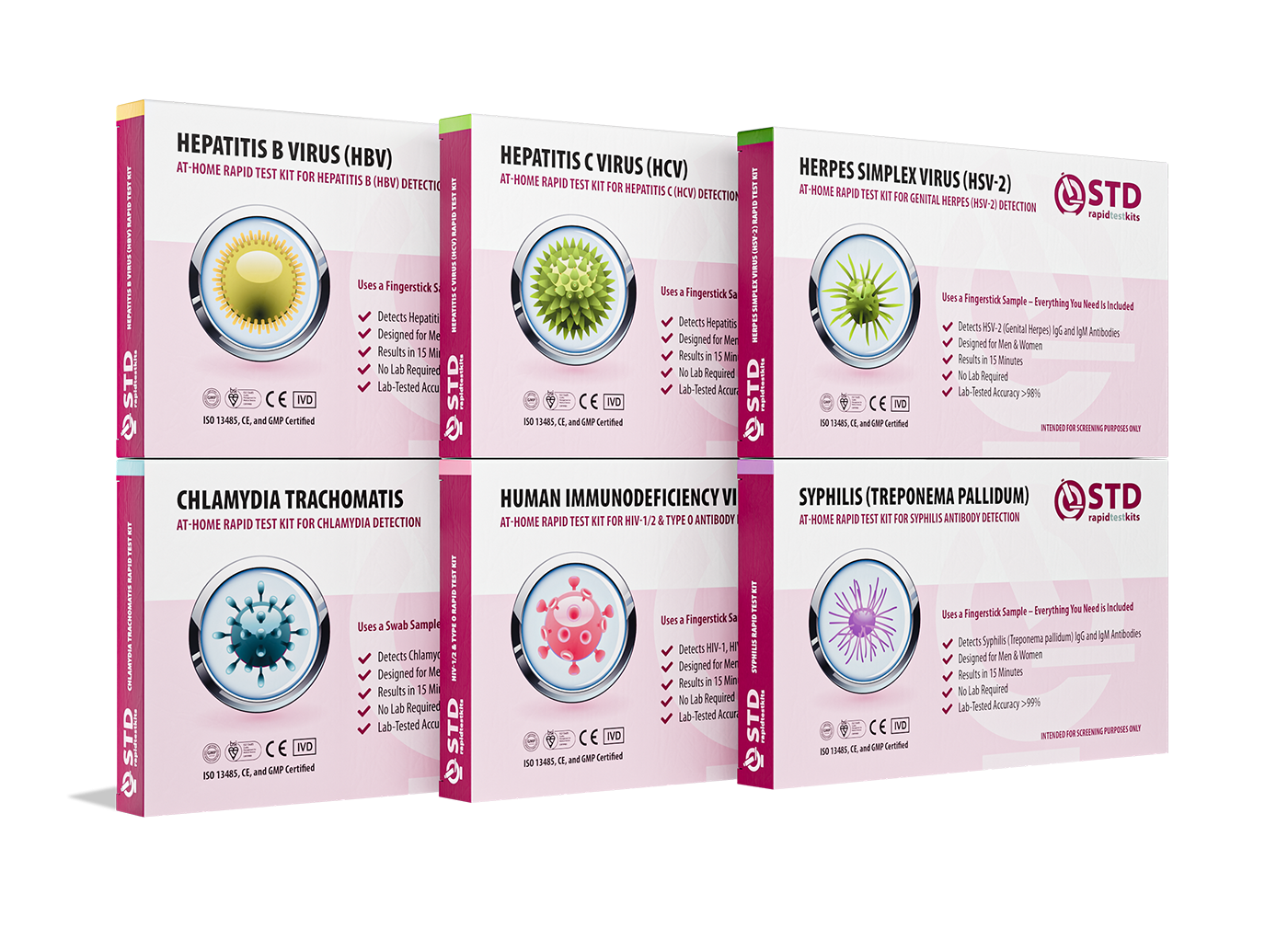 For Men & WomenResults in MinutesNo Lab NeededPrivate & Discreet
Order Now $119.00 $294.00
For all 6 tests
You’re Not Alone, And You’re Not “Too Late”
If you’re here reading this because you’re panicking about a sore in your nose, or your doctor just said the word “syphilis” and you feel like your world is crumbling, take a breath.
There is treatment. There is recovery. And there are thousands of people, maybe even more, who’ve dealt with the same confusion, fear, and stigma you’re feeling right now.
Start with testing. Get the answer. If it’s negative, that’s peace of mind. If it’s positive, that’s a diagnosis, not a destiny. Either way, you’re one step closer to healing.
Don’t wait and wonder, get the clarity you deserve. This at-home combo test kit checks for the most common STDs discreetly and quickly.
FAQs
1. Can an STD really mess with your nose?
Wild as it sounds, yes. Syphilis doesn’t just stick to the genitals. Once it hits your bloodstream, especially if untreated, it can settle in the soft tissue of your nose. That means sores, bleeding, crusting, and even cartilage damage in serious cases. It’s not science fiction. It’s biology, and it’s treatable.
2. How would I even know if syphilis is in my nose?
Think of a nose sore that just won’t quit. Or one nostril constantly congested while the other’s fine. If it smells weird, bleeds often, or crusts up no matter what you try, and regular meds aren’t working? That’s when it’s time to think beyond allergies. A rapid syphilis test can give you a straight answer.
3. Wait, how does syphilis even get there?
Through your bloodstream, mostly. Syphilis starts as a localized sore, but once it hits the secondary stage, it spreads. Mucous membranes, like your nose, mouth, even your throat, are fair game. So if you’ve had unprotected oral sex, or even kissing with a partner who had a sore, you could be at risk. It's not about being reckless. It’s about being human and not psychic.
4. Is nasal syphilis contagious?
If there’s an active sore in or around your nose? Yes. That’s direct transmission risk. It’s not super common, but it happens. Once treated, though, you’re in the clear and no longer contagious. That’s why early testing matters so much, it protects both you and your partners.
5. What does it feel like?
Some folks feel pressure behind the nose or eyes. Others get nosebleeds that seem random. A few people notice a sore that stings when they breathe through one side. One guy described it as “sinus infection vibes but cursed.” If you’ve got a gut feeling something’s off, trust it. Syphilis is sneaky but not invincible.
6. Can I test for this at home?
Yup. A rapid syphilis test from STD Rapid Test Kits uses a simple finger-prick blood sample. It doesn’t matter where your symptoms show up, the test checks your antibody levels. So even if it’s your nose doing the talking, the blood still tells the story.
7. Do I need to tell my partner?
We get it, this is the hardest part. But yes, if you test positive, letting your partner(s) know is part of keeping everyone safe. And you don’t have to do it face-to-face if that feels like too much. There are anonymous tools and clinic-supported scripts to help you out. Think of it as harm reduction, not confession.
8. Can syphilis come back?
Not by itself, but you can absolutely get it again if you’re exposed. Treatment clears the current infection, but it doesn’t make you immune. That’s why regular testing, especially after a new partner, is key. Think of it like brushing your teeth: not once and done, but something you do to stay healthy long-term.
9. How long after treatment will my nose feel better?
Most people feel relief within days of starting antibiotics. But if there’s been cartilage damage or tissue breakdown (which can happen in tertiary cases), healing might take longer, and sometimes needs surgery. The sooner you start treatment, the less clean-up your body has to do later.
10. Will people be able to tell I had nasal syphilis?
Honestly? In most cases, no. If you catch it before major tissue damage, there’s no visible trace. Even with mild damage, inflammation usually fades. What people will see is that you took charge of your health and didn’t let fear or shame call the shots. That’s a damn good look.
You Deserve Answers, Not Assumptions
It’s easy to assume that STD symptoms will show up below the waist, that they’ll be obvious, or that they’ll only happen to “certain kinds of people.” But infections don’t care about stereotypes, and neither should your care plan.
If your body is sending signals, especially unusual ones like a sore in your nose or persistent facial pain, listen. Whether you’re anxious, confused, or just curious, you deserve real answers in a private, judgment-free way.
Order a discreet at-home STD test kit here. It’s fast, confidential, and backed by the same science used in clinics around the world.
How We Sourced This Article: We combined current guidance from leading medical organizations with peer-reviewed research and lived-experience reporting to make this guide practical, compassionate, and accurate.
Sources
Planned Parenthood – Syphilis Overview
Syphilis - STI Treatment Guidelines (CDC)
Syphilis - Symptoms and Causes (Mayo Clinic)
Syphilis - Tertiary Disease Overview (NCBI Bookshelf)
Orphan Diseases of the Nose and Paranasal Sinuses - Nasal Syphilis (PMC)
Syphilis and Treponematosis Clinical Presentation (Medscape)
Syphilis: Symptoms, Cause and Treatments (Yale Medicine)
About the Author
Dr. F. David, MD is a board-certified infectious disease specialist focused on STI prevention, diagnosis, and treatment. He blends clinical precision with a no-nonsense, sex-positive approach and is committed to expanding access for readers in both urban and off-grid settings.
Reviewed by: Dr. Lianne Chau, MPH | Last medically reviewed: December 2025
This article is for informational purposes and does not replace medical advice.


