






Quick Answer: The five most common chlamydia symptoms include burning when urinating, unusual genital discharge, pelvic or testicular pain, pain during sex, and abnormal bleeding between periods. Many people experience only mild symptoms, or none at all, so testing is often the only reliable way to know.
The Symptoms People Notice First
Doctors who diagnose chlamydia hear the same concerns repeatedly. A patient walks in unsure if anything is wrong. Something just feels different.
Sometimes it’s a burning sensation during urination. Other times it’s discharge that wasn’t there before, or a dull pelvic ache that lingers after sex. None of these symptoms automatically mean an STD, but they’re common enough with chlamydia that they deserve attention.
The tricky part is that symptoms vary widely between people. Some experience several signs at once. Others notice only one small change. And many people experience nothing obvious at all.
| Symptom | What It Often Feels Like | Why It Happens |
|---|---|---|
| Burning during urination | Sharp or stinging feeling when peeing | Inflammation in the urethra caused by infection |
| Unusual discharge | Milky, cloudy, or yellow fluid from the penis or vagina | Body producing mucus in response to infection |
| Pelvic or testicular pain | Dull ache in lower abdomen or testicles | Inflammation spreading through reproductive organs |
| Pain during sex | Discomfort or deep internal pain during intercourse | Cervical or pelvic inflammation |
| Bleeding between periods | Unexpected spotting or bleeding | Infection irritating reproductive tissues |
These symptoms don’t always appear together. Someone might only notice mild burning when urinating, while another person might only see unusual discharge.
That difference is what makes it so hard to find out about so many infections. People often think that symptoms aren't serious if they don't look bad.
1. Burning When You Pee
One of the earliest signs people notice is a stinging or burning sensation when urinating. It’s easy to mistake for a urinary tract infection, dehydration, or irritation after sex.
A college student named Daniel described it this way when he finally went to get tested:
“It wasn’t constant. Just a quick sting when I peed. I thought maybe I was dehydrated or something. I ignored it for almost two weeks.”
That burning sensation happens because the bacteria responsible for chlamydia infect the urethra, the tube that carries urine out of the body. When that tissue becomes inflamed, even normal urination can cause irritation.
In many cases, this symptom appears within one to three weeks after exposure. But timing varies widely, which makes it unreliable as a diagnostic signal on its own.
If burning during urination appears alongside other symptoms, especially discharge, it’s worth getting tested rather than guessing.

People are also reading: Home Treatment for Trichomoniasis: What’s Safe and What’s Not
2. Unusual Discharge
Another common symptom of chlamydia is discharge that wasn’t there before. The appearance varies from person to person.
People with vaginas often notice thicker vaginal discharge with a cloudy or yellow tint. People with penises may notice a milky fluid or sticky residue near the tip of the penis, especially in the morning.
A patient once described it in a clinic intake form like this:
“I kept thinking it was just leftover semen or something normal. But it kept happening even days after sex.”
This symptom occurs because the body produces mucus to flush out infection. Unfortunately, that same reaction is easy to confuse with normal genital fluids.
That confusion is one reason testing matters so much. Discharge can also occur with yeast infections, bacterial vaginosis, and other conditions. The symptoms overlap more than most people expect.
If something about your discharge looks different than usual, color, smell, thickness, or timing, it’s worth paying attention to your body’s signals.
3. Pelvic Pain or Testicular Discomfort
Some chlamydia infections move beyond the urethra and begin irritating deeper reproductive tissues. When that happens, people sometimes feel a dull ache in the lower abdomen or groin.
For people with vaginas, the discomfort may feel like menstrual cramps that appear outside a normal cycle. It may come and go, often showing up after sex or physical activity. Because the pain can be mild, it’s easy to dismiss.
People with testicles sometimes experience swelling or tenderness in one testicle. Doctors call this condition epididymitis, which means inflammation in the tube that stores sperm.
A patient named Luis once described it like this:
“It felt like I’d pulled a muscle or something. Just this dull ache in one side. I didn’t connect it to sex at all.”
That kind of discomfort can appear days or weeks after infection. Sometimes it appears alongside other symptoms, and sometimes it shows up by itself.
4. Pain During Sex
Pain during sex is another symptom people often overlook. When chlamydia infects the cervix or pelvic organs, intercourse can trigger inflammation and discomfort.
Some people notice a deep internal pain during penetration. Others feel soreness afterward that wasn’t there before. Because pain during sex can have many causes, stress, dryness, hormonal shifts, it’s not always immediately linked to infection.
One clinic patient described the moment she realized something was different:
“Sex suddenly felt uncomfortable, like pressure inside my lower stomach. It didn’t hurt every time, but it wasn’t normal either.”
Doctors often see this symptom when the infection begins affecting the cervix. If untreated, it can progress into a more serious condition called pelvic inflammatory disease.
That’s why clinicians usually recommend testing whenever new pelvic pain or unusual discomfort during sex appears after a new partner.
Check Your STD Status in Minutes
Test at Home with Remedium6-in-1 STD Test Kit
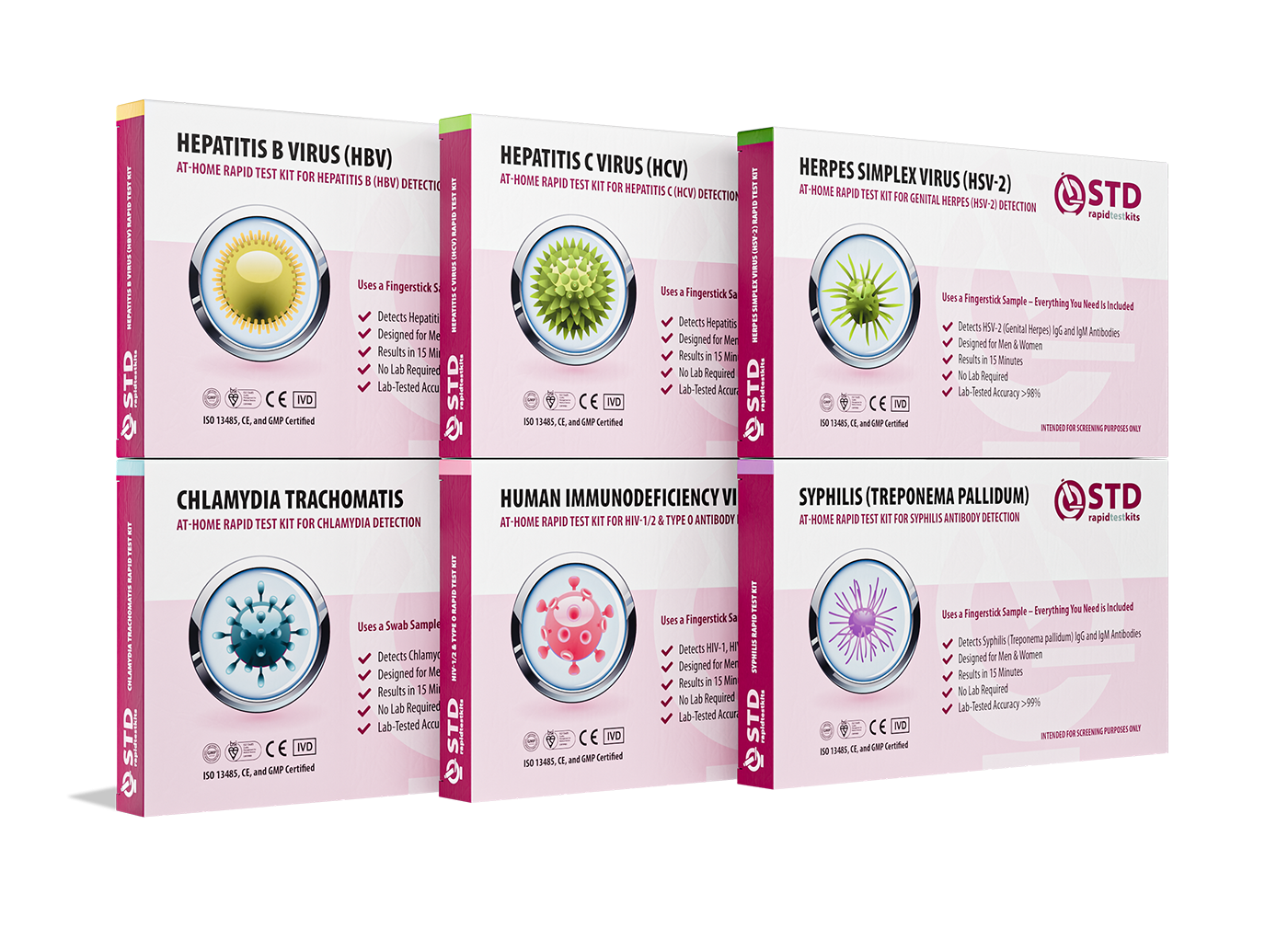
 For Men & Women
 Results in Minutes
 No Lab Needed
 Private & Discreet
Order Now $119.00 $294.00
For all 6 tests
5. Bleeding Between Periods
Chlamydia can sometimes cause unexpected bleeding or spotting between periods. The infection can make the cervix hurt, which makes the tissue weaker and more likely to bleed.
Some people notice light spotting after sex. Others experience small amounts of bleeding between periods.
This symptom can be very confusing because changes in hormones, birth control, and stress can also cause bleeding that isn't regular.
But when spotting appears alongside other symptoms, especially discharge or pelvic pain, it’s a strong signal that testing may be necessary.
When Symptoms Look Like Something Else
One of the biggest reasons chlamydia goes unnoticed is that its symptoms overlap with other common conditions. Many people initially assume they have a urinary tract infection, yeast infection, or simple irritation.
| Condition | Typical Symptoms | Key Difference |
|---|---|---|
| Chlamydia | Burning urination, discharge, pelvic pain | Often mild or asymptomatic |
| UTI | Burning urination, frequent urge to pee | Usually no genital discharge |
| Yeast infection | Itching, thick white discharge | Usually strong itching |
| Bacterial vaginosis | Thin gray discharge, strong odor | Often fishy smell |
Because these conditions share overlapping symptoms, guessing rarely works. The only reliable way to confirm chlamydia is through a proper test.
That’s one reason at-home testing has become more popular in recent years. People who feel uncertain about symptoms can check discreetly without waiting weeks for a clinic appointment.
For example, the Chlamydia Rapid Test Kit allows individuals to screen themselves privately at home, providing results quickly while maintaining full discretion.

People are also reading: That Red, Goopy Eye Might Not Be Pink Eye, It Could Be an STD
Why Many People Miss the Symptoms Entirely
Here’s the surprising truth about chlamydia symptoms: most infections produce very little warning.
According to major health agencies, a large percentage of people infected with chlamydia experience no symptoms at all. They feel completely normal.
That means someone can carry the infection for months without realizing it.
A patient named Aisha described her diagnosis this way:
“I went for a routine screening with my doctor. I had zero symptoms. When the results came back positive, I honestly thought the lab made a mistake.”
Stories like that are extremely common. Many diagnoses happen during routine testing rather than because symptoms forced someone to seek help.
This silent nature is exactly why doctors encourage regular testing for sexually active adults, especially after new partners.
Testing takes away the doubt if something feels even a little bit off or if you just want to be sure.
When Symptoms Show Up (And When They Don’t)
One of the most annoying things about chlamydia is the time frame. People often think that symptoms will show up right away after being exposed, but that's not always the case with this infection.
Some people see signs within a week or two. Some people notice changes over a few weeks. And a lot of people don't even notice any symptoms.
This unpredictable timing is part of why so many infections spread unknowingly. Someone may feel completely healthy while still carrying the bacteria and passing it to partners.
| Stage | What May Happen | Common Experience |
|---|---|---|
| First week | Often no symptoms yet | Most people feel normal |
| 1–3 weeks | Early symptoms may appear | Burning urination or discharge |
| Several weeks | Symptoms may increase | Pelvic pain or irregular bleeding |
| Months later | Possible complications | Infections spreading internally |
Because of this uncertainty, doctors often recommend testing even if symptoms seem mild, or if you simply want reassurance after a new sexual partner.
How Testing Brings Clarity
When people start searching for chlamydia symptoms, it’s usually because something about their body feels unfamiliar. That uncertainty can create a lot of anxiety.
The reality is that symptoms alone rarely tell the full story. Burning urination could be a urinary tract infection. Discharge might be hormonal changes. Pelvic discomfort can come from dozens of different conditions.
Testing is the only reliable way to confirm what’s happening.
Many people now choose to test privately at home before deciding whether to visit a clinic. Modern screening kits allow individuals to check for several common infections discreetly and quickly.
If you want a broader check for multiple infections, the Combo STD Home Test Kit screens for several of the most common STDs from home. For people who prefer privacy or live far from testing centers, this option can remove many barriers to getting answers.
Check Your STD Status in Minutes
Test at Home with Remedium8-in-1 STD Test Kit
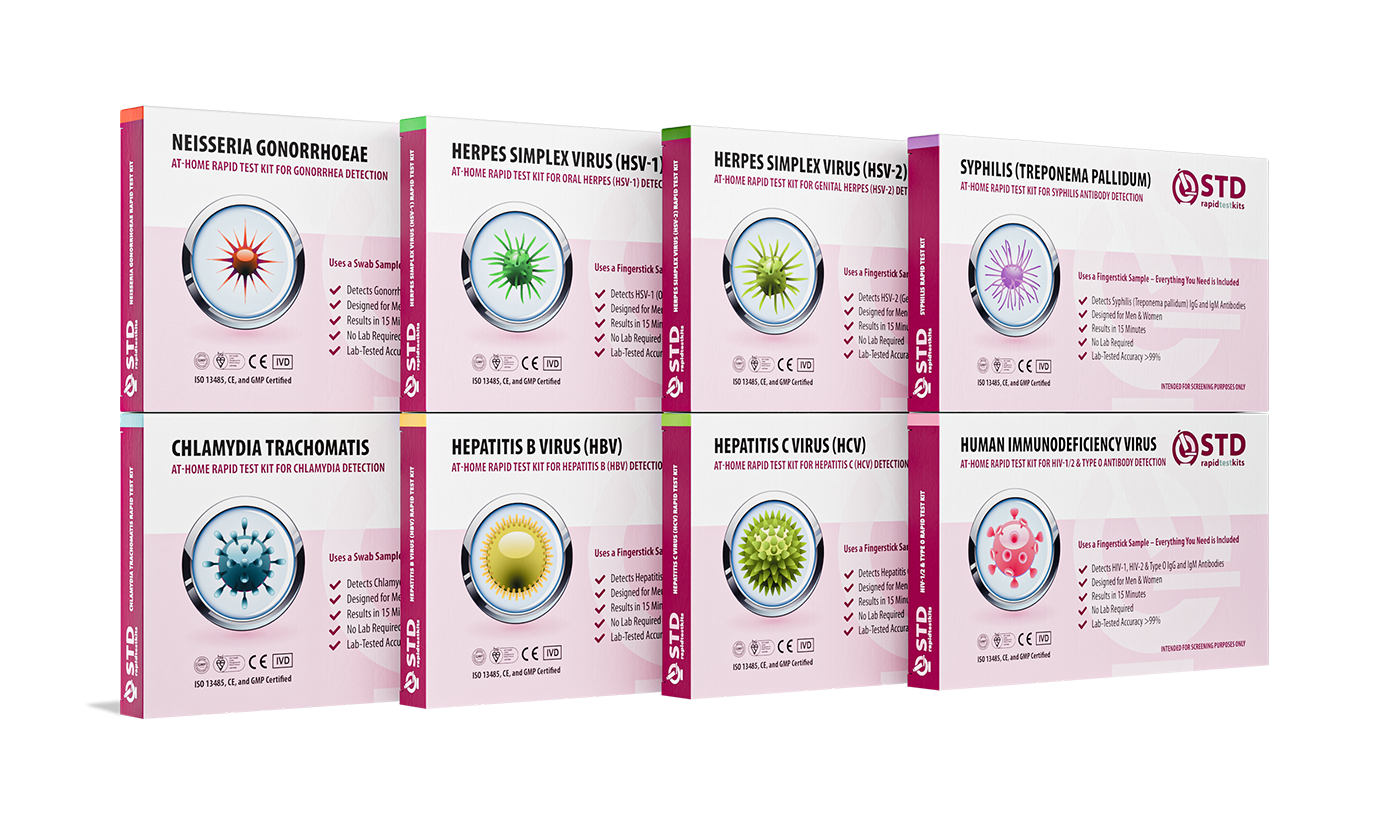 For Men & WomenResults in MinutesNo Lab NeededPrivate & Discreet
Order Now $149.00 $392.00
For all 8 tests
When to Test if You Notice These Symptoms
Once someone starts noticing possible chlamydia symptoms, the next question is almost always the same: “Should I get tested right now?”
The honest answer is that timing matters. Testing too early after exposure can sometimes produce a false negative because the bacteria haven’t reached detectable levels yet. But waiting too long leaves you stuck in uncertainty, which isn’t helpful either.
In most cases, testing about one to two weeks after a potential exposure gives the most reliable results. If symptoms appear sooner than that, testing right away can still be useful, especially if burning during urination or unusual discharge shows up.
Doctors usually recommend testing sooner rather than later when symptoms are present. Even if the result comes back negative initially, repeating the test a week later can confirm the result.
| Situation | Recommended Action | Why |
|---|---|---|
| Burning urination or unusual discharge appears | Test as soon as possible | Symptoms may indicate active infection |
| Recent unprotected sex with a new partner | Test after 7–14 days | Allows the infection to reach detectable levels |
| Partner tells you they tested positive | Test immediately and repeat if needed | Early screening helps prevent complications |
| Routine sexual health screening | Test annually or with new partners | Many infections show no symptoms |
Testing doesn’t have to be complicated. In a clinic, it’s usually done with a simple urine sample or swab. Most of the time, the whole thing only takes a few minutes.
For people who value privacy or convenience, at-home screening has become a common option as well. Instead of scheduling appointments and waiting in clinics, individuals can collect a sample themselves and check for infection discreetly.
A lot of people choose this route simply because it removes the mental barrier of booking a clinic visit. When testing becomes easier, people are more likely to actually do it, and that’s one of the most effective ways to reduce the spread of infections like chlamydia.
Think of testing less as a sign something is wrong and more as routine maintenance for your sexual health. Just like dental cleanings or annual physicals, regular screening helps catch problems early while they’re easiest to treat.
If symptoms turn out to be unrelated, you gain peace of mind. If they do point to an infection, treatment is usually straightforward and highly effective.
FAQs
1. What does chlamydia actually feel like?
Honestly, a lot of people expect something dramatic. In reality, it’s often subtle. Someone might notice a mild burning feeling when they pee, a bit of unusual discharge, or a dull ache low in the abdomen. And plenty of people feel absolutely nothing, which is why so many diagnoses happen during routine testing rather than because symptoms forced someone to see a doctor.
2. Is it possible to have chlamydia and feel completely normal?
Yes, and it happens a lot. Many infections are totally silent. Someone can go about their normal life, workouts, work meetings, dates, everything, without realizing anything is wrong. That’s why public health experts often say testing matters more than trying to “read” symptoms.
3. How long after sex would chlamydia symptoms start?
When symptoms do appear, they usually show up somewhere between one and three weeks after exposure. But bodies aren't all the same machines. Some people notice changes right away, some later, and some never show any signs at all.
4. Does chlamydia make you itch?
Usually not. Chlamydia tends to cause burning or discharge rather than itching. If itching is the main problem, doctors often think about things like yeast infections first. That said, bodies can be unpredictable, so testing is still the best way to rule things out.
5. Can chlamydia symptoms come and go?
They can. Someone might notice burning when they pee for a few days, then it seems to disappear. That doesn’t necessarily mean the infection cleared. Sometimes symptoms calm down while the bacteria are still present, quietly continuing the infection.
6. What does chlamydia discharge look like?
It’s usually described as cloudy, yellowish, or milky. People with penises may notice it near the tip of the penis, sometimes more obvious in the morning. People with vaginas might see discharge that looks thicker or slightly different than their usual pattern. The key thing people often say is simply: “Something about it felt different than normal.”
7. Could what I’m feeling just be a UTI instead?
It might be. UTIs and chlamydia can both cause burning when urinating, which makes them easy to confuse. One small clue doctors look for is discharge, UTIs usually don’t cause it. But symptoms alone don't usually give a clear answer, which is why testing is often suggested.
8. If symptoms are mild, do I still need to worry about it?
Mild symptoms are actually the most common situation. The infection doesn’t need to feel severe to still be present. The good news is that when chlamydia is detected early, treatment is usually simple and highly effective.
9. What happens if chlamydia goes untreated?
Over time, the infection can get deeper into the reproductive system. This can sometimes lead to issues like pelvic inflammatory disease or trouble getting pregnant. The most important thing to remember is that finding it early makes those risks much lower.
10. Is it awkward to get tested for chlamydia?
A lot of people feel that way at first, but healthcare providers deal with STI testing every day. It’s routine for them. And today many people choose private at-home testing options as well, which lets them check for infections discreetly before deciding whether they want follow-up care.
You Deserve Clarity, Not Guesswork
Not every strange symptom means Chlamydia. Bodies are complicated. Hydration, hormones, friction, even stress can change how things feel down there. The goal isn’t to panic every time something feels a little different. The goal is to figure out what actually deserves attention.
If something like burning when you pee, unusual discharge, or pelvic discomfort shows up after a sexual encounter, that’s your signal to pause and check in. Most of the time the answer is simple. When it isn’t, catching infections early keeps treatment straightforward and prevents bigger problems later.
Don’t spend weeks wondering what a symptom might mean. If infection is even a small possibility, start with a discreet screen like the Combo STD Home Test Kit. Your results stay private. Your decisions stay yours. And clarity feels a lot better than guessing.
How We Sourced This Article: This guide combines current clinical guidance on sexually transmitted infections with peer-reviewed research on chlamydia transmission, symptoms, and testing practices. We reviewed epidemiology reports, sexual health guidelines, and infectious disease research to translate medical evidence into clear, practical explanations for readers trying to understand symptoms in real life. Only established public health authorities and medical publications informed the clinical guidance presented here.
Sources
1. Centers for Disease Control and Prevention – Chlamydia Fact Sheet
2. World Health Organization – Chlamydia Overview
3. NHS – Chlamydia Symptoms and Treatment
4. Mayo Clinic – Chlamydia Symptoms and Causes
5. Planned Parenthood – Chlamydia Information
6. MedlinePlus – Chlamydia Infections
7. CDC – Chlamydia Treatment Guidelines
About the Author
Dr. F. David, MD is a board-certified infectious disease specialist focused on sexually transmitted infections, early detection, and public health education. His work centers on making sexual health information clear, stigma-free, and practical so people can make informed decisions about testing and treatment.
Reviewed by: Michael R. Levin, MD, Urology | Last medically reviewed: February 2026
This article is for informational purposes and does not replace professional medical advice, diagnosis, or treatment.


