





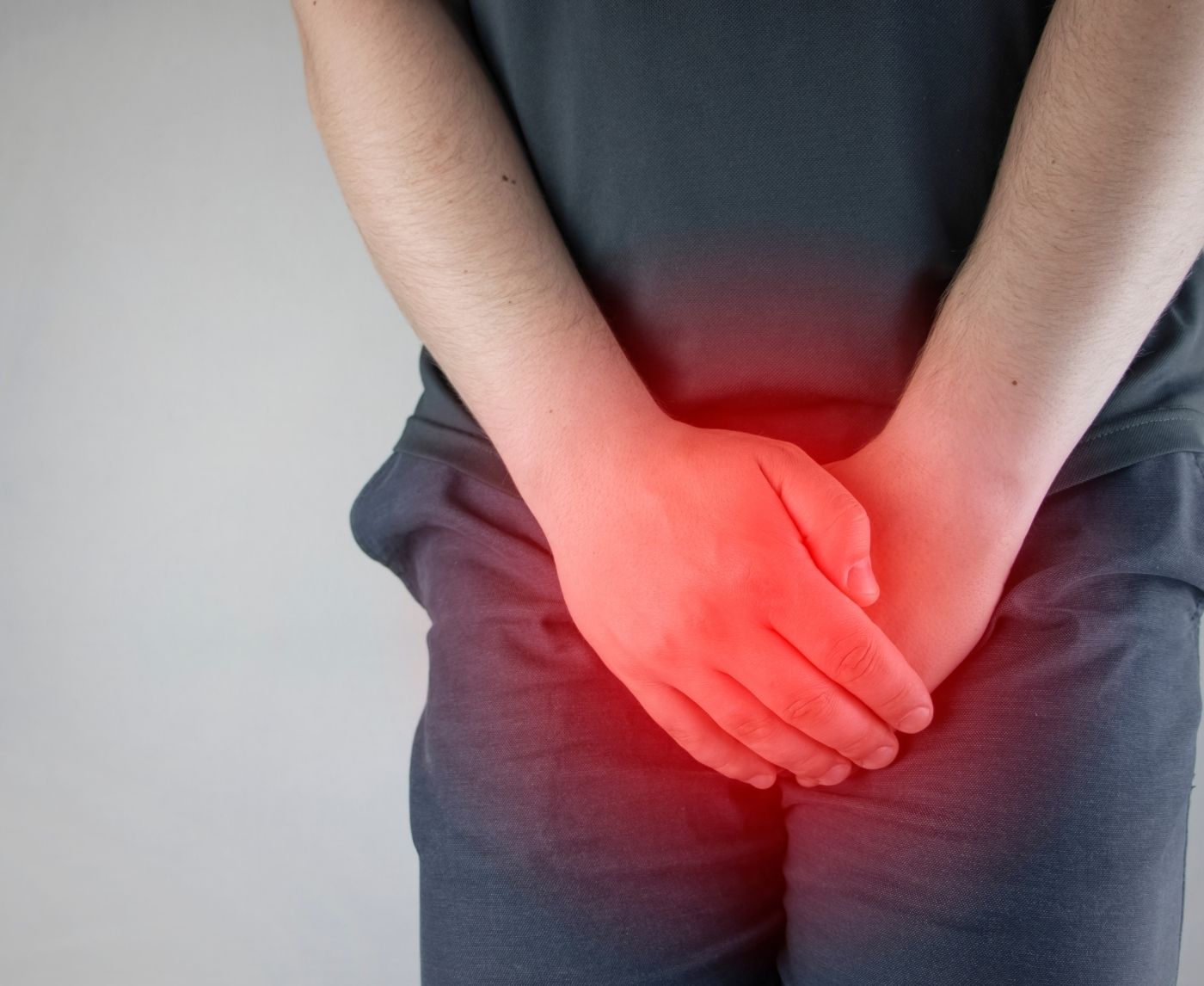

Quick Answer: Genital itching without discharge is often caused by irritation, shaving, yeast imbalance, or skin conditions. However, some STDs, especially herpes, trichomoniasis, and occasionally chlamydia, can start with itching alone before other symptoms appear. If itching lasts more than a few days, worsens, or follows a new sexual encounter, testing is a smart next step.
First, Take a Breath, This Symptom Is Extremely Common
Let’s start with something reassuring: genital itching by itself is one of the most common sexual health concerns people experience. Clinics see it constantly. Dermatologists see it constantly. Sexual health nurses hear about it every day.
One nurse at a public health clinic once put it bluntly during an interview: “Half the people who walk in worried about an STD just have irritated skin.”
The skin around the genitals is thinner, more sensitive, and more reactive than skin anywhere else on the body. Sweat, friction, tight clothing, shaving, soaps, condoms, lubricants, and even toilet paper can trigger irritation. Sometimes it’s nothing more than your skin reacting to something new.
Still, there’s a reason people worry. Certain infections can start with subtle symptoms. A mild itch can appear before anything else changes. That’s why context matters more than the symptom itself.
What Genital Itching With No Discharge Can Mean
When doctors hear “itching but no discharge,” they usually think about irritation first, infections second. But both possibilities stay on the table until the pattern becomes clearer.
| Possible Cause | Typical Clues | How Common |
|---|---|---|
| Skin irritation | New soap, detergent, lube, or condom | Very common |
| Shaving irritation | Itching appears 1–2 days after shaving | Very common |
| Yeast imbalance | Intense itching before discharge appears | Common |
| Allergic reaction | Redness or burning with itching | Common |
| Herpes | Itching or tingling before sores | Possible |
| Trichomoniasis | Irritation or itching that may come before discharge | Possible |
| Chlamydia | Mild irritation or itching in some cases | Less common |
The key takeaway from this table is that itching alone doesn't point clearly in one direction. It’s a symptom that overlaps with many conditions.
That overlap is why people often feel stuck in a guessing loop: “Is this just irritation… or something I should worry about?”

People are also reading: My "Strep Throat" Was Actually an STD, Here’s What I Missed
The STD Question: Can Infections Cause Itching Alone?
Yes, but it depends on the infection.
Some STDs cause very obvious symptoms. Others start quietly. Some infections start with mild symptoms like tingling, irritation, or itching before anything else shows up.
One sexual health educator explains it this way: “The early stages of certain infections are more about nerve irritation than visible symptoms. People notice itching or tingling before the body shows clearer signs.”
Here’s how some of the most common infections behave.
| STD | Early Sensation | What Usually Happens Next |
|---|---|---|
| Herpes | Tingling or itching | Sores or blisters appear within days |
| Trichomoniasis | Irritation or itching | Discharge or odor may develop |
| Chlamydia | Mild irritation | Often no symptoms at all |
| Gonorrhea | Usually none | Burning urination or discharge |
This doesn’t mean itching automatically signals an infection. But it does explain why doctors take persistent itching seriously when someone has had a recent sexual exposure.
Sometimes the symptom disappears and nothing else happens. Sometimes additional symptoms appear days later. Testing is what removes the guesswork.
A Real Scenario People Recognize Immediately
Elena, 27, remembers the exact moment the anxiety started.
“I noticed this itch after a weekend hookup. Nothing else, no discharge, no smell, nothing. But once I noticed it, I couldn't stop thinking about it.”
She waited three days, assuming it was irritation. The itching didn't get worse, but it didn't disappear either.
“At that point I realized the stress of not knowing was worse than just getting tested.”
Her test came back negative for STDs. The cause ended up being a reaction to a new scented body wash she’d started using that week.
Her story is incredibly typical. The symptom sparks worry. Testing removes uncertainty.
And that’s really the goal: clarity.
When Itching Is Probably Just Irritation
Most genital itching cases follow a simple pattern: something irritated the skin, the skin reacts, and it calms down after a few days.
Some of the most common triggers are shaving, sweat getting stuck under tight clothes, friction during sex, or soaps that throw off the skin's natural balance.
If the itching started after shaving or using a new product and there are no other signs like sores, a strange smell, pain when urinating, or swelling, irritation is probably the cause.
Dermatologists often suggest a simple reset: stay away from scented products, wear loose cotton underwear, and let your skin heal on its own. In many cases the itching fades within a few days.
But There Are Times You Shouldn’t Ignore It
Sexual health professionals look at the full context surrounding the symptom. Itching alone may not be alarming, but certain situations make testing the safest move.
Those situations include recent unprotected sex, a new partner, or itching that appears alongside subtle changes like tingling, redness, or discomfort during urination.
If the symptom continues for several days without improving, testing removes the uncertainty.
You can explore discreet testing options directly through STD Rapid Test Kits, which provide private at-home screening for several common infections.
Check Your STD Status in Minutes
Test at Home with Remedium7-in-1 STD Test Kit
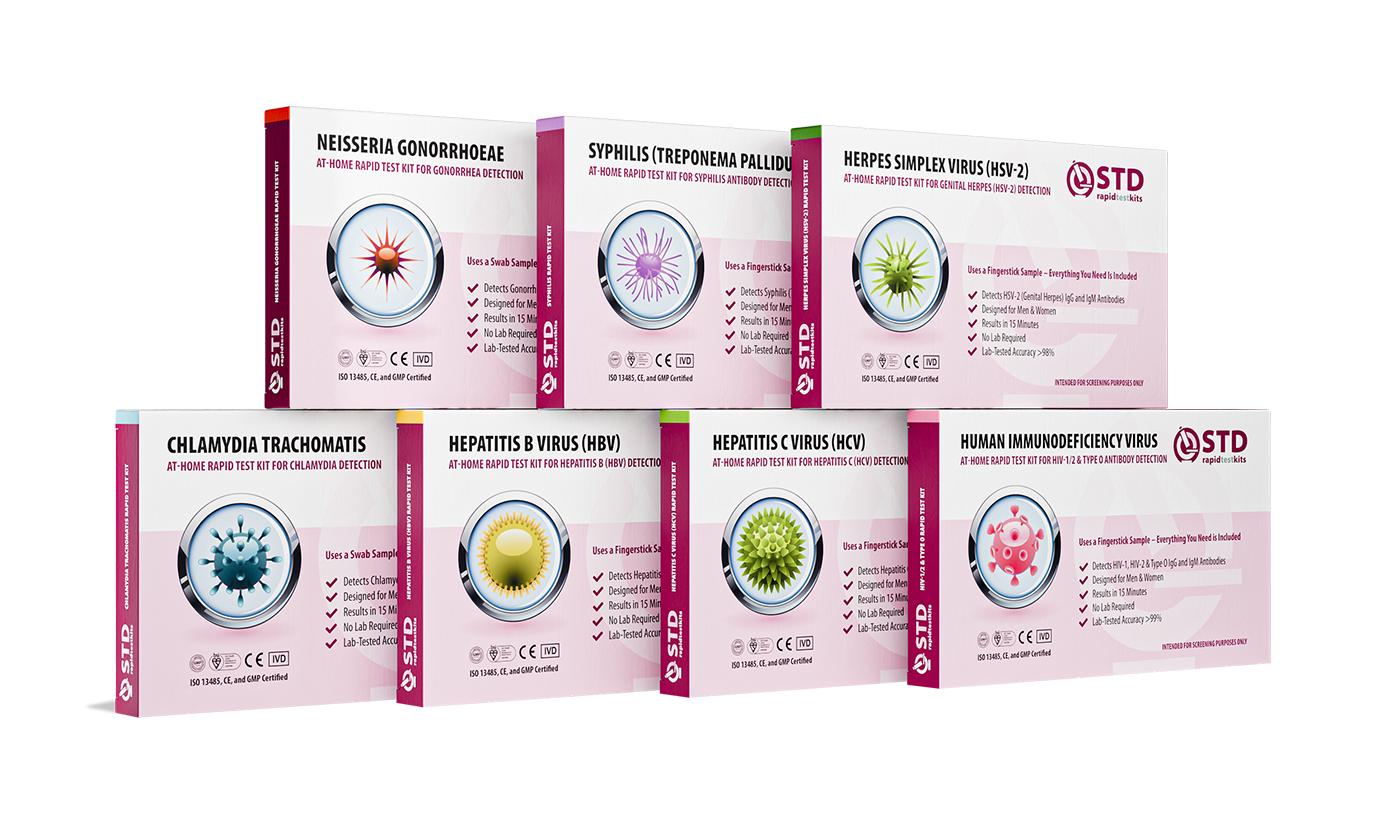
 For Men & Women
 Results in Minutes
 No Lab Needed
 Private & Discreet
Order Now $129.00 $343.00
For all 7 tests
Small Clues That Help Separate Irritation From Infection
One itch does not tell the whole story. Sexual health providers usually ask a few simple questions to understand what might be happening. The pattern of the itching, when it started, what it feels like, and what else changed, often reveals more than the symptom itself.
For example, irritation tends to appear quickly after a trigger. Maybe you shaved. Maybe you switched laundry detergent. Maybe you wore tight gym clothes for hours after sweating. In those situations the itching usually improves once the skin calms down.
Infections behave a little differently. They may appear several days after sexual contact, and they sometimes come with subtle changes that people initially overlook. These changes can include redness, slight swelling, tingling, or discomfort during urination.
A clinician from a sexual health clinic once explained it like this: “Skin irritation is loud but short. Infections tend to start quiet and then slowly reveal themselves.”
That slow reveal is why paying attention to timing matters.
Timing Matters More Than the Symptom Itself
One of the biggest clues doctors use is when the itching began relative to sexual activity. Different infections move at different speeds, and these timelines can help you narrow down your choices.
Infections need time to incubate before symptoms appear. This means that the body has to respond to the pathogen before anything happens that can be seen. If itching appears immediately after sex, irritation or friction is usually the more likely cause.
| Condition | Typical Symptom Timing | Common Early Sensations |
|---|---|---|
| Friction or irritation | Within hours | Burning, itching, skin sensitivity |
| Shaving irritation | 24–48 hours | Itching, small bumps |
| Herpes | 2–12 days | Tingling, itching, nerve sensitivity |
| Trichomoniasis | 5–28 days | Irritation, itching, inflammation |
| Chlamydia | 7–21 days | Mild irritation or often none |
This timeline explains why someone might feel itching days after a sexual encounter and start worrying. The body’s reaction can lag behind exposure.
But it’s also important to remember something surprising: many infections cause no symptoms at all. A large percentage of people with chlamydia or gonorrhea never notice anything unusual.
That’s why testing is based on risk, not just symptoms.
Other Non-STD Causes Doctors See Every Day
While sexually transmitted infections get the most attention online, many cases of genital itching actually come from everyday skin reactions.
The genital area contains delicate skin and a dense network of nerve endings. That combination makes it more reactive than most parts of the body. Small environmental changes can trigger itching surprisingly easily.
Here are a few conditions that frequently cause itching without discharge.
Contact irritation. Soaps, bubble baths, scented wipes, lubricants, and condoms can all trigger skin irritation. Even products labeled “gentle” may disrupt the skin barrier.
Allergic reactions. Latex condoms and certain lubricants can cause itching or redness shortly after use.
Heat and sweat. Moist environments allow yeast and bacteria that naturally live on the skin to overgrow slightly, creating itching.
Skin conditions. Eczema, psoriasis, and dermatitis can appear in the genital region just like they do elsewhere on the body.
A dermatologist once summarized it this way: “The genital area is basically the perfect environment for irritation, warm, moist, and constantly exposed to friction.”
The Situation That Makes People Most Nervous
There’s one specific scenario that leads to the most late-night searches: itching that appears after a new sexual partner.
It’s a moment many people recognize. The memory of the encounter replays in your head. You start connecting dots that may not actually be related.
Did something get transmitted? Did a condom break? Was there skin-to-skin contact?
Sometimes the itching is simply friction from longer or more intense sexual activity than usual. Sometimes it’s a reaction to lubricant or latex. But occasionally it does signal the early stage of an infection.
This is where testing becomes less about panic and more about clarity.
If you want private answers without visiting a clinic, options like the Combo STD Home Test Kit allow screening for several infections from home.
Many people choose this route simply because it removes the mental loop of wondering.

People are also reading: Testicle Pain After Sex: Could It Be Chlamydia or Something Else?
What Doctors Usually Recommend First
Doctors don't usually jump to the worst-case scenarios right away when someone comes into a clinic with itching but no discharge. Instead, they usually start with easy questions and things to do.
First they look for signs of visible irritation, redness, small bumps from shaving, or skin dryness. If those are present, the advice is often straightforward: avoid scented products, stop shaving temporarily, and allow the skin to recover.
If symptoms persist beyond several days or if there has been recent sexual exposure, testing becomes the next logical step. Testing does not mean a doctor believes you have an infection. It simply removes uncertainty.
As one clinician put it during an interview: “Testing is not an accusation. It’s just information.”
When Genital Itching Should Trigger Testing
Most itching resolves quickly. But certain patterns make testing the responsible next move.
Health professionals often recommend screening if itching continues for more than a few days, appears after unprotected sex, or is accompanied by subtle symptoms like burning during urination or unusual redness.
The goal is not to assume the worst. The goal is to rule things out.
Because once you have real results, the guessing stops.
Testing Removes the Guesswork
The hardest part about symptoms like itching is uncertainty. Your brain fills in the gaps. Every article you read adds another possible explanation. And the longer you wait, the more the question grows in the background.
Testing changes that dynamic completely. Instead of guessing, you get real data. And in many cases, the results come back negative, which immediately lowers anxiety.
Sexual health providers emphasize that testing is not just for people with obvious symptoms. Many infections cause very mild symptoms or none at all. That’s why routine screening is part of responsible sexual health, even when everything seems normal.
If itching appeared after a sexual encounter or simply refuses to disappear, getting tested can provide clarity quickly and privately.
When to Test After Genital Itching Appears
Sometimes, testing too soon can give false negatives because infections take time to show up. The time frame is known as the window period. Knowing these timelines helps make sure the results are correct.
| STD | Earliest Testing Window | Best Testing Window |
|---|---|---|
| Chlamydia | 5–7 days | 2 weeks |
| Gonorrhea | 5–7 days | 2 weeks |
| Trichomoniasis | 7 days | 2–4 weeks |
| Syphilis | 3 weeks | 6 weeks |
| HIV | 10–14 days | 4–6 weeks |
These windows explain why doctors sometimes recommend retesting later if an early test occurs soon after exposure. The infection simply needs enough time to show up in the test.
If genital itching appears within a few days of sexual activity, irritation is often more likely than infection. But if the symptom continues or new symptoms appear, testing becomes the safest approach.
Check Your STD Status in Minutes
Test at Home with Remedium6-in-1 STD Test Kit
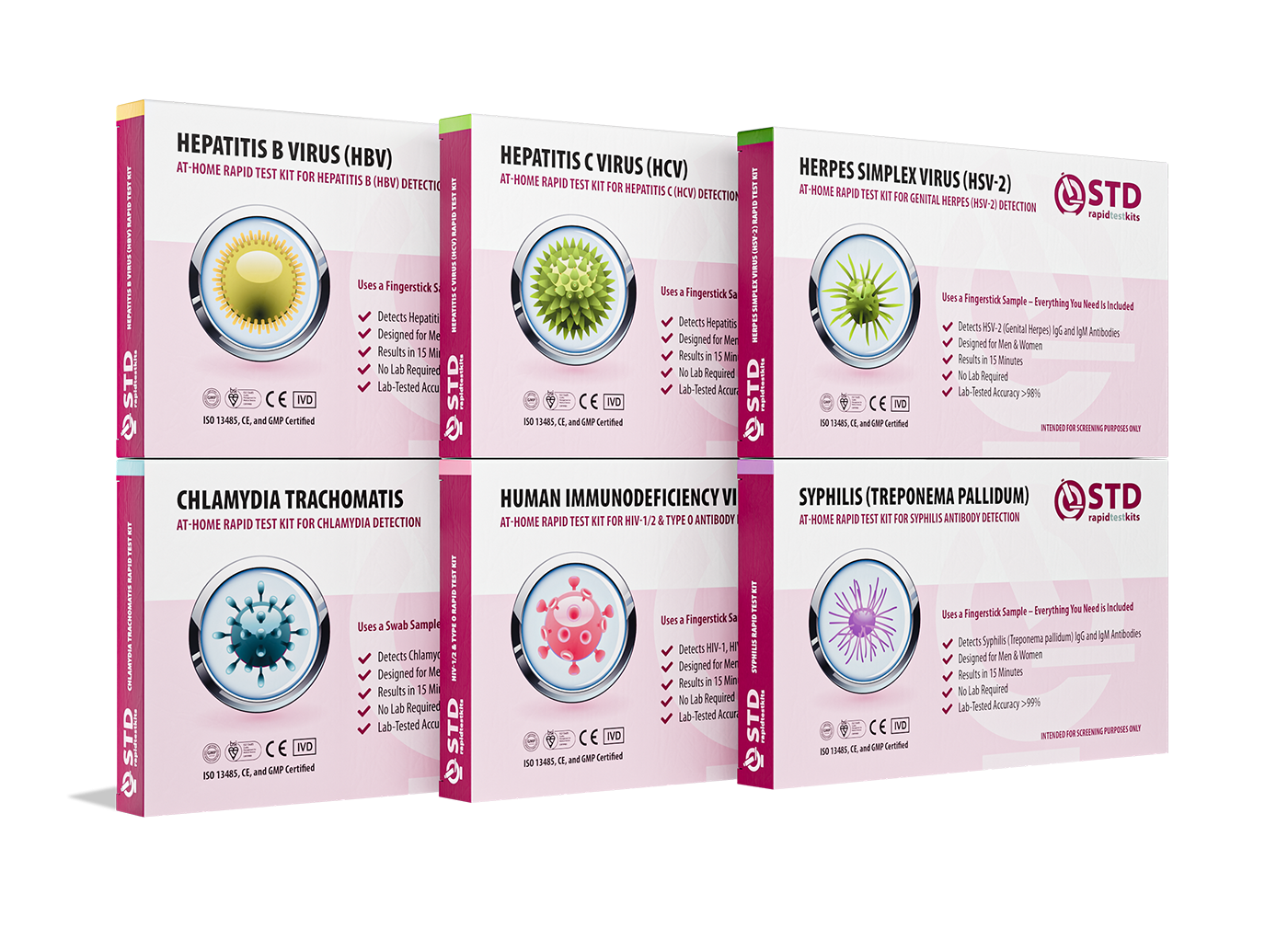 For Men & WomenResults in MinutesNo Lab NeededPrivate & Discreet
Order Now $119.00 $294.00
For all 6 tests
Myths That Make This Symptom More Confusing
The internet has created a lot of confusion around genital symptoms. Some myths spread quickly because they sound logical, but they aren’t medically accurate.
Myth: If there’s no discharge, it can’t be an STD.
Reality: There is no discharge with many infections. Some people with chlamydia or gonorrhea never notice any visible symptoms.
Myth: STDs always cause obvious symptoms.
Reality: Silent infections are extremely common. That’s one reason routine testing is recommended for sexually active adults.
Myth: If itching stops, the problem must be gone.
Reality: The symptoms may be different. An infection may still be present even if irritation fades temporarily.
When people clear up these misunderstandings, they can make better choices about their health.
Simple Things You Can Try While Monitoring Symptoms
If irritation is the likely cause, a few practical adjustments can help the skin recover quickly.
Using unscented soap, avoiding scented wipes, and wearing cotton underwear that lets air flow can all help a lot. Dermatologists also often tell people to stop shaving for a week or two to give their skin a break.
Keeping the skin hydrated and practicing good hygiene can also help the skin's natural barrier, which will help it heal without making it worse.
If symptoms fade within a few days, the issue was likely environmental rather than infectious.
If they don’t, testing is a simple next step.
FAQs
1. Can an STD really start with just itching and nothing else?
It can, but it’s not the most common scenario. Some infections, especially herpes, can start with a weird itchy or tingling feeling before anything visible shows up. But honestly, most people who feel itchy down there without other symptoms end up dealing with simple irritation or skin sensitivity, not an infection.
2. Why am I itchy down there but there’s no discharge, smell, or bumps?
The short answer: skin is sensitive. New soap, shaving, tight workout clothes, sweat, or even a different laundry detergent can irritate genital skin surprisingly easily. If the itching fades in a couple days after removing the trigger, that’s usually your answer.
3. Could chlamydia cause itching?
Occasionally, yes, but it’s not the classic symptom. Chlamydia is famous for being quiet, which means many people have it and feel absolutely nothing at all. If itching shows up after a new partner or unprotected sex, testing is the easiest way to remove the guesswork.
4. Does herpes feel itchy before sores appear?
Many people describe the early stage of herpes as an odd nerve sensation, itching, tingling, or even a subtle “buzzing” feeling in the skin. That phase can last a day or two before small blisters appear. If itching suddenly turns into tenderness or small sores, it’s definitely worth getting checked.
5. How long is too long to be itchy?
A few days of mild itching, especially after shaving or irritation, is pretty normal. But if the itch sticks around longer than about five days, keeps coming back, or starts getting worse instead of better, that’s when clinicians usually recommend testing or at least having someone take a look.
6. Can shaving really make things itch that much?
Absolutely. Freshly shaved skin is basically a field of tiny hair tips growing back through sensitive tissue. That regrowth can itch like crazy for a few days. Add tight clothing or sweat to the mix and the irritation can feel even stronger.
7. Why does itching sometimes show up after sex?
Sometimes it’s as simple as friction. Longer or more vigorous sex can irritate delicate skin. Other times it’s a reaction to latex condoms, lubricant ingredients, or even a partner’s body products. The key detail is whether the irritation disappears quickly or keeps hanging around.
8. Which STD is actually most associated with itching?
Among common infections, herpes and trichomoniasis are the ones most likely to cause itching. But here’s the twist: a huge percentage of STD infections don’t cause symptoms at all. That's why most people don't just get tested based on how they feel; they also think about how likely they are to be exposed.
9. If the itching stops, does that mean everything is fine?
Usually, but not always. Irritation often fades once the skin settles down. Infections can sometimes fluctuate, though, meaning symptoms come and go. If something felt suspicious or happened after a new partner, testing can still be a good move for peace of mind.
10. Is it weird to get tested just because something feels “off”?
Not at all. Sexual health clinics see people every day who simply want reassurance. One nurse once joked that half of her appointments start with someone saying, “I’m probably overthinking this, but…” Getting clarity about your body isn’t overreacting, it’s taking care of yourself.
You Deserve Answers, Not Assumptions
Genital itching without discharge is one of the most common symptoms people search online. Most of the time it turns out to be simple irritation, something as ordinary as shaving, sweat, or a new product touching sensitive skin.
But sometimes the body is signaling something else. A mild itch can occasionally be an early sign of an infection, especially if it appears after a new sexual partner or doesn’t improve after several days.
Don’t jump to the worst-case scenario, but don’t brush it off either. When your body does something unexpected, it’s easy to feel anxious. A quick test and reliable information can usually clear things up.
If you want quick answers from home, you can look into private testing options through STD Rapid Test Kits. The Combo STD Home Test Kit checks for a number of common infections in one private test, making it a better way to screen for more.
Knowing your status isn’t about fear. It’s about clarity, peace of mind, and taking control of your health.
How We Sourced This Article: This guide uses the most up-to-date medical advice on sexually transmitted infections and research from dermatology on genital skin irritation. We examined peer-reviewed studies regarding the manifestation of STIs and consulted recommendations from public health organizations such as the CDC and WHO. Medical literature regarding herpes prodrome symptoms, trichomoniasis irritation, and non-infectious genital dermatitis contributed to the distinctions elucidated in this article.
Sources
1. Centers for Disease Control and Prevention – Sexually Transmitted Diseases Overview
2. NHS – Sexually Transmitted Infections Guide
3. Planned Parenthood – STD Symptoms and Testing
4. PubMed – Research Database for STI Symptom Studies
5. World Health Organization – Sexually Transmitted Infections Fact Sheet
6. MedlinePlus – Sexually Transmitted Diseases
About the Author
Dr. F. David, MD is a board-certified infectious disease physician specializing in sexually transmitted infections and sexual health education. His work focuses on translating complex medical evidence into clear, stigma-free guidance that helps people make informed decisions about testing, treatment, and prevention.
Reviewed by: Clinical Sexual Health Review Board | Last medically reviewed: March 2026
This article is meant to give you information, not to give you medical advice.


