







Quick Answer: Oral gonorrhea often looks like strep throat but may have no fever or visible symptoms. It spreads through oral sex and requires targeted STD testing to detect.
Why We Miss the Signs (And Why That Matters)
In a clinic waiting room, a 22-year-old named Luis sat quietly while his throat burned like fire. He’d just finished a round of amoxicillin for what his urgent care doctor had called “likely strep,” even though his rapid test was negative. The pain had dulled but never fully disappeared. When his new partner told him they’d recently tested positive for gonorrhea, Luis felt his stomach drop. He had never imagined an STD could hide in his throat, without any clue beyond that same sore burn.
This scenario isn’t rare. According to the CDC, oropharyngeal gonorrhea is increasingly common, especially in people under 30 and those who engage in oral sex. The problem? Most providers don’t screen for it unless specifically requested. That means thousands of people walk away with a "negative" STD test, unaware that their sore throat is actually sexually transmitted.
Unlike genital infections, throat-based gonorrhea often doesn’t produce obvious symptoms. And when it does, they’re subtle, mild irritation, occasional swelling, or that nagging soreness you chalk up to dry air or allergies. That makes it dangerously easy to ignore or misdiagnose.
Why Oral Gonorrhea Looks (and Feels) Like Strep
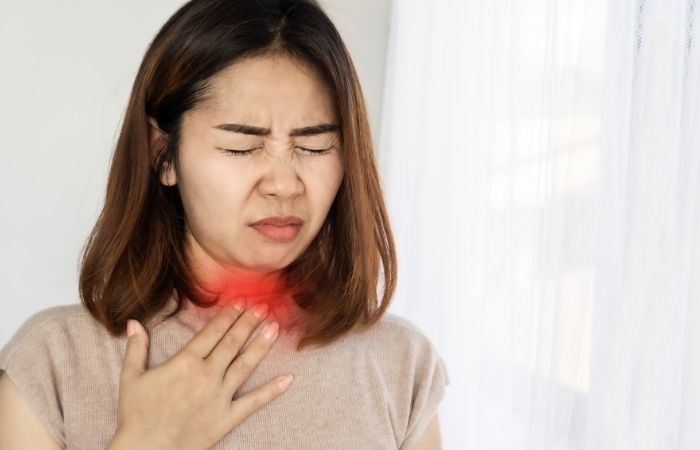
Medically speaking, the overlap is real. Oral gonorrhea can inflame the back of your throat and tonsils, trigger redness, cause white spots or pus, and lead to pain when swallowing, all classic symptoms of strep throat. But here’s the kicker: gonorrhea in the throat rarely causes a fever. That one detail could’ve saved me weeks of confusion if I’d known what to look for.
Let’s break it down in a way your body understands, not just the textbooks. Below is a table comparing typical symptoms of oral gonorrhea and strep throat:
| Symptom | Oral Gonorrhea | Strep Throat |
|---|---|---|
| Sore throat | Common (often mild to moderate) | Severe and sudden onset |
| Fever | Rare | Very common (especially >101°F) |
| Swollen lymph nodes | Uncommon | Common |
| White patches on tonsils | Possible | Common |
| Cough | Possible | Usually absent |
| Sexual exposure history | Oral sex within last 2–14 days | No connection |
Table 1. Overlapping symptoms can confuse both patients and doctors. Absence of fever is often a key differentiator for oral STDs.
Even with this comparison, many clinics still don’t swab the throat for STDs unless you explicitly ask. And if you’ve already started antibiotics for something else, that might temporarily suppress, but not fully treat, the infection.
People are also reading: Genital Itch That Won’t Go Away: Is It Herpes, Dry Skin, or Worse?
The Day Everything Clicked: A Real Story
I finally went back to a walk-in clinic when my throat got worse again. The provider asked me if I’d had oral sex recently. I hesitated, then admitted I had. He swabbed my throat for both strep and gonorrhea. The strep was negative. But the STD test came back positive.
I remember staring at the result in disbelief. I hadn’t had unprotected sex, I thought I’d been careful. But I hadn’t used a condom during oral, and neither had my partner. And that’s all it takes.
The good news? Throat gonorrhea is treatable. But what scared me was how long I’d been walking around with it. How many people assume their sore throat is allergies, or just dry winter air? How many are quietly contagious without even knowing it?
This was the moment I stopped seeing STDs as something “other people” get. Because now I was that person.
Check Your STD Status in Minutes
Test at Home with Remedium6-in-1 STD Test Kit
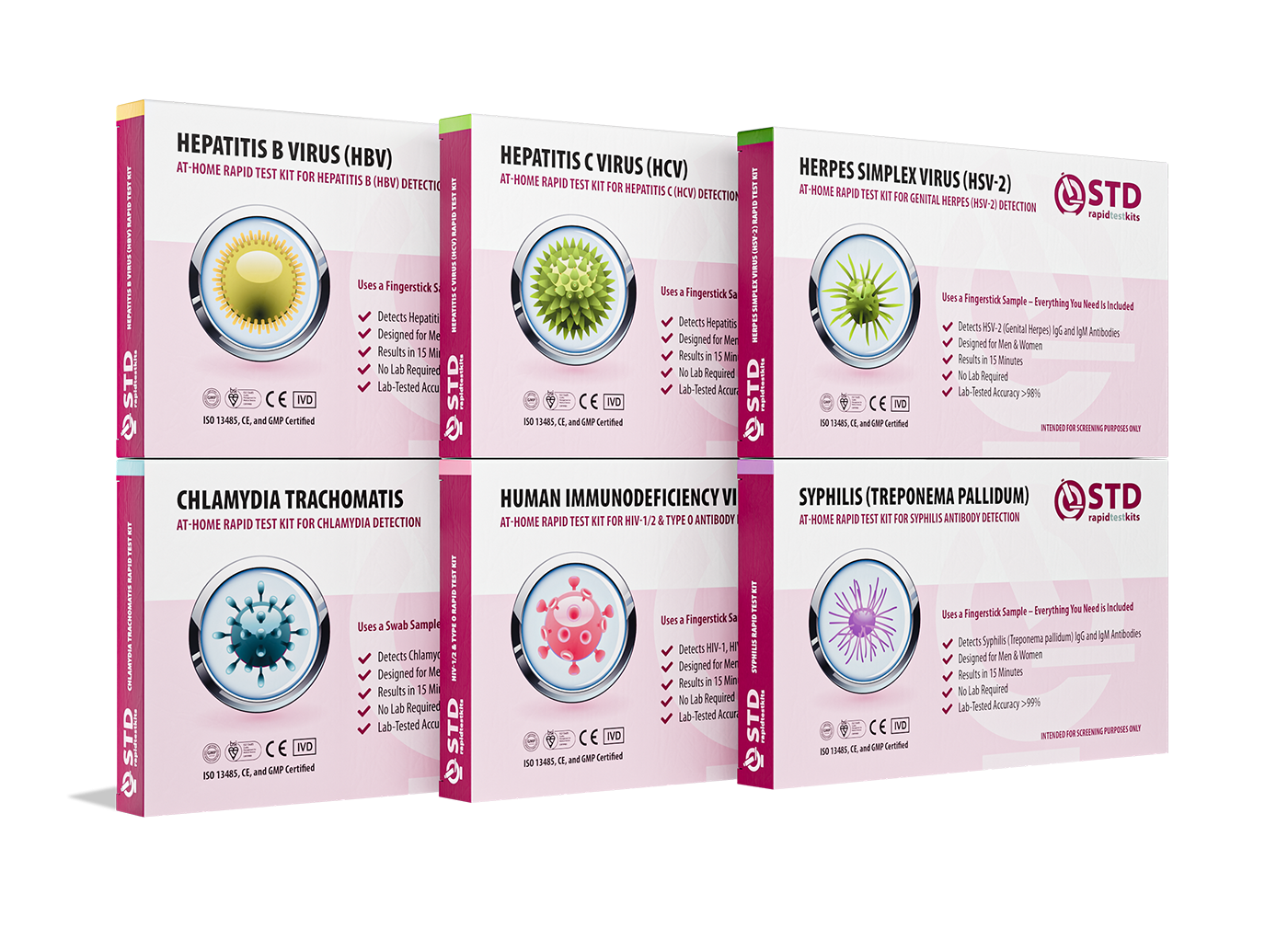
 For Men & Women
 Results in Minutes
 No Lab Needed
 Private & Discreet
Order Now $119.00 $294.00
For all 6 tests
How Oral Gonorrhea Spreads (Even Without Sex)
Let’s clear up a myth: You don’t need to have traditional intercourse to get an STD. Oral gonorrhea spreads through mouth-to-genital or mouth-to-anus contact. If someone has gonorrhea in their genitals, performing oral sex on them can transmit the bacteria to your throat. Likewise, if you have gonorrhea in your throat, giving oral sex can pass it to someone else.
There are even rare cases where deep kissing or sharing saliva-based objects (like sex toys) may be involved, though the risk is lower. Still, if your only exposure was oral and you develop symptoms days later, don’t dismiss the possibility of an STD.
Here’s where it gets more complicated: oral gonorrhea often lives silently. That means your partner may not know they’re infected. And if your provider doesn’t think to test your throat, it gets missed again. That’s how the cycle continues.
How to Actually Get Diagnosed (Spoiler: Most Tests Miss It)
When most people say they’ve been “tested for everything,” they assume it includes the throat. It doesn’t. The truth is, most standard STD panels, even at clinics, only test urine or genital swabs unless you specifically ask for oral or rectal screening. And at-home test kits? Many still focus solely on genital sampling, unless you choose a version that includes oral swabs.
That’s why people like Jasmine, a 27-year-old who works remotely and rarely gets sick, can go months with a nagging sore throat before anyone even considers testing for gonorrhea. “I thought it was allergies or stress,” she said. “It wasn’t until my hookup from six weeks earlier reached out that I realized I needed to get tested.” Jasmine had taken a urine-based STD panel two weeks after the encounter. It came back negative. No one had touched her throat.
Getting diagnosed starts with asking for the right test at the right time. That includes location-specific swabs, urine, throat, rectum, depending on how you’ve had sex. If your exposure was oral, a throat swab is non-negotiable. The good news? Some high-quality at-home kits now offer oral sampling for gonorrhea and chlamydia, giving you privacy and precision in one discreet box.
How Long to Wait Before Testing Your Throat
The bacteria that causes gonorrhea doesn’t show up in tests right away. This is called the “window period”, the time between exposure and when a test can reliably detect the infection. For oral gonorrhea, the average window period is about 7 days, but accuracy improves closer to 14 days post-exposure.
If you test too early, your result could be falsely negative. That’s what happened to Devon, a college senior who tested on day 5 after giving unprotected oral sex at a party. “I felt off,” he recalled. “My throat was scratchy, but I figured I was just being paranoid. The test was negative, so I moved on. But a week later, the symptoms came back, and stronger.” A retest at day 15 confirmed it: oral gonorrhea.
Here’s a simplified testing timeline to guide decisions based on exposure:
| Time Since Exposure | Testing Guidance | Accuracy Risk |
|---|---|---|
| 1–4 days | Too early to test | High risk of false negatives |
| 5–7 days | Early testing possible, but follow with retest | Moderate risk |
| 8–14 days | Ideal testing window for throat swabs | Low risk |
| 15+ days | Good window for confirmatory testing | Very low risk |
Table 2. Testing too soon after oral exposure can lead to false negatives. A retest may be needed for full confidence.
If you’re unsure when exposure occurred or have ongoing symptoms, test as soon as possible, but be prepared to retest 1–2 weeks later. It’s not about being paranoid; it’s about being thorough.
Can You Use an At-Home Test for Oral Gonorrhea?
Yes, but not all of the kits are the same. Some quick tests only check urine or fluids from the genitals. Multi-site swabs can also find things in the mouth, genitals, and rectum. When choosing a kit, make sure it clearly says "throat swab included" or "oropharyngeal testing available." If you're not sure, look at the product page or call customer service.
Let’s break down the trade-offs between common testing options:
| Test Type | Includes Throat Testing? | Turnaround Time | Best For |
|---|---|---|---|
| Basic At-Home Urine Test | No | 10–20 minutes (rapid) or 2–4 days (mail-in) | Genital-only exposure |
| Combo STD Home Test Kit | Yes (oral swab included) | Minutes (rapid test) | Oral, genital, or multi-site exposure |
| Clinic Visit + Lab Work | Yes (if requested) | 2–5 business days | Persistent symptoms or positive partner |
Table 3. Only select test kits include throat screening. Always check whether an oral swab is part of the package before relying on at-home testing.
If you're ready to stop wondering and start healing, this Combo STD Home Test Kit includes oral sampling and gives results in minutes, privately, from wherever you are.
Treatment Is Simple, If You Know You Need It
Once you’re diagnosed, oral gonorrhea is treated with antibiotics, usually a single injection or a short oral course, depending on resistance patterns. But here's the twist: because of rising drug resistance, some strains of throat-based gonorrhea are harder to treat than genital ones. That makes early detection even more critical.
Don’t try to DIY your treatment with leftover antibiotics. Not only can it make the infection worse, it can help gonorrhea become more resistant over time. Always follow a provider’s guidance, and make sure to finish the full course even if symptoms fade after day one.
And yes, your partner(s) need to get tested too, even if they feel fine. Silent transmission is how this cycle continues. Testing is not about blame. It’s about care, safety, and rebuilding trust after a surprise diagnosis.
What If It Comes Back? The Reality of Reinfection
Three months after treatment, Luis was back in the clinic. The sore throat had returned. He felt embarrassed even sitting in the waiting room. Hadn’t he already dealt with this? Didn’t the antibiotics work? The answer, unfortunately, was yes… and no. He’d been reinfected, this time from a different partner who hadn’t known they were carrying gonorrhea in their throat.
This is a brutal but common truth: you can get oral gonorrhea again, even soon after treatment. It doesn’t mean your meds failed. It means the bacteria found a way back in, likely from an untested partner or new exposure. Reinfection isn’t a moral failing. It’s a structural one. Most people still don’t know oral STDs are a thing, and almost no one talks about it after a hookup.
If you've had throat gonorrhea once, talk to your provider about when to retest. Most clinics suggest rechecking 3 months after treatment, or sooner if symptoms come back or new exposure occurs. Retesting is part of recovery, not a sign you did something wrong.
How to Protect Yourself Going Forward
There’s no vaccine for gonorrhea (yet), and condoms don’t fully protect against oral transmission if they’re not used during oral sex. That’s a hard pill to swallow, especially when many people skip protection during oral entirely. But there are still ways to lower your risk:
Get tested based on how you have sex, not just if you have sex. That means adding throat swabs if you give oral, rectal swabs if you receive anal, and urine tests if you have vaginal or penile contact. A test that misses your exposure route is no better than no test at all.
If you and a partner are new or non-monogamous, talk openly about testing before things get physical. It can be awkward, sure, but not as awkward as texting someone days later to say, “Hey, I have gonorrhea in my throat. You might too.” Prevention starts with communication, not just protection.
And finally: don’t wait until symptoms scream. If your throat feels weird after a new partner, or if you just have a gut feeling, trust it. STD Rapid Test Kits offers discreet, fast, and clinically reliable tests you can use at home, including kits that check your throat. One small step now can prevent weeks of confusion and months of transmission.
People are also reading: Painless but Contagious: The Truth About Syphilis Sores
Talking to a Partner Without the Shame Spiral
After Jasmine tested positive, she hesitated for days before telling her previous partner. “I was afraid they’d accuse me of something or ghost me,” she said. “But once I finally messaged them, they were surprisingly calm. They got tested and found out they had it too. We were both silent carriers.”
The hardest part of getting an STD is rarely the treatment, it’s the conversations that follow. But you’re not alone. Scripts can help:
“Hey, I just found out I have gonorrhea in my throat. I didn’t have symptoms at first, so I wouldn’t have known unless I tested. You might want to get checked, too, especially if you’re feeling off.”
It doesn’t have to be a monologue. It doesn’t have to be perfect. Just honest enough to break the chain. If you can’t do it in person, consider an anonymous partner notification service through a clinic or telehealth provider. Many services let you notify partners without revealing your name or details. The point isn’t blame, it’s safety, for both of you.
If you're not sure what to say, the CDC and local health departments offer support lines that walk you through the process. Some even offer text templates or call-back services. The hardest part is starting, but you won’t regret it once you do.
Check Your STD Status in Minutes
Test at Home with Remedium8-in-1 STD Test Kit
 For Men & WomenResults in MinutesNo Lab NeededPrivate & Discreet
Order Now $149.00 $392.00
For all 8 tests
Is It Ever Just a Sore Throat?
Yes. Of course. Not every sore throat is an STD. But if you’ve had oral sex recently, and especially if your symptoms aren’t acting like “classic” strep, it’s worth considering. Here are some signs that your sore throat might be more than seasonal allergies or post-nasal drip:
It lingers for more than a week, especially without fever. It comes back after antibiotics. It doesn’t respond to usual home remedies. Or you just have that gut feeling something’s not adding up.
Trust that feeling. The same way we learn to trust a new cough during flu season, or a rash after hiking, we can learn to trust our bodies after sex. The signals are there, we just need the language to interpret them. That starts with removing shame and replacing it with knowledge.
You’re not dirty. You’re not reckless. You’re just human, with a throat that deserves answers.
FAQs
1. Can oral gonorrhea just go away on its own?
It might seem like it does, especially if the sore throat fades. But no, oral gonorrhea doesn't just vanish. You might feel better for a bit (especially if you took antibiotics for something else), but the bacteria often sticks around. It hides, spreads silently, and comes back when you least expect it. The only way to actually clear it is proper treatment after the right test.
2. How soon after oral sex can I test my throat?
If you’re the type who Googles symptoms 30 minutes after a hookup (no shade, we’ve been there), here’s the deal: wait at least 7 days after oral sex before testing your throat. That’s the minimum window where the test can pick up the infection. Earlier than that and you might get a false negative. Still feeling weird? Retest at day 14 just to be sure.
3. Could my sore throat really be an STD?
Yep. If you’ve had oral sex recently and now your throat feels raw, swollen, or “off”, especially without the usual fever or congestion, it’s worth considering. One reader thought it was just seasonal allergies until their partner tested positive. Turns out, the burn in their throat wasn’t from pollen, it was from gonorrhea.
4. Do regular STD tests check your throat?
Almost never. Even if you say “test me for everything,” unless you ask for an oral swab, most clinics only test your pee or genitals. That means you could be walking out with a negative result that doesn’t tell the full story. The same goes for some at-home kits, so double-check if it includes a throat swab.
5. Can I catch oral gonorrhea from kissing?
It's rare, but technically possible. Deep kissing with someone who has throat gonorrhea could pass it, though the risk is much higher with oral sex. Still, if you’ve shared saliva (or other things) and your throat’s acting strange, don’t dismiss it outright. Testing is better than guessing.
6. I took antibiotics recently, could that have masked it?
Maybe. Some antibiotics can reduce symptoms but not fully kill off gonorrhea, especially if it's one of the drug-resistant strains (which are becoming more common). That means your throat might feel better for a while... until it doesn’t. Always finish the correct prescription after a proper diagnosis.
7. Can I have oral gonorrhea without any symptoms?
Absolutely. Many people feel totally fine, no sore throat, no swelling, no clue. That’s what makes it tricky. It just chills in the back of your throat, waiting for the chance to spread. This is why routine screening based on how you have sex (not just if) is so important.
8. What happens if I don’t treat it?
Besides being contagious, untreated oral gonorrhea can sometimes spread to your bloodstream or joints (rare, but possible). More often, it just lingers and gets passed to others, like a bad chain text no one asked for. Plus, it might evolve into a version that's harder to treat. Don’t ghost your throat. Get it tested and cleared.
9. How do I tell a partner without freaking them out?
Keep it honest and calm. You can say, “I tested positive for throat gonorrhea, probably from a while back. You might want to get checked too.” Most people will appreciate the heads-up, even if it’s awkward at first. If that feels too intense, many clinics offer anonymous notification services that do it for you.
10. Will condoms protect me from throat STDs?
They definitely help, but only if you use them during oral sex. Most people don’t. That’s how throat infections spread so easily. If barriers aren’t part of your oral routine, make testing part of your aftercare. It’s not about shame, it’s about staying ahead of the game.
You Deserve Answers, Not Assumptions
If you’ve been dealing with a sore throat that won’t quit, and the usual explanations just don’t add up, it might be time to look deeper. You’re not being dramatic. You’re being thorough. And that mindset protects not only you, but every partner you care about.
Don’t wait and wonder. This at-home combo test kit checks for oral, genital, and rectal infections, all with one discreet box. No appointments. No judgment. Just clarity.
How We Sourced This Article: We combined current guidance from leading medical organizations with peer-reviewed research and lived-experience reporting to make this guide practical, compassionate, and accurate.
Sources
2. NHS – Gonorrhoea Symptoms and Treatment
3. World Health Organization – STI Fact Sheet
4. Gonorrhea Treatment and Care (CDC)
5. Think You’re Clean? Why It’s Still Time to Get an STI Check (CDC)
6. Gonorrhoea (WHO Fact Sheet)
7. Gonorrhoea - European Centre for Disease Prevention and Control
8. Gonorrhea: Causes, Symptoms, Tests and Treatment (Cleveland Clinic)
About the Author
Dr. F. David, MD is a board-certified infectious disease specialist focused on STI prevention, diagnosis, and treatment. He blends clinical precision with a no-nonsense, sex-positive approach and is committed to expanding access for readers in both urban and off-grid settings.
Reviewed by: Rachel M. Clarke, MPH | Last medically reviewed: December 2025
This article is meant to give you information, not to replace medical advice.


