





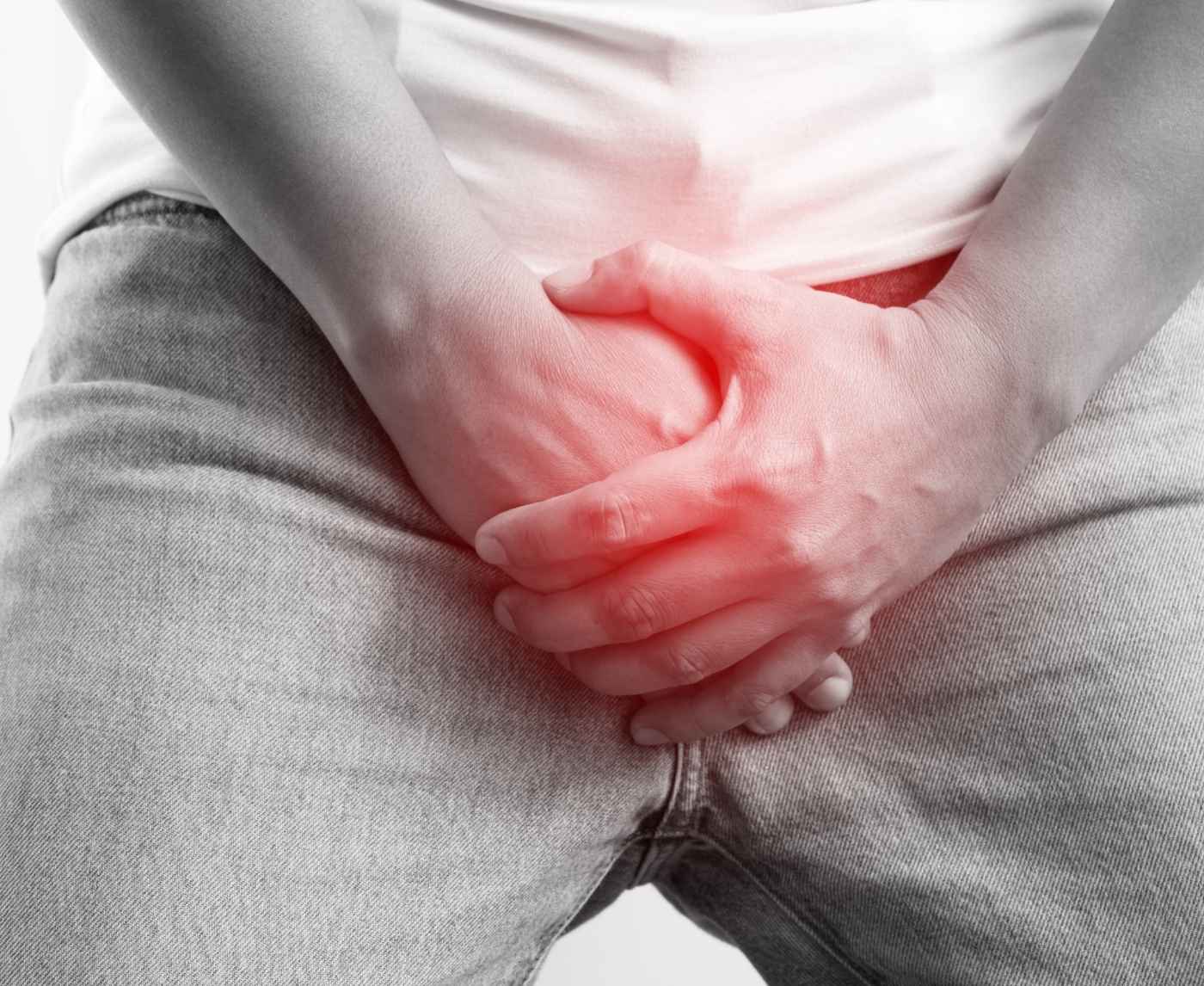

Quick Answer: Most of the time, STD rashes come with other symptoms like sores, ulcers, discharge, flu-like symptoms, or lesions that don't go away. Dermatitis and skin irritation typically cause redness, itching, or mild inflammation that improves when the skin is no longer exposed to the irritant.
Why the Genital Area Gets Red So Easily
The skin around the genitals is thin, sensitive, and constantly exposed to friction and moisture. That combination makes it one of the most reactive areas of the body. A new soap, a different laundry detergent, sweat after a workout, tight clothing, or even prolonged sex can trigger inflammation.
Dermatologists often describe genital skin as “reactive skin.” It behaves differently from the skin on your arms or legs because it sits in a warm, humid environment and experiences constant movement. When irritation happens, the body sends extra blood flow to the area to protect the tissue. That increased circulation shows up visually as redness or swelling.
In many cases the reaction is temporary. The redness fades once the trigger disappears. But when irritation persists or worsens, people often start wondering if something infectious is happening.
The Two Big Categories: Infection vs Irritation
When doctors evaluate genital redness, they usually start with a simple question: is the inflammation caused by infection or by irritation? Those two categories behave differently, even if the symptoms initially look similar.
Skin irritation or dermatitis happens when the body reacts to something external. That could be a chemical exposure, a friction injury, or an allergic reaction. Sexually transmitted infections happen when a pathogen gets into the body and starts to reproduce in the tissue.
| Category | Examples | Typical Pattern |
|---|---|---|
| Skin irritation / dermatitis | Soap reactions, latex allergy, shaving irritation, friction, sweat rash | Diffuse redness, itching, mild burning |
| Fungal infections | Yeast infections, jock itch | Red patches with itching and sometimes white residue |
| Bacterial STDs | Syphilis, chlamydia, gonorrhea | May include sores, discharge, or deeper lesions |
| Viral STDs | Herpes, HPV | Often involves blisters, bumps, or persistent lesions |
Remember that redness alone is not usually enough to make a diagnosis. That's why doctors look for more than one symptom at a time.
People are also reading: I Took the Antibiotics, Do I Still Need to Retest?
What Dermatitis Actually Looks Like on Genital Skin
Dermatitis simply means inflammation of the skin. When it occurs in the genital area, it often develops after exposure to something that irritates or sensitizes the tissue. This could be a scented body wash, a new brand of lubricant, a condom material, or even fabric softener residue on underwear.
The symptoms usually appear fairly quickly after exposure. Some people notice redness within hours. Others experience itching that gradually intensifies over a day or two.
Unlike many infections, dermatitis often spreads across the surface of the skin in patches rather than forming distinct sores. The inflammation may look blotchy or slightly shiny, and the skin may feel warm or tender to the touch.
| Symptom | How It Usually Feels | What Often Triggers It |
|---|---|---|
| Red patches | Mild warmth or irritation | Soaps, detergents, hygiene products |
| Itching | Persistent urge to scratch | Allergic reactions or sweat |
| Dry or flaky skin | Rough texture | Overwashing or harsh cleansers |
| Mild swelling | Tender but not painful | Friction during sex or exercise |
Many people first notice dermatitis after a change in routine. A new workout program that causes more sweating, a different condom brand, or shaving more frequently can all set off a reaction. The timing of symptoms often provides an important clue.
Another hallmark of dermatitis is that the skin often improves when the irritant disappears. Switching products, wearing looser clothing, or allowing the area to rest for a few days can make a noticeable difference.
How STD Rashes Tend to Behave Differently
Sexually transmitted infections typically create more specific patterns than dermatitis. Instead of broad patches of irritation, many STDs produce defined lesions. These might be sores, ulcers, blisters, or clusters of bumps.
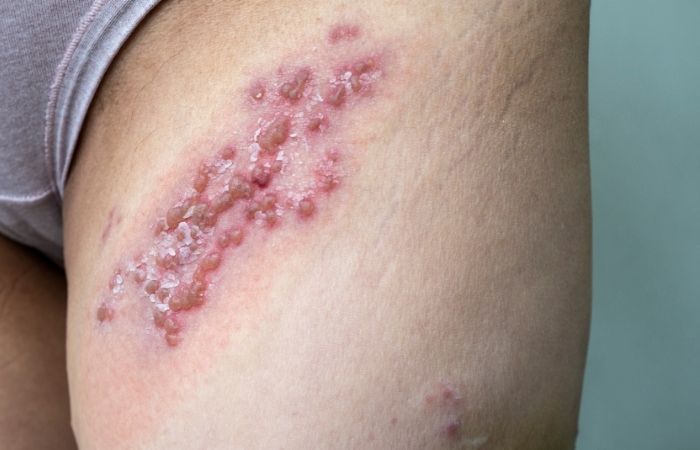
Take herpes, for example. Early herpes outbreaks often begin with redness and tingling, but the redness usually progresses into small fluid-filled blisters. Those blisters eventually break open and form shallow ulcers before healing.
Syphilis can also begin subtly. The earliest symptom is often a painless sore called a chancre. The surrounding skin may appear slightly red or inflamed, but the sore itself tends to be firm and well defined.
Other infections such as chlamydia or gonorrhea rarely produce obvious rashes at all. Instead, they usually cause internal symptoms like discharge, burning during urination, or pelvic discomfort.
Because these infections can be silent in their early stages, doctors often recommend testing whenever symptoms appear after a new sexual encounter. If you want discreet answers quickly, many people now use at-home STD testing kits to check for common infections without needing an immediate clinic visit.
Common Non-STD Reasons Genital Skin Turns Red
One of the biggest surprises for people is how many everyday things can inflame genital skin. Dermatologists see these cases constantly. Someone assumes they caught an infection, but the real cause ends up being friction, shaving irritation, sweat, or a reaction to a hygiene product.
The genital area sits in a perfect storm for skin reactions: warmth, moisture, movement, and delicate tissue. When something disrupts the skin barrier, the immune system reacts quickly. That reaction is what creates redness, swelling, or itching.
Here are several causes clinicians see far more often than STDs when someone shows up with inflamed genital skin.
| Cause | What It Feels Like | Why It Happens |
|---|---|---|
| Friction from sex | Redness, mild swelling, sensitivity | Prolonged contact and lack of lubrication irritate skin |
| Shaving irritation | Small red bumps or patches | Hair follicles inflamed after shaving |
| Sweat rash | Diffuse redness with itching | Moisture trapped against skin |
| Soap or hygiene products | Burning or itching | Chemicals disrupt the skin barrier |
| Latex or lubricant allergy | Sudden redness or swelling | Allergic immune response |
These reactions often show up quickly. Someone might notice redness later the same day after sex, after shaving, or after trying a new product. The inflammation tends to stay on the surface rather than forming distinct lesions.
Most importantly, irritation tends to improve when the trigger disappears. If someone stops using the product, gives the skin time to heal, and keeps the area dry, symptoms often begin fading within a few days.
Check Your STD Status in Minutes
Test at Home with Remedium6-in-1 STD Test Kit
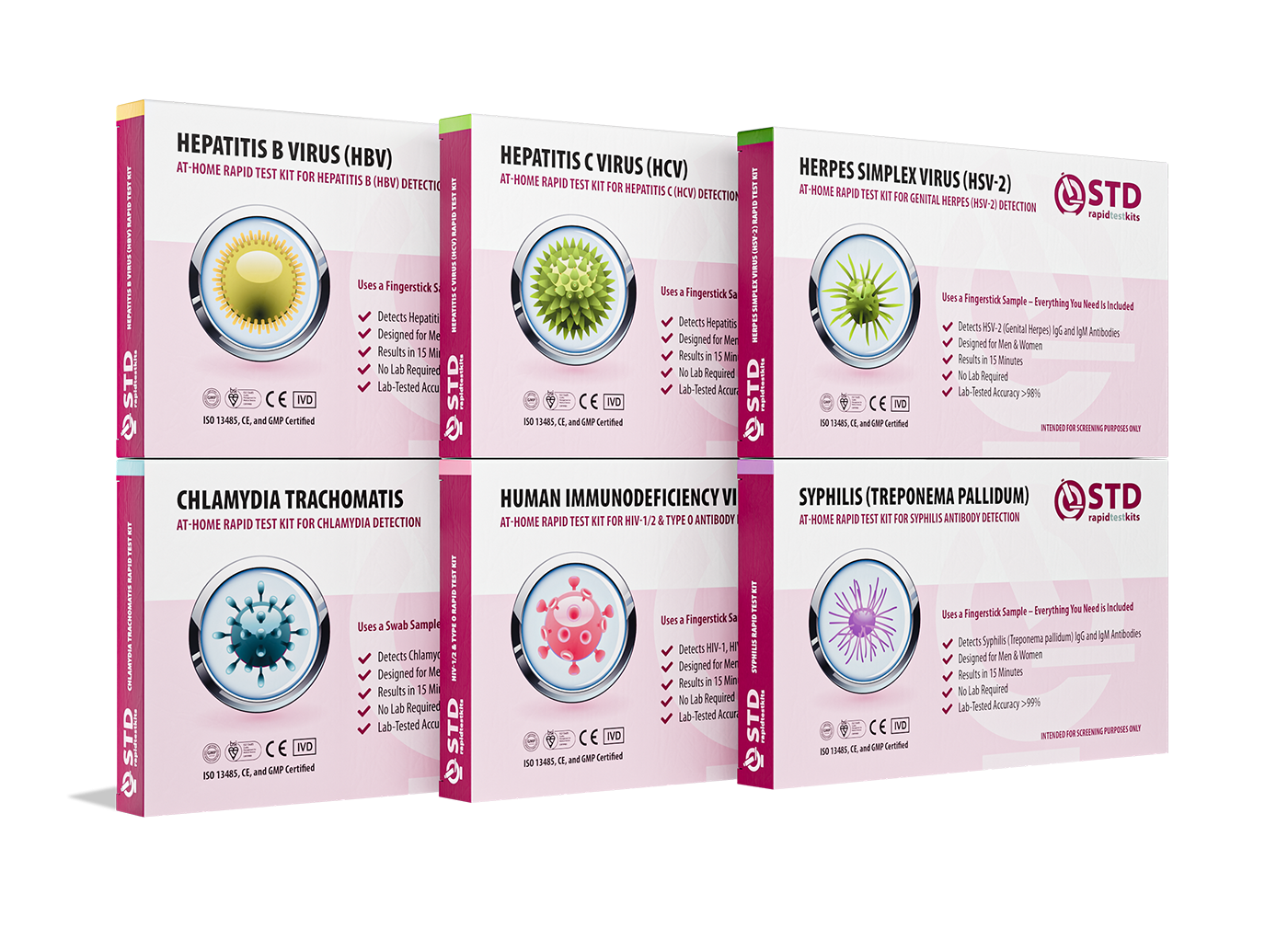
 For Men & Women
 Results in Minutes
 No Lab Needed
 Private & Discreet
Order Now $119.00 $294.00
For all 6 tests
Redness After Sex: A Very Common Panic Trigger
Few situations send people spiraling faster than noticing redness after a sexual encounter. It’s easy to connect the two events and assume infection. But irritation after sex is extremely common, especially when the encounter involves friction, longer duration, or insufficient lubrication.
Skin becomes inflamed when microscopic friction injuries occur. This happens more easily in sensitive areas like the vulva, penis, and surrounding tissue. Even when sex feels completely comfortable at the time, the skin may react hours later.
Another factor is exposure to substances the skin isn’t used to. Lubricants, condoms, massage oils, flavored products, and even a partner’s body wash residue can cause temporary dermatitis.
“I thought for sure I caught something,” said Daniel, 27, describing a rash he noticed the morning after sex. “It was bright red and tender. But my doctor told me it was friction irritation and it cleared up within two days.”
Situations like this happen every day. The challenge is figuring out when redness is just irritation, and when it’s worth testing.
A Quick Symptom Comparison Doctors Often Use
Doctors rarely diagnose a genital condition based on redness alone. Instead, they look at a cluster of clues: timing, additional symptoms, and how the skin evolves over time.
The table below shows some of the patterns clinicians often consider when trying to distinguish dermatitis from infections.
| Feature | Dermatitis / Irritation | Possible STD |
|---|---|---|
| Onset | Often within hours after exposure | Usually several days after exposure |
| Lesions | Diffuse redness or patches | Blisters, ulcers, bumps, or sores |
| Itching | Very common | Possible but not always present |
| Pain | Mild irritation | Can include painful sores |
| Duration | Often improves when irritant removed | Usually persists or worsens without treatment |
This kind of comparison doesn’t replace testing, but it helps explain why many cases of redness turn out to be harmless skin reactions.
When a Rash or Redness Might Actually Be an STD
Even though most genital rashes are caused by irritation, some patterns need more attention. Some infections cause symptoms that are more than just redness.
For example, herpes outbreaks usually start with tingling or burning and then small blisters appear in groups. These blisters will eventually break open and leave shallow sores. It can take one to two weeks for the whole cycle to finish.
Syphilis presents differently. The first stage typically produces a single painless sore called a chancre. Because the sore doesn’t hurt, people sometimes miss it entirely. Later stages may cause a rash on other parts of the body.
Human papillomavirus, or HPV, can produce small flesh-colored or cauliflower-like bumps known as genital warts. These bumps usually develop gradually rather than appearing suddenly overnight.
If redness is accompanied by unusual bumps, sores, persistent pain, discharge, fever, or swollen lymph nodes, clinicians generally recommend testing. Early diagnosis makes treatment much easier and prevents infections from spreading.
Many people now start that process at home using discreet kits like the combo STD home test kit, which screens for several common infections at once.
When Irritation Looks Scary: A Real-World Case
One of the most common scenarios clinicians hear starts the same way: someone notices redness after a sexual encounter and immediately assumes the worst. The anxiety builds quickly because genital symptoms carry so much social stigma and fear around sexually transmitted infections.
Elena, 31, remembers the moment clearly. She noticed bright redness around the outer vulva the morning after sex with a new partner. The skin felt slightly swollen and burned when she showered.
“I went straight to Google and every result said STD rash,” she said. “I barely slept that night because I thought I had herpes.”
When she visited a clinic, the clinician asked a few simple questions: Had she used a new lubricant? Was the encounter longer than usual? Had she shaved recently?
The answer to all three was yes. The diagnosis turned out to be contact dermatitis triggered by a flavored lubricant combined with friction from a long sexual encounter. The redness faded within three days after avoiding the product and giving the skin time to recover.
Stories like this are incredibly common. Anxiety often fills the gap before a professional evaluation happens, which is why understanding symptom patterns can make a huge difference.

People are also reading: Why Teen STD Rates Are Rising Even in 'Good' Homes
How Doctors Actually Evaluate Genital Redness
When clinicians assess genital inflammation, they rarely jump straight to conclusions. Instead, they follow a structured process that looks at timing, symptom progression, and visible changes in the skin.
The first question is almost always about timing. If redness appears within hours of sex or shaving, irritation becomes more likely. If symptoms begin several days after a new sexual partner, doctors start considering infections.
Next, they examine the skin itself. Dermatitis tends to produce broad areas of redness with poorly defined borders. Infectious conditions often create more specific lesions like blisters, ulcers, or wart-like bumps.
Doctors also want to know about other symptoms. If you have a fever, swollen lymph nodes, strange discharge, or pain when you pee, you may have an infection instead of just irritation.
Finally, if there’s any uncertainty, testing provides the answer. Laboratory testing remains the most reliable way to determine whether a sexually transmitted infection is present.
When STD Symptoms Usually Appear
The time between when a person is exposed and when they show symptoms is one of the most important things that doctors look at. Many sexually transmitted infections have incubation periods, which means that it takes time for the body to show signs of infection.
| Infection | Average Symptom Onset | Common Early Signs |
|---|---|---|
| Herpes | 2–12 days | Tingling followed by blisters or sores |
| Syphilis | 10–90 days | Painless sore at infection site |
| Chlamydia | 1–3 weeks | Often no symptoms, sometimes discharge or burning |
| Gonorrhea | 2–7 days | Discharge, pain during urination |
| HPV | Weeks to months | Genital warts or small bumps |
If redness appears immediately after sex or shaving, irritation is statistically more likely. But if symptoms emerge days later and begin evolving into sores, bumps, or persistent lesions, clinicians usually recommend testing.
The Centers for Disease Control and Prevention also notes that many STDs produce mild or no symptoms at first, which is why routine screening remains important for sexually active adults.
When to Monitor Symptoms vs When to Test
For many people, the hardest question is deciding whether redness is worth testing immediately. The answer depends on how the symptoms behave over time and whether other warning signs appear.
Mild irritation that begins shortly after shaving, sweating, or using a new product often improves quickly. In those cases, removing the irritant and allowing the skin to heal may be enough.
However, certain situations make testing a wise step:
- Symptoms lasting longer than a week
- Blisters, sores, or unusual bumps
- Pain during urination or unusual discharge
- Flu-like symptoms alongside a rash
- Redness appearing several days after new sexual contact
Testing doesn’t have to mean a stressful clinic visit. Many people now prefer starting with a private screening at home. Discreet kits available through STD Rapid Test Kits allow individuals to check for common infections quickly while deciding whether a follow-up medical visit is needed.
What matters most is getting clear information instead of relying on guesswork. Redness can come from many causes, and the right response depends on understanding which one is actually responsible.
Check Your STD Status in Minutes
Test at Home with Remedium7-in-1 STD Test Kit
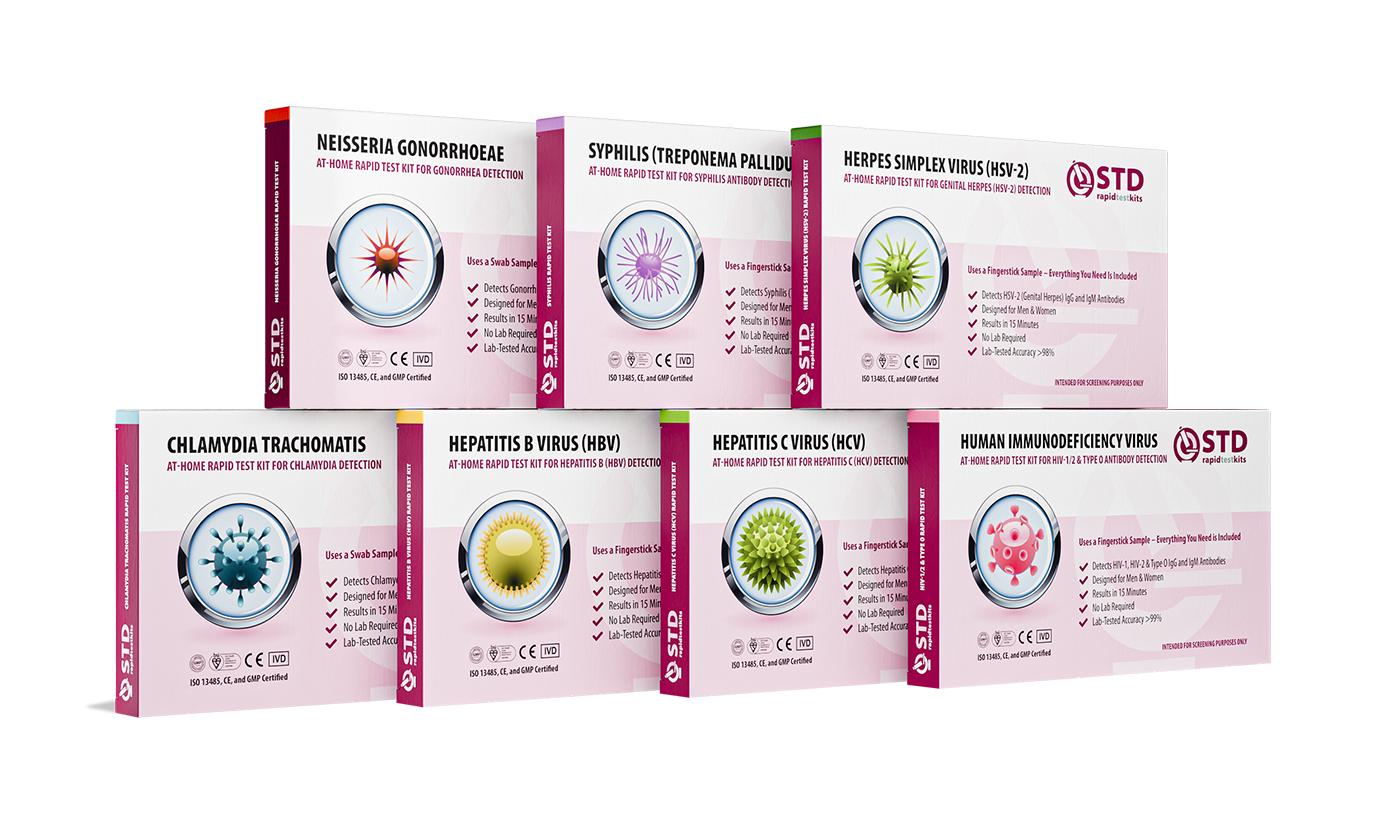 For Men & WomenResults in MinutesNo Lab NeededPrivate & Discreet
Order Now $129.00 $343.00
For all 7 tests
What Helps Irritated Skin Calm Down
If redness is caused by dermatitis or irritation, the goal is simple: remove whatever is aggravating the skin and give the tissue time to repair itself. Genital skin heals quickly when the barrier isn’t constantly being disrupted.
The first step is often identifying what changed recently. New soaps, scented wipes, flavored lubricants, different condoms, tight workout clothing, and aggressive shaving routines are some of the most common triggers dermatologists see.
It also helps to lower friction. Wearing loose cotton underwear, not using harsh cleansers, and keeping the skin dry can help inflammation go down. A lot of doctors say to wash the area with warm water and mild unscented soap until the symptoms go away.
If irritation is the cause, symptoms typically begin improving within a few days. Persistent redness that spreads, worsens, or develops sores should always be evaluated further.
A Simple Rule of Thumb for Redness After Sex
People often want a clear rule for when to relax and when to test. While every situation is different, clinicians often use a simple guideline based on symptom patterns and timing.
| Situation | More Likely Explanation | Suggested Action |
|---|---|---|
| Redness within hours after sex or shaving | Friction or dermatitis | Monitor for improvement over several days |
| Diffuse redness with itching | Contact dermatitis or sweat rash | Avoid irritants and keep area dry |
| Clusters of blisters or sores | Possible herpes infection | Seek testing and medical advice |
| Painless ulcer or sore | Possible syphilis | Testing recommended |
| Discharge or burning during urination | Possible bacterial STD | Testing recommended |
Skin reactions tend to fade once the irritant disappears. Infections usually do not. If symptoms keep changing, testing helps to clarify things and avoid delays in treatment.
FAQs
1. Can an STD really look like simple skin irritation?
Yes, especially in the early stages. Some infections start with mild redness or inflammation before clearer symptoms show up. That’s why doctors look for patterns over time, does it stay as simple irritation, or does it evolve into sores, bumps, discharge, or persistent pain?
2. If it itches a lot, does that mean it’s probably not an STD?
Not necessarily, but heavy itching often leans toward irritation, yeast, or dermatitis. Think soap reactions, sweat rash, or shaving irritation. Many STDs actually don’t itch much at all in the beginning, which is why itching alone isn’t a reliable clue.
3. How long should I wait before worrying about redness?
If the skin calms down within two or three days, irritation is the usual culprit. Friction, new products, or shaving can easily inflame delicate genital skin. But if the redness sticks around for a week, spreads, or starts forming sores or bumps, that’s when testing becomes a smart next step.
4. Can condoms or lube cause a rash that looks like an STD?
Absolutely. Latex sensitivity and lubricant ingredients are classic triggers for contact dermatitis. Someone might feel completely fine during sex, then wake up the next morning with redness and itching that looks dramatic but fades once the irritant is gone.
5. What does a herpes outbreak actually look like at the beginning?
Early herpes often starts with a strange sensation, tingling, burning, or tenderness in one specific spot. Then small blisters appear, almost like tiny water droplets on the skin. Those eventually break and form shallow sores before healing.
6. I noticed redness the morning after sex. Is that too fast for an STD?
Usually, yes. Most infections need a few days to develop symptoms because the bacteria or virus has to replicate first. Redness that shows up overnight is much more often friction irritation or a reaction to a product.
7. Can shaving cause bumps that look like an STD?
Definitely. Razor irritation and inflamed hair follicles can create red bumps that mimic infection. The difference is that shaving bumps usually show up where hair grows and then go away as the skin heals.
8. What should I do if I don't know what's making the rash?
Pay attention to how the skin behaves over the next few days. If symptoms fade once you avoid irritants, it was likely dermatitis. If things evolve, new sores, bumps, discharge, or pain, that’s your cue to get tested and remove the guesswork.
9. Can you have an STD with almost no visible symptoms?
Yes, and that’s one of the tricky parts. Chlamydia and gonorrhea are two infections that can go undetected for weeks at a time. That's why sexually active adults should get regular screenings, even if everything seems fine.
10. What’s the biggest mistake people make when they see genital redness?
Jumping to conclusions based on Google images. Skin conditions vary wildly from person to person, and a single symptom rarely tells the whole story. The best approach is to stay calm, watch the pattern, and test if the symptoms don’t clearly resolve.
You Deserve Clarity, Not Guesswork
Genital redness can feel alarming. The mind jumps quickly from irritation to worst-case scenarios, especially when the internet floods you with dramatic images and frightening headlines. But skin is reactive, especially in warm, sensitive areas like the genitals, and many cases of redness come down to friction, sweat, shaving, or a simple reaction to a product.
The real goal isn’t to panic over every symptom. It’s to separate harmless irritation from signs that deserve attention. If redness fades after removing irritants, the body is simply repairing itself. If symptoms evolve into sores, bumps, discharge, or persistent inflammation, that’s the signal to test and get clear answers.
Don’t sit in the uncertainty. If infection is even a possibility, start with a private screen like the Combo STD Home Test Kit. Testing turns anxiety into information, and information lets you take control of what comes next.
How We Sourced This Article: This guide combines dermatology research on contact dermatitis with clinical guidance on sexually transmitted infections from major public health authorities. Medical literature on herpes, syphilis, and genital dermatoses was analyzed to distinguish irritation patterns from infection symptoms. To make sure that the explanations are correct and don't hurt anyone's feelings, we use research on infectious diseases, dermatology references, and sexual health guidelines.
Sources
1. Centers for Disease Control and Prevention – Sexually Transmitted Infections Overview
2. NHS: Symptoms of Genital Herpes
3. Fact Sheet on Sexually Transmitted Infections from the World Health Organization
4. PubMed: STI and dermatology research that has been peer-reviewed
5. Planned Parenthood – STD Symptoms and Testing
6. DermNet NZ – Genital Skin Problems
7. Cleveland Clinic – Contact Dermatitis
About the Author
Dr. F. David, MD is a physician focused on infectious disease and sexual health education. His work combines clinical evidence with clear, judgment-free explanations designed to help people understand symptoms, testing timelines, and prevention without stigma.
Reviewed by: Board-Certified Sexual Health Specialist | Last medically reviewed: March 2026
This article is only for informational purposes and should not be used as a substitute for professional medical advice.


