






Quick Answer: Most people should retest 3 to 12 weeks after treatment, depending on the STD. Retesting helps confirm cure, catch reinfection, or correct false negatives.
Who Actually Needs to Retest? (Hint: It’s More People Than You Think)
Let’s get one thing clear: retesting is not just for people who “messed up” or didn’t finish treatment. Even if you took all of your pills on time, stayed sober for a week, and didn't have any symptoms, you might still need to be tested again.
In fact, according to the CDC’s STD treatment guidelines, retesting is routinely recommended for chlamydia, gonorrhea, and trichomoniasis, and it’s strongly considered in cases of syphilis and HIV. Why? Because symptoms (or lack of them) can’t confirm anything. Reinfection happens more than people admit. And not all treatments clear infections the same way or speed.
Let’s walk through two real-life moments that illustrate why retesting matters, even when you feel “fine.”
Scene 1: The “Clean” Test That Wasn’t
Jasmine, 25, got treated for chlamydia after a routine screening. No symptoms, no drama, just a call from her clinic and a quick round of antibiotics. Two weeks later, she was intimate with a new partner and mentioned the recent infection. He got nervous, so she took a test just to reassure him. Negative. But three weeks after that, she developed spotting and pelvic pain. Her doctor repeated the test. This time, it came back positive.
What happened? Jasmine likely tested too early, before all bacterial traces cleared, or worse, before her body had time to fully respond. Alternatively, she may have been reinfected without knowing. Either way, that first “clean” test gave her false reassurance.
This is why retest timing is not a guess. It’s science, and it depends on which STD you had, what treatment you took, and what your risk of re-exposure was.
People are also reading: Which Chlamydia Test Is Best for You? Urine, Swab, or Combo Kit
Retest Timing by STD: What the Science Says
Different STDs behave differently after treatment. Some clear fast and reliably. Others stick around, or come back, even when you follow instructions. Here's what the current research says about retesting timelines:
| STD | Should You Retest? | Recommended Retest Window | Reason |
|---|---|---|---|
| Chlamydia | Yes | 3–4 weeks post-treatment | To catch reinfection and confirm cure |
| Gonorrhea | Yes | 3–4 weeks post-treatment | High reinfection risk; resistant strains rising |
| Trichomoniasis | Yes (especially women) | 3 months post-treatment | High reinfection and asymptomatic rates |
| Syphilis | Yes (follow-up blood tests) | 3, 6, and 12 months | Track antibodies and confirm cure |
| Herpes | No (unless symptoms return) | Only if symptomatic or first episode | Not curable; retest if new lesions occur |
| HIV | Yes | 30–90 days post-exposure | Confirmatory testing required if positive |
Table 1. CDC-aligned retesting recommendations per STD type. Retest windows may vary by test type and symptom history.
Why You Shouldn’t Retest Too Soon (Even If You’re Anxious)
It’s tempting to retest right after finishing antibiotics, especially if you’re about to see someone new or feel paranoid about symptoms. But here's the trap: test too soon and you might get a false positive (leftover DNA fragments) or a false negative (not enough bacterial regrowth to detect yet).
For example, NAAT tests, the most sensitive kind for chlamydia and gonorrhea, can detect non-viable organisms for up to 3 weeks after treatment. That means your test could say you're infected, even though the bacteria are already dead. Worse, if you test within days of exposure or treatment, it might say you’re “clear” even though the infection hasn’t had time to fully take hold.
Real talk? Your peace of mind is valid. But peace built on shaky timing won’t last. Retesting only works when it’s backed by the body’s actual healing cycle.
Check Your STD Status in Minutes
Test at Home with Remedium6-in-1 STD Test Kit
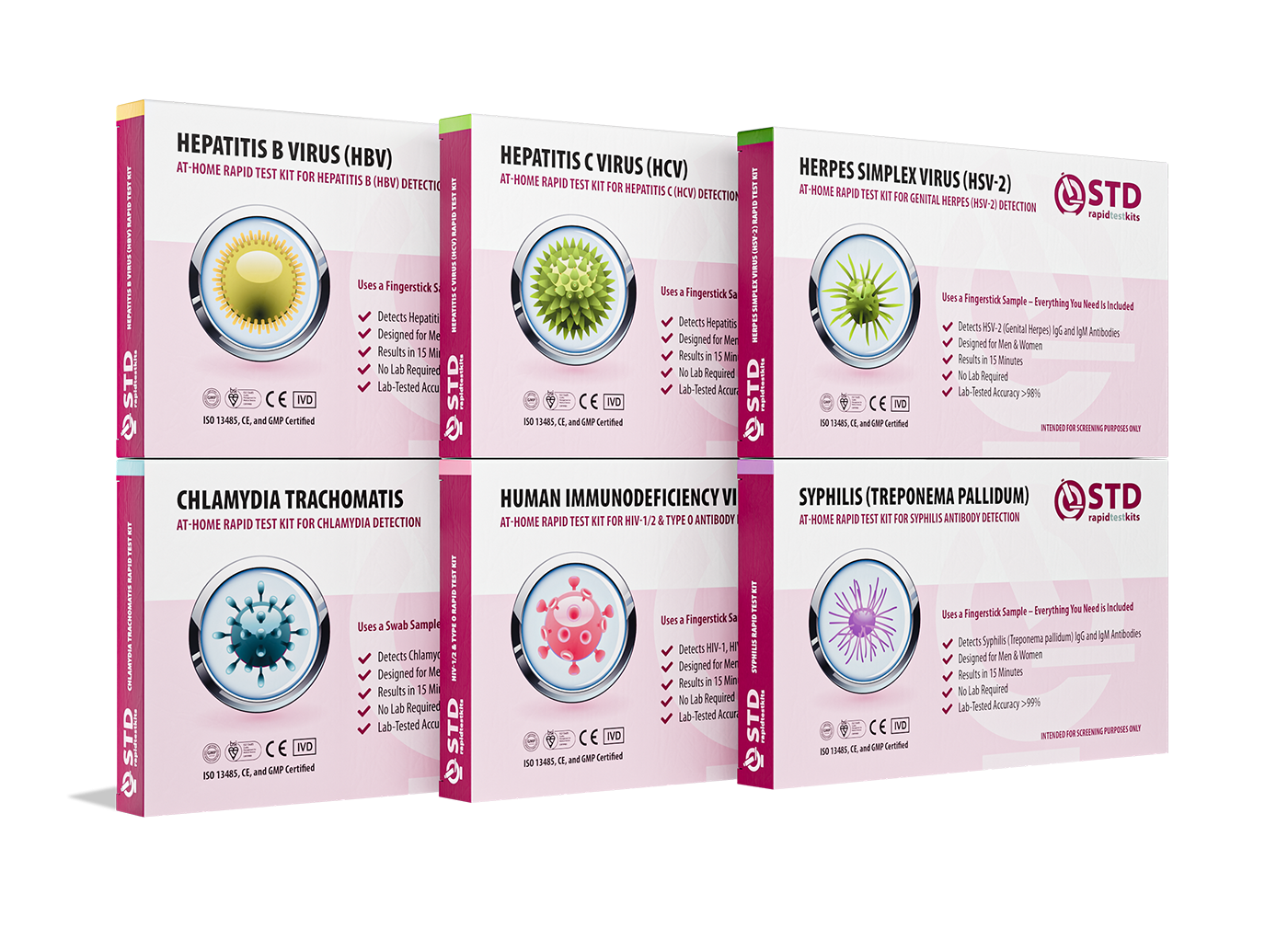
 For Men & Women
 Results in Minutes
 No Lab Needed
 Private & Discreet
Order Now $119.00 $294.00
For all 6 tests
Scene 2: “I Thought It Was Just a One-Time Thing”
Marcus, 34, tested positive for gonorrhea after a casual encounter on a work trip. He followed the instructions, got treated at an urgent care, abstained for a full week, and even told his regular partner. Two months later, he started having burning during urination again. Another test. Another positive.
Was it a failed treatment? A resistant strain? A lab error? Turns out, it was reinfection. His partner had been infected too, silently, and neither of them realized. Without partner retesting, Marcus was back where he started. But now he carried an extra layer of guilt and a slightly more resistant infection.
This is more common than you think. Reinfection accounts for up to 20% of recurring chlamydia and gonorrhea cases, according to multiple CDC reports. It’s not about blame, it’s about biology. And the best defense is coordinated retesting across both partners.
Retesting After Exposure vs After Treatment: What’s the Difference?
It’s easy to confuse the two. Testing after exposure means you're checking for a new infection. Testing after treatment means you're checking if the previous infection cleared, or came back. The timing, logic, and risks are different.
| Scenario | Why Retest? | When to Retest | Risks of Skipping |
|---|---|---|---|
| After treatment | To confirm cure and check for reinfection | 3–12 weeks, depending on STD | Reinfection, antibiotic resistance, transmission to others |
| After exposure | To see if infection took hold | 7–30 days depending on STD & test type | False negatives from testing too early |
Table 2. Retesting timing based on exposure vs treatment. Knowing the difference helps you not feel falsely reassured.
What If I Still Have Symptoms After Treatment?
This is one of the most nerve-wracking scenarios: you took the antibiotics, waited the required days, but something still doesn’t feel right. Burning, discharge, odor, discomfort, it could mean several things.
Here’s what most clinicians will look for:
If it’s within a week or two of treatment, symptoms may be residual inflammation. That’s not infection, it’s your body still healing. But if symptoms persist beyond 14 days, especially if they worsen or evolve, a retest is absolutely warranted. You may be dealing with:
- An incomplete cure (rare but possible)
- Antibiotic resistance (especially for gonorrhea)
- A second STD not caught the first time
- A completely unrelated issue (like BV or a UTI)
The bottom line? Symptoms deserve investigation. Retesting helps you sort out what’s healing versus what’s still a problem.
Can You Trust a Rapid Test for Retesting?
If you’re using an at-home rapid test, the urge to recheck “just to be sure” is strong. The good news: today’s high-quality lateral flow rapid tests (like those sold on STD Rapid Test Kits) are accurate when used at the right time and for the right condition.
But here's the thing. Rapid tests work best when:
- You’re past the infection’s window period
- You’ve completed treatment and are symptom-free
- You follow the instructions exactly (timing, swab type, cassette reading window)
For example, retesting with a rapid chlamydia kit 21+ days after completing treatment gives a much clearer picture than retesting after just one week. Earlier than that, and the test may detect leftover antigens, or not enough active ones to flag a new infection.
That’s why we often recommend using a combo STD test kit when retesting after treatment, especially if symptoms persist or multiple exposures occurred. This 3-in-1 combo kit screens for chlamydia, gonorrhea, and syphilis, all in one go.
What If You’ve Been Treated But Didn’t Tell Your Partner?
Look, it's not easy. Especially if the encounter was casual, or if you're in a committed relationship with a lot at stake. But untreated partners are how reinfection happens, over and over again.
Many people who retest positive weeks after treatment were never truly “clear.” Their partner stayed infected, symptoms never showed, and sex happened again. That’s not betrayal. It’s biology meeting silence.
If this is your situation, consider using anonymous partner notification tools (many clinics offer them), or text-based services like Tell Your Partner. It doesn’t have to be a dramatic conversation. A simple, “Hey, I got treated for chlamydia and they told me to let recent partners know. Might be worth checking out,” goes a long way.
When Can You Have Sex Again? The Real Wait vs The Emotional One
This is the question that no one wants to ask out loud but everyone searches: when is it actually safe to have sex again after treatment? The clinical answer is usually “after 7 days,” especially for chlamydia and gonorrhea. That’s how long it takes for the antibiotics to fully clear most infections.
But here’s the catch. That 7-day mark only holds if your partner was also treated, and you’ve had no new exposure. If either of those is off, the clock resets.
Devon, 29, learned this the hard way. After finishing his meds for gonorrhea, he waited the recommended 7 days, then hooked up with the same partner who hadn’t yet tested. A month later, he was back in the clinic, with a second infection and a lot more shame.
The emotional side of “when is it safe” is messier. It’s about trust, communication, and what both of you know (or don’t). If you’re unsure, wait until both you and your partner are tested, treated, and symptom-free, or use condoms and talk through boundaries.
If you’re ready but nervous, at-home testing offers a private way to confirm status before taking that step. You can order a Combo STD Test Kit and test together from home.

People are also reading: You Can Get Chlamydia in Your Eye, Here’s What It Looks Like
What If You Live Somewhere Remote or Can’t Access a Clinic?
We see you, the reader who’s out in a rural area, on a military base, traveling for work, or just trying to stay low-key. Clinic access isn’t always realistic. And retesting doesn’t mean much if it’s not accessible.
That’s where discreet shipping and home test kits come in. Companies like STD Rapid Test Kits deliver directly to your door in unmarked packages, often within a few days. Some people even have them shipped to a trusted friend’s house or PO box.
And unlike mail-in lab kits, which require drop-off and wait times, rapid tests give you results in minutes, helpful if you’re on a road trip, managing privacy at home, or just want quick peace of mind. Keep in mind that rapid tests are best used after the correct waiting period post-treatment. Earlier than that, results can be misleading.
Timing matters, but access matters more. Don’t let geography or stigma delay your clarity.
The Biggest Retesting Mistakes (and How to Avoid Them)
Thousands of people unknowingly make the same retesting mistakes every year, and end up confused, reinfected, or still contagious. Here are the most common traps, and what you can do instead.
| Mistake | Why It Happens | Better Approach |
|---|---|---|
| Testing too early after treatment | Anxiety, pressure from partner, or misunderstanding | Wait 3–4 weeks to allow full clearance or antibody drop |
| Assuming no symptoms = no infection | Most STDs are silent in early stages | Use test timing guidelines, not just symptoms |
| Relying on one test only | One negative test ≠ always clear | Use follow-up testing if symptoms persist or partner wasn’t tested |
| Not testing partners | Awkwardness, fear, or assumption of monogamy | Use anonymous tools or talk openly about exposure risk |
Table 3. Common retesting pitfalls and science-backed alternatives. Most are avoidable with clear timing and shared communication.
Order Now $129.00 $343.00 Check Your STD Status in Minutes
Test at Home with Remedium
7-in-1 STD Test Kit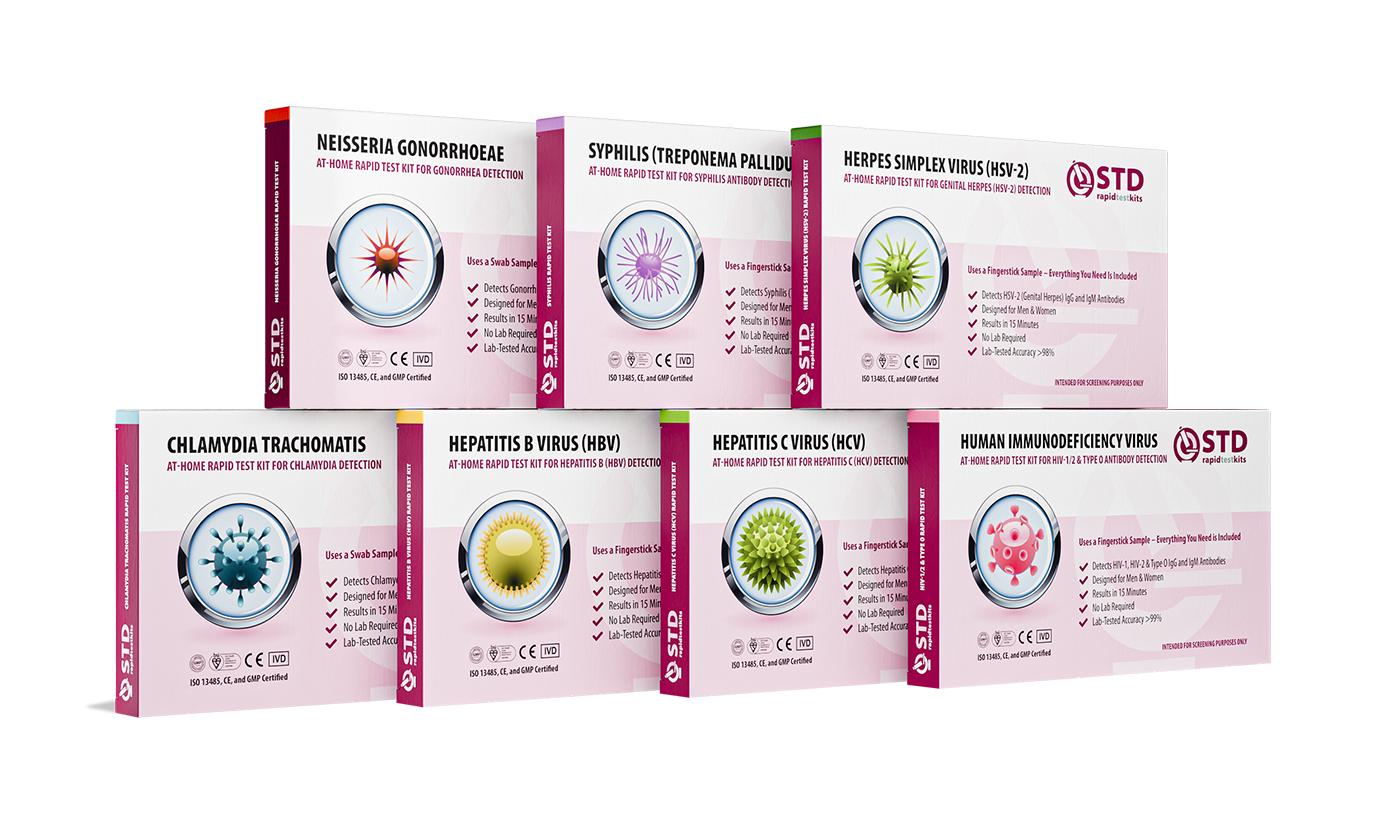 For Men & WomenResults in MinutesNo Lab NeededPrivate & Discreet
For all 7 tests
Retesting as Self-Care, Not Shame
If no one’s told you yet: retesting isn’t a sign of failure. It’s not punishment, paranoia, or proof that you’re “dirty.” It’s actually one of the most proactive things you can do for yourself, and your partners.
Many STDs don’t show symptoms. Many people don’t finish treatment. Many partners don’t speak up. Retesting fills in those gaps. It gives you the chance to confirm what your body’s telling you, or what it’s hiding. That’s not weakness. That’s strength.
Whether you’re weeks out from treatment or just nervous about what might have been missed, you deserve clarity. You deserve peace of mind that’s grounded in real data, not fear, denial, or assumptions.
Return to STD Rapid Test Kits to explore discreet, lab-grade tools you can use at home, because testing is care, not confession.
FAQs
1. Do I really need to retest after antibiotics if I feel fine?
Honestly? Yes. Feeling fine is great, but it’s not proof. Most STDs, especially chlamydia and gonorrhea, can clear up symptoms before the infection is totally gone. A lot of people skip retesting and end up reinfected without realizing it. Your body’s silence isn’t the same as a green light.
2. How long should I wait to retest after treatment?
Give it at least 3 to 4 weeks. That’s the sweet spot where the bacteria are gone but leftover fragments won’t mess with your test. Too early, and you might get a false positive. Too late, and you risk missing a reinfection window. Think of it like a second opinion, just timed smarter.
3. I had sex after finishing my meds. Should I retest?
If your partner didn’t get treated too, yep, you should definitely retest. That seven-day no-sex rule only works if everyone involved gets treated at the same time. If they didn’t, you may have passed the infection back and forth without knowing. No judgment, just test again to be safe.
4. After treatment, what happens if I test positive once more? Does that mean it didn’t work?
Not always. It could mean you got reinfected (which happens more often than people think), or that you tested too soon and your body’s still clearing out the leftovers. Sometimes, it's a stubborn strain or a missed dose, but most of the time, it's timing or exposure, not failure. That’s why retesting isn’t about blame, it’s about clarity.
5. Can I really believe a quick STD test?
Yes, with a small but important caveat. Quick tests are reliable when you use them at the right time and follow the instructions closely. They’re not meant for “next‑day reassurance” right after exposure or treatment. If you wait until you’re past the window period, a quality rapid test can give you solid, meaningful answers without the clinic runaround.
6. I finished treatment a week ago but I still have symptoms. What’s up?
It could be healing inflammation, especially if it’s mild and improving. But if you’re still feeling off after two weeks, or symptoms are getting worse, it’s time to retest. You might be dealing with a lingering infection, reinfection, or something else like BV or a UTI.
7. What’s the deal with syphilis? Do I need to retest if I got treated once?
Yes, and it’s more complex. Syphilis is tracked through blood tests that follow antibody levels over time, not a quick yes/no. So even after treatment, you’ll need follow-ups at 3, 6, and 12 months. It’s not about paranoia, it’s about confirming that your immune system responded properly.
8. Do people really get reinfected that often?
More than you'd think. Some studies show that up to 1 in 5 people get reinfected with chlamydia or gonorrhea within a few months. It’s usually because their partner didn’t get treated, or because symptoms never showed up. Reinfection isn’t a failure, it’s a reminder that testing is an ongoing part of safer sex.
9. I live off-grid / travel constantly. How can I retest without a clinic?
We built at-home kits for exactly that reason. Whether you’re in a cabin, an RV, or just ghosting the healthcare system for now, you can test discreetly from wherever you are. Just make sure you wait the full window after treatment, then test, breathe, and move on with confidence.
10. Will my retesting be covered by insurance?
Sometimes. If a provider recommends it, insurance may cover follow-up testing, but that depends on your plan. If you’re skipping insurance for privacy, cost, or chaos reasons, rapid at-home kits are a solid option. You pay once, test in peace, and don’t have to explain anything to anyone.
You Deserve Certainty, Not Second-Guessing
Here’s the truth no one says clearly enough: retesting is not paranoia. It’s protection. Whether you’re navigating post-treatment confusion, trying to make sure your partner is safe, or just want to stop wondering, retesting is how you close the loop.
Don’t sit in limbo. You don’t have to wait for a symptom to justify clarity. With a discreet combo STD test kit, you can get answers from home, in minutes, without judgment.
How We Sourced This Article: We combined current guidance from leading medical organizations with peer-reviewed research and lived-experience reporting to make this guide practical, compassionate, and accurate.
Sources
1. When to Retest After STD Treatment (Official CDC Guidance)
2. CDC’s 2021 Guidelines on Treating STIs (What Doctors Follow)
3. Sexually Transmitted Diseases – Diagnosis and Treatment – Mayo Clinic
4. Why Some People Test Positive Again After STD Treatment – NIH Study
5. WHO’s Official Guidelines for Testing and Treating STIs
6. Sexually Transmitted Infections Treatment Guidelines, 2021 – PubMed
7. Test-of-Cure and Retesting Practices – PMC (NIH)
8. Chlamydia/Gonorrhea Retesting After Diagnosis – PMC (NIH)
About the Author
Dr. F. David, MD is a board-certified expert in infectious diseases who tries to stop, find, and treat STIs. He is dedicated to making his work available to people in both cities and rural areas. He combines clinical accuracy with a straightforward, sex-positive attitude.
Reviewed by: Dr. Elise Ramos, MPH | Last medically reviewed: December 2025
This article is for informational purposes and does not replace medical advice.


