






Quick Answer: Itching, burning, dryness, and irritation can happen during perimenopause because declining estrogen changes vaginal tissue and pH. However, some sexually transmitted infections can produce similar symptoms. The only reliable way to tell the difference is testing and proper evaluation.
Why Hormonal Changes Can Feel Like an Infection
Perimenopause often starts quietly in the early to mid-40s, though some people notice changes sooner. Estrogen levels begin fluctuating long before periods actually stop, and those shifts affect more than mood or cycles. They also change the vaginal environment in ways that many people aren’t warned about.
Lower estrogen reduces blood flow and moisture in vaginal tissues. The lining becomes thinner and more delicate, which can lead to dryness, irritation, or a subtle burning sensation. Doctors sometimes group these changes under a term called genitourinary syndrome of menopause.
The result is a body that suddenly reacts differently to everyday things. Sex might feel rougher than it used to. Toilet paper may irritate skin that never reacted before. Even exercise or tight clothing can create friction that leads to itching.
That’s where confusion begins. Many of the same sensations, burning, itching, discomfort during sex, are also symptoms people associate with sexually transmitted infections. The overlap is large enough that clinicians frequently see patients convinced they have an STD when hormones are the real culprit.
But here’s the important part: sometimes it actually is an infection. And because perimenopause symptoms can mask or mimic STD symptoms, guessing rarely leads to peace of mind.
The Symptoms That Overlap the Most
When people search late at night about itching, burning, or unusual discomfort, they usually want one thing: a way to tell what’s normal and what isn’t. Unfortunately, the body doesn’t always provide clear categories.
The table below shows why so many people struggle to distinguish between hormonal changes and infection.
| Symptom | Possible Hormonal Cause | Possible STD Cause |
|---|---|---|
| Vaginal itching | Thinning tissue and pH changes | Trichomoniasis, herpes irritation |
| Burning sensation | Dry tissue becoming irritated | Chlamydia, gonorrhea, herpes |
| Pain during sex | Vaginal dryness from estrogen decline | Inflammation from infection |
| Unusual discharge | Hormone-related changes in vaginal flora | Trichomoniasis, gonorrhea |
| Genital irritation | Skin sensitivity from dryness | Herpes outbreaks or inflammation |
This overlap is exactly why many clinicians recommend testing whenever symptoms appear alongside a new sexual partner. Hormones can absolutely cause discomfort, but ruling out infection removes a huge layer of uncertainty.
People are also reading: Testicle Pain for Days? Here’s When It’s a Red Flag
A Moment That Happens More Often Than People Admit
One gynecologist described the pattern like this: a patient arrives worried about an STD after noticing irritation or pain during sex. They’re embarrassed. They often delay the appointment because they assume the worst.
After testing and examination, the diagnosis turns out to be vaginal dryness linked to hormonal fluctuations. Sometimes treatment is as simple as vaginal moisturizers or localized estrogen therapy.
But the reverse scenario happens too. Someone assumes their discomfort is just perimenopause, especially if friends have mentioned similar symptoms. Months later they discover an untreated infection that could have been addressed earlier.
Neither situation means someone did anything wrong. Bodies change, and symptoms rarely come with helpful labels.
“I honestly thought it was just menopause starting,” one patient explained after testing positive for chlamydia. “It never occurred to me that STDs were even part of the conversation at my age.”
Stories like that are one reason public health experts emphasize regular testing regardless of age.
Why STD Rates Are Quietly Rising After 40
There’s a widespread assumption that sexually transmitted infections are mostly a concern for people in their teens and twenties. While younger adults still represent a large portion of cases, infections among older adults have been increasing steadily in many countries.
Several factors contribute to this shift. Dating later in life has become more common, whether after divorce, widowhood, or long relationships ending. Many people re-enter the dating world without the same risk awareness they had decades earlier.
Another surprising contributor is the absence of pregnancy risk. Once contraception for pregnancy is no longer a concern, condom use sometimes declines. That change alone can increase vulnerability to infections like chlamydia, gonorrhea, and trichomoniasis.
Healthcare providers have also acknowledged that sexual health conversations sometimes disappear from routine care as patients age. If doctors stop asking about sexual activity, opportunities for testing and education shrink.
Put those factors together and you get a group of people experiencing genuine symptoms, itching, burning, dryness, without always knowing whether hormones or infection are responsible.
Clues the Body Sometimes Gives
While symptoms alone can’t provide a definitive answer, certain patterns sometimes hint at whether hormones or infection might be involved.
Perimenopause-related irritation often develops gradually. Someone might notice increasing dryness over several months, or discomfort during sex that slowly becomes more noticeable as estrogen levels fluctuate.
STD symptoms, on the other hand, sometimes appear within days or weeks after exposure. They can include unusual discharge, pelvic pain, sores, or flu-like symptoms depending on the infection.
The table below shows how the timing and patterns of symptoms can be different at times.
| Feature | Hormonal Changes | Possible STD |
|---|---|---|
| Onset | Gradual over months | Often within weeks of exposure |
| Dryness | Very common | Less typical |
| Sores or lesions | Uncommon | Possible with herpes or syphilis |
| Partner exposure | Not relevant | Often linked to new partner |
Even with these clues, doctors emphasize that symptoms alone cannot confirm what’s happening. Testing is still the easiest way to get rid of doubt.
If symptoms appear after a new sexual encounter, many people prefer to rule out infections quickly with discreet options like an at-home STD testing kit. Testing from home can provide clarity without waiting for appointments or navigating uncomfortable conversations.
Check Your STD Status in Minutes
Test at Home with Remedium6-in-1 STD Test Kit
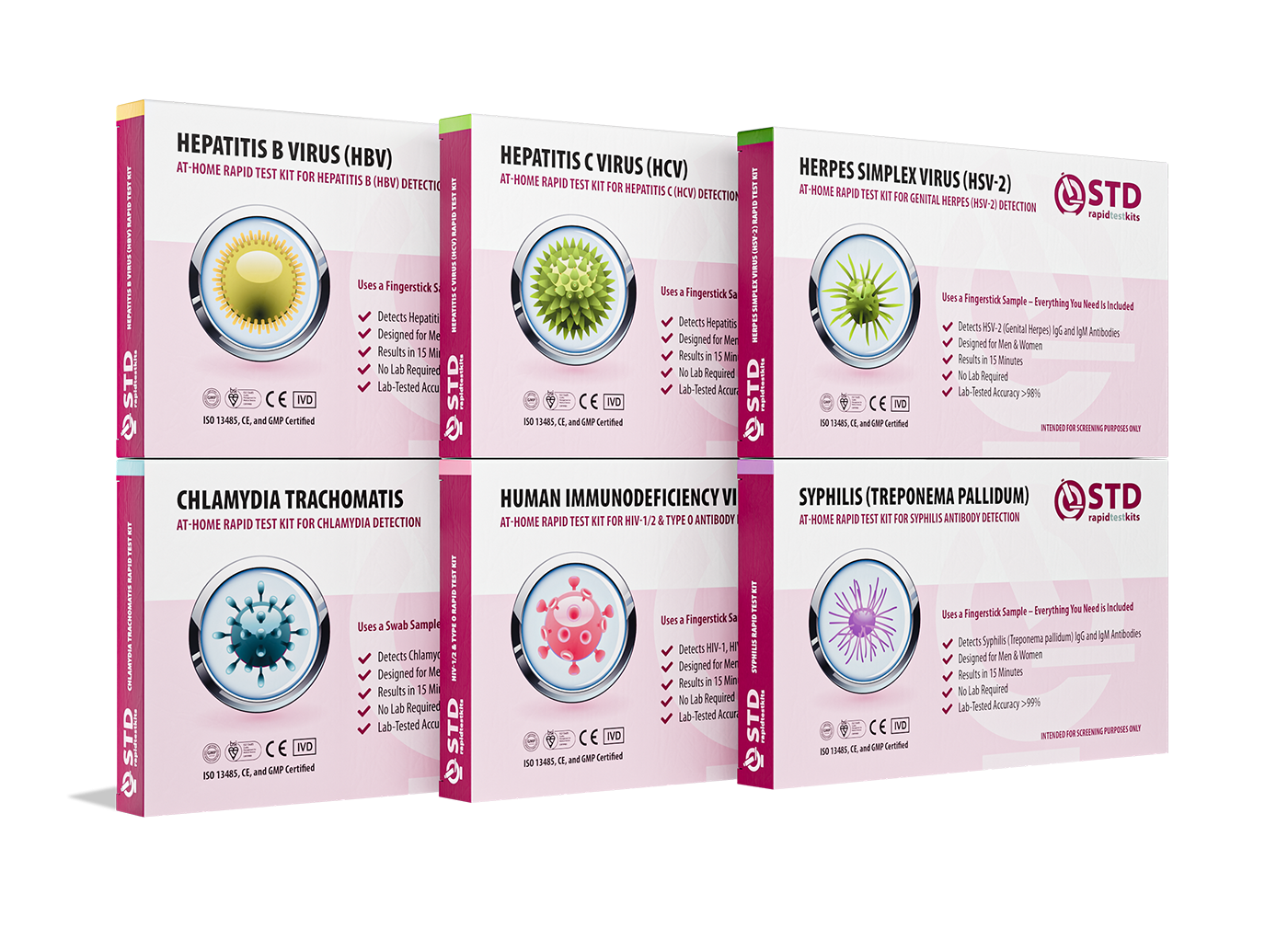
 For Men & Women
 Results in Minutes
 No Lab Needed
 Private & Discreet
Order Now $119.00 $294.00
For all 6 tests
When Vaginal Dryness Is the Real Culprit
Of all the symptoms people mistake for an infection, dryness is probably the most common. Estrogen plays a huge role in maintaining the elasticity, thickness, and lubrication of vaginal tissue. When levels fluctuate during perimenopause, the environment changes in subtle but noticeable ways.
The tissue lining becomes thinner and more fragile. Natural lubrication decreases. Even mild friction can suddenly cause irritation that feels like burning or itching. Sex may start to feel uncomfortable in ways it never did before.
Some people describe the change as a feeling of rawness or sensitivity rather than classic dryness. That sensation can trigger a spiral of worry, especially if someone recently began seeing a new partner. But hormone-related dryness doesn’t mean intimacy is over, it simply means the body is adjusting.
Moisturizers, lubricants, and in some cases localized estrogen therapy can dramatically improve symptoms. The key is recognizing that the issue is hormonal rather than infectious, which is why many clinicians suggest testing if symptoms appear suddenly or alongside new sexual activity.
What Infections Usually Add to the Picture
While there is overlap between hormonal changes and sexually transmitted infections, infections often bring extra clues with them. Those clues aren’t always dramatic, but they tend to be more specific.
For example, certain infections may produce discharge that looks or smells noticeably different than normal. Others may cause pelvic discomfort, pain during urination, or sores around the genitals.
It’s also important to remember that many infections are quiet. Chlamydia and gonorrhea frequently produce few symptoms at all, especially in women. Someone can have an infection without realizing it for months.
That silent nature is why public health guidelines encourage routine testing, even for people who feel perfectly fine. Symptoms can be misleading, but testing provides objective answers.
If uncertainty is keeping you up at night, discreet home testing is one option many people prefer. A multi-STD home test kit can screen for several common infections at once, allowing people to rule out or confirm concerns without leaving home.
Hormones, pH, and the Vaginal Microbiome
Another reason perimenopause can mimic infection has to do with the microscopic ecosystem living in the vagina. Healthy vaginal flora are dominated by beneficial bacteria that help maintain a protective acidic environment.
Estrogen supports those protective bacteria. When hormone levels drop, the balance can change. The vagina's pH may rise, which can cause irritation, changes in smell, or a greater chance of getting infections like bacterial vaginosis.
These changes can make you feel like you have a sexually transmitted infection. Someone might think they have an STD if they notice itching or a small amount of discharge, but the real problem is a hormone-driven change in the microbiome.
Understanding this relationship can be empowering. It reframes the symptoms not as a sign of something “wrong,” but as part of a natural biological transition that many bodies experience.
People are also reading: Is It an Infection or an Emergency? When One Testicle Starts Hurting
How Testing Removes the Guesswork
When symptoms overlap this much, guessing rarely helps. Testing offers clarity in a way symptom analysis simply cannot. That clarity matters because untreated infections can sometimes cause complications, while untreated hormonal dryness can significantly affect quality of life.
The good news is that STD testing today is faster and more discreet than many people expect. Home test kits allow individuals to collect samples privately and receive results quickly.
Just knowing what they're up against can help a lot of people. If the results are negative, you can focus on treating hormonal symptoms with the help of a doctor. Treatment is usually simple and very effective if there is an infection.
Either way, answers replace uncertainty. And for anyone who has spent a few sleepless nights wondering what their body is trying to tell them, that peace of mind can be incredibly valuable.
Why Midlife Sexual Health Deserves More Conversation
Silence is one of the hardest things to deal with when you have symptoms like itching, burning, or dryness. A lot of people think that these things are too private or embarrassing to talk about, especially as they get older.
But sexual health doesn’t disappear with age. In many cases, people in their forties and fifties are navigating new relationships, rediscovering intimacy, or simply paying closer attention to how their bodies are changing.
When those conversations happen openly, between partners, with healthcare providers, and even among friends, the confusion around symptoms tends to shrink. People learn what hormonal changes look like, what infections can feel like, and when testing makes sense.
That kind of knowledge turns fear into something more manageable: curiosity about what’s happening and confidence about how to respond.
When It’s Time to Stop Guessing and Get Real Answers
There’s a particular kind of anxiety that shows up around intimate symptoms. It’s the quiet mental spiral: Maybe it’s nothing. Maybe it’s hormones. But what if it isn’t? That uncertainty can linger for weeks, especially when symptoms like itching or burning come and go.
One sexual health nurse put it bluntly during a community workshop: “Most people wait far longer than they should because they’re hoping symptoms will explain themselves.” Sometimes they do. But when symptoms overlap between hormonal shifts and infections, waiting rarely produces clarity.
Testing changes the emotional equation. Instead of interpreting every sensation, people can focus on results and next steps. For many readers, that step simply means ruling infections out so they can focus on treating dryness or hormonal irritation properly.
At-home options have made that process far easier. Discreet kits available through STD Rapid Test Kits allow people to test privately without clinic visits, long waits, or awkward conversations at the front desk. For someone navigating midlife changes, convenience can make a huge difference.
How Doctors Typically Approach the Same Question
When a patient arrives with itching, burning, or dryness, clinicians usually follow a simple process. First they ask about timing, when symptoms began and whether anything new happened around that time, such as a new partner, medication change, or shift in menstrual cycles.
Next, they look for certain signs that could mean an infection. Some of these are lesions that can be seen, strange discharge, pelvic pain, or fever. None of these clues are perfect, but they can help you figure out what might have happened.
Hormonal symptoms often appear alongside other perimenopause changes. Someone might mention irregular periods, sleep disruptions, mood shifts, or hot flashes. When those pieces appear together, clinicians often consider hormonal explanations more strongly.
Still, testing frequently remains part of the process because symptoms alone cannot reliably exclude infection. In many cases doctors run tests simply to eliminate uncertainty before focusing on hormonal treatment options.
Check Your STD Status in Minutes
Test at Home with Remedium8-in-1 STD Test Kit
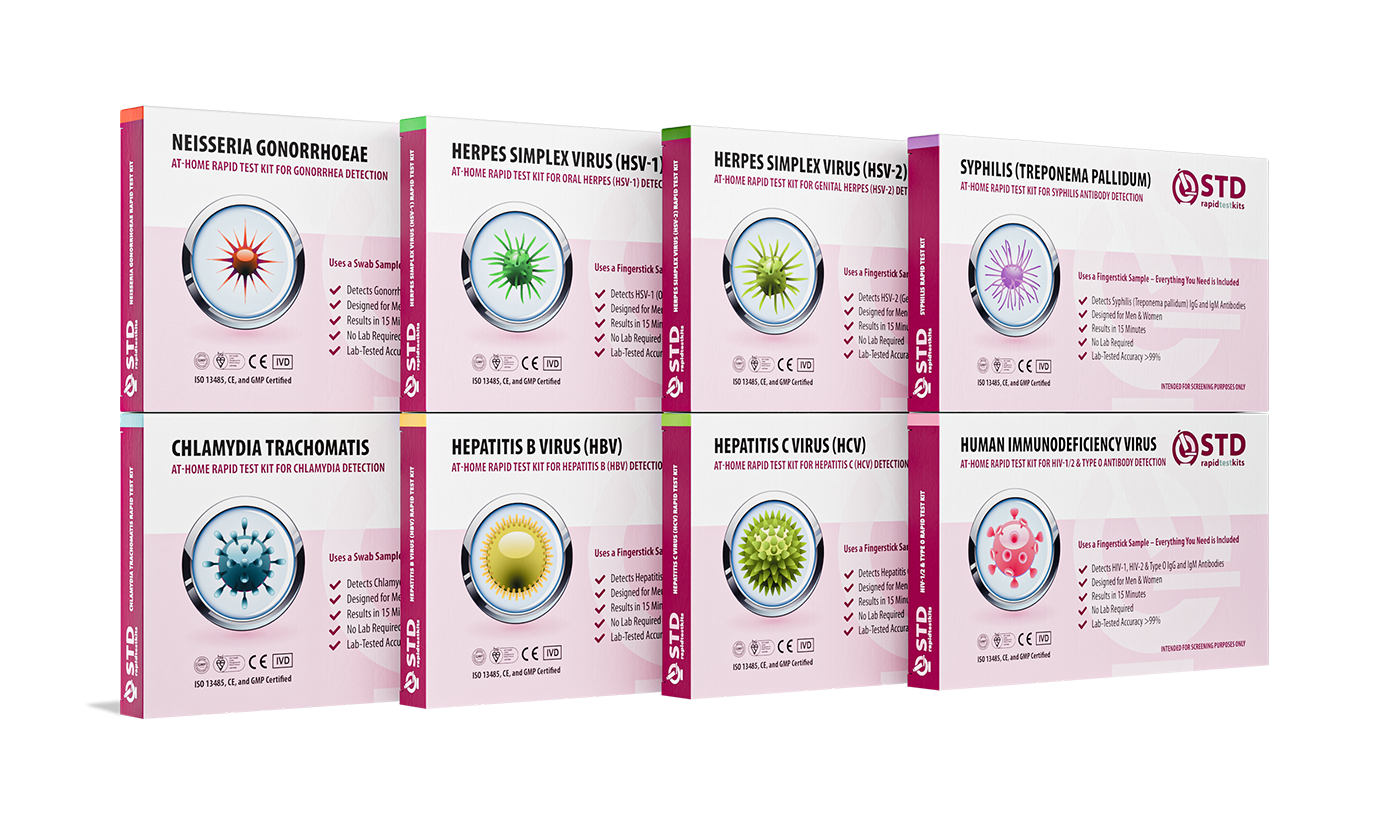 For Men & WomenResults in MinutesNo Lab NeededPrivate & Discreet
Order Now $149.00 $392.00
For all 8 tests
What Helps Hormone-Related Irritation the Most
If testing rules out infections and symptoms point toward perimenopause, several treatments can make a noticeable difference. A lot of people are surprised at how quickly relief comes when the root cause is dealt with.
Vaginal moisturizers and lubricants are usually the first thing to try. These products help bring moisture back to tissue that has gotten drier and more sensitive because of lower estrogen levels. They can make it much easier to be comfortable and have sex every day.
Localized estrogen therapy is also helpful for some people. These treatments are different from systemic hormone therapy because they only work on vaginal tissue. They help rebuild thickness and elasticity where estrogen loss has had the most effect.
Hydration, gentle skincare products, and avoiding irritants such as heavily fragranced soaps can also reduce discomfort. Because vaginal tissue becomes more delicate during perimenopause, small changes in hygiene products can sometimes improve symptoms dramatically.
Most importantly, people discover that their bodies are not “failing.” They are adapting to a biological transition that millions of people experience every year.
FAQs
1. Wait… can perimenopause really make you itch down there?
Yes, it absolutely can. When estrogen starts dipping, vaginal tissue gets thinner and drier, which can create irritation that feels a lot like the start of an infection. Plenty of people end up Googling “STD symptoms” at 2 a.m. before realizing their hormones are simply shifting.
2. How can I tell if the burning feeling is dryness or an STD?
Burning from dryness usually shows up during or after friction, sex, workouts, even tight clothing. STD-related burning often comes with other clues like unusual discharge, sores, or pelvic pain. If you’re unsure, testing is the quickest way to quiet that mental spiral.
3. My discharge changed, does that mean it’s an infection?
Not necessarily. Changes in hormones during perimenopause can change the pH and microbiome of the vagina, which can change how discharge looks or feels. But if it suddenly becomes green, yellow, very thick, or strongly smelly, it’s worth getting checked.
4. Are STDs actually common for people over 40?
They happen more than people think. New relationships after divorce, long-term relationships ending, or simply assuming pregnancy isn’t a risk anymore can lead to less condom use. Biology doesn’t care about age, if sex is happening, testing still matters.
5. Should I test even if I’m pretty sure it’s just hormones?
If there’s been a new partner or the symptoms feel unfamiliar, testing is a smart move. Think of it less like panic and more like fact-checking your body. A quick test can rule things out so you can focus on treating what’s actually going on.
6. Does vaginal dryness mean menopause is around the corner?
Not always, but it can be one of the earlier signals. Perimenopause can start years before periods stop, and dryness is one of the ways the body quietly hints that estrogen is fluctuating. Many people notice it long before hot flashes ever show up.
7. Can an STD actually cause dryness?
Usually not. Most infections are more likely to cause discharge, irritation, or pain during urination rather than dryness itself. When dryness is the main symptom, hormones are often the bigger suspect.
8. How long after having sex do you get symptoms of an STD?
It depends on the infection. Some symptoms show up right away, while others don't show up for weeks or months. This is why someone can feel fine and still test positive. Timing alone rarely tells the full story.
9. Are at-home STD tests actually trustworthy?
Many of them use the same lab methods clinics rely on. When the instructions are followed carefully, they can provide accurate screening and help you decide whether you need treatment or follow-up testing.
10. Why does sex suddenly hurt during perimenopause?
Estrogen helps keep vaginal tissue elastic and lubricated. When levels drop, the tissue can feel thinner and less flexible, which makes sex painful because of the friction. The good news is that lubricants, moisturizers, and medical treatments can make a big difference.
You Deserve Clarity, Not Late-Night Guesswork
When itching, burning, or dryness suddenly show up, the mind tends to go straight to worst-case scenarios. Hormones during perimenopause can absolutely create those sensations, but infections can produce similar signals. The goal isn’t to panic about every change your body makes. The goal is to figure out what your body is actually trying to tell you.
If symptoms appeared gradually and dryness seems to be the main issue, hormonal changes may be part of the story. If there’s been a new partner, unusual discharge, or irritation that feels different than usual, testing is the simplest way to remove doubt. Each step, testing, evaluation, treatment, replaces uncertainty with answers.
Don’t wait and wonder. If infection is even a small possibility, start with a discreet screen like the Combo STD Home Test Kit. Your results stay private, the process is simple, and clarity always feels better than guessing.
How We Sourced This Article: This guide blends clinical guidance on perimenopause and sexually transmitted infections with peer-reviewed research on hormonal changes and vaginal health. We examined literature concerning the decline of estrogen, alterations in the vaginal microbiome, and patterns of STI symptoms to elucidate the intersections of symptoms and the role of testing in differentiating them.
Sources
1. Centers for Disease Control and Prevention – Sexually Transmitted Infections Overview
2. NHS – Menopause and Vaginal Symptoms
3. Cleveland Clinic – Perimenopause Guide
4. World Health Organization – Sexually Transmitted Infections Fact Sheet
5. Office on Women’s Health – Menopause Basics
6. Centers for Disease Control and Prevention – STD Prevention
About the Author
Dr. F. David, MD is a board-certified infectious disease specialist focused on STI prevention, diagnosis, and treatment. His work centers on helping people understand symptoms clearly and access testing without stigma, confusion, or unnecessary fear.
Reviewed by: Board-Certified Sexual Health Physician | Last medically reviewed: March 2026
You shouldn't use this article instead of professional medical advice; it's only for informational purposes.


