





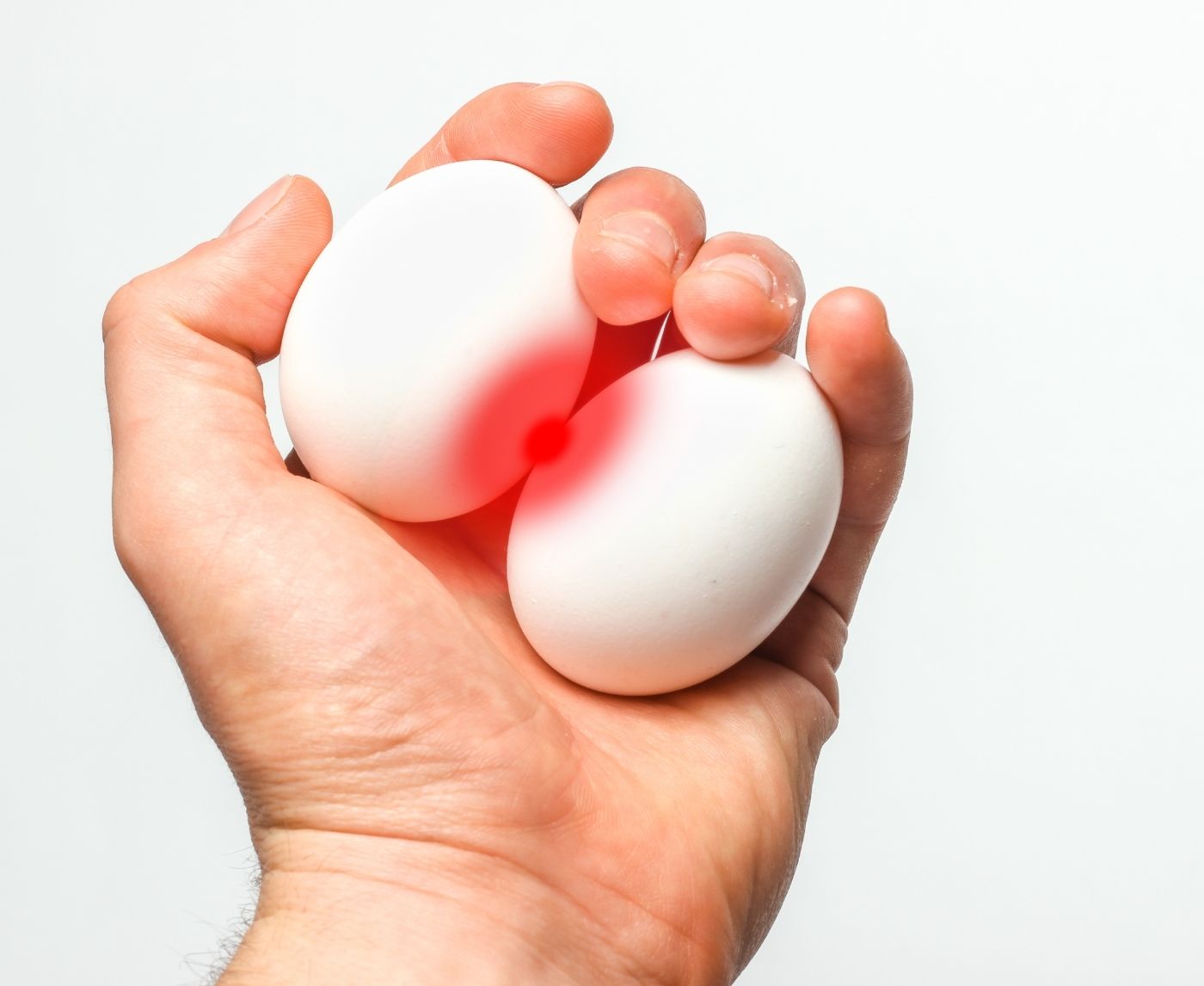

Quick Answer: Epididymitis is usually caused by an STD like chlamydia or gonorrhea and develops over time, while testicular torsion is a sudden, twisting emergency that cuts off blood flow. Torsion needs treatment within 6 hours to prevent permanent damage.
The Symptom Spiral: What Sends People Searching
It rarely starts with full-on agony. More often, it’s a low ache after sex, a tightness during a workout, or a feeling like one testicle is sitting higher than the other. Sometimes it burns when you pee. Sometimes it doesn’t. And because the internet is full of worst-case scenarios, even a harmless twinge can send your brain into overdrive.
Jay, 24, described it like this: “It felt like a pulled muscle at first, but then it kept getting worse. I thought maybe I’d gotten rough with my partner, but then I looked and saw one testicle was visibly bigger. That’s when I lost it.”
The hardest part? Epididymitis and torsion symptoms overlap. Both can involve swelling, pain, and a weird sensation deep in your groin. But one progresses over days. The other can destroy tissue within hours. Knowing how to tell them apart is more than just peace of mind, it’s a potential testicle-saver.
What’s Actually Happening Inside Your Testicle?
Epididymitis is an infection of the epididymis, a coiled tube at the back of your testicle that stores sperm. It’s often caused by sexually transmitted infections like chlamydia or gonorrhea, but in older men, it can also be due to a UTI or prostate issue. It tends to come on gradually: one testicle starts to feel sore or heavy, and the pain worsens over time.
Testicular torsion, by contrast, is a physical problem. The spermatic cord twists, cutting off blood flow to the testicle. It can happen after exercise, during sleep, or even for no clear reason. The pain is sudden, intense, and doesn’t ease up. There may be nausea or vomiting. And the clock starts ticking the moment it twists.
| Feature | Epididymitis | Testicular Torsion |
|---|---|---|
| Onset of Pain | Gradual (over hours or days) | Sudden (often within minutes) |
| Cause | Usually bacterial infection (often STD) | Twisting of spermatic cord (blood cut off) |
| Swelling | Common, one testicle enlarged | Common, but may feel firmer or higher |
| Other Symptoms | Burning with urination, discharge possible | Nausea, vomiting, abdominal pain |
| Age Range | Most common 14–35 years | Most common in teens, but can happen at any age |
| Urgency | Needs treatment but not an emergency | True emergency, 6-hour window for best outcomes |
Table 1: Key differences between epididymitis and testicular torsion to help guide urgent decisions.
People are also reading: The STD That Can Leave You Infertile Before You Ever Feel a Thing
When Your Body Sends Mixed Signals
The human body is not a perfectly wired warning system. That’s what makes these two conditions so confusing. You could have epididymitis that starts suddenly and mimics torsion. Or you could have torsion that comes and goes, a rare but dangerous scenario known as intermittent torsion.
Kamal, 19, had what he thought was a pulled groin after soccer. The pain faded in two hours, but the next morning, he woke up with his right testicle swollen and cold to the touch. By the time he got to the ER, the torsion had been ongoing too long. He lost the testicle.
This isn’t meant to scare you, but it’s meant to be real. Pain is your cue to pay attention, not to assume. The good news? Testing can help clear up the confusion fast. You just need to know what kind, and when, to get it.
Check Your STD Status in Minutes
Test at Home with Remedium7-in-1 STD Test Kit

 For Men & Women
 Results in Minutes
 No Lab Needed
 Private & Discreet
Order Now $129.00 $343.00
For all 7 tests
Can STD Testing Tell the Difference?
Sometimes, yes. If you test positive for chlamydia or gonorrhea and you have testicle pain that came on gradually, a doctor may feel confident diagnosing epididymitis. But if your pain came on like a lightning strike, and especially if the affected testicle feels higher, harder, or more painful when touched, imaging is essential.
A rapid STD test can confirm if there’s an underlying infection. That’s especially useful if you’ve had unprotected sex recently, or if you notice burning during urination. But torsion requires an ultrasound, the kind they do in hospitals. You can’t diagnose it at home.
If you’re unsure where your symptoms fall, it’s okay to test for both. This combo STD test kit checks for the most common causes of infectious testicle pain discreetly, so you’re not guessing in the dark.
What Not to Do When One Testicle Starts Hurting
It sounds dramatic, but here’s the truth: waiting can cost you your testicle. That’s not a scare tactic, it’s the medical reality of testicular torsion. If blood flow is blocked for more than 6 hours, the tissue starts dying. At 12 hours, the salvage rate drops by half. At 24 hours, the odds of saving it are almost zero.
The most common mistake? Assuming it’s an STD and waiting for it to “go away.” We’ve seen it over and over: guys take painkillers, sleep it off, or blame a rough sexual position. But torsion doesn’t heal on its own. And by the time the swelling or color change sets in, it’s often too late.
Marcus, 26, told his doctor, “I thought I was just sore from having sex in the car. I didn’t want to sound dramatic.” His delay led to an emergency orchiectomy, the surgical removal of the testicle. His regret wasn’t about the surgery. It was about not listening to his body when it first spoke up.
Torsion Timeline: How Fast It Can Happen
Doctors use something called the “golden window” to guide torsion treatment: the first 6 hours after symptoms begin. That’s when surgery to untwist the cord is most likely to save the testicle. Beyond that, damage begins to set in fast. Unfortunately, some people wait longer because they assume it’s an STD or a pulled muscle. And that delay is often the difference between full recovery and permanent loss.
| Time After Onset | Salvage Rate of Testicle | Risk Level |
|---|---|---|
| 0–6 hours | 90–100% | Low if treated |
| 6–12 hours | 50–75% | Moderate–High |
| 12–24 hours | 20–50% | High |
| 24+ hours | Less than 10% | Very high, likely loss |
Table 2: Salvage rates for testicular torsion based on time to treatment. The earlier you act, the better the outcome.
While torsion gets most of the urgency spotlight, epididymitis can still cause long-term damage if left untreated. Chronic pain, scarring, and even infertility are possible if the infection spreads. So even if you suspect an STD-related infection, testing and treating early matters, especially if you’re planning to have kids in the future.
“I Thought It Was an STD” , When Assumptions Delay Care
Victor, 21, had just come back from spring break when he noticed a dull ache in his right testicle. He’d had a new partner, so he assumed it was chlamydia. He ordered an at-home STD test but didn’t check in with a doctor. Over the next 48 hours, the pain intensified. By the time he got to urgent care, the doctor noted cremasteric reflex loss, a sign of torsion. He was rushed to surgery but ended up losing the testicle due to delayed treatment.
This isn’t rare. In fact, studies show that misdiagnosis or delayed diagnosis of testicular torsion happens in as many as 30% of cases, especially when the patient is sexually active and providers assume it's epididymitis. That’s why you should never feel embarrassed about insisting on imaging or pushing for emergency evaluation if the pain is sudden and severe.
And if you’re in that gray area, where it might be epididymitis, but you’re not sure, a trusted at-home test can offer answers fast while you sort out next steps.
What Happens During Diagnosis (and Why It Matters)
If you show up at urgent care or the ER with one swollen, painful testicle, the first steps usually involve a physical exam and questions about timing. They may ask:
“When did the pain start?” “Any fever, nausea, or vomiting?” “Any recent sexual activity or unprotected sex?” “Does it hurt to pee?”
But those questions can’t confirm anything on their own. What comes next is what truly distinguishes one condition from the other:
Ultrasound with Doppler imaging can show whether blood flow is intact (no torsion) or blocked (torsion confirmed). It can also reveal swelling around the epididymis or testicle, supporting a diagnosis of infection.
If you’re not in an ER, you might not get that scan immediately. That’s why symptom timelines and at-home testing matter. If you’ve already ruled out STDs, doctors may move faster toward imaging instead of wasting precious hours treating the wrong thing first.
So, You’ve Got Pain, What Should You Do Right Now?
If the pain is sudden, sharp, or accompanied by nausea or vomiting, don’t hesitate. Go to an ER and tell them you're concerned about torsion. Even if it turns out not to be, no one will fault you for checking. Torsion is a surgical emergency, and every minute counts.
If the pain came on slowly, especially after sex or a long day of activity, and you notice burning when you pee or a bit of discharge, testing for STDs like chlamydia and gonorrhea is a smart first step. Epididymitis needs antibiotics, and the longer you wait, the more complications can build.
Not sure where to start? This combo kit is designed for situations just like this, discreet, accurate, and focused on the most common infections linked to testicle pain.
What Recovery Looks Like, and Why the Path Is So Different
When it comes to recovery, torsion and epididymitis couldn't be more different. One involves emergency surgery. The other requires a targeted antibiotic plan. Both need follow-up, but only one leaves a permanent physical impact if not caught in time.
For epididymitis, recovery usually begins within 48 to 72 hours of starting antibiotics. Pain relief comes gradually, and swelling often takes a week or more to fully subside. Doctors may prescribe a scrotal support sling or recommend over-the-counter anti-inflammatories. If an STD is the cause, your partner should also be treated, even if they have no symptoms.
In contrast, testicular torsion recovery depends on whether the testicle was saved. If caught early and untwisted during surgery, recovery may take a couple of weeks. But if the testicle is lost, the physical healing is only part of it. There’s also the emotional aftermath, feeling embarrassed, angry, or ashamed. Some men opt for a prosthetic testicle; others don’t. The choice is personal. But the grief is real, and deserves acknowledgment.
Andre, 23, shared this: “No one told me how off my body would feel with one testicle. I didn’t want to look at myself for weeks. I wish I had known sooner what the signs were.”
Fertility, Recurrence, and the Questions That Come Later
Many men don’t think about fertility until they’re trying to conceive. But both epididymitis and torsion can affect sperm production, especially if treatment is delayed. With epididymitis, untreated infections can scar the tubes that transport sperm. This can reduce fertility or cause chronic pain that flares during ejaculation or sex. With torsion, the affected testicle may stop functioning even if it’s physically intact.
Doctors often recommend semen analysis after torsion surgery, especially if only one testicle remains. In cases of repeated infections or recurring epididymitis, further urological evaluation may be needed to rule out anatomical issues.
If the pain returns, even mildly, it’s worth seeking help again. Recurrent epididymitis can be a sign of a new STD, or that a previous infection wasn't fully cleared. And although torsion is usually one-sided, the other testicle can sometimes twist in the future, especially if a preventative surgical fix wasn’t done on both sides.
People are also reading: Can You Treat a Yeast Infection at Home? What Helps vs Hurts
How to Talk to Your Partner About What Happened
No one prepares you for this conversation: you’re in pain, worried it’s an STD, and suddenly you have to text someone you slept with last week. Or maybe you're recovering from emergency surgery and have to explain that no, this wasn’t something they "gave you."
Here’s the truth: talking about testicle pain isn’t shameful, it’s responsible. Whether it’s an STD or not, looping in a recent partner can protect both of you. It’s okay to say:
"Hey, I’ve had some testicle pain and got tested. I wanted to give you a heads-up in case you notice anything or want to get checked too."
If the issue turns out to be torsion, it's still worth letting partners know you’re healing. Many people don’t even know what torsion is, and your experience might help them recognize symptoms in the future. Plus, intimacy and future sex life may shift post-recovery. Starting that conversation with clarity helps rebuild trust and comfort in your body, on your terms.
Check Your STD Status in Minutes
Test at Home with Remedium6-in-1 STD Test Kit
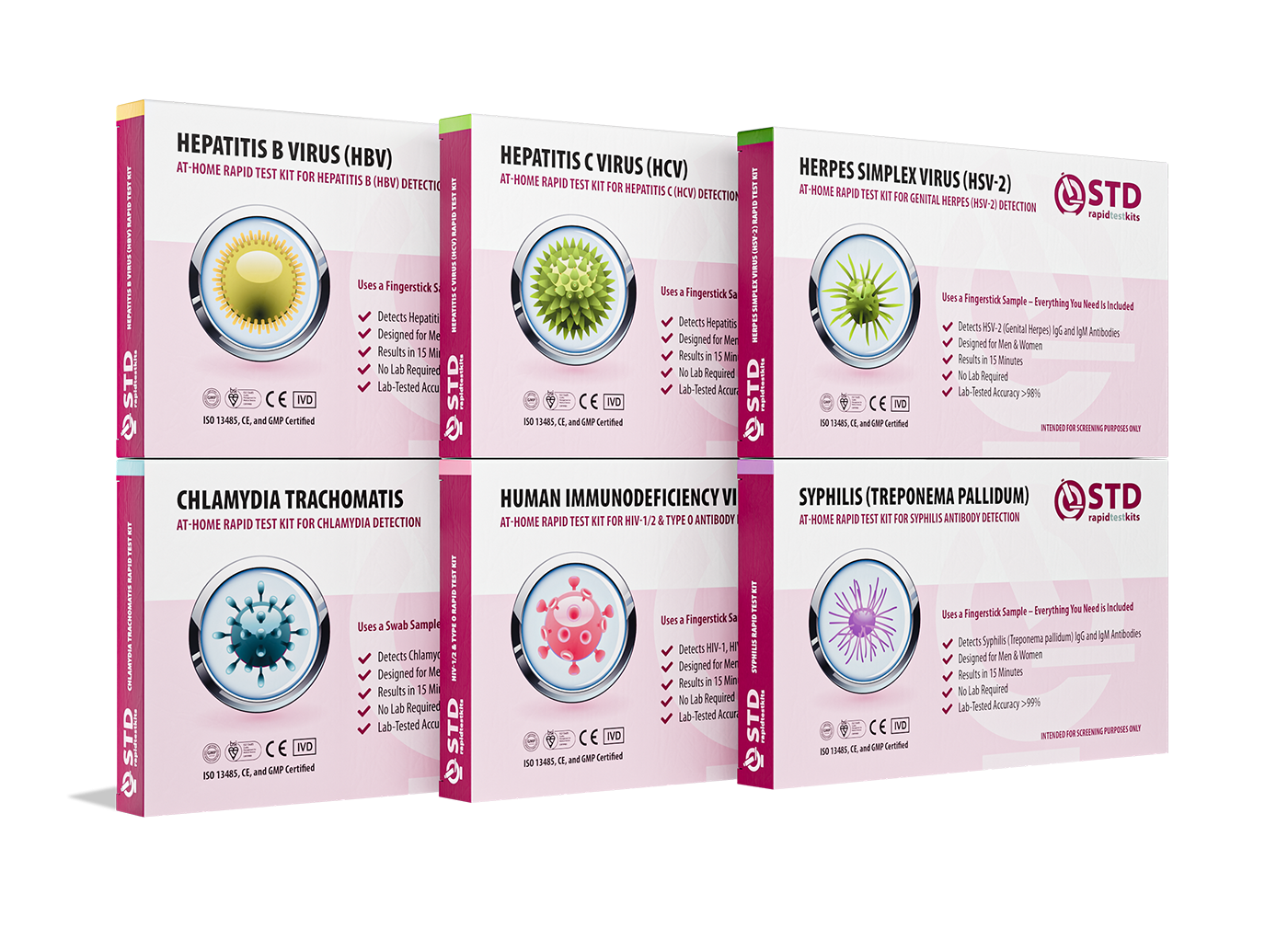 For Men & WomenResults in MinutesNo Lab NeededPrivate & Discreet
Order Now $119.00 $294.00
For all 6 tests
Let’s Recap: What You Need to Know Right Now
If one testicle hurts, especially if the pain comes on suddenly, don’t wait to see what happens. The faster you act, the more options you have. If the pain is sharp, with nausea or a high-riding testicle, go to the ER. If it’s gradual and linked to sex or urination symptoms, test for STDs from home and follow up with treatment quickly.
You don’t have to figure it out alone. Testing isn’t a confession, it’s a form of care. And caring for yourself doesn’t make you weak. It means you’re paying attention to a part of your body most people are taught to ignore until something goes wrong.
Whether you’re standing in the shower trying to decide if this is serious, or staring at your phone wondering if it's worth texting a partner, the answer is simple: you deserve to know. And you don’t need to explain why. Start with a test. Or start with a doctor. But start.
Explore all STD home test kits here, discreet, fast, and designed for situations exactly like this.
FAQs
1. Is one testicle hurting always a sign of something serious?
Not always, but it’s never something to brush off. Look, testicles are drama queens. A pulled groin, a tight pair of jeans, even a random bump can make them cranky. But if the pain is sharp, sudden, or sticks around longer than a day? That’s your body waving a red flag, not just being moody.
2. Can an STD really cause testicle pain?
Yep, and it’s more common than most people realize. Infections like chlamydia or gonorrhea can sneak their way up the tubes behind your testicles, leading to something called epididymitis. It starts slow, a little heaviness or soreness, and then ramps up if untreated. Not every STD shows up with itching or discharge. Sometimes it just hurts down low.
3. What does testicular torsion feel like?
Imagine a deep, gut-punch pain that hits out of nowhere. One second you’re fine, the next you’re doubled over. It’s not a dull ache, it’s sharp, twisting, and relentless. Some people throw up from the pain. Others say it feels like their testicle is being crushed. If that’s happening, you don’t Google. You go. Now.
4. So how do I know if it’s torsion or epididymitis?
Think of it like this: torsion = sudden chaos; epididymitis = slow burn. If the pain hits fast, especially with nausea or one testicle sitting higher, treat it like a medical fire drill. But if it built up after sex, comes with burning pee, or got worse over a day or two? You’re probably dealing with an infection. Still important. Just not code red.
5. Is it okay to wait and see what happens?
Only if you like gambling with your testicle. Harsh, yeah, but that’s the risk. Torsion is on a timer: the longer you wait, the less chance you have of saving it. Even infections get worse when ignored. If something feels off, listen to that voice in your head. The quiet one that says, “This doesn’t feel right.” Trust it.
6. What if it turns out to be nothing?
Then you just dodged a bullet, and bought peace of mind. Getting checked and finding out it’s a pulled muscle or minor strain isn’t a waste. It’s relief. We never judge the “false alarms,” especially when they help you learn your body better. We’d rather you show up and be okay than stay silent and be too late.
7. Can I still have sex after all this?
Absolutely, once you’re healed. With epididymitis, finish your antibiotics and make sure your partner gets tested too, even if they feel fine. With torsion, your doctor will let you know when it's safe. Many people go back to a fully active sex life. But it’s okay if things feel different at first. Bodies heal. Confidence does too.
8. Will people think I got this from something “dirty”?
Nah, and if they do, that’s on them, not you. Infections happen. Torsion happens. Sex is messy, and so is biology. Pain isn’t a moral issue. And taking care of your health doesn’t make you gross, it makes you grounded. Own it. Shame has no place here.
9. Do I really need to tell my partner?
If there’s a chance it’s an STD, yes, it’s about safety, not blame. You can say it however feels natural: a quick text, a conversation, even anonymous partner notification tools exist. Most people respond better than you expect. And if it’s torsion? You don’t have to share unless you want to. But healing out loud can be powerful.
10. What if I never want to deal with this again?
You and half the planet. That’s why testing, treatment, and prevention matter. Using protection, getting checked after new partners, and listening to your body are all part of that plan. You don’t have to live in fear. Just live aware. And if pain ever shows up again, you’ll know what to do.
You Deserve Answers, Not Assumptions
There’s no prize for being stoic about testicle pain. And there’s no shame in checking sooner rather than later. Whether it’s a stubborn STD, a twist in your anatomy, or just a scare that turns out to be nothing, your body deserves your attention, not your avoidance.
Don’t sit in silence or scroll forums hoping someone else had the same thing. Take the guesswork out with an at-home STD test. If it’s an infection, you’ll know. And if it’s not? You’ll still be closer to an answer, and safer for it.
How We Sourced This Article: We combined current guidance from leading medical organizations with peer-reviewed research and lived-experience reporting to make this guide practical, compassionate, and accurate.
Sources
2. Urology Care Foundation – Testicular Torsion
3. CDC – STI Treatment Guidelines: Epididymitis
4. Mayo Clinic – Testicle Pain: When to See a Doctor
5. NIH – Epididymitis (StatPearls)
6. Sexual Medicine Society of North America – Testicular Torsion vs Epididymitis
7. Mayo Clinic – Testicle Pain: Causes
About the Author
Dr. F. David, MD is a board-certified infectious disease specialist who works to stop, diagnose, and treat STIs. He combines clinical accuracy with a straightforward, sex-positive attitude and is dedicated to making his work available to readers in both urban and rural areas.
Reviewed by: J. Harlow, NP | Last medically reviewed: December 2025
This article is only for informational purposes and should not be used as medical advice.


