






Quick Answer: If a condom breaks during sex, STD testing depends on timing. Some infections like chlamydia or gonorrhea can be detected in about 5–7 days, while HIV and syphilis may require several weeks for accurate results. Testing immediately can provide a baseline, but most people will need follow-up testing after the window period.
The Moment You Realize the Condom Broke
For most people, the first reaction is panic. You might replay the moment in your head, wondering how long the condom was broken, whether there was ejaculation, or what your partner’s sexual history might be.
Public health clinicians see this situation constantly. A condom breaking is one of the most common reasons people seek emergency sexual health advice. The good news is that even when a condom fails, transmission of sexually transmitted infections is far from guaranteed.
Risk depends on several factors: whether your partner has an infection, the type of sexual activity involved, and whether body fluids or direct skin contact occurred. Vaginal and anal sex generally carry higher transmission risks than oral sex, though infections can still spread through oral contact in some cases.
One patient once described the moment this way:
“I noticed it right at the end. My stomach dropped instantly. I didn’t even know what to Google first, pregnancy, HIV, STDs… everything at once.”
This emotional spiral is common. The key is turning that panic into a plan.
First Steps in the First 24 Hours
The first day after a condom breaks is more about getting ready and preventing problems than it is about testing. Most STD tests can't find an infection right away after you've been exposed, but there are still things you can do that are important.
Start by thinking through what actually happened during the encounter. Was there ejaculation? Was it vaginal, anal, or oral sex? Do you know your partner’s testing history? These facts help figure out how risky something is and what to do next.
You can also use emergency contraception and HIV post-exposure prophylaxis (PEP) during this time. Emergency contraception can help stop a pregnancy and works best within 72 hours. If a doctor or nurse suggests HIV PEP, you should start it as soon as possible after that.
Even if you feel fine physically, it can help to schedule a baseline STD test. This early test won't tell you if you have a new infection yet, but it can tell you what your health was like before you were exposed. This way, if something comes up later, doctors will know it came from the recent visit.
Some people choose clinic testing, while others prefer privacy at home. Many use discreet options like at-home STD testing kits to start the process without scheduling appointments.

People are also reading: Burning When You Pee, but No Infection? Here’s What It Could Be
Why STD Tests Don’t Work Immediately
One of the biggest misconceptions after a condom break is the belief that testing the next day will give a definitive answer. Unfortunately, infections don’t show up that quickly.
Every sexually transmitted infection has what doctors call a window period. This is the time between exposure and when the infection becomes detectable through a test.
There may be an infection in the body during the window period, but testing technology may not be able to find it. That's why doctors tell you to wait a certain amount of time before some tests.
The table below shows approximate windows when common infections can first be detected.
| STD | Earliest Test Window | Best Testing Time |
|---|---|---|
| Chlamydia | 5–7 days | 2 weeks |
| Gonorrhea | 5–7 days | 2 weeks |
| Syphilis | 3 weeks | 6 weeks |
| HIV (4th gen blood test) | 18–21 days | 45 days |
| Herpes (blood antibody) | 4 weeks | 12–16 weeks |
| Trichomoniasis | 7 days | 2 weeks |
These windows exist because your body needs time to either produce detectable antibodies or allow the pathogen itself to multiply enough for detection.
Testing too early is one of the main reasons people receive false reassurance after exposure.
The Testing Timeline Most Experts Recommend
When sexual health clinicians advise patients after a condom failure, they often follow a simple staged approach. Instead of relying on a single test, they spread testing across a few weeks.
The reason is simple: different infections become detectable at different speeds.
| Time After Exposure | What to Do |
|---|---|
| Within 24 hours | Assess pregnancy risk, consider emergency contraception or HIV PEP if appropriate. |
| 3–7 days | Baseline STD testing if desired. |
| 1–2 weeks | Test for chlamydia, gonorrhea, and trichomoniasis. |
| 3–6 weeks | Test for syphilis and early HIV detection. |
| 6–12 weeks | Final HIV and herpes confirmation if risk remains. |
This schedule may seem cautious, but it ensures that infections are not missed due to early testing.
One sexual health nurse summarized it bluntly:
“Most people want a yes-or-no answer the next morning. The reality is that sexual health works on a timeline. Testing too soon can be just as misleading as not testing at all.”
Symptoms That May Appear After Exposure
Many people closely monitor their bodies after a condom break, looking for warning signs. The challenge is that symptoms vary widely, and many infections cause none at all.
Chlamydia and gonorrhea often develop without symptoms in early stages. When symptoms do occur, they may include burning during urination, unusual discharge, pelvic pain, or testicular discomfort.
Syphilis can begin with a painless sore that appears weeks after exposure. Herpes may cause clusters of blisters or painful ulcers, though the first outbreak does not always occur immediately.
But here’s the important reality: absence of symptoms does not mean absence of infection. A large percentage of people with sexually transmitted infections feel completely normal, which is why testing timelines matter so much.
Check Your STD Status in Minutes
Test at Home with Remedium6-in-1 STD Test Kit
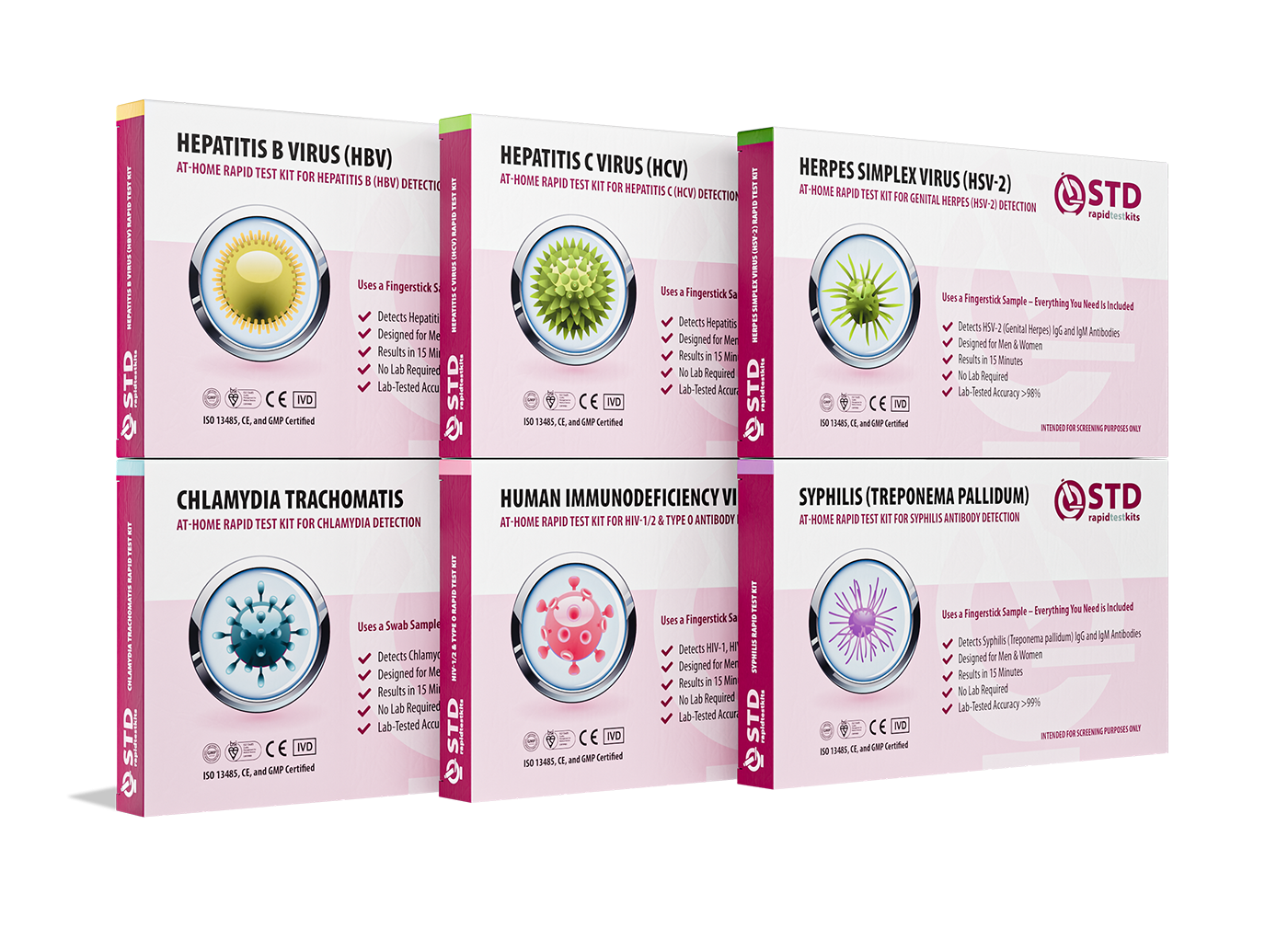
 For Men & Women
 Results in Minutes
 No Lab Needed
 Private & Discreet
Order Now $119.00 $294.00
For all 6 tests
Testing From Home vs Testing at a Clinic
After a condom break, people generally choose between clinic testing and at-home testing kits. Both approaches can be accurate when used correctly.
Clinic testing typically involves laboratory analysis, which can detect infections with very high sensitivity. Clinics may also offer immediate guidance if treatment is needed.
A lot of people prefer testing at home because it’s private and easy. Many of the newer kits can check for several infections at once with simple samples you collect yourself.
For example, some people choose comprehensive options like the 10-panel STD home test kit to check for several infections at once after potential exposure.
The most important factor isn’t where you test, it’s when you test. Timing determines accuracy far more than location.
When Risk Is Actually Low
It’s easy to assume the worst after a condom failure, but many exposures carry relatively low transmission risk.
If your partner just tested negative for STDs, the chances of passing them on may be very low. Oral sex is also less likely to spread some infections than vaginal or anal sex.
Even in high-risk situations, transmission needs a few things to happen: an infected partner, direct contact with infectious fluids or lesions, and the pathogen getting into the body.
This is why sexual health professionals often emphasize testing rather than panic. Testing gives clarity instead of speculation.
Taking Back Control After the Scare
Moments like a condom break can shake your sense of safety during sex. But they’re also incredibly common. Condoms are highly effective when used correctly, yet mechanical failures can still happen.
The important thing is responding calmly and intelligently. Understanding STD testing windows, recognizing symptoms, and following a structured testing timeline can eliminate most uncertainty.
If you want discreet answers without waiting weeks for appointments, you can explore reliable testing options at STD Rapid Test Kits. Many people find that having a testing plan restores peace of mind quickly.
Because in the end, sexual health isn’t about shame or blame. It’s about information, and knowing what steps to take next.
The Questions Everyone Googles After a Condom Break
Once the immediate panic settles, most people start searching for answers late at night. The same questions show up again and again in sexual health forums, clinic waiting rooms, and anonymous Reddit threads. Below are some of the most common ones clinicians hear from patients after a condom breaks during sex.
Is it possible to get an STD if the condom only broke for a short time? Yes, it is possible. You can still get HIV if you touch infected fluids or skin, even if the condom broke a long time ago. Testing timelines are important because some infections can spread even after a short amount of time.
Should I test the next day just to be safe? Testing immediately can create a baseline result, but it usually won’t detect a new infection yet. Most STD tests require several days or weeks after exposure before they become reliable.
If my partner has no symptoms, does that mean I'm safe? Unfortunately, no. Many sexually transmitted infections cause no noticeable symptoms for months or even years. Someone can feel completely healthy and still transmit an infection.
Does washing or urinating after sex prevent infection? Washing your genitals or peeing may help keep some bacteria from getting into the urinary tract, but it doesn't always stop sexually transmitted infections. Once exposure occurs, testing is the only way to confirm status.
Should both partners get tested? Ideally, yes. When both partners test, it becomes much easier to understand actual risk and prevent reinfection.
People are also reading: Testicle Pain at Home? Here’s How to Check for Infection Without Panicking
Real Exposure Scenarios: How Risk Actually Plays Out
When people search “condom broke during sex,” they’re usually imagining the worst-case scenario. But in reality, sexual health risk is highly situational. Doctors often evaluate exposure based on the type of sex, timing of ejaculation, and whether either partner has known infections.
For example, someone who noticed the condom tear right before ejaculation during vaginal sex will have a different risk profile than someone whose condom slipped off halfway through anal sex. Oral sex exposures generally carry lower risk for certain infections, though they are not risk-free.
Understanding these differences helps explain why clinicians rarely jump straight to worst-case assumptions. Instead, they walk through the details of what actually happened.
| Exposure Scenario | Relative STD Risk | Testing Recommendation |
|---|---|---|
| Condom broke near ejaculation during vaginal sex | Moderate | Test at 1–2 weeks for bacterial STDs, follow HIV timeline |
| Condom slipped briefly but no ejaculation | Lower | Optional baseline test, follow standard testing window |
| Condom failure during anal sex | Higher for certain infections including HIV | Consider PEP consultation and follow full testing timeline |
| Condom broke during oral sex | Lower overall but still possible | Keep an eye on symptoms and test if worries don't go away. |
The main point is that risk isn't always easy to see. You might be at risk if a condom breaks, but you don't have to be.
Why People Often Test Too Early
One of the most common mistakes after a condom breaks is testing too soon and assuming the result is definitive. Someone might take an STD test the next day, receive a negative result, and feel reassured, even though the infection wouldn’t have been detectable yet.
This is what happens when the body gets sick. Some tests look for the pathogen itself, while others look for antibodies that the body makes to fight it. It takes time for both of these things.
Take HIV testing as an example. The most common modern tests detect a protein from the virus along with antibodies. These tests are extremely accurate, but only once enough viral markers appear in the bloodstream.
That’s why clinicians emphasize follow-up testing. It’s not because they expect something to appear later. It’s simply because the biology of infections follows its own schedule.
What Happens If a Test Actually Comes Back Positive
Another fear people have after a condom failure is the possibility of receiving a positive test result. It’s worth remembering that most sexually transmitted infections today are highly treatable, and many are completely curable.
Antibiotics are usually used to treat bacterial infections like chlamydia, gonorrhea, and trichomoniasis. They usually go away without long-term problems if you treat them right away.
Viral infections such as herpes or HIV are managed rather than cured, but modern medicine has transformed outcomes dramatically. Antiviral medications allow people with HIV to live long, healthy lives, and suppressive therapy for herpes can significantly reduce outbreaks and transmission risk.
In other words, even in the unlikely event that testing detects an infection, the situation is rarely the catastrophe people imagine during those first anxious hours after a condom breaks.
Check Your STD Status in Minutes
Test at Home with Remedium7-in-1 STD Test Kit
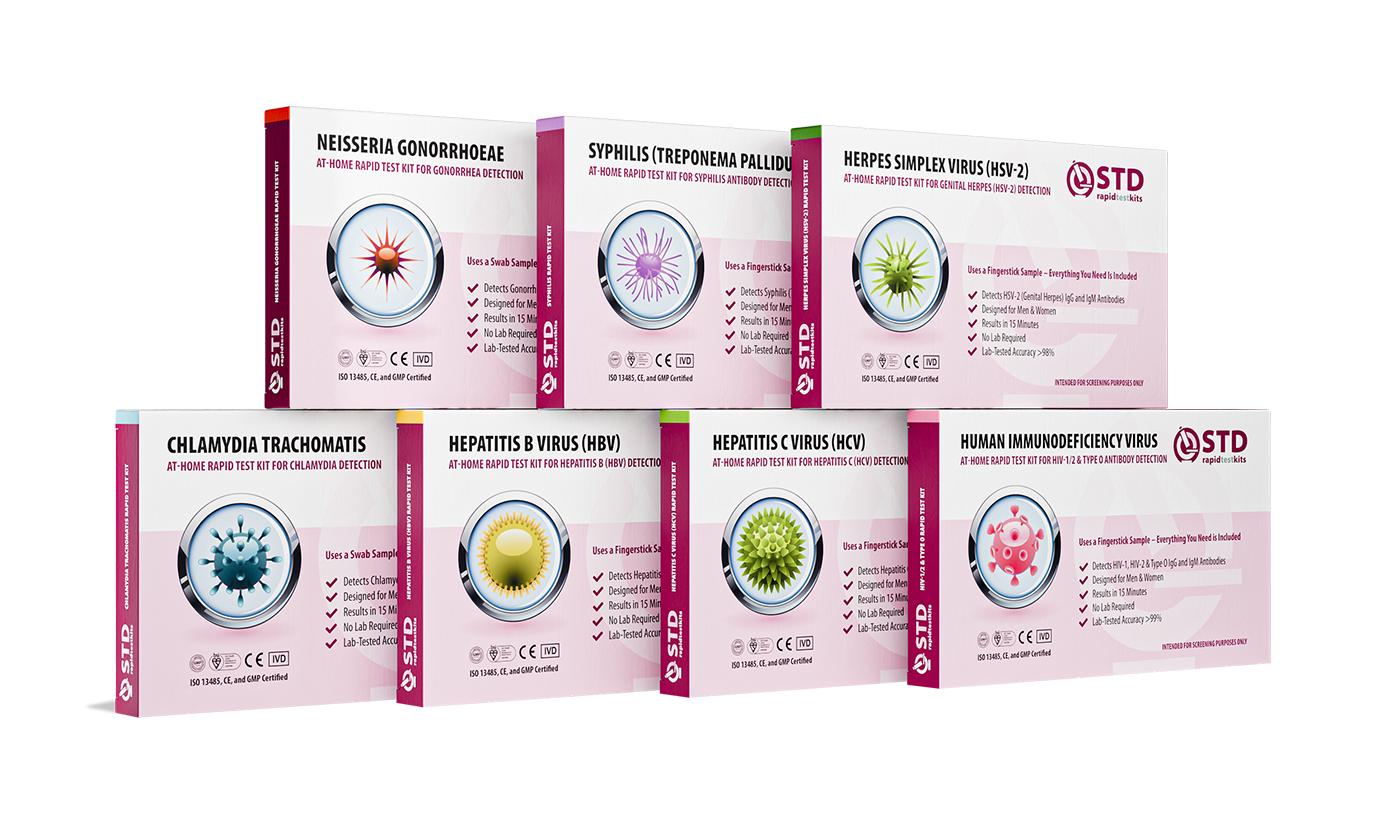 For Men & WomenResults in MinutesNo Lab NeededPrivate & Discreet
Order Now $129.00 $343.00
For all 7 tests
What Sexual Health Professionals Wish People Knew
Ask any sexual health nurse what they hear most often from patients after a condom break, and the answer is surprisingly consistent: embarrassment. Many people feel like the situation is somehow their fault.
But condoms break for plenty of reasons that have nothing to do with irresponsibility. Incorrect sizing, expired materials, friction from inadequate lubrication, or simple manufacturing defects can all contribute.
One clinician put it this way:
“People come in apologizing like they did something wrong. In reality, condoms are extremely effective, but they’re still physical products. Sometimes they fail. That’s exactly why testing exists.”
Understanding this can help shift the mindset away from blame and toward proactive health decisions.
Building a Simple Plan After a Condom Break
When emotions are running high, complexity can make things worse. That's why a lot of doctors suggest a simple three-step plan after a condom breaks.
| Step | Action |
|---|---|
| Step 1 | Assess pregnancy risk and consider emergency contraception if needed. |
| Step 2 | Set up STD tests based on the time frames we talked about before. |
| Step 3 | Retest after the recommended follow-up window for complete certainty. |
That’s it. No spiraling late-night internet searches. No assuming symptoms that aren’t there. Just a clear plan and a testing timeline.
Moments like this can feel overwhelming in the moment, but most people walk away with negative results and a better understanding of how sexual health testing actually works.
FAQs
1. So the condom broke… do I need an STD test immediately?
Not immediately for accuracy, but planning one right away is smart. Most infections need time before a test can detect them. Think of the first few days as the “wait for the lab evidence” phase. Testing around the one-week mark catches many bacterial infections like chlamydia or gonorrhea.
2. If the condom only tore at the very end, does that still count as exposure?
Potentially, yes. Transmission doesn’t depend on how dramatic the break was, it depends on contact with infected fluids or skin. Even a tear that happens near ejaculation can create exposure. It’s not a guarantee of infection, just a reason to follow the testing timeline.
3. My partner says they’re clean. Can I skip testing?
Maybe, but it depends on what “clean” actually means. If they tested recently and had no partners since, risk may be very low. But if the last test was a year ago, or never, testing is the only way to move from reassurance to certainty.
4. Can symptoms show up the next day if something happened?
Usually not. Most STDs take days or weeks before symptoms appear, and many never cause symptoms at all. That’s why sexual health doctors rely on testing rather than symptom watching.
5. What STD shows up fastest on a test?
Chlamydia and gonorrhea are the early sprinters. Many tests can detect them roughly a week after exposure. Viral infections like HIV or herpes typically need more time because the body must produce detectable antibodies.
6. If I feel completely normal, does that mean I’m probably fine?
It might, but it’s not proof. Many infections are silent passengers for weeks or months. Feeling normal is common, which is exactly why routine testing exists.
7. Should both of us get tested after the condom broke?
Ideally, yes. When both partners test, you remove a lot of uncertainty. It also prevents the frustrating scenario where one person tests, gets treated, and unknowingly gets reinfected.
8. Does washing or peeing after sex lower STD risk?
It’s a popular myth. Urinating may help reduce some urinary tract bacteria, but it doesn’t reliably prevent sexually transmitted infections. Once exposure happens, testing is the only way to confirm what did or didn’t happen.
9. Are at-home STD tests actually reliable?
Many modern kits are surprisingly accurate when used at the correct time. The key variable isn’t the location, clinic or home, it’s the window period. If you test too early, even the best lab in the world can miss an infection.
10. How worried should I realistically be after a condom break?
Most of the time, less worried than Google makes people feel. Transmission requires several things lining up: an infected partner, exposure, and successful infection. The right approach isn’t panic, it’s testing on schedule and getting real answers.
You Deserve Answers, Not Guesswork
A broken condom can send your thoughts racing through every worst-case scenario imaginable. But sexual health doesn’t work on panic, it works on timelines and testing. The goal isn’t to catastrophize one moment during sex. The goal is to replace uncertainty with real information.
If exposure might have occurred, follow the testing windows. Start with a baseline test if it helps your peace of mind, then test again when infections become detectable. Each step removes doubt and gives you control over what happens next.
Don’t wait and wonder. If there’s even a small chance of exposure, begin with a discreet screen like the Combo STD Home Test Kit. Your results stay private, the process is straightforward, and clarity is always better than guessing.
How We Sourced This Article: This guide combines current public health recommendations on sexually transmitted infection testing with peer-reviewed research on diagnostic window periods. We reviewed guidance from the CDC, NHS, and major clinical institutions alongside infectious disease literature on HIV, syphilis, and bacterial STI detection timelines. The goal was to translate technical testing guidance into clear, real-world advice people can use after a potential exposure.
Sources
1. Centers for Disease Control and Prevention – STD Screening Recommendations
2. Centers for Disease Control and Prevention – HIV Testing Overview
3. The NHS's Guide to Sexually Transmitted Diseases
4. The World Health Organization's STIs Fact Sheet
5. What Happens When You Go to Planned Parenthood for an STD Test
6. Healthline: How long does it take for an STD to show up?
7. National Library of Medicine – Sexually Transmitted Infections Overview (StatPearls)
About the Author
Dr. F. David, MD is a board-certified infectious disease specialist focused on sexually transmitted infections, diagnostic testing, and patient-centered sexual health education. His work emphasizes clear, stigma-free guidance that helps people make informed decisions about testing and treatment.
Reviewed by: Michael R. Levin, MD, Infectious Disease | Last medically reviewed: March 2026
This article is meant to give you information, not to take the place of professional medical advice.


