







Quick Answer: A yeast infection can feel very similar to an STD because both can cause itching, burning, irritation, and unusual discharge. The only reliable way to know the difference is testing, since symptoms alone often overlap.
When Symptoms Send Your Brain Into Panic Mode
Picture this: someone wakes up on a Sunday morning with intense itching and irritation. The night before involved a new partner, maybe some drinks, maybe a condom that didn’t feel quite right. Suddenly the mind starts replaying every detail. Was something exposed? Did protection slip? Could this be an STD?
But here’s the twist many people don’t realize. Yeast infections are extremely common and can appear after sex, after antibiotics, after hormonal changes, or even after wearing tight clothing during a sweaty day. The symptoms can arrive suddenly and feel dramatic enough to trigger anxiety.
Because of that overlap, the body doesn’t always offer clear clues right away. Burning during urination might suggest irritation from yeast, but it can also appear in infections like chlamydia or gonorrhea. Discharge might look unusual because of a fungal imbalance, but certain STDs can also change discharge color or texture.
Doctors see this confusion constantly. Someone walks into a clinic convinced they have an STD, only to discover it’s a yeast infection. Other times the opposite happens, someone treats what they assume is yeast, but the symptoms persist because an STI is actually involved.
That’s why symptom overlap matters so much. The body doesn’t label infections clearly. It just sends signals.
Why Yeast Infections and STDs Can Feel So Similar
A yeast infection happens when the natural fungus that normally lives in the vagina grows out of balance. This fungus, usually Candida, thrives when the vaginal environment changes. Antibiotics, hormone shifts, high sugar levels, and friction from sex can all disrupt the normal balance of bacteria and yeast.
When that imbalance happens, inflammation follows. The tissue becomes irritated and sensitive. That inflammation creates symptoms like itching, burning, redness, swelling, and discharge. In other words, the same basic signs the body uses for many infections.
Sexually transmitted infections trigger a similar response. When bacteria or viruses enter the reproductive tract, the immune system reacts by increasing blood flow and inflammation to fight the invader. That process creates sensations that feel remarkably similar to a yeast infection.
This is why the body’s signals can blur together. The sensation of itching or burning doesn’t automatically reveal the cause. It only tells you that something in the area is irritated.
Even healthcare providers rely on testing rather than symptoms alone in many cases. Without lab confirmation, it’s surprisingly difficult to distinguish between fungal infections and some sexually transmitted infections purely based on how they feel.
| Symptom | Yeast Infection | Possible STD Causes |
|---|---|---|
| Intense itching | Very common | Possible with herpes or trichomoniasis |
| Burning during urination | Common due to irritation | Common with chlamydia or gonorrhea |
| Unusual discharge | Often thick and white | Can be yellow, green, or cloudy |
| Redness or swelling | Very common | Possible with several infections |
| Pain during sex | Sometimes present | Common with certain STDs |
Table 1. Overlapping symptoms between yeast infections and common sexually transmitted infections.

People are also reading: Silent but Contagious: How STDs Spread Without Symptoms
The Discharge Clue People Often Look For
One of the first things people search online when symptoms appear is discharge changes. It’s understandable. Discharge is visible, noticeable, and often the first thing that seems obviously different.
Yeast infections often produce thick white discharge that many people describe as having a “cottage cheese” appearance. It usually doesn’t have a strong odor, but it may come with intense itching and irritation.
However, discharge alone isn’t always a reliable indicator. Some STDs create discharge that looks very different from typical yeast infections. Others create almost no discharge at all.
A person might assume they have a yeast infection because the discharge looks white, only to later discover another infection is present. Conversely, someone might panic about an STD when the real cause is simply yeast imbalance.
| Discharge Characteristic | More Common With Yeast | More Common With STD |
|---|---|---|
| Thick white clumps | Yes | Rare |
| Yellow or green tint | Rare | Possible |
| Strong odor | Usually mild | Sometimes stronger |
| Minimal discharge | Possible | Also possible |
Table 2. Discharge differences that may suggest yeast infection or an STD.
Still, there’s an important reality to remember. Bodies don’t always follow textbook descriptions. Discharge patterns can vary widely depending on the person, the infection, and even the stage of that infection.
That’s why clinicians rarely rely on discharge description alone when making a diagnosis.
When Someone Treats Yeast… and the Symptoms Don’t Go Away
Imagine someone standing in a pharmacy aisle, staring at antifungal treatments and hoping the problem is simple. Yeast infections are common enough that many people feel comfortable treating them at home without seeing a doctor.
Sometimes that works perfectly. Within a few days the itching fades, irritation settles down, and life returns to normal.
But occasionally the symptoms linger. Maybe the burning persists or the discharge doesn’t change. That moment often triggers a second wave of anxiety.
This is where testing becomes important. There are a few things that could be wrong if you have symptoms that don't go away. The original issue might not have been yeast at all, or multiple infections might be present simultaneously.
It’s also possible for bacterial infections or sexually transmitted infections to mimic yeast so closely that initial treatment doesn’t reveal the difference until later.
Instead of guessing, a lot of people now choose private testing options that can give them answers quickly. When you're still unsure, going to STD Rapid Test Kits can help you find private testing options that you can use at home.
Knowing what’s actually happening inside the body often brings a huge sense of relief. Even if the result confirms an infection, having a clear diagnosis makes treatment straightforward.
Situations That Make Yeast Infections More Likely
While yeast infections and STDs share symptoms, certain situations increase the likelihood that yeast is responsible. These clues don’t guarantee the cause, but they can provide helpful context when symptoms appear.
For example, someone who recently took antibiotics may notice itching or irritation days later. Antibiotics can disrupt healthy vaginal bacteria, allowing yeast to grow more aggressively.
Hormonal changes also play a role. Pregnancy, birth control adjustments, and menstrual cycles can all influence the vaginal environment in ways that encourage yeast growth.
Even things like how you live your life can have an effect. Yeast can grow in places like tight leggings for long periods of time, wet swimsuits for hours, or underwear that doesn't breathe.
In contrast, STDs are linked to exposure through sexual contact. If symptoms appear shortly after a new sexual partner or unprotected sex, testing becomes particularly important.
| Situation | More Associated With Yeast | More Associated With STD |
|---|---|---|
| Recent antibiotics | Common trigger | Not typical |
| Hormonal changes | Possible trigger | Not typical |
| New sexual partner | Possible but less direct | Higher risk factor |
| Unprotected sex | Not directly related | Common transmission route |
Table 3. Situational clues that may point toward yeast infection or STD risk.
These patterns help guide doctors when evaluating symptoms, but they still don’t replace testing. Human bodies are messy and unpredictable. Sometimes infections appear outside the expected patterns.
The Moment Testing Brings Real Clarity
At some point in the middle of the uncertainty, most people reach a turning point. Instead of guessing, they want real answers.
Testing transforms the entire emotional experience. The endless Googling, the late-night worry, and the mental replay of recent sexual encounters suddenly gives way to something much simpler: information.
If the result confirms a yeast infection, treatment is usually quick and effective. If the result identifies an STD, treatment plans and next steps become clear.
Either way, clarity replaces speculation.
Many people now prefer testing options they can use privately at home. A discreet combo STD home test kit can screen for several common infections without requiring a clinic visit, helping people move from uncertainty to answers quickly.
Sexual health decisions shouldn’t feel like a guessing game. Reliable testing helps people take control of their health and relationships with confidence.
Check Your STD Status in Minutes
Test at Home with Remedium8-in-1 STD Test Kit
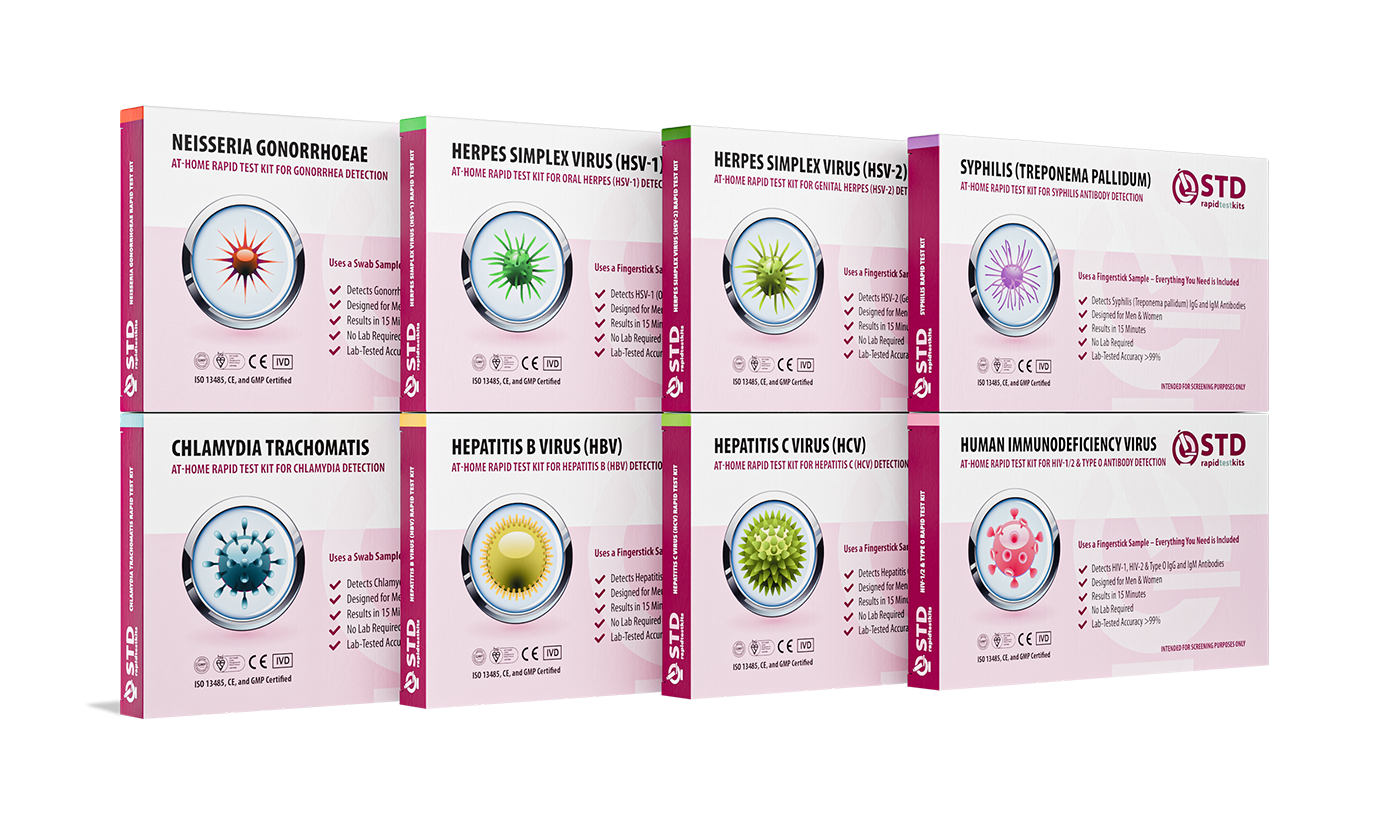
 For Men & Women
 Results in Minutes
 No Lab Needed
 Private & Discreet
Order Now $149.00 $392.00
For all 8 tests
When Your Body Sends Signals, Listening Matters
Burning, itching, and unusual discharge are your body’s way of saying something has changed. Sometimes that change is as simple as a yeast imbalance. Other times it’s a bacterial infection or sexually transmitted infection that needs attention.
What matters most is responding with curiosity instead of panic. These symptoms are common and treatable. Millions of people experience them every year, and healthcare providers handle them every single day.
The key is not trying to diagnose yourself based on symptoms alone. Even experienced clinicians rely on testing because the body’s signals can overlap so easily.
If something feels off, getting answers is always a smart step. Your health deserves clarity, not uncertainty.
What Doctors Look For When Symptoms Could Be Either
A patient sits on the edge of an exam table explaining their symptoms. The story sounds familiar: itching started two days ago, burning when urinating began yesterday, and now there’s discharge that doesn’t seem normal. It feels urgent, maybe even embarrassing to talk about, but clinicians hear variations of this scenario constantly.
Instead of jumping straight to conclusions, healthcare providers usually begin by looking at patterns. Timing, symptom progression, recent exposures, medications, and lifestyle factors all help build a picture of what might be happening. But they know that symptoms alone don't always tell the whole story.
For instance, if you suddenly start itching a lot, it could be a sign of a yeast infection. But if a person also says they have pain when they urinate or in their pelvis, doctors may want to rule out infections like chlamydia or gonorrhea. If there are blisters or sores, herpes is a topic of conversation.
Doctors also pay attention to how symptoms evolve over time. Yeast infections often escalate quickly with itching and irritation becoming noticeable within a day or two. Some STDs, however, may begin with subtle irritation before developing additional symptoms days or weeks later.
This is why the conversation often shifts toward testing rather than guesswork. The goal is not just to treat symptoms, but to identify the exact cause so treatment actually resolves the problem.
Why Timing Matters More Than Most People Realize
Imagine someone notices symptoms the morning after a new sexual encounter. The mind immediately jumps to the worst possibility. But biologically, most sexually transmitted infections cannot produce noticeable symptoms within hours of exposure.
Many infections require an incubation period before the body reacts. That period can range from several days to several weeks depending on the organism involved. Yeast infections, on the other hand, can appear more quickly because the fungus already lives in the body and simply grows out of balance.
This difference in timing often becomes one of the most useful clues during diagnosis. Symptoms that appear almost immediately after sex might point toward irritation, friction, or yeast imbalance rather than a newly acquired STD.
But just because you time it right doesn't mean you'll get what you want. Some STDs can stay hidden for a long time, but yeast infections can show up days after something like antibiotics or hormonal changes. There are many things that can affect the body's internal ecosystem.
Understanding these timelines helps reduce unnecessary panic while still encouraging responsible testing.
| Condition | Typical Incubation or Development Time | Common Early Sensations |
|---|---|---|
| Yeast infection | Often within a few days of imbalance | Intense itching, irritation, thick discharge |
| Chlamydia | 1 to 3 weeks after exposure | Mild irritation, burning urination |
| Gonorrhea | 2 to 7 days after exposure | Burning urination, discharge |
| Herpes | 2 to 12 days after exposure | Tingling, itching, small sores |
| Trichomoniasis | 5 to 28 days after exposure | Itching, irritation, unusual discharge |
Table 4. Approximate timelines showing how yeast infections and several STDs may develop after a trigger or exposure.
These timelines are not perfect predictors, but they help explain why symptoms alone can be misleading. Someone might assume a yeast infection because symptoms appeared quickly, while another person might overlook a silent infection because nothing feels wrong initially.
The Emotional Spiral of Symptom Googling
It’s midnight. A phone glows in the dark as someone scrolls through search results about itching, burning, and discharge. One article says yeast infection. Another mentions STDs. A third describes conditions that seem even scarier.
This spiral of online research is incredibly common. Sexual health symptoms carry emotional weight because they intersect with relationships, intimacy, and personal identity. The thought of having an STD can make you feel scared, ashamed, or guilty.
But those emotions often say more about cultural stigma than medical reality. STDs are extremely common, and most are treatable. Yeast infections are also common and frequently unrelated to sexual activity.
The key change is going from guessing to knowing. Instead of trying to figure out what the symptoms mean on their own, people can focus on getting real information through tests and help from professionals.
When uncertainty fades, so does much of the anxiety surrounding these symptoms.

People are also reading: I Tested Too Early for HIV, Here’s What Happened
When Symptoms Appear After Sex
Sex introduces many variables that can affect the body’s balance. Friction, changes in pH, lubricants, condoms, and semen can all influence the vaginal environment. Sometimes the result is irritation rather than infection.
Imagine someone finishing an intense workout earlier in the day, then having sex that evening while still slightly dehydrated and sweaty. The next morning itching appears. The cause might simply be irritation from friction combined with moisture and heat.
In other situations, sexual activity can trigger yeast growth indirectly. Semen temporarily alters vaginal pH levels, which may encourage yeast to grow more aggressively in some individuals. That doesn’t mean yeast infections are sexually transmitted in the same way STDs are, but sex can influence conditions that allow yeast to thrive.
STDs enter the picture when infectious organisms are exchanged through sexual contact. If symptoms appear within the broader timeframe associated with infection development, testing becomes particularly important.
This is one reason why sexual health professionals stress the importance of regular screenings. Testing after getting a new partner or having sex without protection can help find infections that might not show up otherwise.
When Testing Reveals More Than One Issue
Occasionally someone seeking answers discovers something unexpected. Testing may reveal both a yeast infection and a sexually transmitted infection at the same time.
This overlap can happen because the irritation caused by one condition makes the body more vulnerable to another. Inflammation disrupts the delicate microbial balance that normally protects the reproductive tract.
Symptoms can also hide each other. A yeast infection might make you itch, while an STD might make you have a little discharge. Without testing, the two problems can look like one set of confusing symptoms instead of two.
The important takeaway is that discovering multiple conditions isn’t a sign of personal failure. It simply reflects the complex ecosystem that exists in the body.
With accurate diagnosis, both issues can be treated effectively and quickly.
Taking Back Control of the Situation
There’s a moment when uncertainty gives way to action. Instead of worrying about what symptoms might mean, someone decides to get real answers.
That moment is very strong. It helps you get through a tough time. Once you know what caused the problem, like an STD or a yeast infection, you can start the treatment.
Testing options today make this process easier than ever before. Many people choose private solutions that let them check for common infections at home instead of going to a clinic. These tests are accurate and protect your privacy and convenience.
Taking control of sexual health doesn’t mean expecting the worst. It just means putting a higher value on clarity than on guesswork.
And once clarity arrives, most people discover the situation is far less frightening than their imagination suggested.
When the Body Sends Mixed Signals
Late in the evening, someone stands in the bathroom mirror trying to figure out what their body is saying. The itching hasn’t stopped all day. There’s a burning sensation when urinating that wasn’t there yesterday. Discharge looks slightly different too. None of it feels dramatic enough to clearly point toward one explanation, yet it’s enough to make the mind spin.
This gray area is where many people find themselves. Yeast infections and sexually transmitted infections overlap so heavily in early symptoms that the body can feel like it’s speaking a language without clear translation. The discomfort is real, but the cause remains uncertain.
Sometimes people try to decode the situation by comparing symptoms they read online. They look for descriptions that perfectly match their experience. But the truth is that infections rarely follow identical scripts. Two people with the same condition may experience it in completely different ways.
That’s why experienced clinicians rarely rely on symptom descriptions alone. Even subtle infections can create sensations that mimic each other closely, and the body’s immune response tends to blur the lines between causes.
What Happens After a Positive Test
The moment a test result appears can feel surprisingly calm compared to the uncertainty that came before. Instead of wondering endlessly what symptoms might mean, the situation becomes clear. There is a name for what is happening, and with that name comes a plan.
Treatment is usually simple if the test shows that you have a yeast infection. Antifungal drugs bring things back to normal by getting rid of the extra yeast that was causing the irritation in the first place. A lot of people feel a lot better within a few days of starting treatment.
If testing reveals an STD, the path forward is still manageable. Many bacterial infections such as chlamydia and gonorrhea respond well to antibiotics. Viral infections like herpes can be managed with antiviral medications that reduce outbreaks and transmission risk.
What often surprises people is how routine these treatments are. Sexual health clinics treat these conditions every day, and most infections have clear, effective protocols that guide recovery.
In other words, the anxiety that builds during uncertainty often turns out to be far worse than the reality of treatment.
Check Your STD Status in Minutes
Test at Home with Remedium7-in-1 STD Test Kit
 For Men & WomenResults in MinutesNo Lab NeededPrivate & Discreet
Order Now $129.00 $343.00
For all 7 tests
Why Early Answers Protect Your Health
There’s another reason testing matters beyond simple peace of mind. Early diagnosis helps prevent complications and protects both partners in a relationship.
Untreated infections can sometimes linger quietly. A person might assume symptoms are from yeast, irritation, or something temporary while an underlying infection remains active. Over time that infection may spread or cause more noticeable symptoms.
Testing interrupts that process. Instead of allowing uncertainty to stretch out for weeks, people gain immediate clarity about what’s happening inside their body.
Many people like testing methods that let them go from suspicion to answers quickly, without having to wait days for an appointment. People can get discreet options that are easy to use and private when they visit STD Rapid Test Kits.
If you have more than one symptom, like burning, itching, or strange discharge, a combo STD home test kit can check for more than one infection at once. This kind of testing takes away the guesswork and helps you figure out if the symptoms are caused by an STD, too much yeast, or something else.
Clarity allows treatment to begin sooner, which helps symptoms resolve faster and reduces the chance of transmission.
Listening to Your Body Without Jumping to Conclusions
Sexual health conversations often swing between two extremes. On one side is panic, where every symptom feels like a medical emergency. On the other side is dismissal, where people ignore signs their body is sending.
The healthiest approach sits somewhere in the middle. Symptoms are important, but they don't always mean the worst is going to happen. Burning, itching, and discharge are common signals that something in the body’s environment has changed.
Sometimes that change is as simple as yeast growth triggered by antibiotics or hormonal shifts. Other times it reflects an infection that needs targeted treatment. Either way, the body is simply asking for attention.
Responding calmly and seeking reliable information helps transform that signal into action. Instead of guessing, people can gather evidence and make decisions based on facts.
And once the cause becomes clear, most situations resolve quickly with proper care.
FAQs
1. “Okay, be honest… can a yeast infection really feel exactly like an STD?”
Short answer: yes. Annoyingly, frustratingly, absolutely yes. Both yeast infections and many STDs trigger inflammation in the same sensitive tissue, so the body responds with the same limited set of alarm bells, itching, burning, redness, irritation, discharge. Imagine a smoke alarm that goes off whether you burn toast or start a campfire in the living room. The alarm sound is the same even though the cause is completely different. That’s why symptoms alone can send people into a spiral of guessing.
2. “If I’m itching like crazy, doesn’t that mean it’s probably just yeast?”
Itching is one of the classic yeast symptoms, but it’s not exclusive to yeast. Some people with herpes feel itching or tingling before sores appear. Trichomoniasis can also cause irritation that feels a lot like a yeast infection. So, even though intense itching might mean yeast, it doesn't have to be. Don't think of it as a decision, but as a clue.
3. “What about the discharge? Doesn’t that give it away?”
Sometimes it helps, but it’s not foolproof. Yeast infections often create thick white discharge that people compare to cottage cheese. Many STDs create thinner discharge that may look yellow, cloudy, or greenish. But bodies don’t always read the textbook. Plenty of people with yeast infections have minimal discharge, and some people with STDs notice almost none at all. Doctors treat discharge like one puzzle piece, not the whole picture.
4. “If symptoms started the morning after sex, is that basically proof it’s an STD?”
Actually, the opposite is often true. Most STDs take days or weeks before symptoms appear because the organism needs time to multiply inside the body. Yeast infections can appear much faster because yeast already lives in the body, it just grows out of balance. So when someone says, “I woke up the next day and something felt wrong,” clinicians often consider irritation or yeast before assuming a new STD infection.
5. “I treated it like a yeast infection and nothing changed. Should I worry?”
That’s the moment many people decide to get tested, and it’s a smart move. If antifungal treatment doesn’t help after several days, something else might be going on. It doesn’t automatically mean an STD, but it does mean the original guess might have been wrong. Getting a test at that point replaces guessing with facts, which is always a better strategy than continuing to treat the wrong thing.
6. “Can I have both a yeast infection and an STD at the same time?”
Yes, and clinicians see this more often than people expect. Inflammation from one infection can disrupt the normal balance of bacteria and yeast in the genital area. That imbalance sometimes allows a second issue to develop. It sounds dramatic, but medically it’s just a reminder that the body’s ecosystem is complicated.
7.“Is it weird to panic about symptoms like this?”
Not at all. Sexual health symptoms hit a nerve emotionally because they’re tied to relationships, intimacy, and vulnerability. People worry about partners, about stigma, about what the result might mean. But here’s the reality from someone who’s seen this conversation a thousand times: most cases turn out to be outine infections with straightforward treatment. Panic is human. Answers are better.
8. “So what’s the smartest move if I’m not sure what it is?”
Listen to the signal your body is sending and get clarity. Testing is the fastest way to separate yeast imbalance from sexually transmitted infections. Once you know what you’re dealing with, treatment becomes simple and stress drops dramatically. In sexual health, knowledge is the antidote to guesswork, and to anxiety.
9. “Do STDs always cause symptoms like itching or burning?”
Surprisingly, no. Many STDs are quiet for a long time. Someone can carry chlamydia or even gonorrhea without obvious symptoms at all. That’s one reason sexual health experts emphasize routine testing, especially after new partners. The absence of symptoms doesn’t always mean the absence of infection, which is why testing is such an important tool for peace of mind.
10. “If it turns out to be an STD, does that mean something terrible happened?”
Not at all. STDs are incredibly common, and most of them are treatable or manageable with routine medical care. People often imagine worst-case scenarios when they see the word “STD,” but clinicians approach these infections the same way they approach strep throat or a sinus infection: identify the cause, treat it, and move forward. The most important step isn’t blaming yourself or your partner, it’s simply getting answers so you can take care of your health.
You Deserve Answers, Not Assumptions
It can be scary to have burning, itching, and strange discharge, especially if you don't know right away what the problem is. But a lot of people don't know that these symptoms are very common, and once the cause is found, they are usually easy to deal with.
Instead of just comparing symptoms, getting tested is a clear way to move forward.Knowing what the answer is, whether it's a yeast infection, an STD, or another treatable condition, is better than not knowing.
When you want fast, discreet answers, explore testing options available through this at-home combo STD test kit. It allows you to check for several common infections privately so you can move from worry to clarity as quickly as possible.
There is no shame or blame in sexual health. It's about knowing your body, keeping yourself safe, and making choices that are good for both you and your partners.
How We Sourced This Article: This article uses advice from big public health groups, peer-reviewed research, and clinical sexual health resources all in one place. We wanted to turn medical knowledge into useful, caring information that people can understand when they are under a lot of stress.
Sources
1. Centers for Disease Control and Prevention – Sexually Transmitted Infections Overview
2. World Health Organization – Sexually Transmitted Infections
3. NHS – Thrush (Yeast Infection) Symptoms
4. Planned Parenthood – STD Symptoms and Testing
5. NHS – Vaginal Discharge: What’s Normal and When to Get Checked
6. Cleveland Clinic – Vaginal Yeast Infection Overview
About the Author
Dr. F. David, MD is a board-certified infectious disease specialist focused on STI prevention, diagnosis, and treatment. He combines clinical expertise with a sex-positive, stigma-free approach to public health education.
Reviewed by: Clinical Sexual Health Review Board | Last medically reviewed: March 2026
This article is for informational purposes and does not replace medical advice.


