





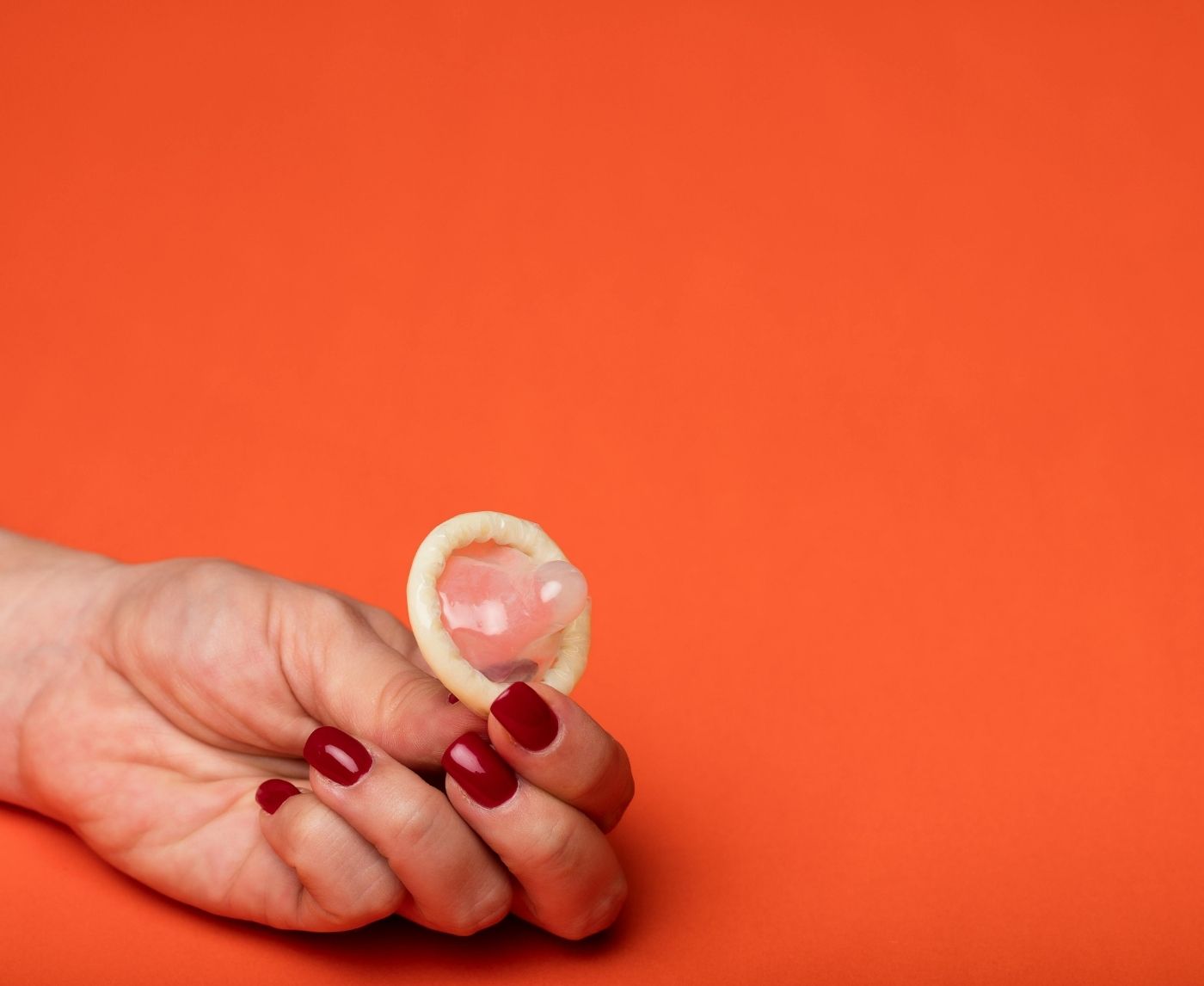

Quick Answer: Burning after using a condom is commonly caused by latex sensitivity, especially if symptoms start shortly after sex and include redness, itching, or swelling without discharge or sores. Vulvas and penises react differently due to tissue type and exposure levels.
This Isn’t Just “Normal Friction”, And It’s Not Always an STD
One of the most common late-night searches we see is some version of: “condom irritation vs STD.” That panic makes sense. Genital discomfort feels loaded. There’s history there, shame there, fear there.
But here’s the investigator voice: not all burning equals infection. According to the Centers for Disease Control and Prevention, many sexually transmitted infections either produce no symptoms at all or develop symptoms days to weeks later, not immediately after protected sex. Immediate burning is more often mechanical irritation or a contact reaction.
And here’s the sex-positive confidant voice: you didn’t “mess up.” You used protection. Your body reacting doesn’t mean you did something wrong. It means your skin may not love latex.
Latex sensitivity falls into two main categories. One is irritant contact dermatitis, which is essentially friction plus chemical exposure. The other is a true latex allergy, which involves the immune system reacting to proteins in natural rubber latex. The second is less common, but it can escalate quickly.
Why Vulvas and Penises Experience Latex Differently
This is where anatomy matters. A vulva includes highly absorbent mucosal tissue inside the vagina, thin skin externally, and a delicate pH environment that’s easily disrupted. A penis, on the other hand, has thicker external skin and typically less internal mucosal exposure unless uncircumcised.
That difference alone changes how latex sensitivity symptoms show up. Internal tissue absorbs irritants faster. It also holds moisture longer. That can intensify burning after using a condom in people with vaginas.
Meanwhile, people with penises often report redness, rash, or tightness along the shaft or glans. The reaction may look more like a surface rash than deep internal discomfort.
| Body Type | Most Common Sensation | Typical Timing | Visual Signs | Common Misdiagnosis |
|---|---|---|---|---|
| Vulva / Vagina | Internal burning, stinging, raw feeling | Minutes to hours after sex | Redness, swelling, mild discharge from irritation | Yeast infection, Herpes |
| Penis | External itching, rash, tight skin sensation | Immediately to 24 hours later | Red patches, dry scaling, mild swelling | Friction burn, contact dermatitis, early STD |
Notice what’s not on that chart: sores that blister and crust. Latex reactions don’t typically form grouped fluid-filled blisters like Herpes. They don’t produce thick, cottage-cheese discharge like yeast. They don’t cause the systemic fever or lymph node swelling sometimes seen with acute infections.
They burn. They itch. They inflame.

People are also reading: I Thought Oral Was Safe. Then I Got Hepatitis B
Case Study: “I Thought I Had an STD. It Was the Condom.”
Marina, 27, had just started seeing someone new. They used condoms every time. After their third time together, she woke up with intense vaginal burning.
“It felt like acid. I was convinced I had something. I kept replaying the night in my head.”
She scheduled a full STD panel. Everything came back negative. No Chlamydia, no Gonorrhea, no Herpes. Her clinician asked one question she hadn’t considered: “Have you ever reacted to latex gloves?”
She switched to non-latex condoms. The burning never came back.
Her story isn’t rare. Studies in dermatology journals show that genital contact dermatitis from latex and lubricants is frequently misdiagnosed as infection in primary care settings. The symptoms overlap just enough to cause panic, especially when you Google “penis irritation after protected sex” at midnight.
Latex Sensitivity vs STD Symptoms: A Practical Comparison
Here’s where we slow down and get practical. If you’re wondering whether you need an STD test after a rash, you’re not dramatic. You’re cautious. That’s smart.
But timing and symptom pattern matter. Immediate burning after condom use leans toward irritation. Symptoms that appear days later and worsen progressively may require testing.
| Feature | Latex Sensitivity | Common STD Pattern |
|---|---|---|
| Onset | Minutes to hours after condom use | 2–14+ days after exposure |
| Blisters | Rare | Common in Herpes |
| Discharge | Mild irritation-related only | Common in Chlamydia or Gonorrhea |
| Systemic symptoms | Uncommon | Possible fever or lymph swelling |
| Improves without treatment | Often within 24–72 hours | Usually persists or worsens |
This isn’t about dismissing STD risk. It’s about pattern recognition. If symptoms resolve quickly and recur only with latex exposure, sensitivity becomes the likely explanation.
If symptoms persist, worsen, or include sores, discharge, or pain during urination, testing is absolutely appropriate.
You can explore discreet testing options at STD Rapid Test Kits, especially if the anxiety won’t let you sleep. Peace of mind matters.
What’s Actually Happening on Your Skin (And Sometimes Inside It)
Let’s zoom in on the biology for a second, not in a scary way, but in a grounding way. Your skin is a barrier. When latex touches it, two things can happen. Either the surface becomes irritated from friction and additives, or your immune system recognizes latex proteins as a threat and launches a reaction.
The first is called irritant contact dermatitis. This is the more common scenario. It’s not a “true allergy,” and it doesn’t involve antibodies. It’s simply your skin saying, “This is too much.” Friction, tight condoms, certain lubricants, and prolonged contact can all intensify the burning after using a condom.
The second is a true latex allergy, known medically as an IgE-mediated reaction. According to the Mayo Clinic, this type of reaction can cause hives, swelling, itching, and in rare cases difficulty breathing. When it affects genital tissue, it may feel dramatically intense and escalate quickly.
The difference matters, because irritant dermatitis is uncomfortable but usually self-limited. With repeated exposure, a real allergy can get worse over time.
Why Some Bodies Are More Sensitive Than Others
Not everyone reacts to latex. In fact, most people don’t. But certain risk factors make sensitivity more likely. Healthcare workers with repeated glove exposure are at higher risk. So are people with eczema, asthma, or other atopic conditions. The immune system in those individuals is already primed to overreact.
Hormonal cycles are also important. The tissue in the vagina gets thinner and more sensitive at certain times of the month. That could make the irritation worse. People who have just had a baby, are breastfeeding, or are going through menopause may react more strongly because estrogen makes tissues weaker.
In the meantime, the way the penis works can change depending on how it is circumcised. People who aren't circumcised may have more moisture under the foreskin, which can make contact with latex last longer and cause more friction.
These differences explain why two partners can use the exact same condom and only one wakes up searching “vaginal burning after condom use” the next morning.
Check Your STD Status in Minutes
Test at Home with Remedium7-in-1 STD Test Kit

 For Men & Women
 Results in Minutes
 No Lab Needed
 Private & Discreet
Order Now $129.00 $343.00
For all 7 tests
When Burning Is Just Friction, And When It’s Something More
Friction burns happen. Especially during longer sessions, especially without enough lubrication, especially when nerves and blood flow are heightened. That kind of burning usually feels raw but fades steadily over a day or two.
Latex sensitivity, on the other hand, often feels sharper and more inflammatory. There may be visible redness or swelling. It may itch intensely. It may recur predictably every time latex is involved.
True latex allergy sometimes extends beyond the genitals. You might notice itchy palms after handling balloons. You might recall getting rashes from medical gloves in the past. Some people even experience cross-reactivity with certain fruits like bananas or avocados, because the proteins are structurally similar.
That pattern recognition is powerful. It shifts the narrative from “I must have caught something” to “My immune system is reacting.”
Do You Still Need an STD Test?
This is the question under all the others. Even if you suspect latex sensitivity, you might still be thinking: “But what if I’m wrong?”
Here’s the grounded answer. If symptoms appear immediately after condom use and resolve within 72 hours, and there are no sores, unusual discharge, or systemic symptoms, an STD is less likely. That said, if you had a new partner, if the condom broke, or if anxiety is persistent, testing is reasonable and empowering.
Some infections, including Chlamydia and Gonorrhea, can be asymptomatic. According to the CDC, many cases produce no noticeable early signs. That means reassurance sometimes requires data.
If you want clarity without waiting for a clinic appointment, the Combo STD Home Test Kit allows you to screen discreetly from home. It’s not about assuming the worst. It’s about removing uncertainty.
Non-Latex Condoms: What Actually Works for Sensitive Skin
If latex is the issue, the solution is often simple: switch materials. Polyurethane condoms are made from thin plastic and conduct heat well. Polyisoprene condoms are synthetic rubber, designed to feel similar to latex but without the natural rubber proteins that trigger allergy.
Both options are approved for pregnancy prevention and protection against most STDs when used correctly. They don’t eliminate friction issues entirely, but they remove the immune-triggering proteins found in natural latex.
Many people report that the burning after using a condom disappears completely once they switch. Not improves. Disappears.
“I thought I had recurring infections,” one patient told her clinician. “It was just the brand of condoms.”
The body keeps receipts. When you remove the irritant, it often relaxes.
Talking to a Partner Without Making It Awkward
Switching condom types can feel like a delicate conversation, especially in a new relationship. You might worry your partner will hear it as criticism. Or worse, as suspicion.
It doesn’t have to be heavy. It can be simple and factual. “Hey, I think I’m sensitive to latex. Can we try non-latex condoms next time?” That’s it. No blame. No drama. Just body information.
Most partners respond with relief. Protection stays on the table. Comfort improves. Trust deepens.
“I thought he’d assume I was accusing him of something,” said Jared, 31, who experienced penile rash after protected sex. “Instead he said, ‘Cool, let’s switch brands.’ It was way less intense than I made it in my head.”
Sex-positive communication protects both people. It keeps the focus on safety and comfort rather than suspicion.

People are also reading: Can You Be a Moral Leader and Still Say Get Tested Yes Heres How
When It’s Time to Seek Medical Help
Most latex reactions are uncomfortable but not dangerous. However, seek medical care immediately if you experience difficulty breathing, throat swelling, dizziness, or widespread hives after latex exposure. Those symptoms suggest a severe allergic reaction.
For genital symptoms that persist beyond three days, worsen, or include sores or discharge, evaluation is also appropriate. Not because you did something reckless. Because bodies deserve attention when they signal distress.
The NHS and other public health authorities emphasize that persistent genital symptoms should not be self-diagnosed indefinitely. Testing and professional guidance provide clarity.
The Panic Spiral: Why Burning Feels Bigger Than It Is
Genital symptoms don’t land in a vacuum. They land in a culture that ties sex to morality, and STDs to shame. So when you feel burning after using a condom, your brain doesn’t calmly say, “Perhaps this is irritant dermatitis.” It says, “Something is wrong. I messed up. I should have known better.”
That panic spiral is predictable. You replay the night. You question the brand. You question your partner. You question yourself. The body sensation becomes emotional noise.
But here’s the grounded truth: irritation does not equal infection. A reaction does not equal recklessness. And protected sex is still the safest choice, even if your skin needs a different material.
The stigma piece matters because it shapes behavior. Some people delay testing out of fear. Others over-test repeatedly because anxiety demands certainty. Both reactions are understandable. Neither requires shame.
What About Recurrent Burning Every Time?
If the same symptoms show up every time latex is used, that pattern is clinically meaningful. Recurrent inflammation increases skin vulnerability. Microtears can form more easily in irritated tissue, which theoretically increases susceptibility to infections if exposure occurs.
That’s one reason clinicians recommend addressing the underlying cause rather than powering through discomfort. Ignoring burning after using a condom doesn’t build tolerance. It often builds inflammation.
Switching to polyurethane or polyisoprene removes the primary trigger. Adding adequate lubrication further reduces friction. Giving tissue 48 to 72 hours to fully recover before additional friction also helps reset the barrier.
Check Your STD Status in Minutes
Test at Home with Remedium6-in-1 STD Test Kit
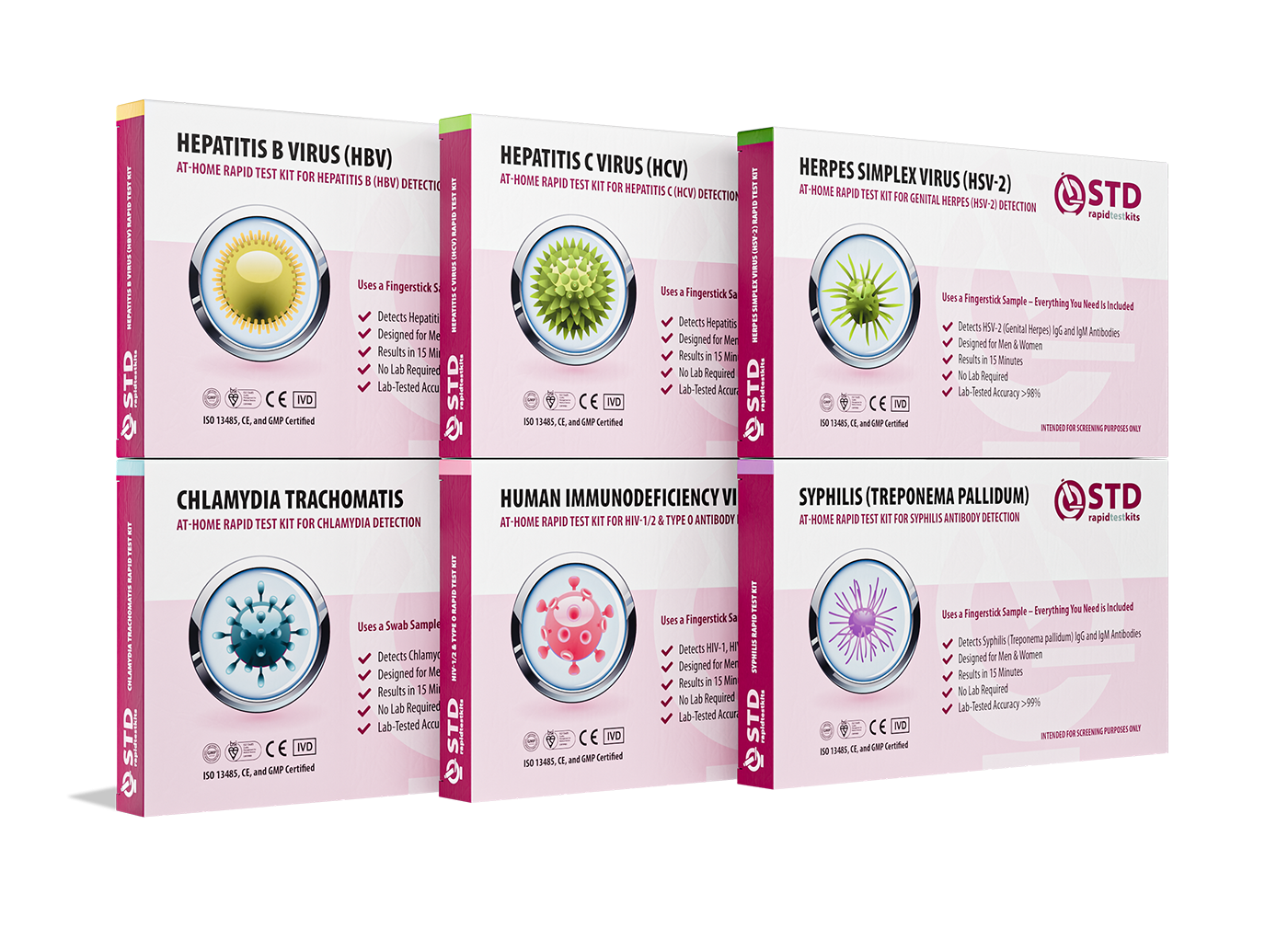 For Men & WomenResults in MinutesNo Lab NeededPrivate & Discreet
Order Now $119.00 $294.00
For all 6 tests
When Anxiety Won’t Let You Let It Go
Sometimes logic doesn’t quiet the fear. Even if symptoms resolve quickly, your brain might still whisper, “But what if?” That voice can be loud after a new partner or a first-time experience.
Testing can be a tool for mental health as much as physical health. Not because the probability is high. Because certainty can restore sleep.
You can browse discreet options at STD Rapid Test Kits if you want reassurance without a waiting room. The goal isn’t to catastrophize. It’s to give yourself answers.
A Quick Reality Check on True Latex Allergy
Severe latex allergy is relatively uncommon in the general population. Estimates indicate a prevalence of under 1%, although it is elevated among healthcare workers. Most of the time, burning in the genitals after using a condom is an irritant, not an allergy that affects the whole body.
However, if reactions intensify over time, spread beyond the contact area, or include hives on other parts of the body, formal allergy evaluation may be appropriate. An allergist can perform skin or blood testing to confirm sensitivity.
Knowing which category you fall into changes the long-term plan. Irritation requires material changes. True allergy requires avoidance and sometimes medical documentation for future healthcare settings.
The Bottom Line Before We Wrap
If your symptoms start within minutes to hours after protected sex, include redness or burning without blisters, and get better quickly, you may be allergic to latex. If symptoms appear days later, worsen progressively, or include sores, discharge, or fever, STD testing is the safer move.
Both paths are about listening to your body, not judging it.
FAQs
1. “It burned right away. Does that mean I caught something?”
Probably not. Most STDs don’t announce themselves within minutes. If the burning started immediately after condom use and eased within a day or two, irritation or latex sensitivity is far more likely. Infections like Chlamydia or Gonorrhea usually take days to show symptoms, and often show none at all in the beginning. Timing matters more than panic.
2. “Can latex sensitivity really feel that intense?”
Yes. Especially on vaginal tissue, which is delicate and highly absorbent. People describe it as stinging, raw, even “chemical.” The intensity doesn’t automatically equal danger. Inflammation can feel dramatic even when it’s temporary.
3. “What if I saw redness on the penis the next morning?”
Redness without blisters, open sores, or discharge often points to contact irritation. Think of it like a friction burn on sensitive skin. If it fades steadily over 48–72 hours and doesn’t spread, that pattern leans toward latex sensitivity rather than infection.
4. “But what if it’s herpes and I’m just in denial?”
That fear is common. Herpes usually causes clustered fluid-filled blisters that break open and crust. Latex irritation does not typically blister that way. If you’re seeing actual sores or painful ulcers, get tested. If it’s diffuse redness and burning that improves quickly, irritation is the stronger suspect.
5. “Why does this only happen to me and not my partner?”
Because bodies are not identical machines. Hormones, skin thickness, immune sensitivity, circumcision status, lubrication levels, all of it changes how tissue reacts. One person can be completely fine while the other feels like they sat on a cactus. That doesn’t mean someone did something wrong.
6. "Can you suddenly become allergic to latex?"
Absolutely. Sensitivities can develop after repeated exposure. You might have used latex for years without issue and then one day your immune system decides it’s had enough. That’s biology, not betrayal.
7. “Should I stop using condoms if they burn?”
No, but you should switch materials. Polyisoprene and polyurethane condoms exist specifically for this reason. Protection doesn’t have to equal discomfort. You deserve both safety and comfort.
8. “When should I definitely get tested?”
If symptoms appear several days after sex instead of immediately, if you notice sores, thick discharge, pelvic pain, painful urination, fever, or swollen lymph nodes, that’s your cue. Also, if anxiety is keeping you up at night, testing is reasonable. Peace of mind counts as a medical outcome.
9. “What if the burning keeps happening every single time?”
Then your body is giving you consistent data. Recurrent inflammation is not something to power through. Switch to non-latex, increase lubrication, and allow tissue time to recover. If it still persists, check in with a clinician to rule out yeast, bacterial vaginosis, or other skin conditions.
10. “Am I overreacting?”
No. Genital symptoms hit differently. They carry history, vulnerability, and fear. Taking your body seriously isn’t dramatic. It’s responsible. The goal isn’t to catastrophize, it’s to understand what your body is communicating.
You Deserve Clarity, Not Catastrophe
Burning after using a condom can feel like a crisis. But in a lot of cases, it's your skin reacting to something, not an infection in your body. When you know the difference between latex sensitivity and STD symptoms, your emotional story goes from panic to problem-solving.
If switching to non-latex condoms resolves the issue, you’ve learned something important about your body. If symptoms persist or don’t fit the irritation pattern, testing gives you answers instead of guesses. Both paths are proactive.
Don’t wait and spiral. If uncertainty is weighing on you, take control. Browse discreet at-home STD testing options here and get clarity on your timeline, in your space.
How We Sourced This Article: We combined current guidance from medical authorities including the Centers for Disease Control and Prevention, Mayo Clinic, and the NHS with peer-reviewed dermatology research on latex allergy and contact dermatitis. We also reviewed lived-experience accounts to ensure this guide reflects real emotional responses to genital symptoms.
Sources
1. Centers for Disease Control and Prevention – Sexually Transmitted Infections Overview
2. World Health Organization – Sexually Transmitted Infections Fact Sheet
3. Planned Parenthood – STDs and Safer Sex
4. CDC – Genital Herpes Fact Sheet
7. Hopkins Medicine – Latex Allergy
About the Author
Dr. F. David, MD is a board-certified infectious disease specialist focused on STI prevention, diagnosis, and treatment. He blends clinical precision with a no-nonsense, sex-positive approach and is committed to expanding access for readers in both urban and off-grid settings.
Reviewed by: Lauren Mitchell, RN, BSN | Last medically reviewed: February 2026
This article is for informational purposes and does not replace medical advice.


