





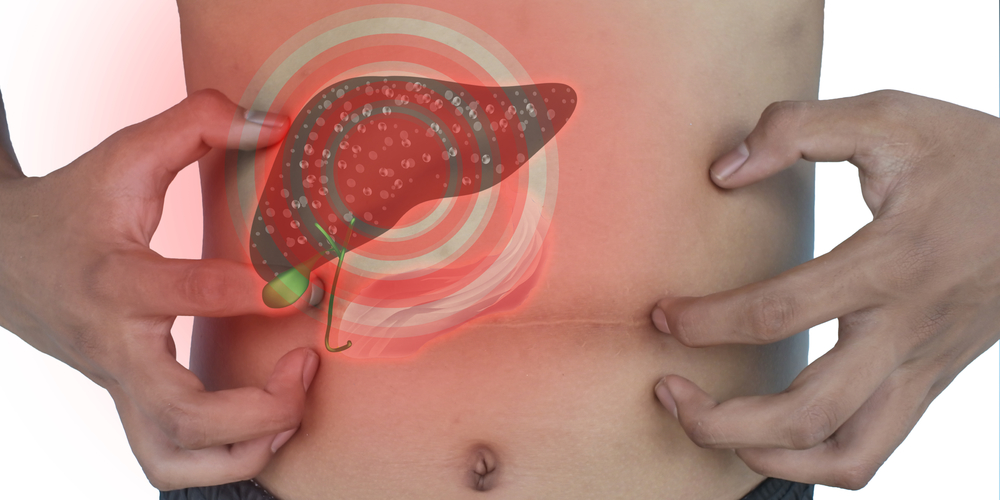

Quick Answer: Yes, you can get Hepatitis B from oral sex. It spreads through infected blood, semen, and even small amounts of saliva, especially when cuts or sores are present in the mouth or genitals.
What Is Hepatitis B, And Why Does It Hit So Hard?
Hepatitis B is a viral infection that targets the liver. It's caused by the Hepatitis B virus (HBV) and can range from a short-term illness to a chronic, lifelong condition. Globally, more than 250 million people are living with chronic Hepatitis B, and most of them don’t even know it.
While HBV is often associated with blood-to-blood transmission (like needles or unprotected sex), it can also be passed through behaviors most people don’t think twice about, like giving or receiving oral sex.
Once inside your body, the virus attacks your liver, slowly and silently. In many cases, symptoms don’t appear until serious damage is already underway.
People are also reading: Overuse of antibiotics depletes the vaginal flora, increasing your risk of contracting STDs
This Isn’t Just a Hangover Throat: How Hepatitis B Feels
One of the trickiest things about Hepatitis B is how vague its symptoms can be, especially in the early stages. Here’s how people often describe the first signs:
- Sore throat or mouth pain: Especially after giving oral sex, this can be the first (and easiest to dismiss) sign.
- Fatigue: Deep, unshakable exhaustion that doesn’t match your activity level.
- Dark urine: A tell-tale symptom of liver strain, your pee might look like tea or cola.
- Jaundice: Yellowing of the skin or eyes, often showing up late.
- Loss of appetite or nausea: The kind that comes and goes but never feels quite right.
- Fever: Low-grade but persistent, sometimes mistaken for a flu or COVID-19.
In the mouth, some people report ulcers, bleeding gums, metallic taste, or swollen glands. These symptoms overlap with other conditions, which is why HBV often goes undiagnosed for months.
Not Herpes, Not a Hangover, When It’s Something More
People often confuse early Hepatitis B symptoms with:
- Herpes: Painful oral blisters, but typically more localized
- Strep throat: Sudden, sharp throat pain, without liver symptoms
- Mono (EBV): Extreme fatigue and sore throat, but different transmission and impact
- HIV (acute stage): Fever, mouth ulcers, and fatigue, but typically includes rash or lymph swelling
Unlike these other infections, Hepatitis B doesn’t always come with external signs like rashes or sores. It’s more of an internal siege, slow, quiet, and deadly if ignored. And here’s the kicker: up to 30% of infected people have no symptoms at all during the acute phase.
Strange But True: The Lesser-Known Ways Hepatitis B Spreads
We all know about blood, needles, and unprotected sex. But let’s talk about the transmission routes you’re less likely to hear from your doctor, or date.
- Giving oral sex: If you have cuts, gum disease, or sores in your mouth, HBV can enter easily from semen, pre-cum, or vaginal fluids.
- Rimming (oral-anal sex): Fecal particles can carry the virus, especially if blood is present from hemorrhoids or microtears.
- Sharing toothbrushes or razors: Tiny amounts of blood or saliva can still contain HBV.
- Kissing (rare): Only if both partners have open sores or bleeding gums. Still low-risk, but not impossible.
- Manicure/pedicure tools: If they aren’t properly sanitized and draw blood.
The myth that “oral sex isn’t real sex” leads people to believe they’re protected. But HBV doesn’t care what base you stopped at. It just needs a way in.
Risk goes up if:
- You’re not vaccinated
- You have cuts, ulcers, or inflammation in your mouth or genitals
- Your partner is living with chronic Hepatitis B (even if they don’t know it)
STD Rapid Test Kits offers discreet at-home testing for Hepatitis B and other STDs, no shame, no waiting rooms.
Check Your STD Status in Minutes
Test at Home with RemediumHepatitis B & Hepatitis C Test Kit
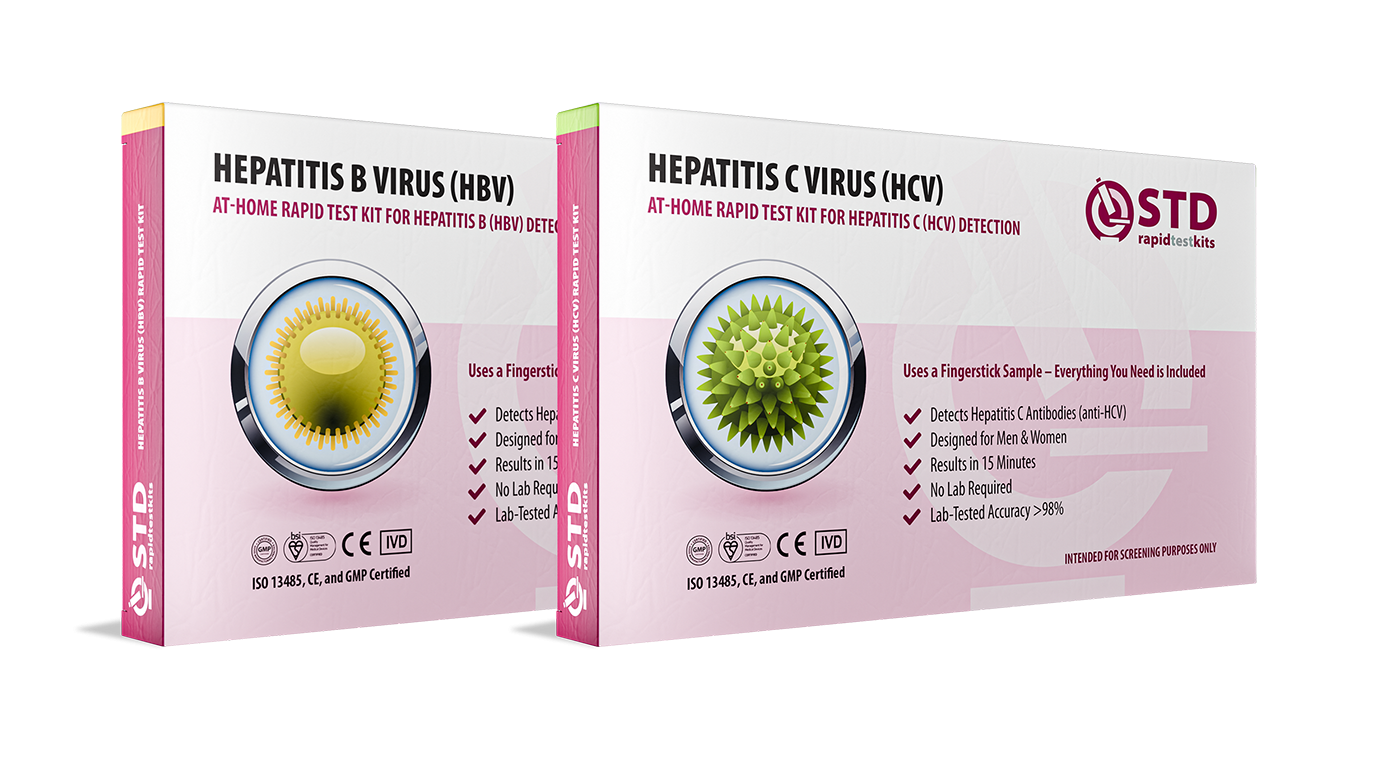
 For Men & Women
 Results in Minutes
 No Lab Needed
 Private & Discreet
Order Now $49.00 $98.00
For all 2 tests
When It Doesn’t Go Away: The Hidden Risks of Chronic Hepatitis B
If your body doesn’t fight off the infection within six months, you’re dealing with chronic Hepatitis B. That means the virus is sticking around, quietly inflaming your liver every single day.
Some people live for years without symptoms. Others start to feel the fallout quickly. Either way, the consequences can be serious:
- Liver cirrhosis: Scarring of the liver tissue that makes it harder to filter toxins
- Liver cancer (hepatocellular carcinoma): One of the most deadly cancers worldwide, and often tied to HBV
- Kidney disease and vasculitis: Caused by immune responses to the virus
- Extreme fatigue and depression: From liver dysfunction and constant inflammation
- Bleeding and bruising easily: When your liver can’t produce enough clotting proteins
HBV doesn’t just mess with your body. It can devastate your mind. The stigma, the guilt, the confusion, it’s heavy. Especially when you think you were being safe.
Case Study: “I Thought I Was Careful. I Never Even Took My Clothes Off.”
Ty, 28, got tested after his boyfriend mentioned a past exposure to H
epatitis B. The result? Positive. Ty was floored.
“I hadn’t even had penetrative sex with anyone else in months. Just oral. That’s it. I thought condoms were for real sex, not head.”
Like many, Ty had no symptoms, just lingering fatigue he chalked up to work stress. He was lucky to catch it early. He started treatment, got his liver monitored, and is now undetectable. But the emotional shock still lingers.
“I wish someone had told me. I wish I didn’t feel so dumb. Nobody talks about this stuff.”
The Testing Trap: When You Assume You’re Fine
Because Hepatitis B doesn’t always present symptoms, and because oral sex is often excluded from sexual health conversations, many people never think to test for it. This is especially true for:
- Queer and bisexual men who don’t engage in anal sex but give/receive oral
- Teens and college students who use oral as a “safe” alternative to intercourse
- People with only one partner who believe they’re low-risk by default
If you’re not sure what you’ve been tested for, ask specifically for Hepatitis B. Not all STD panels include it.
Vaccination helps, but it’s not perfect unless you’ve completed the full 3-dose series and developed immunity. Many people think they’re vaccinated when they’re not, or when it’s worn off.
It Doesn’t Have to Be a Life Sentence
Getting diagnosed with Hepatitis B doesn’t mean your sex life is over. It doesn’t mean you’re “dirty.” It doesn’t mean you can’t get better.
With the right treatment, many people clear the virus naturally. Others manage it with medications that reduce liver inflammation and lower the risk of complications. Regular blood work and liver monitoring become part of your new normal, but so does reclaiming your health.
And emotionally? It gets easier. The fear, the shame, the “How did this happen?” loop? You come out the other side. Especially when you know you're not alone.
You deserve answers, not assumptions. If something feels off, throat pain, weird fatigue, gut-level anxiety, trust your body. Get tested. Get clarity. Then get on with your life.
People are also reading: Why Monogamy Isn’t a Foolproof Shield Against STDs
Oral Isn’t Risk-Free, But It Can Be Safer
Let’s get one thing straight: oral sex is real sex. And yes, it carries real risks. But with a little knowledge and the right protection, it doesn’t have to come with regret.
Here’s how to lower your chances of getting Hepatitis B (or passing it to someone else) through oral sex:
- Use condoms or dental dams: Especially if there are open sores, bleeding gums, or recent dental work involved
- Don’t brush or floss right before oral: It causes micro-cuts in the mouth that increase risk
- Get vaccinated: The Hepatitis B vaccine is safe, effective, and protects for life in most people
- Avoid giving oral if you have cold sores, cuts, or inflamed gums: These create easy entry points for HBV
- Talk to your partner about testing: Yes, even if it’s “just” oral. Normalizing that conversation saves lives
Protection doesn’t have to kill the mood. It’s not about fear, it’s about feeling confident while still getting off. You deserve both.
The Vaccine Myth: “I Thought I Was Already Covered”
Here’s a sneaky issue we see all the time: people think they’re vaccinated against Hepatitis B, but they’re not.
- Childhood vaccinations may not be complete (you need all 3 doses)
- Some people don’t develop full immunity even after completing the series
- Older adults might never have been offered it in the first place
If you’re not sure of your vaccine status, or you only had one or two shots, it’s worth getting your blood checked. A quick test can show if you’re protected or if you need a booster.
And if you're newly diagnosed with HBV? Let your partners know. It’s not about blame, it’s about protecting them, too.
When Guilt Isn’t Yours to Carry
Sex ed didn’t prepare us for this. Most of us were never taught how STDs like Hepatitis B could be spread without intercourse. Nobody told us oral wasn’t risk-free. And now? People are paying the price, in silence, shame, and delayed diagnoses.
If you’re reading this because you’re scared, confused, or sick of not knowing what’s going on in your body: welcome. You’re not alone. And you’re not stupid, dirty, reckless, or broken.
Whether your sore throat is allergies or something more, you deserve answers. Whether you had oral sex once or a hundred times, your choices don’t erase your right to good healthcare.
So take a breath. Then take the next step.
Check Your STD Status in Minutes
Test at Home with RemediumHepatitis B Test Kit
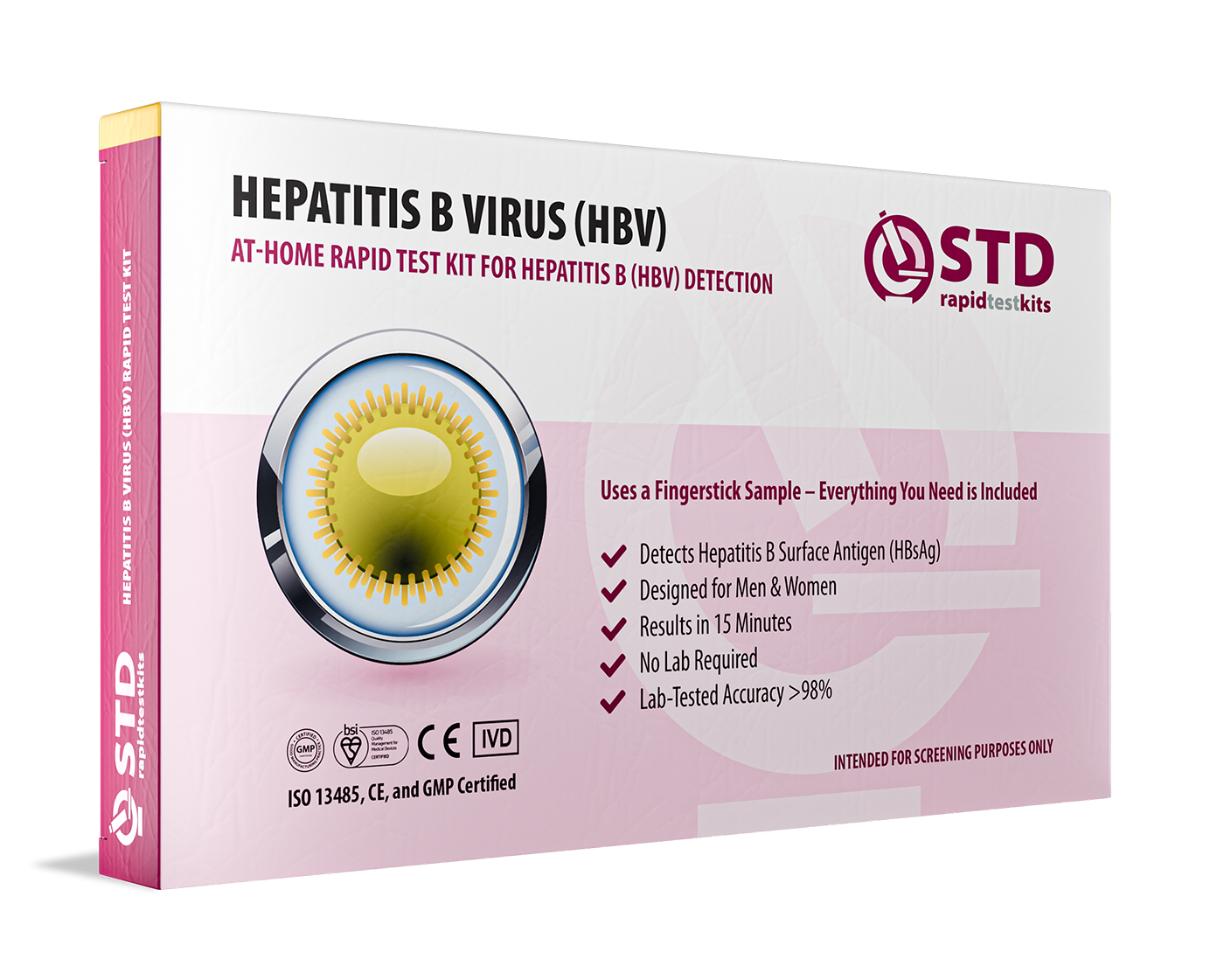 For Men & WomenResults in MinutesNo Lab NeededPrivate & Discreet
Order Now $33.99 $49.00
FAQs
1. Can you get Hepatitis B from giving oral sex?
Yes, especially if there are cuts, sores, or gum disease in your mouth. Semen, vaginal fluids, and even small amounts of blood can transmit the virus.
2. What are the early signs of Hepatitis B?
Fatigue, sore throat, dark urine, jaundice, nausea, and sometimes oral symptoms like ulcers or a metallic taste.
3. Can Hepatitis B live in saliva?
Yes, HBV can be present in saliva, though in lower concentrations. It’s rarely spread by kissing, but oral sex is a different story, especially with mouth injuries.
4. How long after exposure do symptoms show?
Symptoms may appear anywhere from 30 to 180 days after exposure, but many people never show symptoms and are still contagious.
5. Can I get Hepatitis B from rimming?
Yes, rimming can transmit HBV if there are microscopic blood particles present, especially from hemorrhoids or anal fissures.
6. Is Hepatitis B included in standard STD panels?
Not always. You often have to request Hepatitis B testing specifically or opt for a full combo test that includes it.
7. Do condoms prevent Hepatitis B during oral?
Condoms and dental dams greatly reduce the risk, especially if there’s ejaculation or contact with vaginal fluids.
8. Is the Hepatitis B vaccine permanent?
For most people, yes, but it requires all three doses. Some people may need boosters, and a blood test can confirm immunity.
9. What’s the difference between Hepatitis A, B, and C?
Hep A spreads via fecal-oral contact, Hep B via blood and sex, and Hep C mostly through blood. Only Hep B is preventable by vaccine and commonly spread through oral sex.
10. What if I already have Hep B, can I still have sex?
Yes, with protection and honesty. Avoid sharing razors or toothbrushes, and talk to your partners about vaccines and testing.
You Deserve Answers, Not Assumptions
Getting Hepatitis B from oral sex isn’t rare. It’s just rarely talked about. Whether you’re scared of a recent hookup, confused by your symptoms, or living with a diagnosis you never saw coming, you’re not alone.
Testing is the first step back to clarity. And from there? You have options. Treatments. Vaccines. People who’ve been through it and came out stronger. You don’t have to carry the guilt, the fear, or the unknown.
Don’t wait and wonder, get the clarity you deserve.
Sources
1. WHO – Hepatitis B Fact Sheet
2. Mayo Clinic – Hepatitis B: Symptoms and Causes
3. Viral Hepatitis Among Sexually Active Adults – CDC
4. Why Oral Sex Risk for HBV Is Low—but Real – Hepatitis B Foundation
5. Hepatitis B: Transmission Routes Include Oral Sex in Some Conditions – Wikipedia


