





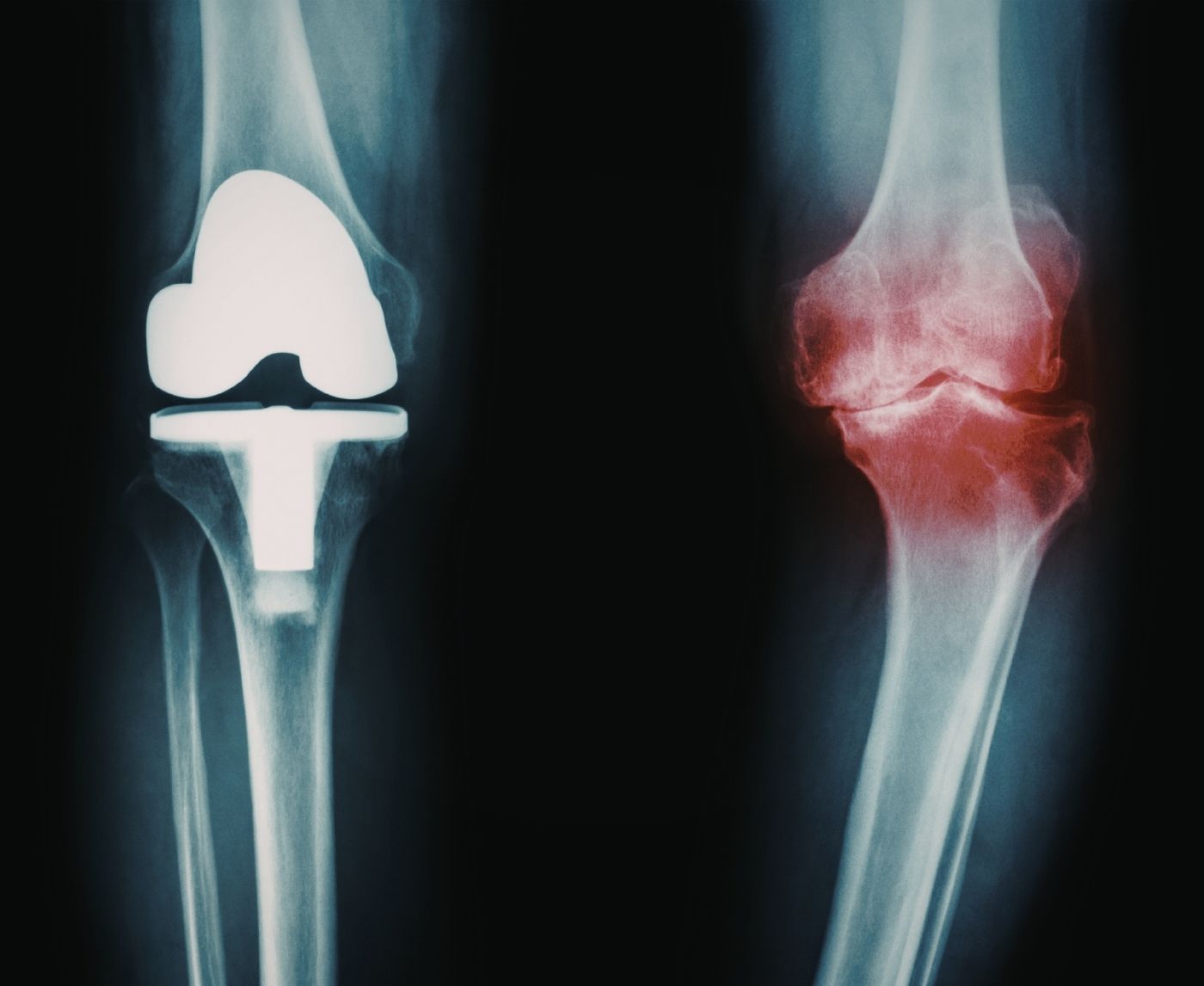

Quick Answer: STD and knee pain can be linked through reactive arthritis, an immune reaction that may begin one to four weeks after infections like chlamydia. It causes joint swelling, stiffness, and inflammation even after the original infection seems resolved.
This Isn’t “Just Soreness.” It’s Your Immune System Overreacting
Reactive arthritis doesn’t mean bacteria are crawling around inside your knee. That’s the first thing to understand. The joint isn’t infected. Instead, your immune system, which just fought off an infection in your urethra, cervix, throat, or rectum, stays switched on longer than it should.
Think of it like a fire alarm that keeps blaring after the smoke clears. The infection triggers the immune system. The immune system releases inflammatory signals. And in some people, especially those with certain genetic markers like HLA-B27, those signals misfire and settle into joints.
The result? Swollen knees. Aching ankles. Stiff heels. Sometimes lower back pain that feels like you suddenly aged twenty years overnight.
One woman described it this way: “I kept stretching my calves because I thought I’d pulled something at the gym. But it wasn’t muscle soreness. It felt deeper. Like the joint itself was irritated.”
That irritation is inflammation, and when it follows an STD, particularly chlamydia, doctors start thinking about reactive arthritis.
How Reactive Arthritis Usually Unfolds
Here’s what makes this condition so confusing: timing. By the time joint pain shows up, the original STD symptoms are often gone. The discharge stopped. The burning faded. Maybe you never had symptoms at all.
Reactive arthritis typically develops between one and four weeks after infection. Some people notice mild urinary symptoms first. Others never connect the dots until a doctor asks, “Any recent infections?”
| Stage | What’s Happening in the Body | What You Might Notice |
|---|---|---|
| Initial Infection (Week 0) | Chlamydia and other bacteria can get into the urinary or genital tract. | Burning urination, discharge, pelvic discomfort, or no symptoms at all. |
| Immune Activation (Week 1–2) | Immune system responds to clear infection. | Symptoms may improve with or without antibiotics. |
| Inflammatory Spillover (Week 2–4) | Immune signals trigger inflammation in joints and connective tissue. | Swollen knees, ankle stiffness, heel pain, lower back ache. |
| Established Reactive Arthritis | Persistent joint inflammation despite cleared infection. | Morning stiffness, visible swelling, difficulty walking. |
Notice the gap. That delay is why so many people Google “joint pain weeks after infection” and don’t immediately think STD. The timeline feels disconnected. But immunologically, it’s part of the same story.

People are also reading: Tingling Lips But No Sore? What It Could Mean
Why the Knees? And Why Sometimes the Eyes?
Reactive arthritis has a classic triad that doctors used to call Reiter’s syndrome: arthritis, urethritis, and conjunctivitis. In plain language, that means joint inflammation, urinary symptoms, and eye irritation.
Not everyone gets all three. Some people only experience joint swelling. Others notice red, irritated eyes or heel pain that makes walking feel sharp and awkward. The knees are common because they’re large weight-bearing joints. Ankles and feet follow close behind.
Jade, 26, remembers her ophthalmologist asking about recent infections when her eyes wouldn’t stop watering. “I thought he was being dramatic. Then two days later, my left knee doubled in size.”
When multiple body systems flare within a month of an STD diagnosis, that’s not coincidence. That’s inflammation connecting the dots.
How Common Is This, Really?
Reactive arthritis isn’t the most common complication of chlamydia, but it’s not rare either. Studies estimate that between 1% and 4% of people with chlamydial infections develop some degree of post-infectious arthritis. The numbers vary depending on genetic susceptibility and how quickly the infection was treated.
Most cases don't last long. Symptoms usually get better in three to six months. But for some people, especially those who test positive for HLA-B27, inflammation can last a long time or come back.
Here’s where nuance matters. Many people with untreated chlamydia never experience joint pain. And many people with knee pain do not have reactive arthritis. The key is context: recent infection, timing, and pattern of symptoms.
When STD and Knee Pain Aren’t Connected
Not every swollen knee after sex is reactive arthritis. That needs to be said clearly.
Gonorrhea can cause a different condition called disseminated gonococcal infection, where bacteria actually spread to joints. That looks different and often includes fever and skin lesions. Autoimmune diseases like rheumatoid arthritis have their own patterns. Sports injuries, overuse, and meniscus tears remain far more common causes of knee pain.
The difference is persistence and clustering. Reactive arthritis often involves multiple joints, tends to affect lower limbs, and appears after infection rather than after a physical injury.
Doctors use blood tests, imaging, and a detailed sexual health history to sort this out. Which brings us to the question most people are afraid to ask: if you’ve already been treated for chlamydia, do you need to test again?
Testing Still Matters, Even After Treatment
Here’s the uncomfortable truth: sometimes the original infection wasn’t fully cleared. Sometimes reinfection happens. And sometimes the arthritis shows up because the immune system reacted before antibiotics had time to do their job.
Retesting three months after treatment for chlamydia is recommended by public health guidelines, even if symptoms are gone. That’s not about blame. It’s about preventing silent complications.
If you’re experiencing joint pain weeks after an STD diagnosis and haven’t retested, clarity matters. Not panic. Not spiraling. Just information.
You can explore discreet, physician-trusted options through STD Rapid Test Kits, including home testing kits designed for privacy and speed. When your body is sending mixed signals, removing uncertainty is powerful.
Diagnosis: When Doctors Start Connecting the Dots
By the time Marcus finally sat in an exam room, his knee looked visibly swollen. Not cartoonishly large. Just… wrong. The skin felt warm. Bending it past ninety degrees pulled tight. “I thought it was just a gym thing,” he told the clinician. Then came the question that shifted everything: “Any infections in the past month?”
This is where reactive arthritis often reveals itself, not through one dramatic symptom, but through pattern recognition. A recent chlamydia infection. A delay of a few weeks. Lower-limb joint swelling. Sometimes eye irritation or lingering urinary discomfort. When those elements stack up, the possibility of STD and knee pain being linked becomes medically plausible.
There isn’t one single test that screams “reactive arthritis.” Instead, diagnosis is clinical. Doctors rule out other causes of joint inflammation first. Blood tests may show elevated inflammatory markers. Joint fluid might be sampled to ensure bacteria aren’t directly infecting the joint. STD testing may be repeated, even if treatment already occurred.
It’s detective work. Calm, methodical, evidence-based detective work.
Check Your STD Status in Minutes
Test at Home with Remedium7-in-1 STD Test Kit

 For Men & Women
 Results in Minutes
 No Lab Needed
 Private & Discreet
Order Now $129.00 $343.00
For all 7 tests
What’s Actually Happening Inside the Joint
Inflammation is supposed to protect you. After an infection, immune cells release signaling proteins called cytokines. These help eliminate bacteria and repair tissue. In reactive arthritis, that protective response overshoots.
Fragments of bacterial proteins can linger in the body even after antibiotics wipe out active infection. In genetically susceptible people, those fragments appear to trigger ongoing immune activity. The joints become collateral damage in an immune system that’s still on high alert.
It doesn’t mean your body is broken. It means your immune response is enthusiastic, sometimes too enthusiastic.
For some, this inflammatory cascade fades naturally. For others, it needs medication support to calm things down.
How Long Does Reactive Arthritis Last?
This is the question everyone asks in a low voice. “Is this permanent?”
Most cases resolve within three to six months. That doesn’t mean the pain disappears overnight. It means inflammation gradually recedes. Some people experience flares that come and go during that window. A smaller percentage develop chronic symptoms that require longer-term rheumatology care.
The timeline varies, but here’s a general pattern doctors observe:
| Time Frame | Common Experience | Medical Focus |
|---|---|---|
| First 4 Weeks of Joint Symptoms | Swelling, stiffness, and pain when standing or walking. | Make sure the diagnosis is correct, that the joint is infected, and that the swelling doesn't come back. |
| 1–3 Months | Getting better slowly or having flare-ups from time to time. | Treatment to reduce inflammation and advice on physical therapy. |
| 3–6 Months | Most people feel very different. | Monitor for recurrence, reassess if symptoms persist. |
| Beyond 6 Months | Persistent symptoms in a minority of patients. | Rheumatology referral, long-term management strategies. |
Reading that table might steady your breathing a little. The body, more often than not, recalibrates.
Treatment: Calming the Fire Without Blaming the Body
Treatment focuses on two things: making sure the original infection is gone and reducing joint inflammation.
If testing reveals persistent chlamydia, antibiotics are prescribed again. If the infection is cleared, attention shifts entirely to inflammation control. Nonsteroidal anti-inflammatory drugs are frequently the initial preference. In more serious cases, short courses of corticosteroids or other therapies that change the immune system may be an option.
Physical therapy can also play a quiet but powerful role. Gentle strengthening and mobility work prevent stiffness from becoming long-term limitation. Rest matters, but so does gradual movement.
One patient described the turning point as “the day I realized resting forever wasn’t helping.” Under guidance, slow reintroduction of movement restored confidence.
When to Retest for Chlamydia After Joint Pain Appears
If reactive arthritis develops, confirming that the triggering infection has been fully treated becomes part of responsible care. Public health recommendations advise retesting approximately three months after treatment for chlamydia, regardless of symptoms. This reduces the risk of reinfection and prevents silent persistence.
If you never tested in the first place, maybe symptoms were mild or ignored, joint inflammation is a reason to check. Reactive arthritis can occur even when the initial STD was asymptomatic.
Discreet home options like the Chlamydia Rapid Test Kit allow you to retest privately and quickly. When STD and knee pain overlap, certainty replaces speculation. And speculation is exhausting.
Other STDs That Can Trigger Joint Issues
While chlamydia is the most common sexually transmitted trigger for reactive arthritis, it isn’t the only one linked to joint complications. Gonorrhea can lead to a more direct joint infection called disseminated gonococcal infection. That condition often includes fever, skin rashes, and bacteria found in joint fluid.
Distinguishing between reactive arthritis and bacterial joint infection is critical. One is immune-driven inflammation. The other is an active infection requiring urgent antibiotics. The symptoms may overlap, but the treatments differ significantly.
| Feature | Reactive Arthritis | Disseminated Gonococcal Infection |
|---|---|---|
| Cause | Immune reaction after infection | Bacteria spread through bloodstream |
| Joint Fluid | Sterile (no bacteria present) | May contain bacteria |
| Fever | Uncommon | Common |
| Onset | 1–4 weeks after infection | During active infection |
If you’re experiencing high fever, rash, or severe pain, seek urgent care. That’s not the moment for at-home research. That’s the moment for in-person evaluation.

People are also reading: Boric Acid, Garlic, and Vinegar: Can These Actually Cure a Yeast Infection?
The Emotional Side No One Warns You About
Here’s something rarely included in medical charts: the shame spiral. People often internalize complications as punishment. As if joint pain is the body’s moral commentary.
It’s not.
Reactive arthritis is not karma. It’s immunology.
Sex happens. Infections happen. The immune system responds. Sometimes it responds too loudly. That does not make you reckless. It makes you human.
Ty, 29, put it bluntly: “I felt embarrassed telling my orthopedist it started after an STD. But once I said it out loud, everything made sense.”
Silence prolongs confusion. Honesty shortens it.
Who’s More Likely to Develop Reactive Arthritis?
Not everyone who gets chlamydia ends up with swollen knees. In fact, most don’t. So when STD and knee pain collide, it’s fair to wonder why one body reacts this way while another moves on quietly.
Part of the answer lies in genetics. People who carry a gene marker called HLA-B27 have a higher risk of developing reactive arthritis after certain infections. That doesn’t mean the gene guarantees it. It means the immune system may respond more aggressively when triggered.
Age plays a role too. Reactive arthritis most commonly appears in adults between 20 and 40, the same demographic with higher rates of untreated or asymptomatic sexually transmitted infections. That overlap isn’t moral commentary. It’s epidemiology.
There’s also timing. Delayed diagnosis of chlamydia, or reinfection shortly after treatment, can increase the inflammatory burden on the immune system. The longer bacteria stimulate immune response, the higher the chance of spillover inflammation.
Still, even people who do everything “right” can experience this complication. Early testing reduces risk, but it doesn’t eliminate it entirely.
Can Reactive Arthritis Come Back?
This question usually arrives quietly, after the swelling improves. “Is this going to happen every time I get sick?”
For most people, reactive arthritis is a one-time event. The immune system resets. Joints calm down. Life resumes its normal rhythm.
But recurrence is possible, particularly if someone becomes reinfected with chlamydia or contracts another triggering infection. Some individuals experience flares during unrelated illnesses because their immune system now has a memory of that inflammatory pathway.
It doesn’t mean your body is fragile. It means it has a pattern. And patterns can be managed once you recognize them.
Protecting Your Joints Without Living in Fear
After an episode of reactive arthritis, many people shift into hypervigilance. Every ache feels suspicious. Every stiff morning triggers a flashback.
The goal isn’t paranoia. It’s prevention rooted in calm awareness.
Testing early after new sexual partners lowers the risk of untreated infection. Retesting at three months catches reinfections that might otherwise go unnoticed. Using barrier protection reduces exposure. Talking openly with your partner makes things less surprising.
If you’ve experienced STD-related joint pain before, staying proactive about screening becomes a form of joint care, not just sexual health maintenance.
Some people choose comprehensive screening through options like the Combo STD Home Test Kit to check for multiple infections at once. When inflammation has been part of your story, broader testing can provide reassurance.
Check Your STD Status in Minutes
Test at Home with Remedium6-in-1 STD Rapid Test Kit
 For Men & WomenResults in MinutesNo Lab NeededPrivate & Discreet
Order Now $119.00 $294.00
For all 6 tests
What Recovery Actually Feels Like
Recovery from reactive arthritis rarely happens in one dramatic moment. It unfolds in small, almost unnoticeable shifts.
One morning the stiffness lasts thirty minutes instead of two hours. One afternoon you walk up stairs without gripping the railing. One day you realize you haven’t thought about your knee in several hours.
There may still be flare days. Cold weather might make joints feel cranky. But most people gradually return to baseline function.
Physical therapy can help you feel more confident about moving around. Anti-inflammatory medication tapers slowly under medical supervision. And the body, which once felt like an unpredictable stranger, becomes familiar again.
It’s not dramatic healing. It’s steady recalibration.
When to Seek Immediate Care
Reactive arthritis is uncomfortable, but it’s rarely dangerous. Still, there are moments when knee pain after an STD deserves urgent evaluation.
If swelling is accompanied by high fever, shaking chills, severe redness, or inability to bear weight, a bacterial joint infection must be ruled out. If eye pain becomes intense or vision blurs, ophthalmologic care is necessary. If chest pain or shortness of breath develops, emergency services should be contacted immediately.
Trust escalation symptoms. Your body is good at signaling when something requires immediate attention.
The Bigger Picture: Inflammation Doesn’t Equal Failure
There’s a cultural narrative that complications equal irresponsibility. That narrative is wrong.
Reactive arthritis happens in people who used protection. In people who got tested. In people who didn’t know they were infected. It happens because immune systems are complex and occasionally overreactive.
If STD and knee pain intersect in your life, the story isn’t about shame. It’s about response. The infection triggered something. Now you respond to that response with care.
Testing, treatment, movement, follow-up. Those are actions. And actions restore control.
FAQs
1. Wait… can an STD really make my knee swell up?
Yes. It sounds random, but it isn’t. Certain infections, especially chlamydia, can trigger reactive arthritis, which is your immune system overreacting after the infection. So if your knee started acting up a few weeks after burning urination or a positive STD test, that connection isn’t dramatic. It’s medically recognized.
2. But my STD symptoms are gone. So why does my joint still hurt?
Because reactive arthritis isn’t the infection itself, it’s the immune aftermath. Picture it like the smoke that stays after the fire is out. It might be possible to get rid of the bacteria, but your immune system is still on high alert, sending inflammatory signals to joints that don't need them.
3. How do I know this isn't just a hurt from working out?
Good question. Context matters. Did the pain show up in multiple joints? Did it arrive without a clear twist, fall, or strain? Did it follow an infection by a few weeks? Reactive arthritis often affects knees, ankles, or heels and can come with morning stiffness or even irritated eyes. A sports injury usually has a very specific “oh no, I felt that” moment. This often doesn’t.
4. Is this going to wreck my joints forever?
For most people, no. The majority recover within a few months. It may not feel fast while you’re in it, swollen joints rarely do, but the long-term outlook is generally good. A smaller group may have lingering inflammation, which is why follow-up care matters.
5. Should I panic if I wake up stiff every morning?
No panic. Just pay attention. Morning stiffness is common with inflammatory conditions because joints settle overnight. If it eases after moving around and doesn’t keep worsening, that’s typical. If stiffness lasts hours or worsens dramatically, that’s worth a medical check-in.
6. Do I need to test for chlamydia again?
If it’s been about three months since treatment, yes, retesting is recommended even if you feel fine. Reinfection happens more often than people realize, and clarity matters. If you never tested at all but joint pain showed up after new sexual contact, that’s also a strong reason to check.
7. Can women get reactive arthritis too, or is this mostly a guy thing?
Women absolutely get it. Historically it was reported more in men, but that’s partly because women’s initial infections are more likely to be silent and underdiagnosed. Inflammation doesn’t discriminate based on gender. If the immune system is triggered, anyone can develop symptoms.
8. Is reactive arthritis contagious?
No. You can’t “give” someone arthritis. The triggering infection may be transmissible, but the joint inflammation itself is just your immune system doing its own chaotic choreography.
9. What if my eyes are red too? Is that related?
It can be. Reactive arthritis sometimes includes conjunctivitis, red, irritated eyes that feel gritty or watery. If that shows up alongside joint pain after an STD, tell your doctor. It helps connect the dots faster.
10. I feel embarrassed even bringing this up. Is that normal?
Completely. There’s still stigma around sexually transmitted infections, and adding joint pain into the mix can feel surreal. But clinicians hear this more often than you think. Saying it out loud, “I had chlamydia a few weeks ago and now my knee is swollen”, actually speeds up diagnosis. There’s no judgment in inflammation. Just physiology.
You Deserve Answers, Not Assumptions
If your knee swelled up weeks after an STD, you’re not dramatic. You’re observant. Bodies talk. Sometimes they talk in whispers. Sometimes they talk in inflammation.
Whether you need retesting, reassurance, or a starting point, clarity is available. You can explore private, fast options through STD Rapid Test Kits and take the next step on your terms. No shame. No guesswork. Just information, and a plan.
How We Sourced This Article: This article integrates current guidance from leading public health organizations, peer-reviewed research on post-infectious arthritis, and clinical rheumatology standards.
Sources
3. Mayo Clinic – Reactive Arthritis Symptoms and Causes
4. World Health Organization – Sexually Transmitted Infections Fact Sheet
5. National Institute of Arthritis and Musculoskeletal and Skin Diseases – Reactive Arthritis
6. Merck Manual Professional Edition – Reactive Arthritis
7. Johns Hopkins Arthritis Center – Reactive Arthritis
8. Arthritis Foundation – Reactive Arthritis
9. StatPearls – Reactive Arthritis
10. American College of Rheumatology – Reactive Arthritis
About the Author
Dr. F. David, MD is a board-certified infectious disease specialist focused on STI prevention, diagnosis, and treatment. He combines clinical precision with a grounded, sex-positive approach to patient education.
Reviewed by: A. Reynolds, MD, Rheumatology | Last medically reviewed: February 2026
This article is for informational purposes and does not replace medical advice.


