Published: November 2025 | Last updated: May 2026 | Editorial review and quality control: Martina N.
Yeast infections feel urgent. The itching ramps up at the worst possible time, the pharmacy is closed, and the internet is full of confident-sounding advice involving things already in the kitchen: garlic, plain yogurt, a splash of apple cider vinegar, and the one ingredient that sounds most medical of the bunch, boric acid.
So which of these are real treatments, which are old wives' tales, and which can hurt? The short version is that boric acid has clinical backing for recurrent yeast infections and appears in mainstream STI treatment guidelines. The other three either lack solid evidence, can damage delicate tissue, or both. This guide walks through what the research actually says, why people reach for these remedies, and how to tell whether the symptoms in question are yeast at all.
Key Takeaways
- Boric acid suppositories are the only home remedy with clinical backing for yeast, and only for recurrent or non-albicans cases, used vaginally under medical guidance, never swallowed, and never in pregnancy.
- Garlic, apple cider vinegar, and inserted yogurt range from unhelpful to actively harmful. If symptoms aren't clearly yeast, test before you treat.
Why people reach for DIY yeast remedies
Vaginal yeast infections are extremely common. The CDC describes them as "one of the most common fungal infections," and most women will experience at least one in their lifetime, many more than that. The discomfort is real: itching, burning, thick discharge, swelling, and sometimes pain during sex or urination. None of it is dangerous, but all of it is unpleasant enough that people look for the fastest possible fix.
Home remedies appeal because they feel accessible. The clinic appointment is days out. Urgent care and telehealth visits add cost. There is also a privacy layer: yeast infections are normal, but talking about vaginal discharge with a stranger in scrubs still feels exposing for a lot of people. Folk remedies promise relief without a waiting room and without a bill.
"Natural" and "safe" are not synonyms, though. Some kitchen remedies disrupt the vaginal microbiome more than the infection itself does. Others have antifungal activity in a petri dish but cause chemical burns when applied to mucosal tissue. And in cases where the symptoms aren't actually yeast, treating the wrong condition delays the real treatment and can let a bacterial or sexually transmitted infection go unchecked.
Boric acid: the one home remedy with real clinical backing
Of the four remedies in this article, boric acid is the only one cited in mainstream clinical guidelines for yeast infections. The CDC's STI treatment guideline for vulvovaginal candidiasis lists boric acid 600 mg in a vaginal capsule, once daily for three weeks, as an option for non-albicans Candida species and for recurrent infections that don't respond well to standard antifungals.
Boric acid works by lowering vaginal pH and disrupting the fungal cell wall and biofilm. Healthy vaginal pH sits around 3.8 to 4.5, and the boric acid environment becomes hostile enough to Candida that the yeast can't easily reproduce. It is not the first-line treatment for a brand-new uncomplicated yeast infection (an oral fluconazole tablet or a short course of vaginal miconazole works faster), but for recurrent vulvovaginal candidiasis (RVVC), defined as four or more confirmed infections in a year, boric acid is part of standard maintenance protocols.
A few caveats are critical. Boric acid is toxic if swallowed and should be kept away from children and pets. It is unsafe in pregnancy, where it has been linked to birth defects in animal studies. It can also cause vaginal burning, especially at higher doses or when used too frequently. Doubling the dose for "extra strength" is one of the most common DIY mistakes and a fast route to chemical irritation that mimics the original infection.
If a clinician has recommended boric acid for recurrent yeast, the practical rules are: use pharmacy-grade vaginal capsules rather than self-compounded ones from bulk powder; follow the prescribed schedule; do not use during pregnancy; stop and call your provider if burning persists past the first day or two; and pair the boric acid course with the cause-finding work (cultures and species identification) that explains why the infections keep returning in the first place.
- Vaginal use only. Boric acid is toxic if swallowed. Keep capsules away from children and pets.
- Never in pregnancy. Linked to birth defects in animal studies.
- Pharmacy-grade capsules, not DIY. Self-compounding from bulk powder is the fastest route to dosing errors.
- Stop if burning persists past day one or two. That is a sign of irritation, not the medication working.
- Skip it for a brand-new uncomplicated yeast infection. Standard antifungals (fluconazole, miconazole) work faster as first-line.
Garlic: folk wisdom with a real safety problem
Garlic shows up in folk remedy lists worldwide as an antimicrobial, and its active compound, allicin, does show antifungal activity in laboratory studies. From that point to "insert a peeled garlic clove vaginally and leave it overnight" is a leap with no clinical evidence behind it.
Raw garlic is a known mucosal irritant. The same sulfur compounds that give garlic its taste also cause chemical burns when applied to sensitive tissue. Case reports in the medical literature describe garlic-induced chemical vaginitis, an inflammatory reaction with itching, swelling, and discharge that looks almost identical to the infection people were trying to treat. There is also the practical problem that whole garlic cloves carry environmental bacteria into a warm, partially anaerobic environment, which is not the goal when treating an infection.
For someone who has already tried a garlic clove and feels worse, the path forward is not more remedies. Stop using anything inserted. Rinse externally with plain water. Avoid soap, douches, and scented wipes. If symptoms haven't started improving within a day or two of stopping the irritant, a clinician visit is the right move to rule out a secondary infection or contact dermatitis.
Oral garlic supplements are a different conversation. They may have modest cardiovascular or immune effects in some studies, but they are not a treatment for an active yeast infection.
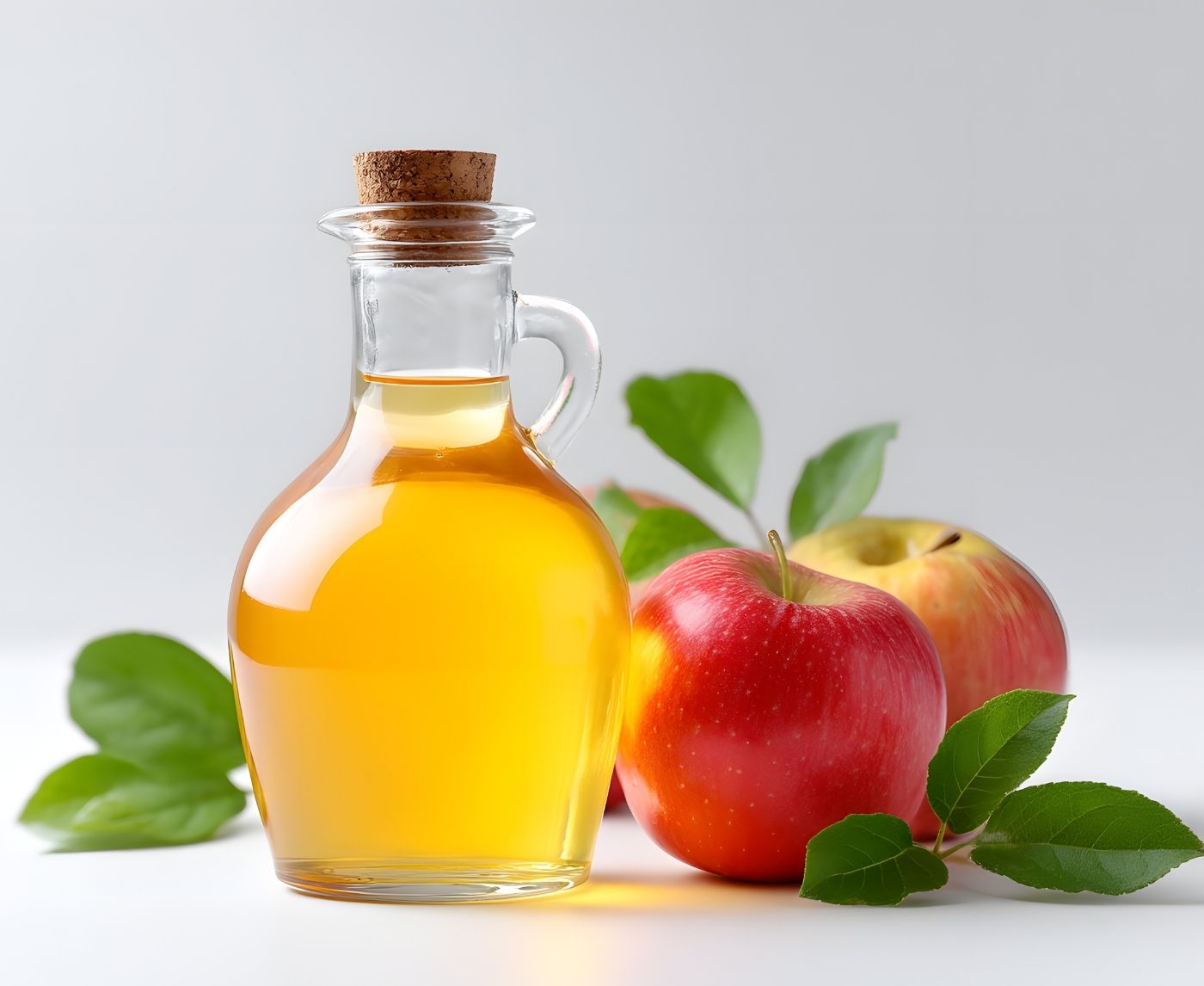
Apple cider vinegar: acidic enough to burn, not antifungal enough to cure
Apple cider vinegar (ACV) gets recommended online for nearly every ailment, and yeast infections are no exception. The pitch usually involves a diluted ACV soak, a vinegar douche, or in the more concerning corners of the internet, undiluted ACV applied directly to the vulva. None of these has clinical evidence behind it, and the most aggressive versions cause real harm.
Apple cider vinegar has a pH of about 2 to 3, which is meaningfully more acidic than the healthy vaginal range of roughly 3.8 to 4.5. The mucosal lining of the vagina is not designed to tolerate that kind of acid load directly. The result is irritation, burning, and sometimes superficial chemical injury. Vinegar douches also wipe out the lactobacilli that keep the vaginal environment in balance, which can set up future yeast or bacterial vaginosis flare-ups even after the original symptoms resolve.
Diluted ACV in a bath is less concentrated, but the bathwater does not make meaningful contact with the affected mucosa anyway. The best case is that it does nothing. The worse case, more common than ACV enthusiasts admit, is that the warm water and acid combination produces enough surface irritation to make the existing infection feel worse and to mimic genital herpes ulcers convincingly enough to send people to urgent care.
The simple answer: there is no evidence ACV cures a yeast infection, and the riskier the application route, the more likely the user is to end up worse off. Skip the vinegar.
| Remedy | Evidence | Main risk | Clinical use |
|---|---|---|---|
| Boric acid (vaginal capsules) | Strong, for recurrent and non-albicans yeast | Toxic if swallowed, unsafe in pregnancy, can irritate | Yes, in CDC and IDSA guidelines for RVVC |
| Garlic (inserted) | Antifungal in lab studies only | Chemical vaginitis, mucosal burns | Not recommended |
| Apple cider vinegar | No clinical evidence | pH disruption, mucosal injury | Not recommended |
| Yogurt (inserted) | Limited; oral probiotics show modest support | Contamination, irritation | Eat it, do not insert it |
Yogurt: helpful in your diet, risky in your vagina
Yogurt sits in a strange middle ground. Probiotics have a genuine evidence base here, but only for oral intake: certain Lactobacillus strains, especially L. rhamnosus GR-1 and L. reuteri RC-14, have shown some benefit in supporting vaginal flora in clinical trials, usually as oral supplements taken alongside or after antifungal treatment. That's swallowed probiotics, not inserted yogurt.
Inserting plain yogurt vaginally is a different intervention with different risks. Even unsweetened, unflavored yogurt contains milk proteins, thickeners, and stabilizers that aren't formulated for intravaginal use. The live cultures in a typical supermarket yogurt aren't the strains most studied for vaginal health, and they may not survive or colonize the way targeted probiotic capsules can. There is also a contamination risk: scooping yogurt from a container, transferring it to a tampon or menstrual cup, and leaving it inserted for hours introduces both food bacteria and warm conditions that can encourage the exact kind of overgrowth the remedy was supposed to fight.
If supporting the vaginal microbiome is the goal, the evidence-backed move is taking an oral probiotic with named, studied strains, particularly after a course of antibiotics or antifungals. Eat live-culture yogurt with meals if you enjoy it. Leave the inserted-yogurt experiments alone.
Is it actually a yeast infection? How to tell
The single most common reason home remedies fail is that the symptoms weren't yeast in the first place. Vulvovaginal candidiasis has a fairly distinctive presentation: intense itching, thick white discharge that often looks like cottage cheese, redness and swelling around the vulva, and burning during urination or sex. Discharge is typically odorless or only mildly yeasty in smell.
Plenty of other conditions cause overlapping symptoms. Bacterial vaginosis (BV) produces thinner, grayish discharge with a fishy odor that intensifies after sex. Trichomoniasis can cause frothy yellow-green discharge and irritation. Genital herpes can present with itching and burning before any visible blisters appear. Chlamydia and gonorrhea can cause discharge changes and a general irritation that some people read as yeast. Allergic or contact reactions to a new soap, lubricant, or laundry detergent produce itching and inflammation without any infection at all.
Self-treatment is most likely to fail or backfire when the underlying condition is BV or an STI, since antifungal creams do nothing for those and home chemistry experiments can mask or worsen them. The CDC's STI treatment guideline recommends wet mount with KOH preparation for women presenting with VVC symptoms, with vaginal cultures for Candida when symptoms persist despite a negative wet mount. Empiric treatment without testing is reasonable only when culture isn't available.
- Gray, watery discharge with a fishy odor (more likely bacterial vaginosis)
- Frothy yellow or green discharge (possible trichomoniasis)
- Visible blisters, ulcers, or sores (possible herpes or syphilis)
- Pelvic pain, fever, or bleeding between periods (rule out pelvic inflammatory disease and STIs)
- Symptoms that don't improve within three days of an over-the-counter antifungal
What science-backed yeast treatment actually looks like
For an uncomplicated yeast infection, the standard treatments are short, simple, and well-studied. The CDC's STI treatment guideline lists oral fluconazole (a single 150 mg dose) and a range of intravaginal azole creams or suppositories (miconazole, clotrimazole, tioconazole, terconazole) given over one to seven days. Most people notice meaningful relief within the first few days of treatment.
Recurrent vulvovaginal candidiasis needs a longer protocol. The Infectious Diseases Society of America candidiasis practice guideline recommends 10 to 14 days of induction antifungal therapy (a topical agent or oral fluconazole), followed by weekly fluconazole 150 mg for six months as maintenance. Boric acid 600 mg vaginal capsules once daily for three weeks is the alternative regimen for non-albicans species (notably C. glabrata), which respond poorly to azoles. A separate IDSA recommendation for severe acute (non-recurrent) VVC uses fluconazole 150 mg every 72 hours for two or three doses, but that protocol is for a different clinical scenario.
None of those protocols belong in a kitchen experiment. They require knowing which species is causing the infection (in recurrent cases), which needs a culture, and they require monitoring for side effects and treatment failure. The home version of "I'll just try boric acid because I read it works" tends to skip both the diagnosis and the follow-up, which is exactly where the value of the regimen lives.

600 mg of boric acid in a gelatin capsule administered vaginally once daily for 3 weeks.
How to recover without making it worse
Treatment success is part medication, part not undoing the medication. The most common reason a yeast infection comes roaring back the week after treatment is that the recovery routine sabotages the recovery itself. Douching, scented wipes, feminine washes, tight synthetic underwear, and intense sugar or alcohol intake all create conditions that favor Candida. So does going back to intercourse before treatment is fully finished or while the tissue is still inflamed.
A short list of supportive habits while the antifungal is finishing its job:
- Finish the full course, even if itching disappears within 24 to 48 hours.
- Switch to breathable cotton underwear and avoid sitting in tight pants or wet swimwear for long stretches.
- Skip vaginal douches, scented washes, and bubble baths. Warm water on the external area is enough.
- Cut back on sugar and refined-carb spikes temporarily; Candida uses glucose to grow.
- Pause intercourse until symptoms are fully gone and the antifungal course is done.
- If you are taking broad-spectrum antibiotics for another reason, ask your prescriber about a concurrent oral probiotic.
Recurrent yeast is not a personal hygiene failure. Hormonal shifts, antibiotic courses, immune suppression, and underlying conditions like diabetes are common upstream causes. A thoughtful clinician will look for the trigger before just refilling the prescription.
When to see a clinician instead of trying another remedy
Home treatment is reasonable for an uncomplicated yeast infection in someone who has had a confirmed yeast infection before, with classic symptoms and no complicating factors. Outside of that scenario, a clinician visit (virtual or in person) saves more time than it costs. The most expensive mistake in yeast treatment is treating the wrong condition. Spending another week on the wrong cream while a bacterial vaginosis or trichomoniasis infection establishes itself is a worse outcome than a short appointment to confirm what is actually going on.
- This is the first time the symptoms have appeared and yeast has never been confirmed by a clinician.
- Symptoms have not improved within three days of an over-the-counter antifungal, or come back within two months of treatment.
- The infection has happened four or more times in 12 months, which usually needs a culture and a longer maintenance plan.
- You are pregnant, have diabetes, take immunosuppressants, or live with another condition that affects immune function.
- Symptoms include pelvic pain, fever, abnormal bleeding, visible sores, or a foul or fishy odor.
- You recently had unprotected sex with a new or untested partner and you are concerned about an STI rather than yeast.
The takeaway
Of the four remedies, only boric acid has clinical evidence behind it, and only for recurrent or non-albicans yeast used under a clinician's guidance. Garlic, apple cider vinegar, and inserted yogurt either lack evidence, cause harm, or both.
The most useful thing to know about yeast infections is that they are treatable with short, well-studied medications, and that confirming the diagnosis is half the work. If the symptoms aren't classic, or if treatment isn't working, testing is a much shorter path to relief than experimenting on tissue that is already inflamed.
Frequently asked questions
- Is boric acid safe to use vaginally?
- Yes, for recurrent or non-albicans yeast. The CDC's STI treatment guideline includes it at 600 mg vaginally once daily for three weeks. Hard limits: never oral, never during pregnancy, pharmacy-grade capsules only, and burning past day one or two means stop and call your provider.
- I already tried garlic or vinegar and feel worse. What now?
- Stop using everything that was inserted or applied. Rinse the external area with plain water only. Skip soap, douches, scented wipes, and over-the-counter creams for a day or two so the tissue can settle. If symptoms have not started improving within 48 hours, see a clinician. What feels like a worse yeast infection after DIY treatment is often a chemical irritation layered on top of the original problem, and that needs a different approach than another antifungal.
- Does eating yogurt prevent yeast infections?
- Possibly, with modest evidence. Live-culture yogurt and oral probiotic supplements containing strains like Lactobacillus rhamnosus GR-1 or L. reuteri RC-14 have shown some benefit for vaginal flora, particularly after a course of antibiotics. Inserting yogurt vaginally is a different intervention with no clinical support and a real contamination risk. The evidence supports eating the yogurt, not inserting it.
- How do I know if it is a yeast infection or something else?
- Classic yeast looks like intense itching, thick odorless white discharge, redness, and swelling. If the discharge is gray and fishy-smelling, it points more toward bacterial vaginosis. Frothy yellow or green discharge raises the question of trichomoniasis. Visible blisters or sores suggest herpes. New itching after a new soap or lubricant might just be irritation. When the picture is anything other than classic yeast, or when an antifungal hasn't worked within three days, testing is a safer move than continuing to treat the wrong condition.
- Can a yeast infection clear up on its own?
- Mild cases sometimes do, especially when a triggering factor (antibiotics, tight synthetic clothing, high-sugar diet, immune stress) resolves on its own. Most cases respond faster to a one-dose oral fluconazole tablet or a short course of a vaginal azole. Waiting it out is reasonable for very mild symptoms, but if things worsen or last more than a few days, treatment is faster and easier than continued discomfort.
- Why do I keep getting yeast infections?
- Recurrent vulvovaginal candidiasis (four or more confirmed infections in a year) has several common drivers: antibiotic courses that disrupt vaginal flora, uncontrolled diabetes or other immune issues, hormonal contraceptive shifts, certain sexual behaviors, and sometimes a non-albicans Candida species that resists standard antifungals. The IDSA-recommended approach is 10 to 14 days of induction antifungal therapy followed by weekly fluconazole 150 mg for six months, or a boric acid course for non-albicans species. A clinician can culture the next active infection, identify the species, and put together the right maintenance plan.
- Do men get yeast infections too?
- Yes, although they are less common. Penile candidiasis usually presents as itching, redness, and irritation under the foreskin or around the head of the penis. Risk factors include being uncircumcised, having diabetes, or having recently taken antibiotics. It is typically treated with a topical antifungal cream. Yeast isn't classed as an STI, but it can transfer between sexual partners, so treating both partners may be appropriate for recurrent cases.
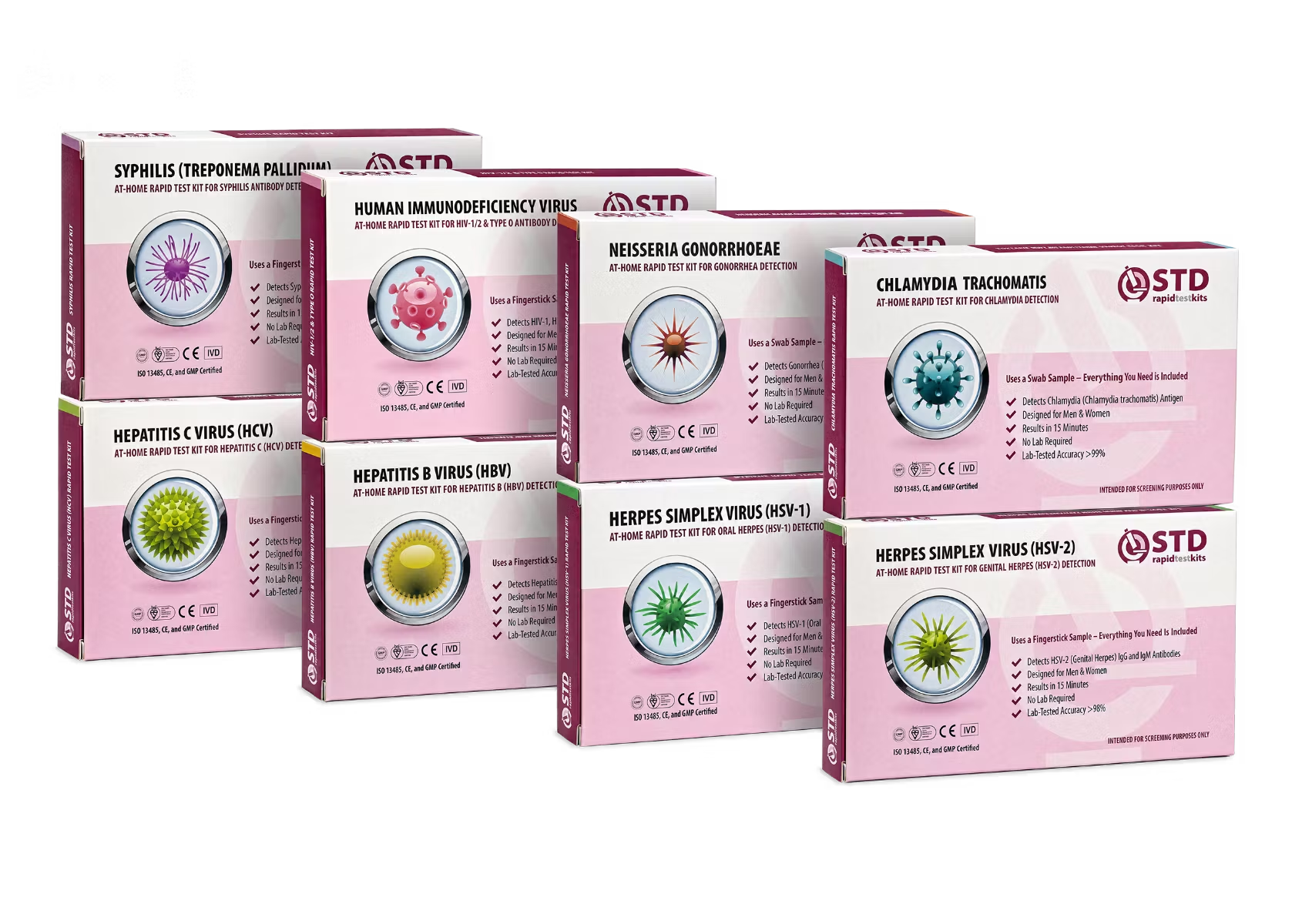
- Can I test for what is causing my symptoms at home?
- Home rapid tests can rule in or rule out many common STIs that mimic yeast, including chlamydia, gonorrhea, herpes, HIV, syphilis, and hepatitis. They do not diagnose yeast itself or bacterial vaginosis. When antifungal treatment isn't working, a rapid STI panel is a reasonable next step before a clinic visit, particularly to triage which appointment to make and what to mention up front.
How we sourced this article: We combined current guidance from the most prominent public-health and clinical organizations (CDC and IDSA) with the everyday situations readers describe to us. Specific dosages, drug regimens, and clinical protocols are taken directly from the cited guidelines and verified against the live source pages. This article is informational and is not a substitute for individual medical advice from a licensed clinician.
- U.S. Centers for Disease Control and Prevention. Vulvovaginal Candidiasis, STI Treatment Guidelines. Cited for first-line antifungal regimens, the boric acid 600 mg vaginal capsule once-daily for three weeks protocol for non-albicans Candida, and the wet mount with KOH plus culture diagnostic approach.
- U.S. Centers for Disease Control and Prevention. Candidiasis Basics. Cited for the framing of vaginal candidiasis as one of the most common fungal infections.
- U.S. Centers for Disease Control and Prevention. Treatment of Candidiasis. Cited for first-line antifungal options and the standard clinical management approach.
- Infectious Diseases Society of America. 2016 Clinical Practice Guideline for the Management of Candidiasis. Cited for the recurrent VVC induction (10-14 days topical agent or oral fluconazole) plus maintenance (weekly fluconazole 150 mg for six months) protocol, and for the separate severe-acute-VVC regimen of fluconazole 150 mg every 72 hours for two or three doses.
