





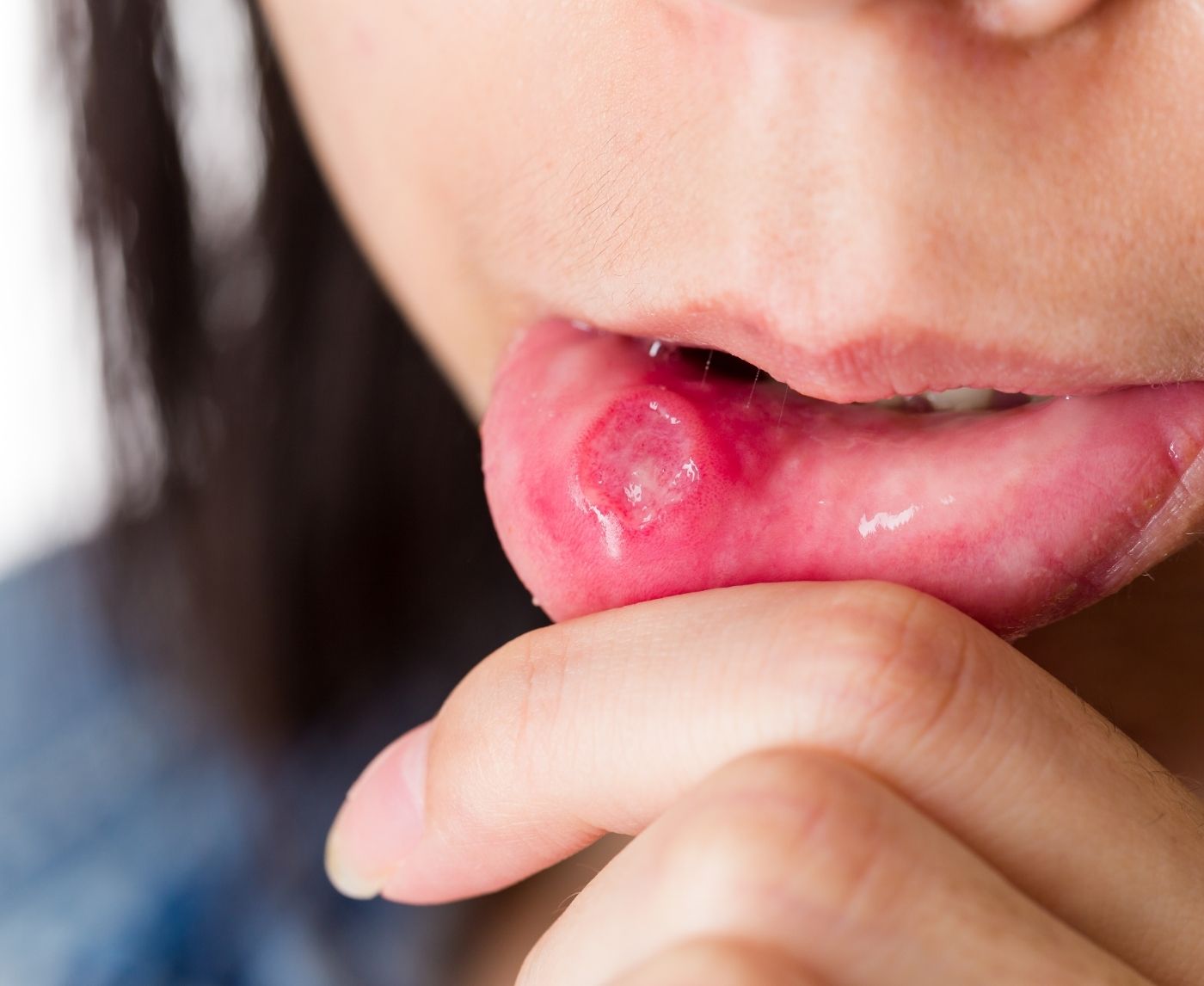

Quick Answer: Most mouth ulcers are harmless canker sores caused by stress or irritation. STD-related mouth sores, such as oral herpes or syphilis, usually follow specific exposure timing patterns and have distinct features like clustered blisters or painless firm ulcers.
Why Your Brain Goes Straight to “STD”
Shame is loud. Especially after oral sex. Especially if the partner was new. Even if protection was used. The moment you see a sore, your mind connects dots that may not actually belong together.
I once spoke to someone who found a mouth lesion two days after a hookup. “I felt stupid,” they said. “Like I’d done something reckless and now this was the consequence.” The sore turned out to be a classic canker sore triggered by stress and lack of sleep. But the emotional spiral was real.
This is important to say clearly: anxiety does not equal diagnosis. Timing matters. Biology matters. And most STDs do not show up overnight.
The Three Most Common Possibilities
When someone types “mouth ulcer STD or not” into a search bar, they are usually comparing three things without realizing it: a canker sore, a cold sore, or an STD-related oral lesion. Technically, cold sores are caused by oral Herpes, but people often separate them mentally from “real STDs.”
The differences become clearer when we look at patterns instead of just appearance.
| Feature | Canker Sore | Cold Sore (Oral Herpes) | Syphilis Chancre |
|---|---|---|---|
| Location | Inside cheeks, lips, tongue | Usually outer lip border | Lips, tongue, or mouth lining |
| Pain Level | Painful, tender | Tingling then painful blisters | Often painless |
| Appearance | White/yellow center, red border | Clustered fluid-filled blisters | Single firm round ulcer |
| Cause | Stress, injury, immune triggers | HSV-1 virus | Treponema pallidum bacteria |
| Contagious? | No | Yes | Yes |
A canker sore stays inside the mouth. It doesn’t blister first. It doesn’t crust. It just hurts, especially when you eat something acidic or salty. It tends to heal within one to two weeks without treatment.
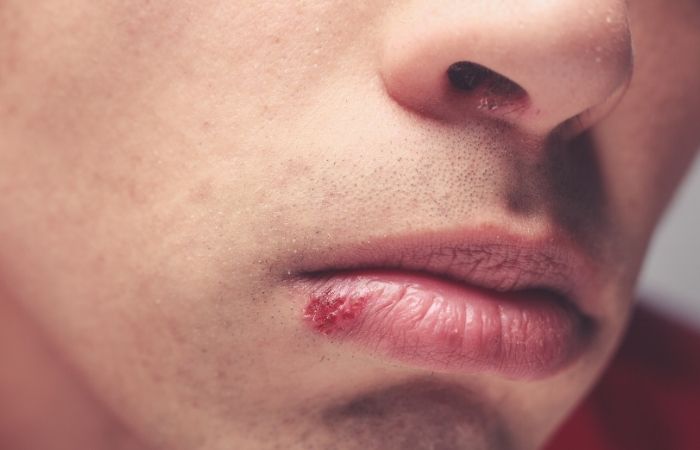
A cold sore, caused by HSV-1, often starts with tingling or burning. Then small blisters form. They may break, ooze, and crust. These typically appear on the outer lip, though herpes can occur inside the mouth too, particularly during a first outbreak.
A syphilis chancre is different. It is usually firm, round, and surprisingly painless. That detail alone has led many people to ignore it. It can show up on the lips or inside the mouth after oral exposure.
Notice something subtle here. Pain is not always your guide. Sometimes the absence of pain is the bigger clue.
People are also reading: Did They Cheat, Or Did I Just Get Chlamydia Again?
Timing: The Detail That Changes Everything
If a sore appears the day after oral sex, it is almost never syphilis. That infection has an incubation period typically closer to three weeks. Oral herpes can show symptoms between two and twelve days after exposure. Canker sores can show up within hours of stress, irritation, or biting your cheek.
Timing creates context. Context reduces fear.
| Condition | Typical Symptom Onset | When to Test | Accuracy Peak |
|---|---|---|---|
| Oral Herpes (HSV-1) | 2–12 days after exposure | After visible lesions or 2+ weeks post exposure | 3–6 weeks blood test window |
| Syphilis | 10–90 days (avg ~21) | 3–6 weeks after exposure | 6+ weeks for antibody detection |
| Chlamydia (Oral) | Often no symptoms | 7–14 days after exposure | 14+ days NAAT testing |
| Canker Sore | Hours to days after trigger | No STD test needed | Self-resolves 1–2 weeks |
Someone once told me, “I panicked on day two and ordered every test online.” Two weeks later, all results were negative. The sore had disappeared by then. The timeline alone would have spared days of anxiety.
This is where we move from guessing to strategy. If timing lines up with a possible STD exposure and the lesion matches concerning features, testing makes sense. If it doesn’t, breathing makes more sense.
When It’s Not “Just a Sore”: How Oral STDs Actually Show Up
Let’s zoom out for a moment. Not every oral STD looks like a dramatic ulcer. In fact, many don’t look like anything at all. That’s part of why people spiral when they see even a tiny lesion. They’ve heard that infections can hide. So every bump feels suspicious.
Oral Herpes is the most common infection that causes visible sores around the mouth. But here’s what most people don’t realize: a huge percentage of adults already carry HSV-1. Many were exposed in childhood from relatives kissing them. For some, it never causes noticeable outbreaks. For others, stress or illness triggers occasional cold sores.
Now imagine this scenario. You hook up with someone new. Three days later, you feel tingling on your lip. By day four, there are small clustered blisters. That pattern, tingling, then blisters, then crusting, is classic herpes. The timing fits. The evolution fits. That’s when testing and medical guidance make sense.
Contrast that with someone who notices a single white ulcer inside their cheek the morning after a stressful week, two energy drinks, and accidentally biting their mouth while chewing. It hurts sharply when citrus touches it. It never blistered. That story sounds much more like a canker sore.
Then there’s Syphilis, the quiet one. A firm, round sore. Often painless. Sometimes on the lip, sometimes inside the mouth. It may go unnoticed because it doesn’t scream for attention. It can resolve on its own, which tricks people into thinking nothing happened. But untreated syphilis does not disappear; it progresses.
Understanding behavior over time is more reliable than staring at a single snapshot in the mirror.
The Painful vs Painless Clue Most People Miss
Pain feels urgent. It grabs your focus. So most people assume a painful ulcer must be something serious. Ironically, with oral lesions, the opposite can sometimes be true.
Canker sores are usually painful. They sting when you eat. They throb when you brush your teeth. They make you hyperaware of your tongue. That discomfort is annoying, but it’s also reassuring because it aligns with a benign inflammatory response.
Herpes lesions are painful too, especially during a first outbreak. But they typically begin with tingling or burning before blisters appear. The blister phase matters. If you never saw fluid-filled bumps and only have a flat white crater inside your cheek, herpes becomes less likely.
Syphilis chancres, on the other hand, are often painless. That absence of pain can create a false sense of security. A person might discover a firm ulcer on the lip and assume it’s minor because it doesn’t hurt. That’s when timing and exposure history become critical pieces of the puzzle.
| Pain Pattern | Common Cause | What It Typically Means |
|---|---|---|
| Sharp pain when eating | Canker sore | Localized inflammation, non-contagious |
| Tingling before blistering | Oral herpes | Viral reactivation or new HSV exposure |
| Painless firm ulcer | Syphilis | Needs testing, especially after oral exposure |
| Sore throat without visible ulcer | Oral gonorrhea or chlamydia | Often asymptomatic, requires swab testing |
Notice that oral Gonorrhea and Chlamydia rarely cause dramatic ulcers. They often cause no symptoms at all. Sometimes there’s a mild sore throat, swollen glands, or nothing noticeable. That’s why testing decisions shouldn’t rely solely on visible sores.
Location Tells a Story
Take a breath and look at where the ulcer actually sits. Inside the soft tissue of the cheek or under the tongue leans strongly toward a canker sore. Along the outer lip border, especially if it crusts, leans toward herpes.
There are exceptions. A first herpes outbreak can appear inside the mouth. Syphilis can appear on lips, tongue, or inner lining. But patterns still matter. Clusters suggest herpes. A single round firm lesion suggests syphilis. A shallow white crater with a red halo inside the mouth suggests a canker sore.
One person I spoke with described staring at their lip for an hour, zooming in with their phone camera, convinced they saw “micro blisters.” In reality, it was dry skin and anxiety magnifying every detail. When you’re scared, your brain looks for confirmation.
This is why comparing multiple features, pain, timing, location, appearance, works better than focusing on just one.
Check Your STD Status in Minutes
Test at Home with Remedium6-in-1 STD Rapid Test Kit

 For Men & Women
 Results in Minutes
 No Lab Needed
 Private & Discreet
Order Now $119.00 $294.00
For all 6 tests
When a Mouth Ulcer Actually Warrants STD Testing
There are moments when testing is not overreacting. It is responsible. If you had unprotected oral sex with a new or high-risk partner and develop a lesion within a realistic incubation window, testing makes sense. If the sore is painless and firm and appeared three weeks after exposure, testing for Syphilis is especially important.
If you experience clusters of blisters around the lip within two to twelve days after oral contact, herpes testing may be appropriate, especially during an active outbreak. Swab tests of active lesions are often more informative than blood tests early on.
And if you had oral sex and simply want clarity, even without symptoms, throat swab testing for Gonorrhea and Chlamydia is reasonable after seven to fourteen days. Many oral infections are silent.
This is not about shame. It’s about information. Testing is not an admission of guilt. It’s a way to protect yourself and your partners.
If anxiety is lingering and you want discreet answers from home, you can explore options at STD Rapid Test Kits. Peace of mind is often one decision away, not weeks of spiraling.
What It’s Probably Not
A single painful white ulcer that appeared the day after kissing someone new is almost never syphilis. A sore that vanishes completely within a week without crusting or blistering is unlikely to be herpes. A mouth lesion that only appears during exam season or after biting your cheek is far more likely related to stress or minor trauma.
Sometimes our bodies react to friction, spicy food, dental work, or even switching toothpaste brands. The mouth is sensitive tissue. It responds quickly to irritation.
This doesn’t mean dismiss every sore. It means place it in context before assigning it a label that carries stigma.
Testing Strategy: When to Swab, When to Wait, and When to Relax
This is the part where we shift from “what is this?” to “what should I actually do?” Because staring at a mouth ulcer in the mirror only gets you so far. Eventually, you want clarity. Not reassurance. Not Google threads from 2009. Actual clarity.
If the sore appeared within 24 to 48 hours of exposure, testing immediately is usually too early for most STDs. That window is biologically unrealistic for infections like Syphilis or Chlamydia to produce detectable results. Testing that early can give you a false sense of security, which is almost worse than not testing at all.
For oral Herpes, if there are active blisters, a direct swab of the lesion during the outbreak provides the most accurate information. Blood tests detect antibodies, which take time to develop. Testing too soon after exposure may not reflect new infection.
For oral Gonorrhea or Chlamydia, throat swab testing becomes more reliable about 7 to 14 days after exposure. These infections often cause no visible sores at all. That’s why relying solely on whether you see an ulcer can be misleading.
Here’s the truth people don’t always say out loud: sometimes the best move is patience. Testing at the right time is smarter than testing in panic mode.
A Micro-Scene: The Spiral vs The Plan
Picture someone sitting on their bed at midnight, phone lighting up their face. They found a sore that afternoon. They’ve already convinced themselves it’s something serious. They order multiple tests overnight. They reread every symptom page. Sleep barely happens.
Now picture the alternative. Same sore. Same initial fear. But instead of spiraling, they check timing. They note it appeared 36 hours after exposure. They recognize that syphilis typically takes weeks to appear. They monitor the lesion for blistering. They schedule testing at the appropriate window instead of guessing.
Same body. Different approach. One is fueled by anxiety. The other is grounded in biology.
If the Test Is Positive
Let’s talk about the scenario no one wants but many survive.
If testing confirms oral Herpes, know this: it is common. Extremely common. Many people carry HSV-1, often from childhood exposure. Antiviral medications can reduce outbreaks and transmission risk. Life continues. Dating continues. Intimacy continues.
If testing confirms Syphilis, treatment is highly effective, especially in early stages. The key is not ignoring it. Antibiotic therapy resolves the infection and prevents progression. The earlier it’s addressed, the simpler the outcome.
If oral Gonorrhea or Chlamydia is detected, antibiotics are also effective. Be sure to follow the treatment instructions exactly. Retesting after treatment may be recommended to ensure resolution.
A positive result is not a moral verdict. It is medical information. That distinction matters.
You can look into options like the At-Home Combo STD Test Kit if you want to get reliable testing without having to wait weeks for an appointment. It lets you check for several infections at once, quickly and privately.
People are also reading: Swab or Pee? Choosing the Right Chlamydia Test
If the Test Is Negative but Anxiety Lingers
This happens more than people admit. The sore heals. The test is negative. But the mind keeps asking, “What if?”
In those moments, it helps to return to the original clues. Did the timing align? Did the lesion behave like herpes, with blistering and crusting? Was there a realistic exposure window for syphilis? Or was this a classic painful ulcer that resolved in under ten days?
Sometimes anxiety attaches itself to a physical symptom and refuses to let go, even when evidence says you’re okay. That doesn’t make you irrational. It makes you human.
If needed, retesting at the appropriate window can provide final reassurance. But endless testing without timing logic can actually increase stress.
When a Mouth Ulcer Is Probably Just a Mouth Ulcer
There is a quiet relief that comes from recognizing a familiar pattern. A small white sore inside the cheek. Painful. No blisters beforehand. Triggered by stress, illness, hormonal shifts, or accidental biting. Gone within one to two weeks.
That is the story of millions of harmless canker sores every year.
Your body reacts to friction. To exhaustion. To immune fluctuations. The mouth is delicate tissue. Not every symptom is a signal of infection.
The difference between panic and power is understanding what patterns mean, and what they don’t.
The Questions You’re Almost Afraid to Ask
Let’s talk about the thoughts that usually stay in drafts and deleted search histories.
Can you get an STD in your mouth from kissing? Sometimes, yes. Herpes can spread through kissing, especially if someone has an active cold sore. Syphilis can spread through direct contact with a chancre during oral contact. But infections like Chlamydia and Gonorrhea are far more commonly transmitted through oral sex than casual kissing.
If you noticed a mouth ulcer after kissing someone new, the likelihood that it is a simple canker sore is statistically higher than it being syphilis. That doesn’t dismiss your concern. It just rebalances probability.
Another quiet fear people carry: if I have one mouth sore, does that mean I’ve exposed past partners? In most cases, no. A canker sore is not contagious. A cold sore is contagious primarily when active. Syphilis is transmissible through direct contact with a chancre. Context matters. Blanket panic does not.
Recurring Sores: Pattern or Infection?
If you get mouth ulcers several times a year, especially during stressful periods, that pattern strongly suggests recurrent canker sores. They tend to appear in similar spots. They hurt. They heal. They return when your immune system is stretched thin.
Herpes recurrences, on the other hand, often show up in roughly the same location along the lip border. They usually start with tingling or burning before visible blisters form. The pattern is consistent once you recognize it.
A single painless ulcer that appeared weeks after a high-risk encounter and then disappeared without treatment deserves testing for Syphilis, even if it healed. That infection can move silently into later stages if ignored.
Patterns over time tell a more accurate story than a single snapshot moment.
Check Your STD Status in Minutes
Test at Home with Remedium8-in-1 STD Test Kit
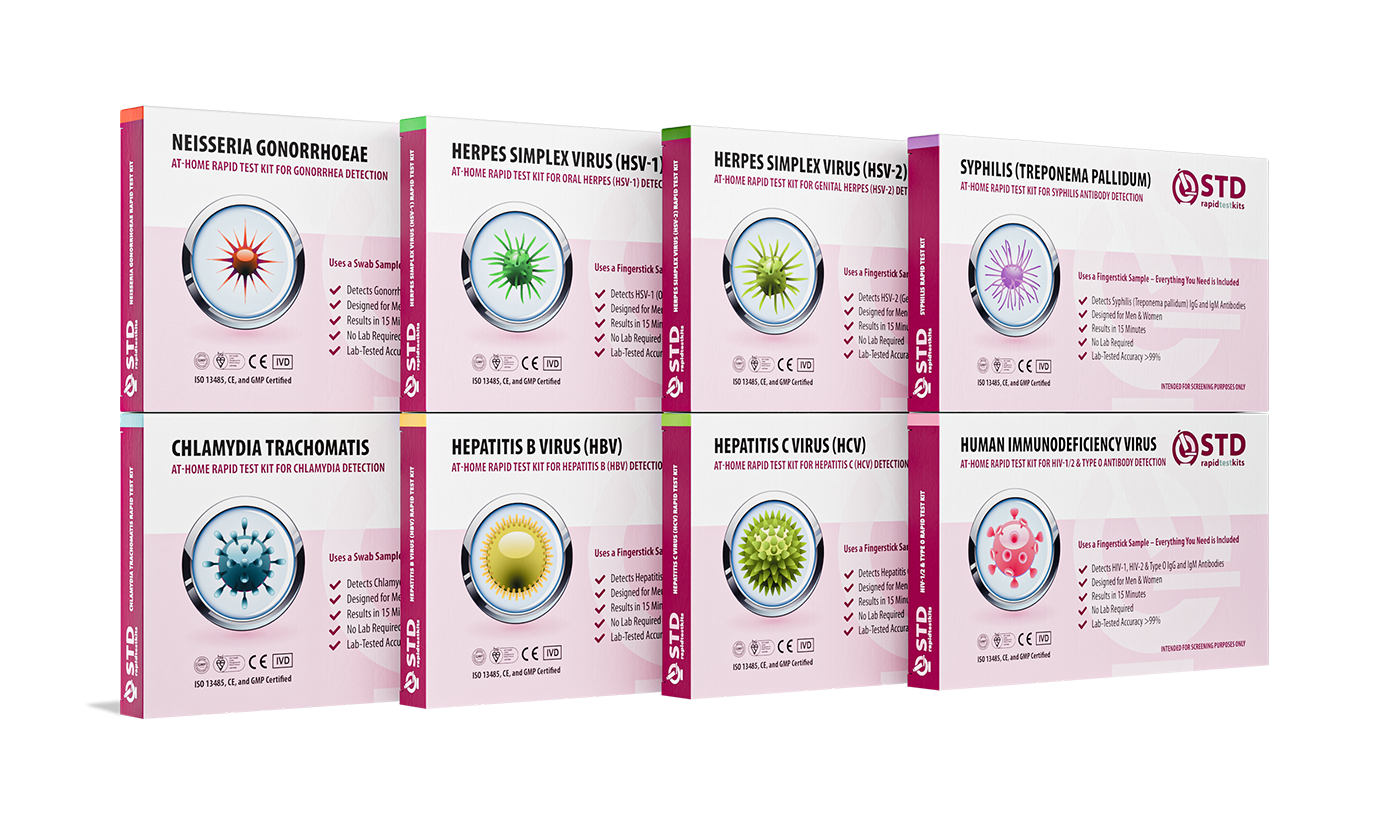 For Men & WomenResults in MinutesNo Lab NeededPrivate & Discreet
Order Now $149.00 $392.00
For all 8 tests
When to See a Clinician Instead of Waiting It Out
Most mouth ulcers resolve within two weeks. If a lesion persists longer than that, grows larger, bleeds easily, or is accompanied by swollen lymph nodes or fever, medical evaluation becomes important. Not because it is automatically an STD, but because persistent oral lesions deserve attention.
If you experience severe pain, difficulty swallowing, or widespread sores throughout the mouth during a first suspected herpes outbreak, medical support can reduce discomfort and shorten the episode.
There is strength in seeking care. It does not make you dramatic. It makes you proactive.
Let’s Reground This in Reality
Most mouth ulcers are not STDs. That sentence deserves to be read twice.
The majority are triggered by stress, minor trauma, immune fluctuations, or irritation. They hurt, they annoy you, and they disappear. The human body is imperfect and reactive. That does not equal infection.
But when timing, exposure, and lesion characteristics line up in a way that suggests something more, testing is not overreacting. It is informed self-care.
If you’re stuck in the gray zone, not convinced it’s harmless but not certain it’s serious, a structured testing plan brings clarity. Start with timing. Choose the right test. Avoid testing too early. Retest only if biologically appropriate.
You deserve answers that are grounded in science, not fear.
FAQs
1. I found a mouth ulcer the morning after oral sex. Be honest, is that too fast to be an STD?
In almost every case, yes. Most sexually transmitted infections have incubation periods measured in days to weeks, not overnight. If a sore shows up within 24 hours, it’s far more likely irritation, friction, stress, or a classic canker sore. Your body cannot biologically produce a syphilis chancre in eight hours. That’s anxiety doing math, not microbiology.
2. Okay, but what if it really looks like herpes?
Then look at the pattern, not just the picture. Did it start with tingling or burning? Did small fluid-filled blisters appear before the sore formed? Is it on the lip border rather than deep inside the cheek? Herpes has a storyline. Canker sores usually just appear as a painful white crater and skip the dramatic buildup.
3. Can you get an STD just from kissing?
Kissing someone who has an active cold sore can give you oral herpes. Syphilis can also spread through direct contact with a sore. But infections like Chlamydia and Gonorrhea are far more commonly transmitted through oral sex rather than casual lip contact. Not every make-out session is a medical event.
4. Why does my brain immediately assume the worst?
Because shame is loud and Google is dramatic. When sex is involved, even responsible sex, people tend to jump straight to catastrophe. I’ve had patients convinced they “ruined their life” over what turned out to be a stress ulcer during finals week. Your nervous system reacts faster than your immune system. Slow it down.
5. If the sore is painless, should I be more worried?
Painless can matter. A firm, round, painless ulcer that appears about three weeks after a high-risk encounter deserves testing for Syphilis. But context is everything. If there was no realistic exposure and the lesion heals quickly, probability shifts back toward something benign. We weigh timing, exposure, and appearance together.
6. How long should I wait before testing?
It depends on what you’re testing for. Oral swabs for Gonorrhea and Chlamydia are typically reliable around 7 to 14 days after exposure. Blood testing for Syphilis is more accurate several weeks after contact. Testing too early can give you a false negative, which is emotionally messy. Strategy beats speed.
7. My sore disappeared in a week. Does that mean I’m fine?
Often, yes. Canker sores typically heal within one to two weeks. Herpes lesions also crust and resolve, but they usually follow a blistering phase first. A syphilis chancre can heal on its own too, which is why timing and testing matter if risk was present. Healing alone doesn’t tell the full story, but it gives clues.
8. If I test positive for oral herpes, is my dating life over?
Absolutely not. HSV-1 is incredibly common. Many people already carry it and don’t even know. Outbreaks can be managed, transmission risk can be reduced, and healthy relationships continue every day with honest communication. A virus is not a verdict on your worth.
9. What if I’m still anxious even after a negative test?
That’s human. Review when you tested. If it aligned with the proper window period and symptoms resolved, you can let your shoulders drop a little. If you tested too early, schedule a properly timed retest. But don’t let fear bully you into endless repeat testing without biological reason.
10. So what’s the bottom line?
Most mouth ulcers are harmless. A few are infectious. None require panic. Look at timing. Look at pain pattern. Look at location. Then decide. Information is steadier than fear, and steadier is how you want to move through this.
You Deserve Clarity, Not Catastrophe
A mouth ulcer can feel like a spotlight on your worst fears. But most of the time, it is just irritated tissue doing what irritated tissue does. Understanding the difference between a canker sore, a cold sore, and an STD-related lesion changes everything. It replaces panic with pattern recognition.
If your situation calls for testing, do it strategically. Not from shame. Not from self-blame. From informed choice. You can explore discreet options through STD Rapid Test Kits and take control without the waiting room anxiety.
Knowledge is calmer than guessing. And calmer is better.
How We Sourced This Article: This guide combines current guidance from leading public health authorities, peer-reviewed infectious disease research, and clinical experience in STI diagnosis and management.
Sources
2. CDC – Genital and Oral Herpes Overview
3. Mayo Clinic – Canker Sore Causes and Symptoms
4. World Health Organization – Herpes Simplex Virus
6. Oral Herpes - Johns Hopkins Medicine
7. Syphilis Treatment Guidelines - CDC
About the Author
Dr. F. David, MD is a board-certified infectious disease specialist focused on STI prevention, diagnosis, and treatment. He blends clinical precision with a no-nonsense, sex-positive approach and is committed to expanding access to discreet testing and evidence-based sexual health education.
Reviewed by: L. Martinez, PA-C | Last medically reviewed: February 2026
This article is only meant to give you information and should not be used as a substitute for medical advice.


