





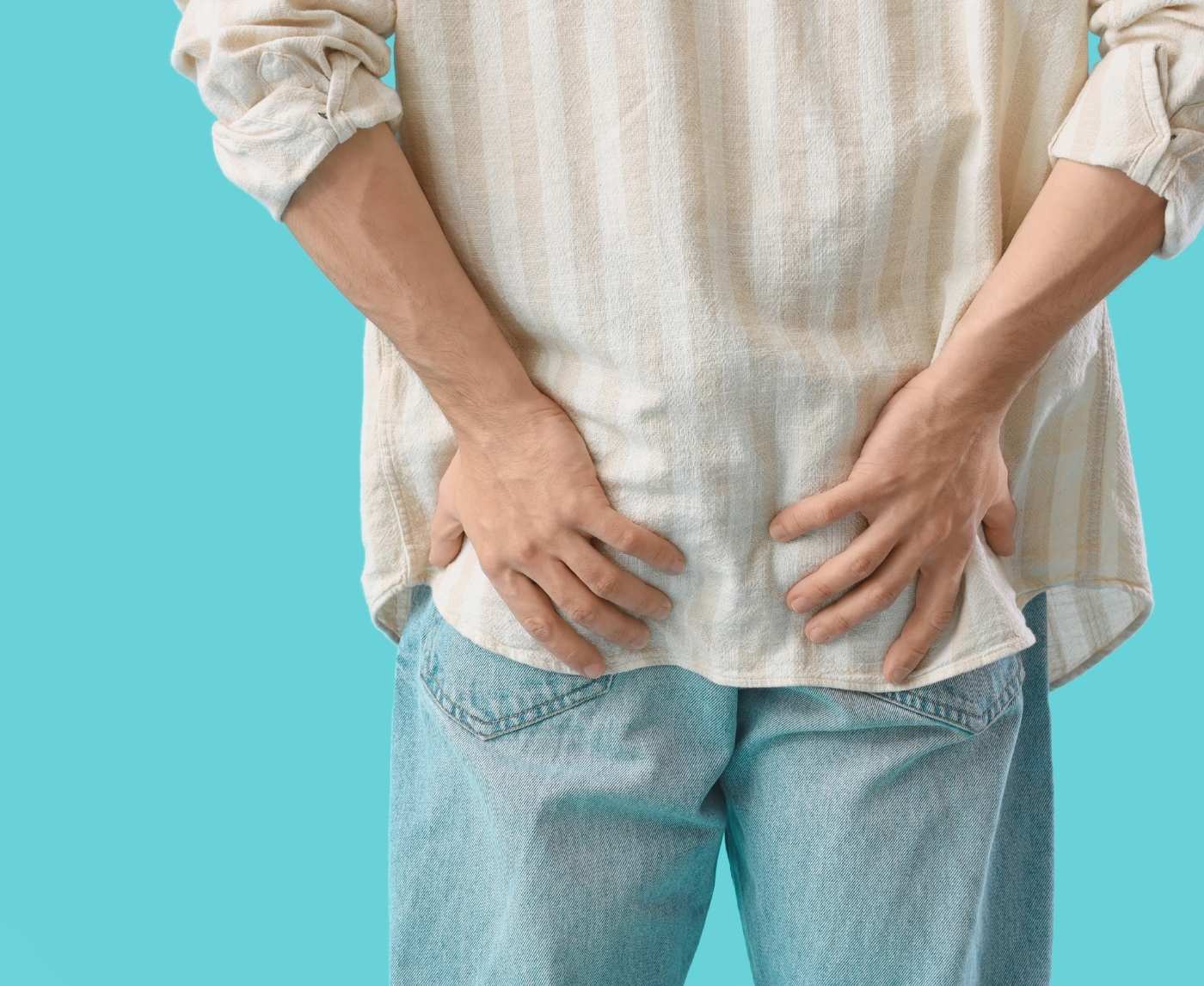

Quick Answer: Anal itching after sex is usually caused by friction, minor irritation, hemorrhoids, or sensitivity to lube or latex. It can sometimes be linked to Herpes, Gonorrhea, Chlamydia, or other rectal STDs, especially if itching is paired with sores, discharge, bleeding, or flu-like symptoms. Testing 7–14 days after exposure provides clearer answers.
The 2AM Spiral: Why Itching Feels Scarier Than It Is
Itching is a subtle symptom. That’s what makes it dangerous for your imagination. When there’s no dramatic pain, no visible sores, no fever, your brain fills in the gaps with worst-case scenarios.
I once spoke to a 29-year-old guy, we’ll call him Marcus, who told me, “It wasn’t even that itchy. But once I noticed it, I couldn’t stop thinking about it. I Googled for three hours.” That’s the pattern. The body whispers. The mind screams.
Here’s the investigator truth: most post-sex anal itching comes down to mechanics, not microbes. Friction, tiny skin abrasions, dryness, trapped moisture, or even wiping a little too aggressively can irritate delicate perianal skin. But let’s break it down carefully, because sometimes itching does deserve a closer look.
Friction, Microtears, and “Normal” Irritation
Anal tissue is thin. It doesn’t self-lubricate. Even with condoms and good intentions, friction can cause microscopic tears that aren’t visible but are enough to create itching as they heal. Think of it like chapped lips, but in a place people don’t talk about.
If the itch begins within 24 hours of sex and gradually improves over a few days without new symptoms, irritation is the most likely cause. There’s usually no discharge, no open sores, and no spreading rash. It’s uncomfortable but not escalating.
Latex sensitivity and certain lubricants can also cause contact dermatitis. A mild allergic reaction often produces itching without systemic symptoms. Switching to a non-latex condom or a glycerin-free, fragrance-free lubricant often solves the problem.
Hemorrhoids: The Overlooked Culprit
Hemorrhoids are swollen veins around the rectum, and they don’t care whether you had sex or not. Anal sex can temporarily raise the pressure in that area, which can make hemorrhoids that are already there worse.
The itching from hemorrhoids tends to feel external and localized. You might also notice slight swelling, mild bleeding on toilet paper, or a feeling of fullness. It’s uncomfortable but rarely accompanied by fever or systemic illness.
| Feature | Hemorrhoids | Possible STD |
|---|---|---|
| Onset after sex | Often within 24 hours due to pressure | Typically 3–14 days depending on infection |
| Itching type | External, localized | May include internal discomfort or spreading irritation |
| Bleeding | Light spotting on toilet paper | Possible but often paired with discharge or sores |
| Other symptoms | Swelling, fullness sensation | Sores, discharge, flu-like symptoms, painful bowel movements |
If symptoms are purely mechanical and improve within a few days, hemorrhoids or irritation remain the top suspects. But if the itching gets worse or new symptoms show up, we change course.
People are also reading: HIV Antibody Treatments Aren’t One-Size-Fits-All: What That Means for Testing Right Now
When Itching Might Be an STD
This is where nuance matters. Most rectal STDs do not start with “just itching.” They usually bring something else to the party. Still, anal infections can be subtle, especially in early stages.
Herpes often begins with tingling, itching, or a burning sensation before blisters appear. That prodrome phase typically lasts one to two days. If itching turns into painful clustered sores, that’s a stronger indicator.
Gonorrhea and Chlamydia in the rectum may cause itching, but they more commonly present with discharge, rectal pain, bleeding, or painful bowel movements. Sometimes there are no symptoms at all, which is why testing matters more than guessing.
Syphilis may present with a painless sore that can be internal and go unnoticed. HIV does not typically begin with isolated anal itching; early symptoms resemble flu-like illness rather than localized irritation.
| Infection | Typical Window Period | Early Symptoms | Itching Alone? |
|---|---|---|---|
| Herpes | 2–12 days | Tingling, burning, blisters | Rarely without sores |
| Gonorrhea | 2–14 days | Discharge, rectal pain | Uncommon |
| Chlamydia | 7–21 days | Mild discomfort, discharge | Possible but not typical |
| Syphilis | 3–6 weeks | Painless sore | Very unlikely |
The pattern to watch is progression. Irritation improves. STDs tend to evolve.
The Timing Question: When Should You Test?
This is where people panic-test too early and get false reassurance. If you test the day after sex, most infections won’t show up yet. That’s not because you’re safe. It’s because your body hasn’t had time to produce detectable levels.
Seven to fourteen days after exposure is the sweet spot for testing rectal Chlamydia and Gonorrhea. For Herpes, visible sores can be swabbed immediately. Blood antibody tests require several weeks.
One patient told me, “I tested on day three and it was negative. I relaxed. Then on day ten I had discharge.” That’s not uncommon. Testing timing is about biology, not anxiety relief.
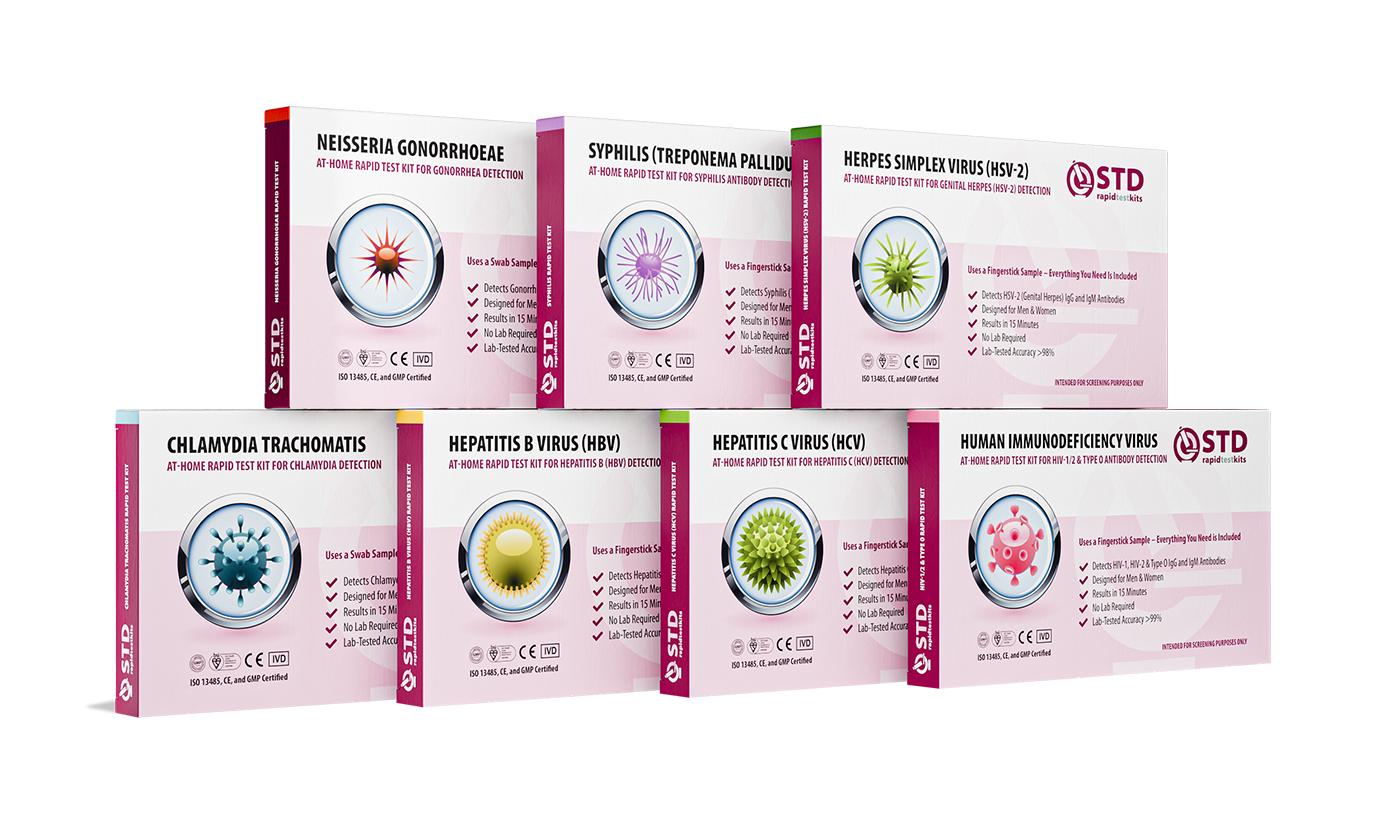
If you’re unsure and symptoms are lingering, a comprehensive option like the Combo STD Home Test Kit allows discreet screening from home. You control when and where the process happens. That privacy matters more than people admit.
But What If There Are No Other Symptoms?
This is the quiet fear people don’t say out loud. What if it’s just itching, no discharge, no sores, no fever, and that’s it?
Rectal Chlamydia and Gonorrhea are frequently asymptomatic. That means the absence of dramatic symptoms does not equal the absence of infection. It also means that itching alone, especially if it persists beyond a few days or follows a new partner exposure, deserves thoughtful testing rather than blind reassurance.
If you had unprotected anal sex, or a condom slipped, or you’re unsure about your partner’s status, testing becomes about clarity, not panic. You don’t test because you’re guilty. You test because you’re responsible.
When It’s Not Just Skin: Internal Rectal Infections Explained
There’s a difference between surface irritation and infection higher inside the rectum. The outside skin can itch from friction or moisture. Internal infections tend to create deeper discomfort. Sometimes that feels like pressure. Sometimes it feels like incomplete bowel movements. Sometimes it’s subtle and confusing.
A 32-year-old woman I once counseled described it like this: “It didn’t hurt. It just felt off. Like something was irritated internally.” She had no visible sores. No dramatic discharge. But she had recently had receptive anal sex without a condom. Her rectal swab later tested positive for Chlamydia.
Rectal infections don’t always present loudly. That’s why context matters as much as symptoms. If itching follows a new exposure and lingers longer than three to five days, testing becomes less about fear and more about intelligent follow-through.
How Long Should Irritation Last?
Mechanical irritation usually improves steadily. Day one feels noticeable. Day two feels annoying but manageable. By day three or four, the itch is fading. The skin feels calmer. There are no new developments.
Infections, by contrast, tend to change over time. What starts as mild itching may evolve into discharge, soreness, swollen lymph nodes, or flu-like fatigue. With Herpes, blisters often appear within a few days after the tingling phase. With rectal Gonorrhea, discharge or pain during bowel movements may follow.
If your symptoms are intensifying instead of improving, that shift matters more than the itch itself.
Check Your STD Status in Minutes
Test at Home with Remedium7-in-1 STD Test Kit
 For Men & Women
 Results in Minutes
 No Lab Needed
 Private & Discreet
Order Now $129.00 $343.00
For all 7 tests
Timing and Testing Windows: Why Waiting a Few Days Matters
Testing too early can produce false negatives, which gives temporary emotional relief but not medical clarity. Every infection has a window period. That is the time between exposure and when a test can reliably detect it.
Understanding this window prevents two common mistakes: testing too soon and assuming a negative means you’re in the clear. Biology doesn’t move on your schedule. It moves on its own timeline.
| Infection | Earliest Reliable Test | Optimal Testing Window | Notes |
|---|---|---|---|
| Chlamydia | 7 days | 14 days | Rectal swab preferred for accuracy |
| Gonorrhea | 7 days | 14 days | May be asymptomatic |
| Herpes | When sores appear | Swab active lesion | Blood tests require several weeks |
| Syphilis | 3 weeks | 6 weeks | Painless sore may be internal |
| HIV | 10–14 days (RNA) | 6 weeks (Ag/Ab) | Rarely presents as isolated itching |
If your exposure was recent and you’re in that 7–14 day window, that’s when a discreet screening makes the most sense. The STD Rapid Test Kits homepage offers options designed for privacy and speed. You don’t need to sit in a waiting room replaying your decisions.
What If You’re Too Embarrassed to Ask a Doctor?
This is the part no one puts on medical charts. Anal symptoms carry extra shame for many people. Queer men, straight couples experimenting, women exploring new dynamics, everyone worries about being judged.
I’ve had patients whisper the word “anal” like it’s a confession. It isn’t. It’s anatomy. It’s intimacy. It’s human behavior that deserves medical clarity without moral commentary.
Testing from home removes that social friction. Anxiety goes down when you can get a sample in private, read the instructions calmly, and get the results in private. Instead of reacting, decisions feel grounded.
When to Seek Immediate Care
There are situations where waiting is not wise. Severe rectal pain, heavy bleeding, fever, pus-like discharge, or symptoms that worsen rapidly deserve in-person evaluation. Those signs suggest more than mild irritation.
Sexual assault exposure also warrants immediate medical attention, not just testing but prophylactic treatment and support. Emergency departments and specialized clinics are trained for this.
For everyone else, measured testing at the right window gives clarity without chaos.
People are also reading: New Study Shows HIV Still Disrupts Immunity, Even with Early Treatment
The Emotional Math: Risk vs Reality
One of the hardest parts of post-sex anxiety is separating risk from imagination. If you used a condom consistently and correctly, the risk of bacterial STDs drops significantly. If there was no visible lesion and no exchange of bodily fluids, the probability of certain infections decreases.
But zero risk does not exist. That’s not meant to scare you. It’s meant to normalize testing as routine maintenance. Just like dental cleanings or blood pressure checks.
An itchy sensation does not automatically equal Herpes. It also does not automatically equal nothing. The space between those extremes is where responsible adults live.
If It Is Herpes: What Happens Next?
Let’s address the fear directly. If itching evolves into blisters and testing confirms Herpes, life does not end. Outbreaks are manageable. Antiviral medications reduce severity and transmission risk. Many people have infrequent recurrences.
I’ve seen patients crumble at diagnosis and then stabilize within days once they understand the facts. One told me, “The diagnosis was worse than the reality.” That’s common. The stigma hits harder than the symptoms.
Knowledge restores power. Treatment restores control.
If It’s Hemorrhoids or Irritation
Then the solution is simpler than your imagination predicted. Warm baths, gentle hygiene, fragrance-free products, adequate lubrication during sex, and avoiding over-wiping usually calm the tissue quickly.
Anal skin heals well when left alone. Over-scrubbing or constant checking often prolongs irritation. Sometimes the best medical advice is patience.
And if symptoms resolve fully within a few days, that’s strong evidence the cause was mechanical rather than infectious.
The Bottom Line Before You Spiral Again
Anal itching after sex is common. Most cases are irritation or hemorrhoids. A smaller percentage relate to rectal STDs, and those usually bring additional symptoms or persist beyond a few days.
If you’re within the testing window and want certainty, discreet screening is available. If symptoms escalate, seek care. If the itch fades quietly, let your body move on.
You are not reckless for having sex. You are not dramatic for worrying. You are responsible for getting answers when needed.
Check Your STD Status in Minutes
Test at Home with Remedium6-in-1 STD Test Kit
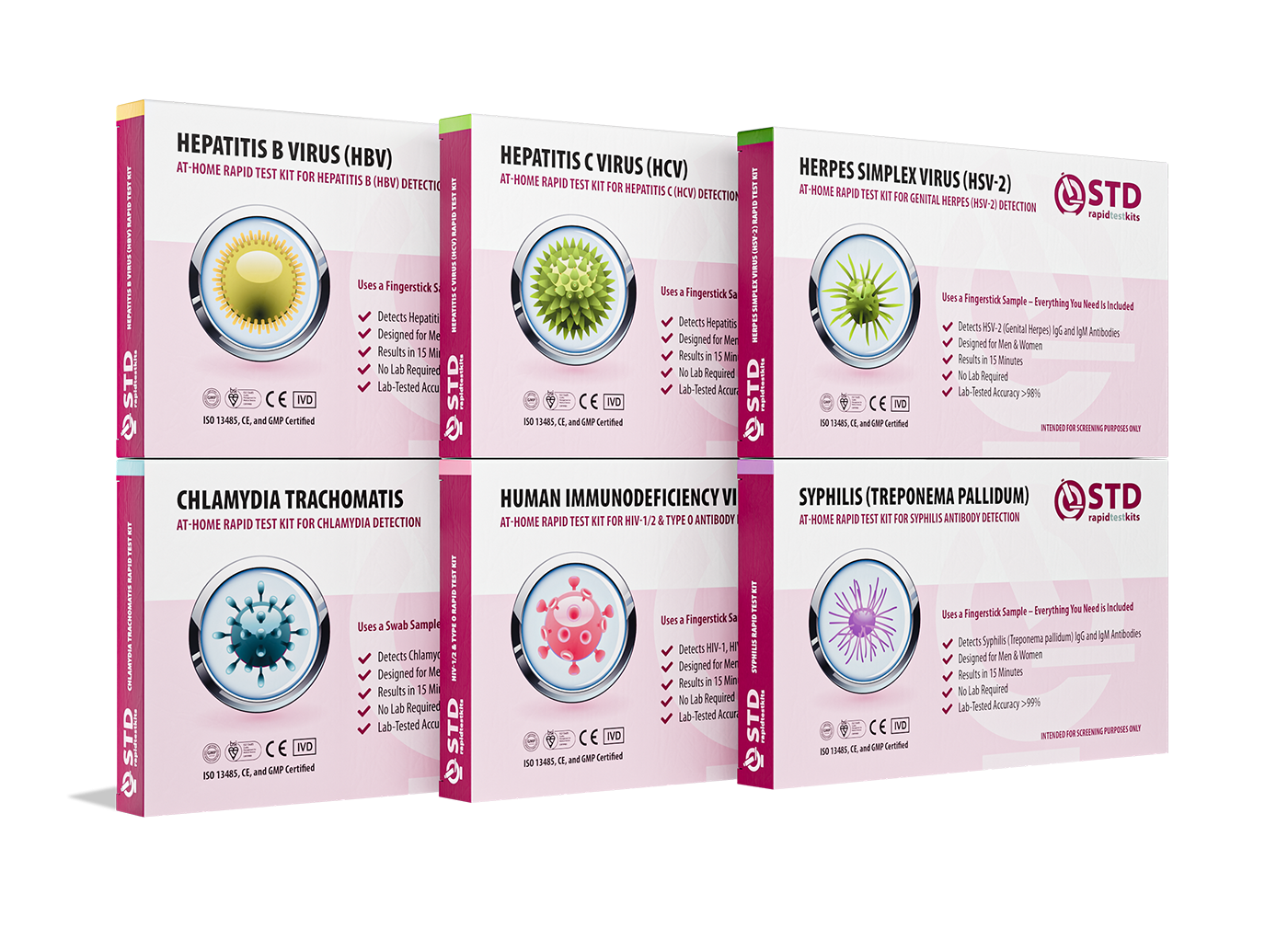 For Men & WomenResults in MinutesNo Lab NeededPrivate & Discreet
Order Now $119.00 $294.00
For all 6 tests
Before You Google Yourself Into a Panic
Let’s slow this down.
You felt something. That doesn’t automatically mean something is wrong. Bodies react to friction. They react to new experiences. They react to stress, sweat, products, pressure, and sometimes just paying too much attention. The human brain is excellent at turning mild sensations into medical thrillers.
But here’s the grounded truth. Most anal itching after sex is mechanical. A smaller percentage is infectious. An even smaller percentage is something urgent. The trick isn’t assuming the worst. It’s reading the pattern.
Is it getting better every day? That leans toward irritation. Is it escalating, spreading, adding new symptoms? That leans toward testing. Did you have unprotected receptive anal sex with a new partner? That shifts the risk calculation. Context matters more than the itch alone.
I’ve watched patients go from panic to relief in 48 hours simply because they waited and observed. I’ve also seen people ignore symptoms that deserved attention. The difference wasn’t luck. It was awareness.
You don’t need to catastrophize. And you don’t need to dismiss yourself either. Sexual health isn’t about shame or blame. It’s about information and timing. Calm assessment beats emotional guessing every time.
So before you spiral through another forum thread, take a breath. Look at the timeline. Look at the symptom progression. Then decide from clarity instead of fear.
And if you still have questions, that’s exactly what the next section is for.
FAQs
1. Okay, be honest, can anal itching really be the only STD symptom?
It can be, but it’s not the usual pattern. Most rectal infections like Chlamydia or Gonorrhea bring something else along, discharge, soreness, a weird pressure feeling, maybe bleeding. If it’s just mild itching that fades in a few days, irritation is more likely. If it lingers or follows a higher-risk exposure, that’s when testing gives you clarity instead of guesswork.
2. What does herpes itching actually feel like?
People describe it as tingling, buzzing, or a “sunburn under the skin” feeling. It’s often followed within a couple of days by visible blisters. If you’ve had a week of mild itching with zero sores, herpes becomes less likely. Herpes tends to make an entrance. It doesn’t usually whisper for long.
3. I used a condom. Can I still get a rectal STD?
Condoms significantly reduce risk, especially for bacterial infections. They’re one of the best tools we have. But skin-to-skin viruses like Herpes can transmit from uncovered areas. Protection lowers risk. It doesn’t erase it. That’s not fear, that’s biology.
4. What if I’m just hyper-focused and making it worse?
This is incredibly common. Once you notice an itch, you keep checking. You wipe more. You inspect with your phone flashlight. The extra friction can prolong irritation. Sometimes the smartest move is to stop monitoring every sensation and give your body 48 calm hours to reset.
5. How do I know if it’s hemorrhoids instead?
Hemorrhoid itching usually feels external. There may be swelling or light spotting when you wipe. It often flares after pressure, including anal sex. It also tends to improve with gentle care, warm baths, and patience. STDs are more likely to escalate or add new symptoms.
6. If the itch went away, am I safe?
If it resolved quickly and you had low-risk, protected sex, that’s reassuring. But if there was unprotected exposure or uncertainty about your partner’s status, testing at the proper window period gives you real peace of mind. Symptoms aren’t the only metric. Risk matters too.
7. Can lube really cause this much drama?
Absolutely. Fragrance, warming agents, glycerin, all of these can irritate sensitive tissue. I’ve seen more post-sex itching caused by product chemistry than pathogens. Switching to a simple, hypoallergenic formula often solves the mystery.
8. I’m embarrassed to talk about this. Is that normal?
Completely. Anal symptoms still carry unnecessary stigma. But medically speaking, it’s just tissue responding to friction or microbes. There’s no moral layer here. You deserve straightforward answers without judgment.
9. If I test positive, does that mean I did something reckless?
No. It means you’re human. STDs happen in monogamous relationships, casual encounters, long-term marriages, queer partnerships, and straight ones. Most bacterial infections are easily treated. Viral ones are manageable. A diagnosis is a medical event, not a character flaw.
10. What’s the smartest next step if I’m still unsure?
Pause. Check the timeline. If you’re 7–14 days out from exposure, test. If symptoms are worsening, seek care. If it’s improving daily, give it space. Calm decisions beat panic decisions every time.
You Deserve Answers, Not Assumptions
An itch can mean many things. Most of them are minor. A few deserve testing. What matters is not spiraling into worst-case scenarios or dismissing your instincts entirely. It’s responding with clarity.
If you're in the right testing window and want to be sure without anyone knowing, you can look into STD Rapid Test Kits. The Combo STD Home Test Kit lets you check for common infections in private and with confidence if you need to do more than just anal exposure. Your results, your privacy, and your power.
How We Sourced This Article: This guide combines guidance from major public health authorities, peer-reviewed STI research, and real-world patient counseling experiences. We looked at the most up-to-date advice on rectal STI screening, symptom timelines, and diagnostic accuracy, and then we turned that information into clear, useful language.
Sources
1. CDC Sexually Transmitted Infections Treatment Guidelines
4. CDC – Genital Herpes Fact Sheet
5. Mayo Clinic – Hemorrhoids Symptoms and Causes
6. World Health Organization – Sexually Transmitted Infections Overview
About the Author
Dr. F. David, MD is a board-certified infectious disease specialist focused on STI prevention, diagnosis, and treatment. He combines clinical precision with a direct, stigma-free approach to sexual health education.
Reviewed by: Jordan Lee, PA-C | Last medically reviewed: February 2026
This article is meant to give you information, not to give you medical advice.


