





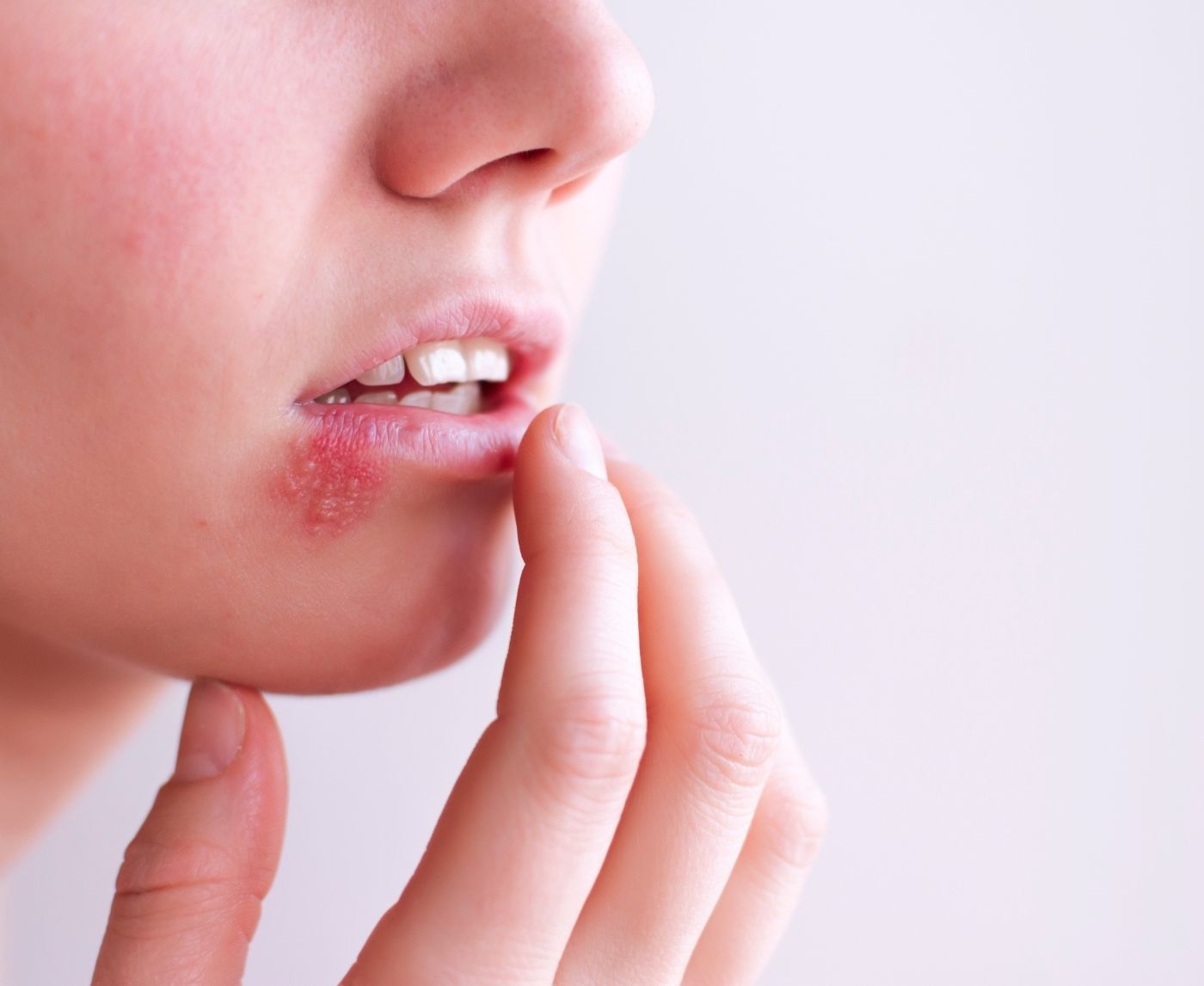

Quick Answer: A single bump on genitals is most often an ingrown hair or irritation, but early herpes or a genital wart can sometimes begin as one lesion. Pain, texture, timing after exposure, and how the bump evolves over days are the biggest clues.
This Is Where the Anxiety Kicks In
When people search “single bump on genitals,” they’re not casually browsing. They’re worried. Usually there’s context. A new partner. Condom breakage. A shaving session that went a little too aggressively. Or maybe nothing dramatic at all, just a body doing what bodies do.
I once spoke with someone who found a bump two days after a first date turned physical. He described sitting on the edge of his bed staring at it like it might confess something. “It wasn’t even painful,” he said. “That made it worse. I thought herpes had to hurt.”
That assumption right there is why we need clarity. Because herpes can hurt. Or it can tingle. Or it can barely register. And an ingrown hair can feel tender, or not. A genital wart might be flesh-colored and completely painless. Context matters, but so does pattern.
Ingrown Hair vs Herpes vs Genital Wart: Side-by-Side
Instead of guessing, let’s compare these three directly. When you strip away internet horror stories, there are physical differences that show up again and again in clinical practice.
| Feature | Ingrown Hair | Herpes (HSV-1 or HSV-2) | Genital Wart (HPV) |
|---|---|---|---|
| Typical appearance | Red bump, may have visible hair trapped inside | Small blister or ulcer; may start as fluid-filled | Flesh-colored or slightly darker raised bump |
| Pain level | Mild tenderness when touched | Often painful, burning, or tingling | Usually painless |
| Surface texture | Smooth, inflamed | Blister that may break open | Rough or cauliflower-like surface |
| Number of bumps | Usually single | Often multiple, but can begin as one | Can be single or multiple |
| Timing after exposure | Often after shaving or friction | 2–12 days after exposure is common | Weeks to months after exposure |
Notice what stands out. Herpes tends to evolve. It may begin as one sore, but within a day or two, others can appear. It often comes with sensation, tingling, itching, burning, before you even see the lesion. That prodrome phase is classic.
An ingrown hair, on the other hand, usually shows up exactly where hair grows. It may look like a pimple. If you look closely in good light, sometimes you can even see the hair looped under the skin. It does not blister. It does not ulcerate. It does not spread.
A genital wart caused by HPV behaves differently. It grows slowly. It does not suddenly erupt overnight after a single encounter. Many people don’t notice them for weeks. And they don’t hurt.
People are also reading: Think It’s Just a Cold? It Could Be an STD
Does Herpes Start as One Bump?
This is the question that keeps people up at night. Yes, herpes can begin as a single bump. But that’s not the full story.
Herpes lesions typically begin as small fluid-filled blisters. Within a short period, they break open and form shallow ulcers. The process is uncomfortable. Some people describe it as a raw, burning sensation that makes even walking irritating.
Picture this: someone feels tingling on the left side of their labia for a full day. They think it’s friction from tight jeans. The next morning, one blister appears. By that evening, there are three clustered together. That pattern, progression, clustering, ulceration, is more telling than the first bump alone.
Another key detail is systemic symptoms. During a first outbreak, some people experience fever, swollen lymph nodes, or body aches. An ingrown hair does not give you flu-like symptoms.
Painful vs Painless: What That Actually Means
There’s a dangerous myth floating around online that says: if it doesn’t hurt, it’s not herpes. That’s not accurate. While pain is common with a first herpes outbreak, recurrences can be mild. Some are barely noticeable.
Still, pain is a helpful clue. An ingrown hair hurts when you press on it because it’s inflamed. A herpes sore hurts even without pressure. A wart usually doesn’t hurt at all.
To make this clearer, here’s how clinicians think through sensation patterns.
| Sensation | More Common With | Why |
|---|---|---|
| Sharp pain or burning | Herpes | Viral damage to nerve endings causes irritation |
| Mild tenderness when pressed | Ingrown hair | Localized inflammation around trapped follicle |
| No pain, slow growth | Genital wart | HPV affects skin cells without acute inflammation |
| Tingling before visible bump | Herpes | Prodrome stage before lesion appears |
If you’re reading this while gently poking the bump and analyzing every sensation, take a breath. Sensation helps, but it’s not a standalone diagnosis.
The Timing After Sex Matters More Than You Think
One of the biggest clues is when the bump appeared relative to sexual contact. If you shaved yesterday and the bump showed up exactly where the razor passed, that timing leans toward irritation or an ingrown hair.
If you had unprotected sex three to seven days ago and now you feel tingling plus a new sore, that timeline fits the incubation window of herpes. According to guidance from the Centers for Disease Control and Prevention, symptoms commonly appear within 2 to 12 days after exposure.
Genital warts are slower. They often appear weeks to months after contact because HPV takes time to change skin cells. That means a bump appearing 48 hours after sex is unlikely to be a wart from that encounter.
This is where panic misleads people. They assume the most recent partner caused the bump, when biologically that may not make sense.
What It Looks Like Over 72 Hours
Here’s something most people don’t realize: evolution tells you more than the first glance.
An ingrown hair usually stays the same or gradually shrinks over several days. It may form a small whitehead and drain. It doesn’t suddenly multiply.
A herpes lesion typically changes quickly. It may blister, rupture, crust, and heal within 7 to 14 days. The transformation is noticeable.
A wart tends to remain stable or slowly enlarge. It does not ulcerate. It does not scab in the same way.
If you’re unsure, watching carefully for 48 to 72 hours can give you valuable clues. Not obsessively. Just observantly.
When to Test a Single Genital Bump
This is the moment where anxiety needs structure. Testing immediately after noticing a bump is not always helpful. For herpes, swab testing works best when the lesion is fresh and open. Blood antibody testing is more accurate several weeks after exposure, once the body has had time to produce detectable antibodies.
If you suspect herpes and the sore is active, getting it swabbed quickly provides the clearest answer. If the bump is gone and you’re just worried, an antibody test at least 12 weeks after exposure gives more reliable results.
If it looks like a wart, HPV testing is not typically done from a single visible bump in people with penises. Diagnosis is often visual. In people with cervixes, HPV testing is part of cervical screening, not bump analysis.
If it looks like an ingrown hair and resolves within a week, testing may not be necessary at all. But if you’re anxious, clarity has value. Peace of mind matters.
If you don’t want to wait weeks wondering, you can explore discreet options through STD Rapid Test Kits, including home-based testing for herpes and other common infections. Knowing is almost always better than guessing.
Let’s Zoom In: What an Ingrown Hair Really Looks Like
There’s a reason ingrown hairs cause so much confusion. They show up exactly where anxiety lives. The groin. The base of the penis. The labia. The bikini line. Anywhere friction, shaving, waxing, or tight clothing creates irritation.
An ingrown hair forms when a shaved or broken hair curls back into the skin instead of growing outward. The body treats it like a tiny foreign invader. Redness develops. Sometimes swelling. Occasionally a small white center appears, similar to a pimple.
Picture someone who shaved quickly before a weekend trip. Two days later, they feel a small bump exactly along the razor path. It’s tender if pressed. It doesn’t tingle. It doesn’t burn when untouched. It doesn’t multiply. That pattern is textbook ingrown hair.
Another detail people miss is location. If the bump sits squarely in a hair-bearing area and nowhere else, that leans toward follicle irritation. Herpes can appear in hairless areas as well, including inner labia or the shaft of the penis where hair growth is sparse.
Ingrown hairs also tend to improve within a week. Warm compresses, avoiding shaving, and letting the skin breathe usually resolve it. They do not form clusters days later. They do not cause fever. They do not produce multiple stages of blistering.
Check Your STD Status in Minutes
Test at Home with Remedium7-in-1 STD Test Kit
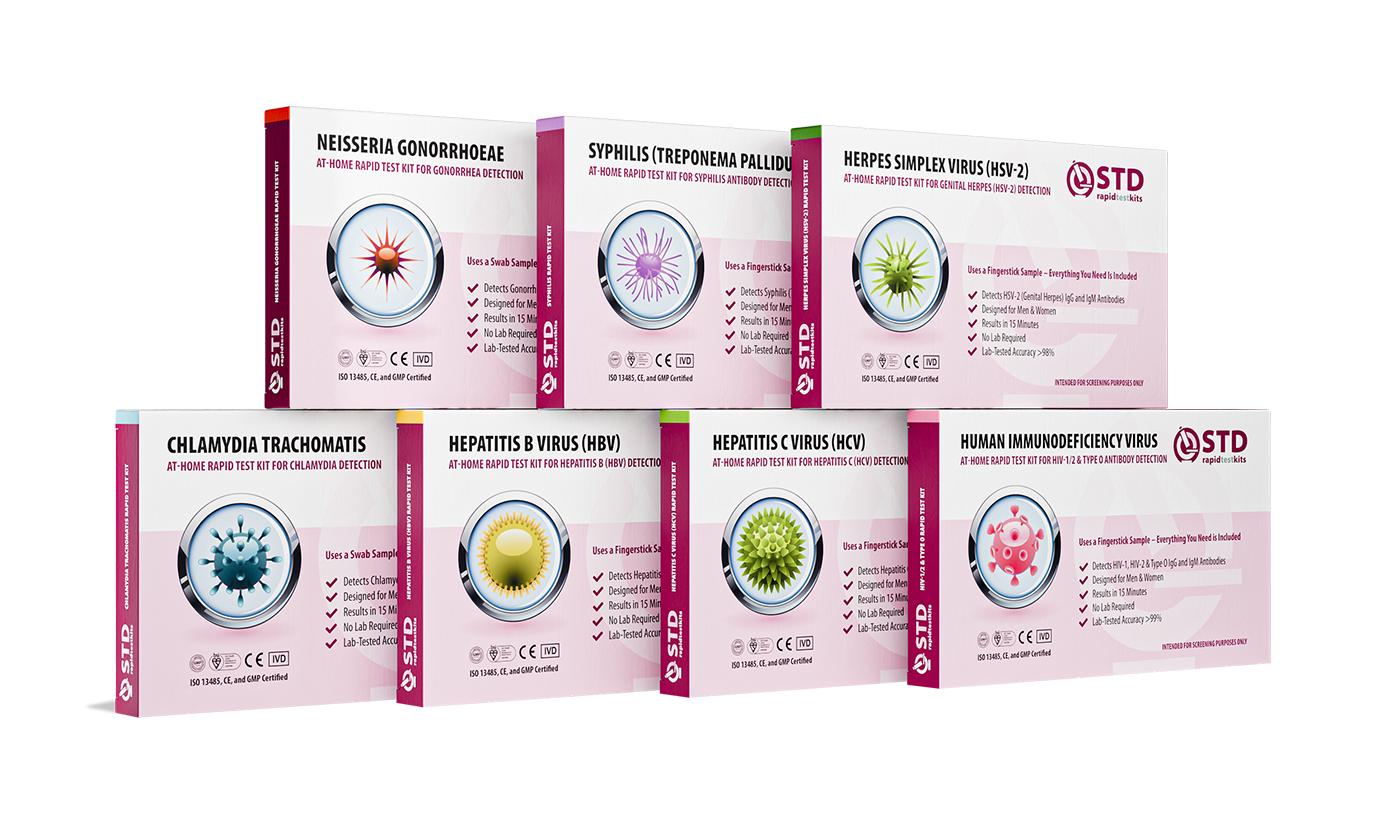
 For Men & Women
 Results in Minutes
 No Lab Needed
 Private & Discreet
Order Now $129.00 $343.00
For all 7 tests
Now Let’s Talk About Herpes Without Fear
Herpes carries an outsized emotional weight. It is common, manageable, and medically straightforward, yet culturally treated like a moral indictment. That stigma is often louder than the virus itself.
The reality is this: herpes simplex virus type 1 and type 2 are extremely common worldwide. Many people carry the virus without knowing it. Many never develop noticeable outbreaks. Transmission can happen through skin-to-skin contact, even when sores aren’t visible.
When symptoms do appear, the first outbreak is typically the most intense. Small blisters cluster together. They may rupture and become shallow ulcers. The area can feel raw or tender even without touching it. Some people describe it as a scraped-knee sensation in a deeply inconvenient place.
Imagine someone who notices one tiny blister. By evening, there are three in a small group. The next day, walking feels irritating. That rapid evolution is characteristic. Herpes changes quickly.
Recurrences are often milder. A single small lesion can happen. It may heal faster. That’s why testing history matters. If someone has known herpes and sees one small bump in a familiar location, the context shifts entirely.
Genital Warts: Slow, Subtle, and Often Painless
Genital warts are caused by certain strains of human papillomavirus (HPV). Unlike herpes, they do not blister and ulcerate. Unlike ingrown hairs, they are not inflamed follicles.
They often appear as small, flesh-colored or slightly darker bumps. The surface can be smooth or textured. Some resemble tiny cauliflower florets when magnified. Most are painless.
The timeline is different too. HPV can take weeks or even months after exposure before visible warts develop. That means a bump that appears days after a new partner is less likely to be a wart from that encounter.
Consider someone who notices a small, flesh-colored bump that doesn’t hurt and hasn’t changed in two weeks. No redness. No fluid. No scabbing. Just present. That pattern leans more toward a wart than herpes.
How the Bump Feels When You Leave It Alone
This sounds simple, but it’s powerful: stop touching it for 24 hours.
An ingrown hair typically feels normal unless pressed. A herpes lesion may throb or sting even without pressure. A wart usually feels like nothing at all unless irritated by friction.
One patient once described sitting at work hyperaware of a burning sensation that didn’t stop. That ongoing discomfort, even without contact, pointed toward viral inflammation rather than a trapped hair.
Sometimes the absence of sensation is information.
What If It’s Just One and It Never Changes?
If a single bump remains stable for over a week, does not blister, does not crust, does not multiply, and does not cause systemic symptoms, herpes becomes less likely.
Herpes lesions usually follow a predictable arc: blister, ulcer, crust, heal. If you never see that transformation, pause before assuming worst-case scenarios.
That said, stability doesn’t automatically confirm an ingrown hair. Some warts remain unchanged for long stretches. Skin tags can also appear in the genital area and look similar to warts but are not sexually transmitted at all.
When in doubt, clinical evaluation or targeted testing can replace speculation.
Testing Options and What They Actually Detect
Testing isn’t one-size-fits-all. The type of test depends on what you’re looking for and when exposure happened.
| Concern | Best Test Type | When to Test | What It Tells You |
|---|---|---|---|
| Active herpes lesion | Viral swab (PCR) | As soon as sore appears | Confirms presence of HSV DNA |
| Past herpes exposure | Blood antibody test | 12 weeks after exposure | Detects immune response to HSV |
| Suspected genital wart | Clinical visual exam | When bump persists | Determines if lesion matches HPV pattern |
| General STD concern after sex | Comprehensive panel test | Varies by infection window | Checks for multiple infections at once |
A full approach can help if your anxiety goes beyond the bump itself. Many people choose a Combo STD Home Test Kit when they want clarity across several infections at once. It shifts the question from “What is this bump?” to “Am I overall okay?”
Testing is not an admission of wrongdoing. It is data collection. It is adulting. It is care.
People are also reading: Oral, Vaginal, or Anal: Which Sex Act Has the Highest STD Risk?
The Emotional Spiral (And How to Interrupt It)
The hardest part about a single bump isn’t the bump. It’s the story we attach to it.
I’ve watched people rehearse conversations in their heads before they even know what they have. They imagine confessing something. They picture partners blaming them. They assume permanence before evidence.
Pause that narrative. Most single genital bumps are not herpes. Many are not sexually transmitted at all. And even if it were herpes or HPV, both are manageable conditions with clear next steps.
There is a difference between vigilance and catastrophizing. One gathers information. The other jumps to conclusions.
What Doctors Look For That You Might Miss
When someone walks into a clinic and says, “I found one bump,” the evaluation doesn’t start with judgment. It starts with pattern recognition.
Clinicians look at borders. They look at color variation. They assess whether the lesion has fluid inside. They ask about timing, recent friction, shaving habits, and systemic symptoms. They gently palpate nearby lymph nodes. They’re building a story from clues.
One of the biggest differences between an ingrown hair and herpes is evolution speed. Viral lesions change quickly. Ingrown hairs change slowly. Warts barely change at all.
Texture matters too. A wart often has a slightly rough or uneven surface. An ingrown hair looks inflamed and centered around a follicle. A herpes blister is more delicate and fluid-based, often collapsing into a shallow sore.
Another subtle clue is surrounding skin. Herpes lesions sometimes have a red halo or appear alongside mild swelling. Ingrown hairs are usually isolated and localized.
The 72-Hour Observation Rule
If the bump is not dramatically painful and you’re unsure, observing for 48 to 72 hours can provide clarity. Not obsessively photographing it every hour. Just noting what changes and what doesn’t.
Imagine someone who notices a bump Monday night. By Wednesday morning, it looks the same. No fluid. No spreading. No crusting. That stability makes herpes less likely.
Now imagine the opposite. Monday night it’s a tiny blister. Tuesday it’s tender and slightly open. Wednesday it’s crusting. That arc is more consistent with herpes.
Warts rarely change that dramatically over three days. They’re slow-growing skin overgrowths, not inflammatory reactions.
When the Bump Appears After Sex
Let’s address the elephant in the room. Many single bumps get discovered after sexual contact. That timing amplifies fear.
Here’s what matters: incubation periods. Herpes typically shows symptoms within 2 to 12 days of exposure. If a bump appears the next morning, that’s probably not herpes from that encounter. The biology simply doesn’t work that fast.
Genital warts often take weeks to months to appear. If you notice something 48 hours after a new partner, HPV from that event is unlikely to be the cause.
An ingrown hair, however, can appear within 24 to 48 hours of shaving or friction. If you shaved before your date, the bump you’re blaming on your partner may actually be razor-related.
One patient once said, “I blamed him for three days before I remembered I shaved.” Bodies are complicated. Timelines protect you from misdirected blame.
What If It’s Herpes?
If the test shows that you have herpes, the conversation changes from fear to how to deal with it. Antiviral drugs make outbreaks less severe and less common. Many people have infrequent recurrences. Some have none after the first episode.
Disclosure conversations feel heavy at first, but they get easier. There are structured ways to discuss it with partners that center transparency without shame. Herpes does not define desirability or worth.
It also does not prevent healthy, satisfying relationships. Millions of people navigate it successfully every day.
The first 48 hours after diagnosis are emotional. After that, it becomes practical. Medication plans. Communication. Prevention strategies. Life continues.
What If It’s a Wart?
Genital warts are caused by low-risk HPV strains. They are not cancer-causing types. Treatment can remove visible warts through topical medications or minor in-office procedures.
Some warts resolve on their own. Others persist. HPV vaccination reduces risk of many strains, including those most commonly linked to warts.
Having a wart does not mean recent infidelity or recent infection. HPV can remain dormant for months or even years before visible changes occur. That delayed appearance often causes unnecessary relationship turmoil.
Again, information stabilizes emotion.
What If It’s Just an Ingrown Hair?
Then you’ve just spent 36 hours spiraling over something your body handles routinely.
Warm compresses. Avoid picking. Pause shaving until the area heals. Let skin recover. Most ingrown hairs resolve without medical intervention.
And maybe next time you shave, use a clean razor and shave in the direction of hair growth. Bodies appreciate gentleness.
Check Your STD Status in Minutes
Test at Home with Remedium6-in-1 STD Test Kit
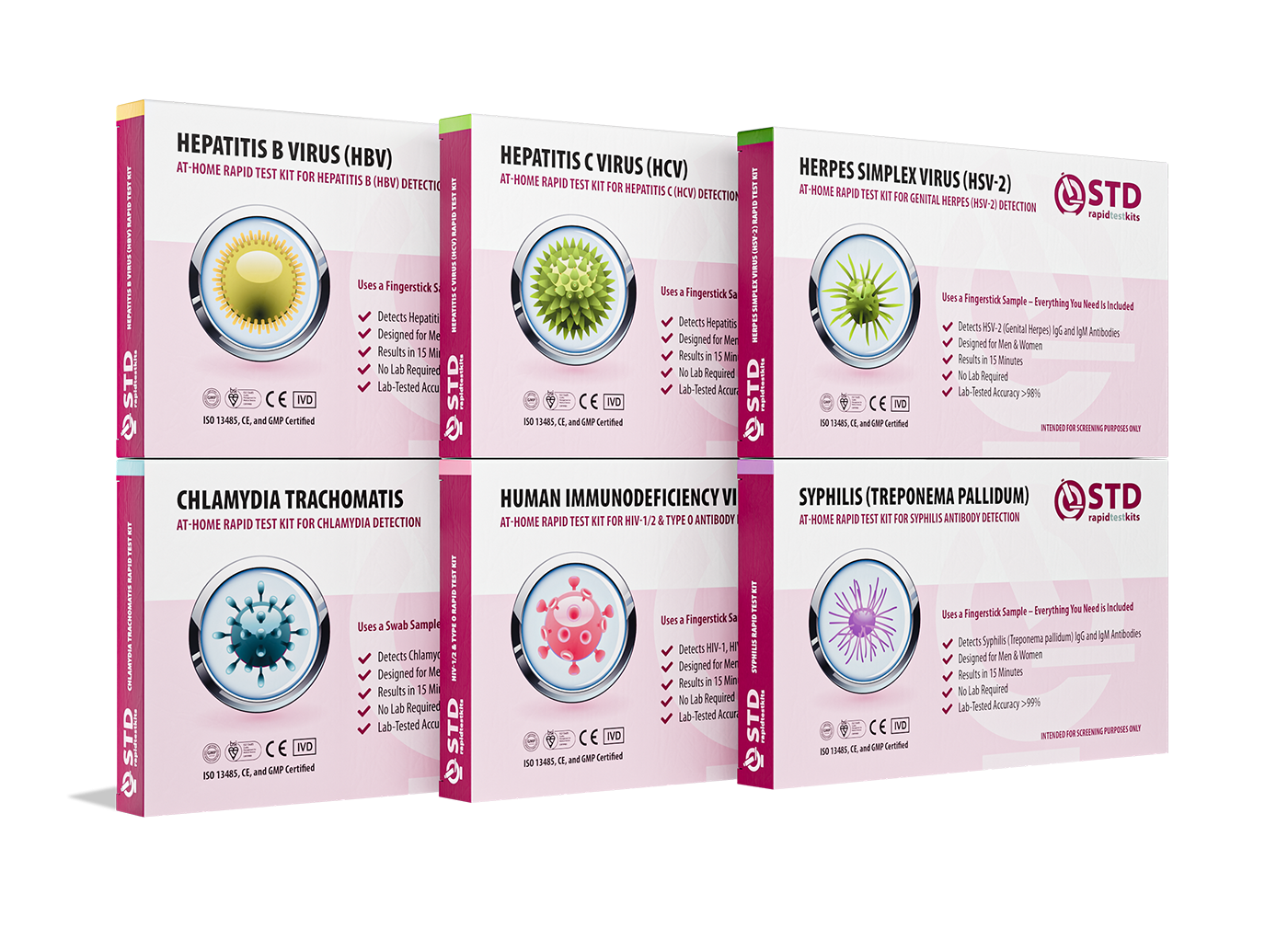 For Men & WomenResults in MinutesNo Lab NeededPrivate & Discreet
Order Now $119.00 $294.00
For all 6 tests
When You Should Seek Immediate Care
Most single bumps are not emergencies. But certain symptoms require prompt medical evaluation.
If you develop severe pain, high fever, spreading redness, difficulty urinating, or multiple rapidly expanding lesions, seek care immediately. These are not typical ingrown hair patterns.
If the lesion looks ulcerated and you feel systemically unwell, early antiviral treatment for suspected herpes can reduce symptom severity.
Trust your instincts. Anxiety is loud, but true physical warning signs feel different. They escalate.
The Decision: Watch, Test, or See a Clinician?
Here’s a grounded way to think about it.
If the bump appeared after shaving, is mildly tender only when pressed, and shows no change over 48 hours, watching it briefly is reasonable.
If the bump is painful without touching it, evolving quickly, or accompanied by tingling or flu-like symptoms, testing or clinical evaluation is wise.
If the bump is painless, flesh-colored, and unchanged over a week or more, a clinician can evaluate for a wart.
If you simply want certainty, that is enough reason to test. Certainty has value beyond symptom severity.
Options like a discreet at-home herpes rapid test kit allow you to gather information privately. You don’t need to sit in a waiting room replaying your choices in your head.
You Are Not the First Person to Google This
Millions of searches happen every year for “ingrown hair vs herpes” and “genital wart vs pimple.” That alone should tell you something important.
You are not reckless. You are not dirty. You are human with skin that sometimes bumps.
The difference between panic and empowerment is knowledge. A single bump does not automatically mean an STD. But ignoring persistent symptoms doesn’t serve you either.
The goal isn’t fearlessness. The goal is informed calm.
FAQs
1. Okay, but seriously , can herpes start as just one tiny bump?
It can. And that’s what makes people spiral. Sometimes the first visible sign of herpes is one small blister. But here’s the part Google forgets to emphasize: it rarely stays that way. Within a day or two, more lesions often appear nearby, or the original one changes , it blisters, opens, crusts. If you’ve had the same unchanged bump for five days straight, that pattern leans away from herpes.
2. If it doesn’t hurt at all, can I relax?
Pain is a clue, not a verdict. First-time herpes outbreaks are often painful. Recurrent ones can be mild. Warts are usually painless. Ingrown hairs only hurt when you press on them. So if you’re sitting at your desk and you literally forget it’s there until you check again in the mirror, that’s useful information. Sensation , or lack of it , matters.
3. What if I found it right after sex? That can’t be a coincidence… right?
Timing feels dramatic, but biology is slower than panic. Herpes symptoms usually show up between 2 and 12 days after exposure. Genital warts can take weeks or months. If you noticed a bump the morning after sex, it’s far more likely to be irritation, friction, or shaving-related than a brand-new STD from the night before. Bodies don’t move at emotional speed.
4. How do I know it’s not just a pimple?
Pimples and ingrown hairs tend to look inflamed, sometimes with a visible hair or white center. They behave like regular acne. They don’t blister, ulcerate, or multiply overnight. If you’ve ever had a razor bump on your leg and it looks suspiciously similar, that comparison is worth noticing.
5. Should I pop it to find out?
Absolutely not. I know the temptation. I know the “maybe if I just check…” instinct. But squeezing can make inflammation worse, introduce bacteria, and blur the clinical picture. Leave it alone. Observation tells you more than force ever will.
6. How long should I wait before testing?
If there’s an active sore that looks suspicious for herpes, a swab test works best while it’s fresh. If you’re testing blood for antibodies, waiting about 12 weeks after a possible exposure gives the most reliable results. Testing too early can create false reassurance , and that’s often what keeps anxiety alive.
7. Can stress cause this?
Stress doesn’t create random bumps out of nowhere. But if you already carry herpes, stress can sometimes trigger a recurrence. It can also make you hyper-focused on every tiny skin change. Sometimes the bump isn’t new. The attention is.
8. What if it’s a wart? Does that mean someone cheated?
No. And this is where relationships get unfairly damaged. HPV can stay dormant for months or even years before showing visible warts. A new wart does not automatically equal a recent betrayal. It means a virus that’s incredibly common decided to show itself.
9. If it goes away in a few days, can I just forget about it?
If it fully resolves, doesn’t recur, and never evolved into a blister or ulcer, it was likely irritation or an ingrown hair. But if you’re still mentally replaying it weeks later, testing can give you closure. Peace of mind is legitimate healthcare.
10. Why does one small bump feel so catastrophic?
Because genital skin carries social weight. We attach morality, fear, identity, and relationship stability to that area of the body. A bump isn’t just a bump , it’s a story in your head. The goal is to replace the story with facts. Facts are calmer.
Before You Let Your Mind Run Wild
A single bump on genitals is not a verdict. It is a data point. Sometimes that data point means nothing more than irritated skin. Sometimes it signals something viral but manageable. The only thing it never means is that you are broken or reckless.
If the bump changes rapidly, causes significant discomfort, or simply refuses to leave your thoughts alone, clarity is within reach. You can explore discreet testing options through STD Rapid Test Kits or choose a comprehensive Combo STD Home Test Kit if you want reassurance beyond the bump itself. Your results, your privacy, your power.
How We Sourced This Article: We looked at the most recent clinical guidelines from the Centers for Disease Control and Prevention, the Mayo Clinic, the National Health Service (UK), and peer-reviewed dermatology and infectious disease journals to get a better idea of symptom patterns, incubation times, and testing suggestions. We also included lived-experience reporting to show how people really feel when they find a bump on their genitals.
Sources
1. Genital Herpes – CDC Fact Sheet
2. Human Papillomavirus (HPV) – CDC
3. Genital Herpes Symptoms and Causes – Mayo Clinic
5. Herpes Simplex Virus – WHO Fact Sheet
6. Genital Warts – StatPearls – NCBI Bookshelf
About the Author
Dr. F. David, MD is a board-certified infectious disease specialist focused on STI prevention, diagnosis, and treatment. He blends clinical precision with a no-nonsense, sex-positive approach and is committed to expanding access for readers in both urban and off-grid settings.
Reviewed by: L. Martinez, NP-C | Last medically reviewed: February 2026
This article is for informational purposes and does not replace medical advice.


