







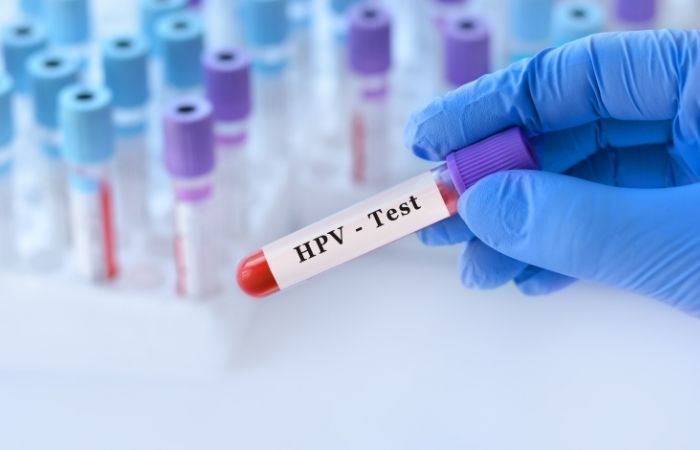
Quick Answer: Yes, HPV testing at home exists primarily for women through self-collected vaginal samples mailed to a lab. There is currently no approved at-home HPV screening test for men, and HPV is not included in most routine STD panels.
This Is the Part No One Explains About HPV
HPV, or human papillomavirus, isn’t one virus. It’s a family of more than 150 related viruses. Some types cause genital warts. Others are called “high-risk” types because they can lead to cervical, anal, throat, or penile cancers over time. Most sexually active adults will be exposed at some point. Most will never know it happened.
That’s the first thing people don’t tell you. HPV is incredibly common. It spreads through skin-to-skin sexual contact, not just penetrative sex. Condoms reduce risk but don’t eliminate it entirely. And in most cases, the body clears the infection on its own within one to two years.
The second thing people don’t tell you is that HPV usually doesn’t cause symptoms. No itching. No discharge. No burning. Silence is the default. That’s why screening matters, and why so many people end up searching for testing options after a late-night spiral.
What Does “HPV Testing” Actually Mean?
Before we talk about home testing, we need to clarify something critical. HPV testing is not the same as a Pap smear, and it’s not the same as a general STD panel. They’re related, but they’re not interchangeable.
An HPV test looks specifically for high-risk strains of the virus in cervical cells. It doesn’t test for genital warts strains. It doesn’t test blood. It doesn’t tell you how long you’ve had it. It simply detects whether high-risk viral DNA is present in a cervical sample.
A Pap smear, on the other hand, looks for abnormal cervical cells. Sometimes both are done together in what’s called co-testing. That’s why people often confuse them.
| Test Type | What It Detects | Sample Type | Purpose |
|---|---|---|---|
| HPV Test | High-risk HPV DNA | Cervical cells | Identifies cancer-causing strains |
| Pap Smear | Abnormal cervical cells | Cervical cells | Detects early cell changes |
| Co-Testing | HPV DNA + cell changes | Cervical cells | Comprehensive cervical screening |
That distinction matters because most at-home HPV tests are designed for cervical screening only. If you don’t have a cervix, the testing landscape looks very different.
People are also reading: Can You Have a Healthy Sex Life With Herpes or HIV? Yes, Here’s How
So, What At-Home HPV Tests Actually Exist?
Here’s where things get real. At-home HPV testing does exist, but it is primarily available for people with a cervix. These tests involve self-collecting a vaginal sample using a swab and mailing it to a laboratory. The lab then performs molecular testing, typically a form of PCR, to detect high-risk HPV strains.
Picture this: you’re in your own bathroom, door locked, music on. No paper gown. No cold exam table. You follow instructions, collect the sample, seal it, and send it off. For many people, especially those who avoid clinics due to trauma, anxiety, or lack of access, that privacy is powerful.
Several health systems and telehealth platforms now support self-collected HPV testing for cervical cancer screening. Research has shown that self-collected samples can be nearly as accurate as clinician-collected ones when processed with validated molecular tests. That’s not hype. That’s data-backed progress.
But here’s the boundary: these are lab-based tests. They are not rapid, instant-result strips you read in 15 minutes. They require mailing and processing.
What About HPV Testing for Men?
This is the question that stings a little: can men test for HPV at home?
Short answer: no, not in any standardized, FDA-cleared way for screening.
There is currently no approved routine HPV screening test for men, whether at home or in clinics. Testing may be done in certain clinical situations, such as anal Pap testing for high-risk populations, but it is not recommended as a general screening tool for the average heterosexual male population.
Imagine a guy named Marco, 28, texting a new partner who says she tested positive for HPV. He panics. He wants to “get tested immediately.” He Googles. He finds nothing concrete. That confusion is common and valid.
The reason isn’t neglect. It’s biology and evidence. HPV in men often clears on its own, and there’s no equivalent screening method shown to reduce cancer risk in the same systematic way cervical screening does for women. So instead of testing, prevention focuses on vaccination and symptom awareness.
Does HPV Show Up on a Regular STD Test?
Most standard STD panels do not include HPV testing. When you order a multi-STD kit from STD Rapid Test Kits, you’ll see tests for infections like Chlamydia, Gonorrhea, HIV, and Syphilis. HPV is usually not part of that bundle.
This surprises people. They assume “full panel” means everything. But HPV screening is handled differently because of how common it is and because testing strategies are tied to cancer prevention guidelines rather than acute infection detection.
If you’re looking for discreet screening for other infections while sorting out HPV concerns, combination home kits can still give clarity where it counts. And clarity reduces panic.
How Accurate Are At-Home HPV Tests?
Accuracy depends on the type of test and timing. Self-collected HPV samples processed in certified labs have shown high sensitivity for detecting high-risk strains, often comparable to clinician-collected samples when validated methods are used.
What matters most is that the test analyzes DNA using molecular amplification techniques. These aren’t guessing. They’re detecting genetic material.
Still, no test is perfect. False negatives can occur if viral load is very low. False positives can happen if transient infections are detected that would have cleared naturally. That's why guidelines often say to check people again at regular intervals instead of treating them right away.
| Factor | Impact on Accuracy | What You Can Do |
|---|---|---|
| Collection Technique | Improper swabbing may reduce detection | Follow instructions carefully |
| Timing | Recent exposure may not yet be detectable | Discuss appropriate screening interval |
| Test Type | Molecular lab tests are highly sensitive | Use validated lab-based kits |
| Natural Clearance | Transient infections may resolve without issue | Follow follow-up screening guidance |
Think of HPV testing as part of a long-term screening strategy, not a one-time emergency check. That mental shift changes everything.
Check Your STD Status in Minutes
Test at Home with Remedium7-in-1 STD Test Kit

 For Men & Women
 Results in Minutes
 No Lab Needed
 Private & Discreet
Order Now $129.00 $343.00
For all 7 tests
When Should You Test for HPV After Sex?
This is where anxiety usually spikes. You had sex. Maybe the condom broke. Maybe you didn’t use one. Maybe someone mentioned they once had HPV. Now you want to test immediately, just to make the feeling stop.
But HPV doesn’t work like Chlamydia or Gonorrhea, where testing shortly after exposure can detect infection within days or weeks. HPV screening isn’t designed to confirm a single recent encounter. It’s designed to monitor long-term cancer risk.
HPV can take weeks to months to establish a detectable infection in cervical cells. And because most infections clear on their own, guidelines focus on age-based screening intervals rather than exposure-based testing.
Imagine Alisha, 24, who slept with someone new and found out later he had a history of HPV. She wanted a test the next day. But screening recommendations for someone her age don’t change based on one exposure. The body’s immune response, not panic, sets the timeline.
| Age Group | Recommended Screening Approach | Frequency | Purpose |
|---|---|---|---|
| Under 21 | No routine HPV screening | N/A | HPV usually clears naturally |
| 21–29 | Pap smear preferred | Every 3 years | Detect cell changes |
| 30–65 | HPV test or co-testing | Every 5 years (HPV) or 3 years (Pap) | Detect high-risk HPV strains |
| Over 65 | May stop if prior tests normal | Case dependent | Based on screening history |
Notice what’s missing from that table: “Test immediately after one sexual encounter.” That’s because HPV screening is preventive, not reactive. It’s about identifying persistent infections that could cause long-term cell changes.
But What If You’re Vaccinated?
Another late-night search: “Do I still need HPV testing if I got the vaccine?”
The HPV vaccine protects against the most common high-risk and wart-causing strains, including types responsible for the majority of cervical cancers. It is one of the most effective cancer-prevention tools we have.
But it does not protect against every strain. That’s why vaccinated individuals with a cervix are still advised to follow routine screening guidelines. Vaccination reduces risk dramatically. It doesn’t erase it completely.
Think of it like wearing a seatbelt. It lowers your chance of severe injury. It doesn’t mean you stop driving carefully.
Privacy, Discretion, and Why Home Testing Matters
Let’s talk about why this even matters. For some people, clinic visits are easy. For others, they’re barriers wrapped in anxiety. Maybe you live in a small town where everyone knows everyone. Maybe you’ve experienced medical trauma. Maybe you simply don’t have time to sit in a waiting room for two hours.
At-home HPV testing removes several of those barriers. The package arrives discreetly. You collect the sample privately. You receive results securely. That level of autonomy changes the experience from exposed to empowered.
And while HPV may not be included in most rapid multi-STD panels, you can still take control of broader sexual health. If you want screening for infections like Chlamydia, Gonorrhea, HIV, or Syphilis, discreet options are available through STD Rapid Test Kits. Getting answers for what can be tested quickly often helps quiet the mental spiral while you follow appropriate HPV screening timelines.

People are also reading: I Trusted Her. I Got Herpes. Now What?
What Happens If an At-Home HPV Test Is Positive?
This is the moment people dread. The email notification. The portal update. The word “positive.”
First, breathe. A positive high-risk HPV result does not mean you have cancer. It does not mean you will develop cancer. It means the virus was detected, and your healthcare provider may recommend follow-up screening or a colposcopy to look more closely at cervical cells.
Most high-risk HPV infections resolve without causing lasting harm. The key factor isn’t detection. It’s persistence. Persistent infection over years is what increases cancer risk, and that’s exactly what screening is designed to catch early.
Picture Renee, 34, sitting in her car after checking her results. She felt shame first. Then fear. Then she talked to her doctor and learned the plan was simple: repeat testing in one year. No immediate surgery. No catastrophe. Just monitoring.
Screening works because it turns a scary unknown into a manageable timeline.
Why Isn’t There a Simple Rapid HPV Test Like Other STDs?
This question makes sense. You can use an at-home rapid test for HIV or Syphilis and get results in minutes. So why not HPV?
The difference is in how the virus acts and what tests are trying to stop. Most rapid STD tests look for antibodies or antigens that are linked to an active infection. HPV screening targets viral DNA in cervical cells and ties directly to cancer prevention strategies. That requires highly sensitive molecular testing.
In short, HPV testing isn’t about catching something contagious in the moment. It’s about identifying persistent viral strains before they cause cellular damage. That’s a slower, more complex process.
Science moves forward constantly, and research into point-of-care HPV tests continues. But as of now, validated screening remains lab-based.
The Myths That Keep People Up at Night
Let’s clear the air, because misinformation spreads faster than HPV ever could. A lot of fear around HPV testing at home comes from half-true statements repeated without context. And when you’re anxious, half-truths feel like full disasters.
One myth is that a positive HPV test means someone cheated. It doesn’t. HPV can remain dormant for years before detection. That means someone can test positive in a long-term, faithful relationship without any recent exposure. The virus doesn’t follow relationship timelines.
Another myth is that if you don’t have symptoms, you don’t have HPV. Most infections cause no symptoms at all. Silence doesn’t equal safety, and symptoms don’t equal severity. That’s why screening guidelines are based on age and risk patterns, not on whether something feels “off.”
Then there’s the belief that HPV is rare or “dirty.” It isn’t. It’s one of the most common sexually transmitted infections worldwide. Having it says nothing about your character, hygiene, or sexual history. It says you’re human.
If Men Can’t Routinely Test, What Can They Actually Do?
This is the uncomfortable gap in the system. Men often feel left out of HPV screening conversations, and that can turn into frustration or denial. But there are proactive steps that matter.
Vaccination is one of the most powerful tools available. The HPV vaccine protects against strains responsible for most genital warts and many HPV-related cancers. It’s recommended for adolescents and young adults, and in many cases up to age 45 depending on individual circumstances.
Symptom awareness also matters. Genital warts are usually caused by low-risk strains and may appear as small, flesh-colored bumps. Throat or anal symptoms that persist should be evaluated clinically. While there isn’t a routine home screening test for men, early evaluation of concerning symptoms is still key.
Picture Jordan, 31, who found out a former partner had high-risk HPV. He felt helpless at first. Then he talked to a clinician, confirmed he’d been vaccinated, and shifted focus from testing obsession to prevention and communication. Sometimes the power move isn’t a test. It’s informed action.
How to Build a Rational, Not Reactive, HPV Plan
When people search for “HPV test for men at home” or “self collected HPV test,” what they’re really looking for is control. The internet promises quick answers. Health reality asks for strategy instead.
A rational HPV plan looks like this: follow age-based screening if you have a cervix. Get vaccinated if eligible. Use condoms to reduce transmission risk. Address symptoms early. Communicate with partners honestly. And avoid spiraling after every new sexual encounter.
That doesn’t mean ignoring concern. It means responding proportionally. There’s a difference between vigilance and panic.
And while HPV testing is specialized, broader sexual health testing can still provide reassurance where appropriate. If you’ve had a recent exposure and want to rule out infections like Chlamydia, Gonorrhea, HIV, or Syphilis, discreet at-home options through STD Rapid Test Kits allow you to take immediate action for what can be tested promptly. Sometimes clearing one layer of uncertainty helps you think more clearly about the rest.
Check Your STD Status in Minutes
Test at Home with Remedium8-in-1 STD Test Kit
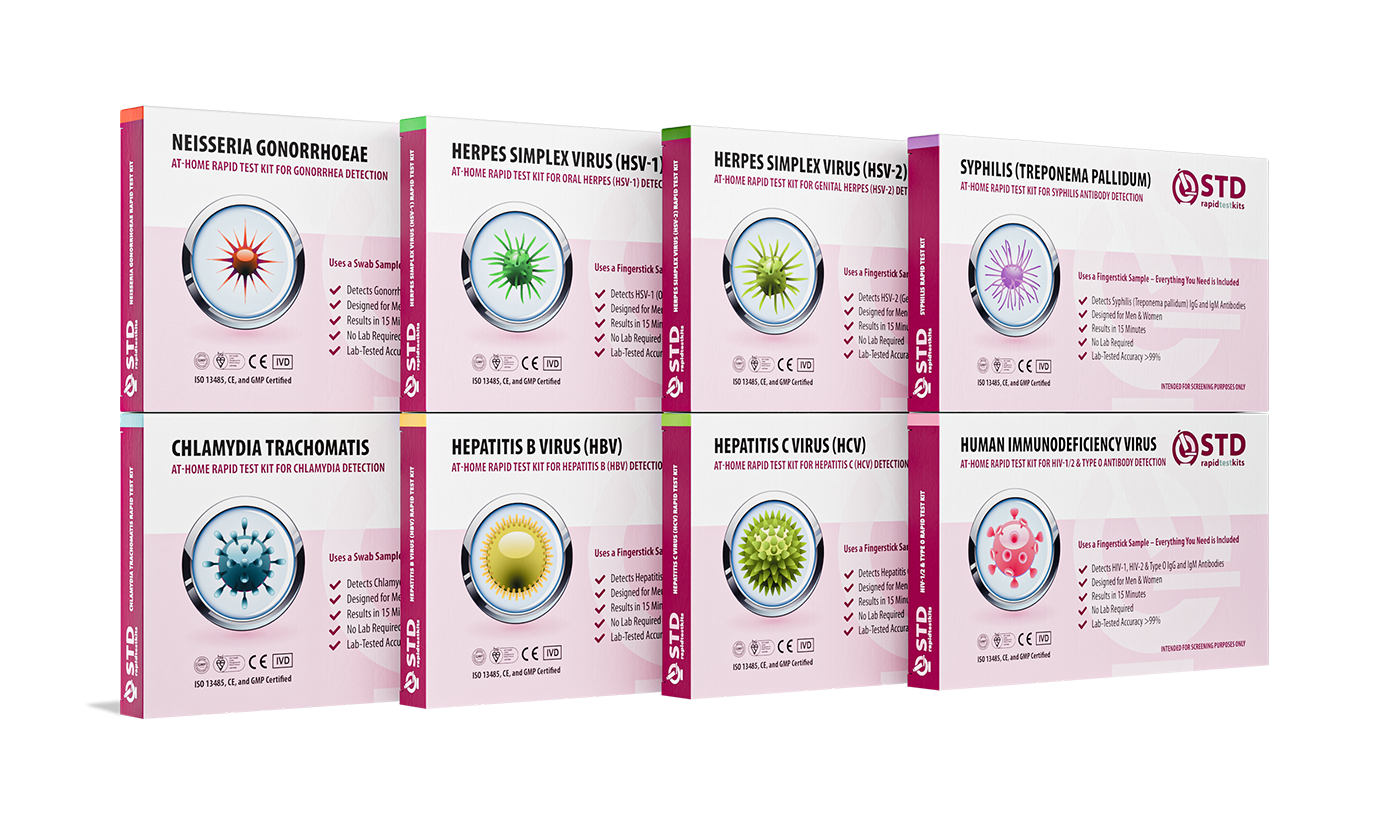 For Men & WomenResults in MinutesNo Lab NeededPrivate & Discreet
Order Now $149.00 $392.00
For all 8 tests
The Emotional Side No One Talks About
HPV conversations often trigger shame that feels bigger than the virus itself. Cancer is a loaded word. Sex is a loaded topic. Combine them, and people shut down.
I once spoke with someone who said, “When I saw positive, I felt contaminated.” That reaction is common. And it’s rooted in stigma, not science. HPV is part of the normal sexual ecosystem. Screening exists because medicine expects exposure, not because it assumes recklessness.
Testing, whether at home or in a clinic, is not a confession. It’s maintenance. The same way you’d monitor blood pressure or cholesterol, you monitor cervical health. There is no moral dimension attached to viral DNA.
Where Science Is Headed Next
Researchers are still looking into ways to make HPV testing easier, such as quick point-of-care tests and more screening for people who are at high risk. Improvements in molecular technology may one day make it possible to have faster, more decentralized options.
Public health experts are also studying ways to expand self-sampling programs globally, particularly in underserved communities. Early data suggests that self-collection increases screening participation among people who would otherwise skip testing entirely.
The goal isn’t just convenience. It’s prevention. When more people screen consistently, cancer rates drop. That’s the long arc of this story.
FAQs
1. Okay, real talk, if I have no symptoms, why would I even test for HPV?
Because HPV is quiet. Most high-risk strains don’t cause itching, discharge, or pain. They just exist silently in cervical cells. Screening isn’t about chasing symptoms. It’s about catching changes early, long before they turn into something bigger. Think of it like checking smoke detectors, not because your house is on fire, but because you want to know if it ever starts.
2. If I test positive, does that mean someone cheated?
No. And this one causes so much unnecessary heartbreak. HPV can stay dormant for years before showing up on a test. You could have been exposed long before your current relationship. A positive result tells you the virus is present now. It does not timestamp when it arrived. Viruses don’t care about relationship anniversaries.
3. Why can’t men just swab and test at home too?
I get it. It feels unfair. The reason isn’t bias, it’s biology and evidence. HPV testing is tied to preventing cervical cancer, and we have strong data showing screening reduces risk there. For men, we don’t yet have a standardized screening test shown to reduce cancer outcomes in the same systematic way. So prevention focuses on vaccination and paying attention to persistent symptoms. It’s not perfect. It’s just where science currently stands.
4. Is an at-home HPV test actually reliable, or is this some internet gimmick?
A valid question. The key is this: legitimate at-home HPV tests are not “dipsticks.” They involve collecting a vaginal sample and sending it to a certified lab for molecular testing. When processed correctly, studies show self-collected samples can perform very similarly to clinician-collected ones. The accuracy comes from the lab technology, not from where you were sitting when you collected it.
5. So if I got vaccinated, am I basically invincible?
I love the optimism. The vaccine is incredibly effective and protects against the strains responsible for most cervical cancers and genital warts. But it doesn’t cover every single HPV type. That’s why screening recommendations still apply. Vaccination lowers the odds dramatically. It doesn’t eliminate the need for maintenance.
6. How long does HPV actually last?
In many people, the immune system clears the virus within one to two years. You may never even know you had it. The concern isn’t brief infection. It’s persistent infection that sticks around for years. That’s what screening is designed to catch. Persistence, not presence, is what shifts risk.
7. Can I just test right after a new partner for peace of mind?
HPV doesn’t work like Chlamydia or Gonorrhea, where early testing can detect infection within days. HPV screening is structured around age and risk patterns, not one specific encounter. Testing immediately after sex won’t necessarily give meaningful information. If you’re anxious after a recent exposure, it may help to rule out infections that can be detected quickly through discreet options at STD Rapid Test Kits, while keeping HPV screening on its recommended schedule.
8. If I see the word “positive,” should I panic?
No. Pause. Breathe. A positive high-risk HPV result does not mean cancer. It means follow-up. Usually that means repeat testing in a year or a closer look at cervical cells. Screening works because it creates a plan. Panic doesn’t. A plan does.
9. Does HPV mean I’m “unclean” or reckless?
Absolutely not. HPV is one of the most common sexually transmitted infections on the planet. Most sexually active adults will encounter it at some point. It spreads through skin-to-skin contact. It does not discriminate. Testing and vaccination are about health maintenance, not moral judgment.
10. What’s the most important takeaway if I’m overwhelmed right now?
HPV is common. Most infections clear. Screening prevents cancer. Vaccines protect. You are not alone, and you are not irresponsible for being sexually active. The goal isn’t to eliminate risk completely. It’s to manage it intelligently and without shame.
You Deserve Clarity, Not Catastrophe
If you came here at 2 a.m. looking for certainty, here it is: yes, HPV testing at home is real for people with a cervix. No, it is not available as a simple rapid screening tool for men. And no, a positive result is not a verdict on your future.
HPV is common. Screening works. Vaccination protects. And most infections resolve quietly without turning into anything dangerous. The key is steady, informed follow-up—not fear-driven testing.
If you’re navigating a recent sexual exposure and want fast answers for infections that can be detected quickly, explore discreet home options through STD Rapid Test Kits. Taking control of your sexual health is not dramatic. It’s responsible. It’s empowered. And it’s yours.
How We Sourced This Article: This guide integrates current cervical cancer screening guidelines, peer-reviewed research on self-collected HPV testing accuracy, and lived-experience reporting on barriers to clinic-based care. Authoritative public health sources and medical institutions informed the screening timelines and vaccine recommendations summarized here. Every external reference was selected for clarity, credibility, and accessibility.
Sources
1. CDC – Human Papillomavirus (HPV) Fact Sheet
2. World Health Organization – HPV and Cervical Cancer
3. American College of Obstetricians and Gynecologists – Cervical Cancer Screening
4. Planned Parenthood – HPV Overview
5. CDC – Human Papillomavirus (HPV) Fact Sheet
6. CDC – Cervical Cancer Screening
About the Author
Dr. F. David, MD is a board-certified infectious disease specialist focused on STI prevention, diagnosis, and treatment. He combines clinical precision with a direct, sex-positive approach to expand access to accurate, stigma-free information.
Reviewed by: Dr. Lena Morris, MD, FACOG | Last medically reviewed: February 2026
This article is meant to give you information, not to give you medical advice.


