






Quick Answer: Gray discharge with a strong fishy odor is most often BV, especially if it’s thin and watery. Foamy, yellow-green or gray discharge with irritation and burning is more typical of Trichomoniasis. Testing is the only way to confirm.
First, Let’s Clear the Shame Out of the Room
Before we break down symptoms, let’s dismantle the quiet panic most people don’t say out loud. BV is not technically an STD. It’s a bacterial imbalance. It can happen after sex, yes, but also after a new soap, a stressful month, or literally no clear reason at all. Trich, on the other hand, is a sexually transmitted infection caused by a parasite. That difference matters medically. It does not define you morally.
I’ve talked to patients who whispered, “I feel dirty.” I’ve talked to others who insisted, “It can’t be an STD, I only have one partner.” Both statements miss the point. Bodies are ecosystems. They shift. They react. They sometimes overgrow the wrong bacteria or pick up an infection during completely consensual, protected sex.
You are not reckless for having symptoms. You are responsible for wanting clarity.
The Core Differences: BV vs Trich at a Glance
When someone types “BV vs trich symptoms” at 2 a.m., they’re usually trying to decode three things: color, smell, and sensation. Let’s put the comparison in one place so you can see it clearly instead of piecing together fragments from forums.
| Feature | Bacterial Vaginosis (BV) | Trichomoniasis |
|---|---|---|
| Discharge Color | Gray or thin white | Yellow-green, sometimes gray |
| Texture | Thin, watery, smooth | Foamy or frothy |
| Odor | Strong fishy smell, often worse after sex | Unpleasant odor, sometimes musty but not always strongly fishy |
| Itching/Irritation | Usually minimal | Common and can be intense |
| Burning with Urination | Rare | More common |
| Is It an STD? | No, but linked to sexual activity | Yes, sexually transmitted parasite |
Here’s the pattern most clinicians see. If the discharge is thin, gray, and smells strongly fishy especially after intercourse, BV rises to the top of the list. If it’s foamy, tinged green, and accompanied by itching or burning, trich becomes more likely.
But here’s the hard truth: overlap exists. Bodies don’t read textbooks. Some people with trich have barely any symptoms. Some with BV report itching. That’s why guessing only gets you so far.

People are also reading: Dating Multiple People? Here’s How to Talk About Testing and STDs
Case Scene: “It Smelled Like Something Was Wrong”
Maria, 27, noticed the smell first. “It was embarrassing,” she told me. “I kept showering. I thought maybe it was sweat.” The discharge was thin and gray. No itching. No pain. Just that unmistakable fishy odor that seemed louder after sex.
She delayed testing for almost three weeks because she was scared it meant her partner had cheated. When she finally tested, it was BV. Not trich. Not cheating. Just bacterial imbalance. One prescription later, it cleared.
Now compare that to Dani, 22. “It looked bubbly,” she said. “And everything burned.” She had mild pelvic discomfort and irritation during sex. Her discharge had a greenish tint. Testing confirmed trich. Her partner needed treatment too.
Two different paths. Two different organisms. Very different treatment plans. Similar starting point: gray discharge.
Why BV Smells So Strong (And Trich Usually Feels Worse)
BV happens when protective lactobacillus bacteria decrease and other bacteria overgrow. That imbalance produces amines, which create that classic fishy odor. It’s a chemical shift. Not a parasite. Not a moral failing. Just microbial imbalance.
Trichomoniasis is caused by a microscopic parasite called Trichomonas vaginalis. It attaches to the vaginal lining, triggering inflammation. That inflammation explains the redness, itching, and burning many people feel. It’s not just discharge. It’s irritation.
So when someone asks, “Does trich smell like BV?” the honest answer is sometimes, but trich more often announces itself through discomfort. BV announces itself through odor.
When Gray Discharge Appears After a New Partner
This is where anxiety spikes. New partner. New discharge. Immediate fear of an STD. Sometimes that fear is justified. Sometimes it’s just timing.
Sex changes vaginal pH. Semen is alkaline. The vagina is acidic. That shift alone can trigger BV in someone who has never had it before. It doesn’t require cheating. It doesn’t require multiple partners. It requires chemistry.
Trich, however, does require transmission. If symptoms appear five to twenty-eight days after exposure, trich becomes part of the conversation. If symptoms appear without a clear exposure and primarily include odor without irritation, BV remains more likely.
The only way to move from suspicion to certainty is testing.
Testing Differences: Timing and Accuracy Matter
Testing too early can produce false reassurance. Testing too late prolongs stress. Understanding the window period makes the decision less emotional and more strategic.
| Condition | Typical Onset After Exposure | Common Test Type | Best Time to Test |
|---|---|---|---|
| Bacterial Vaginosis | Can occur anytime after pH disruption | Vaginal swab (pH test, microscopy, or NAAT) | When symptoms appear |
| Trichomoniasis | 5–28 days after exposure | NAAT vaginal swab or urine test | At least 7 days after exposure |
BV doesn’t have a strict “window period” because it isn’t transmitted in the same way. If you have symptoms, you can test immediately. Trich benefits from waiting at least a week after exposure for optimal detection.
If you want privacy and speed, you can explore discreet options at STD Rapid Test Kits. If trich is your concern, an at-home swab-based test can provide clarity without sitting in a waiting room replaying your last hookup in your head.
When It’s Not BV or Trich at All
Gray discharge can occasionally overlap with yeast infections or even normal hormonal shifts. Yeast is usually thick and white rather than gray, and it almost always itches intensely. Hormonal discharge tends to be clear or milky, not foul-smelling.
This is why self-diagnosing based on color alone is unreliable. The combination of color, texture, odor, and irritation paints a more accurate picture.
And if symptoms persist after treatment, retesting matters. Sometimes BV and trich can coexist. Sometimes one masks the other. Bodies are complex like that.
What the Discharge Is Trying to Tell You
Discharge is not your enemy. It’s a messenger. The vagina is self-cleaning, hormonally responsive, and constantly adapting to its environment. When the texture or smell shifts, it’s rarely random. Something changed. The question is what.
If the primary complaint is odor, especially a strong fishy smell that seems louder after sex, BV climbs higher on the suspect list. That odor often intensifies because semen temporarily raises vaginal pH, making the imbalance more noticeable. People often describe it as “metallic” or “like something spoiled,” and the embarrassment can hit harder than the infection itself.
If the dominant complaint is irritation, especially burning with urination or discomfort during sex, trich deserves serious consideration. The parasite causes inflammation, and inflammation rarely stays quiet. It whispers at first. Then it starts to sting.
One patient once told me, “I could ignore the smell, but I couldn’t ignore the burning.” That distinction matters.
Check Your STD Status in Minutes
Test at Home with Remedium8-in-1 STD Test Kit
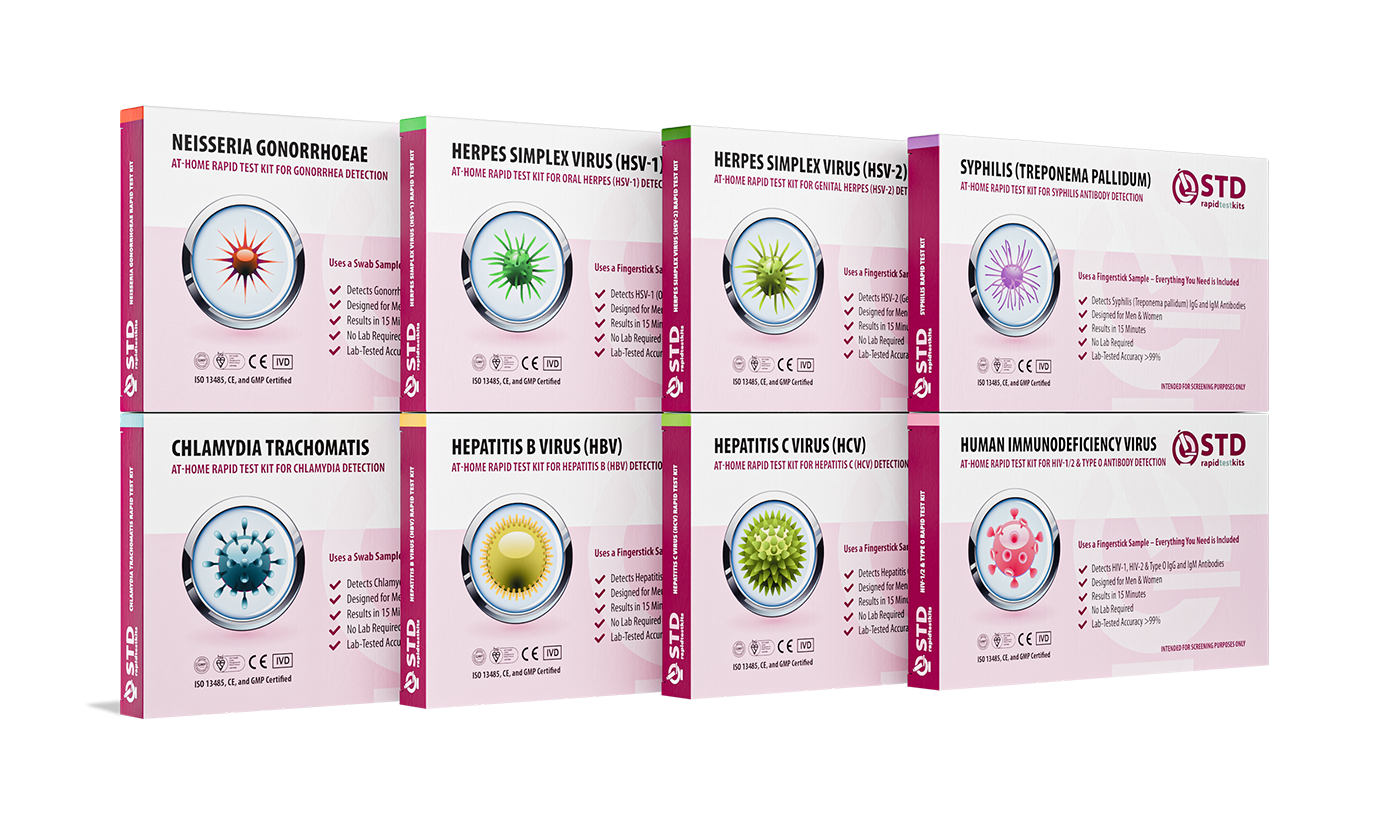
 For Men & Women
 Results in Minutes
 No Lab Needed
 Private & Discreet
Order Now $149.00 $392.00
For all 8 tests
When Both Conditions Blur Together
Here’s where online advice gets messy. BV and trich can exist at the same time. It’s not common, but it happens. Someone might treat BV because it’s familiar, only to discover lingering irritation weeks later that turns out to be trich. That doesn’t mean the first diagnosis was wrong. It means the body had more than one thing happening.
It’s also possible for trich to appear mild at first. Some people have almost no itching. Some notice only slight color changes. This is why relying on symptom intensity alone can mislead you.
If you’ve treated BV and the discharge shifts from thin and gray to frothy or greenish, that change deserves retesting. Bodies evolve, and infections can overlap. You are not overreacting by double-checking.
Sex, pH, and Why BV Shows Up After Intercourse
A common question I hear is, “Why does this keep happening after sex?” The answer isn’t about blame. It’s about chemistry. The vagina maintains an acidic environment to protect against overgrowth. Semen is alkaline. That temporary pH shift can disrupt the balance of bacteria, allowing BV-associated organisms to multiply.
That’s why some people notice gray discharge within days of intercourse, even in long-term monogamous relationships. It’s not automatically proof of a new infection. It’s often proof that the ecosystem shifted.
Trich, on the other hand, requires exposure to the parasite. It doesn’t appear spontaneously from pH alone. If symptoms begin after a new sexual partner and include irritation or frothiness, the suspicion level changes.
Emotional Spiral vs Clinical Reality
There’s a moment many people experience when they see gray discharge. The mind jumps ahead. Infidelity. STI. Permanent damage. Catastrophe. But medically, most vaginal discharge changes are treatable and common.
BV affects millions of people every year. Trichomoniasis is also one of the most common non-viral STIs globally. Neither diagnosis means your body is broken. Both are manageable. The danger lies more in ignoring symptoms than in having them.
Untreated BV can increase susceptibility to other infections. Untreated trich can persist and transmit to partners. The responsible move isn’t panic. It’s testing.
How Testing Actually Works (Without the Clinical Fog)
For BV, clinicians often examine vaginal pH, look at discharge under a microscope, or use nucleic acid amplification tests that detect bacterial imbalance. At home, swab-based options can identify markers associated with BV with strong accuracy when symptoms are present.
For trich, modern testing typically uses NAAT technology, which detects the genetic material of the parasite. This method is highly sensitive and far more reliable than older wet-mount microscopy alone. Results can come from a vaginal swab or urine sample.
If privacy matters to you, ordering a discreet Trichomoniasis rapid test kit allows you to collect a sample at home without sitting in a clinic waiting room replaying conversations in your head. If BV is suspected, combination vaginal health panels are also available through STD Rapid Test Kits, shipped discreetly and packaged without obvious labeling.
Accuracy, False Negatives, and Why Timing Changes Everything
Testing the day after exposure for trich may not give the parasite enough time to reach detectable levels. Waiting at least seven days improves accuracy. If you test earlier because anxiety is unbearable, plan a follow-up test within two to three weeks for confirmation.
BV testing is more symptom-based. If discharge is present, testing is appropriate immediately. If you test while asymptomatic, interpretation becomes less straightforward, because some bacterial shifts can exist without causing issues.
Understanding this timing reduces the risk of false reassurance. It also reduces the emotional rollercoaster of testing too early and testing repeatedly without a plan.
Beyond Color: Subtle Clues That Matter
Color alone is rarely diagnostic. Gray discharge with no itching and no pain leans BV. Greenish-gray with irritation leans trich. But consider context. Has there been a new partner? Recent antibiotic use? Douching? A change in birth control?
Antibiotics can trigger BV by altering bacterial balance. Douching can disrupt protective flora. Even stress can influence immune response. When you widen the lens beyond color, patterns become clearer.
One patient described it best: “When I stopped focusing only on the shade and started noticing how it felt, it made more sense.” That’s clinical intuition translated into real life.
Treatment Paths: Similar Relief, Different Strategy
BV is usually treated with antibiotics such as metronidazole or clindamycin. Partners do not always require treatment unless recurrent patterns suggest reinfection dynamics. Trichomoniasis, however, requires treatment for both partners to prevent ping-pong transmission.
This distinction is critical. Treating only one partner in trich often leads to reinfection. That cycle can feel confusing and emotionally destabilizing. Clarity prevents repetition.
If you test positive for trich, informing your partner is not an accusation. It’s a health measure. And yes, those conversations are uncomfortable. But untreated trich doesn’t resolve on its own reliably.

People are also reading: Herpes Testing at Home: Safe, Private, and Actually Accurate
When to Seek Urgent Care
If discharge is accompanied by severe pelvic pain, fever, or heavy bleeding, urgent evaluation is necessary. Those symptoms can signal pelvic inflammatory disease or other complications requiring immediate medical attention.
Mild odor and gray discharge without systemic symptoms rarely constitute an emergency. They constitute a reason to test.
The difference between urgent and routine care lies in severity, not embarrassment.
The Hidden Variable: Recurrence and Reinfection
Some people read about BV and think, “Okay, imbalance. Antibiotics. Done.” But recurrence is common. Not because you did something wrong. Not because you’re unhygienic. Because vaginal ecosystems can be stubborn.
BV recurrence rates within months of treatment are high. That doesn’t mean the medication failed. It means the protective bacteria didn’t fully reestablish dominance. When gray discharge returns weeks later with the same fishy scent, it’s usually recurrence, not a new STD.
Trich recurrence tells a different story. If symptoms return after confirmed treatment, the first question isn’t bacterial imbalance. It’s partner treatment. Reinfection often happens when one partner remains untreated. That distinction helps guide next steps without spiraling into assumptions.
What If There’s No Smell at All?
This is where small differences matter. Not every case of trich smells. Not every case of BV smells strongly. A mild gray discharge without odor or irritation might be early BV, hormonal fluctuation, or even a normal variation.
Smell is a powerful clue, but it’s not the only one. Texture, timing, and irritation patterns fill in the rest of the picture. If discharge persists beyond a week or changes progressively, testing provides answers faster than guesswork.
Ignoring persistent changes rarely makes them disappear. Addressing them calmly often resolves them quickly.
How Partners Fit Into the Equation
BV doesn’t automatically require partner treatment, but sexual activity can influence recurrence patterns. Some couples notice BV appears after unprotected intercourse and disappears when condoms are used consistently. That pattern suggests pH shifts are a trigger.
Trich requires partner treatment. Full stop. Without it, reinfection cycles are common. This is where clear communication becomes preventative medicine.
If you’re unsure how to start that conversation, keep it factual. “I had symptoms and got tested. It showed trich. We both need treatment so we don’t pass it back and forth.” Direct. Calm. Health-focused.
BV vs Trich vs Yeast: A Broader Comparison
Because yeast infections are often thrown into the same Google search, it helps to widen the comparison. Yeast is thick and clumpy, often described as cottage-cheese-like. It itches intensely. It rarely smells fishy.
BV is thin and gray with odor but minimal irritation. Trich is frothy, sometimes greenish, with noticeable irritation and sometimes pelvic discomfort. These patterns aren’t absolute, but they’re consistent enough to guide suspicion.
| Feature | BV | Trichomoniasis | Yeast Infection |
|---|---|---|---|
| Color | Gray or white | Yellow-green or gray | White |
| Texture | Thin | Foamy or frothy | Thick, clumpy |
| Odor | Strong fishy | Unpleasant, sometimes mild | Minimal or none |
| Itching | Mild or absent | Common | Severe |
| Burning | Rare | Common | Common during urination |
| STD? | No | Yes | No |
Seeing the comparison in one place often brings relief. It turns a chaotic search into structured reasoning.
The Psychological Toll of “Waiting to See”
There’s a quiet limbo that happens when someone notices gray discharge but decides to wait. They monitor. They check again in different lighting. They Google repeatedly. They avoid sex. They avoid intimacy. Anxiety grows louder than the symptoms.
Testing interrupts that loop. Even a negative result provides direction. Even a positive result provides a plan. Uncertainty is heavier than most diagnoses.
If privacy, cost, or time barriers have kept you from clinic testing, at-home options bridge that gap. Ordering through STD Rapid Test Kits allows discreet collection and fast answers, removing the social friction that stops many people from acting.
Check Your STD Status in Minutes
Test at Home with Remedium7-in-1 STD Test Kit
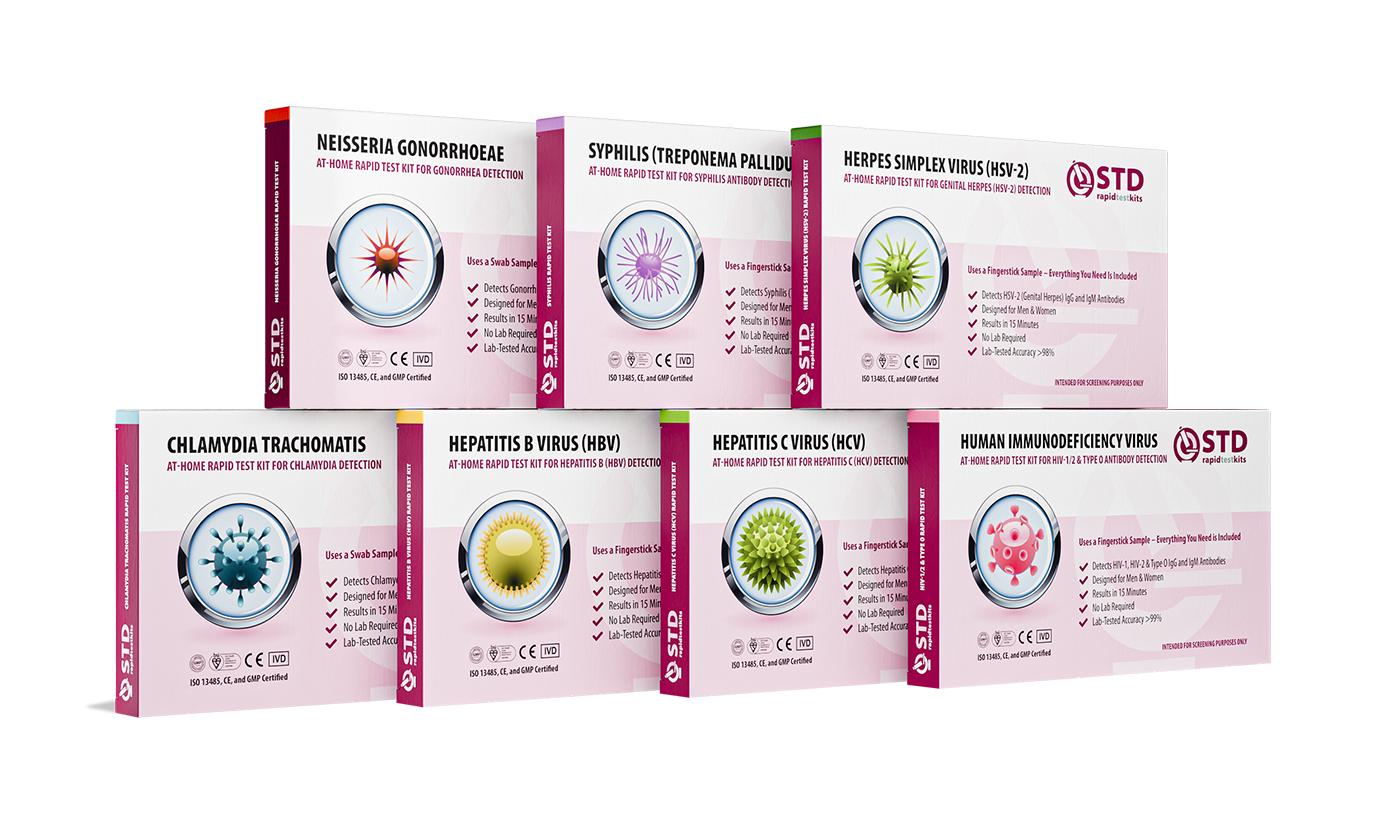 For Men & WomenResults in MinutesNo Lab NeededPrivate & Discreet
Order Now $129.00 $343.00
For all 7 tests
When Gray Discharge Means It’s Time to Act
If discharge is persistent for more than a few days, smells strongly fishy, becomes frothy or greenish, or is accompanied by irritation or burning, that’s your cue. If symptoms follow a new sexual encounter within the past month, that strengthens the case for trich testing.
If you have discharge after sex a lot and it doesn't hurt or itch, BV is likely, but it's best to get it checked out to be sure. Treating the wrong condition wastes time and prolongs discomfort.
You deserve certainty. Not assumptions.
The Bigger Picture: Protecting Future You
Untreated BV can increase vulnerability to other infections. Untreated trich can persist silently and transmit unknowingly. Neither outcome is catastrophic when addressed early. Both become more complicated when ignored.
Gray discharge isn’t a verdict. It’s a signal. Acting on it is preventative care.
And preventative care is power.
FAQs
1. Okay, be honest. Can BV and trich really look that similar?
Yes. Annoyingly, yes. Gray discharge is gray discharge, and bodies don’t label themselves for you. The difference usually shows up in how it feels. BV tends to whisper through odor. Trich tends to announce itself with irritation. But overlap happens, which is why testing beats guessing every time.
2. If it smells fishy after sex, does that mean my partner gave me something?
Not automatically. Semen changes vaginal pH, and that alone can trigger BV in some people. It’s chemistry, not betrayal. If there’s burning, frothiness, or symptoms starting days to weeks after a new partner, then trich enters the conversation. Context matters more than paranoia.
3. What does “foamy” actually mean? Because that sounds dramatic.
It does sound dramatic. Foamy or frothy discharge looks slightly bubbly, almost airy. Not thick like yeast. Not smooth like BV. If you’re staring at toilet paper wondering whether you’re overanalyzing bubbles, you’re not alone. But if irritation is tagging along with that texture change, it’s worth testing.
4. I have gray discharge but zero itching. Should I still worry?
“Worry” isn’t the word. Investigate? Yes. Gray discharge without itching leans BV. Many BV cases are odor-first, irritation-later or not at all. It’s rarely dangerous, but it’s uncomfortable and worth treating. Testing gives you a direction instead of a spiral.
5. If I test positive for trich, does that mean someone cheated?
Not necessarily. Trich can live quietly in the body for months without obvious symptoms. That timeline can complicate assumptions. Before turning it into a relationship autopsy, focus on treatment. Both partners need medication. Then you can decide what conversations need to happen from a calm place, not a reactive one.
6. Can BV turn into trich if I ignore it?
No. BV is a bacterial imbalance. Trich is a parasite. One does not morph into the other. They are different organisms with different behaviors. However, leaving either untreated can increase vulnerability to other infections, so ignoring symptoms isn’t a great long-term strategy.
7. How fast should I test after a hookup?
If you’re worried about trich, wait at least seven days after exposure for better accuracy. Testing the next morning might soothe anxiety temporarily, but it won’t necessarily give reliable results. If symptoms are already present, test now and consider a follow-up if exposure was recent.
8. What if I treat BV and the discharge comes back?
Recurrence is common. Frustrating, but common. Sometimes it’s pH shifts. Sometimes it’s incomplete restoration of healthy bacteria. It doesn’t mean you’re dirty. It means the ecosystem needs support. If the returning discharge feels different, or includes irritation this time, retesting makes sense.
9. Can I just try over-the-counter yeast medication and see what happens?
You can, but it’s a gamble. Yeast treatments won’t fix BV or trich. If the discharge is gray and fishy, yeast is less likely anyway. Treating the wrong condition delays relief and keeps you in limbo longer. Precision saves time.
10. Is this something I can ignore if it’s mild?
Mild symptoms still deserve attention. BV can increase susceptibility to other infections. Trich can persist silently and spread. Neither usually becomes catastrophic overnight, but both are easier to handle early. Gray discharge is a signal. Listening to it is self-respect, not overreaction.
You Deserve Clarity, Not Guesswork
Gray discharge can feel alarming, especially when smell or texture shifts overnight. But panic doesn’t provide answers. Testing does. A plan replaces fear with clarity, whether it's a short-term bacterial imbalance or a sexually transmitted infection that can be treated.
If you’re noticing fishy odor without irritation, BV may be the likely cause. If discharge is frothy, greenish, or paired with burning, trich deserves immediate attention. Either way, confirmation matters. You can explore discreet options, including combination vaginal health panels and targeted STI testing, through STD Rapid Test Kits. If trich is a concern, consider a direct at-home Trichomoniasis rapid test kit to get answers privately and quickly.
You are not dramatic for checking. You are responsible. You are proactive. And you deserve to know what your body is trying to tell you.
How We Sourced This Article: This guide was developed using current clinical guidance from leading public health authorities, peer-reviewed infectious disease research, and real-world patient case patterns observed in sexual health practice. We reviewed up-to-date recommendations from the Centers for Disease Control and Prevention, World Health Organization, Mayo Clinic, and peer-reviewed journals focused on sexually transmitted infections and vaginal health.
Sources
1. Centers for Disease Control and Prevention – Bacterial Vaginosis Fact Sheet
2. Centers for Disease Control and Prevention – Trichomoniasis Fact Sheet
3. World Health Organization – Trichomoniasis Overview
4. Mayo Clinic – Bacterial Vaginosis Symptoms and Causes
5. Clinical Infectious Diseases – Epidemiology and Treatment of Trichomoniasis
6. Sexually Transmitted Diseases Journal – Bacterial Vaginosis Clinical Updates
About the Author
Dr. F. David, MD is a board-certified infectious disease specialist focused on STI prevention, diagnosis, and treatment. He blends clinical precision with a no-nonsense, sex-positive approach and is committed to expanding access to accurate testing and stigma-free care.
Reviewed by: A. Reynolds, PA-C | Last medically reviewed: February 2026
This article is meant to give you information, not to give you medical advice.


