





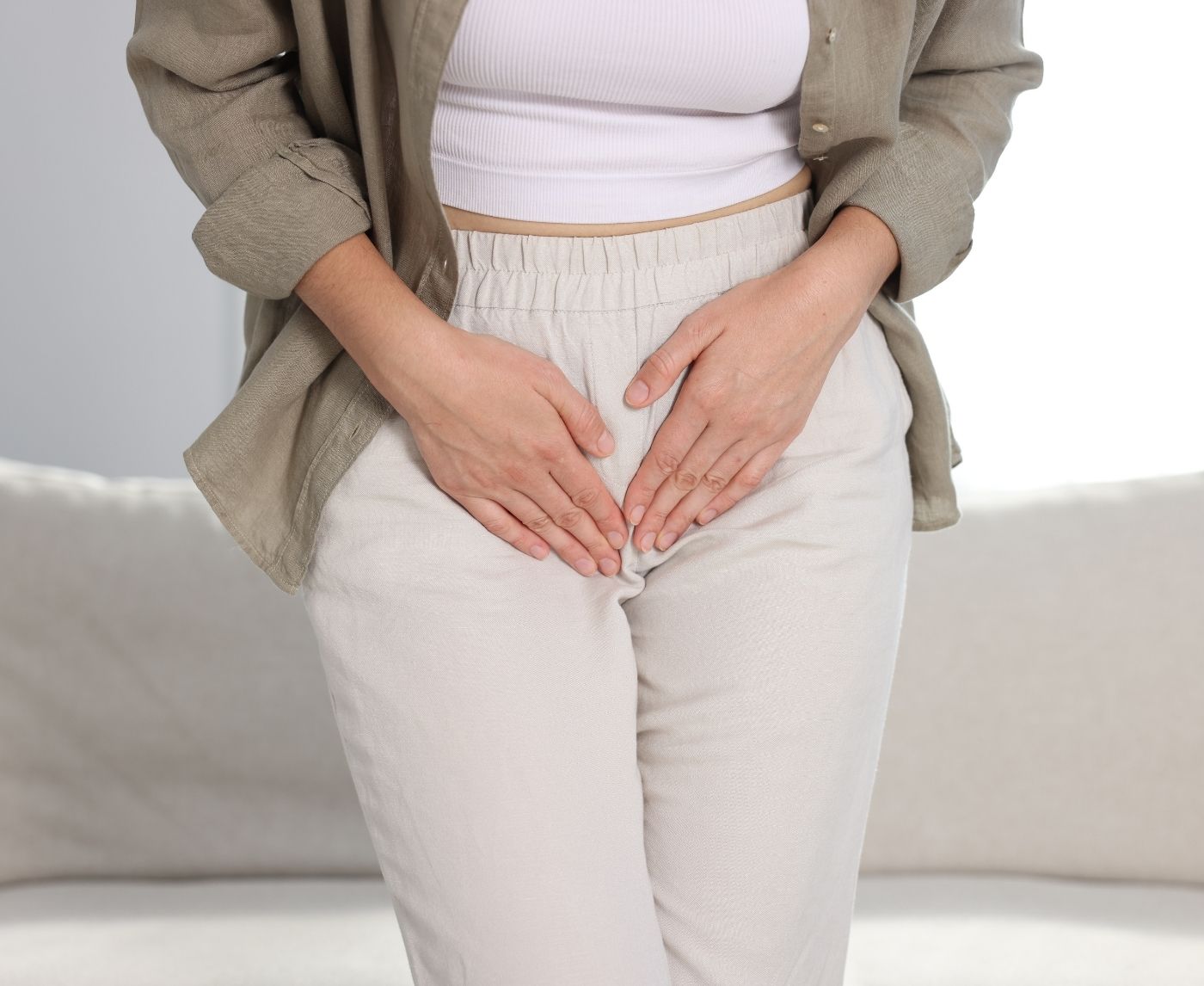

Quick Answer: Painful urination in women is most commonly caused by a urinary tract infection (UTI), followed by vaginal infections and sexually transmitted infections like Chlamydia or Gonorrhea. Timing, discharge, pelvic pain, and recent sexual activity help narrow the cause.
First, Let’s Talk About What “Painful” Actually Means
When women say it hurts to pee, they usually mean one of three things. A sharp burning at the urethra. A deep ache in the lower pelvis. Or a raw, stinging sensation that feels external, almost like irritated skin coming into contact with urine.
Those differences matter more than most people realize. A deep internal pressure often points toward bladder involvement. A sharp surface burn can signal urethral inflammation. A raw, external sting may be coming from irritated vaginal tissue, not the urinary tract at all.
Before we rank causes, we need to understand that painful urination is a symptom, not a diagnosis. It’s your body waving a flag. The job now is figuring out which flag it’s waving.
Ranked Causes of Painful Urination in Women (Most to Least Likely)
Now we shift into detective mode. When a patient tells me, “It burns when I pee,” I don’t jump to the rare stuff first. I start with probability. What’s statistically common. What fits the pattern. What matches her timeline.
Below is a ranked breakdown based on likelihood in otherwise healthy adult women. Your personal risk factors can shift this ranking, but this is the landscape most women are navigating.
| Rank | Condition | Typical Clues | How Quickly Symptoms Start | Testing Needed? |
|---|---|---|---|---|
| 1 | Urinary Tract Infection (UTI) | Burning, urgency, frequent urination, cloudy urine | 1–3 days after bacteria enter urethra | Yes, urine test |
| 2 | Vaginal Irritation or Chemical Sensitivity | External stinging, recent new soap, lube, or tight clothing | Within hours to 48 hours | Usually no |
| 3 | Chlamydia | Mild burning, sometimes no discharge, recent new partner | 7–14 days after exposure | Yes, STD test |
| 4 | Gonorrhea | Burning, possible discharge, pelvic discomfort | 5–14 days after exposure | Yes, STD test |
| 5 | Yeast Infection | Itching, thick discharge, external irritation | Variable | Sometimes |
| 6 | Herpes (Genital) | Severe burning, sores, pain even without urinating | 2–12 days after exposure | Yes, lesion swab or blood test |
| 7 | Interstitial Cystitis | Chronic bladder pain, negative UTI tests | Ongoing pattern | Diagnosis of exclusion |

People are also reading: Dating Someone With the Same STD: What No One Tells You
#1 Most Likely: Urinary Tract Infection (UTI)
This is the heavyweight champion of painful urination. UTIs account for the majority of sudden burning symptoms in women, especially if the discomfort is paired with urgency. That feeling like you have to go again even though you just went. The bladder is irritated, inflamed, and sending frantic signals.
Imagine Maya, 26. She had sex Saturday night. By Monday afternoon, she feels a subtle sting. By Tuesday morning, she’s running to the bathroom every 20 minutes. There’s no unusual discharge. Just urgency and a deep ache above the pubic bone. That pattern screams UTI.
UTIs happen because bacteria, often from the rectal area, travel into the urethra and bladder. Sex can increase risk simply because of friction and proximity. It doesn’t mean anyone did anything wrong. It means anatomy exists.
If symptoms are primarily internal, worsen quickly, and include frequency or cloudy urine, UTI sits firmly at number one.
#2 Very Common: Irritation, Friction, or Chemical Sensitivity
Not every burn is an infection. Sometimes it’s just irritated tissue reacting to something new. A scented body wash. A new lubricant. A latex condom in someone with mild sensitivity. Even tight leggings after a sweaty workout.
Here’s how this one usually shows up. The burn feels external. More like skin discomfort than bladder pressure. There’s no urgency. No pelvic ache. Just stinging when urine touches inflamed tissue.
Think of Ava, who switched to a fragranced bubble bath over the weekend. By Monday, she feels a sharp sting when she pees. No urgency. No discharge. Just rawness. She stops the product, drinks water, and the discomfort fades within two days.
If symptoms appear quickly after a product change and stay localized to the vulvar area, irritation climbs high on the ranking list.
#3 and #4: When It Might Be an STD Instead
This is where anxiety spikes. And it’s also where clarity matters most.
Chlamydia and Gonorrhea can both cause painful urination in women. The tricky part is that they often mimic UTIs, especially early on. Mild burning. Maybe a little pelvic heaviness. Sometimes no discharge at all.
The difference often lies in timing and context. If symptoms begin about one to two weeks after a new sexual partner, especially unprotected sex, the probability shifts. UTIs usually appear within a few days of irritation or bacterial entry. STDs often take longer to show themselves.
Here’s a comparison that helps sort the pattern.
| Feature | UTI | Chlamydia/Gonorrhea |
|---|---|---|
| Onset | 1–3 days after trigger | 5–14 days after exposure |
| Urgency & Frequency | Common | Less common |
| Discharge | Uncommon | Possible, but not always |
| Pelvic Pain | Mild bladder pressure | May radiate deeper |
| Risk Factor | Sex, dehydration, wiping pattern | New or unprotected sexual partner |
| Requires STD Test? | No | Yes |
If you’re unsure which column you fall into, testing removes the guesswork. Waiting and hoping does not.
If there’s any possibility of exposure, discreet at-home options are available. You can explore confidential testing through STD Rapid Test Kits, including combination kits that screen for multiple infections at once without needing a clinic visit.
Painful urination that follows a new partner deserves clarity, not silence.
Check Your STD Status in Minutes
Test at Home with Remedium6-in-1 STD Test Kit
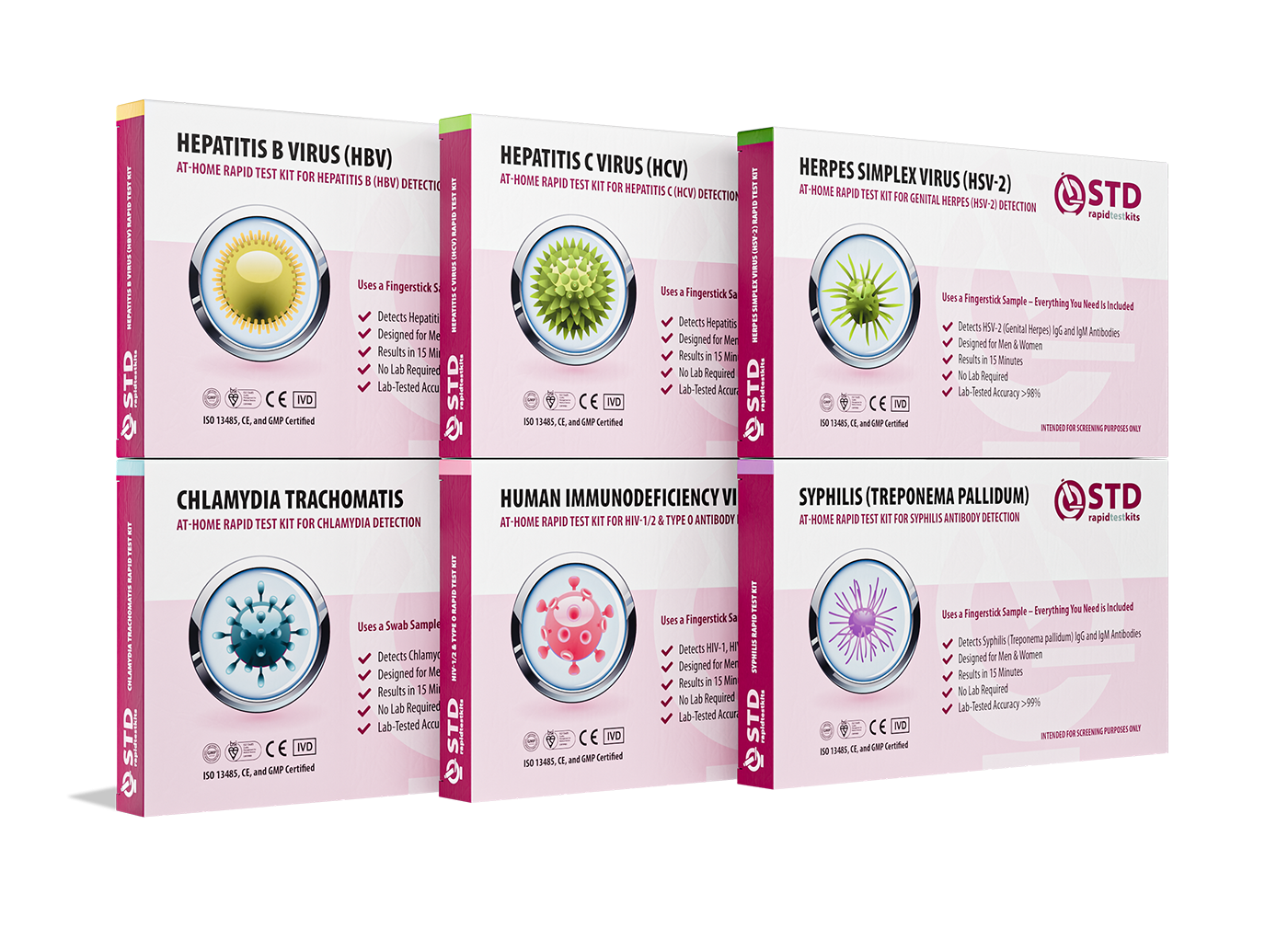
 For Men & Women
 Results in Minutes
 No Lab Needed
 Private & Discreet
Order Now $119.00 $294.00
For all 6 tests
#5 Yeast Infections: The Itch That Burns
Now we move slightly lower on the likelihood scale, but still very common. Yeast infections don’t technically infect the urinary tract, yet they can absolutely make urination painful. The reason is proximity. When vaginal tissue is inflamed, swollen, and irritated, urine passing over it can sting intensely.
This pain feels different from a bladder infection. It’s often paired with itching that won’t quit. A thick, white discharge that looks like cottage cheese. Redness. Swelling. Sometimes even tiny skin cracks that make urine feel like salt in a paper cut.
Picture Jasmine, who finished a course of antibiotics for strep throat. Three days later, she notices itching. By day four, peeing burns, but only externally. There’s no urgency. No deep pelvic ache. Just surface irritation. That’s yeast rising on the list.
If burning comes with itching and noticeable vaginal discharge, especially after antibiotics or hormonal shifts, yeast is a strong contender.
#6 Genital Herpes: When the Pain Is Sharp and Unmistakable
This one lands lower in overall probability, but when it happens, it’s rarely subtle. Genital Herpes often causes painful urination because of open sores or tiny blisters near the urethra or vulva. The urine doesn’t cause the pain. The sores do.
Women often describe this pain as electric. Raw. Intense. It may hurt even when they’re not peeing. Sitting can be uncomfortable. Walking can feel tender. There may be flu-like symptoms during a first outbreak, including swollen lymph nodes or body aches.
Here’s the important distinction. Herpes-related burning usually doesn’t come alone. There are visible or felt lesions, tingling beforehand, or pain with touch. If you can’t see anything unusual and the discomfort feels internal rather than skin-level, herpes moves lower on the probability scale.
If sores are present, testing involves swabbing a lesion as early as possible. Blood tests can help in certain situations, but timing matters. If you suspect this, don’t wait weeks hoping it disappears without answers.
#7 Interstitial Cystitis and Chronic Bladder Conditions
Now we’re in the less common, more complex territory. Interstitial cystitis is a chronic bladder condition that can mimic UTI symptoms without infection. Women with this condition often say, “It feels like a UTI, but my tests are always negative.”
The pain tends to be ongoing rather than sudden. It may worsen with certain foods, stress, or hormonal shifts. There’s pressure. Frequency. Sometimes pelvic floor tension layered in.
This diagnosis usually comes after multiple negative urine cultures and persistent symptoms. It’s not the first thing we assume. It’s what we consider when common causes have been ruled out.
Timing Is Everything: When Symptoms Start Tells a Story
If there’s one clue that consistently helps narrow the cause, it’s timing. When did symptoms begin relative to sex, new products, antibiotics, or dehydration? The body follows patterns. Infections have incubation periods. Irritation happens faster.
| Trigger Event | Typical Onset of Burning | Most Likely Cause |
|---|---|---|
| Sex within last 24–72 hours | 1–3 days | UTI |
| New sexual partner 1–2 weeks ago | 5–14 days | Chlamydia or Gonorrhea |
| New soap, lube, or detergent | Within hours to 2 days | Irritation |
| Antibiotics completed recently | Several days later | Yeast infection |
| Recurring negative UTI tests | Chronic pattern | Interstitial cystitis |
Think about Elena, who had unprotected sex with a new partner ten days ago. She felt fine at first. Now she notices mild burning and a vague pelvic heaviness. No urgency. No dramatic frequency. The timeline pushes STD testing higher on the list.
Compare that to Brianna, whose symptoms began 36 hours after sex with her long-term partner. She’s peeing every fifteen minutes. The pain is sharp but internal. That timeline leans heavily toward UTI.
Your calendar may hold the clue your anxiety is drowning out.

People are also reading: Yes, You Can Still Have Great Sex After an STD Diagnosis
What to Do Next (Without Spiraling)
If symptoms are severe, include fever, back pain, nausea, or blood in urine, seek urgent care. Those can signal a kidney infection, which needs prompt treatment.
If symptoms are mild but persistent, testing brings clarity. A urine test can confirm a UTI. If there’s any chance of STD exposure in the last two weeks, screening matters, even if discharge isn’t obvious. Many infections in women are subtle or asymptomatic.
You don’t have to sit in a waiting room if that feels overwhelming. At-home combination kits are available, including options like the Combo STD Home Test Kit, which checks for multiple infections discreetly. Peace of mind is not dramatic. It’s responsible.
Burning when you pee doesn’t automatically mean something catastrophic. But it does mean something. The goal isn’t fear. It’s information.
When It’s Not Just Physical, The Anxiety Loop
Let’s talk about the part no one puts in medical charts. The mental spiral. The Google tabs multiplying. The quiet replay of last weekend. The wondering. The what-if.
I’ve sat across from countless women who whisper, “I feel stupid for even worrying.” You are not stupid. You are human. Pain in a vulnerable part of your body activates alarm systems that go beyond biology. It taps into shame, stigma, and worst-case thinking.
The truth is this. Most painful urination cases are routine. Treatable. Temporary. And even when the cause is an STD, it is still manageable, common, and medically straightforward. The fear is often louder than the diagnosis.
Clarity lowers anxiety faster than reassurance ever will. Testing replaces guessing. Information replaces imagination.
Red Flags You Shouldn’t Ignore
While most causes of painful urination are mild and fixable, there are moments when the body is signaling something more urgent. Severe back pain combined with fever can indicate a kidney infection. Intense pelvic pain that doesn’t ease could signal pelvic inflammatory disease, especially if linked to untreated Chlamydia or Gonorrhea.
If urination pain is accompanied by nausea, shaking chills, or visible blood in urine, that’s not a “wait it out” situation. That’s same-day medical care. The goal is not to scare you. It’s to respect escalation when it happens.
Most cases will not escalate that way. But when they do, acting quickly protects your long-term health.
How Testing Actually Works (And Why Timing Matters)
One of the biggest mistakes women make is testing too early after exposure and assuming a negative result means everything is fine. Every infection has a window period. That’s the time between exposure and when a test can reliably detect it.
For example, Chlamydia and Gonorrhea often become detectable within 7 to 14 days. Testing at day three may give false reassurance. A urine test for UTI, however, can detect infection almost immediately once symptoms begin.
Imagine Sofia. She had unprotected sex five days ago. She tests immediately because she’s anxious. The result is negative. She relaxes. But at day twelve, mild burning begins. This is why timing is part of the detective work. It’s not about morality. It’s microbiology.
If exposure was recent, consider retesting at the appropriate window. Many women choose combination kits that allow discreet screening without navigating clinic schedules. You can explore options through STD Rapid Test Kits if privacy matters to you.
Check Your STD Status in Minutes
Test at Home with Remedium8-in-1 STD Test Kit
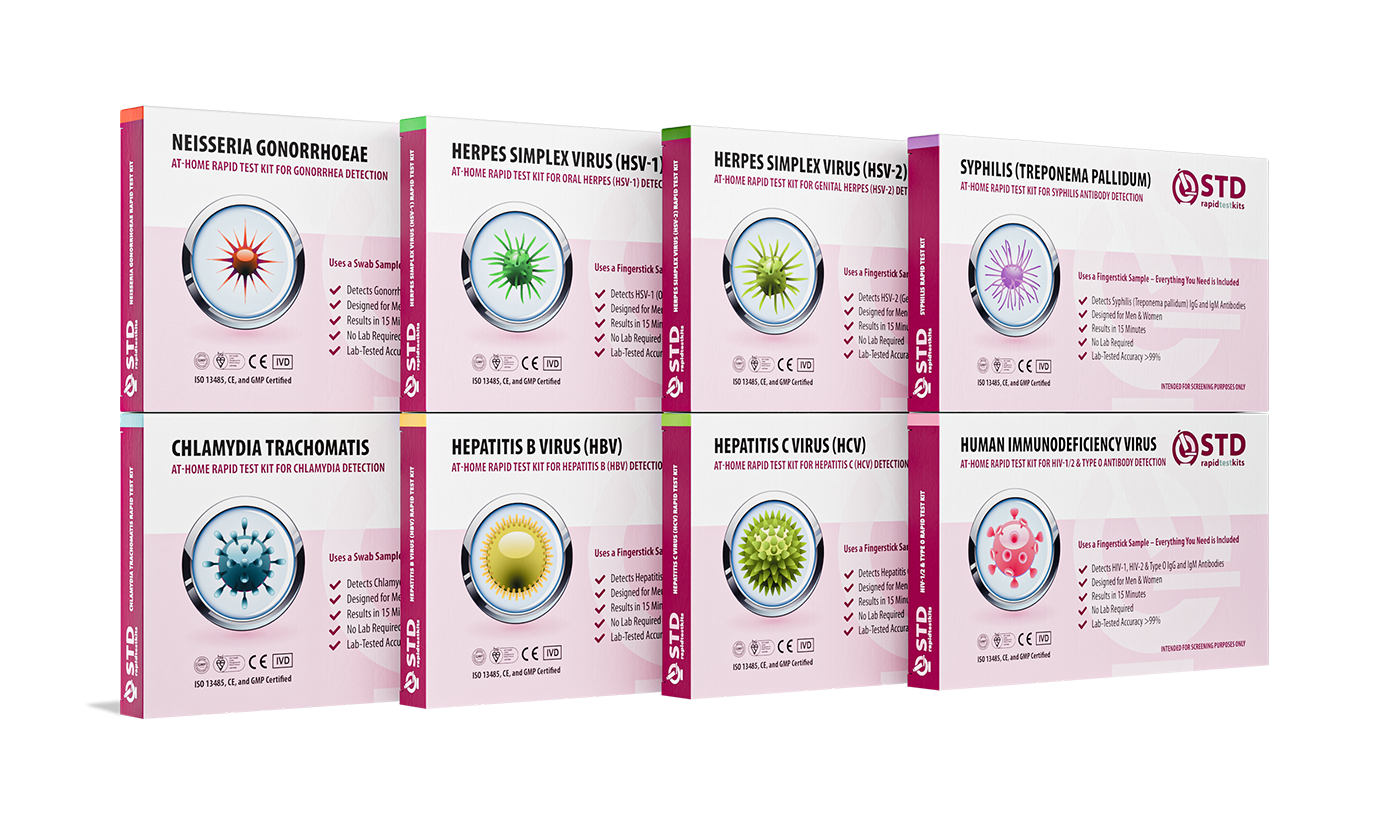 For Men & WomenResults in MinutesNo Lab NeededPrivate & Discreet
Order Now $149.00 $392.00
For all 8 tests
Why Discharge Is an Unreliable Clue
One of the most dangerous myths is that STDs always cause obvious discharge. They don’t. Many women with Chlamydia or Gonorrhea have mild or no discharge at all. Burning may be the only signal.
That’s why relying solely on visible changes can delay testing. A UTI can occur without discharge. An STD can occur without discharge. Yeast can produce discharge but doesn’t always cause deep bladder pressure.
Symptoms overlap. That doesn’t mean you’re doomed. It means guessing is unreliable.
Putting It All Together: A Practical Decision Path
If your symptoms began within a few days of sex and include urgency and frequency, start with a UTI test. If your symptoms began one to two weeks after a new partner and feel more subtle or pelvic, add STD testing. If itching dominates the experience, yeast moves higher on the list. If there are sores or intense external pain, test for Herpes.
And if nothing fits neatly, that’s okay. Medicine is often pattern recognition, not perfection. Testing narrows the field quickly.
The important thing is this. Painful urination is not a moral event. It is a medical one. Your job isn’t to judge yourself. It’s to respond with clarity.
FAQs
1. Can dehydration really make it burn when I pee, or is that just something people say?
It’s real. When you’re dehydrated, your urine becomes more concentrated, which can irritate the urethra on the way out. It usually feels mild and fades quickly once you hydrate. If drinking water improves things within a day, dehydration was likely the culprit. If the burning sticks around or worsens, we look deeper.
2. If I don’t have discharge, does that mean it’s not an STD?
I wish it were that simple. Many women with Chlamydia or Gonorrhea don’t notice dramatic discharge at all. Sometimes it’s subtle. Sometimes it’s absent. Burning alone can be the first and only sign. No discharge doesn’t equal no infection.
3. How can I tell if it’s a UTI or something sexual?
Timing tells a story. If the burn started one or two days after sex and you’re peeing constantly, that leans UTI. If it started about a week or two after a new partner and feels more subtle or pelvic, STD testing becomes important. It’s not about guilt. It’s about incubation periods. Bacteria follow biology, not moral rules.
4. What if I took a UTI test and it was negative, but it still hurts?
That’s when we widen the lens. It could be irritation. Yeast. An early STD not yet detected. Or something like interstitial cystitis if this keeps happening. A negative UTI test isn’t the end of the story, it’s just one clue. Persistent symptoms deserve follow-up, not frustration.
5. Is painful urination after sex normal?
Mild irritation after vigorous sex can happen, especially without enough lubrication. That kind of discomfort usually improves within 24 to 48 hours. If it intensifies, brings urgency, or lingers beyond a couple of days, that’s no longer “just friction.” That’s worth testing.
6. Can anxiety make the burning feel worse?
Anxiety doesn’t create infection, but it can amplify sensation. When you’re hyper-focused on your body, every twinge feels louder. That said, don’t dismiss real pain as “just stress.” The smartest move is testing. Once you have answers, the nervous system usually calms down too.
7. When should I absolutely not wait it out?
Fever. Back pain near the ribs. Nausea. Blood in urine. Those are escalation signs. A kidney infection isn’t something to power through. If your body feels systemically sick, not just irritated, seek care quickly. Most cases won’t get there, but knowing the line matters.
8. Do I really need STD testing if I’m in a relationship?
Long-term relationships lower risk when both partners are monogamous and tested. But new partners, open dynamics, or uncertainty change that equation. Testing isn’t an accusation. It’s maintenance. Just like dental cleanings or annual checkups.
9. What if I’m embarrassed to go to a clinic?
You are not alone in that feeling. A lot of women avoid care because they fear judgment. The good news is that discreet at-home testing exists. You can order, test, and get results privately. Your health does not require public vulnerability.
10. Am I overreacting?
No. Pain is information. Wanting clarity about your body is not dramatic. It’s mature. The only overreaction would be ignoring symptoms that keep asking for attention.
You Deserve Answers, Not Assumptions
If you’re reading this because it hurts right now, pause. Your body is asking for attention, not shame. Whether it’s a simple UTI, a yeast infection, or something requiring STD treatment, the solution begins with clarity.
Taking a test does not mean you are guilty. It's a sign of self-respect. If you value privacy, speed, or ease of use, consider private home tests like the Combo STD Home Test Kit. Answers reduce anxiety faster than guessing ever will.
You are not dramatic for wanting certainty. You are responsible for getting it.
How We Sourced This Article: This guide was informed by current clinical guidance from the Centers for Disease Control and Prevention, the Mayo Clinic, the National Health Service, and peer-reviewed infectious disease research. We combined epidemiological data with lived-experience reporting to balance accuracy with relatability.
Sources
3. Mayo Clinic – Urinary Tract Infection
5. CDC – Trichomoniasis Fact Sheet
6. Genital Herpes – CDC Fact Sheet
7. Urinary Tract Infections (UTIs) – NHS
8. Sexually Transmitted Infections (STIs) – World Health Organization
About the Author
Dr. F. David, MD is a board-certified infectious disease specialist focused on STI prevention, diagnosis, and treatment. He blends clinical precision with a no-nonsense, sex-positive approach and is committed to expanding access to confidential testing and care.
Reviewed by: J. Martinez, PA-C | Last medically reviewed: February 2026
This article is meant to give you information, not to give you medical advice.


