







Quick Answer: A chancre is often the first sign of syphilis and usually appears 10 to 90 days after exposure. If you think you see one today, avoid sexual contact and plan testing around the 3–6 week window for the most accurate results.
This Is the Part Where Google Scares You
Let’s be honest about something. The moment you search “syphilis chancre,” the internet does not soothe you. It shows clinical photos, historical warnings, and worst-case complications that feel medieval and terrifying.
But here’s what those images don’t show: most people who catch syphilis catch it early. Most people who treat it early recover fully. And most chancres are found by someone exactly like you, standing in a bathroom, confused, trying to decide if they’re overreacting.
A chancre is typically a single sore. It’s often firm, round or oval, and has a clean base. The detail that throws people off? It usually doesn’t hurt. That lack of pain is what makes it easy to ignore.
What a Chancre Actually Looks Like (And Why It’s So Easy to Miss)
A classic syphilis chancre is small, sometimes the size of a pencil eraser. It may look like a shallow ulcer or an open sore with raised edges. It can appear on the penis, vulva, cervix, anus, rectum, lips, tongue, or inside the mouth.
Yes, oral chancres are real. That means if you’ve had oral sex recently, a sore in your mouth that doesn’t hurt deserves attention too.
Here’s where it gets tricky. A chancre can resemble other common skin issues. An ingrown hair. A friction burn. A healing pimple. Even a minor shaving nick. The difference is subtle, and that’s why guessing rarely works.
| Feature | Syphilis Chancre | Herpes Lesion | Ingrown Hair |
|---|---|---|---|
| Pain level | Usually painless | Often painful or burning | Tender when pressed |
| Number of sores | Typically one | Often multiple blisters | Single bump |
| Texture | Firm, open ulcer | Fluid-filled blister then crust | Raised bump with hair center |
| Healing pattern | Heals in 3–6 weeks even without treatment | Heals in 1–2 weeks | Resolves once hair clears |
The dangerous part? A chancre can heal on its own in a few weeks. That doesn’t mean the infection is gone. It just means syphilis has moved quietly into its next stage.

People are also reading: I Thought I Was Safe. Then My STD Test Came Back Positive
“It Doesn’t Hurt. So Maybe It’s Nothing.”
That sentence right there is why syphilis spreads.
A painless sore feels less urgent than something that burns. Pain triggers action. Silence triggers denial. Many people assume if something doesn’t hurt, it can’t be serious.
I once spoke with a patient, we’ll call him Marcus, who noticed a small sore on the shaft of his penis about three weeks after a hookup. He thought it was friction from sex. It didn’t hurt. It didn’t ooze. So he ignored it. A month later, he developed a rash on his palms. That’s when he got tested. It was syphilis.
The first sore had already healed by then.
How Soon Does Syphilis Show Up?
The incubation period for syphilis, the time between exposure and first symptoms, is usually between 10 and 90 days. Most chancres show up about three weeks after contact.
This timing matters because testing too early can give you false reassurance. Your body needs time to produce detectable antibodies.
| Stage | Timeframe | What’s Happening | Testing Notes |
|---|---|---|---|
| Exposure | Day 0 | Bacteria enters through skin or mucous membranes | Testing too early may be negative |
| Primary stage | 10–90 days | Chancre appears | Blood tests may still be early |
| Peak antibody detection | 3–6 weeks | Body produces detectable antibodies | Most accurate window for blood testing |
If you are within the first week of noticing a sore, testing immediately may not give definitive answers. But if you are three weeks or more past exposure, blood testing becomes far more reliable.
What To Do Today, Literally Today
Let’s ground this in action. You saw a sore. You’re worried it might be a chancre. What now?
First, avoid sexual contact until you know what you’re dealing with. That’s not about shame. It’s about containment and care for your partners.
Second, note the timing. When was your last unprotected sexual contact? Was there oral sex? A condom slip? A new partner?
Third, decide on testing strategy.
If you are at or beyond the 3-week mark since possible exposure, you can pursue blood testing now. If it’s earlier, you may test now for a baseline and plan a retest at 6 weeks for confirmation.
If leaving your house feels overwhelming, discreet at-home options exist. You can explore confidential testing kits directly at STD Rapid Test Kits for privacy and clarity without clinic waiting rooms.
The key is movement. Action lowers anxiety. Waiting in silence amplifies it.
Can a Chancre Go Away On Its Own?
Yes. And that’s the part that tricks people.
A chancre usually heals within three to six weeks even if you do nothing. The skin closes. The ulcer disappears. And it can feel like a false alarm that resolved itself.
But the bacteria that cause syphilis do not disappear with the sore. They move into the bloodstream and can progress into secondary and latent stages. That’s why disappearance does not equal cure.
If the sore fades before you test, that does not mean you’re safe. It means testing matters even more.
The Emotional Spiral, And How to Step Out of It
You might be feeling embarrassment. Maybe anger at yourself. Maybe fear about telling a partner. Maybe you’re replaying the hookup in your mind trying to pinpoint the exact second this happened.
Pause that loop.
Syphilis is a bacterial infection. It spreads through skin-to-skin contact with a sore. It does not care whether you are monogamous, queer, straight, careful, spontaneous, experienced, or brand new to sex. It cares about exposure.
Getting tested is not an admission of guilt. It’s an act of maintenance. Like changing your oil. Like getting a cavity filled early instead of waiting for nerve pain.
This is solvable. And the earlier you act, the simpler it stays.
Testing for Syphilis: What Actually Detects a Chancre?
When people say “syphilis test,” they usually mean a blood test. Not a swab of the sore. Not a urine cup. A blood draw that looks for antibodies your immune system makes in response to Treponema pallidum, the bacteria that causes syphilis.
This surprises people. If there’s a visible sore, why not just test the sore? In some clinics, providers can swab a chancre and examine it under specialized testing methods, but that’s not widely available outside certain medical settings. Most real-world diagnosis relies on blood-based antibody testing.
That’s why timing matters so much. Your body needs time to produce antibodies in measurable amounts.
Imagine Jenna. She noticed a painless ulcer about two weeks after a new partner. She rushed to test immediately. The result came back negative. For a few hours, she felt relief. But something didn’t sit right. She retested at six weeks. That result was positive. The first test wasn’t “wrong.” It was simply too early.
Testing is not just about whether you have a sore. It’s about where you are in the timeline.
Check Your STD Status in Minutes
Test at Home with Remedium7-in-1 STD Test Kit
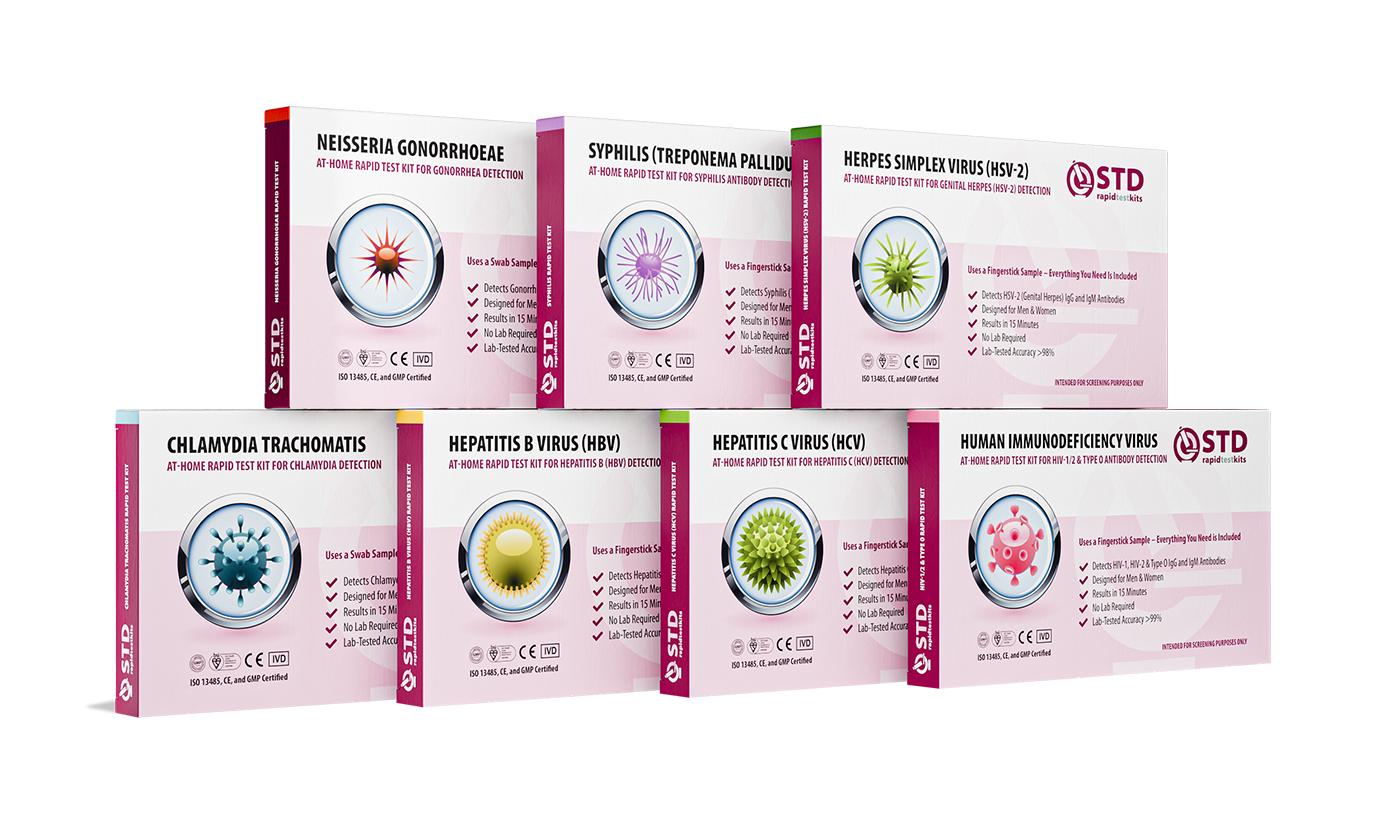
 For Men & Women
 Results in Minutes
 No Lab Needed
 Private & Discreet
Order Now $129.00 $343.00
For all 7 tests
Rapid Test vs Lab Test: What’s the Difference for Syphilis?
There are two broad categories of blood testing you’ll encounter: rapid antibody tests and laboratory-based testing. Both detect antibodies. The differences come down to speed, environment, and confirmatory steps.
Rapid tests can provide results in minutes. They’re often fingerstick-based and designed for quick screening. To double-check the results, lab tests may include taking blood from a vein and doing other things.
The key isn’t which one is “better” in a vacuum. It’s which one fits your timeline and situation.
| Feature | Rapid Antibody Test | Laboratory Blood Test |
|---|---|---|
| Result time | Typically within 15–30 minutes | 1–3 days depending on processing |
| Sample type | Fingerstick blood | Venous blood draw |
| Best use case | Immediate screening and privacy | Confirmatory diagnosis and staging |
| Follow-up required | Positive results need lab confirmation | Often includes confirmatory testing built in |
If you value privacy and speed, an at-home option may reduce emotional stress while you plan next steps. Discreet screening options are available through at-home syphilis rapid testing kits, allowing you to test without waiting rooms or awkward check-in desks.
What matters most is not perfection. It’s momentum.
If the Test Is Positive, What Happens Next?
This is the question sitting under your ribs, even if you haven’t said it out loud yet.
If you test positive for syphilis, the next step is straightforward: treatment. Early-stage syphilis is typically treated with antibiotics, often a penicillin injection administered by a healthcare provider. When treated promptly, outcomes are excellent.
I once worked with someone who stared at his positive result in his parked car for fifteen full minutes. He expected catastrophe. Instead, what followed was a single clinic visit, one injection, and a clear plan. The fear lasted longer than the treatment.
Early treatment prevents progression to secondary and tertiary stages. It protects your nervous system, your heart, and your partners.
This is why early detection matters. Not to shame. Not to alarm. But to intercept.
Talking to a Partner Without Melting Down
This might be the hardest part emotionally. You’re worried about being blamed. Judged. Or worse, rejected.
But here’s the truth: sexually transmitted infections are shared events. If you have a chancre consistent with syphilis, the exposure happened within a defined window. That means partner notification is about public health, not confession.
Keep it factual. Keep it short. “Hey, I found a sore and I’m getting tested for syphilis. I wanted you to know so you can consider testing too.”
You do not owe anyone a self-flagellation speech. You owe honesty and clarity.
What If It’s Not a Chancre?
Not every painless sore is syphilis. Some are friction ulcers. Some are dermatologic conditions. Some are minor trauma you barely remember happening.
But here’s the investigator’s mindset: you don’t diagnose by vibe. You confirm with data.
If testing comes back negative and the sore heals completely without recurrence, that’s useful information. If testing is negative but new symptoms appear, rash, swollen lymph nodes, fatigue, retesting is reasonable.
Sexual health is rarely a one-test story. It’s a timeline story.
The Window Period Question Everyone Asks
If you’re reading this while counting days in your head, here’s the grounding rule.
Under three weeks since exposure? Test now if you need a baseline, but plan a repeat at six weeks for confidence.
Three to six weeks since exposure? Testing now is appropriate and typically reliable.
More than six weeks? Antibody testing should provide strong clarity.
And if you’re unsure about exposure timing entirely, err toward testing now and repeating once you’re outside the maximum window period.
Peace of mind is not a luxury. It’s preventive care.

People are also reading: No Symptoms, Still Positive: How Dormant STDs Work
You Are Not “The Kind of Person” Who Gets Syphilis
Let’s dismantle something quietly harmful.
Syphilis does not target a personality type. It does not care about your relationship status, your income, your gender identity, or how many partners you’ve had.
It spreads through skin-to-skin contact with an infectious sore. That’s it.
When shame enters the picture, people delay testing. When people delay testing, infections spread further than they need to.
You noticed something. You’re reading about it. That’s responsibility, not recklessness.
Before You Close This Tab
If you think you saw a chancre today, your job is simple. Avoid sexual contact. Mark your exposure timeline. Plan testing at the appropriate window. And follow through.
If leaving home feels overwhelming, discreet screening is available through STD Rapid Test Kits, including rapid options that can help you move from fear to facts in minutes.
Uncertainty breeds anxiety. Testing breeds clarity.
What If the Sore Disappears Before You Test?
This is one of the most psychologically confusing parts of a syphilis infection. The chancre shows up quietly. It sits there, almost polite. Then a few weeks later, it fades. The skin closes. It looks like nothing ever happened.
And suddenly you’re left wondering if you imagined the whole thing.
I’ve had people say, “It healed, so maybe it wasn’t a chancre after all.” That logic feels comforting. It feels like an escape hatch. But medically, a disappearing sore does not equal a disappearing infection.
The primary-stage chancre typically heals in three to six weeks whether treated or not. That healing is not a cure. It’s just progression. The bacteria can move into the bloodstream and transition into the secondary stage, where symptoms may look entirely different.
If your sore fades before you test, do not cancel the plan. Keep your timeline. Test according to your exposure window. Clarity is still possible even if the visible sign is gone.
What Happens If Syphilis Isn’t Treated?
This is where the investigator voice needs to step in calmly.
Untreated syphilis progresses in stages. After the chancre phase, some people develop secondary symptoms weeks later. These can include rash on the palms and soles, swollen lymph nodes, fatigue, and flu-like feelings that don’t quite make sense.
Then comes the silent phase. No visible symptoms. No pain. Just latency.
Years later, and this is rare when testing is accessible, untreated infection can affect the nervous system, eyes, or heart. That’s not shared to scare you. It’s shared to underscore why early detection matters.
The good news? When caught in the primary or secondary stage, treatment is highly effective. Most people treated early never experience long-term complications.
Reinfection Is Possible, Even After Treatment
Another question that hits people after diagnosis is whether immunity exists. If you treat syphilis, are you protected forever?
The answer is no. Treatment clears the current infection. It does not provide lifelong immunity.
That means if a partner remains untreated, or if a new exposure occurs, reinfection can happen. This is why partner notification and shared testing matter so much.
Think of it less like a one-time illness and more like a treatable exposure event. Once handled, it’s resolved. But future exposure is still possible.
Retesting After Treatment: Timing Matters Again
After treatment, your healthcare provider will usually recommend follow-up blood tests to confirm that antibody levels decline appropriately. This isn’t because the treatment “might not work.” It’s to confirm that your body responded as expected.
Antibody titers typically decrease over months. Immediate retesting right after antibiotics will not show instant negativity. Your immune system takes time to recalibrate.
That’s why follow-up is structured rather than impulsive. It’s scheduled. Planned. Monitored.
| Stage at Treatment | Immediate Symptoms | Follow-Up Testing | Long-Term Outlook |
|---|---|---|---|
| Primary (chancre stage) | Sore heals fully | Blood test at recommended intervals | Excellent when treated early |
| Secondary stage | Rash and systemic symptoms resolve | Scheduled monitoring | Very good with proper care |
The earlier treatment occurs, the simpler the follow-up tends to be.
What If You’re Pregnant?
This question deserves its own clarity.
Syphilis during pregnancy can pass to a baby if untreated. That’s why prenatal screening includes syphilis testing as routine care in many regions. If you are pregnant and think you see a chancre, testing should happen promptly.
Early treatment during pregnancy dramatically reduces risk to the baby. The key is immediacy, not panic.
Micro-Scene: The 24-Hour Reset
It’s the next morning. You wake up after a restless night. The sore is still there. You open your phone again, but this time you don’t spiral. You look at a calendar.
Exposure was about four weeks ago.
That means testing now is appropriate. You schedule it. Or you order a discreet kit. Either way, you’ve shifted from fear to action.
By the end of the day, you’re not cured yet. You’re not diagnosed yet. But you’re no longer frozen. That alone changes everything.
Check Your STD Status in Minutes
Test at Home with Remedium6-in-1 STD Test Kit
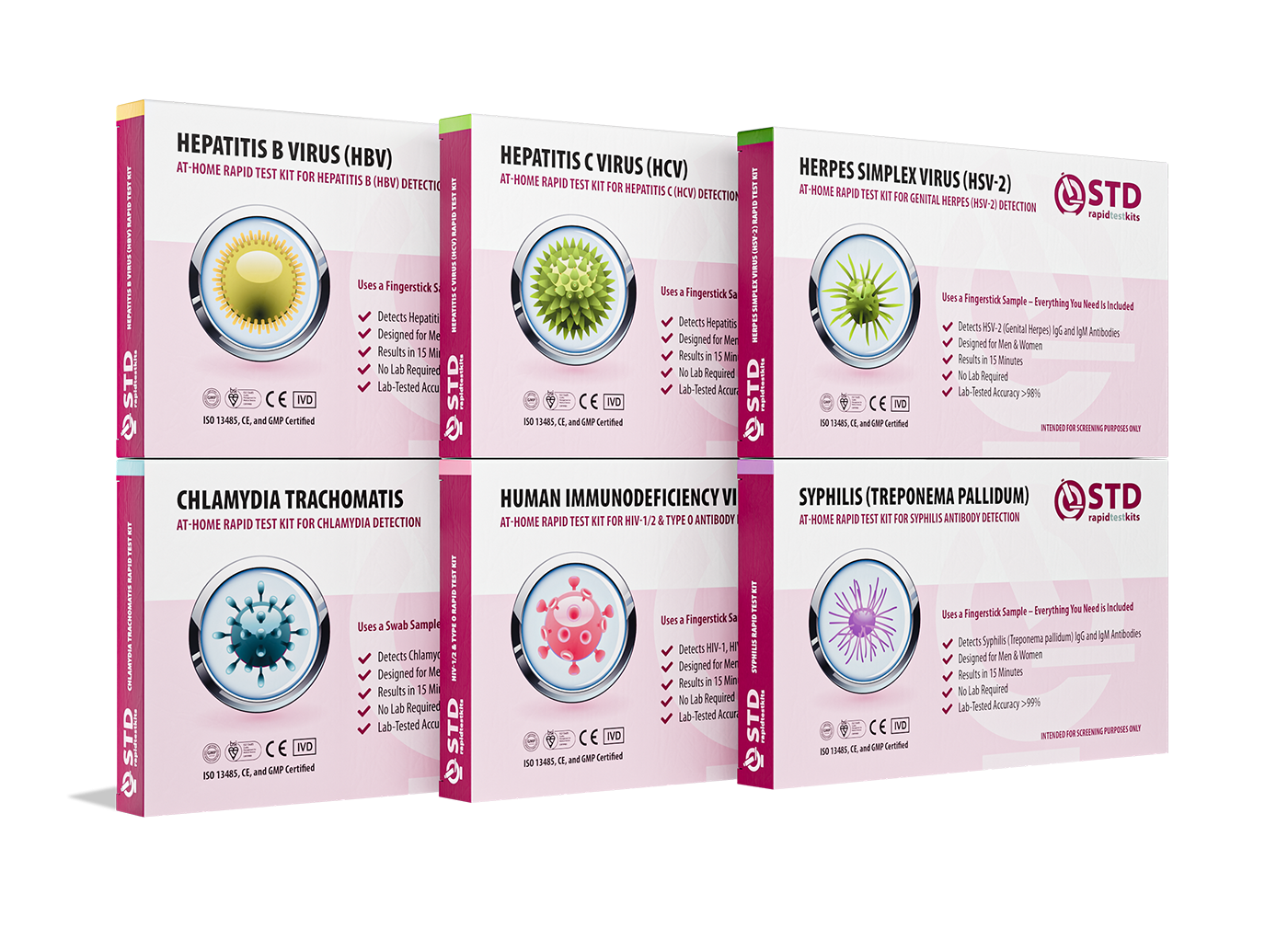 For Men & WomenResults in MinutesNo Lab NeededPrivate & Discreet
Order Now $119.00 $294.00
For all 6 tests
Why Acting Today Changes the Outcome
The difference between catching syphilis in the chancre stage versus years later is not luck. It’s attention.
You paid attention. You noticed something subtle. That is preventive medicine at its most powerful.
Whether this turns out to be a chancre or something benign, responding quickly reduces uncertainty. It protects partners. It keeps infection from progressing if present.
And most importantly, it keeps you in control of your own sexual health story.
FAQs
1. Okay, be honest. Is a chancre always painless?
Almost always, yes. That’s the sneaky part. A classic syphilis chancre doesn’t sting, throb, or scream for attention. It just sits there. People expect STDs to hurt. When something doesn’t, they talk themselves out of it. If you’re thinking, “It doesn’t hurt, so maybe I’m being dramatic,” you’re not dramatic. You’re human. But painless doesn’t mean harmless.
2. What if it’s just one sore? Doesn’t syphilis cause a bunch of stuff?
Early syphilis usually starts with one sore. Not a cluster. Not a rash. Just one firm ulcer at the point of contact. Later stages can look different, but the first sign is often deceptively simple. One sore. Clean edges. No fireworks.
3. Can a chancre show up somewhere… unexpected?
Absolutely. If the exposure was oral, the sore can appear in the mouth or on the lips. If it was anal, it can appear internally where you may not even see it. I’ve had patients say, “I never saw anything down there,” only to discover it was higher up and painless. Location depends on contact, not morality.
4. How long does a chancre hang around?
Typically three to six weeks. And here’s the twist: it can disappear without treatment. The skin heals. You feel relieved. But the infection may still be active internally. Think of the sore as the opening act, not the whole show.
5. If the sore already healed, is it too late to test?
Not at all. In fact, sometimes it’s easier to detect syphilis after the chancre phase because your body has had more time to produce antibodies. Even if the visible sign is gone, your immune system keeps receipts.
6. I tested negative but it’s only been two weeks. Can I trust that?
Maybe. Maybe not. Two weeks can still be inside the window period. If exposure was recent, plan a follow-up test at the six-week mark. Early negatives feel good emotionally, but science cares about timing, not relief.
7. Can I get syphilis from oral sex even if there was no ejaculation?
Yes. Transmission happens through contact with an infectious sore, not through semen specifically. Skin-to-skin contact is enough. If a sore was present, even one you didn’t see, transmission is possible.
8. If I test positive, does that mean my partner cheated?
Not automatically. Syphilis can remain undetected for months in some cases. Timing matters. Conversations should start with facts, not accusations. Testing is a shared responsibility, not a courtroom trial.
9. Is syphilis actually curable, or is that just comforting talk?
It’s curable, especially in early stages. Antibiotics are highly effective when administered properly. The horror stories you see online usually involve untreated cases from eras with limited access to care. Today, early detection changes everything.
10. I’m spiraling. How do I calm down while waiting for results?
First, limit doom-scrolling. Second, remind yourself that even in the worst-case scenario, early syphilis is treatable. Third, do something grounding. Take a walk. Text a friend you trust. Action reduces anxiety more than rumination ever will.
You Deserve Answers, Not Assumptions
If you think you saw a chancre today, you’ve already done the hardest part: you paid attention. Whether this turns out to be syphilis or something benign, acting early keeps the story short and manageable.
Don’t wait and wonder. If you’re within the appropriate window period, consider a discreet screening option like the at-home syphilis rapid test kit to move from uncertainty to clarity quickly and privately.
Testing is not panic. Testing is power.
How We Sourced This Article: This guide is based on the most recent clinical guidelines from major public health groups, peer-reviewed research on infectious diseases, and reports from people who have lived with them. This was done to make sure it was clear, right, and easy to understand.
Sources
2. World Health Organization – Syphilis
3. Mayo Clinic – Syphilis Symptoms and Causes
5. Planned Parenthood – Syphilis Information
About the Author
Dr. F. David, MD is a board-certified infectious disease specialist focused on STI prevention, diagnosis, and treatment. He blends clinical precision with a sex-positive, stigma-aware approach designed to empower readers through clarity.
Reviewed by: J. Morales, RN, Sexual Health Nurse | Last medically reviewed: February 2026
This article is only meant to give you information and should not be used as medical advice.


