






Quick Answer: Stress does not create HPV, but chronic stress can weaken immune response, which may influence how long HPV stays in the body or whether dormant virus becomes detectable again. Most people still clear HPV naturally within one to two years.
Your Immune System Isn’t Lazy, It’s Strategic
Here’s the part most people don’t hear clearly enough: your immune system is not a light switch. It doesn’t just flip on or off. It’s a coordinated, layered defense network that’s constantly making decisions about what deserves attention and what doesn’t.
When HPV enters the body, it infects surface cells, often without causing immediate symptoms. There is no dramatic fever. No obvious “I’m sick” moment. For many people, the virus stays quiet while immune cells slowly identify and clear infected tissue. This is why most infections resolve within one to two years without treatment.
So if your body usually clears HPV on its own, where does stress fit into this?
Stress doesn’t directly feed the virus. It doesn’t “power it up.” But chronic stress changes how efficiently immune cells communicate. It shifts hormone levels. It can slow certain protective responses. And in some cases, that shift may influence how long HPV lingers or whether previously controlled virus becomes active enough to detect again.
Cortisol, Chronic Stress, and What Actually Changes
Imagine your immune system as a team of night-shift security guards. They patrol quietly. They log intruders. They don’t panic unless something truly urgent shows up. Now imagine the fire alarm going off every few hours, even when there’s no fire. That’s what chronic stress can feel like biologically.
When you're stressed, your body makes hormones like cortisol that help you handle it. Cortisol is good for a little while. It helps your body stay in balance and lowers inflammation when there are immediate threats. But when stress becomes constant, weeks of poor sleep, months of anxiety, long-term trauma, cortisol levels can stay elevated. That prolonged exposure can dampen certain immune responses.
Research in psychoneuroimmunology has shown that chronic stress may reduce the activity of natural killer cells and T-cells, both of which play roles in identifying and clearing viral infections. HPV clearance relies heavily on cell-mediated immunity. So when people ask, “Can stress affect HPV?” the honest answer is this: chronic stress may influence how efficiently your immune system clears it, but it does not guarantee persistence or progression.
| Biological Factor | What Happens During Chronic Stress | Why It Matters for HPV |
|---|---|---|
| Cortisol Levels | Stay awake for a long time | Could weaken cellular immune signaling |
| T-Cell Activity | Reduced proliferation and responsiveness | Slower identification of infected cells |
| Inflammatory Balance | Immune regulation becomes dysregulated | Can alter viral control dynamics |
| Sleep Disruption | Impaired immune recovery cycles | Potential delay in viral clearance |
People are also reading: I Gave My Boyfriend HSV-2. He Didn’t Leave Me. Here’s Why
HPV Reactivation: Myth, Mechanism, or Both?
This is the part that sends people spiraling.
Someone clears HPV. Tests come back negative. Months or years later, a new screening shows a positive result. The immediate assumption is betrayal, either by a partner or by their own body. But HPV biology is more complicated than that.
HPV can enter a low-level dormant state. That does not mean it is gone forever, and it does not mean it is actively causing harm. In some cases, immune control suppresses the virus to levels below detection. Later, changes in immune balance, which may include aging, illness, hormonal shifts, or chronic stress, can allow viral DNA to become detectable again.
Notice the language carefully: detectable. Not newly created. Not necessarily newly acquired. Detectable.
Stress alone does not automatically reactivate HPV. There is no evidence that one rough week at work suddenly “wakes up” the virus. But sustained immune suppression over time may influence viral expression in some individuals.
Think of it less like a monster waking up and more like a volume knob being adjusted slightly. Subtle. Gradual. Often temporary.
How Long Does HPV Last, And Does Stress Change That?
Most HPV infections clear within 12 to 24 months. That statistic can feel abstract until you’re the person watching the calendar. Clearance does not mean the virus vanishes dramatically. It means your immune system reduces viral levels to the point that tests no longer detect it.
In people experiencing chronic stress, clearance timelines may vary. That does not mean stress guarantees persistence. It means immune efficiency is part of the equation.
| Scenario | Common Timeline | Influencing Factors |
|---|---|---|
| Healthy Immune Function | 6–24 months | Age, HPV strain type, overall health |
| Chronic High Stress | May extend clearance window | Sleep deprivation, sustained cortisol elevation |
| Immunocompromised State | Longer persistence possible | Medical conditions, certain medications |
Notice what’s not in this table. There is no category called “You stressed too much and ruined everything.” Because that’s not how viral immunology works.
Stress is a variable. It is not destiny.
The Spiral After a Positive Test
Maria sat in her car outside the clinic for twenty minutes before turning the key. She had just heard the words “high-risk HPV.” Her first thought was cancer. Her second thought was shame. Her third thought was, “This is because I haven’t slept in months.”
This is where education matters. High-risk HPV strains can increase the risk of cervical cell changes over many years, but progression is typically slow. Regular screening is what prevents cancer, not perfect stress management. The body clears most high-risk infections on its own.
Blaming stress can feel oddly comforting because it implies control. If stress caused it, then relaxing will fix it. The reality is more nuanced. Managing stress supports immune health. It does not erase HPV overnight. It simply gives your body better conditions to do what it already knows how to do.
And that matters.
Check Your STD Status in Minutes
Test at Home with Remedium7-in-1 STD Test Kit
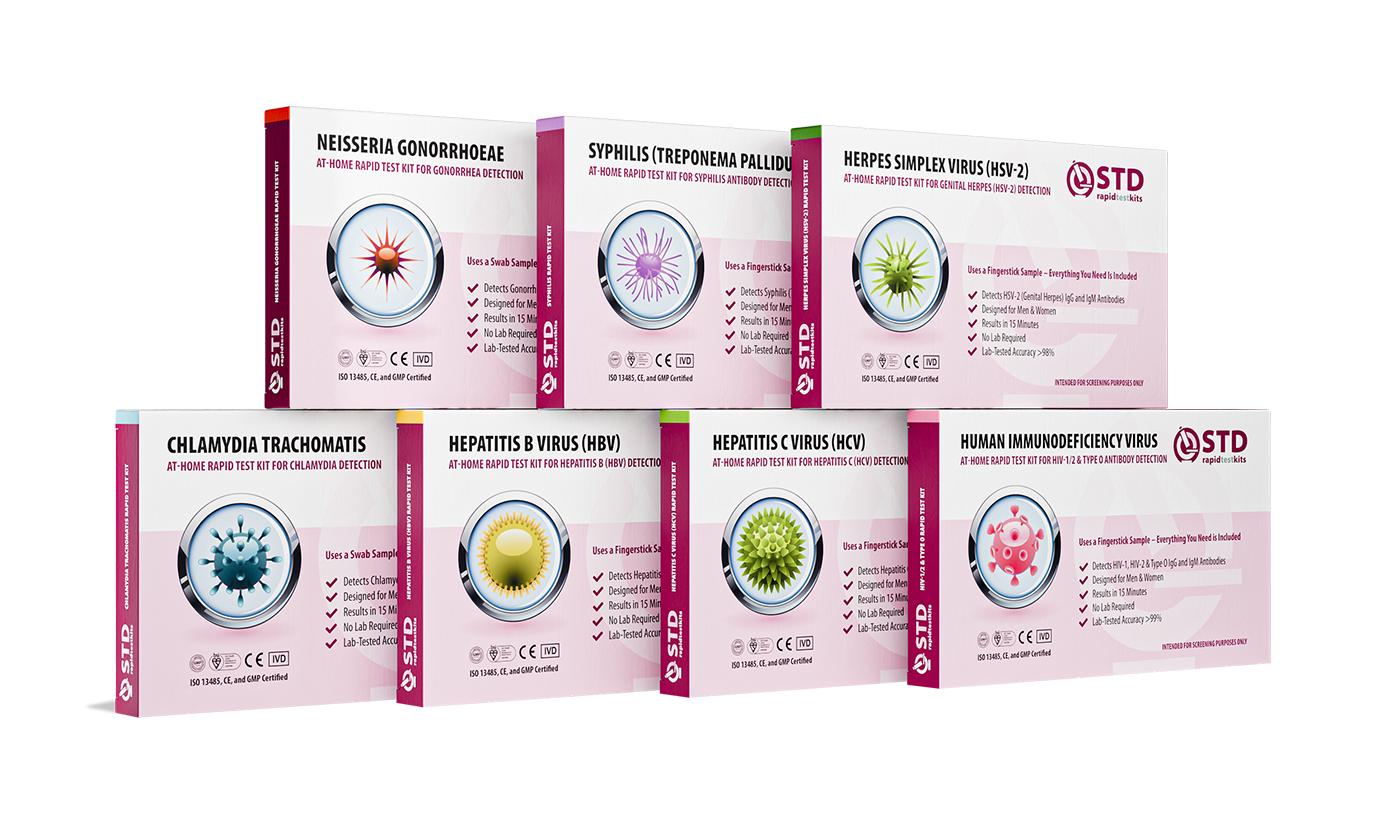
 For Men & Women
 Results in Minutes
 No Lab Needed
 Private & Discreet
Order Now $129.00 $343.00
For all 7 tests
When Stress Feels Physical: Sleep, Burnout, and Viral Persistence
There’s a difference between acute stress and chronic depletion. Acute stress is the argument, the exam, the deadline. Chronic stress is the months-long grind. It’s caring for a sick parent. It’s financial instability. It’s untreated anxiety humming under everything.
Sleep is often the first casualty. And sleep is not optional maintenance. During deep sleep, your immune system recalibrates. Cytokines are regulated. T-cells are restored. When sleep drops below six hours consistently, immune efficiency declines. That doesn’t mean HPV automatically worsens, but it does mean the system clearing it is working under strain.
Think about the nights you scroll instead of rest. The coffee replacing meals. The jaw clenching through emails. None of these make you irresponsible. They make you human. But they do shape immune performance over time.
| Factor | Short-Term Effect | Long-Term Immune Influence |
|---|---|---|
| Sleep Deprivation | Fatigue, irritability | Reduced cellular immune activity |
| Chronic Anxiety | Elevated cortisol spikes | Possible immune signaling disruption |
| Poor Nutrition During Stress | Energy imbalance | Micronutrient deficiencies affecting immune resilience |
| Emotional Trauma | Persistent stress hormone activation | Altered inflammatory regulation over time |
What Stress Does Not Do
Let’s dismantle the myths clearly.
Stress does not transform a low-risk HPV strain into a high-risk one. It does not suddenly cause cervical cancer. It does not mean you are contagious forever. It doesn't mean your body is broken.
HPV progression, when it happens, is influenced by strain type, immune response, smoking status, age, and other biological variables. Stress may influence immune modulation, but it is one factor among many.
The danger isn’t stress itself. It’s misinformation layered on top of stress.
Can You “Boost” Your Immune System to Clear HPV Faster?
This is where the internet gets loud. Detox teas. Miracle supplements. Expensive immune stacks. Let’s be steady here.
You cannot hack your immune system into superhero mode overnight. But you can support it in consistent, boring, evidence-aligned ways. Regular sleep. Balanced nutrition. Smoking cessation. Managing chronic inflammation. Following recommended cervical screening schedules. These actions don’t guarantee faster clearance, but they create conditions that favor immune resilience.
Sometimes the most powerful immune intervention is simply removing chronic strain. Therapy. Boundaries. Rest. Medical follow-up instead of avoidance.
And if part of your stress is uncertainty about your sexual health status, clarity can reduce that mental load. You can explore discreet screening options through STD Rapid Test Kits, which offer private at-home testing solutions. Knowing where you stand can reduce anxiety that keeps cortisol cycling.
The Emotional Weight of “What If”
James hadn’t told anyone about his HPV diagnosis. He read forums obsessively. Every ache in his throat felt ominous. Every stressful week felt like proof the virus was spreading.
This is the quiet side of HPV. The mental load. The catastrophizing. The belief that stress equals danger.
Here’s what the science consistently shows: most HPV infections remain transient. Even in people experiencing stress, clearance remains common. The body is adaptive. It recalibrates. It does not hold grudges.
When we reduce stress solely to “calm down or else,” we miss the point. Stress management is not about perfection. It’s about recovery cycles. About giving your immune system space to function without constant alarms.

People are also reading: Recurring STD Symptoms Aren’t Always What You Think
Screening, Monitoring, and Taking Back Control
If you have a cervix, routine Pap tests and HPV testing are what protect you from progression. Screening identifies cell changes long before cancer develops. That’s prevention working exactly as designed.
If you’re unsure about your broader sexual health picture, comprehensive screening can provide peace of mind. The Combo STD Home Test Kit allows private, discreet testing for multiple common infections. Reducing uncertainty reduces mental strain. And lowering mental strain may indirectly support immune regulation.
Notice the theme here. Not panic. Not blame. Strategy.
Your immune system is not your enemy. Stress is not a moral failure. HPV is common, manageable, and usually temporary. When we understand the biology, we remove fear from the equation.
So, Does Stress Affect HPV?
Yes, in nuanced, indirect ways. Chronic stress can influence immune efficiency. Immune efficiency influences viral clearance and control. But stress does not override your biology overnight. It does not doom you to persistence. It does not guarantee reactivation.
Most importantly, your body is still fighting for you.
Even on the nights you feel like it isn’t.
The Immune System Is Not a Moral System
There’s something subtle that happens after an HPV diagnosis. People start auditing their lives like detectives searching for the mistake. The hookup. The cigarette phase. The burnout year. The relationship that ended badly. And then they land on stress as if it’s a confession.
But your immune system is not a moral scoreboard. It doesn’t punish you for being overwhelmed. It doesn’t downgrade you for grieving too long. It responds to biology, not guilt.
Yes, chronic stress can shift immune signaling. Elevated cortisol over long periods can dampen certain cellular responses. That’s real science. But the body is not fragile glass. It adapts. It recalibrates. It adjusts constantly.
If you zoom out, HPV is extraordinarily common. Most sexually active adults are exposed at some point. Most clear it. The immune system does not require perfection to do its job. It requires time and relative stability.
And stability does not mean a stress-free life. It means recovery cycles. It means you eventually sleep. You eventually eat. You eventually exhale.
When Anxiety Becomes the Bigger Threat
Here’s the irony no one talks about: sometimes the stress about HPV becomes more physiologically disruptive than the virus itself.
The late-night spirals. The compulsive symptom-checking. The endless forum scrolling. The sudden belief that every twinge is a sign of progression. That kind of sustained vigilance keeps cortisol elevated. It keeps the nervous system braced.
Imagine someone refreshing their lab portal every few hours. Not because results changed, but because uncertainty feels unbearable. That mental loop is exhausting. And exhaustion is inflammatory.
Reducing that loop matters. Not because you need to be calm to “earn” clearance. But because constant alarm is hard on any biological system.
Clarity reduces alarm. Follow-up appointments reduce alarm. Accurate information reduces alarm. That’s part of why routine screening exists, not just to detect change, but to remove mystery.
HPV, High-Risk Strains, and the Long View
Let’s talk about the word that scares people most: high-risk.
High-risk HPV strains are labeled that way because, if they persist for many years without monitoring, they can increase the risk of certain cancers. The key phrase is “persist for many years.” Progression is typically slow. Cell changes happen gradually. Screening interrupts that timeline.
Stress does not fast-forward that process overnight. Cancer biology does not work like a countdown clock that stress suddenly accelerates. It is a multi-step process involving viral persistence, cellular mutation, and immune surveillance over extended periods.
What changes outcomes most reliably is participation in screening programs. Pap tests. HPV co-testing. Follow-up when recommended. These are the safety nets.
Think of screening like headlights on a long road. Stress might be weather, annoying, distracting, sometimes heavy. But headlights still let you see.
Reclaiming Control Without Blame
If you’re asking whether stress affects HPV, you’re probably also asking something deeper: “What can I control right now?”
You can’t retroactively eliminate past stress. You can’t micromanage viral replication in real time. But you can influence your environment going forward.
You can prioritize sleep instead of doom-scrolling. You can reduce smoking if it applies to you, since smoking is a known risk factor for HPV persistence. You can attend follow-up screenings. You can address chronic anxiety with actual support instead of silent endurance.
Control is not about punishment. It’s about leverage.
And if part of your stress is simply not knowing where you stand with your broader sexual health, removing that uncertainty matters. Private, discreet testing options like the Combo STD Home Test Kit can reduce the background anxiety that keeps your nervous system buzzing. Clarity lowers cortisol. Lower cortisol supports immune balance. The chain reaction works both ways.
Check Your STD Status in Minutes
Test at Home with RemediumPapillomavirus (HPV) Test
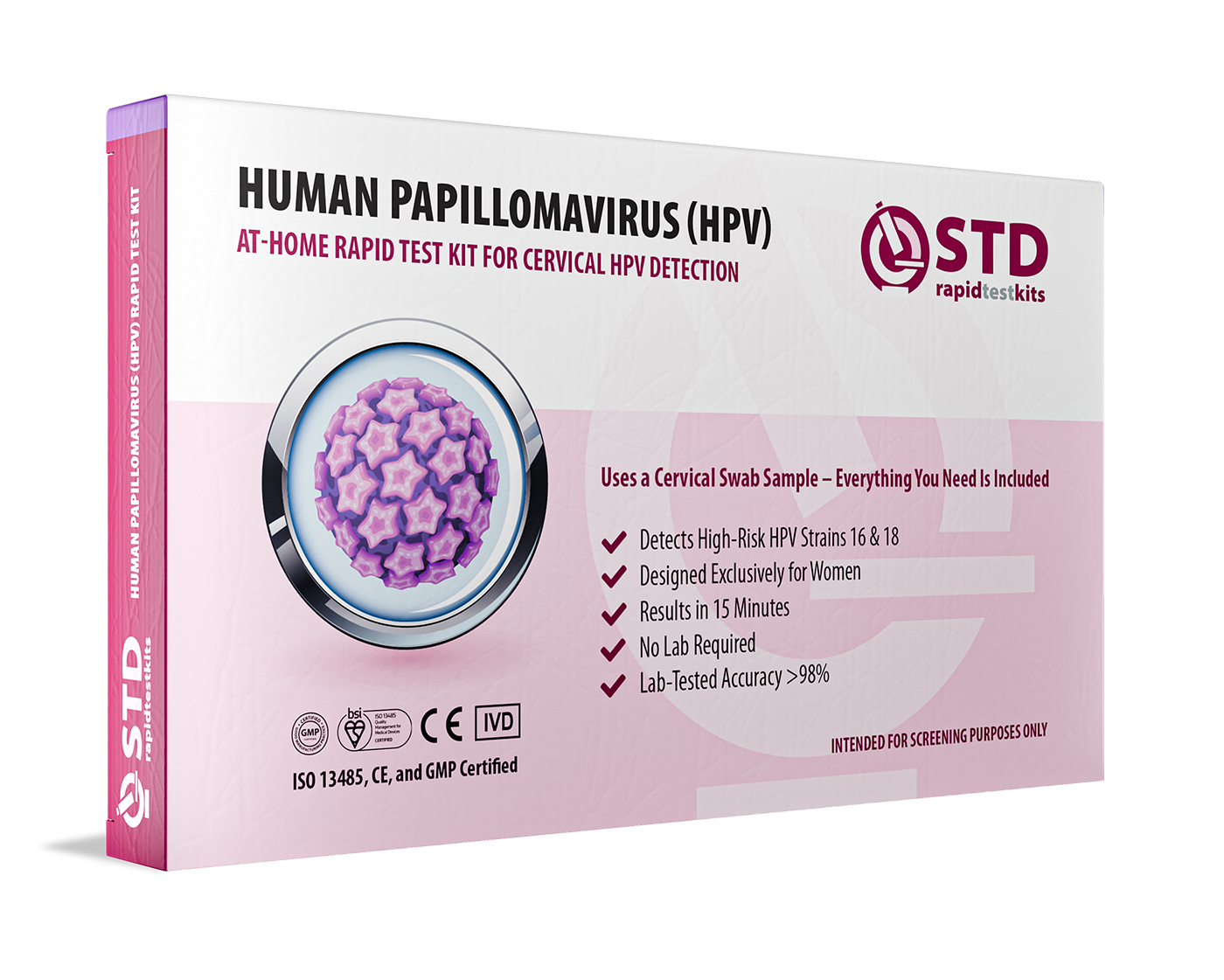
 For WomenResults in MinutesNo Lab NeededPrivate & Discreet
Order Now $33.99 $49.00
Your Body Is On Your Side
There is a strange comfort in remembering this: your immune system has cleared thousands of infections in your lifetime that you never knew existed. Viruses, bacteria, microscopic invaders, handled quietly, efficiently, without drama.
HPV is not special because you’re stressed. It’s not uniquely powerful because you had a rough year. It behaves according to biology, not emotion.
Stress can influence the terrain. It does not rewrite the rules.
Your body is not betraying you. It’s negotiating, adapting, and doing what human bodies have done for centuries, managing exposure and moving forward.
And most of the time, it wins.
FAQs
1. Can stress actually make my HPV worse, or am I just overthinking this?
You’re not overthinking, you’re anxious. That’s different. Chronic stress can influence immune response, and immune response influences how your body manages HPV. But one hard week, one breakup, one deadline spiral? That does not suddenly supercharge a virus. Your immune system is more resilient than your late-night Google history suggests.
2. If I calm down, will HPV go away faster?
I wish it were that simple. Lighting a candle and doing breathwork won’t instantly clear a virus. But reducing chronic stress supports immune balance over time. Think of it like removing ankle weights, your body can already do the job; you’re just making it easier to move.
3. Can HPV come back when I’m stressed?
HPV can become detectable again after being suppressed, but that doesn’t mean stress “woke it up” like some villain in a horror movie. Reactivation is complex. Immune shifts, aging, hormone changes, and other factors all play a role. Stress may be one piece of the puzzle, not the mastermind behind it.
4. I’ve been positive for over a year. Did stress stop me from clearing it?
Not necessarily. Clearance timelines vary widely. Some strains linger longer. Some immune systems take a little more time. Stress might influence efficiency, but it rarely acts alone. Persistence is frustrating, not proof that you failed your body.
5. Does anxiety weaken the immune system that much?
Chronic, unrelenting anxiety can alter cortisol patterns and immune signaling. But your immune system isn’t made of glass. It bends. It recalibrates. It recovers. Occasional panic does not equal permanent damage.
6. Will improving my sleep actually help?
Yes, and not in a woo-woo way. Deep sleep is when immune cells reset and coordinate. If you’re sleeping five broken hours a night, your immune system is running on fumes. Consistent rest won’t “cure” HPV, but it supports the environment that clears it.
7. Does stress increase my risk of cervical cancer?
Stress alone does not cause cervical cancer. Long-term persistence of high-risk HPV combined with untreated cellular changes is what increases risk. Regular screening catches those changes early. Pap tests prevent cancer. Stress does not override that protection.
8. Is my body failing me?
No. It’s doing what human bodies have done for centuries, encountering viruses and managing them quietly. Most sexually active adults are exposed to HPV at some point. Your body is not broken. It’s navigating something common.
9. Should I retest every time I go through a stressful period?
No. Follow medical screening guidelines instead of emotional impulses. Retesting because you had a bad month at work won’t change viral biology. If uncertainty itself is causing ongoing stress, that’s different, clarity can calm the nervous system.
10. What’s the most important thing to focus on right now?
Stability. Regular screening. Sleep. Nutrition. Emotional support. And perspective. HPV is common. Clearance is common. Catastrophizing is also common, but it’s optional.
You Are Not Broken, Your Body Is Working
There is something cruel about how quickly we blame ourselves when our bodies do something ordinary. HPV is one of the most common viral infections in the world. Most sexually active adults are exposed at some point. It is not a verdict on your choices, your worth, or your stress levels.
Stress can influence immune balance. That is real. But it does not erase your body’s intelligence. It does not cancel your ability to clear infection. And it certainly does not mean you caused this.
If uncertainty is keeping your nervous system on edge, clarity helps. You can explore private screening options at STD Rapid Test Kits and choose a discreet testing solution that fits your situation. Removing the “what if” reduces the chronic alarm state that fuels anxiety.
Your immune system is still fighting for you. Even during burnout. Even during heartbreak. Even during sleepless nights.
How We Sourced This Article: We looked at advice from well-known public health groups like the World Health Organization and the Centers for Disease Control and Prevention, as well as peer-reviewed research on psychoneuroimmunology and getting rid of HPV. We also included stories from people who have lived through the emotional realities that people face after being diagnosed.
Sources
1. Centers for Disease Control and Prevention – HPV Overview
2. World Health Organization – Human Papillomavirus and Cervical Cancer
3. Mayo Clinic – HPV Infection: Symptoms and Causes
4. Planned Parenthood – HPV Information
5. Centers for Disease Control and Prevention – About HPV
6. Centers for Disease Control and Prevention – HPV and Cancer
7. Psychological Stress and the Human Immune System: A Meta-Analytic Study
8. Chronic Stress and Cellular Immunity – Psychoneuroimmunology Review
9. Johns Hopkins Medicine – Human Papillomavirus (HPV)
About the Author
Dr. F. David, MD is a board-certified infectious disease specialist focused on STI prevention, diagnosis, and treatment. He blends clinical precision with a no-nonsense, sex-positive approach and is committed to expanding access to accurate sexual health information.
Reviewed by: A. Reynolds, MSN, FNP-C | Last medically reviewed: February 2026
This article is only meant to give you information and should not be used as medical advice.


