







Quick Answer: If you think you exposed someone to an STD, tell them as soon as you have clear information, ideally after testing, but sooner if symptoms or high-risk exposure are involved. Keep it direct, calm, and focused on shared health, not blame.
This Is About Responsibility, Not Guilt
Let’s start here. Exposure does not make you reckless. It does not make you dirty. It does not make you a villain in someone else’s story. Most sexually transmitted infections are passed by people who do not know they have them. The Centers for Disease Control and Prevention notes that many infections, including chlamydia and gonorrhea, are frequently asymptomatic, meaning people can transmit them without any visible sign.
Picture this. You and someone you care about, or maybe someone you barely know, had a night that felt easy. You used protection. Or maybe you didn’t. Maybe it was complicated. Maybe it was spontaneous. Days later, you test positive. Or maybe you just learned a previous partner tested positive. Now you’re in the gray space between panic and responsibility.
The goal here isn’t confession. It’s care. Disclosure isn’t about self-punishment. It’s about protecting both of you from ongoing risk and preventing reinfection cycles that public health data shows are common when partners aren’t informed.
When Should You Tell Them?
Timing matters. Not because you’re hiding anything, but because clarity reduces chaos. There’s a difference between texting someone in a panic at 2 a.m. and reaching out once you have concrete information.
But waiting too long can also increase risk. So let’s break this down logically and realistically.
| Scenario | Risk Level | Recommended Timing to Disclose | Why |
|---|---|---|---|
| You tested positive for a confirmed STD | High | Immediately after receiving confirmed results | Prevents further exposure and allows early testing/treatment |
| Partner informed you they tested positive | Moderate to High | As soon as you confirm your own exposure window | Shared exposure timeline matters for testing accuracy |
| You have symptoms but no test yet | Variable | Consider testing first unless symptoms are severe | Avoid unnecessary panic while gathering clarity |
| Condom broke or unprotected sex occurred | Variable | Discuss testing plan within days | Openness early reduces anxiety and builds trust |
If you already have a positive result, the answer is simple. Tell them. Not aggressively. Not dramatically. Just clearly. The longer someone unknowingly carries an infection, the greater the risk of complications or spreading it further.
If you’re still in testing limbo, take a breath. Many STDs have window periods, meaning testing too early can produce false reassurance. Testing first gives you something solid to communicate. If you’re unsure about timing, visiting STD Rapid Test Kits can help you choose a discreet at-home option and understand window periods before you initiate the conversation.

People are also reading: Can You Get an STD from Kissing, Grinding, or Oral?
What Do You Actually Say?
This is the part people freeze on. The words.
Imagine sitting at your kitchen table, phone face down, rehearsing. You don’t want to sound accusatory. You don’t want to sound ashamed. You don’t want to sound like you’re making it their fault. So here’s the structure that works.
First: state the fact.
Second: clarify the timeline.
Third: put your attention on health that you all share.
Fourth: offer next steps.
It can sound like this:
“Hey, I wanted to let you know I recently tested positive for chlamydia. I’m not sure when I got it, but since we were together recently, I wanted you to have the information so you can get tested too.”
Notice what’s missing. No blame. No apology spiral. No dramatic over-explaining. Just information and care.
If you don’t have confirmed results yet but suspect exposure, you might say:
“I found out a previous partner tested positive, and since we were together around that time, I’m getting tested. I wanted to give you a heads up so you can decide what feels right for you.”
This keeps the tone calm. Shared responsibility. No finger-pointing.
If They Get Angry
Here’s the reality nobody sugarcoats. Sometimes people react with fear, and fear looks like anger.
You might hear, “You gave this to me.” Or worse, “How could you?”
Pause. Remember something crucial: unless someone knowingly hid a diagnosis, most transmission happens without awareness. Even medical authorities like the World Health Organization emphasize that stigma and blame reduce testing and increase spread.
Picture a scene. You’re in your car after sending the message. Three dots appear. Then disappear. Then appear again. The reply comes in sharp and fast. Your pulse jumps.
Instead of defending yourself right away, start the conversation with facts and what needs to be done next. You might respond:
“I understand this is upsetting. I didn’t know I had it. I’m telling you because I care about your health.”
That line shifts the energy. From accusation to shared solution.
Do You Have a Legal Obligation to Tell Them?
This depends on the infection and your state. Some states in the U.S. have specific disclosure laws for HIV. Most other STDs fall into ethical responsibility rather than criminal statutes unless someone knowingly exposes a partner.
The fear of being sued or criminally charged is common, but in most real-world scenarios involving unintentional exposure, legal consequences are rare. What matters most legally is knowledge and intent. Public health frameworks focus on reducing harm, not punishing honest mistakes.
Still, transparency protects you socially and medically. Silence rarely improves outcomes.
Testing Before and After the Conversation
Let’s talk about logistics. Because fear fades faster when there’s a plan.
If you tested positive, treatment often begins immediately for bacterial infections like chlamydia and gonorrhea. Viral infections like herpes or HIV require longer-term management but are manageable with modern medication.
If you haven’t tested yet, do it. Not as a panic move. As a clarity move.
| STD | Earliest Reliable Test | Peak Accuracy | Retest After Treatment |
|---|---|---|---|
| Chlamydia | 7–10 days | 14+ days | 3 months |
| Gonorrhea | 7 days | 14+ days | 3 months |
| Syphilis | 3–6 weeks | 6–12 weeks | 6–12 months depending on stage |
| HIV | 10–33 days (NAAT) | 45+ days (Ag/Ab test) | Per physician guidance |
| Herpes | 2–12 weeks (blood test) | 12+ weeks | Not typically retested unless symptomatic |
If walking into a clinic feels overwhelming, consider ordering a discreet option like the Combo STD Home Test Kit. Testing privately before initiating the conversation can give you facts instead of guesses.
Peace of mind isn’t avoidance. It’s preparation.
Check Your STD Status in Minutes
Test at Home with Remedium7-in-1 STD Test Kit

 For Men & Women
 Results in Minutes
 No Lab Needed
 Private & Discreet
Order Now $129.00 $343.00
For all 7 tests
The Text vs The Face-to-Face Conversation
There’s a quiet debate people don’t talk about out loud. Is it cowardly to send a text? Or is it considerate?
Imagine this. You met on a dating app. You saw each other twice. The connection was warm but casual. Does that require a sit-down coffee conversation? Probably not. A direct, respectful message is appropriate. In fact, sometimes written communication reduces emotional escalation and gives both people space to process.
Now picture a different scene. You’ve been seeing someone for six months. You share playlists. You’ve met their friends. That conversation probably deserves eye contact. Tone matters more when attachment runs deeper.
The method should match the relationship. What shouldn’t change is clarity.
Text example for a newer partner:
“Hey, I wanted to let you know I tested positive for gonorrhea this week. I’m getting treated, and since we were together recently, I wanted you to have the information so you can test too.”
In-person example for a longer relationship:
“I got my results back and tested positive for chlamydia. I didn’t know I had it. I care about us, so I want to make sure we both get treated and move forward safely.”
Notice the pattern. Direct. Calm. No dramatic confessions. No self-condemnation speeches.
What If You’re Not Even Sure It Was You?
This is where things get emotionally messy. Maybe you tested positive, but you’ve had more than one partner in the last few months. Maybe they have too. Suddenly the conversation turns into a silent math equation no one wants to solve.
Here’s the truth most people avoid. Unless someone has had zero other partners and you are within a narrow exposure window, it is often impossible to determine exactly who transmitted what. Public health research consistently shows reinfection cycles happen because partners assume certainty where there isn’t any.
Imagine sitting across from someone who says, “You gave this to me.” You feel heat rise in your face. You want to defend yourself. Instead, grounding the conversation in uncertainty can defuse blame.
“I don’t know when I contracted it, and I don’t know where it came from. What matters is we both have the information now.”
That sentence protects your dignity without escalating the situation.
The Reinfection Trap Nobody Warns You About
Here’s something practical that often gets lost in emotional conversations. If both partners aren’t treated at the same time for bacterial infections like chlamydia or gonorrhea, reinfection is common.
You treat yours. They don’t treat theirs. You reconnect weeks later. Suddenly you’re positive again and convinced someone cheated. In reality, it’s biology, not betrayal.
This is why disclosure isn’t just ethical. It’s strategic.
| Step | What Happens Without Disclosure | What Happens With Disclosure |
|---|---|---|
| Initial Infection | One partner treated, other unaware | Both partners informed |
| Post-Treatment Intimacy | Untreated partner reinfects treated partner | Both treated simultaneously |
| Follow-Up Testing | Confusion and mistrust | Clear timeline and shared prevention plan |
When you frame disclosure as preventing reinfection rather than admitting wrongdoing, the conversation shifts from emotional chaos to shared strategy.
If You’re Terrified of the Conversation
Let’s sit in this for a second. Your stomach drops every time you think about it. You imagine worst-case reactions. You imagine being blocked. You imagine them telling other people. Shame gets loud.
Take a breath. Exposure conversations are uncomfortable, but they are survivable. And most of the time, they are less explosive than your imagination predicts.
Try this mental reset. You are not confessing a crime. You are sharing health information. Doctors, public health workers, and entire global prevention systems revolve around this exact exchange happening calmly and early.
If fear is paralyzing you, testing first can give you solid ground to stand on. A discreet at-home test removes one layer of uncertainty before you speak. Knowing your results changes your tone from frantic to steady.
Clarity is confidence.

People are also reading: Can You Get an STD from Oral Sex?
How to Keep the Conversation From Turning Into a Trial
Some people go into detective mode. “Who else were you with?” “When?” “How many times?”
You do not owe a full sexual history unless you choose to share one. The purpose of this conversation is exposure awareness, not interrogation.
You can gently redirect:
“I’m not comfortable breaking down every detail, but I want to focus on making sure we both get tested and treated.”
Boundaries and responsibility can coexist.
Anonymous Notification: When Direct Contact Feels Unsafe
There are situations where direct communication feels unsafe or impossible. Maybe the encounter was brief. Maybe it was emotionally volatile. Maybe you fear retaliation.
Public health departments in many regions offer anonymous partner notification services, particularly for HIV and syphilis. These services inform partners that they may have been exposed without revealing your identity.
Choosing anonymity is not cowardice. It is sometimes the safest route. The priority is ensuring someone knows they need testing.
After You Tell Them: What Comes Next
The conversation ends. Your phone goes quiet. You exhale. And then you wait.
They might respond quickly. They might need space. They might surprise you with kindness. Many people do. Because once shock settles, most adults understand that STDs are common, manageable, and often silent.
Focus on your follow-through. Complete treatment. Avoid sex until cleared. Retest at recommended intervals. If you need clarity on timing or discreet options, you can explore testing through STD Rapid Test Kits to ensure both of you move forward informed.
This isn’t the end of your sexual story. It’s just a responsible chapter.
The Conversation You’re Avoiding Might Save You Both
There’s a quiet irony in all of this. The thing you’re most afraid of saying is often the thing that prevents bigger consequences later. Untreated syphilis can progress silently. Undiagnosed gonorrhea can cause complications. Even viral infections like herpes are easier to manage when someone knows what they’re dealing with.
Picture this. Months from now, they start having symptoms. They trace back partners. Your name comes up. But you never told them. Now the narrative shifts from “We handled this responsibly” to “Why didn’t you say anything?” That shift is avoidable.
Disclosure protects your integrity as much as it protects their health.
What If You’re in a Relationship?
This is where fear gets heavier. Because now it’s not just about exposure. It’s about trust.
You might be thinking, “They’re going to assume I cheated.” Or worse, “What if this reveals something neither of us knew?” Remember, many infections can remain dormant or undetected for months. A positive test does not automatically indicate recent infidelity.
Approach this with transparency and calm structure. Share the result. Share what you know about timing. Share the testing plan. Keep your voice steady, even if your hands are not.
One reader once described sitting at the edge of their bed rehearsing the sentence for an hour. When they finally spoke, their partner said, “Okay. Let’s figure it out.” Not dramatic. Not explosive. Just practical.
You don’t control their reaction. But you do control your clarity.
Managing Your Own Anxiety Before You Speak
Your nervous system is loud right now. That’s normal. Shame and uncertainty activate the same fight-or-flight circuits as physical danger. But this isn’t danger. It’s a health conversation.
Before reaching out, do three quiet things. Confirm your testing status. Write down the key sentence you want to use. Remind yourself that most STDs are treatable, manageable, and common. According to global public health data from the World Health Organization, millions of new STI cases occur every day worldwide. You are not an outlier.
Preparation reduces panic. Panic escalates tone. Tone shapes outcomes.
Reducing Future Risk Together
Once disclosure happens, you have an opportunity most people overlook. You can reset the sexual health baseline together.
This means agreeing on retesting timelines. Using condoms consistently until treatment clears. Discussing exclusivity honestly. And if you want additional reassurance before reconnecting, ordering a private screening like the Combo STD Home Test Kit allows both partners to test discreetly before intimacy resumes.
This isn’t about suspicion. It’s about shared prevention.
When the Exposure Was Casual
Hookups carry their own emotional math. There may be no emotional safety net. No built-in trust. Just a message thread and a memory.
In these cases, brevity works best. Direct. Respectful. Uncomplicated.
“Hey, I recently tested positive for syphilis. I’m being treated. Since we were together recently, I wanted you to know so you can get tested.”
You don’t need to relive the night. You don’t need to overexplain. You are sharing health information. That’s it.
Check Your STD Status in Minutes
Test at Home with Remedium8-in-1 STD Test Kit
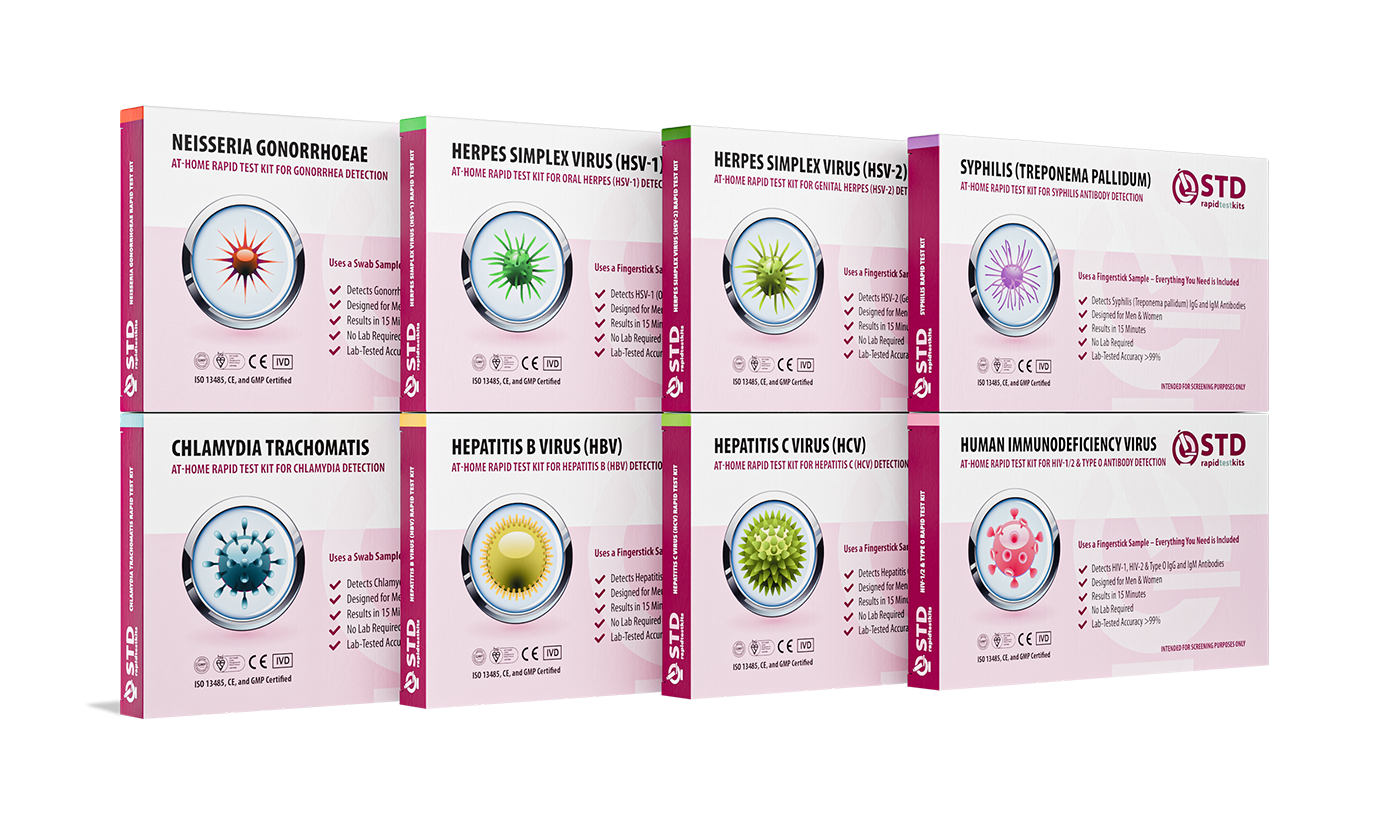 For Men & WomenResults in MinutesNo Lab NeededPrivate & Discreet
Order Now $149.00 $392.00
For all 8 tests
What If They Never Respond?
Sometimes you send the message and silence answers back.
That silence does not undo your responsibility. You informed them. You did your part. If you’re concerned about high-risk infections like HIV or syphilis, consider contacting local public health services to explore anonymous partner notification pathways. Once you’ve made a reasonable effort, the burden shifts.
You cannot control someone else’s follow-through. Only your own.
Before You Spiral, Remember This
Sexual health conversations are adult conversations. They feel loaded because we attach morality to infection. But medically, an STD is an infection. A pathogen. A biological event.
You are not confessing a character flaw. You are sharing information that allows another person to protect their body. That is maturity.
And if you’re still in the uncertainty stage, waiting for results, unsure about timing, start there. Get tested. Get facts. Visit STD Rapid Test Kits and choose a discreet screening option that fits your window period. Speak from knowledge, not fear.
FAQs
1. Do I really have to tell them… even if it was just a hookup?
If you’re asking the question, you already know the answer. Yes. Even if it was one night. Even if you never planned to see them again. Exposure isn’t about romance, it’s about biology. You don’t have to make it dramatic, and you don’t have to reopen anything emotional. A simple, respectful heads-up is enough. It’s not about reliving the night. It’s about protecting someone’s health.
2. What if I’m not 100% sure I’m the one who exposed them?
Welcome to the gray zone. Most STD transmissions live there. Unless the timeline is crystal clear and exclusive, it’s often impossible to pinpoint who gave what to whom. Instead of trying to solve the mystery, shift the frame. “I tested positive, and since we were together, I wanted you to know.” That’s it. No detective work required.
3. Should I apologize?
You can express care without collapsing into shame. There’s a difference between “I’m so sorry, I’m a terrible person” and “I’m sorry this is stressful, I care about your health.” The first one centers guilt. The second centers responsibility. Choose the second.
4. What if they completely lose it on me?
Anger is usually fear wearing armor. Give them a second to react. You don’t have to absorb accusations to stay mature. A steady response like, “I didn’t know I had it, and I’m telling you because I respect you,” often diffuses more than defensiveness ever could. If the conversation turns abusive, you are allowed to disengage. Disclosure doesn’t require you to tolerate mistreatment.
5. Is texting really okay, or is that cowardly?
Context matters. If this was a two-date situation or a dating app connection, a direct text is appropriate. If it’s a long-term partner, face-to-face may feel more respectful. The real question isn’t “Is text bad?” It’s “Is my message clear?” Clear beats theatrical every time.
6. What if I’m still waiting on my results?
If you had a known exposure, like a previous partner calling to say they tested positive, it’s reasonable to let recent partners know you’re getting tested. But if you’re spiraling over vague symptoms and no confirmed risk, test first. Facts calm tone. Tone shapes outcome.
7. Could this ruin my relationship?
Silence is more likely to ruin it than honesty. Plenty of couples navigate an STD diagnosis and come out stronger because transparency builds trust. It’s uncomfortable, yes. But uncomfortable and destructive are not the same thing.
8. What if they tell other people?
That fear is real. Most adults, however, don’t broadcast private health conversations. And if someone does weaponize it, that says more about their character than yours. You handled the situation responsibly. That matters.
9. Can we just wait and see if symptoms show up?
No. Many infections, like chlamydia, gonorrhea, and even early HIV, can be completely asymptomatic. Waiting for visible proof isn’t prevention. It’s gambling. Testing is clarity. Clarity is power.
10. I feel disgusting. How do I shake that?
You’re not disgusting. You’re human. STDs are infections, not moral verdicts. Millions of new cases occur globally every year. Responsible adults get tested, get treated, and communicate. That’s not shameful. That’s mature.
What if they never respond?
You did your part. You reached out. You shared information. That’s where your responsibility ends. You cannot force someone to care for their health. But you can protect your integrity by speaking up.
You Deserve Answers, Not Assumptions
Right now, your brain might be writing worst-case scripts. They’re going to hate me. They’re going to blame me. This is going to explode. But most of the time, the reality is far less dramatic than the fear.
An STD exposure conversation is not a courtroom. It’s not a confession booth. It’s a health update between adults. You are allowed to handle it calmly. You are allowed to speak without self-condemnation. And you are absolutely allowed to protect your own peace while doing the responsible thing.
If you’re still sitting in uncertainty, waiting on results, unsure about timing, replaying every detail, start there. Get clear first. Testing gives you solid ground to stand on. Whether you choose a clinic or a discreet option like the Combo STD Home Test Kit, knowing your status transforms panic into a plan.
You can’t control someone else’s reaction. But you can control your integrity. You can choose transparency over avoidance. You can choose facts over fear. And once the conversation is done, you get to exhale.
Because this isn’t about shame. It’s about care. And care is never something you should apologize for.
How We Sourced This Article: This guide blends current public health guidance from leading authorities including the CDC, WHO, and Mayo Clinic with peer-reviewed research on partner notification effectiveness and reinfection rates.
Sources
1. CDC—Partner Services and STD Prevention
2. World Health Organization – Sexually Transmitted Infections Fact Sheet
3. Mayo Clinic – Sexually Transmitted Diseases Overview
4. Planned Parenthood – Talking to Partners About STDs
5. CDC – Sexually Transmitted Infections Treatment Guidelines
6. NHS – Sexually Transmitted Infections (STIs)
About the Author
Dr. F. David, MD is a board-certified specialist in infectious diseases who works to stop, diagnose, and treat STIs. He blends clinical precision with a no-nonsense, sex-positive approach and is committed to expanding access to discreet testing options for patients nationwide.
Reviewed by: L. Ramirez, MPH | Last medically reviewed: February 2026
This article is only meant to give you information and should not be used as medical advice.


