





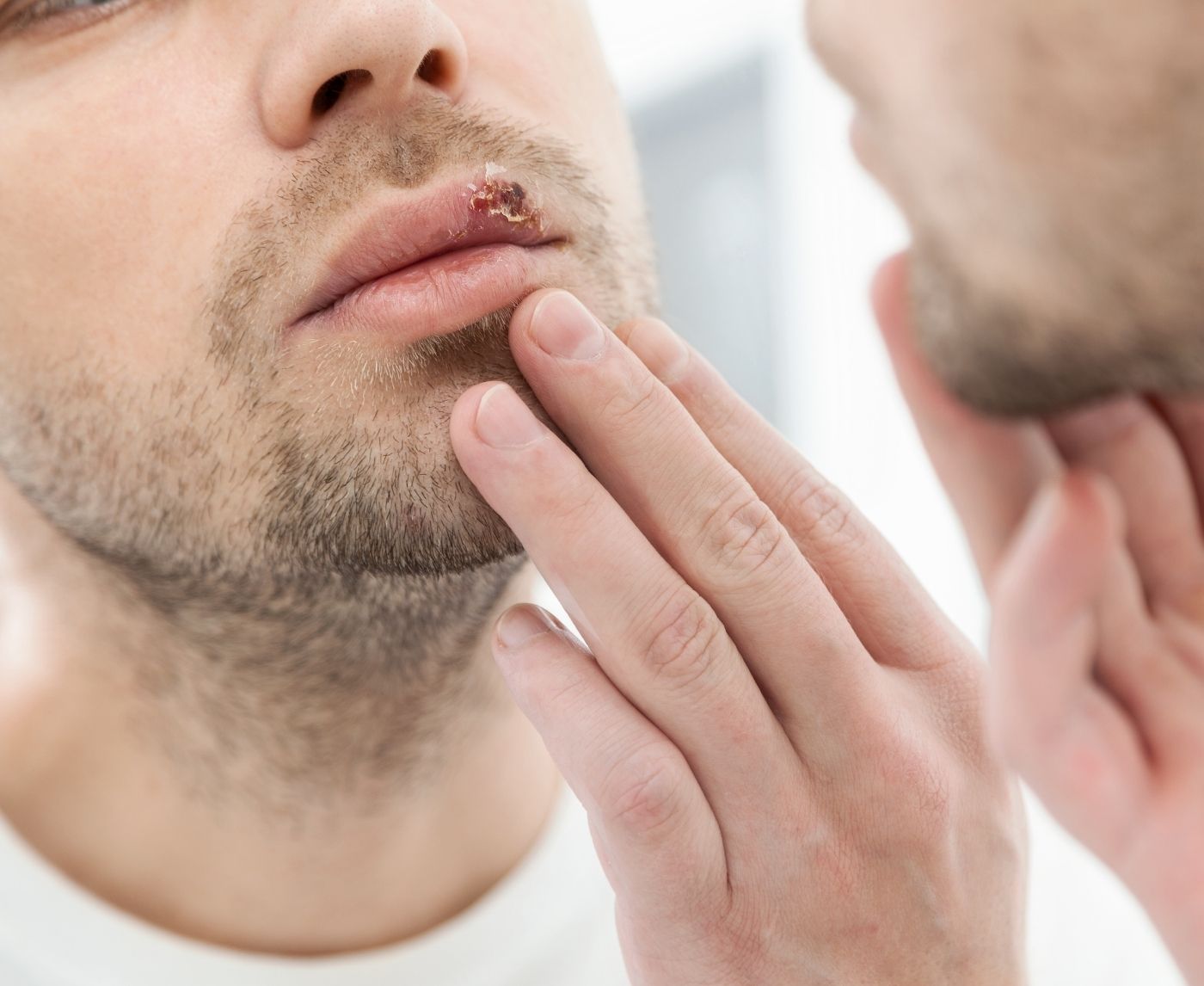

Quick Answer: You can absolutely get an STD from oral sex, especially herpes, gonorrhea, chlamydia, syphilis, HPV, and even HIV in rare cases. Many oral STDs have no symptoms and go undiagnosed for months.
This Isn’t Just a Sore Throat
Ryan, 24, thought he was getting sick. His throat felt raw, especially in the mornings. He brushed it off, he’d been at a party, shouted a lot, maybe caught something. But it didn’t get better. It didn’t feel like strep either. No fever. No white spots. “I didn’t have sex,” he told the urgent care nurse. “Just oral.”
“She didn’t look like someone who had anything,” he later said. “And we didn’t use a condom, I mean, who does for a BJ?”
His throat swab came back positive for gonorrhea.
Oral gonorrhea is a thing. So is oral chlamydia, syphilis, and herpes. These infections can live in the throat, tonsils, and mouth, often with zero symptoms, or symptoms so subtle they get dismissed. Think scratchy throat. Swollen lymph nodes. Maybe a tiny sore you think is a canker or just irritation from spicy food.
Studies show that many people who test positive for an oral STD had no idea anything was wrong. According to a 2020 study in the journal Sexually Transmitted Infections, up to 78% of oral gonorrhea cases were asymptomatic. That means most people wouldn’t know to get tested unless they were doing it routinely, or got exposed by a partner.
People are also reading: Why Regular͏͏ STD͏͏ Testing͏͏ is͏͏ Important͏͏ for͏͏ All͏͏ Couples.
What If It’s Not Strep? What STDs Look Like in the Mouth
This is where it gets tricky. A lot of oral STDs don’t look like STDs. You might feel like you’ve got allergies. Or a sore throat from yelling. Or post-nasal drip. Here’s what people actually report, even when it turns out to be serious:
“It just felt a little raw, like I had brushed my teeth too hard.” “I had this tiny bump near my lip, I thought it was from shaving.” “My breath smelled off, but I didn’t think it was an infection.”
Let’s break this down with lived experience: Tina, 27, was told by two doctors her mouth sore was a canker. It wasn’t. After insisting on a swab, she was diagnosed with oral herpes.
“It was humiliating,” she said. “I felt dirty, even though I hadn’t done anything unusual. I gave someone head and now I have a lifelong virus?”
This isn't to scare you. This is to de-shame what’s real. Herpes, especially HSV-1, is wildly common and often spread through oral sex. The WHO estimates that around 67% of the global population under 50 has HSV-1. Many got it from kissing. Others from oral sex. It's not a punishment, it's an infection.
And if you’ve ever had a cold sore and given oral sex? You could’ve transmitted herpes without realizing. It’s that easy, and that misunderstood.
Here’s where science gets frustrating. You could have chlamydia in your throat right now and never know it. And if you got tested with a urine sample, it wouldn’t show up. Most routine STI tests don’t automatically include a throat swab unless you ask, or disclose that you’ve had oral sex.
In one CDC-backed report, up to 30% of oral chlamydia and gonorrhea cases in young adults were missed by genital-only testing. That means you could test “negative” and still have an oral infection capable of transmitting to someone else.
These infections can also affect the tonsils and upper throat, sometimes mimicking mono or tonsillitis. One patient described it as, “a pressure feeling in the back of my throat that wouldn’t go away, like something was stuck.” A swab confirmed oral gonorrhea, but he’d had zero genital contact in weeks.
The stigma? It’s baked into the surprise. Because we assume “real” STDs only happen after penetrative sex. But that’s a lie. Bacteria and viruses don’t care what kind of sex you’re having. Just that mucous membranes touched mucous membranes. That fluids exchanged. That bodies met.
“But I Didn’t Even Have Sex”: When Definitions Fail You
This is where the shame creeps in. People say “I didn’t really have sex” and use that as a shield against worry. But here’s the hard truth, if mouths were involved, bodies were exposed. STDs don’t wait for penetration. They show up when people do.
Jared, 21, gave oral sex to a girl he met at a party. He told his friend later, “I wasn’t stupid. I didn’t sleep with her or anything. Just head. I thought that didn’t count.” A month later, his sore throat hadn’t gone away, and he tested positive for oral chlamydia. When the nurse told him, he said: “I thought I was being safe.”
This belief, that “oral doesn’t count”, isn’t stupidity. It’s survival. For years, abstinence-only sex ed taught us that sex was penis-in-vagina. Anything else? Not “real.” So millions of people experimented with oral or anal sex under the false promise of protection. Add in hookup culture, ghosting, and dating app anonymity, and oral sex becomes a go-to middle ground. Supposedly low-stakes. Less awkward. No condoms. Less emotional exposure.
But infections don’t care about our comfort zones.
The data backs this up. A 2015 meta-analysis found that men who have sex with men (MSM) had high rates of pharyngeal gonorrhea, many from oral exposure alone. But what’s less reported is that cishet women and men are increasingly testing positive too, especially as routine testing expands.
And yes, giving oral sex puts you at risk, not just receiving. Gonorrhea, herpes, HPV, and even syphilis can be transmitted mouth-to-genital. That means even if you “only went down on them,” you’re still at risk.
Check Your STD Status in Minutes
Test at Home with Remedium7-in-1 STD Test Kit
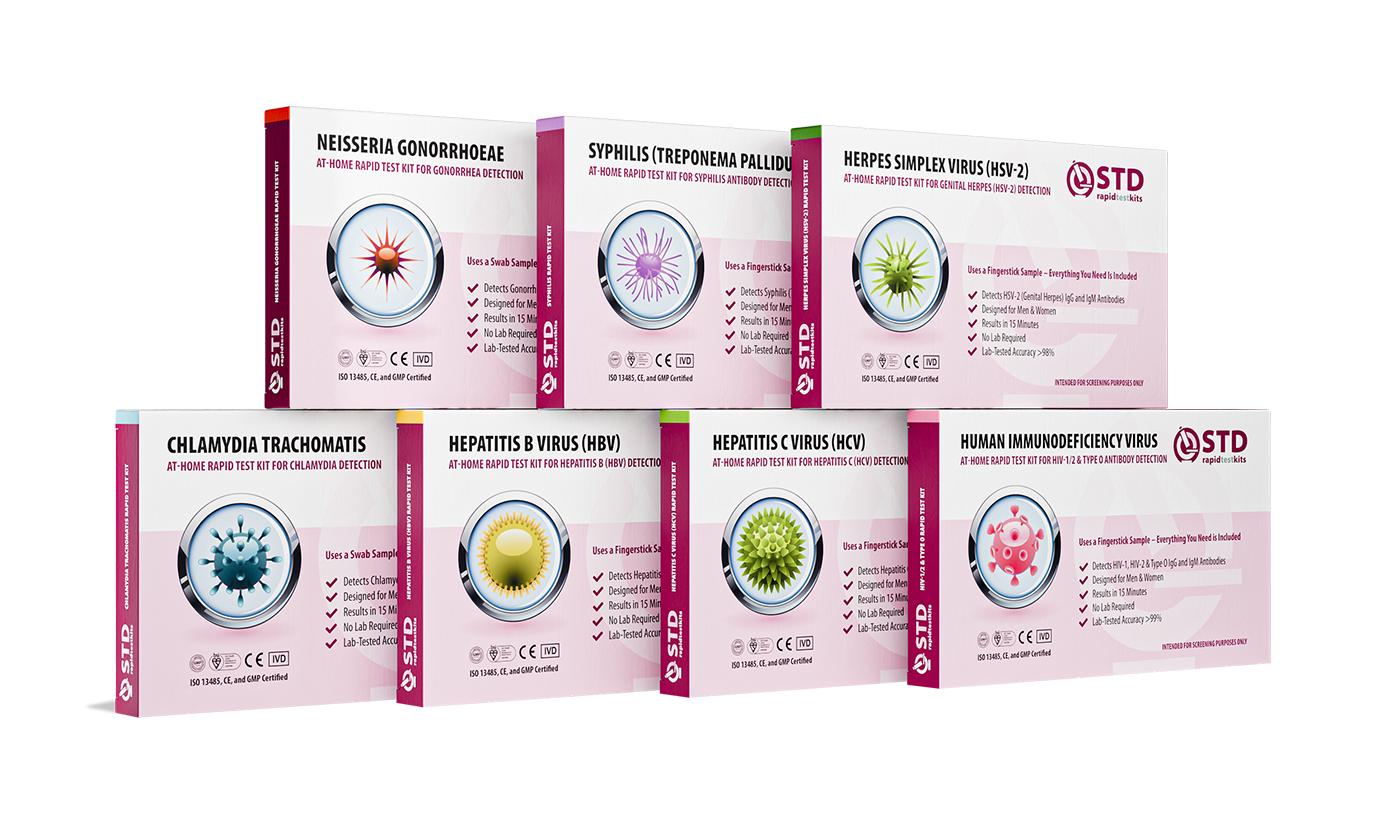
 For Men & Women
 Results in Minutes
 No Lab Needed
 Private & Discreet
Order Now $129.00 $343.00
For all 7 tests
Queer, Curious, and Still at Risk
If you're part of the LGBTQ+ community, you’ve probably already felt the gap between what sex ed taught and how you actually experience intimacy. But that doesn’t make you immune. In fact, you might be more aware of risk, but still left out of care.
Lena, 29, is nonbinary and pansexual. They hooked up with a femme-presenting partner during Pride week. Just oral. Nothing penetrative. A month later, Lena noticed a single ulcer on their gum line and a mild fever. “It felt like the flu and a paper cut in my mouth at the same time,” they said. The clinic tested them for everything. Syphilis. Positive.
Syphilis is on the rise again, especially among queer communities and trans people. The CDC reported a 28% increase in primary and secondary syphilis in 2022 alone. Oral sex is one of the common transmission routes, and initial symptoms may appear in the mouth as a single, painless sore that disappears before you think to check.
Queerness doesn’t protect you from infection. But it also shouldn’t be pathologized. That’s the balance we aim for here: awareness without shame, truth without judgment, care without stigma.
Even if you’re getting tested regularly, which, go you, not all tests are created equal. Here’s the dirty secret: most “routine” STI panels don’t include oral swabs unless you ask. If you pee in a cup and everything comes back negative, that only tells you what’s happening genitally. Not what’s living in your throat or mouth.
This is why people feel blindsided. They test “clean,” hook up again, then later find out they were carrying something without knowing. Not because they were reckless. But because the system didn’t think to check where it mattered.
There’s also the issue of incubation. STDs don’t always show up immediately. Some take days. Others, like syphilis or HIV, can take weeks to become detectable. If you test too early after exposure, you might get a false negative and think you’re in the clear.
“I took a test two weeks after giving head and it said I was negative,” said Chris, 31. “But six weeks later, I had a weird ulcer and turns out I had herpes. I was pissed. I thought I was being proactive.”
He was. But the window period had betrayed him.
People are also reading: Life After an STD: Coping, Healing, and Preventing Future Infections
Prevention Doesn’t Have to Kill the Vibe
Let’s talk about protection, and let’s talk about it like grown-ups. Because here’s the honest deal: most people don’t use condoms for oral sex. And almost no one uses dental dams. Not because they’re irresponsible, but because condoms taste like rubber, dental dams are hard to find, and no one taught us how to make that part of sex feel normal, sexy, or worth the hassle.
But there are ways to do it better. Flavored condoms exist, and they’re not all awful. You can also cut a regular condom into a makeshift dam. If you’re using sex toys or sharing fingers between partners, gloves and barrier wipes can help too. Is this overkill? Maybe not if your partner has a visible sore, unexplained rash, or you just met them on an app 30 minutes ago.
Anna, 33, didn’t think much about it. She gave oral without a condom because she trusted the person. “We’d talked about testing, and they said they were clean,” she said. Two weeks later, she had blisters on her tongue and a fever that wouldn’t quit. She tested positive for HSV-1. “It wasn’t the sex that hurt me,” she said. “It was the silence.”
We don’t share this to scare you. We share it to offer you choices. Because real prevention starts before the moment of contact, when you have the clarity and self-trust to ask, “Have you been tested recently?” or “Want to use a barrier just to be safe?” Those questions don’t ruin the moment. They give it context. They make the moment honest.
And if your partner refuses to have that conversation? That’s an answer too.
Okay, I Tested Positive. What Now?
If you’re reading this after receiving a positive result, breathe. You are not alone. Not even close.
In fact, an estimated 1 in 2 sexually active people will get an STD by age 25, according to CDC data. Most of them had no symptoms. Many never knew where or when they got it. It could have been years ago. It could have been from someone who didn’t know they were positive. It could have been oral, anal, vaginal, or something in between.
The first thing to do is follow up with a provider or sexual health clinic. If it’s chlamydia or gonorrhea, you’ll likely get antibiotics. If it’s herpes, you might be offered antiviral medication to reduce outbreaks and transmission risk. Syphilis? Treatable with penicillin. HPV? Monitor and vaccinate if eligible. Even HIV, when caught early, can be managed to the point where it becomes undetectable, and untransmittable, with the right meds.
Dana, 28, said the worst part wasn’t the diagnosis, it was telling her partner.
“I was shaking. I thought he’d leave me,” she said. “But he just said, ‘Okay, what do we need to do?’”
They got tested together. They learned together. They moved forward.
That’s what testing does. It doesn’t ruin relationships. It reveals them. It lets people step up, or out. Either way, it gives you data. And data is power.
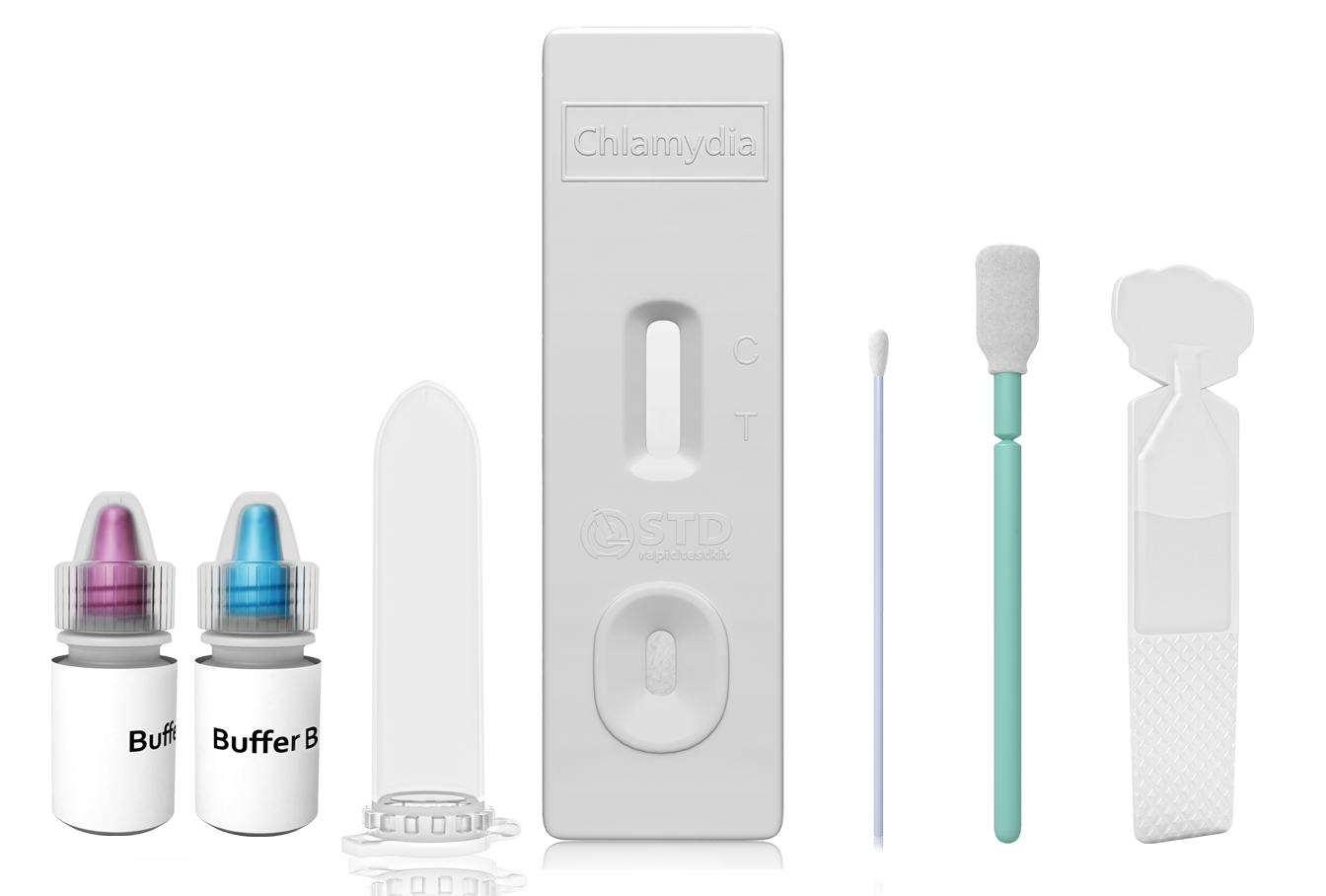
If you’re not ready for a clinic or feel anxious about judgment, you can order a rapid test kit from home. It’s private. Fast. No waiting room, no nurse giving side-eye. Just you, your results, and your next step.
Check Your STD Status in Minutes
Test at Home with Remedium8-in-1 STD Test Kit
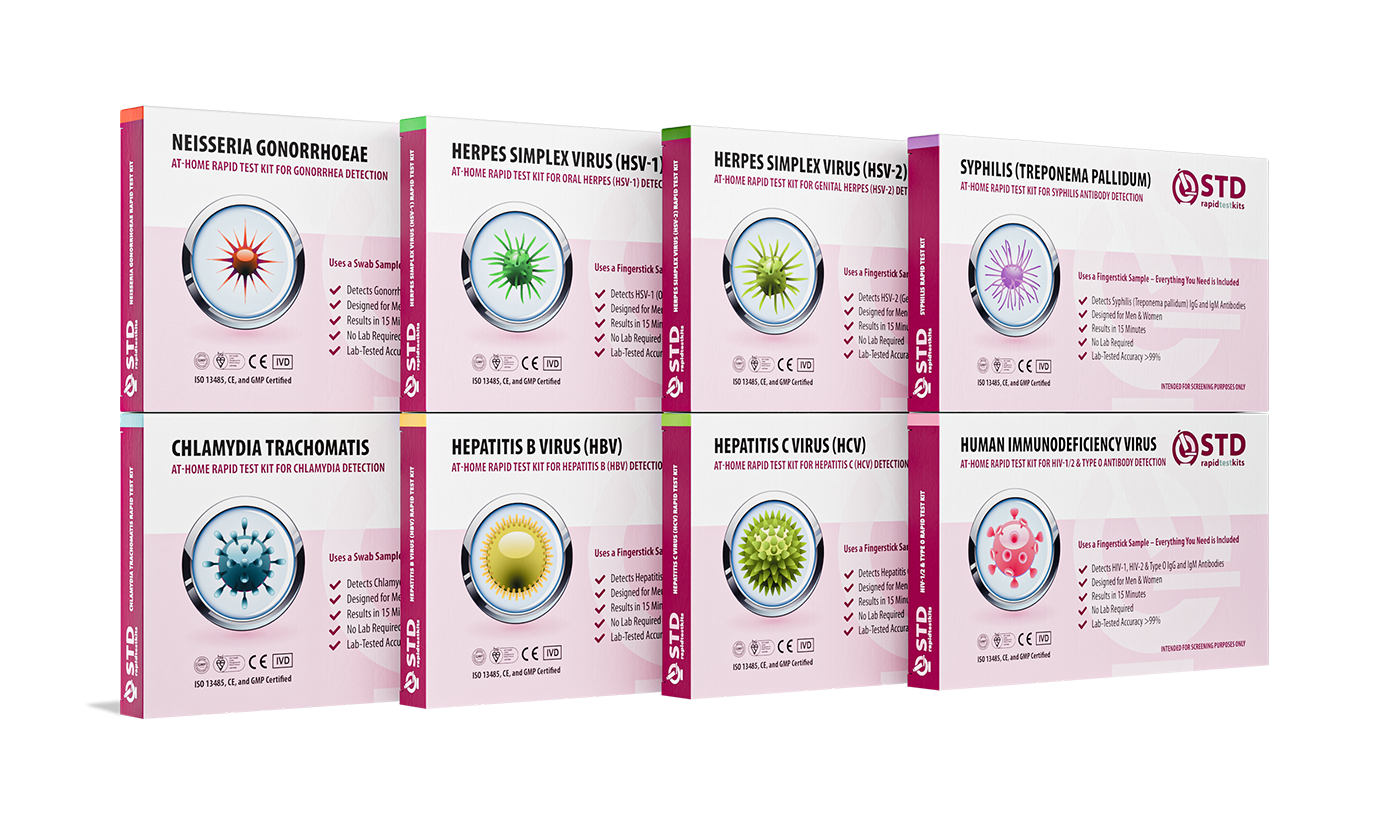 For Men & WomenResults in MinutesNo Lab NeededPrivate & Discreet
Order Now $149.00 $392.00
For all 8 tests
Yes, You Can Still Be Sexy, Even With a Diagnosis
Let’s say it louder for the folks in the back: Having an STD does not make you unlovable. It doesn’t make you dirty. It doesn’t mean you’re doomed to celibacy or endless “we need to talk” conversations.
What it does mean is that you’re human. And being human comes with risk, with learning curves, with surprises. But it also comes with choice, healing, and connection. You can still have amazing sex. You can still be in healthy relationships. You can still say, “Hey, here’s something I want to be honest about” and not have the world fall apart.
Marcus, 35, said he used to think no one would want him after his HSV-2 diagnosis. “But then I realized I’d been ghosted way more before herpes than after,” he laughed. “The people who matter don’t care, as long as you’re honest and proactive.”
Disclosure is hard. But it’s also clarifying. When you’re honest about your status, you give people permission to be honest about theirs. You move out of shame and into accountability. You create sex that’s not just hot, but safe, informed, and consent-driven.
And that’s the real goal, right? Not just avoiding STDs, but creating sex lives that actually respect the bodies involved.
FAQs
1. Can I really get an STD just from oral?
Yep. Mouth-to-genital contact is enough. Even if it was quick. Even if you didn’t finish. Even if they “looked clean.” Herpes, gonorrhea, chlamydia, syphilis, and more can be passed this way. You’re not being paranoid, you’re being informed.
2. What does an oral STD actually feel like?
Sometimes like nothing at all. Seriously. But if there are symptoms, think sore throat that won’t quit, swollen lymph nodes, mouth ulcers, or weird breath that isn't fixed by brushing. One guy described it as “a raw patch that felt like I scraped my tongue on toast.”
3. Can I give someone an STD if I don’t have symptoms?
Yes. That’s the messy part. You can be totally symptom-free and still carry and transmit an infection. That’s why regular testing matters, even when you feel fine.
4. Do people really use condoms or dental dams for oral?
Some do. Most don’t. Let’s be real, it's not common, but it is protective. If you're going down on someone you just met, or if you’re in a non-monogamous situation, using flavored condoms or barrier methods can help reduce risk without totally killing the mood.
5. I got tested, and it came back negative, am I in the clear?
Maybe. But not necessarily. If you didn’t ask for throat swabs, the test might’ve missed an oral infection. Also, if you tested too early (before the incubation period), it might not show up yet. Retesting in a few weeks can help confirm.
6. Can kissing give me an STD too?
It can. Not all STDs, but things like oral herpes (cold sores), mono, and even syphilis have been linked to mouth-to-mouth transmission. It’s not super common, but it happens.
7. What if I only gave oral once, does that really count?
Yes, one time is all it takes. Infections don’t wait for a pattern. But don’t let that freak you out, it just means even occasional hookups deserve follow-up care. No shame in that.
8. Why didn’t anyone tell me this in sex ed?
Great question. Most of us got stuck with outdated, cishetero, scare-based sex ed that ignored queer sex, oral sex, or anything that wasn’t penis-in-vagina. You deserved better. You’re learning now, and that matters.
9. What do I say to my partner if I test positive?
Start with honesty. “Hey, I tested positive for X, and I wanted to tell you because it matters.” It’s scary, but it opens the door to trust, mutual testing, and care. Some people will walk. Others will show up. Either way, you showed integrity.
10. Do I have to stop giving or getting oral forever now?
Nope. A diagnosis doesn’t banish you from pleasure. With the right info, meds, and communication, you can still have a full, satisfying sex life. Consent and knowledge change the game, not end it.
Dont' Be Afraid To Be Tested!
If you’ve made it this far, you’re not just worried, you’re brave. You’re willing to learn, to look beneath the surface, to ask hard questions even when the answers are uncomfortable. That alone sets you apart from the silence that surrounds so many STD diagnoses.
You’re not dirty. You’re not reckless. You’re not “less than” for wanting clarity after oral sex. Whether you’re dealing with symptoms, sorting through regret, or just trying to do right by your future partners, you deserve access to real, shame-free information and judgment-free testing options.
Don’t wait and wonder, get the clarity you deserve. This at-home combo test kit checks for the most common STDs discreetly and quickly, including oral exposure zones many clinics overlook.
Your health, your story, your peace of mind. All of that starts here.
Sources
1. About STI Risk and Oral Sex – CDC
2. STIs and Oral Sex – A Safe Sex Resource (ASHA)
3. Oral sex STD risk charts: Safety and prevention – Medical News Today
4. Can I get an STD by receiving oral sex? – Planned Parenthood


