







Quick Answer: STD symptoms like burning, discharge, itching, or pain during sex are often mistaken for menopause. If symptoms persist or feel “off,” it’s worth getting tested, especially after new or unprotected sexual contact.
This Isn’t Just Hormones: Why STD Symptoms Get Missed
One of the most dangerous myths in sexual health is that older people don’t get STDs. But the truth? People in their 40s, 50s, and beyond are often more vulnerable, especially after divorce, loss of a long-term partner, or reentry into dating after years out of the game. Condoms may not feel necessary anymore, especially if pregnancy isn’t a concern. And providers may not even think to test unless you insist.
According to the CDC, rates of STDs in adults over 40 have risen steadily in the last decade, especially among women and people assigned female at birth who are postmenopausal. Why? Because symptoms like burning, pain, and odor are almost always blamed on menopause, dryness, or recurrent yeast infections. But some of those symptoms may actually point to treatable STDs like:
| Symptom | Common in Menopause | Common in STDs | Possible STDs to Rule Out |
|---|---|---|---|
| Vaginal dryness | ✔️ | ✔️ | Chlamydia, Herpes, Trichomoniasis |
| Burning during urination | ✔️ (if UTI) | ✔️ | Gonorrhea, Chlamydia, Trichomoniasis |
| Painful sex | ✔️ | ✔️ | Herpes, Trichomoniasis, Syphilis |
| Unusual discharge | ⚠️ (rare) | ✔️ | BV, Gonorrhea, Trichomoniasis |
| Itchy vulva or vaginal area | ✔️ | ✔️ | Herpes, Yeast, Trichomoniasis |
The overlap is real, and so is the danger of assuming it’s “just menopause.”
Case Study: “I Thought It Was Hormones. It Was Herpes.”
Marina, 52, had been in a monogamous relationship for seven years until her divorce. A few months later, she met someone new. They used condoms, but not for oral sex. A week later, she felt an itch. Then a sharp pain. She looked, and there were tiny sores she assumed were from shaving.
“I told myself it was just my skin being sensitive. My doctor said it might be atrophic vaginitis. No one even suggested testing for herpes.”
She didn’t get diagnosed until a second outbreak showed up. This time, she was swabbed. Positive for HSV-2. The diagnosis devastated her, not because of the virus itself, but because no one caught it sooner. “If I had just known… if someone had asked different questions.”
Stories like Marina’s echo across forums, Facebook groups, and Reddit threads. People assume their bodies are just “aging”, and miss the chance to treat or manage an infection early.
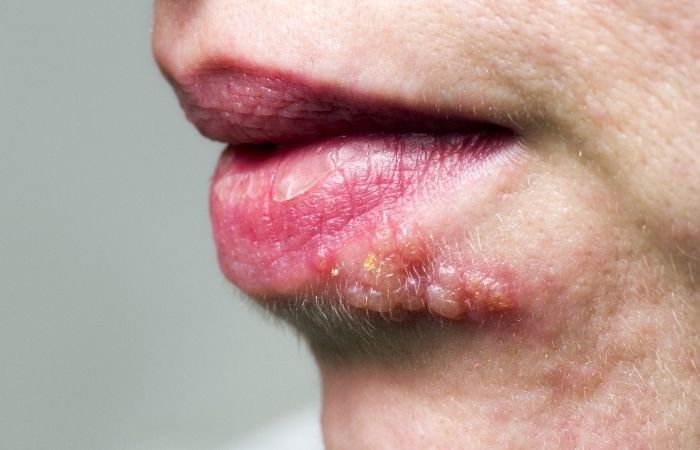
People are also reading: When It’s Not Either/Or: Herpes and Syphilis Coinfection Explained
Why STDs Show Up Differently in Midlife Bodies
Vaginal tissue changes with age. Estrogen drops. The lining thins. Blood flow shifts. And that makes it easier for infections, especially bacterial and viral STDs, to cause irritation, microtears, or go undetected. For example:
Trichomoniasis may cause frothy discharge in younger women, but in postmenopausal people, it might show up as vague irritation or nothing at all. Herpes lesions can be smaller, and mistaken for cracked skin. Gonorrhea and chlamydia might present without discharge but still cause burning during urination or pelvic discomfort.
Because of this, it’s crucial to test based on exposure and symptoms, not just age. And that includes folks who are:
- Perimenopausal but still menstruating irregularly
- Postmenopausal but sexually active
- On hormone replacement therapy (HRT)
- Experiencing symptoms “not fixed” by menopause treatment
If your symptoms don’t respond to typical hormone support, or if something just feels wrong, it’s not overreacting to ask for an STD panel. You can also order a discreet at-home kit and skip the waiting room entirely.
Is It Perimenopause, BV, or Trichomoniasis?
Let’s say you’re 45. You’ve got mild itching, a strange smell after sex, and some spotting mid-cycle. Your doctor says “hormones”, but your gut says, “maybe not.” Here’s what to consider:
| Symptom | Perimenopause | BV (Bacterial Vaginosis) | Trichomoniasis |
|---|---|---|---|
| Fishy odor after sex | ❌ | ✔️ | ✔️ (less common) |
| Thick, gray or yellow discharge | ❌ | ✔️ | ✔️ |
| Spotting or bleeding after sex | ✔️ | ❌ | ✔️ |
| Burning or itching | ✔️ | ✔️ | ✔️ |
| Responds to vaginal estrogen | ✔️ | ❌ | ❌ |
None of these symptoms are exclusive. That’s the problem. Which is why testing is your friend. Not your shame. Not your judgment. Just a next step toward clarity.
Don’t wait and wonder, get answers from home. This at-home combo test kit checks for the most common STDs discreetly and quickly.
Check Your STD Status in Minutes
Test at Home with Remedium6-in-1 STD Rapid Test Kit

 For Men & Women
 Results in Minutes
 No Lab Needed
 Private & Discreet
Order Now $119.00 $294.00
For all 6 tests
When “Hormonal Changes” Hide an Infection
Midlife bodies change. That’s real. But it’s also real that medical providers often default to blaming hormones before ruling out infections, especially in people over 40. This default can delay diagnosis for herpes, chlamydia, gonorrhea, or trich, infections that don’t stop just because your period did.
Here’s what the misdiagnosis loop can look like:
- You report itching or burning.
- Provider assumes vaginal atrophy.
- You try estrogen cream. It doesn’t help.
- You return, and it’s called “chronic.”
- Months later, a partner tests positive, or you get retested by accident.
- Surprise: it’s been an STD all along.
This isn’t rare. A 2018 study in Sexually Transmitted Infections found that postmenopausal women were significantly less likely to be screened for STDs, even with active symptoms, compared to younger patients with the same complaints.
Why? Ageism. Sexism. Stigma. And assumptions that you’re “not at risk” because you’re not 22 and clubbing. But risk doesn’t vanish with age, especially if:
- You’ve recently changed partners
- You don’t always use barriers
- You or your partner have multiple partners
- You’ve had a past STD or UTI history
- You have immune suppression (autoimmune conditions, medications, chemo)
All of these increase your chances of exposure, and should prompt testing, not dismissal.
“But I’m Not Sleeping Around”, Why Risk Isn’t About Numbers
Let’s bust this one wide open: you do not have to be promiscuous to catch an STD. You don’t have to have a “risky lifestyle.” You don’t have to have multiple partners. All it takes is one exposure with a partner who may be carrying something and not know it, because most STDs are silent.
Especially with chlamydia, gonorrhea, and even trichomoniasis, people can carry the infection without symptoms for months or even years. This is how people in monogamous-seeming relationships end up surprised. It’s not about morality. It’s biology.
STD tests aren’t accusations. They’re just data. And they’re especially helpful when you’re not sure if what you’re feeling is “normal aging” or something else. If you’ve got:
- Burning but no UTI
- Itching that doesn’t go away
- Pain during sex after being okay before
- Discharge that’s new or smells weird
- Vaginal tissue that looks raw or inflamed
… then even if you’re 55, it could be an infection. Not menopause. And you deserve to know which.
When to Test, and When to Retest
Timing matters. If you’ve recently had new sexual contact, oral, vaginal, anal, or even just genital-to-genital, there’s a window of time where a test might miss the infection. That doesn’t mean you’re fine. It just means your body hasn’t built up enough detectable markers yet.
Here’s what most providers miss: if you test too early, especially with a rapid kit or standard lab swab, you might get a false negative. Then, if symptoms persist, you need to retest. This is especially true if you tested:
- Less than 7 days after contact (for most infections)
- During your first outbreak (for herpes, may need follow-up blood test later)
- While taking antibiotics for another reason (which may suppress symptoms)
If you’re unsure when you were exposed, aim to test at least 10–14 days after the last possible contact for chlamydia, gonorrhea, and trich. For syphilis or herpes, you may need longer or multiple test types.
Still have symptoms after a negative result? Don’t wait. Retest. You can do it discreetly with a Combo STD Test Kit from home.

People are also reading: Why Men Often Miss Chlamydia Symptoms Until It’s Too Late
Midlife Testing Real Talk: What to Expect
Whether you test at home or in a clinic, here’s what you should prepare for:
At-Home Test: Easy to order. Usually involves a vaginal swab or urine sample. The results come in quickly. There is a lot of privacy. Being accurate is very important, especially when using reliable kits like STD Rapid Test Kits. Retesting may still be needed for borderline results.
Clinic Test: May include a pelvic exam. Can request specific STDs (don't assume they’ll check everything!). Might involve a blood draw or swab. May be covered by insurance or free at public clinics. Could involve wait times or awkward conversations, but can also provide fast treatment if positive.
The most important thing? You have options. You’re not “too old” to test. You’re not paranoid. You’re informed, and you’re taking care of your health, which is something no one gets to shame.
What If Your Partner Tests Positive First?
This one happens more than people admit. You think everything’s fine, maybe a little dry, maybe a little irritated now and then. Then your partner texts: “I tested positive for chlamydia.” Or trich. Or worse, syphilis.
The most common response? Shame. Followed by confusion. “Did I give it to them? Did they give it to me? Could I have had this for months?” These questions spiral, especially if you’re in a long-term relationship or haven’t been sexually active with anyone else.
Here’s the hard truth: STDs can live in your body silently for weeks, months, sometimes years. You could’ve picked it up from a past partner. They could’ve just gotten it themselves. Or it could’ve been there for both of you, quietly simmering while no one had symptoms.
What matters now is clarity. Test. Treat if needed. Then talk, really talk, about how to move forward. Whether monogamous, poly, curious, or questioning, testing helps protect everyone involved without the blame game.
Stigma Is the Real Infection
It’s not just about the virus or bacteria. It’s the silence. The “what ifs.” The fear of being judged by a provider who sees your age and assumes you’re “past that phase.” But sex doesn’t stop at 40, 50, or even 70. Neither should testing.
What if we stopped treating STDs like dirty secrets and started treating them like what they are, common, treatable health conditions that deserve care and respect?
“I felt like a teenager again, except this time I had no guidance, and I was too embarrassed to ask.” , Anita, 56, diagnosed with trich after 8 months of burning during sex
This is why we write articles like this. Not to scare you. Not to sell you something. But to remind you: You are not broken. You are not dirty. And you deserve answers without shame.
Whether it’s a question mark or a full-blown flare-up, get tested from home if the thought keeps circling your brain. Peace of mind is worth it.
Privacy, Packaging, and Peace of Mind
If the thought of going to a clinic makes your skin crawl, or you simply don’t have time or insurance, you’re not alone. That’s why at-home testing exists. And it’s gotten good. Like, FDA-cleared and accuracy-matching-clinic good.
When you order from STD Rapid Test Kits, your package is discreet. No labels. No weird return addresses. Just a plain envelope or box with your kit inside. The instructions are clear, the process is fast, and your results stay private, unless you decide to share them.
Many readers time their tests around weekends, vacations, or even solo hotel stays to keep things quiet. Some keep their kits on hand for “just in case” moments after a hookup or when a partner discloses a past infection. That’s not paranoia. That’s sexual intelligence.
Check Your STD Status in Minutes
Test at Home with Remedium7-in-1 STD Test Kit
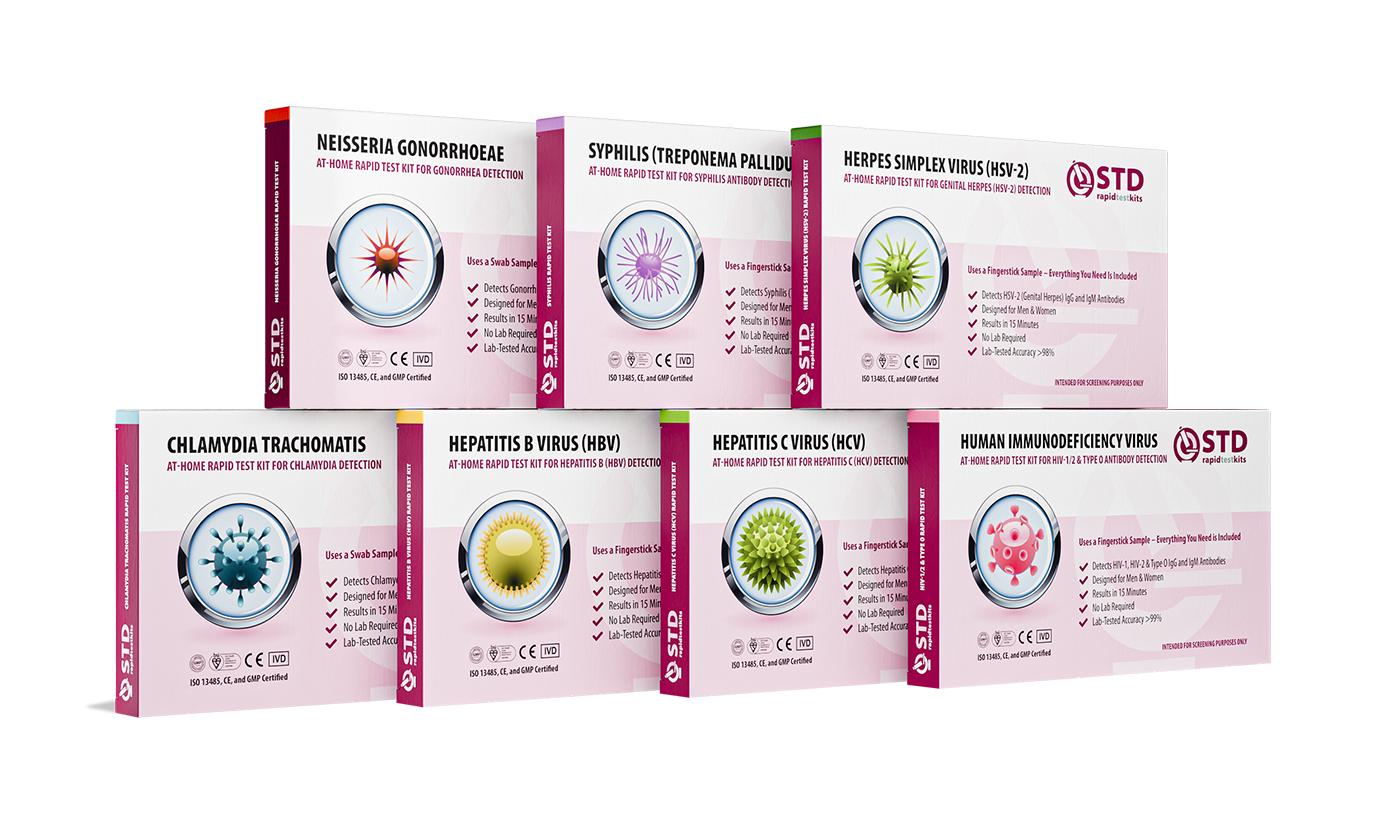 For Men & WomenResults in MinutesNo Lab NeededPrivate & Discreet
Order Now $129.00 $343.00
For all 7 tests
When the Test Is Negative, But Something Still Feels Off
You swabbed. You waited. You checked the result. Negative. So why does it still burn? Why are things still… weird?
This is where a lot of readers get stuck. A negative test doesn’t always mean nothing’s wrong. Here’s what could be happening:
1. It was too early. You might’ve tested before the infection was detectable. Most STDs take 7–14 days to show up on a test, sometimes longer for syphilis or herpes. If your symptoms started right after exposure, consider retesting in a week or two.
2. You tested for the wrong thing. Not all tests are created equal. That burning sensation? If you only tested for chlamydia and gonorrhea, but skipped trichomoniasis, herpes, or BV, you may have missed the culprit.
3. It’s something else, still treatable. Conditions like bacterial vaginosis (BV), yeast infections, lichen sclerosus, or even reactions to new soaps or lubes can cause similar discomfort. But those need attention too. You’re not “imagining it.”
Remember: testing is a process, not a verdict. If your first result is negative but your body’s still waving red flags, listen. Retest. Or test for other infections with a broader panel. You can order a combo kit to check multiple infections in one go, no clinic needed.
“I felt silly testing again after a negative. But the second time? It was positive for trich. I almost skipped it.” , Jordan, 49
You’re not overreacting. You’re tuning in. Keep asking until the answer makes sense.
FAQs
1. Is it really possible to confuse an STD with menopause?
Totally. Burning, dryness, itching, pain during sex, classic symptoms that could mean “your hormones are shifting” or “you’ve got an untreated infection.” The catch? You won’t know which unless you test. Bodies at midlife do a lot of confusing things, but STDs love to hide behind “normal changes.”
2. Which STD gets mistaken for menopause the most?
Probably trichomoniasis. It’s sneaky. It can cause a weird smell after sex, vague discharge, maybe some irritation, but in midlife bodies, it’s often chalked up to “just dryness” or “yeast again.” It’s one of the most underdiagnosed infections in older adults for a reason.
3. But I’ve been with the same partner for years… how would I even get something?
We hear this a lot. Maybe your partner didn’t know they had something. Maybe they had a past infection before you got together. Maybe monogamy wasn’t what you thought. It sucks to think about, but STDs don’t need recent drama to show up. Even infections from years ago can flare again or finally trigger symptoms.
4. There’s no discharge, no sores, so I’m good, right?
Not necessarily. Some of the most common STDs, like chlamydia or gonorrhea, can simmer quietly without dramatic symptoms. In midlife, the warning signs are even softer: maybe just burning when you pee, spotting after sex, or a vague “off” feeling you can’t name. Trust your gut. Not every infection comes with fireworks.
5. My OB/GYN said it was “just menopause.” Should I push back?
Yes. Kindly but clearly. You can say: “I’d like to rule out STDs, just to be sure.” Bring it up even if they don’t. Providers often skip testing once you’re over 40, especially if you’re not asking. But you deserve full care, not assumptions. Or skip the awkward convo and use an at-home kit for peace of mind.
6. Can I still catch something if I’m not having “real” sex?
If you mean no penetration, yep, it’s still possible. Herpes spreads from mouth-to-genital contact. HPV and syphilis can spread through skin contact. Even trich can be passed from vulva to vulva with fingers or toys. “Not real sex” doesn’t mean no risk. It just means we need better sex ed for grown-ups.
7. What if I test positive, do I have to tell anyone?
That’s up to you, but if you have a partner (or recent ones), it’s important they know so they can get treated too. There are ways to share the info without drama or blame. Some people send an anonymous notification, others use direct language like: “I tested positive, I’m treating it, and I wanted you to know so you can check too.” That’s grown-up intimacy.
8. Are at-home tests even legit for someone my age?
They are. Especially if you use ones from FDA-cleared providers like STD Rapid Test Kits. They work well for common infections like chlamydia, gonorrhea, and trich. Plus, you get to skip the waiting room and the eye contact. (Bless.)
9. What if I’m just being paranoid?
You’re not. You’re paying attention to your body, and that’s never something to feel weird about. Testing isn’t paranoia. It’s self-respect. You don’t need a “good enough” reason to get tested. Curiosity is reason enough. Discomfort is reason enough. You are reason enough.
10. Can I test even if I’m not sure anything’s wrong?
Yes, yes, and absolutely yes. You don’t need a symptom checklist or a disaster scenario to justify a test. You can test because you’re curious. Because something felt off. Because you had a new partner. Because peace of mind is cheaper than panic. Testing doesn’t mean you’re reckless, it means you care about yourself and the people you’re intimate with. That’s not paranoia. That’s power.
You Deserve Answers, Not Assumptions
If something feels off, burning, itching, discharge, discomfort, and the “just menopause” explanation isn’t cutting it, trust your gut. You are allowed to test. You are allowed to ask for answers. You are allowed to question a diagnosis that doesn’t match your experience.
Testing isn’t shameful. Silence is.
Don’t wait and wonder, get the clarity you deserve. This at-home combo test kit quickly and discreetly checks for the most common STDs.
How We Sourced This Article: We combined current guidance from leading medical organizations with peer-reviewed research and lived-experience reporting to make this guide practical, compassionate, and accurate.
Sources
1. CDC – 2022 STD Surveillance Data
2. Mayo Clinic – STD Symptoms and Causes
3. Sexually transmitted infections in the older woman
4. Vaginitis – Symptoms & Causes (Mayo Clinic)
5. Vaginitis & Vulvovaginitis (MedlinePlus)
6. CDC – Diseases Characterized by Vulvovaginal Symptoms
7. Menopause and Your Health (Office on Women’s Health)
8. Mayo Clinic – Menopause and Sexual Health
9. Menopause Increases Risk for Sexually Transmitted Infections
10. Overview of Women’s Health Conditions (National Academies)
About the Author
Dr. F. David, MD is a board-certified infectious disease specialist focused on STI prevention, diagnosis, and treatment. He blends clinical precision with a no-nonsense, sex-positive approach and is committed to expanding access for readers in both urban and off-grid settings.
Reviewed by: Dr. Maria Chen, OB/GYN | Last medically reviewed: February 2026
This article is only meant to give you information and should not be used as medical advice.


