





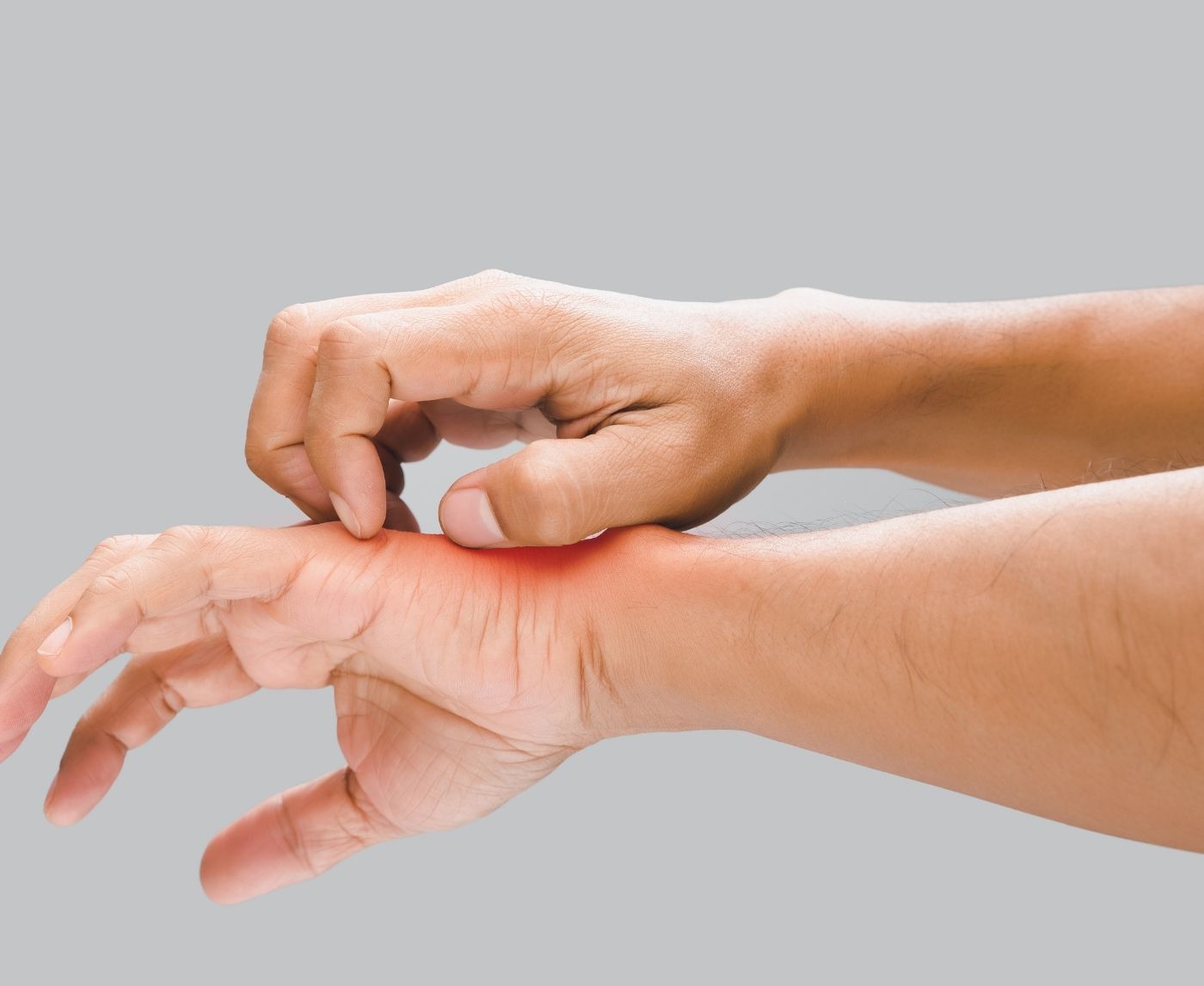

Quick Answer: Itching and burning without discharge can be caused by yeast infections, BV, or STDs like chlamydia, herpes, and trichomoniasis. Testing is the only way to know for sure, symptoms often overlap or show up differently than expected.
When It’s Not as Obvious as You Hoped
Most people expect STDs to come with discharge. A thick smell. A painful sore. But here’s the curveball: many STDs in women don’t present that way, especially at first. Chlamydia, one of the most common infections among young adults, is often silent or shows up as vague pelvic discomfort. Herpes can begin with tingling or sensitivity before any sore appears. Trichomoniasis can cause itching or burning with no odor at all. And sometimes, BV or yeast just behave… weirdly.
Let’s look at Rachel, 28. She was convinced she had a yeast infection. It was the third time in six months she’d had itching after a weekend of sex with her long-distance partner. Each time, she used an over-the-counter antifungal cream. Each time, the itch faded, for a while. But it always returned. On her third visit to urgent care, a clinician ran a full STD panel. The result? Trichomoniasis.
“I didn’t even know trich was an STD. I thought it would smell or something. I felt stupid, but my doctor said it’s super common and often misdiagnosed as yeast. That made me feel less alone.”
Rachel’s story is common. According to the CDC, trichomoniasis affects an estimated 2 million women annually in the U.S., and 70% don’t show any classic symptoms at all. And even when symptoms appear, they’re often mistaken for yeast or BV.
What the Symptoms Can (and Can’t) Tell You
Let’s be real: if you’re itching, burning, or sore down there, you want a definitive answer. But the truth is, symptom overlap is intense, and misleading. Here's a quick look at the messy middle where yeast, BV, and STDs all hang out like uninvited guests at the same party.
| Condition | Common Symptoms | Discharge? | Itching/Burning? | Odor? |
|---|---|---|---|---|
| Yeast Infection | Itching, redness, swelling, soreness | Often thick, white, clumpy | Yes | No |
| Bacterial Vaginosis (BV) | Itching or burning, mild discomfort | Thin, grayish | Sometimes | Yes (fishy, especially after sex) |
| Chlamydia | Mild pelvic pain, burning when peeing | Maybe, or none at all | Sometimes | No |
| Trichomoniasis | Itching, redness, irritation | Varies, may be frothy or absent | Yes | Sometimes |
| Genital Herpes (Initial) | Tingling, itching, flu-like symptoms | No | Yes | No |
Table 1. Symptom comparison: why guessing doesn’t work. Itching and burning can show up in nearly all of these conditions, with or without discharge or odor.
So how do you tell the difference? You can’t, not confidently, not just from symptoms. That’s where testing steps in as the ultimate truth-teller.
People are also reading: Facials and Eye Infections: The STI Risk No One Warned You About
Why Testing Matters (Even If You're Pretty Sure)
Let’s say you’re pretty sure it’s yeast. You’ve had it before. It feels familiar. You grab the miconazole and start treatment. It gets better… a little. But then it returns in two weeks, a little worse. That “return” is your cue. If you’re treating something that keeps recurring or doesn’t fully resolve, it’s time to stop guessing.
Take Imani, 24. She went through three rounds of antifungal treatment before her gynecologist suggested a full screen. The result? Chlamydia. No discharge. Just a constant burning that worsened after sex. Imani said the test result made her feel betrayed by her own body.
“I thought STDs came with drama, smell, sores, gross discharge. This was just a little burn. I wouldn’t have known if I hadn’t asked for the test.”
Testing can feel intimidating. But at-home options have changed the game. With finger-prick and swab kits you can do yourself, there’s no waiting room. No awkward small talk. Just discreet, fast answers you control.
Explore private testing options at STD Rapid Test Kits or go straight to a combo test that checks for the most common culprits. This at-home combo kit includes chlamydia, gonorrhea, syphilis, trich, and more, no lab visit required.
How Timing Can Trick You (and Why It’s Not Your Fault)
Here’s the trap: you get tested, it comes back negative, and yet the symptoms persist. You start to think it’s all in your head, or worse, you stop trusting the tests altogether. But timing is everything. Different infections become detectable at different speeds. If you test too early, you might miss it.
| Infection | Best Time to Test | Why Wait? |
|---|---|---|
| Chlamydia | 14+ days after exposure | Earlier tests may not catch bacterial load |
| Trichomoniasis | 7–14 days | Needs time to grow to detectable levels |
| Herpes (if no sore present) | 3–12 weeks (antibody test) | Body needs time to produce detectable antibodies |
| BV / Yeast | Immediately if symptoms present | Not sexually transmitted but can flare post-sex |
Table 2. Optimal testing windows. The right test at the wrong time can still give a false negative.
Bottom line? A negative test isn’t a license to ignore your body. If something feels off, especially if it keeps recurring, follow your gut. It might be time for a retest, or a test for something different.
When the First Test Misses It
Leah, 30, remembers the feeling clearly: relief after her STD panel came back negative. She’d tested after an unprotected hookup that ended in condom breakage. A few days later, she felt a tingle, then a burn, deep inside. No sores. No discharge. No odor. Still, she chalked it up to stress or yeast. Weeks passed. The itch returned. Then she noticed what looked like a paper cut near her vulva. A second test confirmed it: HSV-2, aka genital herpes.
“I trusted the first test too much. I didn’t realize herpes takes weeks to show in blood. I wish someone had told me that the timing mattered more than the first result.”
This isn’t rare. Herpes, especially, is notorious for delayed detectability. If you don’t have active sores and test too early, standard antibody tests might miss it. The same goes for other infections, particularly bacterial ones like chlamydia or trich, which need time to incubate before tests can “see” them. That’s why retesting is sometimes not just wise, it’s essential.
So what do you do if you tested negative, but your body’s still screaming? You listen. You wait 10–14 days, and you test again. You check for the things you didn’t before. You stop blaming yourself for wanting answers.
And if you're wondering if it's too late, it's not. A second test isn’t overreacting. It’s respect for your own health.
Check Your STD Status in Minutes
Test at Home with Remedium7-in-1 STD Test Kit
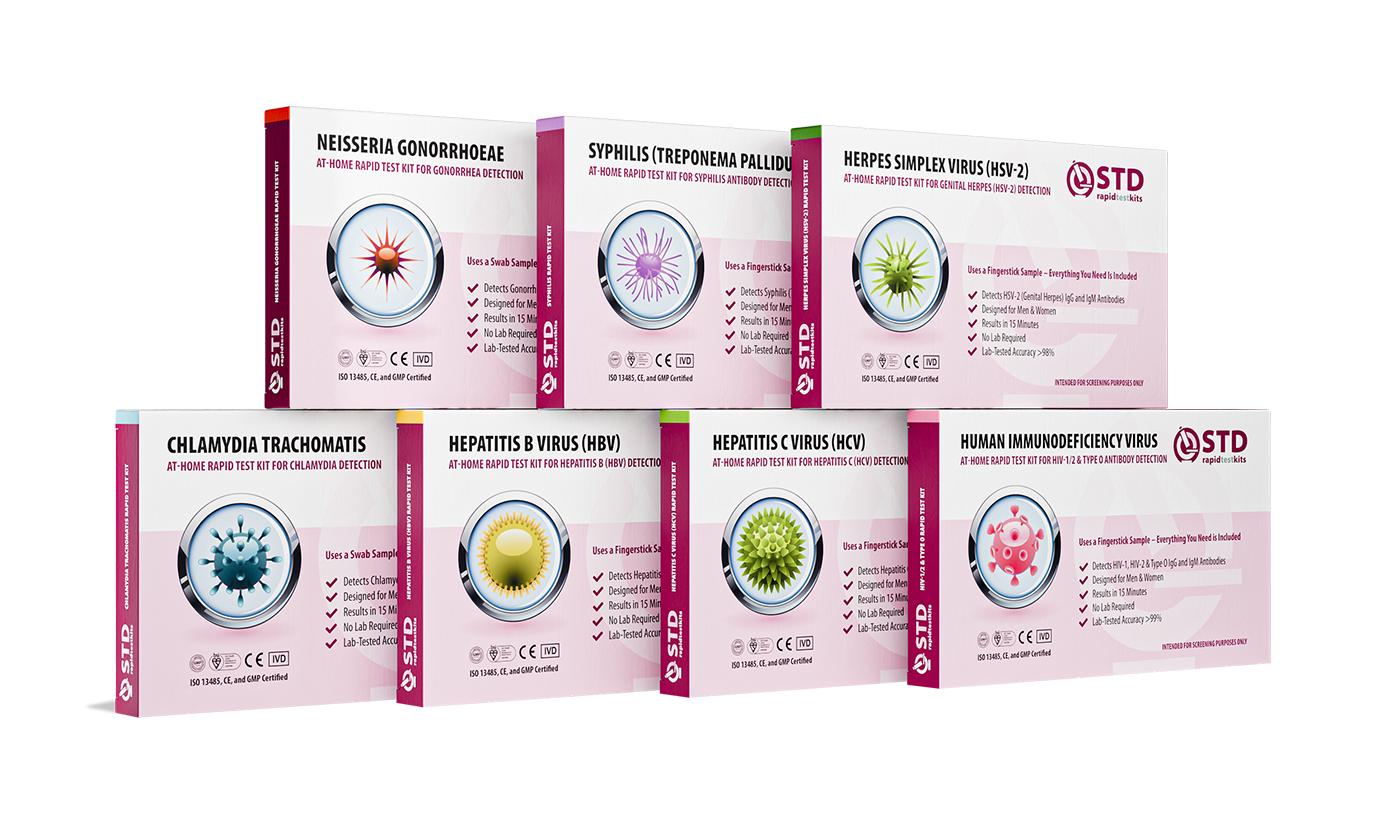
 For Men & Women
 Results in Minutes
 No Lab Needed
 Private & Discreet
Order Now $129.00 $343.00
For all 7 tests
Reinfection, Resistance, and the Misdiagnosis Trap
Here’s a harsh truth: we are often told to treat symptoms before we understand them. Yeast infection? Grab a cream. BV? Take some metronidazole. But what if it keeps coming back?
Recurrent vaginal symptoms are a diagnostic gray zone, and they mess with your confidence. You wonder if you’re overusing meds. You second-guess whether it's something deeper. You try switching underwear. Drinking more water. Less sugar. Vaginal pH washes. And still, the itch returns. The burn sneaks back after sex. You feel like a science experiment you didn’t sign up for.
Reinfection is common, especially when partners aren’t treated at the same time. If you test positive for something like trichomoniasis or BV, and your partner doesn’t get treatment too, the infection can boomerang right back. That’s not failure. That’s biology.
In other cases, the misdiagnosis cycle is to blame. Doctors may treat yeast based on symptoms, skipping the swab or culture. But if the itch is actually from chlamydia or trich, the antifungal will do nothing, except delay proper treatment. Every delay increases your risk for complications, like pelvic inflammatory disease or scarring.
That’s why a full panel matters. Not just a guess. Not just what “seems likely.” Your vagina deserves more than a shortcut diagnosis.
Why You’re Not Dirty, Broken, or Overreacting
This part matters. Maybe more than anything else: if you're reading this with a pit in your stomach, feeling embarrassed, afraid, or gross, stop. You're not dirty. You're not broken. You’re human. And your discomfort deserves care, not silence.
People with vaginas are expected to endure all kinds of invisible pain. We’re told some discharge is “normal.” That pain with sex is “common.” That odor is “nothing.” But when something’s off, and you ask questions, you’re often told to calm down. To give it a few days. To wait and see.
You don’t have to wait. You can test. You can treat. You can know what’s going on without shame. STDs are medical conditions, not moral ones. BV and yeast are not proof you’re “unclean.” And even when the result is something like chlamydia, trich, or herpes, you still deserve pleasure, safety, and peace of mind.
Your body talking to you isn’t the problem. Ignoring it is. And you don’t have to do that anymore.
When Testing from Home Is the Best Choice
Let’s say you’re not ready to go to a clinic. Maybe your work schedule makes it impossible. Maybe you live somewhere rural. Maybe your last experience at a gynecologist’s office left you feeling humiliated. That doesn’t mean you can’t get answers.
At-home STD testing has evolved, and fast. You can now screen for up to 9 infections using a simple swab or fingerstick. No waiting rooms. No judgment. No insurance loopholes. Just results, in your hands, usually within days.
And yes, it’s accurate. Most rapid tests have strong specificity and sensitivity when used within the right window period. For some infections, like trich or syphilis, at-home tests can pick up what early clinic visits miss.
If the unknown is making you spiral, you don’t have to sit in that feeling. You can test quietly, now. This combo kit screens for the most common infections in one go, yeast not included, but everything else that might be lurking in that symptom stew? Covered.
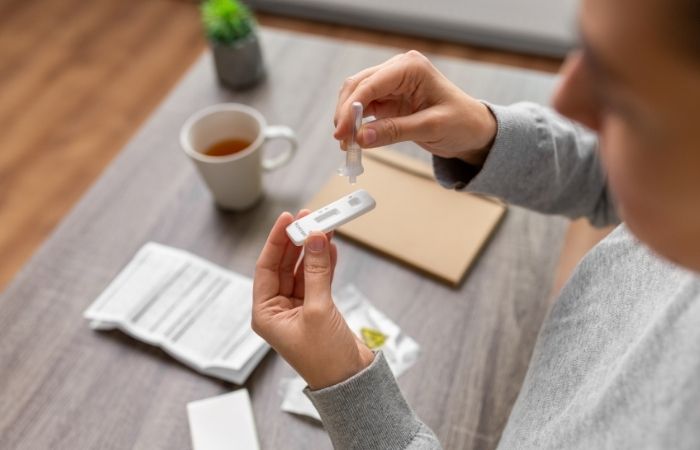
People are also reading: STD or Just Normal Discharge? How to Tell the Difference
The Sex Talk That Comes After the Symptoms
Let’s not pretend this isn’t awkward. You get a positive result, or maybe you’re still waiting, and now you have to talk to someone about it. A partner. A maybe-ex. A new flame. The panic kicks in: Will they think I’m gross? Will they blame me? Will they tell someone?
Let’s shift that lens. Sharing your testing journey isn’t weakness, it’s emotional safety. You’re not announcing a failure. You’re modeling health. When you say, “Hey, I tested for something because I noticed a symptom. I think it’d be smart if we both checked,” you’re building trust, not breaking it.
STDs can happen in monogamy. BV can happen without sex at all. Yeast can flare from antibiotics, diet shifts, or nothing. The presence of a symptom doesn’t make you “bad.” And the conversation that follows doesn’t have to be scary, it just has to be honest.
If you're not sure how to start that conversation, pause. Breathe. You don’t have to do it perfectly. You just have to begin.
What If It's Nothing? (And What If It’s Not)
One of the most paralyzing parts of vaginal symptoms is the limbo between “probably nothing” and “could be serious.” That uncertainty eats away at you. It makes you overanalyze toilet paper. Sniff your underwear. Compare notes from last week’s hookup with internet horror stories. You don’t want to overreact. But you also don’t want to miss something that could affect your body, your fertility, your relationships.
Here’s the thing: vaginal discomfort doesn’t always mean danger. Hormonal shifts, new laundry soap, tight leggings, antibiotics, stress, all of it can cause irritation. But that doesn’t mean ignoring it is wise. When symptoms persist beyond a few days, worsen after sex, or return again and again, testing becomes more than just a precaution, it becomes a kindness to yourself.
Maya, 33, spent months chasing what she thought was an “angry pH.” She used boric acid suppositories religiously, drank cranberry juice, switched to unscented everything. But the itch kept returning. After finally testing with an at-home kit, she learned she had trichomoniasis, a shock, given her long-term relationship. Her partner had no symptoms and tested positive too.
“We both felt blindsided. But the relief of finally knowing was bigger than the fear. And after treatment? My body felt mine again.”
What if it’s nothing? Then you’ll know, and stop spiraling. What if it’s something? Then you’ll know, and start healing. Either way, clarity is a gift.
At-Home Relief: What Helps (and What Hurts)
If you’re dealing with itch or burning while you wait to test, or after you’ve tested negative, some comfort strategies can help. But be careful: not everything marketed for vaginal relief is actually safe. Vaginal tissue is delicate, and many DIY remedies can make things worse.
First, avoid douching. It disrupts natural flora and can worsen both yeast and BV. Scented products? Same deal. Go for unscented, pH-balanced washes if you use anything at all. Cotton underwear, loose pants, and avoiding pads or pantyliners (which trap moisture) can also reduce irritation.
If symptoms are internal, like deep itching, you can ask your pharmacist for an internal antifungal insert, but only if you’ve had a confirmed yeast infection before and know what it feels like. Otherwise? Wait. Test. Don’t guess.
For external irritation, cool compresses and barrier creams (like zinc oxide) can offer temporary relief. But they won’t treat an infection. They just soothe symptoms. And if you're having sex while trying to diagnose the issue, switch to condoms until you know what's going on. Some infections, like trich, are easy to pass back and forth without either person knowing.
If the idea of going to a clinic feels impossible, remember: testing at home means privacy, speed, and no judgment. Order the test. Protect your peace. You don’t need permission to advocate for your own health.
How Long Should You Wait Before Retesting?
Let’s say you tested recently and the results were clean, but you still feel off. Is it worth retesting? In most cases, yes, especially if:
- You tested too soon after exposure (within the first 5–7 days)
- You started treatment before testing
- Your symptoms changed or worsened since the test
- Your partner tested positive for something and you were exposed again
Think of the first test as a snapshot. The retest is the second angle. Together, they give you the full picture. If you’re unsure whether your test was timed right, here’s a simplified guide:
| First Test | Still Have Symptoms? | When to Retest |
|---|---|---|
| 0–7 days after exposure | Yes | Retest after day 14 |
| 10–14 days after exposure | Yes | Consider retesting at 4–6 weeks |
| 14+ days after exposure | No | Likely accurate, but monitor symptoms |
| After antibiotic treatment | Yes | Wait 3 weeks before retesting |
Table 3. Retesting timing based on exposure, treatment, and symptoms.
If you’re in doubt, test again. And if you need to wait to retest, take note of any changes, new symptoms, or patterns that could help a clinician (or yourself) make a better diagnosis next time.
Check Your STD Status in Minutes
Test at Home with Remedium8-in-1 STD Test Kit
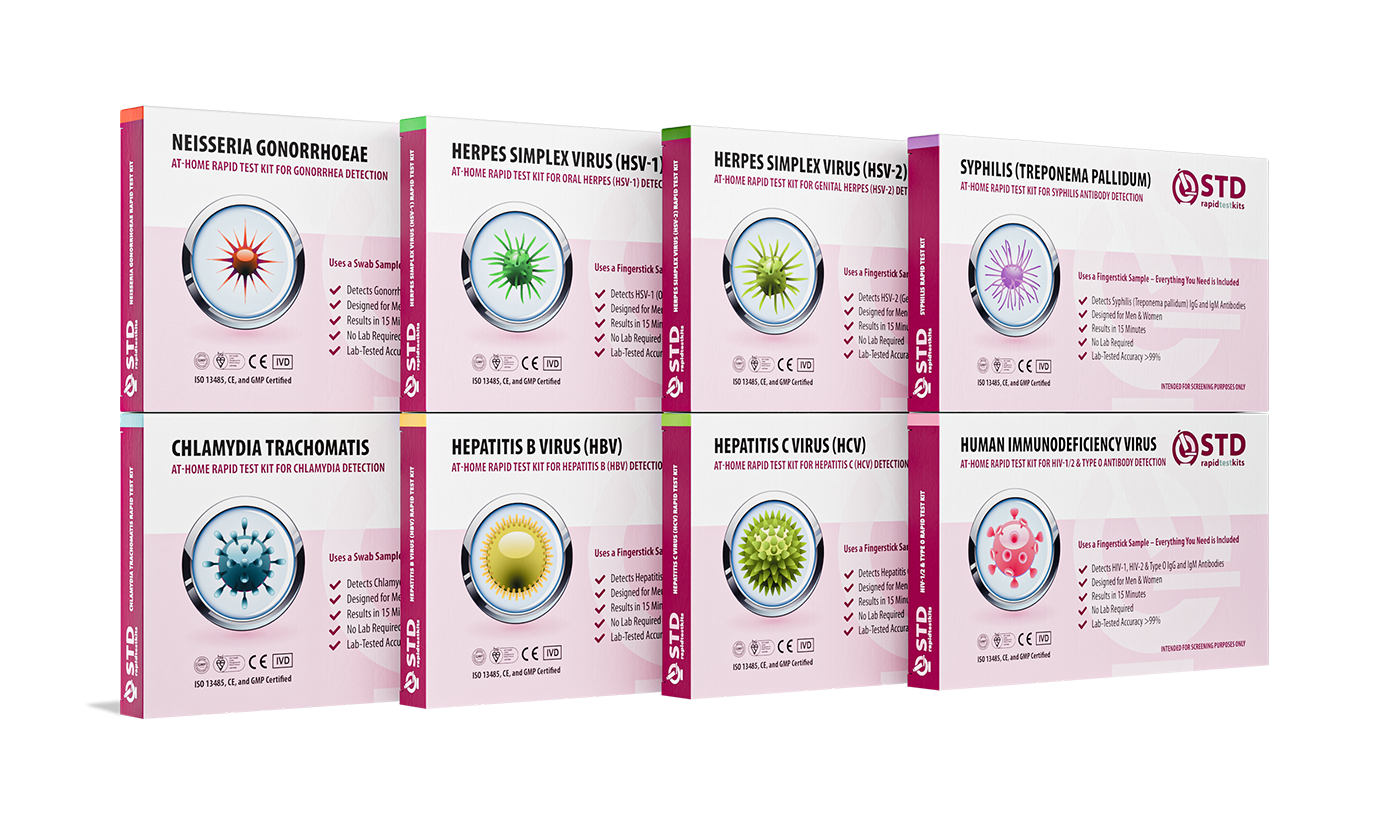 For Men & WomenResults in MinutesNo Lab NeededPrivate & Discreet
Order Now $149.00 $392.00
For all 8 tests
How to Rebuild Trust with Your Body
This guide isn’t just about symptoms or testing, it’s about trust. When your body starts behaving in ways you can’t explain, you can feel betrayed. That betrayal is deepened when providers dismiss your pain or when tests say “everything’s fine” but you don’t feel fine. It makes you doubt your intuition. It makes you feel powerless.
But testing is a way back. So is naming the feeling. Saying, “I’m itchy and I don’t know why” is not dramatic. It’s brave. Saying, “I want answers, not just guesses,” is not demanding. It’s necessary. You’re allowed to be the expert on your own discomfort. And you're allowed to want better than vague reassurance.
If you’re in that in-between place right now, where the results are unclear, the itch won’t leave, the discharge is gone but something still isn’t right, know this: you're not crazy. You're not alone. You're just ready for real answers. And you deserve them.
FAQs
1. Can you really have an STD without any discharge?
Yes, and it’s way more common than people think. Chlamydia, herpes, even trichomoniasis can all cause symptoms like burning or itching without the textbook “something’s coming out of me” discharge. Your body doesn’t always follow the rules. That’s why testing, not just guessing, is your best move.
2. I’ve got the itch but no smell. Yeast, right?
Maybe. Yeast infections do love to show up with itching and no odor, especially if you’ve recently taken antibiotics or had a ton of sex. But don’t get too comfy, trich and herpes can also start that way. Think of it like three friends wearing the same outfit to the party. You’ll need a test to figure out who’s who.
3. Does BV always come with that fishy smell?
It often does, especially after sex when the pH gets thrown off. But not always. Some folks just get itching, mild discomfort, or no symptoms at all. If your nose isn’t picking up anything but your vagina feels weird, BV is still in the running.
4. Could I have chlamydia and not know it?
Totally. Chlamydia is sneaky. It can live in your system quietly, sometimes for months, causing subtle symptoms like pelvic pressure or irritation that’s easy to confuse with a yeast infection. That’s why it’s often called the “silent infection.” Don’t wait for drama to test.
5. What if I already tested but still feel off?
Then it might be time to retest. Maybe the first test was too early, or you didn’t check for everything. Maybe you’ve got something non-infectious going on. Either way, don’t ignore your gut. Your discomfort is valid, even if the results don’t explain it yet.
6. Is BV an STD or not? I’m so confused.
You’re not alone. BV is not technically an STD, but it’s heavily linked to sexual activity. New partners, unprotected sex, and even semen can trigger it. So while you didn’t “catch” it from someone, sex can still set it off. It’s like a moody roommate who hates change.
7. Should I treat the symptoms first or test first?
If you’re dealing with mild, familiar yeast symptoms and you’ve had it before, treating first can be okay. But if it’s a new type of itch, or nothing’s changing after treatment, pause. Test. No shame in checking before slathering on another round of antifungal cream.
8. Is it safe to have sex if I’m just a little itchy?
Honestly? Not the best idea. Even if it turns out to be something minor, friction can make symptoms worse, and if it’s something infectious, you could pass it on without realizing. A little condom break or extra caution now can save you both a bigger conversation later.
9. Can stress cause vaginal irritation?
Yep. So can hormones, tight pants, soap, new lube, or even riding your bike too long. But here’s the deal: while life can irritate your vagina, infections can too, and only one of those needs medication. If you’re stressed and itchy, rule out the medical stuff first so you’re not fighting on two fronts.
10. I have no idea what’s going on. Where do I even start?
Start here: test for the basics. Yeast isn’t covered in most STD kits, but a combo test like this one will check for chlamydia, gonorrhea, trich, syphilis, and more. From there, you’ll either get answers, or a clearer path to next steps. You don’t have to figure this out alone.
You Deserve Answers, Not Assumptions
By the time you’ve googled every variation of “STD but no discharge,” you’re probably exhausted. Tired of guessing. Tired of feeling like something’s wrong but not being sure what. You’re not being dramatic. You’re being responsible, and brave, for facing the unknown.
Your symptoms matter. Your comfort matters. And whether it turns out to be yeast, BV, or something that needs treatment, you have options. You have power. You have ways to find peace again.
Don’t wait and wonder, get the clarity you deserve. This at-home combo test kit quickly and discreetly checks for the most common STDs.
How We Sourced This Article: We combined current guidance from leading medical organizations with peer-reviewed research and lived-experience reporting to make this guide practical, compassionate, and accurate.
Sources
1. Planned Parenthood – STDs & Testing
2. Vulvovaginal Infections and Vaginal Discharge | CDC
4. Yeast Infection (Vaginal) – Symptoms and Causes | Mayo Clinic
5. Sexually Transmitted Disease (STD) Symptoms | Mayo Clinic
6. Bacterial Vaginosis (BV) – STI Treatment Guidelines | CDC
7. Bacterial Vaginosis – Symptoms and Causes | Mayo Clinic
8. Vaginitis – Causes and Symptoms | MedlinePlus (NIH)
9. Itchy Genitals: Causes, Types & Treatment | Cleveland Clinic
About the Author
Dr. F. David, MD is a board-certified infectious disease specialist focused on STI prevention, diagnosis, and treatment. He blends clinical precision with a no-nonsense, sex-positive approach and is committed to expanding access for readers in both urban and off-grid settings.
Reviewed by: Lena Hart, NP | Last medically reviewed: February 2026
This article is only meant to give you information and should not be used as medical advice.


