







Quick Answer: Yes, you can get an STD even if you’re both “virgins.” Many STDs spread through oral sex, skin-to-skin contact, or shared toys, no penetration required.
Why This Guide Exists (And Who It's For)
If you're googling this in the middle of the night, heart pounding because you thought you were careful, this is for you. If you’re queer, or asexual, or have never had penis-in-vagina sex but still feel off, this is for you. If you’ve only been with one person, and both of you said you were virgins, and now you’re terrified by a bump, a sore, or just a vibe that something’s wrong, this is for you.
This article is also for the friends who mean well but say “You’re fine, you’re a virgin.” For the doctors who still don’t ask about oral sex. For the moms who think testing is only for people who are “doing things they shouldn’t.” We’re going to unpack how STDs actually spread, why virginity is not a medical term, and what real risk looks like when you’ve done “everything right.”
You’ll get clear guidance on what symptoms can mean, when and how to test, what types of contact are risky (even if your hymen is “intact”), and what to do if your result is positive. This isn’t about shame. It’s about facts, care, and choices. Because even if no one ever explained it to you, your health still matters.
The Virginity Myth: Why It’s Dangerous to Your Health
The medical community doesn’t use the word “virgin.” That’s a cultural term, not a scientific one. But most people grow up believing virgin = safe. That nothing counts until penetration. That if you haven’t had penis-in-vagina sex, you’re still pure, uninfected, immune. It's comforting, but completely inaccurate.
Here’s how that thinking messes with people’s lives: They assume they don’t need to test. They don’t use protection during oral sex. They don’t realize that herpes spreads from lips to genitals in a matter of seconds. They never hear that HPV can live on skin, or that syphilis can pass through microscopic tears no one feels in the moment. “I didn’t even enjoy it. It was just a hookup in the backseat,” one 20-year-old told us. “But we didn’t actually have sex, so I didn’t think about getting tested.” She ended up with genital herpes type 1.
There’s also this idea that if both people are “clean,” nothing can go wrong. But the truth is, you don’t know what your body is carrying until you test. You can be born with herpes and not know. You can get oral gonorrhea from a single encounter. Some infections take weeks or months to show symptoms, if they ever do. Virginity doesn’t shield you from reality. And if no one tells you that, it feels like betrayal when the result finally comes back positive.

People are also reading: Why Young People Are Being Diagnosed With Hep C in Their 40s
How STDs Spread Without Intercourse
You don’t need to have penetrative sex to be exposed to an STD. Many common infections spread through direct contact with mucous membranes (like the mouth, genitals, and anus) or bodily fluids (like semen, vaginal fluid, or blood). And when it comes to some of the most misunderstood STDs, like herpes or HPV, skin-to-skin contact is all it takes.
Let’s walk through what that actually looks like:
Say you and your partner make out, grind against each other, or give oral. There’s no penetration, no orgasm, maybe not even any fluids exchanged. But their mouth carries HSV-1 (oral herpes), which can be transmitted to your genitals even if they don’t have a visible cold sore. Or they have HPV from a past encounter, no symptoms, no warts, but the virus is still present on their skin. That’s all it takes. You don’t need to bleed, break anything, or “go all the way.”
Here’s a table that breaks it down by STD and type of contact:
| STD | Can Spread via Oral Sex? | Can Spread via Skin Contact (No Penetration)? | Can Spread via Shared Sex Toys? |
|---|---|---|---|
| Herpes (HSV-1/2) | Yes | Yes | Yes |
| HPV | Yes | Yes | Possible |
| Gonorrhea | Yes | Rare | Yes |
| Chlamydia | Yes | Rare | Yes |
| Syphilis | Yes | Yes (through sores) | Unlikely |
| Trichomoniasis | Possible | Unlikely | Yes |
Figure 1. Common STD transmission risks even when no penetrative sex occurs.
This isn’t fearmongering. It’s a blueprint for being safe, and being real. If we don’t name these pathways, people think they’re invincible. And when symptoms hit, they’re not just scared, they’re blindsided. That’s what we’re trying to change here.
“Nothing Looks Wrong”, The Symptoms People Ignore When They’re ‘Still a Virgin’
When symptoms show up in people who haven’t had penetrative sex, they tend to whisper instead of scream. That’s part of why so many infections linger undetected. There’s no dramatic pain, no movie-version outbreak. Just a faint itch that comes and goes. A sore throat that doesn’t quite feel like a cold. A discharge that’s subtle enough to explain away as stress or hormones.
Alex, 22, noticed a weird pressure when they peed. It wasn’t burning, exactly. More like awareness. They’d only ever done oral and mutual masturbation with their partner, who’d also never had intercourse. “I kept telling myself it was nothing,” Alex said. “Because if it was an STD, that would mean something about me. And I wasn’t ready to deal with that.” Weeks later, a routine urine test came back positive for chlamydia.
Doctors see this pattern all the time. Symptoms get minimized not because they aren’t real, but because the story people tell themselves, I’m not the kind of person who gets STDs, is louder than the body’s signals. That disconnect delays testing, which delays treatment, which allows infections to spread quietly.
Check Your STD Status in Minutes
Test at Home with Remedium6-in-1 STD Test Kit
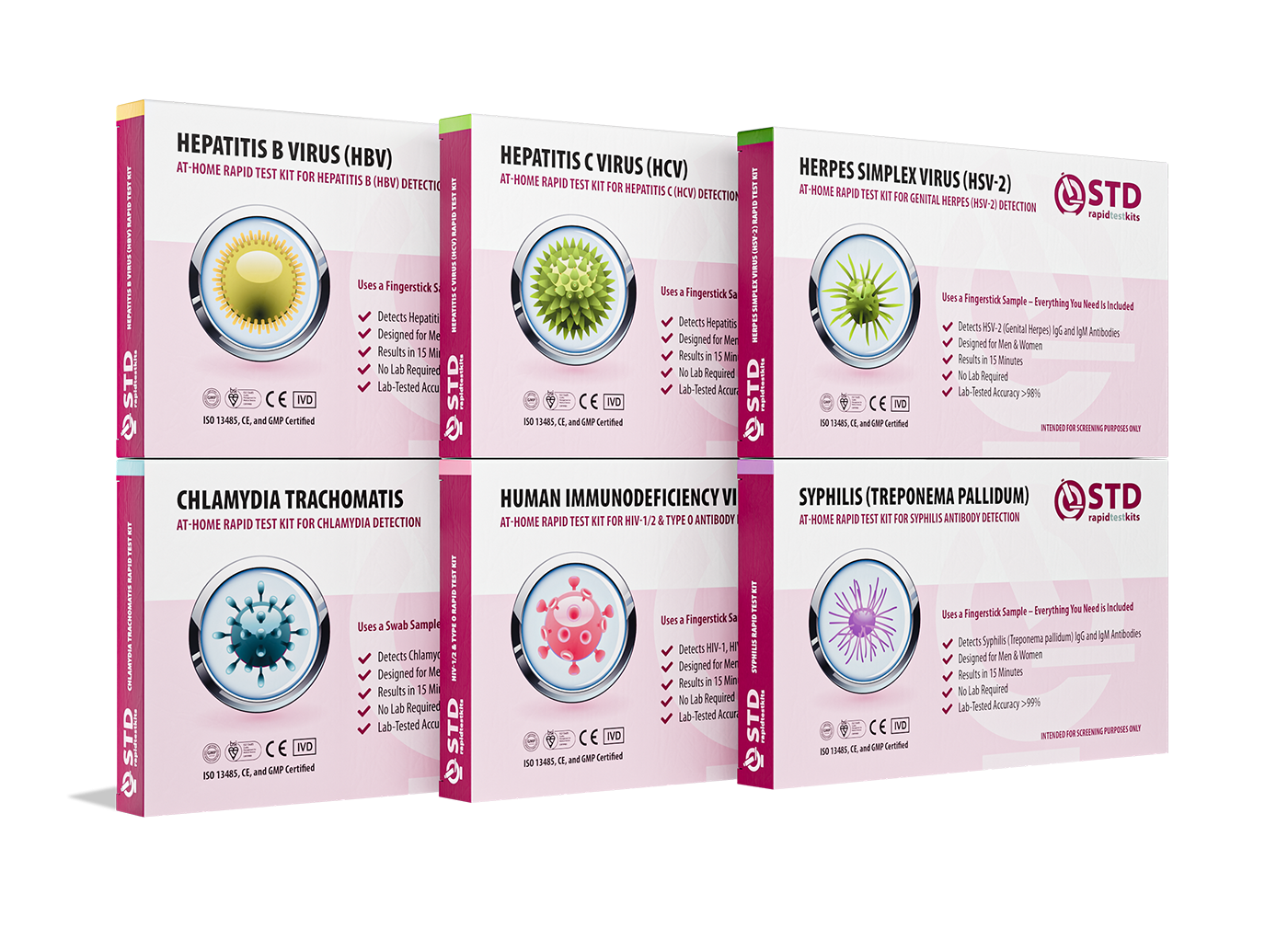
 For Men & Women
 Results in Minutes
 No Lab Needed
 Private & Discreet
Order Now $119.00 $294.00
For all 6 tests
What Symptoms Can Look Like Without Penetration
When STDs are acquired through oral sex, skin contact, or shared toys, symptoms often show up in places people don’t expect. A throat infection doesn’t feel like an STD. A single painless sore doesn’t feel urgent. A mild pelvic ache feels like cramps. None of these raise red flags if your definition of risk starts and ends with intercourse.
Here’s how common infections can present when penetration was never part of the picture:
| STD | Common “Non-Intercourse” Symptoms | Often Mistaken For | How Often It’s Asymptomatic |
|---|---|---|---|
| Chlamydia | Mild discharge, urinary pressure, throat discomfort | UTI, dehydration, allergies | Very common |
| Gonorrhea | Sore throat, rectal itching, light discharge | Strep throat, hemorrhoids | Common |
| Herpes (HSV-1) | Single blister, tingling, flu-like fatigue | Razor burn, ingrown hair | Extremely common |
| HPV | No symptoms or small skin changes | Normal anatomy | Very common |
| Syphilis | Painless sore, rash weeks later | Bug bite, eczema | Common early on |
Figure 2. Subtle STD symptoms frequently reported by people with no history of penetrative sex.
The takeaway here isn’t panic. It’s permission. Permission to listen to your body without needing a “good enough” reason. If something feels off, that’s enough to check. You don’t need to justify testing by rewriting your sexual history in harsher terms.
Testing Windows: Why Timing Matters Even More in Low-Risk Scenarios
One of the most frustrating things about STD testing, especially when you believe your risk is low, is that timing can betray you. Test too early, and you might get a negative result that feels reassuring but isn’t reliable yet. Test too late, and you may have spent weeks worrying unnecessarily.
This is where people who haven’t had intercourse get stuck. They test early “just to be safe,” see a negative result, and move on. Then symptoms show up later, or a partner tests positive, and suddenly trust in testing itself erodes. The test didn’t fail. It was just done before the infection was detectable.
Here’s a simplified look at when common STDs become detectable after exposure that did not involve penetration:
| STD | Earliest Possible Detection | Most Reliable Testing Window | Notes for Oral/Skin Exposure |
|---|---|---|---|
| Chlamydia | 7 days | 14 days+ | Oral infections often missed without throat testing |
| Gonorrhea | 7 days | 14 days+ | Throat and rectal sites matter |
| Herpes | Variable | 12 weeks for blood tests | Swabs only work if a sore is present |
| Syphilis | 3 weeks | 6–12 weeks | Painless sores often go unnoticed |
| HIV | 10–33 days | 6–12 weeks | Risk lower but not zero without penetration |
Figure 3. Typical testing windows following non-penetrative exposure.
If this feels overwhelming, that’s normal. Testing isn’t about perfection. It’s about strategy. Sometimes that means testing now for peace of mind and retesting later for certainty. Sometimes it means choosing a test that matches the type of contact you actually had, not the kind you think “counts.”
For people who want privacy, control, and the ability to test on their own timeline, discreet at-home options from STD Rapid Test Kits can be a practical starting point. Especially when the hardest part is walking through a clinic door and explaining a story you’re not even sure how to tell yet.

People are also reading: From First Bump to Full Ulcer: Why No One Talks About Donovanosis, But Should
“But We Both Said We Were Clean”: When Trust and Biology Collide
Trust isn’t the problem. Silence is. Many couples genuinely believe they’re starting from zero risk. No past partners. No penetration. No reason to worry. But biology doesn’t operate on honesty alone. It operates on exposure, history you might not know about, and infections that don’t announce themselves.
One couple we spoke to had been together for eight months before either of them tested. They were each other’s firsts in every sense that mattered to them. When one partner developed a sore throat that wouldn’t go away, a swab revealed oral gonorrhea. “We didn’t fight,” they said. “We just sat there realizing how little we’d been taught.”
This is why doctors recommend baseline testing at the start of new relationships, not because they expect betrayal, but because they expect gaps in education. Testing isn’t an accusation. It’s a shared reset. A way of saying: let’s start from what we actually know, not what we assume.
What If You Test Positive, But You’ve “Never Had Sex”?
The result sits in your inbox or on the test strip. Positive. Maybe it’s chlamydia. Maybe herpes. Maybe something you don’t even know how to pronounce. And your first thought isn’t treatment, it’s panic. How did this happen? What do you even say to your partner? How do you explain it to a doctor who thinks “virgin” means “safe”?
Here’s what you need to know, right now: This does not make you dirty. It does not mean you cheated. It doesn’t even mean your partner lied. It just means your body came into contact with something, through a mouth, a finger, a toy, a past you weren’t even aware of, and it did what bodies do. It responded.
First, breathe. Most STDs are treatable. All are manageable. And having one doesn’t change your worth. The next step is deciding what kind of follow-up care makes sense. If you used an at-home test and it came back positive, confirm it with a doctor or clinic. If your result came from a lab or provider, they’ll explain treatment. Meds are often one dose or a short course. For viruses like herpes, you’ll get suppressive or outbreak management options.
When it comes to telling your partner, honesty matters, but so does compassion. “I wanted to scream at him,” said one woman who tested positive for HPV. “But we’d never done anything besides oral. I didn’t even know that counted.” The truth is, many people carry STDs without knowing, and many pass them on without intent. Focus on the shared goal: getting answers, staying informed, and taking care of each other.
If you're ready to test your partner, or retest yourself after treatment, at-home kits can make that easier. This combo test kit covers the most common infections, and results can be read privately, no waiting rooms required.
Why Doctors Still Recommend Testing, Even for “Virgins”
This is where we circle back to one of the biggest misconceptions in sexual health: that testing is only for people who’ve had intercourse. That STD testing is a “next level” step. But the truth is, testing is the first level of responsible care, no matter how far things have gone.
Public health guidelines increasingly recommend testing for anyone who’s sexually active by any definition, oral, skin-to-skin, or otherwise. Why? Because you can’t feel most STDs. You can’t always see them. And you definitely can’t guess your status based on identity labels like “virgin” or “monogamous.”
This is especially important for queer, nonbinary, and asexual folks, who are often left out of the traditional risk checklists. If you’ve used your mouth, your hands, or your toys with someone else’s body, you deserve to know what’s going on in yours. That’s not fear. That’s care.
“When I finally got tested, I felt powerful,” said one nonbinary reader. “I wasn’t scared of what it might say anymore. I just wanted to know. And when I knew, I could act.”
Check Your STD Status in Minutes
Test at Home with Remedium7-in-1 STD Test Kit
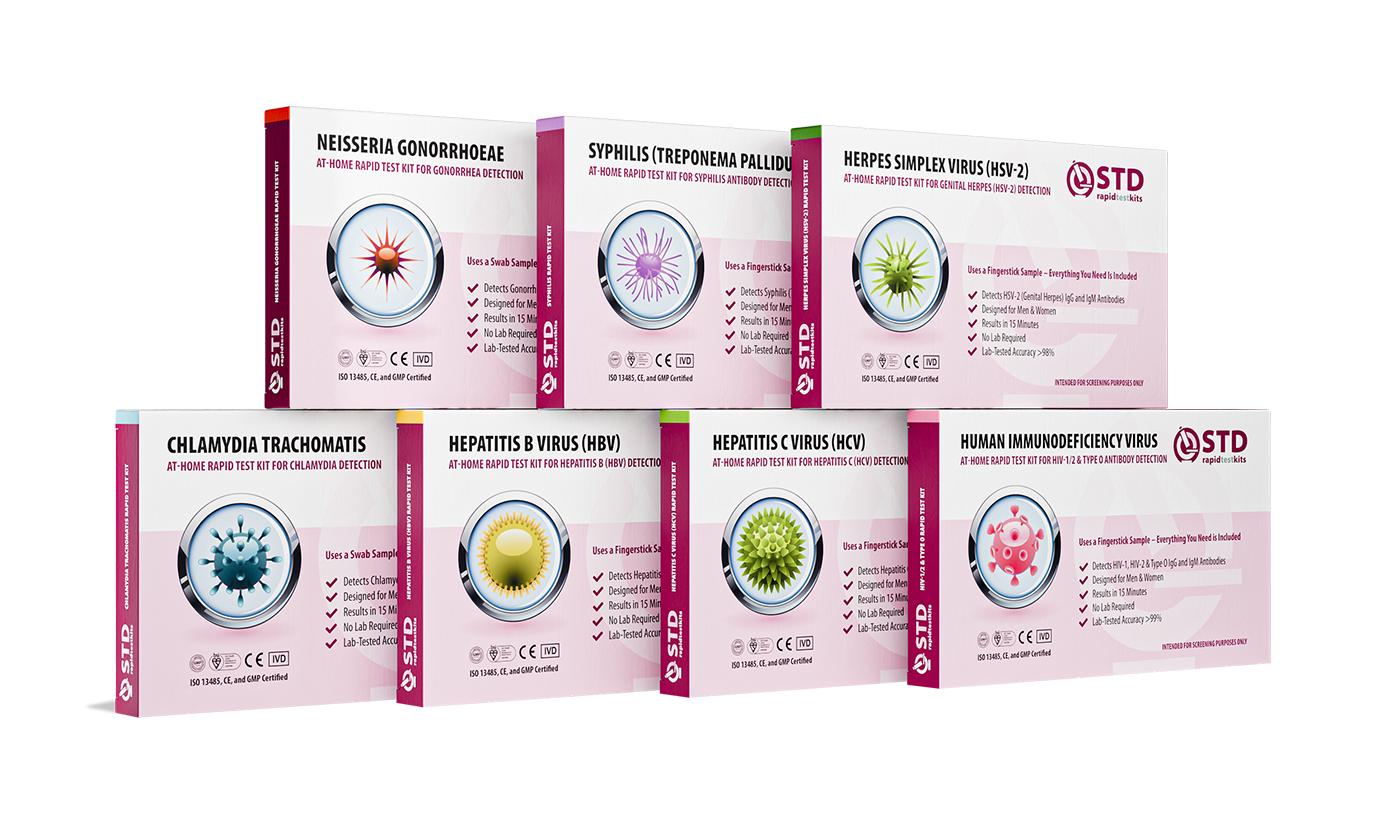 For Men & WomenResults in MinutesNo Lab NeededPrivate & Discreet
Order Now $129.00 $343.00
For all 7 tests
Shame Keeps Us Sick, Clarity Keeps Us Safe
There’s a reason so many people don’t ask these questions until something’s wrong. Shame is baked into how we learn about sex, especially when sex doesn’t look the way it’s “supposed to.” Maybe you’ve only been with one person. Maybe it didn’t even feel like sex. Maybe you’ve spent years believing “I’m safe” because you were told that’s what virginity means.
But virginity isn’t immunity. And being cautious doesn’t cancel out risk. That doesn’t mean you’ve failed. It means the system has. And you get to opt out of that system by asking better questions and getting better answers.
Testing isn’t just about disease. It’s about decisions. It gives you the data to choose what comes next, whether that’s treatment, a conversation with your partner, or just finally exhaling after weeks of spiraling in uncertainty.
If your head keeps spinning, peace of mind is one test away. You don’t need permission. Just a plan. And STD Rapid Test Kits are a discreet, trauma-free place to start.
FAQs
1. Wait, how can I have an STD if we never even had sex?
Because your body doesn't care about your definition of sex, it cares about contact. A mouth, a finger, a shared toy, skin-on-skin grinding, if fluids or skin with viral shedding are involved, that's enough. Many people think “no penetration = no risk.” But herpes, HPV, gonorrhea, and others can spread even without classic intercourse.
2. But we’re both virgins. Where would it even come from?
STDs don’t need betrayal to show up. Your partner could’ve been born with oral herpes. Or had cold sores and didn’t know they could pass that to your genitals. Maybe you once shared a toy and didn’t think it mattered. Maybe something happened before either of you could name it. Virginity is not immunity. It’s just a label we give a huge range of experiences.
3. I gave my partner oral, does that really count as risk?
Yep. Oral sex can transmit gonorrhea, chlamydia, herpes (especially HSV-1), HPV, and even syphilis. And the wild part? A lot of throat infections don’t cause any symptoms. So you or your partner could’ve had something, not felt a thing, and passed it on. Doesn’t make anyone dirty. Just means testing matters more than assumptions.
4. I have this weird throat thing now… could that be related?
Totally possible. Gonorrhea and chlamydia can infect the throat and feel like a sore throat or even go unnoticed. If you’ve recently given oral sex, even if that’s all that happened, ask for a throat swab when you test. Most standard urine-only tests won’t catch it unless you tell them where to look.
5. How soon should I test after something happened?
It depends on what you’re testing for. For most bacterial STDs like chlamydia and gonorrhea, testing around 2 weeks post-contact gives a reliable result. Herpes and syphilis can take longer to show up in blood. If you're anxious now, it’s okay to test early and again later. Peace of mind counts too.
6. I tested negative, but I still feel weird, what gives?
Could be timing. Could be a site wasn’t tested (like throat or rectum). Could be something totally unrelated. But trust your gut. Bodies are wise. If your test was super early, or if it didn’t cover certain infections, retesting might help. No one ever regrets knowing more about their own health.
7. Is it even worth testing if I’ve never had “real” sex?
Yes. Yes. Yes. If you’ve had any intimate contact, oral, skin-to-skin, toys, mutual masturbation, you’re not overreacting. You’re just being informed. Testing isn’t a confession. It’s self-respect. And if you're reading this right now wondering if it applies to you? It probably does.
8. I don’t want to talk to a doctor. Can I still get tested?
100%. That’s where at-home tests come in. You can swab, prick, or pee in privacy and send it off, no awkward convos required. Just make sure you're choosing a test that covers what you need (like throat or genital testing). Many are designed exactly for situations like this.
9. Can I tell my partner I tested positive without making them freak out?
Yes, and you should. Try something like: “Hey, I got tested because I care about us. Something came back, and I want us both to be safe.” Keep it calm. Most people just want to know what’s going on. You’re not accusing them, you’re inviting them into the truth.
10. Do I need to get tested again if they come back positive?
Yes. Even if your own test was negative, their positive result means you could’ve been exposed. And maybe your first test was too soon. Or it missed a site. A follow-up test (usually 2–4 weeks later) helps rule things out and lets you both breathe easier.
You Deserve Answers, Not Assumptions
This entire article comes down to one truth: sex isn’t just about what goes in where. STD risk isn’t limited to people who “go all the way.” And your health doesn’t wait for someone else to define whether your experience counts.
If something feels off, or if you just want clarity before anything happens, that’s enough reason to test. You don’t need symptoms. You don’t need to justify it. You only need to want answers, and you deserve to get them without shame.
Don’t wait and wonder, get the clarity you deserve. This at-home combo test kit checks for the most common STDs discreetly and quickly.
How We Sourced This Article: We combined current guidance from leading medical organizations with peer-reviewed research and lived-experience reporting to make this guide practical, compassionate, and accurate.
Sources
1. CDC: Sexually Transmitted Infections (STIs)
2. Planned Parenthood: STDs and Safer Sex
3. World Health Organization: STI Fact Sheet
4. About Sexually Transmitted Infections (STIs) – CDC
5. About STI Risk and Oral Sex – CDC
7. Getting Tested for STIs – CDC
8. Sexually Transmitted Infections Treatment Guidelines, 2021 – CDC
9. Sexually Transmitted Diseases (STDs) Factsheet – NIH
10. Sexually Transmitted Infections – MedlinePlus
About the Author
Dr. F. David, MD is a board-certified infectious disease specialist focused on STI prevention, diagnosis, and treatment. He blends clinical precision with a no-nonsense, sex-positive approach and is committed to expanding access for readers in both urban and off-grid settings.
Reviewed by: Alexis J. Moore, NP | Last medically reviewed: February 2026
This article is for informational purposes only and should not be used as medical advice.


