







Quick Answer: If you’re experiencing new or unexplained symptoms, especially discharge, burning, spotting, rashes, or even fatigue, it’s time for an STD test. Some infections show no symptoms, so recent exposure alone is reason enough to test.
Red Flag #1: That Itch That Won’t Go Away
Let’s get one thing straight: itching doesn’t always mean herpes or an STD. But if it’s not going away, or if it started shortly after a new partner, you shouldn’t ignore it.
Maria, 26, thought it was just dry skin from shaving. “But it didn’t feel like the usual razor bumps. It was deeper, like under the skin.” A week later, her gynecologist diagnosed her with trichomoniasis, a common but under-tested STD.
Genital itching can be caused by a yeast infection, contact dermatitis (from lube, latex, or soaps), or pubic lice, but herpes, trichomoniasis, chlamydia, and gonorrhea can all cause irritation too. The key is timing and persistence. If it started a few days after unprotected sex, or won’t go away with standard treatments, get tested.
People are also reading: What If I Was Too Drunk to Know What Happened? Should I Get Tested?
Red Flag #2: Burning During or After Sex
Burning isn’t always dramatic. It might be subtle, like a pinch when you pee or a raw feeling after sex. And that’s exactly why people dismiss it.
Jared, 32, described it as “just a sting, like I’d wiped too hard.” He almost didn’t test. When he finally did, he was positive for chlamydia.
Burning is a classic symptom of chlamydia, gonorrhea, and UTIs, but without a test, there’s no way to know which. UTI meds won’t help if it’s an STD, and may actually mask worsening symptoms. If you’ve had a new partner or condom slip in the last 2–3 weeks, don’t guess. STD Rapid Test Kits offers fast, discreet testing you can do at home, no awkward clinic wait.
Red Flag #3: Discharge That’s Different (or New)
You know your body. If something smells off, looks different, or feels sticky, cloudy, or yellowish, don’t brush it off as “just pH issues.”
New or unusual discharge can signal chlamydia, gonorrhea, trichomoniasis, or bacterial vaginosis (BV). Here’s a breakdown:
| Discharge Type | Possible Cause |
|---|---|
| Thick, white, no smell | Likely yeast infection |
| Grey, fishy smell | Possible BV |
| Yellow or green, smells bad | Could be gonorrhea or trich |
| Cloudy or pus-like | Chlamydia or gonorrhea |
Figure 1. Common discharge types and what they might signal. Always confirm with testing.
Even if it clears up, infections can stick around silently and cause complications later. Testing is the only way to be sure.
Red Flag #4: Bleeding Between Periods or After Sex
If you’re spotting after sex or noticing bleeding between cycles, and pregnancy isn’t the cause, it’s time to test. This symptom is frequently tied to chlamydia, gonorrhea, or cervical inflammation caused by untreated infections.
Sofia, 24, shared in a Reddit thread, “I kept spotting after sex, but I thought it was just from being rough. My pap was clear, but my STD panel wasn’t.” Her untreated chlamydia had progressed to pelvic inflammatory disease (PID).
This red flag often hides under excuses like “maybe it was my IUD” or “that’s just my body.” But if it’s new, painful, or persistent, don’t guess. If you’ve recently had unprotected sex or a new partner, that changes the math. It’s worth checking.
Check Your STD Status in Minutes
Test at Home with Remedium3-in-1 STD Test Kit
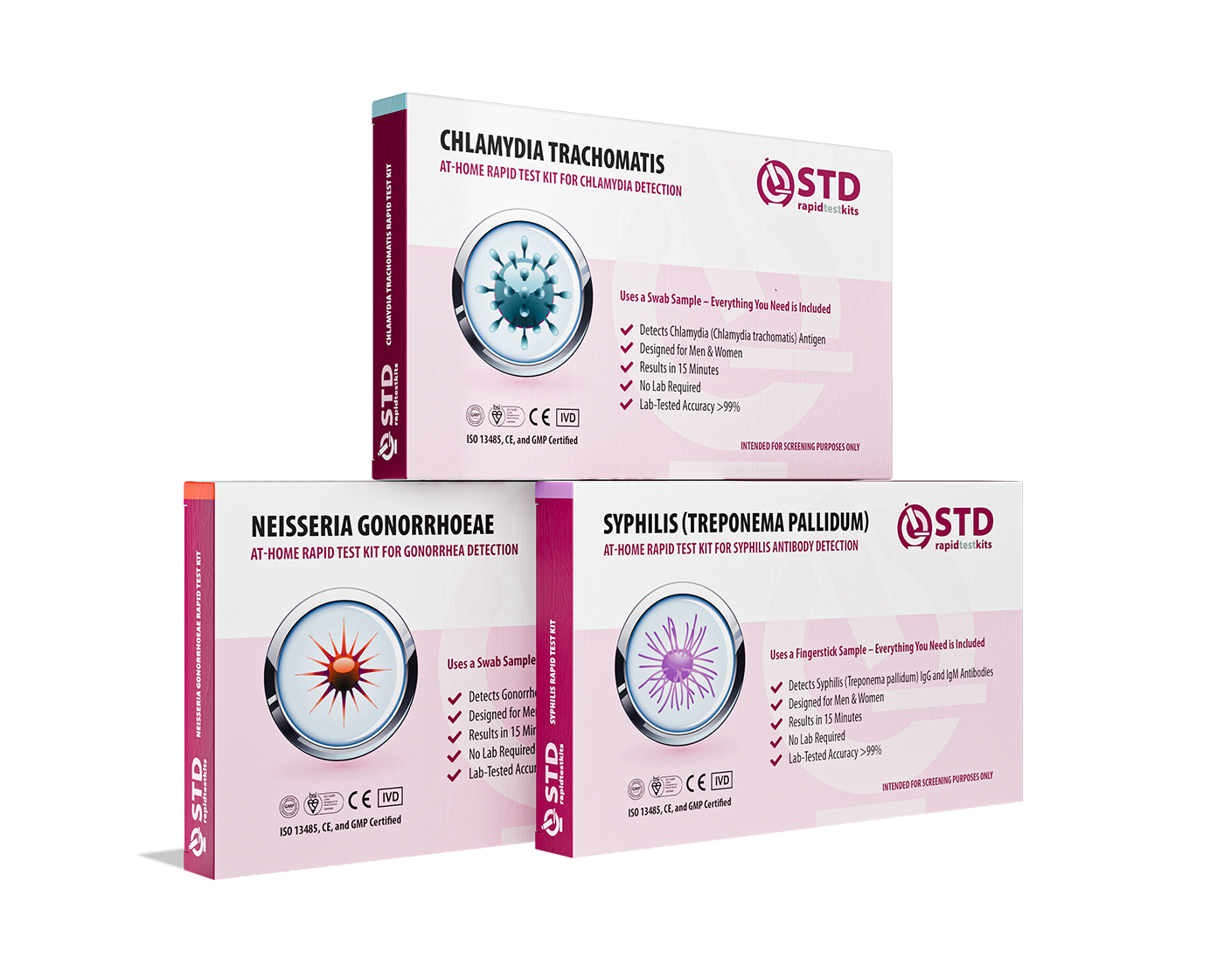
 For Men & Women
 Results in Minutes
 No Lab Needed
 Private & Discreet
Order Now $69.00 $147.00
For all 3 tests
Red Flag #5: A Sore Throat That Doesn’t Feel Like a Cold
Yes, you can get an STD in your throat. Gonorrhea, chlamydia, and herpes can all infect the mouth after oral sex, and often, they don’t look or feel like much. Just a sore throat that lingers.
Marcus, 21, thought he had allergies. “It felt like a dry throat. No fever, no other symptoms. But I kept thinking, what if?” His partner had recently tested positive for oral gonorrhea.
Oral STDs are usually asymptomatic but can cause:
| Symptom | Potential Cause |
|---|---|
| Lingering sore throat | Oral gonorrhea or chlamydia |
| Small mouth ulcers | Herpes (HSV-1 or HSV-2) |
| Swollen glands or tonsils | Possible systemic infection |
Figure 2. Common oral symptoms associated with STDs.
If you’ve given or received oral sex recently, especially without protection, and something feels off, it’s valid to get tested. This isn’t overreacting. It’s caring for yourself.
Red Flag #6: You Just Feel “Off”, Fatigue, Aches, or Low-Grade Fever
Some STDs, especially early-stage HIV, syphilis, and hepatitis B, can show up like a vague flu. Tiredness, headaches, mild fever, body aches. Easy to miss. But if it happens after a new sexual partner or risky encounter, don’t write it off.
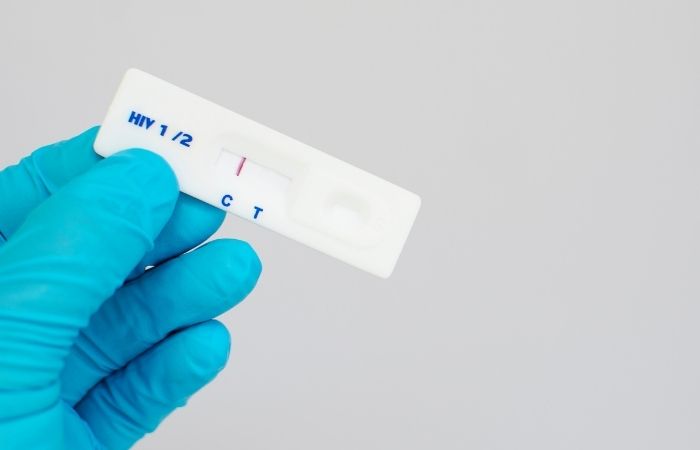
Devon, 29, said, “I felt like I had mono, but not full-blown sick. Just heavy. Foggy. Tired. Then I remembered, we didn’t use protection the last time.” A rapid HIV test helped him catch it early and start treatment.
Here’s the hard truth: many STDs cause no symptoms at all. But when they do, they often mimic everyday issues, UTIs, yeast infections, irritation, or even seasonal allergies. That’s what makes them easy to miss, and dangerous to ignore.
So what should you do? If any of these red flags feel familiar, it’s time to test. The sooner you know, the sooner you can treat it, avoid complications, and protect future partners.
People are also reading: The Real Reasons STD Rates Keep Rising in Texas
What If I Already Tested, and It Came Back Negative?
Timing matters. If you tested too early, you might’ve missed the window where the infection is detectable. That’s why retesting is often just as important as testing.
Here’s a quick cheat sheet:
| STD | Earliest Test Time | Best Time to Test |
|---|---|---|
| Chlamydia | 5–7 days | 14+ days |
| Gonorrhea | 5–7 days | 14+ days |
| Syphilis | 3 weeks | 6–12 weeks |
| HIV (Ag/Ab test) | 2 weeks | 4–12 weeks |
Figure 3. Testing windows for common STDs. Retesting is key if you tested too soon after exposure.
If it’s been less than 2 weeks since your last unprotected encounter, a negative test doesn’t close the book. Retest at the right time, or use a combo kit that catches multiple infections in one go.
What If You’re Just Scared to Know?
You wouldn’t be reading this if you weren’t worried. And maybe there’s a voice in your head saying, “I’ll wait and see. Maybe it’ll go away.” That voice is fear, and it’s valid. But it’s not serving you.
Nico, 27, said it straight: “I was scared it’d be herpes. So I ignored it. It wasn’t until my ex messaged me saying they tested positive for gonorrhea that I finally ordered a test.” Nico ended up needing antibiotics for two STDs, but caught them before they caused lasting issues.
Whether it’s fear of judgment, money, time, or what the result might say about you, we get it. But here’s what we know for sure: testing is care. Testing is power. Testing doesn’t define you, it protects you.
FAQs
1. Can I really have an STD and not feel a single thing?
Yep, and it’s more common than you think. In fact, most people with chlamydia or gonorrhea don’t have any symptoms at all. No weird discharge, no burning, nothing. That’s why routine testing matters, not just “I feel something” testing. Silence isn’t safety.
2. How long should I wait to test after a hookup?
It depends what you’re testing for, but here’s the short version: wait 2 weeks for chlamydia and gonorrhea, 3–6 weeks for syphilis, and about 4 weeks for HIV if you’re using an Ag/Ab test. Earlier tests might still catch something, but a follow-up test adds certainty. Think of it like: test once for now, then again for peace of mind.
3. I’m itchy but tested negative. What gives?
First off, respect for testing. Second, a negative result doesn’t mean you imagined the itch. It could be a yeast infection, contact irritation, or an STD that wasn’t detectable yet. If symptoms stick around, retest in 2–3 weeks or get checked for non-STD causes too. Your discomfort deserves answers, not dismissal.
4. Can I get an STD from oral sex?
100% yes. Gonorrhea, chlamydia, herpes, syphilis, they all love the throat. The wild part? Oral STDs are often symptomless. You might get a mild sore throat or tiny ulcers, or nothing at all. Protection during oral isn’t common, but testing after is always smart.
5. What if I used a condom?
Condoms are amazing, they lower your risk big time. But they’re not a magic shield. Skin-to-skin STDs like herpes and HPV can still spread from areas condoms don’t cover. So if something feels off, don’t let the condom give you false security. Testing still matters.
6. Do home STD tests actually work?
They do when you use them correctly. Today’s rapid kits are built with the same science labs use. The key? Timing. Test too early and you might get a false negative. But follow the window period guidelines, and these kits are surprisingly accurate. Bonus: no small talk with a nurse.
7. I feel fine, but my partner tested positive. Should I still test?
Absolutely. You can carry and pass an STD without symptoms. Don’t rely on “I feel fine” as a defense, your body can be quiet while something sneaky brews. Test now, then again in a few weeks depending on the infection.
8. Does discharge always mean an STD?
Not always. Discharge can be caused by yeast, BV, irritation, even hormones. But if it’s new, has a smell, or changed texture or color, especially after sex, it’s worth testing. Trust your instinct. You know what’s normal for your body. If this ain’t it, check it out.
9. Will people find out if I test?
Not unless you tell them. At-home tests come in discreet packaging, no “STD ALERT” on the box. Your results stay private. It’s between you and your next move. No clinic waiting room, no awkward pharmacy pickup. Just you taking care of you.
10. How do I tell a partner I might have something?
Deep breath. It’s not easy, but it doesn’t have to be dramatic. Try: “Hey, I got tested and something came up. You should get checked too, just in case.” That’s it. No blame, no shame. If face-to-face isn’t safe, use an anonymous notification tool or text it. Courage looks different for everyone, just don’t ghost it.
You Deserve Answers, Not Assumptions
If your gut is telling you something’s off, or your browser history is full of late-night symptom searches, it’s not overthinking. It’s your body asking for care. Testing isn’t about blame. It’s about clarity. And it’s one of the most powerful forms of self-respect.
Don’t wait and wonder, get the clarity you deserve. This at-home combo test kit checks for the most common STDs discreetly and quickly.
How We Sourced This Article: We combined current guidance from leading medical organizations with peer-reviewed research and lived-experience reporting to make this guide practical, compassionate, and accurate. In total, around fifteen references informed the writing; below, we’ve highlighted six of the most relevant and reader-friendly sources. Every external link in this article was checked to ensure it leads to a reputable destination and opens in a new tab, so you can verify claims without losing your place.
Sources
1. Getting Tested for STIs (CDC)
2. About Sexually Transmitted Infections (CDC)
4. Sexually Transmitted Infections Overview (MedlinePlus/NIH)
5. STD Diagnosis and Testing (Mayo Clinic)
About the Author
Dr. F. David, MD is a board-certified infectious disease specialist focused on STI prevention, diagnosis, and treatment. He blends clinical precision with a no-nonsense, sex-positive approach and is committed to expanding access for readers in both urban and off-grid settings.
Reviewed by: J. Patel, RN | Last medically reviewed: February 2026
This article is for informational purposes and does not replace medical advice.


