







Quick Answer: The best way to bring up STD testing before sex is to frame it as mutual care, not suspicion. Keep it calm, personal, and inclusive, “I got tested last month, have you?” is far less likely to feel accusatory than “Do you have anything?”
“Can We Talk?”: Why This Feels So Hard
It’s one of the cruelest paradoxes in hookup culture and new relationships: the more you like someone, the harder it feels to ask them the most basic safety question. For some, the fear is rejection, if you bring up testing, maybe they’ll think you’re accusing them of being “dirty.” For others, it’s internalized shame, you don’t want them to think you’re the risky one. And for a lot of us, it’s just awkward. It’s one of the few conversations that still feels unscripted in the age of constant oversharing.
Let’s be clear: STDs are common. We’re not talking about rare tropical diseases here. According to the Centers for Disease Control and Prevention (CDC), nearly 1 in 5 people in the U.S. has an STD at any given moment. Most are asymptomatic, meaning you can have it and not know it. And that includes chlamydia, gonorrhea, herpes, HPV, and even HIV in its early stages. So the person you’re into might feel great, look great, and still be positive for something they’ve never been tested for.
But here’s the trap: we think asking means accusing. In reality, asking means caring. It says, “I value us enough to want to be sure we’re both safe.” It’s a trust-building move, not a mood-killer, if it’s done with care. And yeah, timing matters too.
“Have You Been Tested?” Is Not a Dirty Question
The phrase lands differently depending on tone, timing, and delivery. Let’s walk through two scenarios.
Scenario 1: You’re halfway undressed. The music’s playing. One of you reaches for a condom. The other says, “Wait, when was the last time you got tested?” They pause. You freeze. The vibe evaporates like smoke. You both feel accused.
Scenario 2: It’s earlier in the night. You’re making out on the couch, still fully clothed. You stop, gently, and say, “Hey, can I ask something kinda unsexy but important? I got tested recently, and I always feel better checking in before things go further. Have you been tested lately too?”
See the difference? It’s not the question, it’s the frame.
Most people haven’t practiced talking about STDs in casual language. We’ve been trained to see them as dirty, dangerous, or a consequence of being reckless. That’s a lie, and a dangerous one. The truth is, normalizing the ask is one of the strongest sexual health tools we have. It’s the verbal version of a condom.
Here’s a table that shows how differently phrased versions of the same question can land:
| Version | Perceived Tone | Why It Works (or Doesn’t) |
|---|---|---|
| “You don’t have anything, right?” | Defensive, accusatory | Implies fear and blame; doesn’t invite honest disclosure |
| “Have you ever been tested?” | Open, curious | Good starter if you’re still learning their baseline |
| “I got tested last week. Want to swap results?” | Inclusive, proactive | Centers mutual care; low stigma language |
| “We should probably get tested together.” | Team-focused, gentle | Great for early relationship phases; avoids blame |
Table 1: How language affects emotional safety in STD talks
The goal isn’t perfection, it’s practice. The more you say it, the easier it gets. And if someone makes you feel weird for asking? That’s not a mood you killed. That’s a red flag they raised.
People are also reading: Heat Rash or Herpes? How to Tell the Difference Fast
Case Study: “He Ghosted Me After I Asked”
Alyssa, 27, matched with a guy who seemed refreshingly mature. They met up twice, made out a little, and she was feeling it. On the third date, back at her place, things escalated. She paused, took a breath, and said, “Hey, before we do this, have you been tested recently?”
He blinked. “I mean, I’m clean.” She asked, gently, “Do you know that for sure, or just guessing?”
He laughed, awkwardly. “Wow, that’s kinda intense.” They still hooked up, protected, but the next day, his texts slowed. Two days later: ghosted.
“It sucked,” Alyssa told us. “But honestly? If a guy bails because I want to make sure we’re safe, I’m better off.” She went to the clinic that week anyway and retested, just in case.
This is real. These are the emotional risks people take just to have a responsible conversation. And that’s why this article exists, to make sure you don’t have to choose between being safe and being seen as “too much.”
You’re not too much. You’re just ahead of the curve.
How to Make It Sexy, Not Shamey
Let’s rewrite the narrative: STD talks aren’t the antithesis of sex, they’re a turn-on for the right people. Confidence is sexy. Communication is sexy. Caring about your body and theirs? Extremely sexy.
But if you grew up in an environment that treated STDs as punishments or “dirty secrets,” then bringing it up might feel like you’re smuggling guilt into the bedroom. So how do you reframe it?
Start with tone. Think of how you’d invite someone into your boundaries, because that’s exactly what this is. Not a demand. Not an accusation. An invitation into trust. You’re saying, “I care about this moment, and I want it to be safe for both of us.”
Scene: You’re at their place. You’ve been cuddling, flirting, getting close. You lean back and say with a soft laugh, “Okay, serious question time, I really like where this is going, but I always feel better when we both know we’re good on the health front. I got tested a few weeks ago, do you know your status?”
Delivered like that, it doesn’t feel clinical. It feels real. Warm. Protective. If they smile and say “Me too,” you just built something stronger. If they say “Uh, I’m not sure,” now’s your chance to suggest something better than a shrug: a mutual plan to test, swap results, or wait until things are clearer.
And if you want to get especially proactive? Use it as flirtation. “I’ve got a combo test kit at my place. Want to take it together later this week, just to be safe?” Suggestive, cheeky, and radically responsible.
Here’s a sample of how reframing makes it easier:
| Old Script | Reframed Script |
|---|---|
| “You better not give me anything.” | “I just want us both to feel good about this. Want to check together?” |
| “Are you clean?” | “I got tested last month, how about you?” |
| “I’m nervous about STDs.” | “It matters to me that we know our status. Want to swap test results?” |
Table 2: Sex-positive reframes of common STD questions
This isn’t about perfection. It’s about practice and progress. What matters is that you say something, and say it with care. If someone can’t handle that? They might not be ready for you, emotionally or sexually.
Check Your STD Status in Minutes
Test at Home with Remedium7-in-1 STD Test Kit
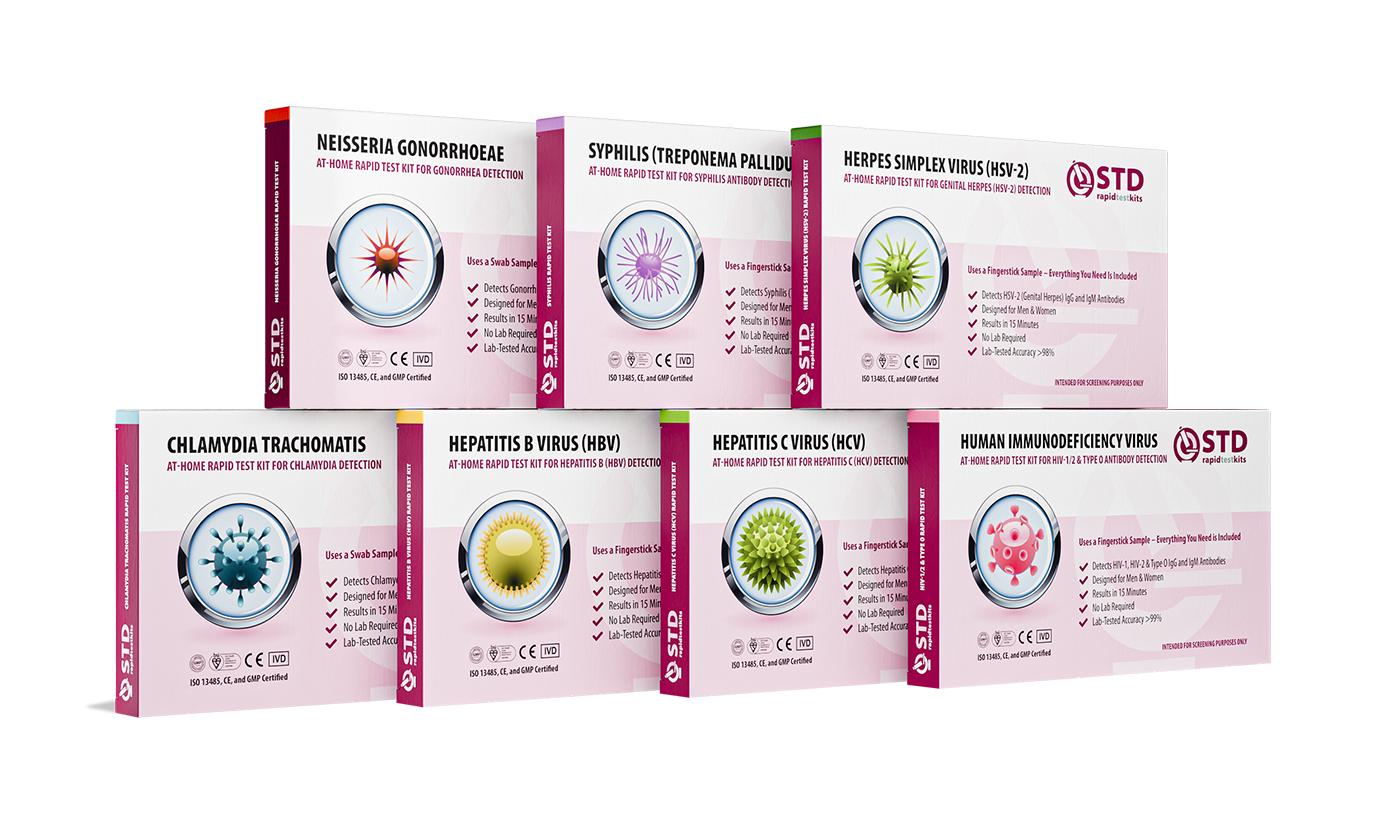
 For Men & Women
 Results in Minutes
 No Lab Needed
 Private & Discreet
Order Now $129.00 $343.00
For all 7 tests
What If They Get Defensive or Weird?
Let’s talk real outcomes. Not everyone will respond with grace. Some will deflect. Some will get quiet. A few might push back. So what do you do when someone makes it weird?
First: Check your gut, not their guilt. If you asked with kindness and clarity, their discomfort isn’t your fault. If anything, it might be their own shame surfacing. Our society doesn’t teach people how to have these conversations, especially men, who are often socialized to see STDs as something “other people get.”
Second: Stay grounded. A defensive reaction doesn’t automatically mean they’re hiding something. But it might mean they haven’t thought about testing, haven’t been tested in a while, or feel caught off-guard. That’s a vulnerability moment, and it can go either way, toward openness or retreat.
Here’s what some common reactions really mean:
| Response | Possible Meaning | What You Can Say |
|---|---|---|
| “Wow, no one’s ever asked me that.” | They’re surprised but not upset | “Yeah, I wish it was more normal to talk about, it really helps me feel safe.” |
| “Are you saying I look dirty?” | They’re defensive or ashamed | “Not at all, this is something I ask everyone. It’s about care, not assumptions.” |
| “I don’t really do that stuff.” | They may not understand how asymptomatic STDs work | “Totally fair, lots of people don’t feel symptoms, which is why I ask.” |
Table 3: De-escalation responses to tricky STD talk moments
Third: Know your limits. If someone refuses to get tested, mocks the question, or calls you paranoid, believe them. They are telling you they don’t respect your boundaries, and likely won’t in other areas either.
Green flags? Enthusiasm. Transparency. “I just got tested last month.” “Let’s go together.” “Thanks for asking, I feel better knowing too.” These are people worth your time, your body, and your trust.
Tools to Make It Easier
If talking still feels hard, there are ways to let the tools speak for you. Start by taking the initiative: get tested first. Use it as a segue. “I took one of those rapid STD tests from home last weekend. It was easy, do you want to do one too?” Now you’re leading by example.
You can even test together. Treat it like a care ritual, not a chore. Some couples test before their first sleepover. Others do it monthly if they’re non-monogamous. You don’t have to explain your sex life to anyone, what matters is that you feel confident in how you protect it.
At-home kits make this radically easier. No waiting rooms. No awkward nurse callouts. Just you, a discreet package, and a few minutes of swabbing or pricking a finger. Done. Results in minutes, or days, depending on the kit.
If your partner needs a nudge, show them how simple it is. We recommend the Combo STD Home Test Kit, it’s discreet, quick, and screens for multiple infections at once. Whether it’s a new fling or a long-term partner, the conversation gets a lot easier when there’s a plan in place.
Because the truth is: safety isn’t about paranoia. It’s about pleasure. Peace of mind makes the moment better, not worse.
If your head keeps spinning, peace of mind is one test away. You can order a kit discreetly here and take the guesswork out of “what if.”

People are also reading: Tested Positive, Still a Virgin? You’re Not Alone
If You're the One Who Needs to Disclose
Let’s flip the script. What if you’re not the one asking about STD status, you’re the one who needs to disclose? Maybe you have herpes. Maybe you’ve had chlamydia in the past. Maybe you’re waiting on test results and don’t know how to say, “We should wait.”
That moment can feel like standing on a ledge. You want to be honest. You want to be safe. But you also want to be wanted. And too often, we’ve been taught that disclosing an STD, past or present, is like handing someone a reason to walk away.
Here’s the truth: people who walk away because you were honest weren’t going to be there for the hard stuff anyway. And sex? Sex is a big deal. It deserves honesty.
Mini-scene: Jordan, 34, has been living with genital herpes for six years. She manages it well, takes daily antivirals, and hasn’t had an outbreak in over a year. Still, every new date sends her spiraling. “The second I like someone,” she says, “I start rehearsing how I’m going to tell them. Sometimes I wait too long. Sometimes I say it on the second date. But when I lead with facts, like how common it is, how I manage it, they usually just nod. One guy said, ‘I appreciate you telling me. Honestly, I’ve probably been exposed before and never knew.’ We still hooked up. And it was great.”
Disclosure doesn’t have to be a confessional. It can be a calm, direct part of intimacy. “Hey, before we go any further, I want to share something. I tested positive for HSV-2 a while ago. I take meds and haven’t had an outbreak in months. I always let partners know so we can make informed decisions together.”
You don’t owe shame. You owe clarity. And what they do with that clarity? That’s on them, not you.
The Conversation You Didn’t Have (And Now Wish You Did)
Sometimes, the talk doesn’t happen. You’re caught in the moment. You assume they’ve been tested. They assume you have too. You skip the question, have sex, and then... the overthinking sets in.
You lie in bed later wondering if you should’ve said something. You check yourself in the mirror. You Google “STD symptoms no discharge.” You wait for a bump, a rash, an itch, anything. You promise yourself: next time, I’ll ask.
This isn’t a guilt trip. It’s an honest reality. Lots of people don’t have the talk. Lots of people still test positive. What matters is what you do next.
Get tested. Not because something’s wrong, but because you’re allowed to want certainty. If it’s been a few days, wait until the window period makes results accurate. Use the wait time to reflect. Were you scared to ask? Did it feel too soon? Did you think asking would make them pull away?
Knowing why you stayed quiet is powerful. It teaches you how to speak next time, with a little more courage, a little less panic. We’ve all been there. No shame. Just progress.
Check Your STD Status in Minutes
Test at Home with Remedium6-in-1 STD Test Kit
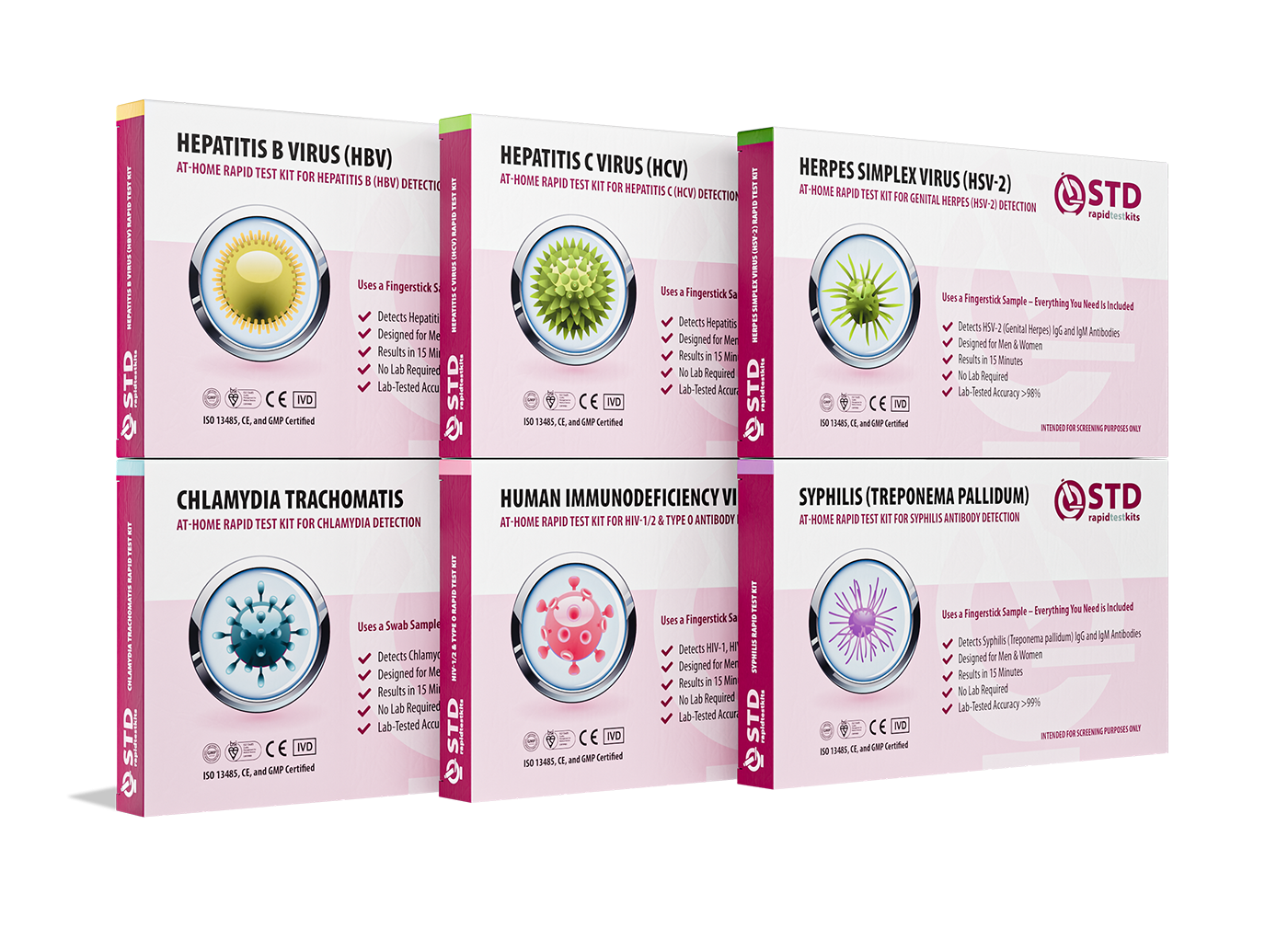 For Men & WomenResults in MinutesNo Lab NeededPrivate & Discreet
Order Now $119.00 $294.00
For all 6 tests
Do You Need to Retest? Here’s How to Know
Let’s say you’ve already had the talk. Or you didn’t. Either way, you had sex, and now you’re wondering: is one test enough?
The answer depends on what kind of exposure happened, when it happened, and whether symptoms are present. But even without symptoms, some people choose to retest a few weeks after sex with a new partner, just for peace of mind. Here’s how that can look:
Scenario 1: You used protection, had no symptoms, and got a rapid test 5 days later. It was negative. Great, but many STDs won’t show up reliably that early. You’ll want to test again at 14–21 days, and maybe again at 6 weeks depending on the infection type.
Scenario 2: You had unprotected sex, no symptoms yet, and your partner mentioned they hadn’t tested in “a while.” First test = now. Retest = 3 weeks later. Maybe again at 3 months for complete confidence.
Here’s a simplified timing chart:
| STD | Earliest Reliable Test Date | When to Retest for Accuracy |
|---|---|---|
| Chlamydia / Gonorrhea | 7 days | 14–21 days |
| Syphilis | 3–6 weeks | 6–12 weeks |
| HIV | 10–33 days (NAAT) | Up to 12 weeks (for antibody tests) |
| Herpes | 4–6 weeks (blood test) | 12 weeks (for conclusive result) |
| Trichomoniasis | 5–10 days | 2–4 weeks |
Table 4: Retesting windows based on infection type
Worried you tested too soon? It’s okay. You can test again. That’s not overkill, it’s common, especially after a new or risky encounter. Don’t talk yourself out of care just because you “should’ve known better.” That voice isn’t helping. What helps is a plan, and you’ve got one now.
Whether it’s a combo test kit, a single-target herpes test, or a trip to the clinic, choose what makes you feel most in control. You can return to STD Rapid Test Kits and explore discreet options that meet your comfort level and timeline.
FAQs
1. Is it actually okay to ask someone if they’ve been tested?
Totally. You’re not accusing them of anything, you’re checking in about something that affects you too. Think of it like asking if they’re allergic to anything before cooking them dinner. It’s not rude. It’s responsible. Bonus: if they’re chill about it, that’s hot.
2. When’s the best time to bring it up?
Before you're both naked, ideally. Earlier is smoother, like when you're talking about what you like, what turns you on, or even during flirty texting. “I’ve been getting tested regularly, just so you know” can open the door. Then it’s less “kill the mood,” more “build the trust.”
3. What if they say something like ‘I’m clean’ but can’t tell me when they last tested?
That’s a red flag wrapped in a euphemism. “Clean” isn’t a medical term, and not knowing when you last tested isn’t confidence, it’s avoidance. You can say something like, “I get that, but I really feel better when I know the actual results. Want to test together?” That flips it from confrontation to collaboration.
4. What do I say if I’m the one who hasn’t been tested in a while?
Say exactly that. “I haven’t tested in a minute, but now that we’re talking about it, I think I should.” That honesty will do way more for trust than pretending. If they’re kind and communicative, they’ll probably say something like, “Cool, let’s both check soon.” If they get weird about it, that tells you a lot too.
5. Is it awkward to ask for proof or swap results?
Not really. More people are doing it, especially with dating apps encouraging sexual health conversations. You can keep it casual: “I’ve got my results if you want to see them, want to trade?” Think of it like sharing Spotify Wrapped but for your sexual health. Transparency is hot.
6. What if I brought it up and they got defensive or weird?
That’s not on you. Some folks get twitchy because of shame, stigma, or just zero practice having grown-up conversations. If you were calm and respectful, their reaction says more about their readiness than your delivery. You’re allowed to pause, redirect, or say, “Let’s talk again when we’re both in the right headspace.”
7. Can I get an STD even if they say they’ve tested?
Unfortunately, yes. Timing matters. A test taken too soon after exposure can miss an infection. That’s why retesting matters and why it's okay to still use protection, even if you’ve both tested. Testing reduces risk, but no method is 100%. That’s not fear, it’s facts, and it’s why follow-up testing is normal, not paranoid.
8. I didn’t ask. We had sex. Now I’m panicking. What do I do?
First: deep breath. You’re not the first person to skip the talk in the moment. You still have options. You can test now, then again after the window period for more accurate results. Use this as fuel for your next time. That regret? It’s not failure, it’s your gut saying you want to do things differently. And that’s growth.
9. Do people actually respond well when you talk about STDs?
More than you’d think. A lot of folks are relieved when someone else brings it up, it means they don’t have to. We've heard stories like, “I asked him if he'd been tested, and he literally thanked me.” Being brave about it often gives others permission to be honest, too.
10. What if I already have an STD and need to tell someone?
Then you’re in the strongest position of all, because you’ve got facts, and you’re leading with truth. You don’t have to share your entire medical history. You just need to say, “I want to let you know I have [insert infection]. It’s manageable, I take care of it, and I’m sharing this because I respect you.” That’s not a warning, it’s an invitation to real intimacy. And if they walk? That’s not rejection. That’s redirection.
You Deserve Answers, Not Assumptions
Whether you’re the one asking or the one answering, STD talks don’t have to be awkward. They can be empowering. Protective. Even sexy. Every honest conversation is a chance to rewrite the story we’ve been handed, that sexual safety is shameful, or that talking about it ruins the moment.
You’re allowed to want clarity. You’re allowed to care. You’re allowed to ask. And if you’re not sure where to start, start with you. Get tested. Know your status. Then invite someone into that truth with you. That’s not judgment. That’s love, in its bravest form.
Don’t wait and wonder, get the clarity you deserve. This at-home combo test kit quickly and discreetly checks for the most common STDs.
How We Sourced This Article: We combined current guidance from leading medical organizations with peer-reviewed research and lived-experience reporting to make this guide practical, compassionate, and accurate.
Sources
1. CDC – STD Facts and Statistics
3. The CDC's information about STIs, or sexually transmitted infections
5. How Do I Talk With My Partner About STD Testing? | Planned Parenthood
6. Talking About Sexual Health and STI Prevention | CDC
7. Talking to Your Partner About STDs (for Teens) | KidsHealth
8. Relationship Dynamics and Sexual Risk Reduction Strategies | NIH/PMC
About the Author
Dr. F. David, MD is a board-certified infectious disease specialist focused on STI prevention, diagnosis, and treatment. He blends clinical precision with a no-nonsense, sex-positive approach and is committed to expanding access for readers in both urban and off-grid settings.
Reviewed by: Janelle Ortega, RN, MPH | Last medically reviewed: February 2026
This article is only for information and should not be used as a substitute for medical advice.


