





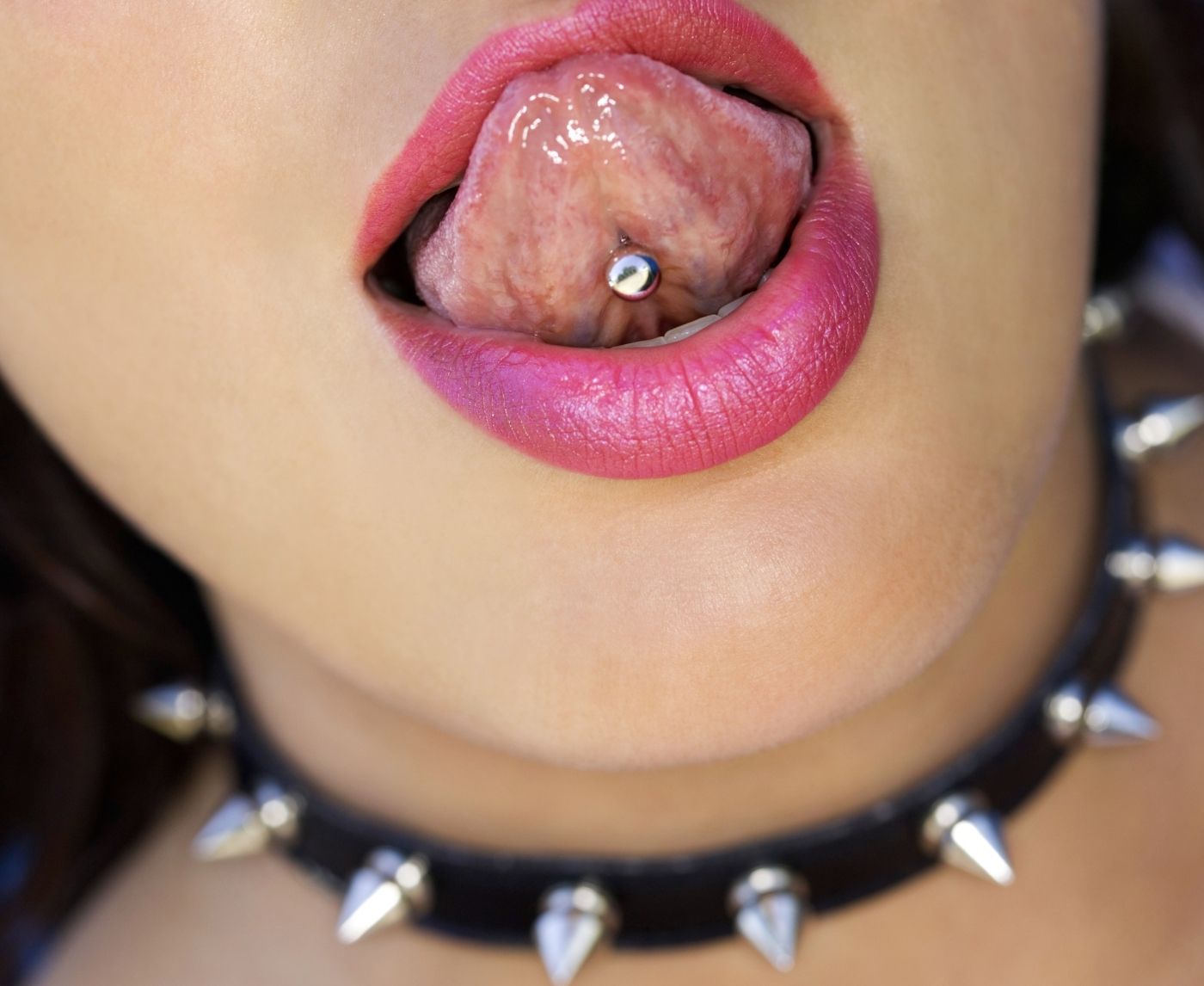

Quick Answer: Yes, tongue piercings can raise the risk of STD transmission during oral sex by creating micro-tears, harboring bacteria, and compromising healing tissue, especially if recent or unhealed. Herpes, gonorrhea, HPV, and syphilis are the most common infections linked to oral exposure.
Who This Is For (And Why We’re Talking About It)
If you’re here, chances are you either have a tongue piercing, hooked up with someone who does, or you're trying to decide if oral sex with a tongue ring is “safe enough.” Maybe you’re queer, kink-positive, or just curious, but now you’re also worried. Maybe your throat burns. Maybe your jaw feels tender. Maybe the person ghosted and now all you’ve got is Google.
This guide is for you. For anyone weighing the fear of infection against the shame of even asking. Because most sex ed skips this stuff, especially when it’s queer, non-penetrative, or body-mod adjacent. And let’s be clear: getting tested isn’t a confession. It’s a way to take care of yourself, your partners, and your peace of mind.
We’ll walk through what the risks actually are, how piercings affect STD transmission, what symptoms matter (and which don’t), how soon to test, and when a sore throat is just a sore throat. This isn’t fear porn, it’s clarity. And it’s long overdue.
Tongue Piercings + STDs: What the Science (and the Streets) Say
Let’s start with this: a tongue piercing doesn’t automatically mean you’ll catch an STD. But it does change the risk calculus, especially during oral sex. That tiny metal stud might seem harmless, but it can create the perfect storm for transmission: microtears in the mucosa, inflammation, and in the case of a fresh piercing, an open wound.
Studies have shown that oral sex can transmit a number of infections, including gonorrhea, syphilis, herpes, and HPV. Add a metal object that can cause friction, and now you're dealing with increased exposure points for viruses and bacteria to enter or exit the body.
In one CDC report, oral gonorrhea was found in people who had no genital exposure, just unprotected oral sex. Now imagine the added risk if the person performing oral has a healing or infected tongue piercing, or if the recipient has lesions or bleeding gums. That’s how risk stacks quietly, invisibly.
Even worse? Inflammation around the piercing can make it harder for the immune system to act as a barrier. “It’s like inviting an infection to dinner and then leaving the door cracked open,” said Dr. Alyssa Goodman, a sexual health clinician who treats oral STDs weekly. She sees the pattern all the time: symptoms dismissed as strep or allergies, until someone finally tests.
People are also reading: From Empty Clinics to Silent Symptoms: What COVID Taught Us About STD Care
What Makes Piercings Riskier? Let’s Break It Down
The metal itself isn’t the enemy, it’s what it does to tissue during high-friction acts like oral sex. Piercings increase risk in three key ways: they create openings, trap bacteria, and disrupt natural healing processes. Here’s a closer look at why they matter:
| Risk Factor | How It Works |
|---|---|
| Fresh or unhealed piercing | Creates open tissue vulnerable to virus or bacteria entry |
| Friction from oral sex | Causes micro-tears in tongue or throat lining |
| Bacteria on jewelry | Can harbor pathogens, especially if not cleaned properly |
| Inflammation/swelling | Disrupts mucosal barrier that normally resists infection |
| Misidentified symptoms | STD symptoms like ulcers or redness mistaken for piercing trauma |
It’s easy to miss signs when you’re used to your mouth feeling weird from healing, especially in the first few weeks. The body’s normal response to a piercing, swelling, redness, even slight pain, can mirror early signs of an oral STD. That’s why timing matters. So does awareness.
And no, this isn’t just a straight-cis issue. Oral sex happens across all genders and configurations. In fact, among queer and trans folks, oral often replaces penetrative acts in certain dynamics, making awareness of oral-transmitted STDs even more essential.
Check Your STD Status in Minutes
Test at Home with Remedium8-in-1 STD Test Kit
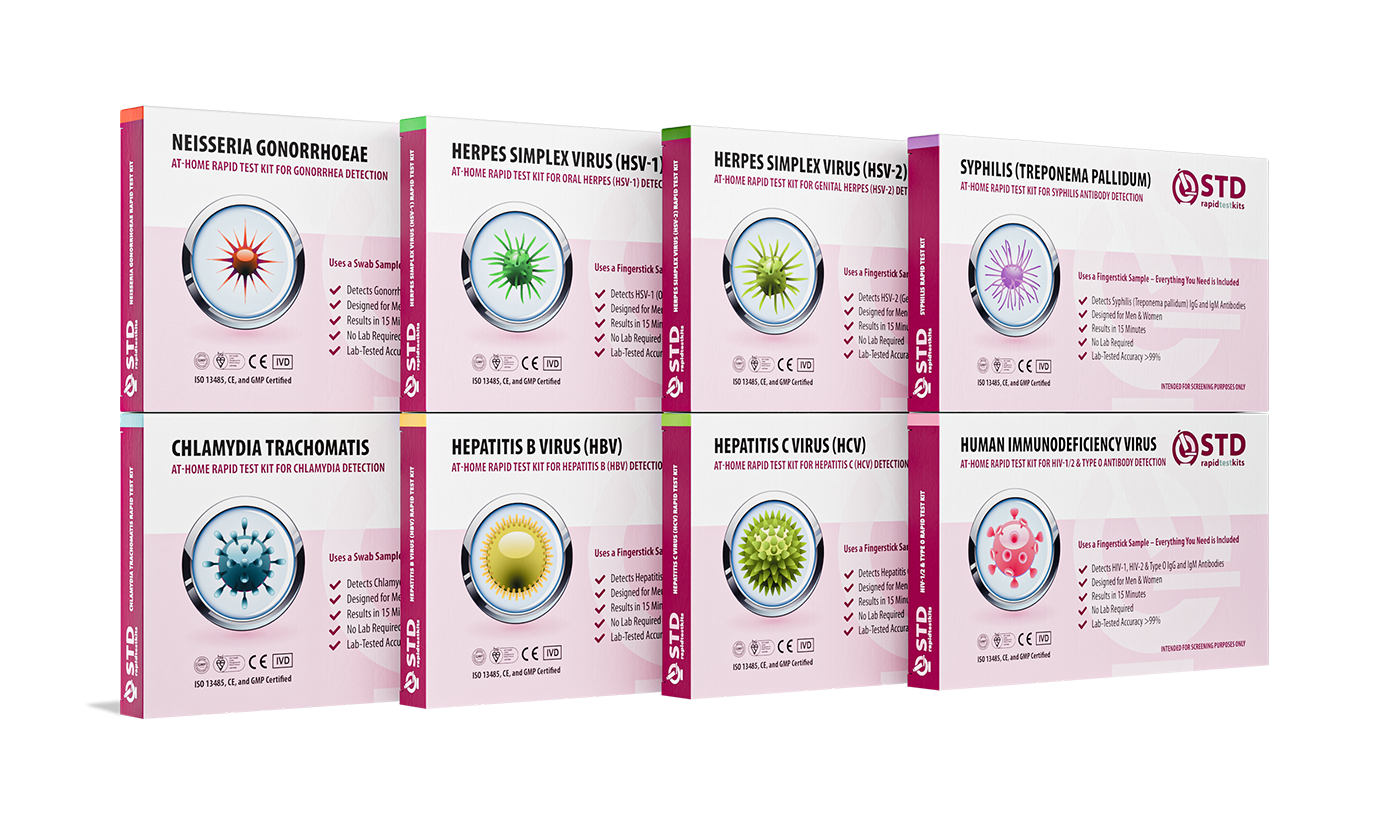
 For Men & Women
 Results in Minutes
 No Lab Needed
 Private & Discreet
Order Now $149.00 $392.00
For all 8 tests
When a Sore Throat Isn’t Just a Sore Throat
Three days after her hookup, Jules tried chalking it up to seasonal allergies. Her tonsils were puffy, her breath tasted metallic, and her tongue ring felt “off,” like it tugged more than usual. But it wasn’t until she saw a white patch behind her molars and googled “gonorrhea throat pictures” that the panic hit.
Here’s the tough part: oral STDs can look like anything, or nothing. Some infections, like gonorrhea and chlamydia in the throat, are often silent. No sores. No pus. No fever. Just a dry scratchiness that’s easy to brush off as strep, allergies, or dehydration. Others, like herpes or syphilis, can show up as visible sores, but they might be misread as trauma from rough sex, hot food, or the piercing itself.
And the timeline? Not immediate. Some STDs take days, or even weeks, to show symptoms (if they show at all). That’s why testing too early can give false reassurance. Here's what those timelines look like in a testing context:
| Infection | Symptom Onset | Best Time to Test | Notes |
|---|---|---|---|
| Gonorrhea (throat) | 2–7 days (or none) | 7–14 days post-exposure | NAAT throat swab recommended |
| Chlamydia (throat) | Rarely symptomatic | 14–21 days | Often missed without targeted testing |
| Herpes (oral HSV-1/2) | 2–12 days | 3–12 weeks (antibody test) | Blisters may resemble canker sores |
| Syphilis | 10–90 days | 3–6 weeks (antibody or RPR test) | Painless ulcers may go unnoticed |
| HPV (oral) | Months to years | Not routinely tested; visual inspection | Warts or asymptomatic; linked to oral cancers |
It’s no wonder people miss it. It’s no wonder they wait. But the longer you wait, the higher the chance of unknowingly passing something on, even without symptoms.
“I Thought It Was Just the Piercing” , A Missed Diagnosis
Tasha, 25, had gotten her tongue pierced a month earlier and was feeling confident. She’d read the aftercare blogs, soaked in saline, and avoided dairy like her piercer suggested. When she hooked up with her ex, she figured it was safe enough. No condoms, but it was just oral. A week later, she noticed irritation around her piercing. Swollen taste buds. Her tongue looked a little raw. “Probably just healing weird,” she told herself.
By week two, she had white lesions near the back of her tongue. She assumed she’d burned it on pizza. Her dentist disagreed, and sent her to urgent care. The diagnosis? Primary oral herpes. She hadn’t kissed anyone else. Just oral sex. Just a guy she trusted.
“I didn’t even think about herpes because I didn’t have genital symptoms,” she said. “No one ever told me you could get it in your mouth from giving head, especially not from someone without visible sores.”
This is how it spreads. Not just the virus, but the silence around it. Most people with oral herpes don’t know they have it. And many infections happen from people without symptoms during friction-heavy acts, like oral sex with a pierced tongue.
And yet, there are solutions. There are tests. There are ways to find peace of mind. But first, you have to know when and how to test.
When to Test After Oral Sex (Especially If Piercings Were Involved)
The instinct is to test right away. We get it. You feel something weird in your throat, or your partner says, “Hey… just so you know…” and suddenly you’re on a Walgreens website at 2 a.m. But testing too early can miss infections, especially bacterial ones that take days to incubate.
Here’s what matters: how long it’s been since the exposure, and what type of infection you’re worried about. Most at-home rapid kits look for antibodies, your body’s long-term response to an invader. But those take time to show up. For throat-specific infections like gonorrhea or chlamydia, a targeted throat swab (often NAAT-based) is best, and can be ordered discreetly.
Let’s map it out based on when exposure happened:
If it’s been:
Less than 5 days: Testing now won’t catch most STDs. Focus on symptom monitoring. Only test early if you’re experiencing acute symptoms (pain, ulcers, fever) or if the piercing is fresh and possibly infected.
5–14 days: Gonorrhea and some herpes infections might show up. Still, a retest is likely needed at the 3-week mark to confirm. At-home NAAT swabs or combo kits are useful here.
3–6 weeks: Ideal window for detecting most infections. Antibody-based tests for herpes or syphilis reach better accuracy here. Use a combo kit that checks multiple infections.
6+ weeks: For peace of mind or confirmatory testing. If your symptoms are persistent or evolving, don’t assume one negative means you’re cleared. Consider retesting, especially if your exposure was high-risk.
If your head keeps spinning, peace of mind is one test away. This at-home combo test kit covers the most common STDs, including those spread through oral sex.

People are also reading: You Don’t Have to Go All the Way to Get an STD, Here’s Proof
Why Testing Feels Like Confession (And Why It Isn’t)
There’s something about the silence before opening a test kit. The plastic crinkle, the sterile swab, the weight of what-ifs hanging in the air. For many people, especially queer or nonbinary folks, testing after oral sex feels less like self-care and more like punishment. “Was I too risky?” “Should I have known better?” “Will this make me dirty?”
If that’s where your head is, pause. Breathe. Testing is not an admission of guilt, it’s a reclamation of control. It says: I’m worth protecting. My partners deserve truth. My health isn’t shameful.
Still, the logistics can feel invasive. Clinics may not ask about oral exposure. Or they assume penis-in-vagina sex is the only route worth testing. That’s why at-home kits have become a game-changer: discreet, customizable, and trauma-reducing. You can test for what actually applies to your sex life, not what a form thinks it should be.
Which Test Should You Use for Oral STDs?
Not all STD tests are designed for oral exposures. Many standard panels focus on genital infections and skip the throat entirely, even though infections like gonorrhea and chlamydia can live there silently. That’s why the method matters. Here’s how different testing options compare when it comes to oral risk after a piercing-involved hookup:
| Test Type | Detects Oral STDs? | Privacy | Speed | Good For |
|---|---|---|---|---|
| At-Home Rapid Test | Some (herpes, HIV, syphilis) | High | 10–20 minutes | Quick peace of mind, HIV or herpes suspicion |
| Mail-In Lab Kit | Yes (throat swabs available) | High | 1–3 days | Oral exposure, multi-STD testing, discreet follow-up |
| Clinic Testing | Yes (if requested) | Medium | Same day to 1 week | High-risk symptoms, in-person consultation |
If you’re testing at home, look for combo kits that allow optional throat swabs, or that screen for herpes and syphilis through blood or saliva. Not all kits are created equal. Some skip oral exposure altogether. The key is using a provider that takes oral sex seriously, because your risks deserve to be treated as real.
Not sure where to begin? You can explore discreet, FDA-approved options at STD Rapid Test Kits.
Protecting Yourself After Piercing-Linked Exposure
If you have a fresh tongue piercing, oral sex should be off the table for at least 2–3 weeks, minimum. That’s not about purity. It’s about healing. Open wounds in the mouth make it dramatically easier for infections to enter the bloodstream. Even if the piercing looks okay on the outside, the tissue underneath may still be raw.
If you’ve already had oral sex with a healing or infected tongue ring, your focus should shift to two things: symptom tracking and strategic testing. Resist the urge to keep rechecking your tongue every hour. Instead, note any of the following:
- Persistent sore throat (more than 3 days)
- Swollen lymph nodes near the jaw or neck
- White patches or ulcers that don’t respond to salt water rinses
- Fever, fatigue, or oral discomfort that feels “off” from usual piercing healing
If any of these show up, you don’t have to panic, but you should consider testing. Especially if your partner wasn’t recently tested or used no barrier protection during oral.
And if your piercing is infected (pus, heat, redness that worsens), treat that first. See a piercer or dentist if needed, but don’t assume the infection is only about the jewelry. Sometimes, STDs and piercing infections overlap, and one hides the other.
Check Your STD Status in Minutes
Test at Home with Remedium6-in-1 STD Test Kit
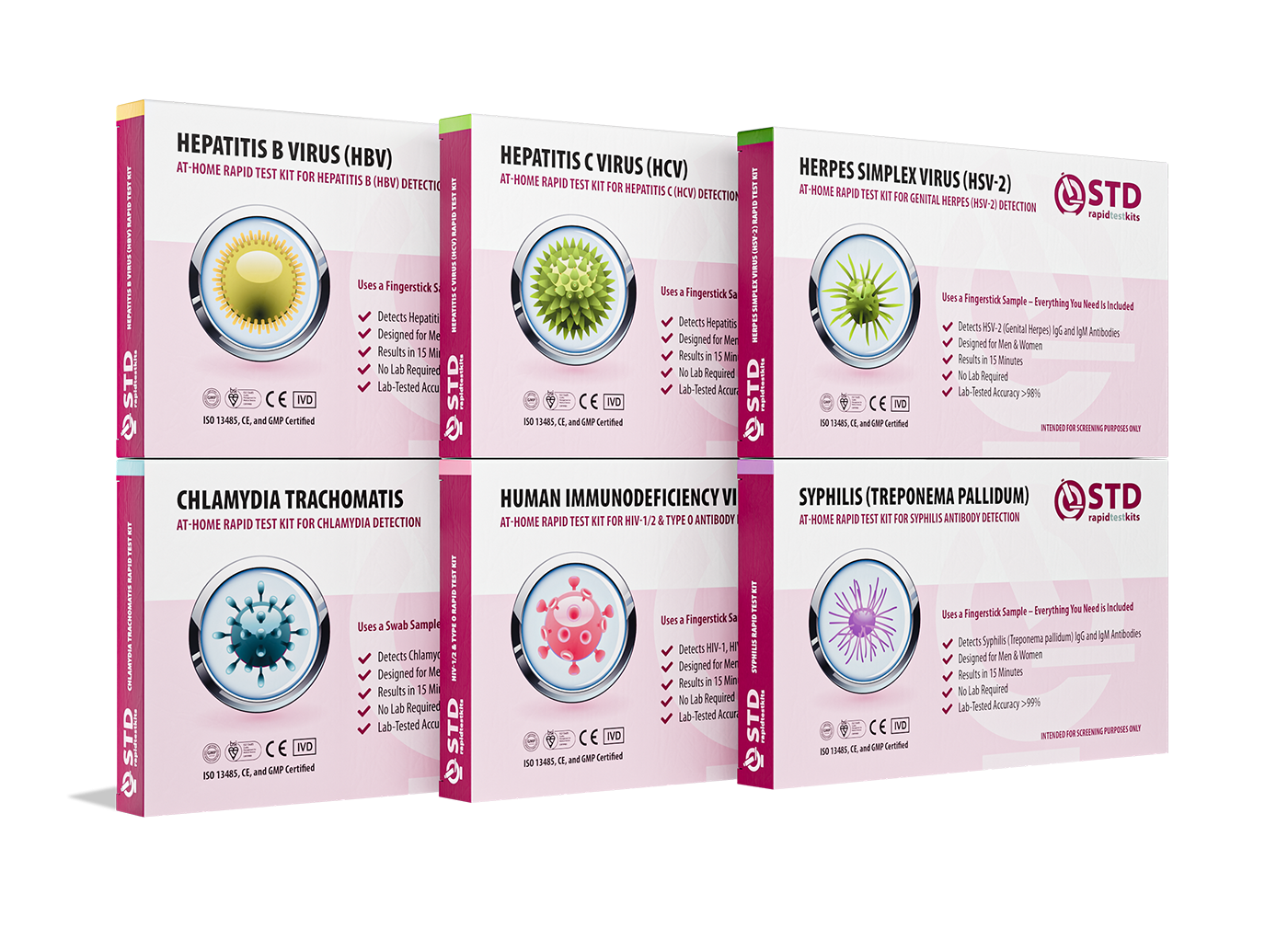 For Men & WomenResults in MinutesNo Lab NeededPrivate & Discreet
Order Now $119.00 $294.00
For all 6 tests
What If the Test Is Positive?
Take a deep breath. We know what this moment feels like. The screen flashes POSITIVE, or you get an email that says “reactive” or “abnormal,” and your stomach drops. You start blaming. Wondering. Replaying every second.
Here’s what we’ll tell you: most STDs are treatable. All are manageable. And this doesn’t make you dirty, reckless, or undeserving of love. It makes you human, and now informed.
If your result shows something like oral herpes, know that it’s one of the most common viruses in the world. If it’s gonorrhea or chlamydia in the throat, those are usually cleared with antibiotics. If it’s syphilis, early stages are highly treatable with one injection. You’re not doomed. You’re just in the next step.
Tell your partner(s) if you can. Use anonymous notification tools if you prefer. And retest after treatment, especially if your symptoms evolve or you get re-exposed. Many people choose to test together with future partners, which flips the conversation from awkward to affirming.
You don’t have to go through it alone. And you don’t have to stay in shame. You deserve answers, care, and calm.
Need to retest after treatment or a new exposure? This combo test kit helps you confirm your status privately and on your timeline.
FAQs
1. Can a tongue ring really make it easier to catch an STD?
Yeah, it can. Not in a “metal is evil” way, but because tongue piercings can create tiny wounds in your mouth tissue, especially when healing or during rougher oral sex. Those micro-tears? Prime real estate for viruses and bacteria to sneak in. It doesn’t mean every hookup is high-risk, but it’s not nothing either.
2. Wait, can you get chlamydia in your throat from giving head?
Absolutely. It’s weirdly common and weirdly silent. Most people with throat chlamydia don’t feel a thing. No discharge. No swelling. Maybe a scratchy throat, but usually it just hangs out unnoticed until someone gets tested for something else. If you gave unprotected oral sex, especially with a fresh piercing, it’s smart to test after 2–3 weeks.
3. What if my throat hurts, but I also just got pierced, isn’t that normal?
Totally fair question. Healing a tongue piercing can feel tender, sore, swollen, it can even mess with your speech for a bit. But if the pain spikes instead of fading, or you notice white patches, swollen glands, or a gross taste that doesn’t go away, it’s worth checking out. Think of it like this: piercing pain gets better. STD symptoms tend to hang around or get worse.
4. Do I need to ask for a special test for my throat?
Yup, and this part sucks. Most clinics don’t automatically swab your throat unless you specifically say you’ve had oral sex. Even then, some providers might raise an eyebrow. If you’re testing at home, make sure the kit you use includes an oral/throat swab, or go for one that screens widely for oral-transmissible STDs like gonorrhea, chlamydia, herpes, and syphilis.
5. If I swallowed… y'know… does that increase my risk?
It might. Semen can carry STDs, and if you’ve got any open cuts (say, from a tongue piercing or flossing too hard), that opens the door. But honestly, the bigger risk happens before you swallow, while things are happening in your mouth. So yeah, it matters. But it’s not about being gross. It’s about biology.
6. Is herpes in your mouth the same as a cold sore?
Basically, yes. Cold sores are usually herpes simplex virus type 1 (HSV-1), but both HSV-1 and HSV-2 can live in your mouth or genitals. You can get oral herpes from oral sex, even if the person didn’t have a visible sore. If you wake up with a cluster of painful blisters near your tongue, gums, or lips, especially after a recent hookup, it’s worth checking out.
7. Do dental dams or flavored condoms help if there’s a piercing involved?
100%. Barriers are your friends, especially when metal meets mucosa. Just be mindful: piercings can snag. If you're using condoms, stick with unlubricated or flavored ones meant for oral play (they're less likely to slip). Dental dams? Great for vulvas, especially if you don’t want to taste metal and regret your life decisions mid-hookup.
8. I tested negative, but I’m still nervous. Did I test too soon?
Maybe. If it’s only been a few days since exposure, your test might not catch early-stage infections. Some things, like herpes or syphilis, take longer to show up on tests. If your symptoms linger, or if your gut just says “something’s off,” retesting in a few weeks is legit. Peace of mind is worth that extra swab.
9. What if I tested positive for oral gonorrhea? Should I be worried?
You should be treated, not terrified. Oral gonorrhea is totally treatable with antibiotics. What’s more important is that you tell any recent partners (there are apps to do this anonymously if that’s less scary). The real danger is letting it linger, it can spread to other parts of your body or others’. Treat it, rest up, and maybe skip oral for a bit until you're cleared.
10. Can I still hook up if I have a piercing and test negative?
Yes! Being informed doesn’t mean being benched. Once your piercing’s fully healed and you’ve tested negative, you can get back to your regularly scheduled oral adventures. Just be smart: stay on top of testing, clean your jewelry, and don’t be afraid to bring up protection. Sexy and safe are allowed in the same sentence.
You Deserve Answers, Not Assumptions
If you’ve read this far, you’re not overreacting. You’re doing exactly what someone with a body, a sex life, and a brain should do: asking questions, seeking clarity, and protecting your peace. Tongue piercings aren’t evil. Oral sex isn’t shameful. But when you combine the two, there’s nuance, and that’s where most sex ed drops the ball.
If something feels off in your throat, don’t wait in silent dread. You can test discreetly, safely, and on your own terms. This at-home combo test kit checks for the most common STDs, including those transmitted via oral sex. Results come quickly. So can peace of mind.
How We Sourced This Article: We combined current guidance from leading medical organizations with peer-reviewed research and lived-experience reporting to make this guide practical, compassionate, and accurate.
Sources
2. About STI Risk and Oral Sex (CDC)
3. Sexually transmitted diseases (STDs) - Symptoms and causes (Mayo Clinic)
4. Gonorrhea - Symptoms and causes (Mayo Clinic)
5. Syphilis - Symptoms and causes (Mayo Clinic)
6. Sexually transmitted infections (STIs) (WHO)
7. HIV and STIs: Risks, Prevention, and Treatment (NIH)
8. Gonorrhea: Causes, Symptoms, Treatment & Prevention (Cleveland Clinic)
9. Sexually Transmitted Infections (STIs) Overview (Cleveland Clinic)
About the Author
Dr. F. David, MD is a board-certified infectious disease specialist focused on STI prevention, diagnosis, and treatment. He blends clinical precision with a no-nonsense, sex-positive approach and is committed to expanding access for readers in both urban and off-grid settings.
Reviewed by: A. Jennings, MPH | Last medically reviewed: February 2026
This article is for informational purposes and does not replace medical advice.


