





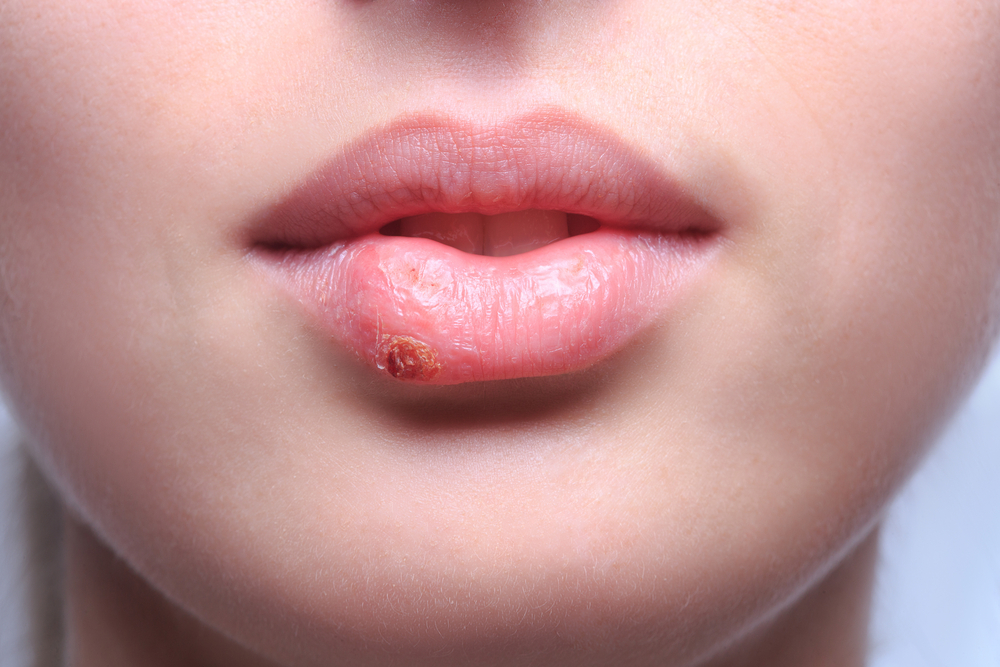

Quick Answer: You can get an STD without penetration. Skin-to-skin contact, oral sex, and even mutual touching can spread infections like Herpes, HPV, and Syphilis. Protection means more than just skipping intercourse.
Case Study: “We Kept Our Underwear On, So I Thought I Was Safe”
Ty, 21, had been hooking up with his girlfriend for a few months. No intercourse. Just hands, mouths, skin-on-skin, what a lot of people still call “everything but.” When he noticed a raw spot near the base of his penis, he assumed it was a shaving nick or irritation from latex. When it didn’t go away after a few days, panic set in.
“I Googled every rash image I could. I was trying to convince myself it was nothing. But it looked…like something. I couldn’t deny it anymore.”
The urgent care doctor didn’t flinch. It was classic primary Herpes Simplex Virus-2. Ty was floored. “But we never had sex,” he said. The provider looked him in the eye and replied, “You don’t need to.”
That phrase, “You don’t need to”, should be printed on posters in every sex ed classroom, clinic, and dating app welcome screen. Because what infected Ty wasn’t recklessness. It was a story he'd been told: that without penetration, you’re fine. But Herpes spreads through skin. HPV too. Syphilis. Molluscum contagiosum. Even Gonorrhea and Chlamydia, while less common, have documented transmission through oral and genital contact alone.
“It didn’t feel risky,” Ty said later, “because we weren’t ‘doing it.’ But clearly, it was.”

People are also looking for: Can You Be Sex-Positive and Terrified of STDs?
So Why Is This Still Happening?
The answer is partly medical misunderstanding, partly cultural silence. Most people’s sex education, if they got any, divides the world into “sex” and “not sex.” That’s a false binary. It leaves oral, skin-on-skin rubbing, hands, toys, and even deep kissing floating in a grey area. And infections thrive in grey areas.
STDs don’t wait for penetration. The CDC confirms that Herpes can be transmitted through skin contact alone, even when no sores are visible. HPV? It’s been found on fingers, scrotum skin, labia, and even under fingernails. One 2013 study published in the Journal of Infectious Diseases found that HPV was present in nearly half of participants who had never had penetrative sex. Half.
People are also misled by symptoms, or the lack of them. A silent infection is still contagious. You could have oral Gonorrhea and not know. You could carry Syphilis in its earliest phase and think it’s just a pimple or bug bite. That’s how these infections slip through the cracks: nobody thinks to test for what they don’t believe they were exposed to.
In fact, one of the largest longitudinal studies on STI risk found that people who reported “non-penetrative only” activity still had measurable rates of infection, especially among adolescents and queer-identifying individuals who were more likely to engage in oral or mutual contact as alternatives to intercourse.
Translation: the risk is real. It’s just invisible until it isn’t.
The Myth That Shields the Stigma
Here’s what nobody tells you in sex ed: sometimes, we believe myths because the truth is too scary, or too shameful, to say out loud.
“I thought I was doing it right,” said Kayla, 18, who tested positive for oral Gonorrhea after her first sexual experience. “We didn’t have sex. Just oral. And I thought that meant I was responsible. I thought if anything happened, it meant I’d messed up. But now I know, I wasn’t irresponsible. I was uninformed.”
That’s the core harm of this myth: it doesn’t just get people infected. It convinces them that if they do get infected, they somehow deserved it.
The stigma is brutal. People whisper about “sluts” or “reckless guys.” They assume infection equals carelessness. But for many, especially teens, queer folks, and survivors of trauma, their first STD was the result of an encounter that felt emotionally safe, limited, and cautious. It just wasn’t fully protected.
This is why comprehensive sex education matters. This is why sex-positive public health is urgent. Because people are out here getting Herpes from partners who didn’t know they were infected, and then blaming themselves. People are getting HPV through clothes-on grinding and thinking they’re dirty. And people are delaying testing because they believe the myth: that without penetration, nothing “real” happened.
Check Your STD Status in Minutes
Test at Home with RemediumOral Herpes Test Kit

 For Men & Women
 Results in Minutes
 No Lab Needed
 Private & Discreet
Order Now $33.99 $49.00
This Isn’t About Fear, It’s About Clarity
You’re not doomed. You're not broken. And no, it doesn’t mean you’re dirty. What it means, if you’re reading this because something’s burning or showing or worrying you, is that you deserve better information, not more guilt.
Let’s get something straight: “safer sex” isn’t just about condoms. It’s about full-body awareness. If you’re using your mouth, your fingers, your skin, your toys, then protection should meet you there, too. Dental dams, flavored condoms, gloves, even basic hand-washing, these aren’t just for professionals or people with dozens of partners. They’re for anyone who’s ever been close enough to make someone else moan.
And here’s the wild part: most people don’t even know what a dental dam is. That’s not your fault. That’s the system’s. Because we spent decades making sex ed about abstinence and reproduction, instead of real pleasure, real behavior, and real risk.
So here’s how it plays out. Two people mess around at a party. Maybe it’s oral, maybe it’s dry humping, maybe it’s grinding with no underwear in between. No one talks about testing because it’s not “real” sex. A few weeks later, one of them gets a sore throat that won’t quit, or a little raised bump near their inner thigh.
The Grey Zone of Intimacy: Where Myths Still Live
Here’s where most people get caught off guard: those in-between sexual moments that don’t look like “sex” but still carry risk. Grinding in underwear at a party. Swapping spit for an hour on a couch. Touching, licking, sharing toys without a condom. These aren’t technical definitions of intercourse, but they’re still moments where skin, fluids, and pathogens mix.
Liam, 22, remembers getting a call from his ex weeks after they’d broken up.
“She told me she tested positive for herpes,” he said. “I freaked out, I thought, ‘But we never actually had sex.’ We only fooled around, went down on each other, sometimes rubbed against each other. I had no clue you could get it that way.”
What Liam didn’t know is that herpes spreads through skin-to-skin contact, not just penetration.
And Liam isn’t alone. A 2022 study in Sexually Transmitted Infections showed that over 40% of young adults underestimated their risk for HPV and herpes during “non-penetrative” sex. That gap between perception and reality is where infections thrive.
This doesn’t mean you have to stop touching, kissing, or exploring. It means understanding that intimacy comes in many forms, and so does transmission. You don’t have to “go all the way” to share skin and fluids, and that’s exactly how many STDs travel silently between partners.
If you’ve had a “grey zone” encounter and you’re spiraling about it now, here’s the truth: the only way to move from fear to facts is to test.

People are also reading: Oral Sex, Real Talk: The Mouth-to-Genitals STD Playbook Nobody Gave You
FAQs
1. Wait, so I can really get an STD without having “real” sex?
Yeah. You don’t need to go all the way to catch something. Skin rubbing on skin? Oral without a barrier? Even fingers if there’s fluid involved? That’s enough for infections like Herpes, HPV, and Syphilis to do their thing. It’s not about what you called it, it’s about what actually happened.
2. Okay, but how risky is oral sex, really?
More than people think. You can pick up Gonorrhea, Chlamydia, Herpes, and even Syphilis from oral, especially if someone has a sore, doesn’t know they’re infected, or there’s no protection. And yes, that includes mouth-to-genital *and* mouth-to-mouth. If it’s warm, wet, and shared? It counts.
3. What about kissing? Is that dangerous now too?
If someone has oral Herpes, they can spread it just by kissing, yep, even if they don’t have a visible cold sore. That’s why so many people get it as kids or teens. It’s super common. Doesn’t mean you stop kissing, just be smart, especially if you or your partner get cold sores.
4. There was no penetration, but I’m seeing a weird bump, should I be worried?
Trust your gut. A lot of people ignore bumps because they think “we didn’t really have sex.” But HPV and Herpes often show up exactly like that: tiny, painless, maybe a little itchy. Even if it doesn’t hurt, it’s worth checking out. Better clarity than guessing games.
5. I feel fine. Do I still need to get tested?
Absolutely. Some of the most common STDs, like Chlamydia and HPV, often come with zero symptoms. You could feel 100% normal and still be carrying something. That’s not shameful, it’s just how bodies work. Testing isn’t about fear. It’s about *knowing.*
6. If I test positive, does that mean someone cheated?
Not necessarily. Some infections can hide for weeks, months, even years. It’s possible your partner, or you, had something dormant. A positive test doesn’t always mean betrayal. It means it’s time to take care of yourself and talk honestly with your partner.
7. Do at-home STD tests actually work?
Yep, and they’re a lifesaver for a lot of people. Most at-home tests, like the ones from STD Rapid Test Kits, are accurate, private, and fast. You get results in minutes without stepping foot in a clinic. It’s testing, without the awkward waiting room energy.
8. How soon after contact can I get tested?
It depends on the infection. Some show up within a few days. Others take a couple of weeks. If something feels off, or even if it doesn’t, but your brain won’t shut up about it, testing two weeks after contact is a solid place to start. And retest later if needed.
9. I didn’t plan on testing, but now I’m nervous. What should I do?
You already did the hardest part: facing the doubt. The next step is easy. Grab a test. Do it on your schedule, in your space, with no one else in your business. Then breathe. You’re taking care of yourself, not confessing to anything.
10. How do I even start this convo with someone I hooked up with?
Try something honest but low-pressure: “Hey, I’ve been learning how STDs can spread without full-on sex, and I realized I should probably test. Want to do it together?” That kind of vibe, real, kind, grounded, is way more common than you think. And usually, people appreciate it more than they say out loud.
You Deserve Answers, Not Assumptions
This isn’t about fear, it’s about facts. And the fact is: you don’t need penetration to be vulnerable. But you don’t need shame, either. You need support. You need tools. You need to know that taking control of your sexual health doesn’t mean admitting guilt, it means claiming your right to clarity.
Don’t wait and wonder, get the clarity you deserve. This at-home combo test kit checks for the most common STDs discreetly and quickly.
Check Your STD Status in Minutes
Test at Home with Remedium7-in-1 STD Test Kit
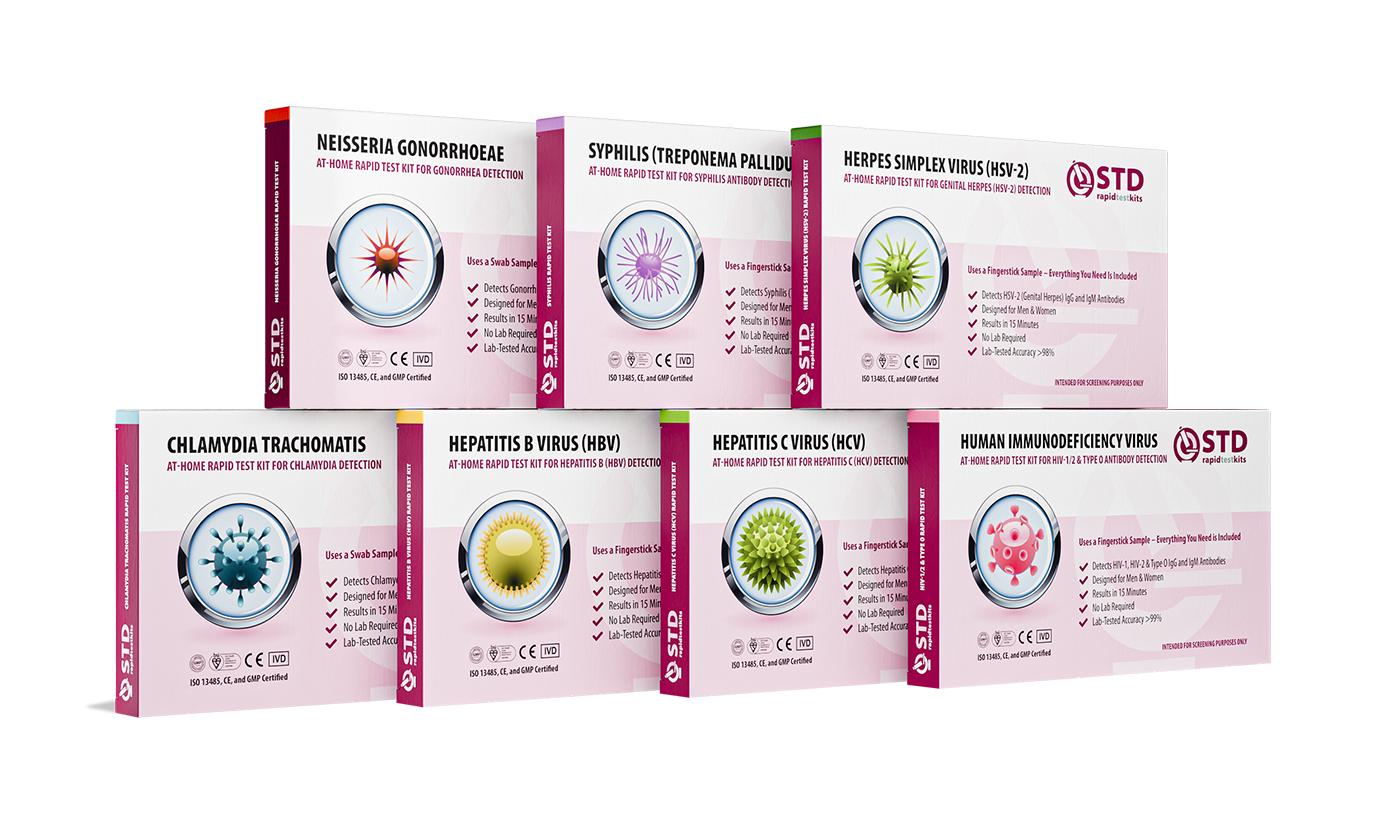 For Men & WomenResults in MinutesNo Lab NeededPrivate & Discreet
Order Now $129.00 $343.00
For all 7 tests
Sources
1. CDC – Genital Herpes – Detailed STD Facts
2. Planned Parenthood – Getting Tested for STDs
3. Medical News Today – STD Risk from Oral Sex: Chart and Guide
4. Verywell Health – STIs That Spread Without Intercourse
5. Teen Vogue – STD Myths That Still Won’t Die
6. Clinic Barcelona – STD Risk Without Penetration


