






Quick Answer: Yes. Untreated STDs can cause infertility in both men and women by damaging reproductive organs, triggering chronic inflammation, and blocking the normal movement of sperm or eggs, even when symptoms are mild or absent.
Why STDs and Fertility Are So Closely Connected
Fertility depends on healthy tissue, open pathways, and precise timing. Sperm must be produced in adequate numbers, move efficiently, and reach an egg. Eggs must mature, be released, and travel through open fallopian tubes. Untreated STDs interfere with these steps by inflaming or damaging the systems involved.
When the body responds to infection, it sends immune cells to fight it. This response causes inflammation, which is helpful in the short term but harmful when it becomes chronic. Over time, inflammation can lead to scar tissue, narrowing, or complete blockage of reproductive structures.
The biggest risk factor is delay. The longer an STD goes untreated, the more opportunity it has to spread upward or deeper into the reproductive system. This is why infections that cause few or no symptoms are often the most damaging to long-term fertility.
People are also reading: Why Your Vulva Might Itch After Sex (And When to Test)
How Untreated STDs Can Affect Female Fertility
In women, fertility damage most often happens when an untreated STD spreads beyond the cervix and into the upper reproductive tract. This includes the uterus, fallopian tubes, and surrounding pelvic tissues. Once this happens, the risk of lasting complications increases significantly.
A major concern is pelvic inflammatory disease, which is commonly referred to as PID. PID is not an infection but rather a complication brought about by the progression of bacteria from the vagina or cervix. One incidence of PID is enough to increase the chances of infertility, and repeated occurrences further increase this risk.
Inflammation in the fallopian tubes can lead to scarring or adhesions. This can partly block the fallopian tubes or prevent the egg from moving properly, which makes fertilization difficult. This scarring can also lead to ectopic pregnancy, which is life-threatening and affects fertility.
STDs Most Commonly Linked to Female Infertility
Chlamydia is the most common STD linked with female infertility. Moreover, it often does not display any symptoms, which enables it to linger undetected. If it remains untreated, it can continue to cause chronic inflammation, scarring of the fallopian tubes, and future difficulties with conception.
Gonorrhea can also have the same impact on the reproductive system, especially if it is contracted along with chlamydia. When the two infections are present together, they can create more severe inflammation and hasten the development of pelvic inflammatory disease.
Trichomoniasis is not as directly related to female infertility as the other infections. However, if it remains untreated for an extended period, it can continue to cause chronic inflammation and irritation in the pelvic region.
Viral infections, including HPV, do not directly impact female fertility. However, complications with cervical disease or procedures for treating cervical disease can impact future reproductive capabilities.
How Untreated STDs Can Affect Male Fertility
Male fertility is often overlooked in discussions about STDs, but untreated infections can have serious effects on sperm production and delivery. In men, fertility problems usually arise when infection causes inflammation in the testicles, epididymis, or prostate.
The epididymis is a tightly coiled tube where sperm mature and are stored. When it becomes inflamed, a condition known as epididymitis, sperm movement can be disrupted or blocked entirely. Even after infection clears, scar tissue may remain.
Untreated inflammation can also affect sperm quality. Infections may reduce sperm count, impair motility, or damage sperm DNA, all of which lower the chances of successful fertilization.
Check Your STD Status in Minutes
Test at Home with Remedium3-in-1 STD Test Kit
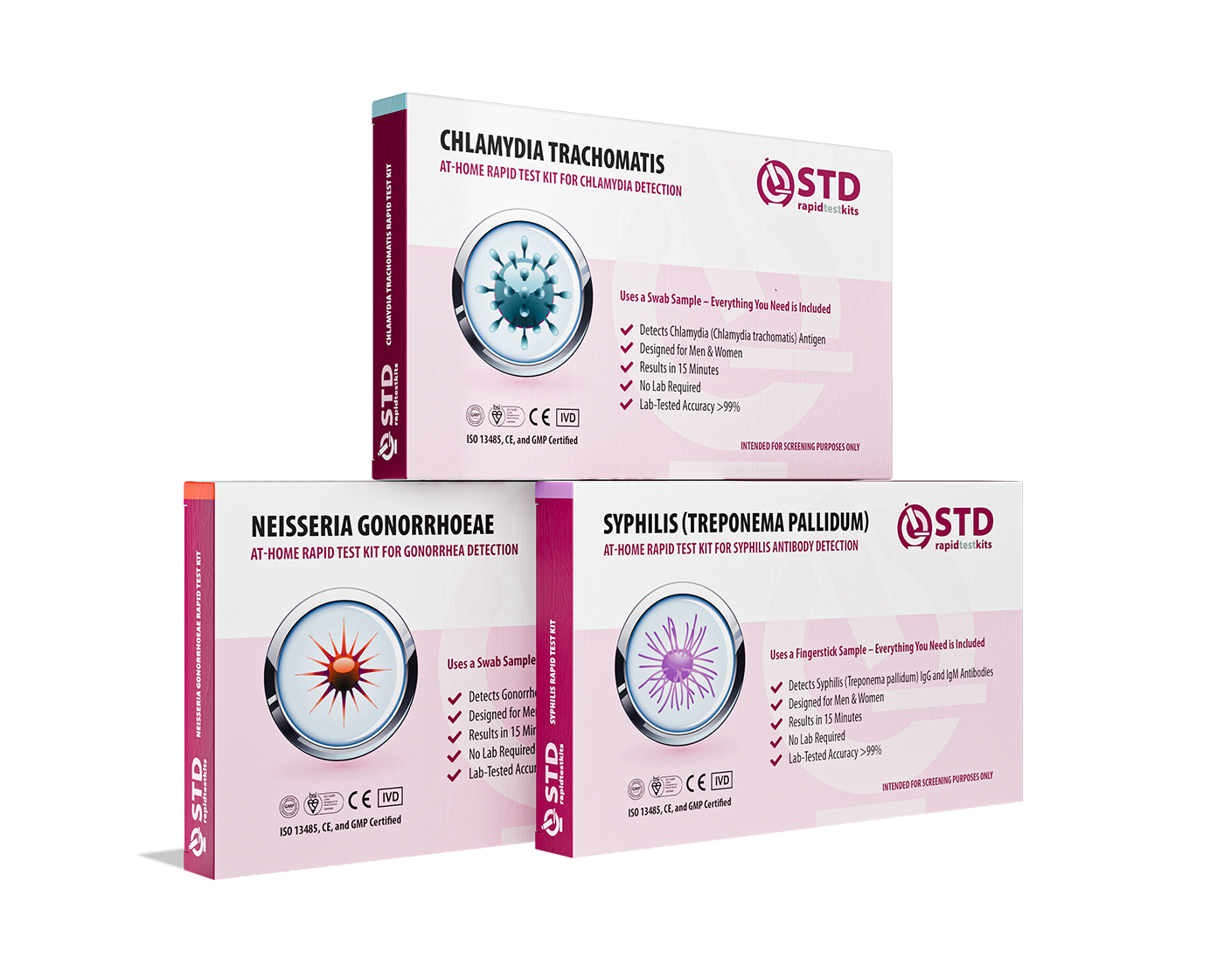
 For Men & Women
 Results in Minutes
 No Lab Needed
 Private & Discreet
Order Now $69.00 $147.00
For all 3 tests
What Happens When You Don’t Know You’re Infected
It’s one thing to have a bad hookup and wonder if you caught something. It’s another to find out, months or even years later, that the infection you didn’t know you had may have silently reshaped your entire reproductive future. Infertility caused by untreated STDs isn’t rare. It’s not just “possible.” It’s common, especially with chlamydia and gonorrhea.
For many, the first sign something’s wrong isn’t pain or discharge, it’s trying to get pregnant and failing. Or realizing a partner had symptoms you never connected to yourself. Or a doctor saying “there’s scarring” and you have no idea when or how that damage started. It’s deeply personal. It’s invisible. And it’s why getting tested before you feel sick might be the most protective thing you ever do for your body.
The table below breaks down what science has confirmed about four common STDs and their links to fertility complications. This isn’t scare tactics, it’s a roadmap of what can happen when infections go untreated. Knowing how each infection acts on the body helps you understand why timing, symptoms (or lack of them), and coinfections matter so much.
| Infection | Fertility Risks (Women) | Fertility Risks (Men) | Key Danger |
|---|---|---|---|
| Chlamydia | Can cause scarring in fallopian tubes, blocking fertilization; leading cause of tubal factor infertility | Infects epididymis and prostate; may reduce sperm motility or cause sperm duct blockage | Often asymptomatic for years; damage occurs silently |
| Gonorrhea | Rapid onset pelvic inflammatory disease (PID); high risk of tubal damage with delayed treatment | Inflammation of epididymis or testicles; repeat infections increase risk of lasting transport issues | Frequently co-occurs with chlamydia; together, risk multiplies |
| Syphilis | Doesn’t usually cause mechanical infertility but increases risk of miscarriage and stillbirth | Rare fertility impact, but systemic complications possible if untreated | Harms pregnancy outcomes more than fertility itself |
| Trichomoniasis | Chronic inflammation can increase susceptibility to other STDs and disrupt vaginal health | Less studied, but inflammation and coinfection may impair sperm function indirectly | Amplifies damage when other infections are also present |
When people ask, “Can an STD really make me infertile?”, this is the answer. Yes, and it doesn’t always take years. For some, a few months without symptoms is all it takes for microscopic damage to accumulate and cause life-changing consequences. But that doesn’t mean the story ends there.
Getting tested, especially with a Combo At-Home STD Test Kit, can interrupt that story early. It’s never too late to find out, and it’s never too early to start protecting your future options. Fertility isn’t just about one day wanting kids. It’s about giving yourself choices you might not even know you want yet.
People are also reading: The Herpes Test Most People Don’t Know They Need
Viral STDs and Indirect Fertility Effects
The viral STDs such as HPV and Herpes do not cause infertility directly. However, complications arising from these infections may influence reproductive outcomes.
Advanced changes in the cervix due to HPV may necessitate procedures that compromise the integrity of the cervix, which may influence reproductive outcomes. Herpes outbreaks do not influence fertility; however, an active Herpes infection during pregnancy may influence delivery outcomes.
Even though viral STDs do not directly influence fertility, they play an important role in reproductive outcomes and cannot be ignored.
Why You Can’t Wait for Symptoms to Tell You Something’s Wrong
One of the cruelest things about chlamydia and gonorrhea is that they don’t come with a warning label. There’s no flashing light. No fever or ache that screams “your fertility is at risk.” Most people expect to feel off if they have an STD. But the reality? The infections most likely to leave you unable to conceive are often completely silent.
This is especially true for women, though it happens across all genders. You might feel perfectly fine while chlamydia quietly climbs from your cervix into your uterus and fallopian tubes, or while gonorrhea inflames tissues without triggering a single symptom you’d recognize. It doesn’t mean your body isn’t reacting. It just means the damage is happening too slowly, or too deep inside, to see right away.
By the time pain, discharge, or spotting show up, if they ever do, months of inflammation may have already scarred delicate structures that are critical to pregnancy or sperm transport. And unlike the infection itself, that damage doesn’t always go away just because you catch it late and treat it.
Fertility Damage Doesn’t Follow Your Life Timeline
Here’s where things get even messier: there’s no universal clock for when untreated STDs start to affect fertility. Some people may carry an infection for years without noticeable consequences. Others might develop pelvic inflammatory disease within months. Your body’s immune response, hormone fluctuations, and even whether you get re-infected can all change the outcome.
The worst part? You don’t get a heads-up. You might test negative for everything in your early twenties and assume you're “safe.” Then, after one untreated exposure in your late twenties, you find out the damage was done, and it was done fast. That’s not fear-mongering. That’s just what makes routine testing essential, even when you feel fine.
Fertility doesn’t wait until you’re ready to start a family. It responds to infections in real time. And the longer an infection goes undetected, the more time it has to change your body’s future without your consent.
Can Fertility Come Back After Treatment?
This is the question that keeps people up at night. And it deserves a real answer, not just false comfort or blanket reassurance. The truth is: it depends on how early you catch the infection.
Antibiotics can clear a bacterial STD. But they can’t undo fallopian tube scarring or unblock a twisted epididymis. Once that structural damage happens, fertility might be reduced permanently. And no, you don’t always “feel” when it’s happening. You can be symptom-free and still lose function where it matters most.
Many people believe that once they get treated, their fertility resets to normal. That’s a dangerous myth. What treatment does is stop the infection from causing more harm, it doesn’t rebuild what’s already been lost. And that’s why timing is everything. The difference between reversible and permanent isn’t always about how bad the symptoms were. It’s about when you got tested.
If you're wondering whether it's too late or if it’s worth checking, know this: a discreet at-home combo STD test could give you the peace of mind you didn’t know you needed. Or the information you need to act now, while there’s still time to protect your options.
Check Your STD Status in Minutes
Test at Home with Remedium3-in-1 STD Test Kit
For Men & WomenResults in MinutesNo Lab NeededPrivate & DiscreetOrder Now $69.00 $147.00
For all 3 tests
When Fertility Can Recover
If an STD is diagnosed before it has spread and caused significant inflammation, fertility levels tend to return to normal. This is especially true for primary infections that are diagnosed and treated quickly and followed by proper retesting.
In males, sperm count and quality may be improved once the STD has been cleared, especially when inflammation is mild and brief. In females, early treatment may prevent pelvic inflammatory disease and preserve fallopian tube function.
This is why regular testing is emphasized, even when there are no symptoms. Early diagnosis of an STD may be the difference between temporary and lifelong fertility difficulties.
When Damage Is More Likely to Be Permanent
Permanent fertility damage is more likely when infections go untreated for months or years, or when someone experiences repeated infections. Each episode of inflammation increases the likelihood of scarring and blockage.
In women, scarring of the fallopian tubes may permanently prevent eggs from reaching the uterus. In men, blockages in the epididymis or vas deferens can obstruct sperm transport even if sperm production itself remains normal.
Because this damage is often painless, many people do not realize anything is wrong until they attempt to conceive. At that point, the infection may be long gone, but its effects remain.
Fertility After STD Treatment: What to Expect
Treatment is still essential, even if fertility damage is suspected. Clearing an infection prevents further harm, protects partners, and reduces the risk of additional complications.
For people planning pregnancy, follow-up testing is often recommended to confirm that the infection is fully cleared. In some cases, fertility evaluations may be suggested, particularly if conception does not occur after several months of trying.
It’s important to understand that fertility struggles after an STD are not a personal failure or a sign of neglect. Many infections are silent, and many people do everything “right” and still experience complications.
Why Many People Delay Testing
Despite all these risks, there are people who do not want to be tested for STDs because of fear and stigma associated with having an STD. Some people also believe that if there is something wrong, symptoms would definitely manifest.
Some people also believe that if they have been treated for an STD or have not manifested any symptoms for quite some time, then their fertility is not at risk.
Some people may not want to be tested for STDs if they are feeling well, if they are in a monogamous relationship, or if they are no longer sexually active. But it is also possible for fertility problems to manifest before all these factors are properly aligned.
It is not really careless or irresponsible behavior for people to shy away from STD testing because they are simply not aware or are confused about what is really at stake.
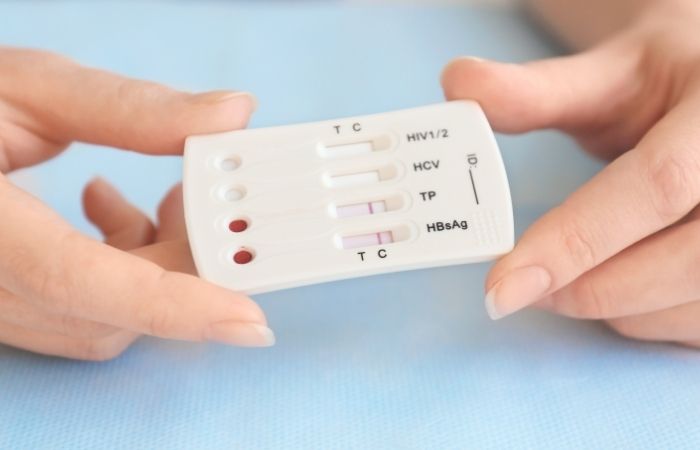
People are also reading: Cold Sore Kisses and Herpes Transmission: What This Story Reveals About Silent Spread
Testing Before Trying to Conceive Isn’t Just Smart, It’s Protective
If you’re even thinking about getting pregnant, now, in six months, or “maybe someday if the stars align”, it’s time to add STD testing to your preconception checklist. This isn’t just about avoiding complications during pregnancy. It’s about catching silent infections before they can chip away at your fertility without you ever knowing.
Chlamydia and gonorrhea can damage the fallopian tubes. Trichomoniasis can cause persistent inflammation. Syphilis doesn’t always affect fertility directly, but it can seriously complicate pregnancy. And all of them, every last one, can be present in your body with no symptoms at all. That’s the part people miss.
Testing before trying to conceive gives you a head start. It means you’re not crossing your fingers during ovulation while an undetected infection is interfering behind the scenes. It’s peace of mind. It’s control. It’s one less unknown at a time when everything already feels high stakes.
And let’s be clear: this isn’t just about people with a uterus. Men’s STD status matters too. An untreated infection can impact sperm count, motility, and overall quality. But even beyond the mechanics, this is about partnership. You share fertility with the person you're trying to conceive with. Their health affects your outcome. That means both partners testing, and treating, if needed, is the baseline, not the bonus.
Here’s when preconception STD testing makes the most sense:
| Scenario | Why Testing Matters |
|---|---|
| New sexual partner in the past 12 months | Risk of asymptomatic infection from prior exposure is high, even if protected |
| History of chlamydia, gonorrhea, or PID | Increased risk of tubal damage or reinfection; needs baseline check |
| Previous miscarriage or ectopic pregnancy | STD-related scarring may have been a factor; testing can rule this out early |
| Haven’t tested in over a year | Infections like trichomoniasis and chlamydia often persist silently for months or longer |
| Trying to conceive with a partner for the first time | Even if both are symptom-free, testing confirms a shared clean slate |
In short? Testing is not about distrust. It’s about respect, for your body, for your future, and for the person you want to build something with. And if you’re not quite ready for that doctor’s appointment or want something faster and private? An at-home combo test kit gets the job done quietly and quickly.
Conceiving is hard enough without mystery variables. Don’t let an untreated infection be one of them.
FAQs
1. Can I really be infertile and not even know it?
Yes, and it’s more common than you think. Many people carry chlamydia or gonorrhea without symptoms, especially women. The infection creeps upward into the reproductive tract, and by the time you're trying to conceive, scar tissue may already be in place. No warning. No fever. Just a blocked tube discovered years later.
2. What if I had an STD ages ago but never got tested?
That question keeps a lot of people up at night. If you were exposed and never treated, there’s a chance some damage occurred, especially if it’s been years. But that doesn’t mean game over. Many people still conceive naturally after past infections. Testing now can help you understand where things stand and what comes next.
3. Does it matter if I’ve never had symptoms?
That’s actually why this issue is so dangerous. Most people don’t have symptoms. You could feel totally fine and still have had an infection causing damage behind the scenes. In fact, over 70% of chlamydia cases in women have no symptoms at all. Silence doesn’t equal safety.
4. I tested negative today, so I’m in the clear, right?
Mostly, yes. A negative test means there’s no current infection. But it can’t tell you if you had something months or years ago that already did its damage. If you’re concerned about fertility, you may need further testing like a hysterosalpingogram or semen analysis to look at the bigger picture.
5. Can men lose fertility from STDs too?
Definitely. It’s not just a female problem. STDs can mess with sperm production, block the tubes that carry sperm, and even shrink the testicles over time if inflammation goes untreated. And like in women, most guys don’t notice a thing until they get a sperm test, and realize something’s off.
6. Will antibiotics fix everything?
They’ll kill the infection, yes, but they can’t reverse any scarring that’s already happened. That’s why timing matters so much. Catching it early = stopping the damage. Catching it late = managing what’s already broken. Either way, treatment still helps stop future problems.
7. What if my partner had an STD and never told me?
Oof, this happens more than people admit. They may not have known. They may have assumed it went away. But if you’ve had unprotected sex, even once, it’s smart to test. And if you’re trying to get pregnant, both partners should get screened. It’s not about blame. It’s about moving forward with facts.
8. Is trichomoniasis a fertility risk too?
not as infamous as chlamydia or gonorrhea, but yep, it can raise the risk of PID in some cases, especially if untreated. And it's sneaky. Most men don’t get symptoms. Some women think it’s just a yeast infection. But it’s worth checking for, especially if you’re TTC (trying to conceive).
9. Can I use a test at home or do I need to visit a clinic?
You can absolutely start with an at-home test, especially if going to a clinic feels like a whole ordeal. Kits like the Combo STD Home Test Kit check for the big ones (chlamydia, gonorrhea, trich) and are super discreet. If anything comes up positive, or if you want to confirm past damage, you can always loop in a provider later.
10. How do I protect my fertility moving forward?
Test early. Test often. Use protection with new partners. Treat infections fast. And don't assume feeling fine means everything’s fine. If you’re planning for a family (now or someday), staying ahead of STDs is one of the best things you can do for your future self.
You Can’t Change the Past, But You Can Protect What’s Next
Untreated STDs are one of the few preventable causes of infertility, yet they remain a common reason people struggle to conceive later in life. The damage doesn’t happen because someone was careless, it happens because infections are often silent, misunderstood, or delayed in diagnosis.
Testing is not about blame or fear. It’s about preserving options. Whether or not children are part of your future plans, protecting reproductive health now gives you more control later.
If you’re unsure of your status or want reassurance, discreet testing can provide answers without waiting or stigma. You can explore confidential options directly through STD Test Kits or consider a comprehensive screening like the 6-in-1 STD At-Home Rapid Test Kit for broader peace of mind.
How We Sourced This: In this article, information has been based on updated clinical guidelines, reliable studies conducted on the subject of sexually transmitted diseases, along with statistics related to
reproductive health. Approximately fifteen reliable medical or academic sources have influenced this write-up, and some of them have been highlighted in the points below for readers' convenience, as the topic deals with fertility risks in an exact and non-prejudicial way.
Sources
1. World Health Organization – Sexually Transmitted Infections
2. Mayo Clinic – Pelvic Inflammatory Disease
3. NHS – Sexually Transmitted Infections Overview
5. About Pelvic Inflammatory Disease (PID) (CDC)
About the Author
Dr. F. David, MD is a board-certified doctor who focuses on sexual health and infectious diseases. His job is to teach people about STDs so they can avoid getting them, find them early, and lessen the long-term effects.
Reviewed by: Sarah Collins, RN, BSN | Last medically reviewed: February 2026
This article is for informational purposes only and does not replace professional medical advice, diagnosis, or treatment.


