






Quick Answer: Yes, you can get an STD from period sex. Menstrual blood does not reduce risk and may actually increase transmission for bloodborne infections like HIV, hepatitis B, and herpes.
The Period Blood Myth: Why So Many People Get This Wrong
Here’s where it usually starts: someone tells you that blood “cleanses” the uterus, or that the flow somehow flushes bacteria and viruses away. It’s a popular belief, especially in online sex forums and among younger people experimenting with their first unprotected encounters. But menstruation is not a sterilizing process, it’s a vulnerable one.
“Blood is a biological fluid just like semen or vaginal discharge,” says Dr. Marissa Crane, a reproductive infectious disease specialist. “It can carry viral particles, bacterial infections, and microscopic tears in the vaginal lining can become entry points.”
What’s more, hormonal shifts during menstruation can temporarily lower local immunity in the vaginal tract, increasing susceptibility to infections like gonorrhea, trichomoniasis, and herpes. And many people report having more intense, even rougher sex during their period, especially if they feel pressure to “make it worth it.” That can further increase risk if protection isn’t used.
What STDs Can Be Transmitted During Period Sex?
Let’s break it down by type. Not all STDs have the same transmission route, but when blood, vaginal mucosa, and microtears are involved, as they often are during period sex, the playing field shifts.
| STD | Transmits Through Blood? | Higher Risk During Period? | Transmission Notes |
|---|---|---|---|
| HIV | Yes | Yes | Menstrual blood can carry viral load; microtears increase entry risk |
| Hepatitis B | Yes | Yes | Blood-to-blood contact is a major route; period sex adds vulnerability |
| Herpes (HSV-2) | No (but blood increases shedding sites) | Yes | Increased skin contact and viral shedding may occur during period |
| Chlamydia | No | Moderate | Passes through fluids, not blood; risk rises with unprotected contact |
| Gonorrhea | No | Moderate | Infects the cervix and vaginal tract; blood doesn’t reduce risk |
| Trichomoniasis | No | Yes | Thrive in altered pH of menstrual environment |
Figure 1: STD transmission profiles during menstruation. Bloodborne viruses (HIV, Hepatitis B) pose the highest risk during period sex, while others like trichomoniasis may also flourish in altered vaginal environments.
In other words, period sex isn’t a magic shield. And unfortunately, many people don’t realize this until after they’ve been exposed. The risks are real, but preventable, with the right info and tools.

People are also reading: How Long Can a Man Have an STD Without Knowing?
Case Study: “We Were Careful, Except That One Time”
Andre, 26, had been in a monogamous relationship for six months. “We always used condoms… except that time she was on her period. I didn’t even think it mattered. I figured if she was bleeding, that meant her body was ‘busy’ and not infectious.”
Three weeks later, Andre noticed burning during urination. A discreet home test confirmed he had gonorrhea. His girlfriend tested positive too. They were shocked. “It just didn’t even occur to us that her period wasn’t some kind of barrier,” he said.
“I kept replaying that night. It felt so normal. And now we’re both dealing with this.”
The truth is that many couples drop their guard during period sex, believing myths, acting on trust, or just getting caught in the moment. But when protection is skipped, testing should follow.
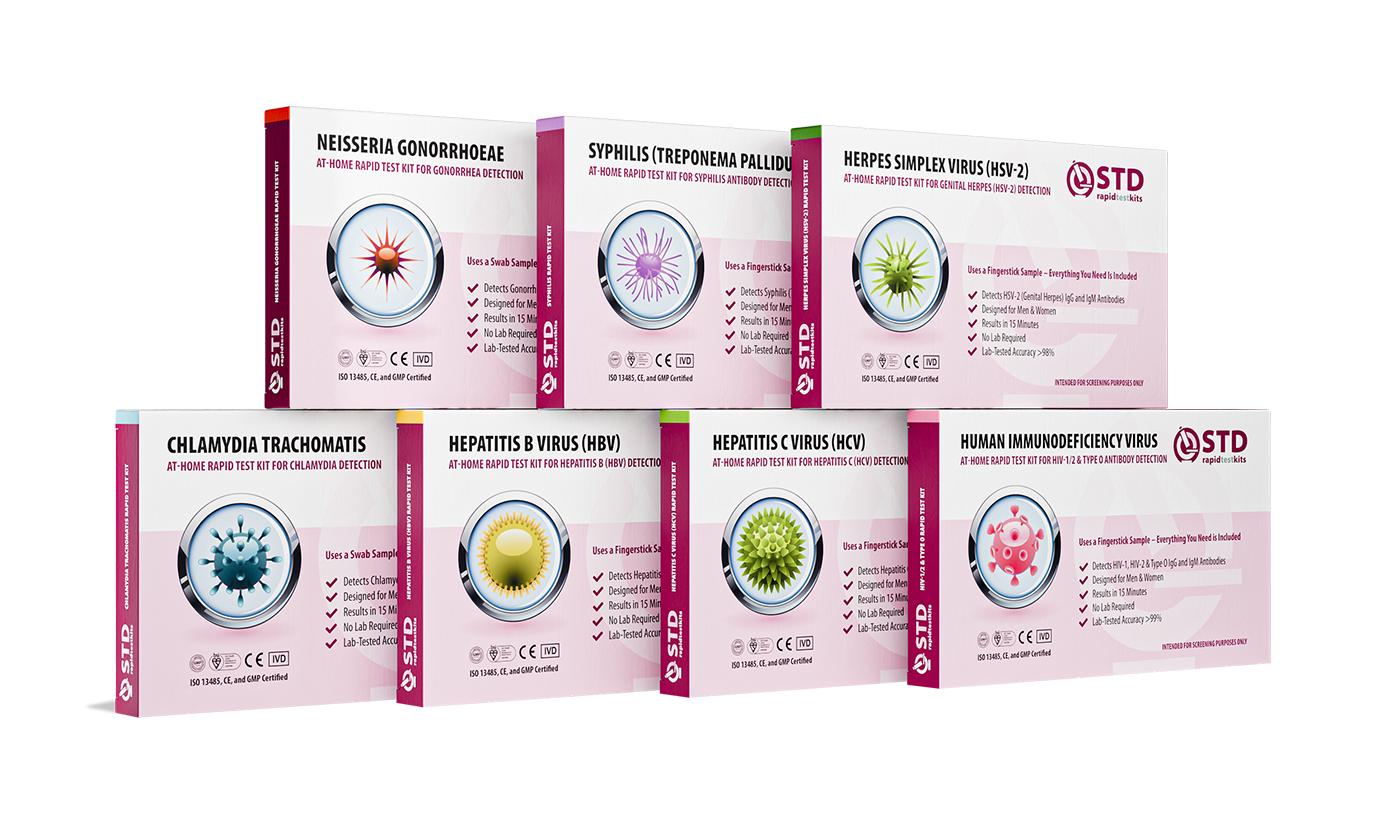
This combo test kit can check for the most common infections from home, no clinic, no awkward appointments. If your head’s spinning after unprotected period sex, peace of mind could be just a few drops of blood away.
Does Menstrual Blood Increase STD Risk for the Receiving Partner?
Here’s where things flip. People often focus on whether the menstruating partner can get infected, but what about the other person? Can blood increase their risk?
In cases of HIV or hepatitis B, yes. Blood is one of the highest-risk fluids for viral transmission. If someone has open cuts on their penis, inside their mouth, or even microabrasions from vigorous sex, menstrual blood can become a direct vector. That’s especially true in oral or anal sex scenarios involving menstrual blood contact.
Even if the bleeding is light, viral particles in blood are more potent than those in semen or saliva. That’s why medical guidelines emphasize condom or barrier use even during menstruation, and why period sex should never be assumed “safe” by default.
So whether you’re the one bleeding or the one receiving, protection matters.
Return to STD Rapid Test Kits to explore fast, discreet testing options if you’ve had period sex and aren’t sure where you stand.
Why Some People Feel Safer During Period Sex, And Why That Can Be Dangerous
There’s a psychological reason period sex often feels lower risk. Many associate menstruation with “not being fertile,” and by extension, not being infectious. This association is deeply rooted in sex-ed gaps that conflate pregnancy risk with STD risk, as if they’re always linked. But they’re not. You can absolutely get, or give, an STD during your period, even when there’s zero risk of pregnancy.
In fact, many STDs have nothing to do with sperm, ovulation, or reproductive timing. They live in skin, mucus, fluids, and blood. And for viruses like herpes or HPV, symptoms can be invisible. That means you or your partner may feel totally “clean”, but still be carrying something contagious.
“I just assumed if she wasn’t ovulating, nothing could happen,” said Cam, 29, after a surprise herpes diagnosis. “We were messy. There was blood. I didn’t think anything of it. But that one time changed everything.”
Assumption is not prevention. If you’re trusting your cycle to protect you from STDs, you’re playing roulette. And like all high-stakes games, it’s better to go in with your eyes open.
Check Your STD Status in Minutes
Test at Home with Remedium7-in-1 STD Test Kit
 For Men & Women
 Results in Minutes
 No Lab Needed
 Private & Discreet
Order Now $129.00 $343.00
For all 7 tests
Do Condoms Work During Period Sex?
Yes, when used correctly, condoms absolutely protect against STDs during menstruation. But there are a few practical things to keep in mind.
First, period blood can make condoms more slippery. This can increase the chances of slippage, especially during longer sessions or rougher thrusting. It’s important to check during sex that the condom is still intact and positioned correctly. Second, some people notice more breakage when sex is combined with menstrual clots or dryness, especially early or late in a cycle.
But these are mechanics, not dealbreakers. The core fact remains: condoms are still your best bet for protecting both partners. That includes oral sex with a dental dam or a cut-open condom, especially when blood is present. For queer couples, barrier protection matters just as much. Herpes and HPV don’t care about labels.
If you’ve had unprotected period sex and now feel unsure, a rapid herpes test kit can detect past exposure and ease your mind.
Can You Get HIV from Period Sex?
This is one of the most commonly searched, and most misunderstood, questions online. Let’s be clear: the answer is yes, if one partner is living with HIV and protective steps are skipped.
HIV is a bloodborne virus. Menstrual blood is a direct transmission medium, especially if the receiving partner has cuts, sores, or mucosal tears. But this doesn’t mean every instance of unprotected period sex leads to HIV. It means the risk is elevated when blood is involved, and risk accumulates with repeated exposures.
According to the CDC, receptive vaginal sex carries a higher per-act risk than insertive vaginal sex, and that risk rises if blood is involved. If your partner is on PrEP (pre-exposure prophylaxis), or if you’re undetectable (and therefore untransmittable), that changes the equation. But in many casual or unspoken scenarios, those factors aren’t confirmed.
That’s why testing after period sex isn’t overkill, it’s peace of mind.
How Long Should You Wait to Test After Period Sex?
Timing matters. Some infections show up quickly on a test. Others take time to incubate. If you had unprotected period sex and want accurate results, here’s when to act:
| Infection | Earliest Test Date | Best Accuracy Window |
|---|---|---|
| Chlamydia | 5–7 days | 14+ days |
| Gonorrhea | 5–7 days | 14+ days |
| Herpes (HSV-2) | 7–10 days (symptom-based) | 12+ weeks (blood antibody) |
| HIV (Ag/Ab Combo) | 18–45 days | 90+ days |
| Trichomoniasis | 5–7 days | 14+ days |
Figure 2: Testing windows after potential STD exposure during menstruation. Always check the type of test you're using, some at-home kits detect antigens or antibodies, while others rely on DNA amplification (NAAT).
We know the wait can feel like torture. But testing too early could give you a false negative, especially for viruses like herpes or HIV. If you’re unsure, take a baseline test now, then repeat at the optimal window. Many home kits include bundled retest options, or you can order them separately.
Whether it’s your first scare or just another question mark, STD Rapid Test Kits offers discreet options with no judgment, no clinic lines, and no awkward face-to-face.
People are also reading: The Silent Virus: Why HIV Symptoms Get Missed for Years
What About Symptoms? Should You Wait Until You Notice Something?
No. Many of the most common STDs, including chlamydia and gonorrhea, often show no symptoms at all, especially in the early stages. By the time signs appear, damage may already be occurring in the reproductive tract or urethra.
And period blood can actually mask certain early symptoms. You might think a slightly different color, odor, or amount of discharge is just “part of your flow”, when it’s really inflammation, infection, or pus.
That’s why symptom-free testing matters. Waiting for a red flag means waiting too long. Catching it early means easier treatment, better partner communication, and less stress down the road.
The Shame Spiral: Why People Delay Testing After Period Sex
For many people, testing after period sex isn’t about knowledge, it’s about shame. They’re scared of what the result might say, or what it implies about them. They worry they’ll be judged for “letting things get messy.” They replay the moment over and over, asking, “Why didn’t I just use a condom?”
Nina, 34, waited six months before testing for herpes. “I had a gut feeling, but I couldn’t bring myself to know for sure. It happened during my period, and I blamed myself for being lazy. I thought maybe if I ignored it, it’d go away.”
It didn’t. And it doesn’t. But once she finally tested, she felt a sense of peace she hadn’t known she needed. “At least now I know. I can take care of myself. I can stop wondering.”
Testing is not confession. It’s care. It’s a way of honoring your body, your choices, and your future partners. Period sex might feel like a blur, but the aftermath doesn’t have to be.
If You’re Going to Have Period Sex, Protect Yourself Like This
Let’s be real, people are still going to have sex during their periods. And that’s okay. It can be messy, yes, but also connective, pleasurable, even spiritual. There’s no shame in choosing it.
But informed sex is safer sex. If you’re going to do it, consider these practices:
Use condoms, even if you're monogamous, because infections don’t always come with symptoms. Try dental dams or gloves for oral and manual sex. Don’t rely on blood to reduce anything. And when in doubt, test.
If you’re between partners, exploring non-monogamy, or recently stopped using protection, a full-panel test kit is a good reset point. And if you’re already dealing with symptoms or exposure anxiety, act now, not later. Your future self will thank you.
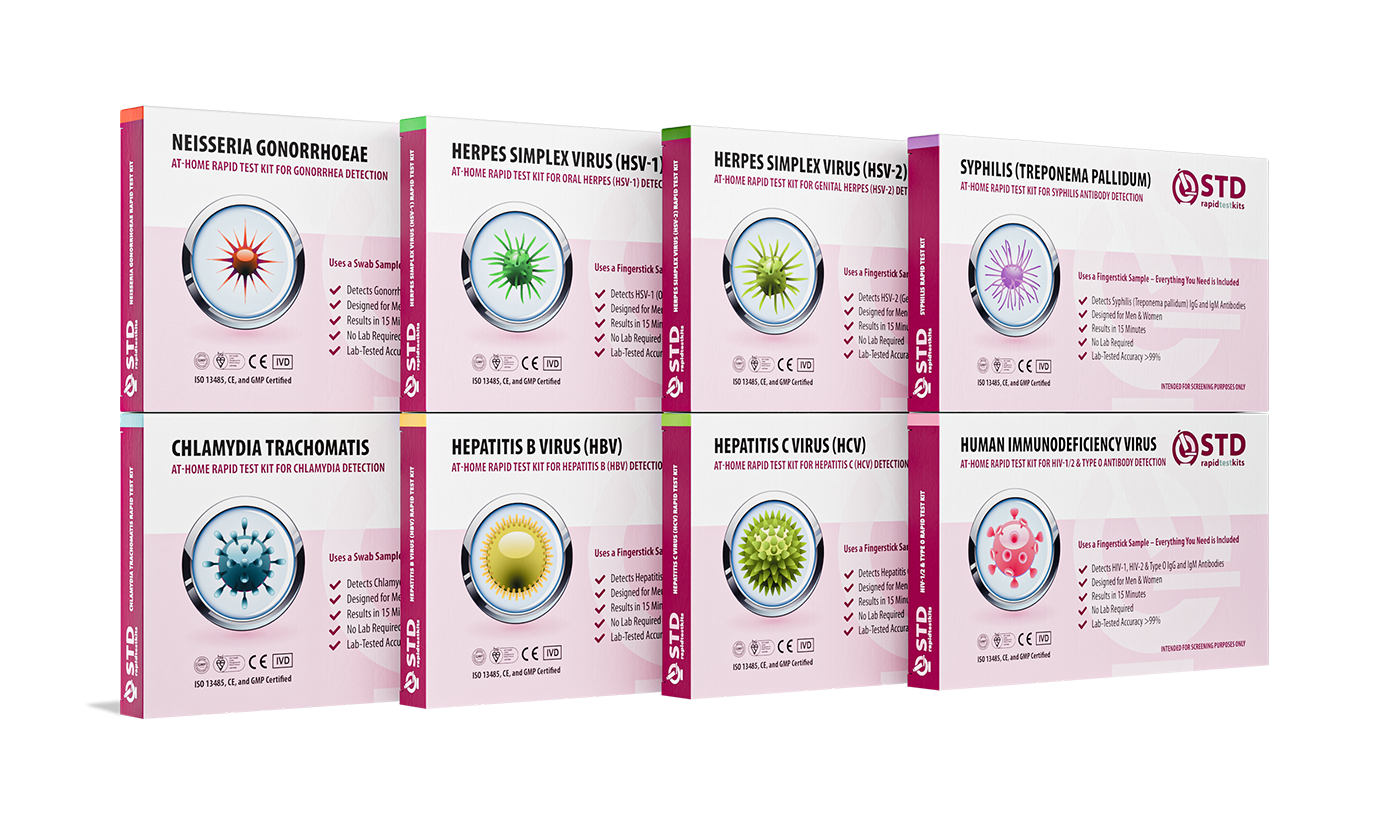
This at-home combo test checks for the most common infections with just one kit, quickly, privately, and without judgment.
Check Your STD Status in Minutes
Test at Home with Remedium8-in-1 STD Test Kit
 For Men & WomenResults in MinutesNo Lab NeededPrivate & Discreet
Order Now $149.00 $392.00
For all 8 tests
What If You're Regretting It Now?
Maybe it felt safe at the time. You were bleeding, things got heated, and skipping the condom didn’t feel like a big deal. But now it’s the morning after, or maybe a week later, and your brain won’t shut up. “What if I caught something?”
Sam, 27, had that exact spiral. “It wasn’t rough, it didn’t hurt, but something just felt off afterward. And I couldn’t stop googling.” He ordered an at-home test. The result? Chlamydia. Easy to treat, but would’ve gone unnoticed if he hadn’t checked.
The truth? You don’t need symptoms to justify testing. And you don’t need anyone’s permission to stop wondering and just know.
Whether it’s been 5 days or 5 weeks, this discreet combo kit covers the most common STDs and gives you results without the drama.
FAQs
1. Can you really get an STD from period sex?
100%, yes. The presence of blood doesn’t block transmission, it can actually raise the stakes, especially for viruses like HIV or hepatitis B. If there’s skin contact, fluid exchange, or friction (which, let’s be honest, period sex has plenty of), the risk is there. Period or not.
2. Doesn’t blood “clean things out,” though?
That’s a popular myth, and a comforting one, but no, your period doesn’t “flush out” STDs. It’s not a detox. If anything, the hormonal changes and mucosal shifts during your cycle can make it easier for infections to take hold, not harder.
3. Is it worse to be the one bleeding, or the one receiving?
Both partners have potential risk. If you’re menstruating and your partner has cuts, cold sores, or gum issues, your blood becomes a direct exposure route. And if your partner has an undiagnosed infection, your cervix and vaginal lining, already a bit inflamed from menstruation, can be more susceptible to catching something.
4. What if we didn’t finish? Like, no one came, does that lower the risk?
Ejaculation doesn’t need to happen for transmission. Pre-cum, vaginal fluids, skin contact, and blood are all enough to pass infections like chlamydia, herpes, and HPV. So no orgasm ≠ no risk.
5. Can I use a home STD test during my period?
Yep, most at-home kits are blood or urine-based and aren’t affected by menstruation. Swabs might be less accurate if you're bleeding heavily, but most rapid tests don’t rely on that kind of sample. If you’re unsure, check the test instructions, or wait a day or two if that eases your mind.
6. Do STDs show up faster if the exposure happened during a period?
The biology of your cycle doesn’t really speed up detection. The window periods stay the same. You might feel “off” faster, but that doesn’t always mean the test will catch it right away. A good rule? Test once at 10–14 days, and again after 4–6 weeks if you’re still worried.
7. Should we skip oral sex if I’m on my period?
If there’s visible blood and no protection? Probably. Blood carries more risk than vaginal fluids alone, especially for HIV or hep B. If you’re doing oral, use a dental dam or a cut-open condom. It’s not overkill. It’s self-respect.
8. Why does no one talk about this stuff?
Because sex ed usually stops at “don’t get pregnant” and forgets that queer folks, trans folks, and anyone bleeding still have sex. Period sex isn’t weird, it’s just ignored. That’s why we’re talking about it here. No shame. Just facts.
9. What if I’m scared to test?
That’s okay. Most people are. It’s not just about swabbing or peeing, it’s about facing what might be true. But the truth gives you power. One small act (peeing in a cup, pricking your finger) can stop months of anxiety. You don’t have to do it alone either, test with a friend, a partner, or just know we’ve got your back with discreet kits and real info.
10. How do I tell my partner I want to test after period sex?
Say it with honesty and calm. Try: “Hey, I’ve been reading about STD risks during period sex, and I want to make sure we’re both okay. I’m gonna test just to be safe.” If they react badly, that’s about them, not your worth. Real partners support safety and truth.
You Deserve Answers, Not Assumptions
Period sex is normal. It’s messy, emotional, and sometimes misunderstood. But it shouldn’t be mysterious. You deserve to know what the real risks are, and how to protect yourself without shame or confusion.
If you’ve had unprotected sex during your period, or with someone who was menstruating, don’t guess. Don’t spiral. Just test. Knowing your status changes everything: your confidence, your safety, your ability to move forward without fear.
Don’t wait and wonder, get the clarity you deserve. This at-home combo test kit checks for the most common STDs discreetly and quickly.
How We Sourced This Article: We combined current guidance from leading medical organizations with peer-reviewed research and lived-experience reporting to make this guide practical, compassionate, and accurate.
Sources
1. CDC – STD Prevention and Risk Reduction
2. Planned Parenthood – Safer Sex and STD Facts
3. The Lowdown on How to Prevent STDs — CDC
4. Clinical Guidance for STIs — CDC
5. Can I Get or Transmit HIV From…? — CDC HIV Risk Tool
6. Is it safe to have sex during menstruation? — Medical News Today
7. Human immunodeficiency virus (HIV) Sexual Transmission — Public Health Ontario
8. Can You Get HIV (or Any STI) From Period Blood? — TheBody.com
About the Author
Dr. F. David, MD is a board-certified infectious disease specialist focused on STI prevention, diagnosis, and treatment. He blends clinical precision with a no-nonsense, sex-positive approach and is committed to expanding access for readers in both urban and off-grid settings.
Reviewed by: Lauren Miles, FNP-C | Last medically reviewed: February 2026
This article is for informational purposes and does not replace medical advice.


